Frozen Breakfast Sales Are Climbing Nationwide and the Data Suggests a Lifestyle Change

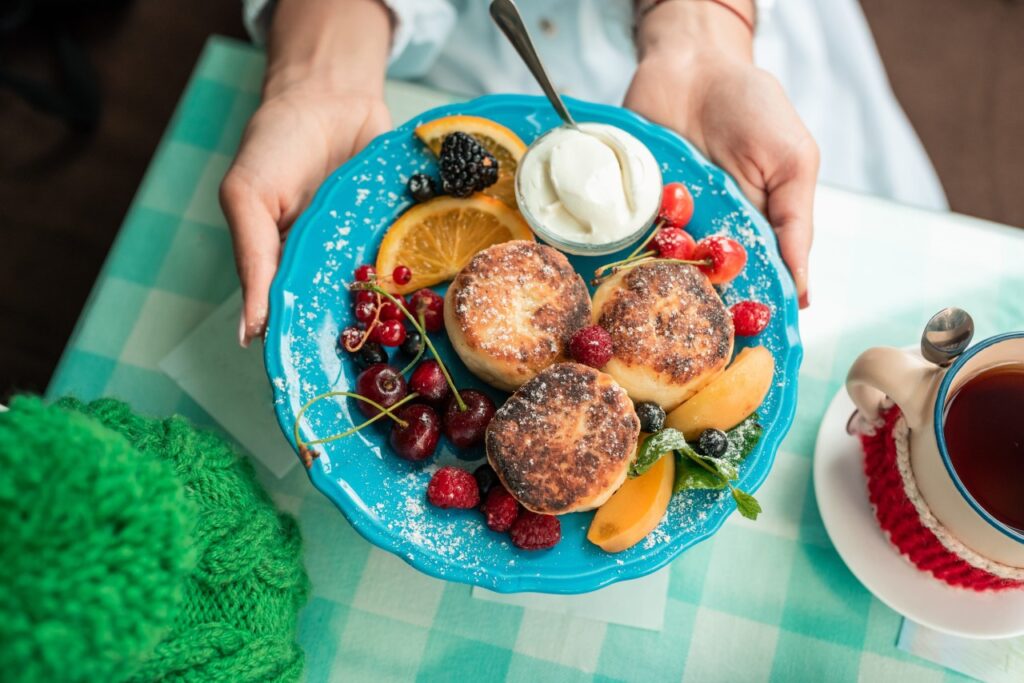
Mornings are no longer what they used to be, and neither is breakfast, as daily routines grow faster and more demanding with each passing year. Many people are rethinking how they begin their day, often prioritizing speed and ease over traditional cooking habits. Frozen breakfast options, once viewed as a secondary choice, are now becoming a dependable solution for those who want a quick and consistent start. With minimal preparation time, these ready-to-heat foods fit smoothly into busy schedules, quietly reshaping how breakfast is planned and consumed across a wide range of households, especially among working individuals and students managing tight timelines.
This steady rise in frozen breakfast sales points to something deeper than convenience alone, highlighting a clear shift in lifestyle priorities. It reflects how consistency, efficiency, and flexibility are becoming more important than long-standing routines. Consumers are increasingly choosing options that align with their pace of life, offering both reliability and ease without added effort. This trend shows how everyday food decisions are evolving, influenced by changing schedules, rising expectations, and a growing need for practical solutions that can adapt to modern living, while also supporting more structured and predictable daily routines.
The Lasting Shift Toward Convenience-Driven Mornings
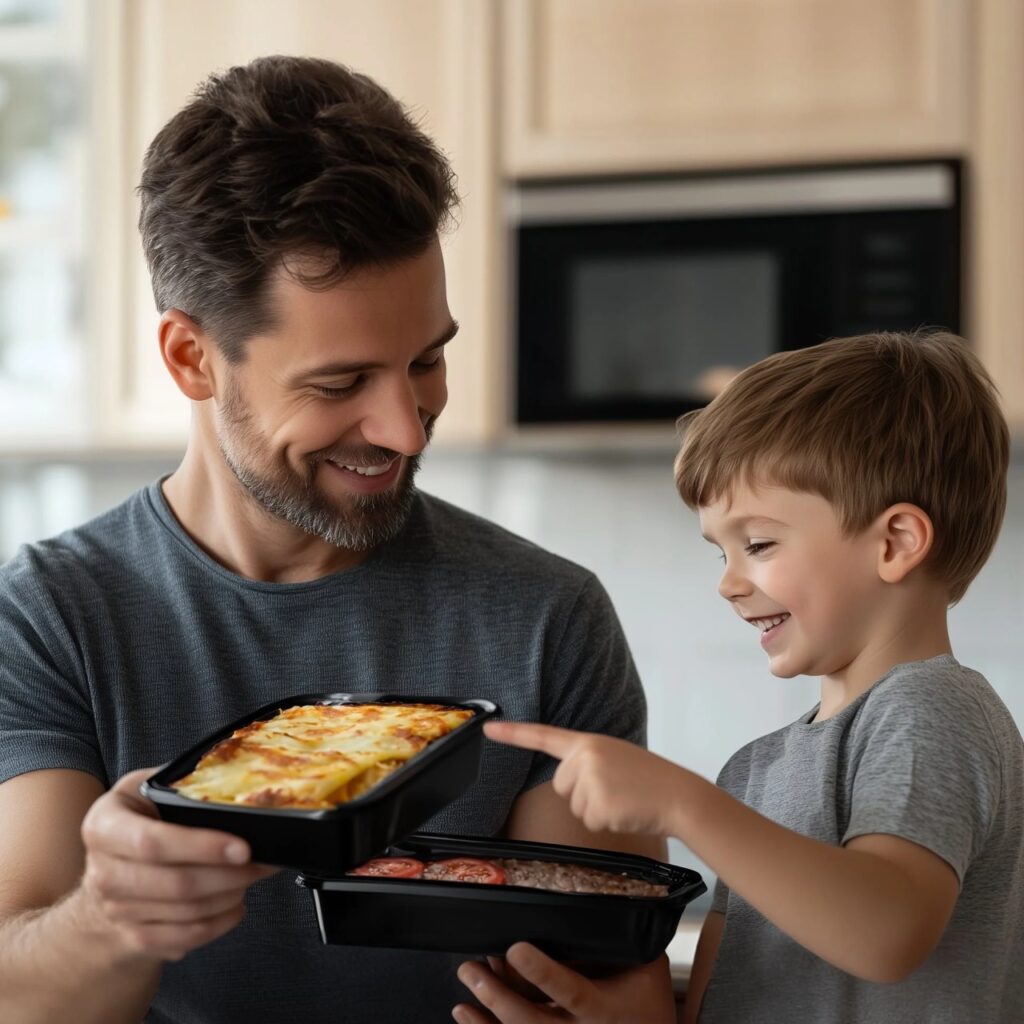
Morning routines today reflect a clear shift in how people manage time, with many choosing efficiency over traditional habits that once required more effort and planning. Preparing breakfast from scratch is becoming less common, especially for those balancing work, school, or family responsibilities in tightly packed schedules. Frozen breakfast foods have stepped in as a practical alternative, offering ready-to-heat meals that require very little preparation. This allows individuals to maintain a regular eating routine without sacrificing time, making mornings feel more manageable and less rushed overall.
This change goes beyond saving a few minutes; it supports a more predictable and structured start to the day. With frozen options readily available, people no longer need to plan meals or worry about missing breakfast due to time constraints. The reliability of these choices appeals to those seeking consistency in their routines, especially during busy weekdays. Over time, this dependable approach is shaping long-term habits, where convenience becomes an essential part of how mornings are organized and maintained across different lifestyles, helping reduce daily stress and improve overall routine consistency.
Balancing Nutrition With Speed in Daily Routines
Speed is no longer seen as something that must come at the expense of nutrition, and this balance is becoming increasingly important for modern consumers managing busy routines. Frozen breakfast products have evolved significantly, now offering options that emphasize higher protein content, controlled portions, and more balanced ingredient profiles. These improvements allow individuals to make quick, reliable choices without feeling they are neglecting their dietary needs. As awareness around health continues to grow, shoppers are actively seeking products that deliver both efficiency and nutritional value in a single, convenient option.
At the same time, consumers are paying closer attention to what goes into their meals, even when choosing ready-to-heat options for convenience. Labels, ingredient transparency, and nutritional claims are playing a stronger role in guiding decisions at the store. People want meals that not only save time but also support their personal health goals and daily energy needs. This shift has pushed brands to improve quality and clarity, making it easier for shoppers to find frozen breakfast options that genuinely meet both their time constraints and evolving expectations around health and wellness.
How Consumer Habits Are Redefining Breakfast Norms
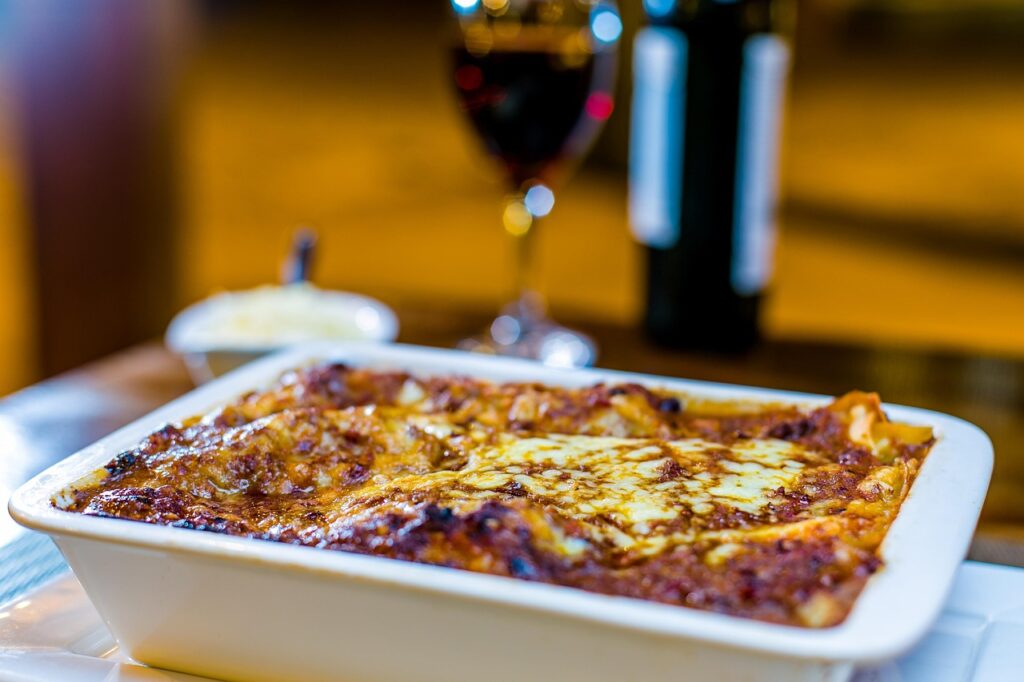
The idea of what breakfast should look like is steadily evolving as consumer habits shift toward greater flexibility and personal preference in daily routines. Traditional meals that once defined the start of the day are no longer the only standard, as people increasingly choose options that fit their schedules rather than follow fixed patterns. Frozen breakfast foods support this transition by offering a wide variety of choices that can be prepared quickly and eaten at any time, making them suitable for both structured mornings and more unpredictable daily routines, especially for individuals managing varied and time-sensitive commitments.
This flexibility reflects a broader change in how meals are approached, with timing and format becoming less rigid than before. Many people now eat breakfast on the go, between tasks, or even later in the day, depending on their schedule and energy needs. Frozen options make this possible by removing the need for preparation and planning. As these habits continue to grow, the definition of breakfast is expanding beyond traditional expectations, shaped by convenience, accessibility, and the realities of modern lifestyles, while also supporting more adaptable and personalized eating patterns across different age groups and daily routines.
The Expanding Role of Frozen Foods in Everyday Life
Frozen foods are no longer limited to occasional use, but are steadily becoming a regular part of daily meal planning across many households. Advancements in food technology and preservation methods have significantly improved taste, texture, and overall quality, making these products far more appealing than they were in the past. As a result, long-held perceptions are shifting, with frozen foods now seen as dependable and efficient choices rather than secondary options used only when fresh alternatives are unavailable or inconvenient, especially for those seeking consistent and reliable meal solutions.
As confidence in frozen products continues to grow, consumers are incorporating them into a wider range of meals beyond just breakfast. The ability to store items for extended periods without worrying about spoilage makes them especially attractive for those managing busy schedules. This reliability reduces food waste while also simplifying meal planning. Over time, this growing dependence highlights how frozen foods are becoming deeply integrated into everyday routines, supporting both convenience and practicality in modern households with evolving lifestyle needs, while also helping improve efficiency in daily cooking habits.
What the Future Holds for Frozen Breakfast Choices
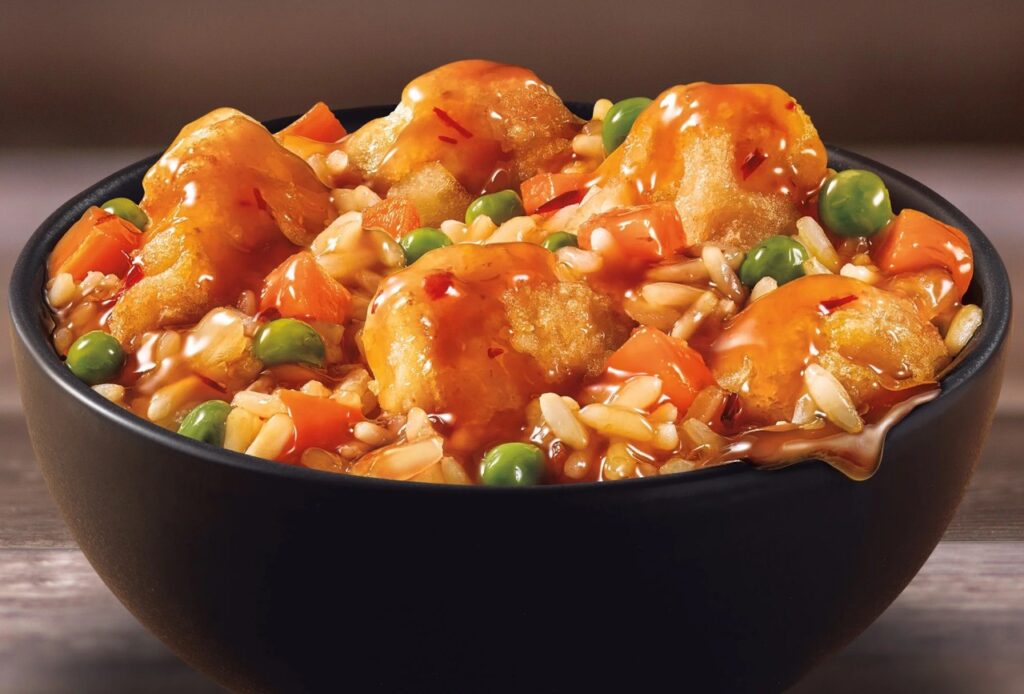
The future of frozen breakfast choices is expected to evolve alongside changing consumer expectations, which are becoming more specific and value-driven over time. While convenience will remain a key factor, it will no longer be the only reason people choose these products. Consumers are increasingly looking for meals that offer better nutrition, greater variety, and options that suit individual dietary needs. This means brands will need to focus on delivering products that are not only quick to prepare but also genuinely useful and relevant in everyday routines, ensuring they fit seamlessly into modern lifestyles.
At the same time, there is a growing emphasis on sustainability, transparency, and responsible production practices in food choices. Shoppers are paying closer attention to packaging waste, ingredient sourcing, and how products are made. This shift is encouraging companies to adopt more efficient packaging solutions and provide clearer information about what they offer. As expectations continue to rise, frozen breakfast products will need to balance convenience with quality, environmental awareness, and trust, ensuring they remain a practical and appealing option in the long term, while also meeting evolving consumer expectations around responsible consumption.