11 Chain Restaurants Known for Disappointing Seafood

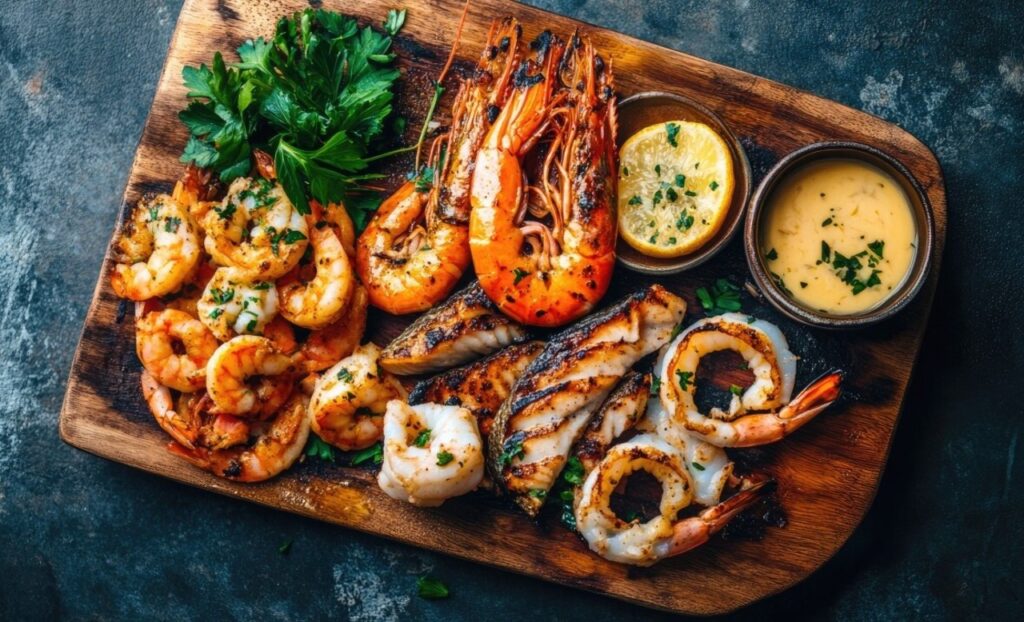
Seafood carries a promise. When it is fresh and handled well, it should taste clean, tender, and vibrant. That expectation is exactly why disappointment feels sharper when it misses the mark. Large chain restaurants face unique challenges with seafood, from long supply chains and frozen inventory to high-volume kitchens built for speed rather than precision. Delicate fish and shrimp demand careful timing, gentle heat, and minimal holding, conditions that are difficult to maintain in standardized, fast-moving environments. To compensate, many chains rely on breading, heavy sauces, and frying, which fill the plate but blur flavor and texture.
1. Applebee’s
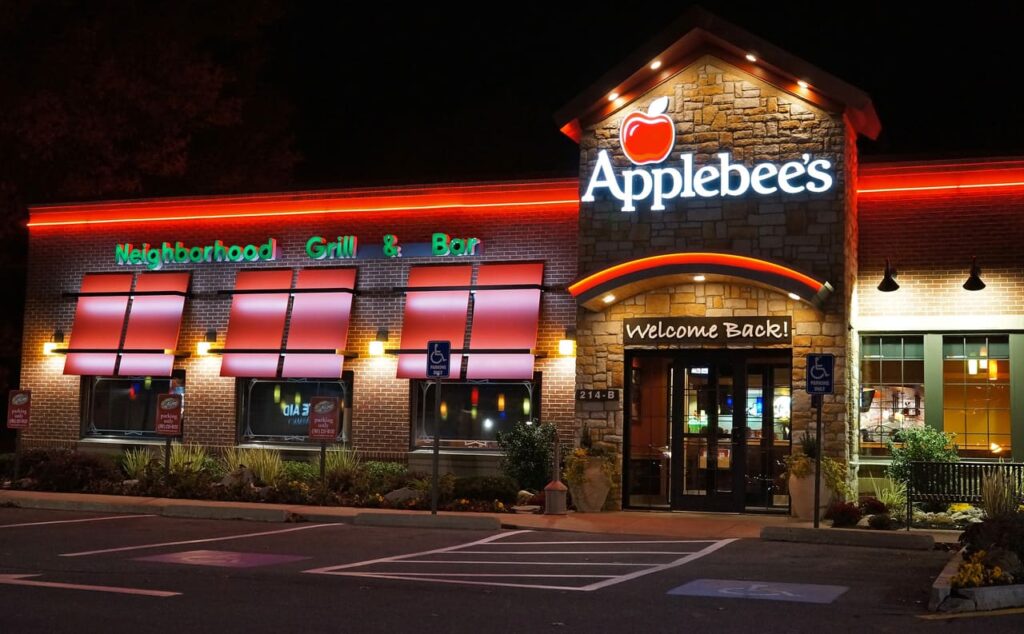
Seafood at Applebee’s often disappoints because the kitchen is built for speed, consistency, and broad appeal rather than freshness. Most fish and shrimp arrive frozen, which is common for large chains, but the real issue is how they are handled afterward. Delicate seafood is frequently cooked on the same stations as burgers, chicken, and steaks, where timing and heat are not optimized for fish. This leads to dry fillets, rubbery shrimp, and uneven textures. Heavy sauces are added to compensate, but they tend to overpower instead of complementing the seafood. Breading and frying further mute natural flavor and add greasiness.
2. Chili’s
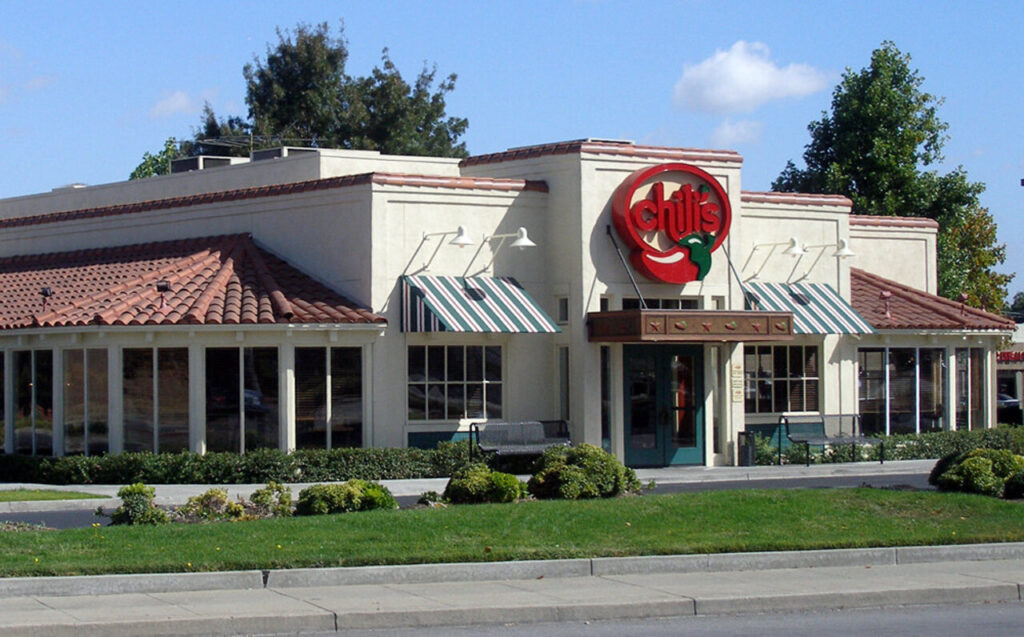
Chili’s is designed around bold, aggressive flavors, and that approach does not translate well to seafood. Fish and shrimp dishes are typically seasoned heavily, fried, or coated in sauces meant to stand up to ribs and burgers. While this keeps the menu consistent, it hides the quality of the seafood itself. Shrimp are especially prone to overcooking when held too long, turning firm and chewy. Because seafood is not the star of the menu, preparation often prioritizes speed over precision. Strong seasoning creates heat and salt, but not balance. The final dishes may taste intense, yet they lack freshness and subtlety, leaving seafood lovers underwhelmed despite the bold presentation.
3. TGI Fridays
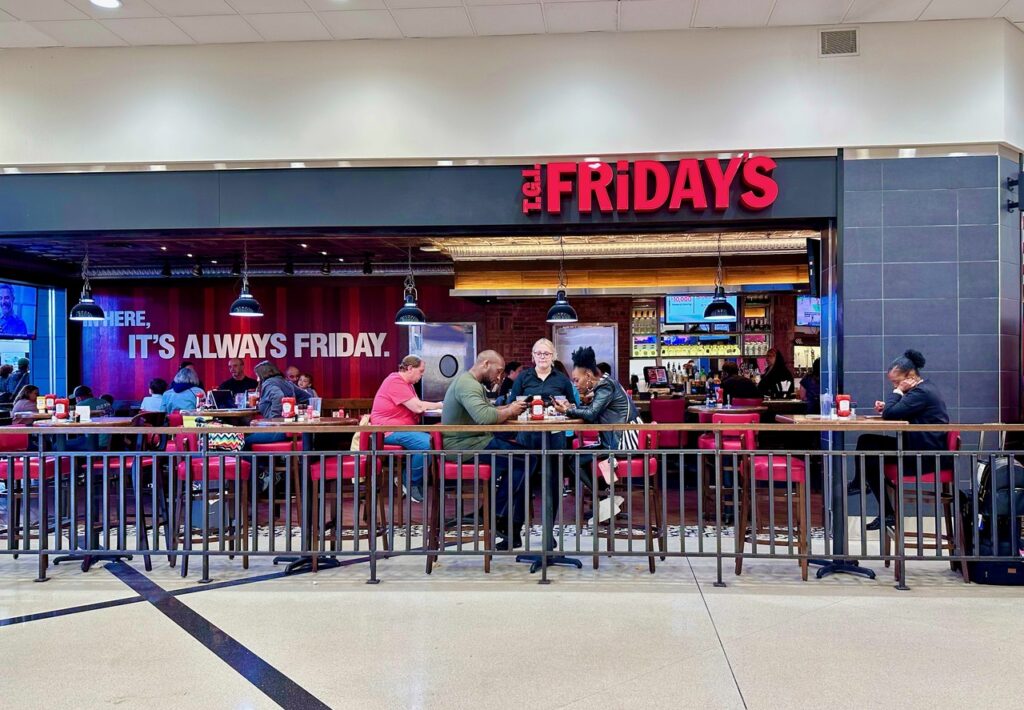
Seafood at TGI Fridays is shaped by a bar-food mindset that favors crunch and indulgence over finesse. Heavy breading, deep frying, and rich sauces dominate most fish and shrimp options. Frying can hide flaws in quality, but it also strips away delicate texture and natural flavor. Fish often loses its flake and moisture, becoming dense or oily instead. Sweet or spicy sauces blur distinctions between ingredients, making everything taste similar. The fast-paced kitchen prioritizes turnover, not careful timing, which seafood requires. While the dishes feel indulgent and filling, they are often one-dimensional, offering crunch and sauce without clarity or balance.
4. Olive Garden

Olive Garden seafood struggles because it is built into sauce-heavy pasta dishes, where fish and shrimp become secondary elements. Seafood is cooked quickly, then held or reheated as orders come in, which easily leads toa rubbery texture and moisture loss. Creamy or tomato-based sauces dominate the plate, masking delicate flavors. Pasta continues absorbing sauce over time, further dulling contrast and freshness. These dishes are familiar and filling, but they lack brightness and definition. Seafood often feels like an add-on rather than the focus. For diners expecting clean, tender fish or shrimp, the experience is more heavy than satisfying.
5. Outback Steakhouse
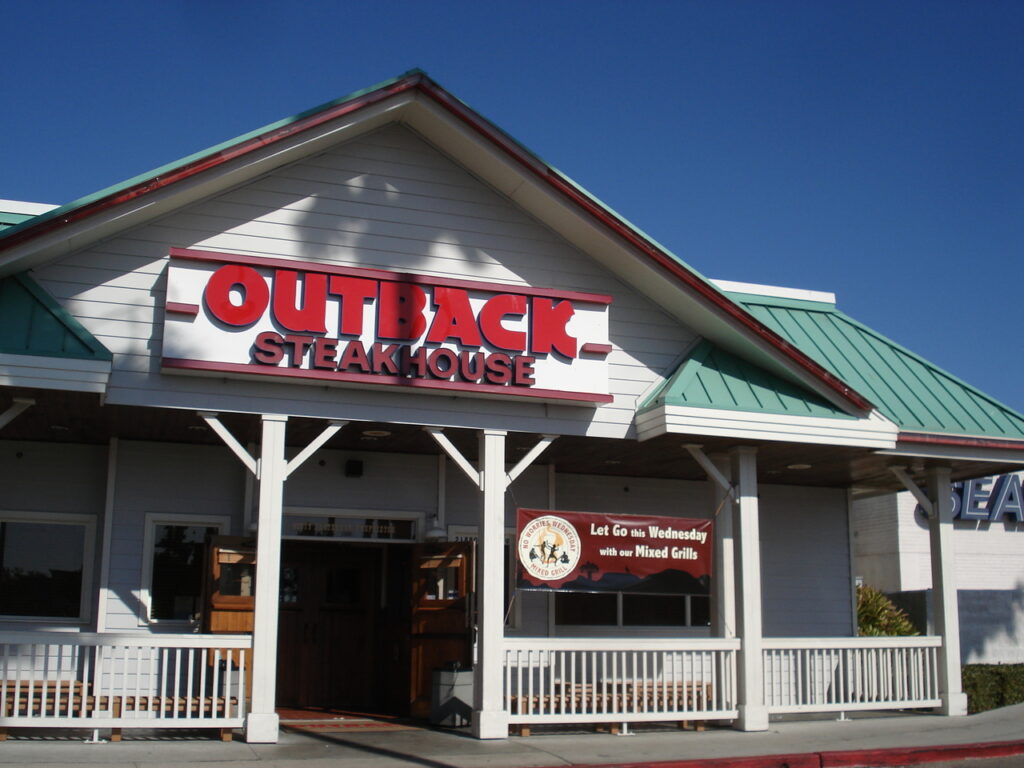
Outback’s identity revolves around beef, and its seafood reflects that secondary role. Fish options are limited and often prepared using basic grilling or frying methods without much refinement. Because seafood is not central to the brand, sourcing and handling may not receive the same attention as steaks. This results in bland flavor and uneven doneness. Seasoning is usually restrained, but without strong freshness underneath, dishes fall flat. When compared directly to well-executed beef plates, the shortcomings become more obvious. Seafood here feels like a menu obligation rather than a point of pride, leaving fish-focused diners disappointed.
6. Red Robin
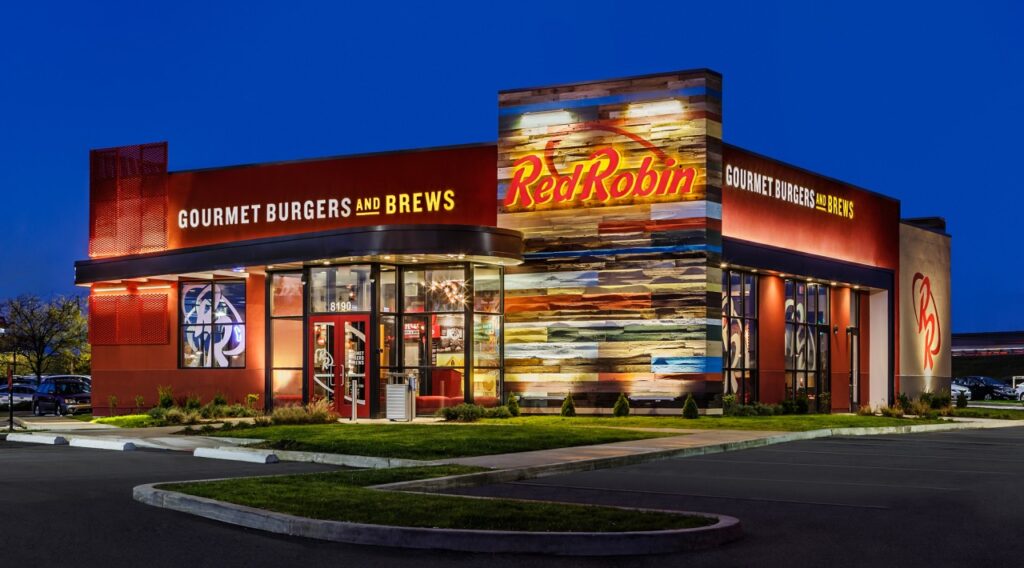
At Red Robin, seafood exists mainly to offer variety, not quality. Fish sandwiches and shrimp baskets rely heavily on frozen products and deep frying, which standardizes texture but sacrifices flavor. Oil-heavy cooking overwhelms mild seafood taste, while holding times further degrade texture. The kitchen is optimized for burgers and fries, so seafood does not receive specialized attention. Sauces and breading dominate the experience, leaving little sense of freshness. The result is food that is edible but unremarkable, filling space on the menu without offering a memorable or satisfying seafood experience.
7. IHOP
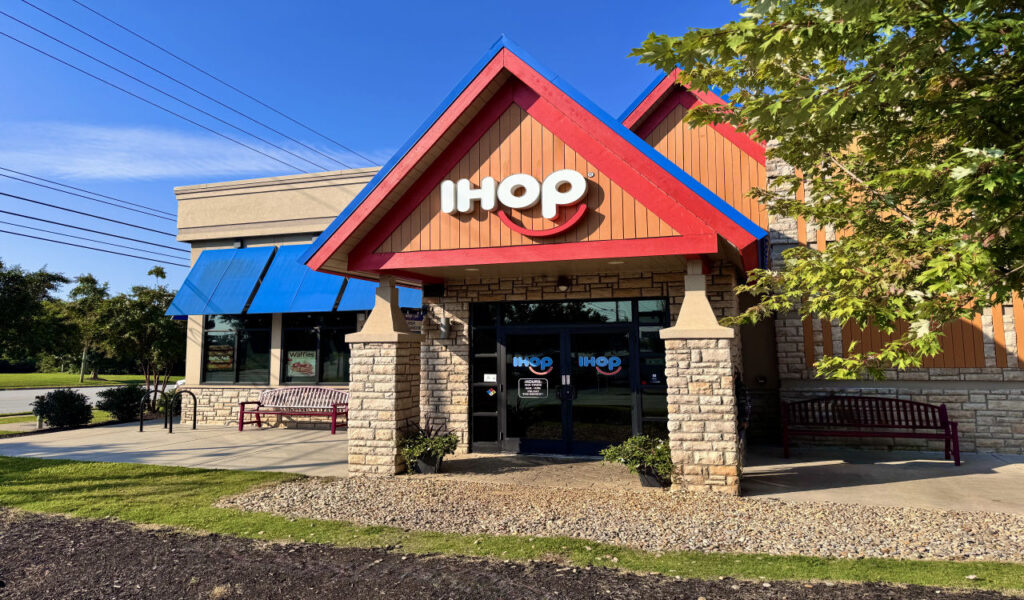
IHOP’s identity centers on breakfast, making seafood feel out of place from the start. Fish and shrimp appear mostly as limited or regional offerings and often rely on reheating and sauces to compensate for lack of freshness. The griddle-focused kitchen is not ideal for precise seafood cooking, increasing the risk of dryness or toughness. Portions may be generous, but texture and flavor suffer. Sauces are used to add moisture and interest, yet they flatten the dish rather than enhance it. Seafood here feels like a novelty option rather than a thoughtfully prepared choice, appealing more to availability than quality.
8. Cracker Barrel

Cracker Barrel emphasizes comfort food, and its seafood follows that same pattern. Fried fish dominates the menu, often coated in thick batter and cooked in large batches. While the exterior may be crisp, the fish inside can turn dry or mushy depending on how long it sits. Frying masks freshness and creates a uniform flavor that lacks distinction. The focus is on familiarity and portion size rather than precision. As a result, seafood dishes feel heavy and repetitive, delivering comfort without the clean, fresh character people associate with good seafood. Oil absorption increases the longer the fish sits after frying, making the texture decline quickly.
9. Denny’s
Denny’s seafood offerings are designed for accessibility, not excellence. Fish and shrimp are typically frozen, pre-portioned, and cooked quickly to meet diner expectations at any hour. High-volume preparation and extended holding times often lead to overcooking. Breading and sauces compensate for the lack of freshness but also flatten flavor. The seafood fills a menu slot rather than standing out as a highlight. It satisfies hunger in a practical sense, but rarely provides texture or taste that feels intentional or rewarding. Because seafood is not a core focus, staff training around it is often minimal. Late-night service further increases reliance on reheating rather than fresh cooking.
10. Buffalo Wild Wings
At Buffalo Wild Wings, seafood plays a minor role behind wings and sauces. Fish and shrimp are prepared using the same methods as other fried items, prioritizing crunch and sauce coverage over delicate texture. Strong sauces dominate the palate, leaving little room for natural seafood flavor. Overfrying and heavy seasoning are common, producing greasy results. The food fits the sports bar atmosphere, where bold flavors matter more than nuance, but it falls short for diners expecting quality seafood. Holding fried seafood during busy service further degrades the texture. Sauce-heavy preparation makes it difficult to detect freshness or doneness.
11. Golden Corral

Golden Corral faces challenges unique to buffet service, and seafood suffers the most. Fish and shrimp sit under heat lamps, which quickly dries out flesh and toughen texture. High-volume cooking encourages overcooking for safety, further degrading quality. Even when initially prepared well, time works against freshness. Sauces and breading help maintain appearance, but flavor and moisture fade quickly. The buffet model prioritizes quantity and variety, making seafood one of the most vulnerable items on the line. Repeated reheating cycles worsen texture throughout service hours. Guests often encounter seafood well past its ideal serving window.