9 Prime Rib Tricks That Sound Odd but Actually Work

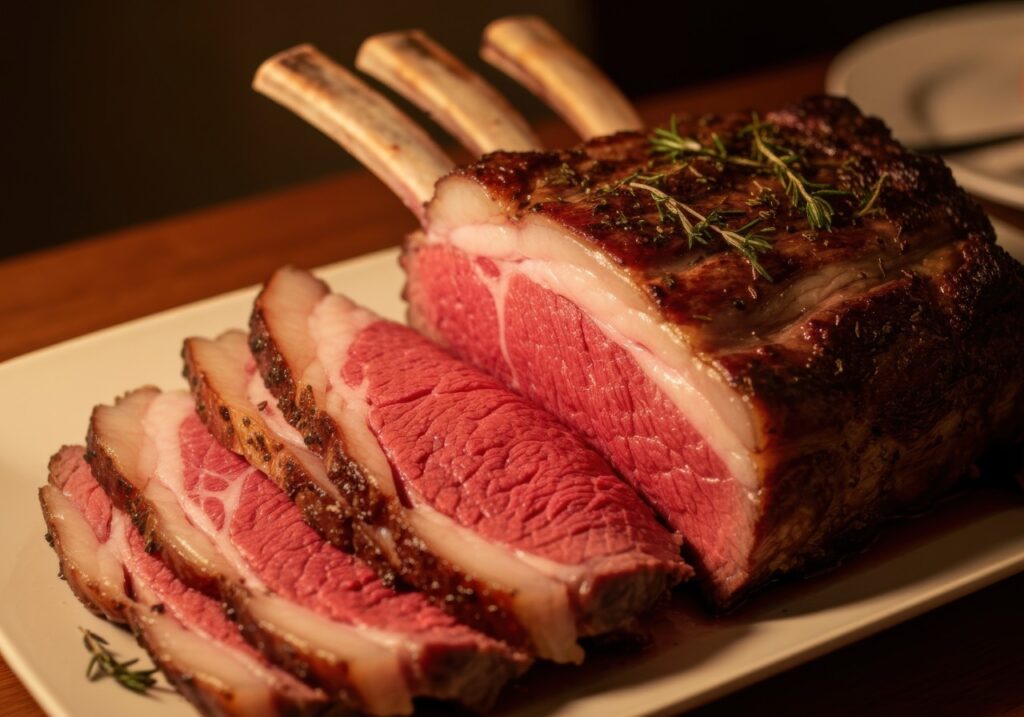
Prime rib has a reputation for being impressive, expensive, and slightly intimidating. Because it is such a special cut, many home cooks worry about getting it wrong and tend to overcomplicate the process. The truth is that great prime rib depends less on fancy techniques and more on understanding how heat, salt, fat, and time work together. Some of the most effective tricks sound unusual at first, but they are grounded in simple food science. When applied correctly, they remove stress and deliver consistently better results. These techniques help turn a daunting roast into a confident, rewarding centerpiece.
1. Salt the Roast a Day Early
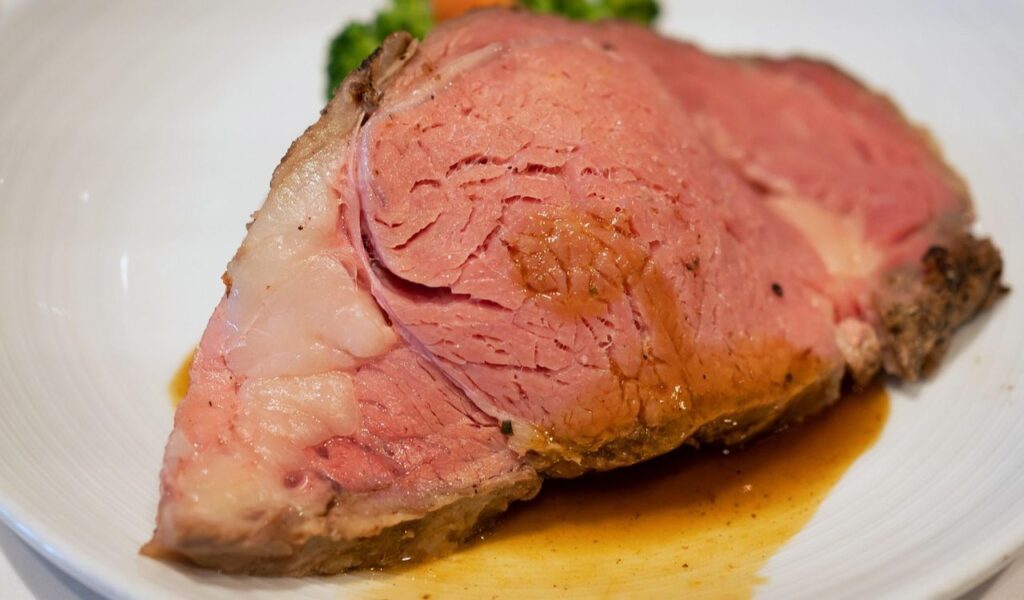
Salting prime rib a full day ahead sounds unnecessary, but it quietly fixes several common problems at once. When salt is applied early, it first draws moisture to the surface, then dissolves and gets pulled back into the meat. This process seasons the roast more evenly from edge to center instead of just coating the exterior. Over time, salt also alters muscle proteins, helping the meat retain moisture during cooking. The surface dries slightly in the refrigerator, which is exactly what you want for browning. A dry surface browns faster and more evenly, creating a better crust without overcooking the interior.
2. Cook It Low and Slow First
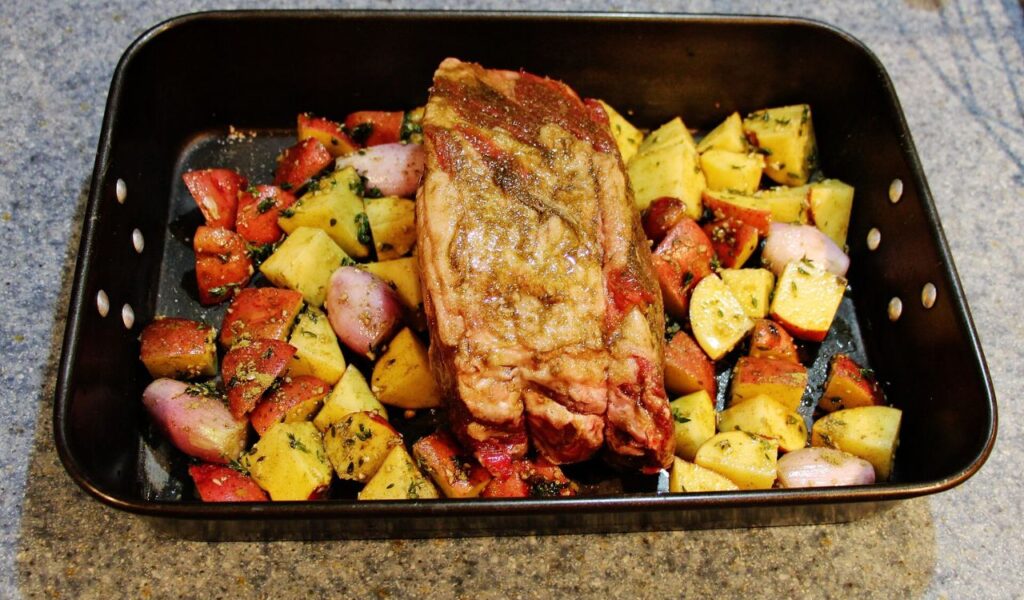
Starting prime rib at a low oven temperature feels counterintuitive, but it produces far more consistent results. Thick cuts of beef cook unevenly at high heat, creating a gray, overcooked band around the edges while the center lags behind. Low and slow cooking allows heat to move gradually through the roast, bringing the entire cut closer to the same internal temperature. This reduces moisture loss and preserves tenderness. The meat fibers tighten less aggressively, which keeps juices inside rather than forcing them out. The result is a roast that is evenly pink from edge to center instead of having multiple doneness zones. It is a controlled, forgiving approach that rewards patience.
3. Finish with a High-Heat Blast
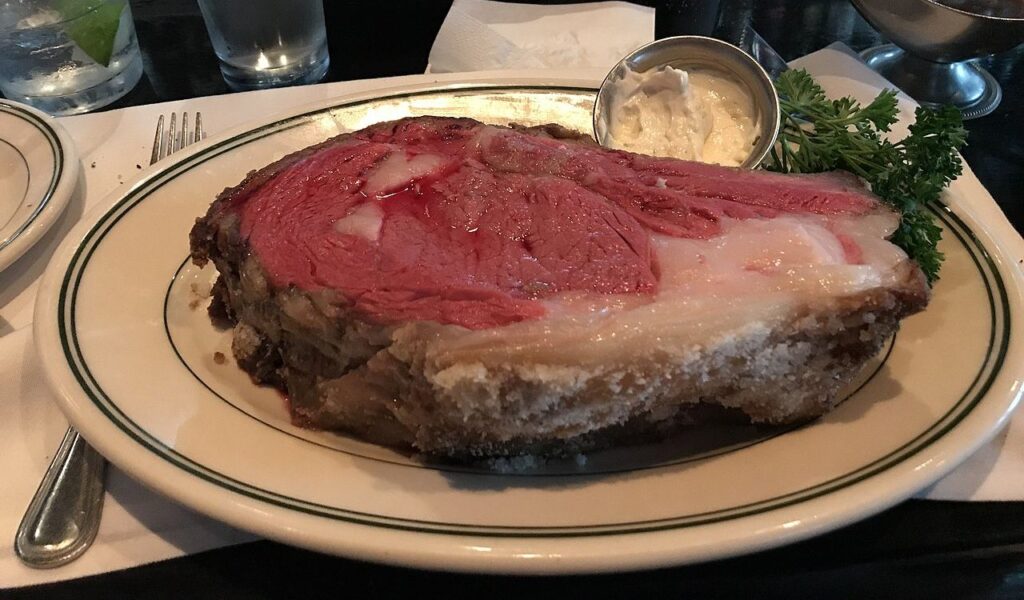
Saving high heat for the end sounds backward, but it solves the crust problem cleanly. Browning requires high temperatures, while gentle cooking preserves tenderness. Trying to do both at once often leads to uneven doneness. By cooking the roast gently first, you ensure the interior reaches the desired temperature evenly. A short blast of high heat at the end triggers browning reactions on the surface without significantly raising the internal temperature. This creates a deep, flavorful crust while keeping the inside exactly where you want it. The timing is short and intentional, which avoids drying out the meat. This separation of goals leads to better control and better results.
4. Let It Rest Longer Than Feels Reasonable
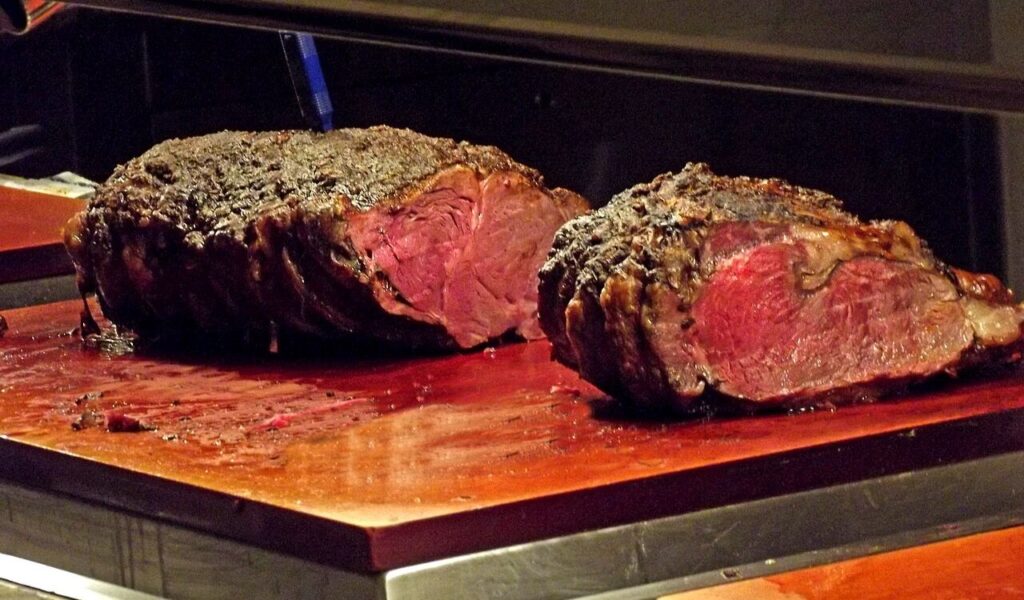
Resting prime rib longer than expected is not about tradition, but physics. During cooking, heat pushes moisture toward the center of the roast. If sliced immediately, those juices spill out onto the cutting board. Resting allows temperature to even out and muscle fibers to relax, reabsorbing liquid. Because prime rib is large, this process takes longer than with smaller cuts. A longer rest also stabilizes internal temperature, preventing further cooking. The roast becomes easier to slice, cleaner on the plate, and noticeably juicier. What feels like wasted time is actually part of the cooking process, not an optional pause.
5. Use a Thermometer, Not Guesswork
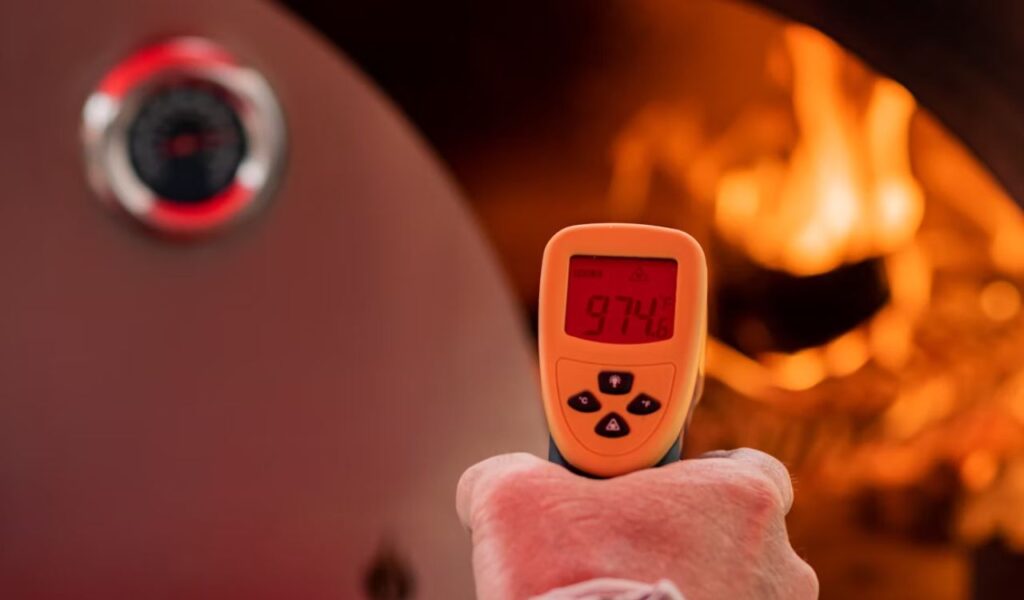
Prime rib is too thick and too valuable to rely on visual cues alone. Exterior color and cooking time do not reliably indicate internal doneness. A thermometer provides direct feedback, allowing precise control over the final result. Carryover cooking can raise internal temperature several degrees after the roast leaves the oven, and a thermometer helps you plan for that. This matters because a few degrees make a visible difference in texture and color. Guessing increases the risk of overcooking, which cannot be reversed. Using a thermometer removes anxiety and replaces it with accuracy. It turns a stressful roast into a predictable one.
6. Cook It Fat-Side Up
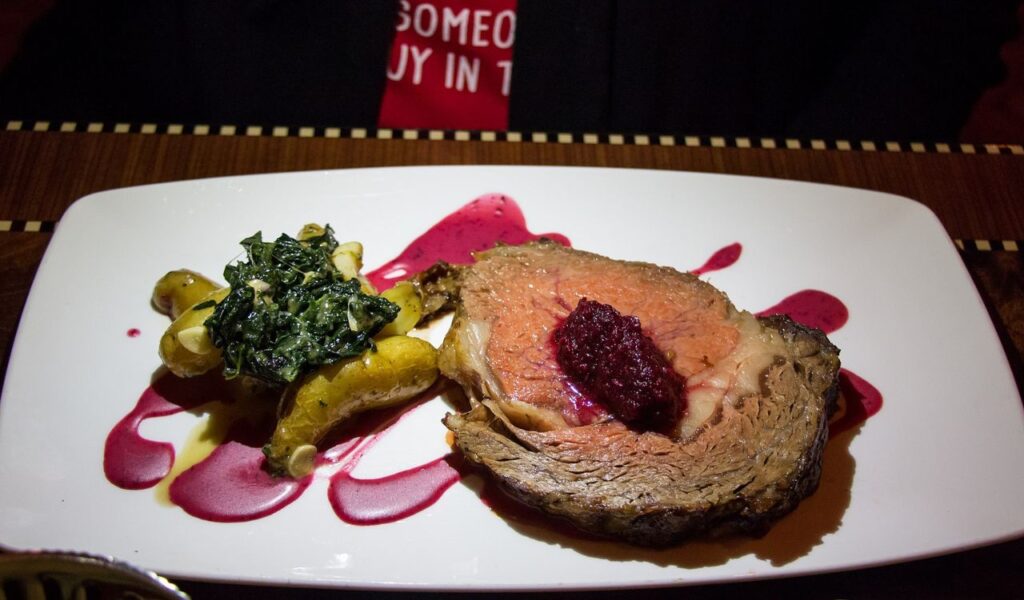
Cooking prime rib with the fat cap on top may sound old-fashioned, but it serves a practical purpose. As the fat warms, it slowly renders and coats the surface of the meat. This helps regulate heat exposure and reduces surface drying. While fat does not deeply penetrate the meat, it contributes to surface flavor and texture. The fat layer also acts as insulation, protecting the roast from direct heat. This leads to a gentler cooking environment and a better crust. Trimming excess fat is fine, but leaving a reasonable layer improves the overall result without extra effort. It also helps the exterior brown more evenly during the final high-heat stage.
7. Season Simply, Not Aggressively
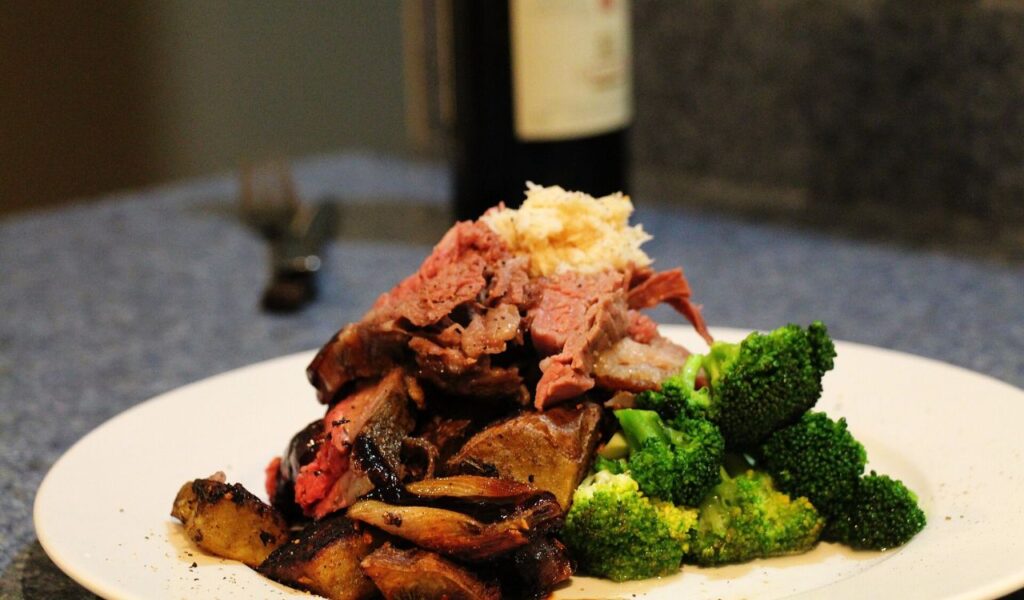
Prime rib has a naturally rich, beef-forward flavor that can be overwhelmed by heavy spice blends. Strong rubs often burn during high-heat finishing and mask the meat’s character. Simple seasoning allows the quality of the beef to remain the focus. Salt enhances natural flavor, while pepper adds mild warmth without distraction. Overcomplicating seasoning introduces unnecessary risk without clear benefit. When cooking such a premium cut, restraint is often more effective than creativity. The goal is clarity of flavor, not complexity. Simple seasoning lets texture, juiciness, and natural richness shine.
8. Slice Against the Grain Carefully
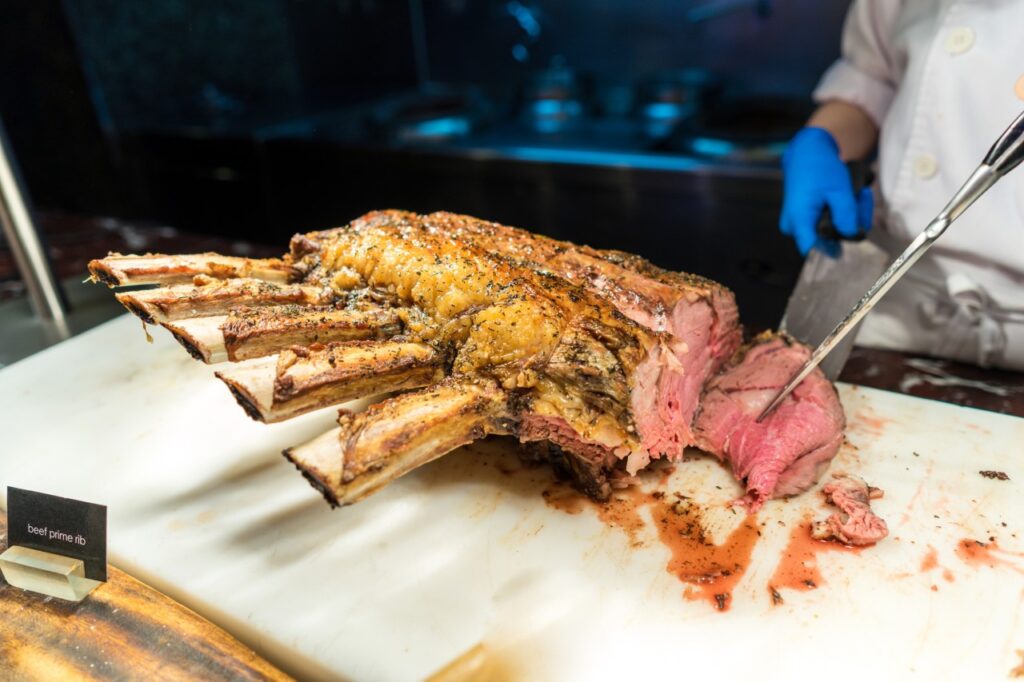
Even tender cuts benefit from proper slicing. Muscle fibers in prime rib run in specific directions, and slicing with the grain leaves long fibers intact. Cutting against the grain shortens those fibers, making each bite easier to chew. This improves perceived tenderness regardless of doneness. Careful slicing also helps maintain presentation, producing clean, even portions. Rushing this step undermines the work done during cooking. Understanding grain direction and taking time to slice correctly ensures the roast tastes as well as it looks. Texture matters just as much as flavor in a dish like this.
9. Do Not Open the Oven Repeatedly
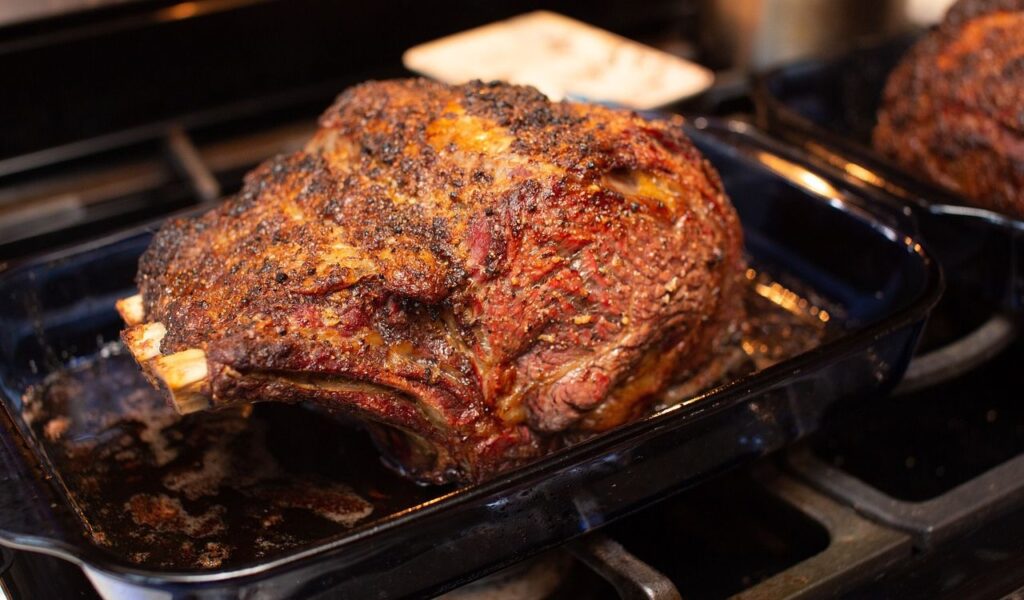
Checking the roast repeatedly feels reassuring, but it actively works against good results. Each time the oven door opens, heat escapes and the temperature drops. Large roasts rely on stable heat to cook evenly. Repeated fluctuations extend cooking time and disrupt consistency. This can cause uneven doneness and unnecessary moisture loss. Trusting your thermometer and oven settings produces better results than constant visual checks. Prime rib benefits from calm, uninterrupted cooking. Letting the oven do its job creates a more controlled environment and a better final texture. Fewer interruptions also help maintain steady airflow inside the oven, which supports even browning.