10 Baking Tips That Sound Complicated but Really Help

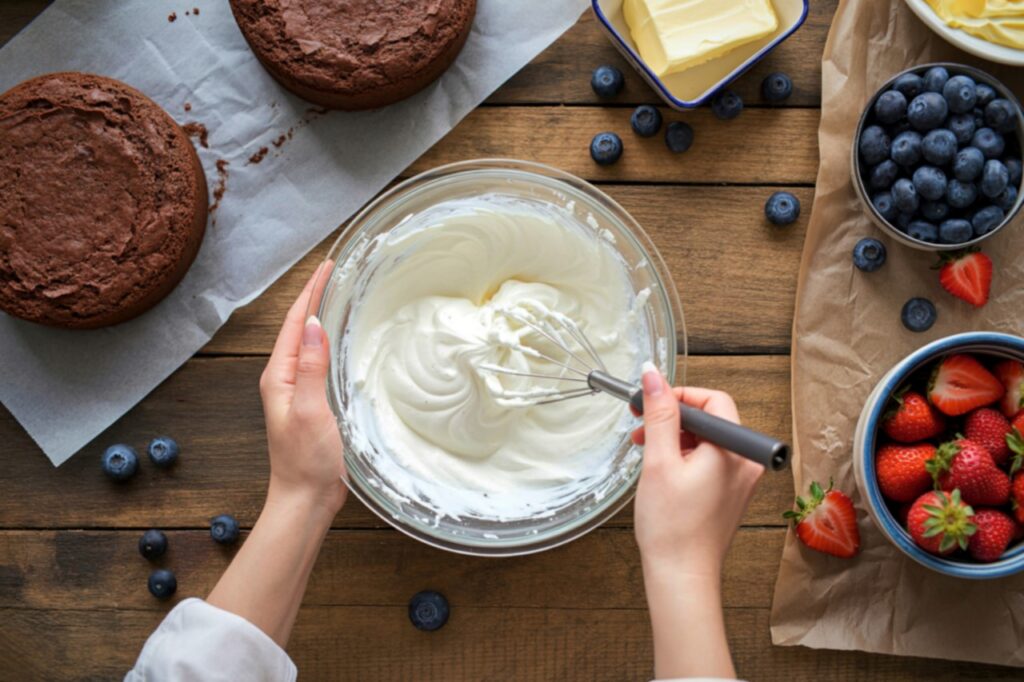
Baking has a reputation for being precise, intimidating, and full of rules that feel hard to master. Yet many of the techniques that sound technical are simply ways to avoid small mistakes that quietly ruin results. These tips are not about perfection or fancy tools. They are about understanding how ingredients behave, how heat works, and how timing affects texture. Once you see the logic behind them, baking becomes calmer and far more forgiving. The right habits remove guesswork and build confidence, turning baking from a stressful process into a reliable one. These tips may sound complicated at first, but they make baking easier, more predictable, and much more enjoyable.
1. Weigh Ingredients Instead of Measuring by Cups
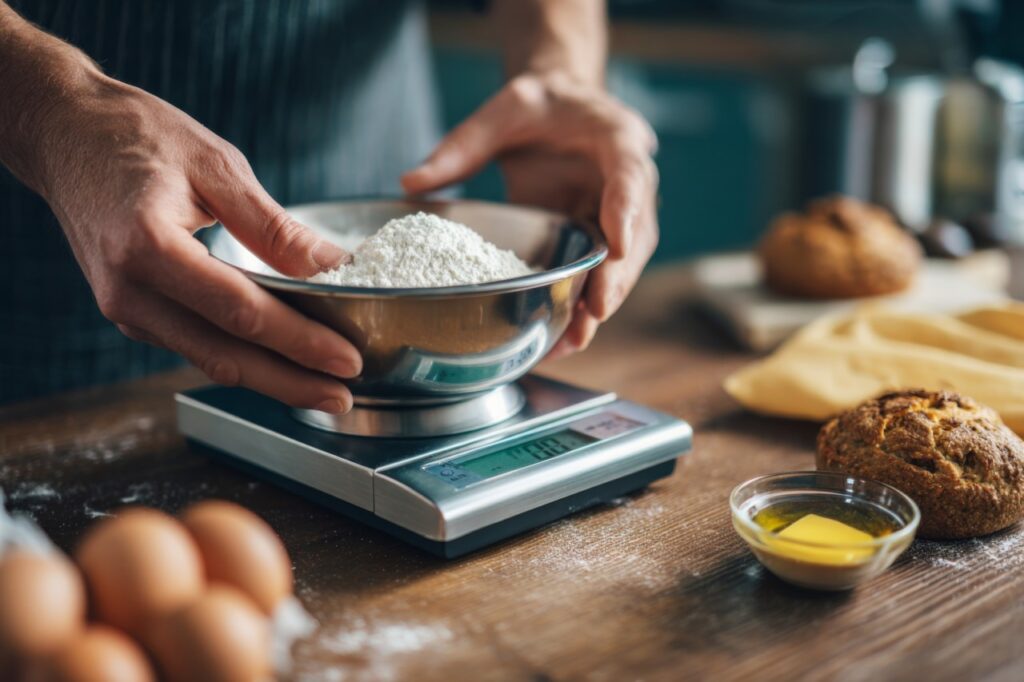
At first, weighing ingredients sounds like something only professional bakers do, but it solves one of the biggest causes of baking failure: inconsistency. Ingredients like flour, sugar, and cocoa powder can vary widely in volume depending on how they are scooped, settled, or packed. Using a scale removes that variability entirely. Baking depends on precise ratios between dry and wet ingredients, and weight keeps those ratios stable every time. This is especially important for flour, where too much leads to dry, dense results and too little causes collapse. Once you switch to weight-based measuring, recipes become more reliable and repeatable, even across different kitchens.
2. Bring Ingredients to Room Temperature
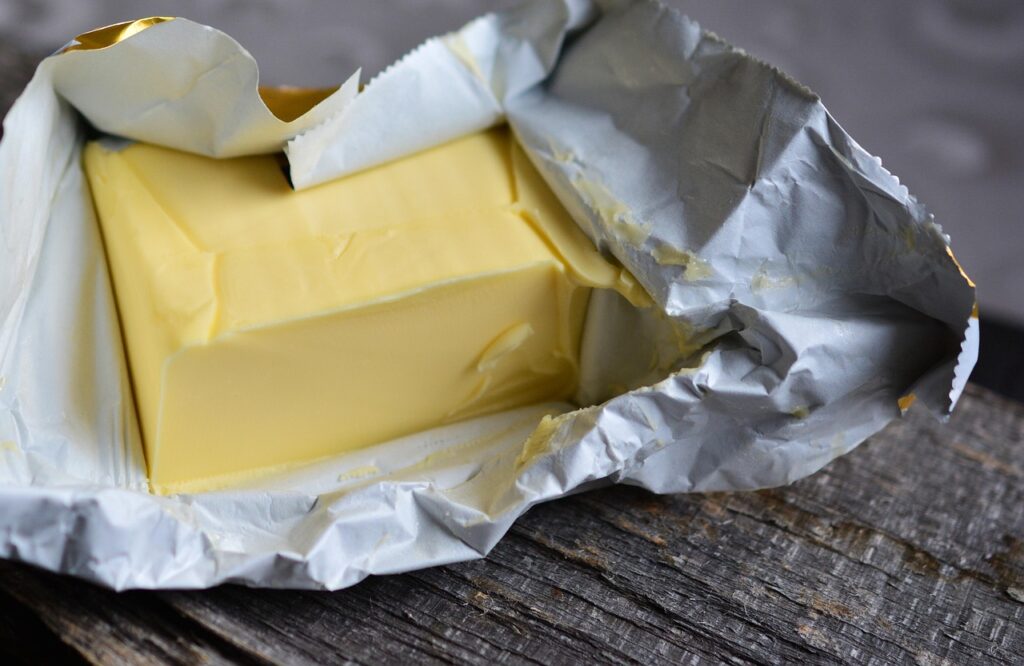
Cold ingredients seem harmless, but they interfere with how batters and doughs come together. Butter that is too cold will not cream properly with sugar, trapping less air and leading to dense baked goods. Cold eggs can cause batters to curdle, preventing smooth emulsification. When ingredients are at room temperature, they blend evenly and create stable mixtures. This improves rise, crumb structure, and overall texture. Room temperature dairy also allows fats to coat flour properly, which affects tenderness. While it feels like an extra step, it prevents uneven mixing and baking issues later.
3. Read the Entire Recipe Before Starting
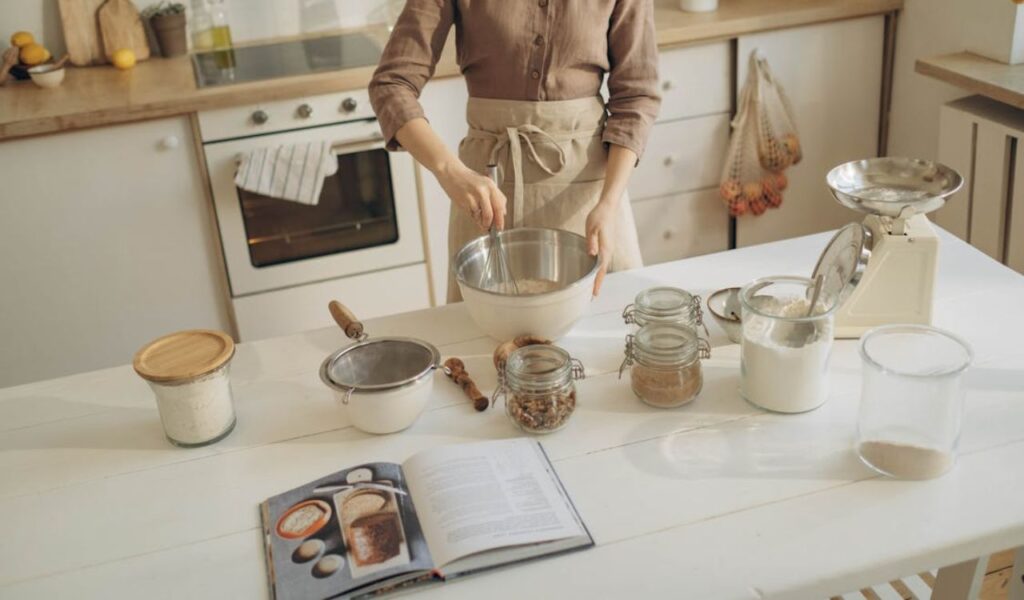
Skipping this step often leads to avoidable mistakes. Many baking recipes include timing cues, temperature changes, or preparation steps that must happen in advance. Some require chilling dough, resting batter, or preheating equipment long before baking begins. Reading the full recipe helps you understand the flow of steps and prevents last-minute surprises. It also allows you to confirm you have the correct tools, pan sizes, and ingredients ready. Baking does not allow much room for correction once a process starts. Being mentally prepared ensures smoother execution and reduces stress. This simple habit improves outcomes more than most people expect.
4. Do Not Overmix the Batter
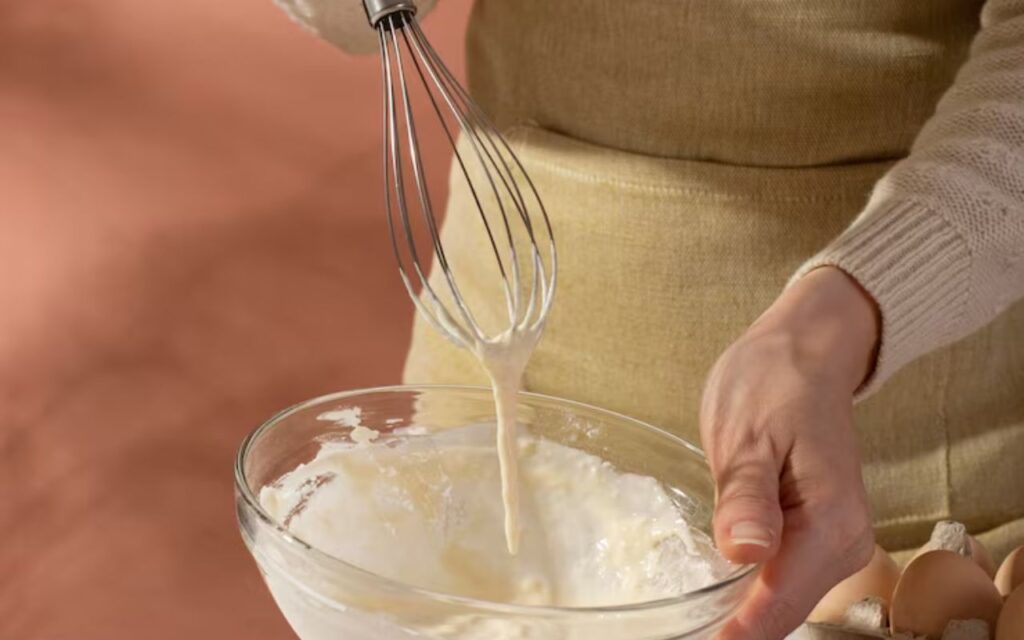
Overmixing is one of the most common reasons baked goods turn out tough or dense. When flour is mixed with liquid, gluten begins to form. A small amount of gluten is necessary for structure, but too much creates chewiness where softness is desired. Cakes, muffins, and quick breads rely on minimal mixing to stay tender. Once dry ingredients are incorporated, continued stirring strengthens gluten unnecessarily. Overmixing also deflates air trapped during creaming or whisking, reducing lift. Stopping as soon as ingredients are combined preserves the intended texture. A few small lumps are far better than an overworked batter.
5. Preheat the Oven Fully
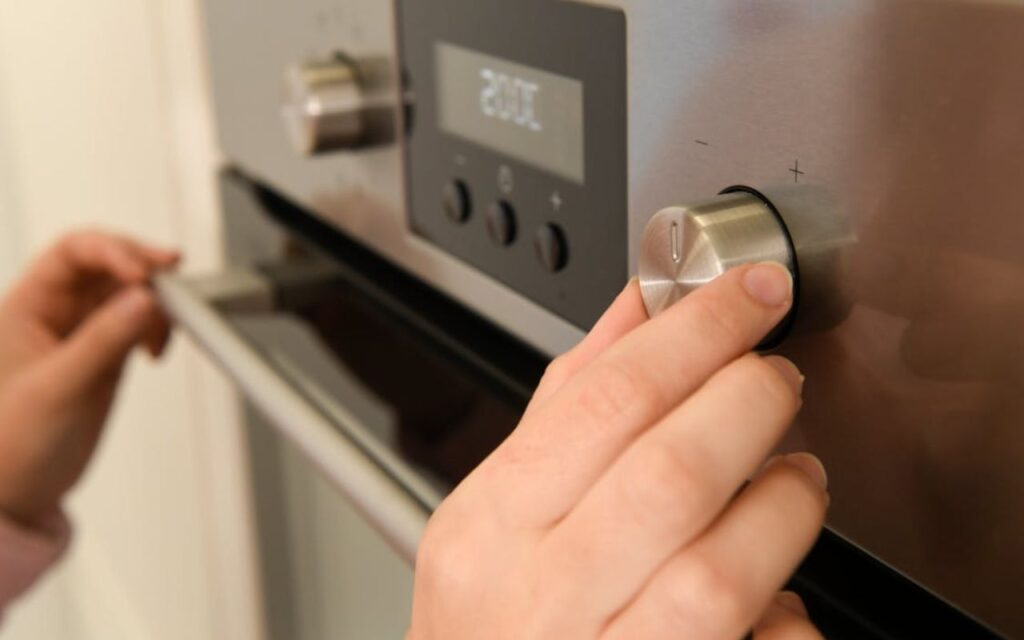
Baking relies on immediate and consistent heat. Putting batter into an oven that is still warming disrupts how leavening agents work. Baking powder and baking soda react quickly to heat, and a delayed temperature rise reduces their effectiveness. This leads to poor rise, uneven texture, and dense centers. Preheating also stabilizes oven airflow and humidity. Many ovens signal readiness before reaching true temperature, so allowing extra time improves accuracy. Starting in a properly heated oven ensures predictable expansion, browning, and structure. This step is foundational to successful baking and should never be rushed.
6. Use the Correct Pan Size
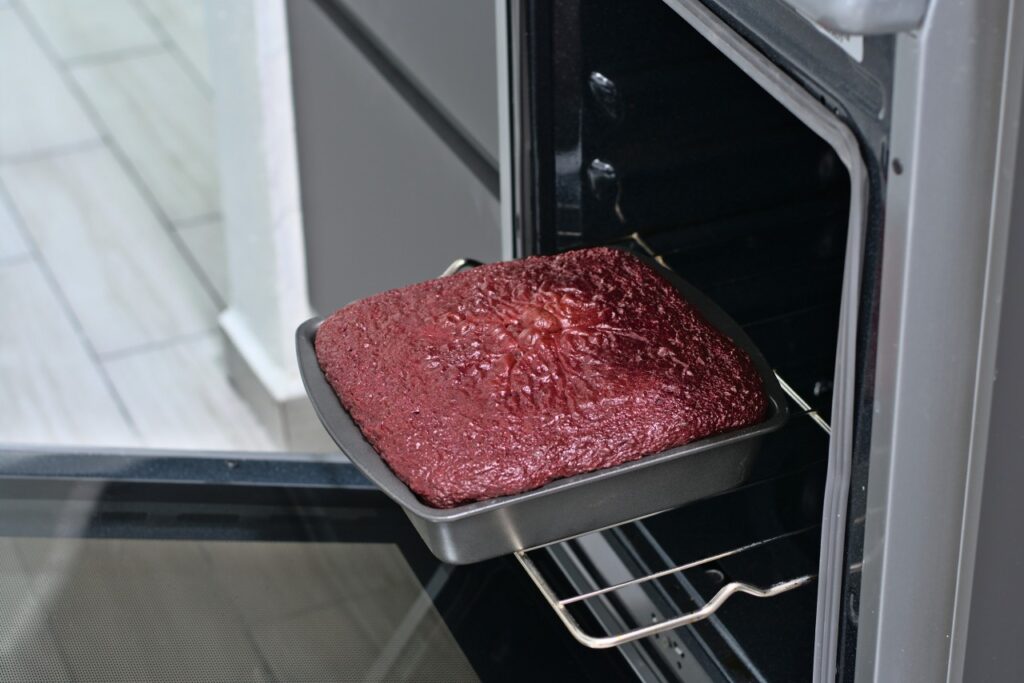
Pan size directly affects baking time, moisture retention, and the structure of the baked goods. A batter spread into a larger pan bakes faster and thinner, while a smaller pan produces thicker layers that require longer cooking. Using the wrong pan often leads to overbaked edges and undercooked centers. Depth also affects heat penetration and rise. Glass, metal, and dark pans behave differently, altering browning and cooking speed. Recipes are tested using specific pan dimensions for a reason. Matching the pan ensures the batter behaves as intended. This detail prevents texture problems that cannot be fixed once baking begins.
7. Rotate Pans Halfway Through Baking
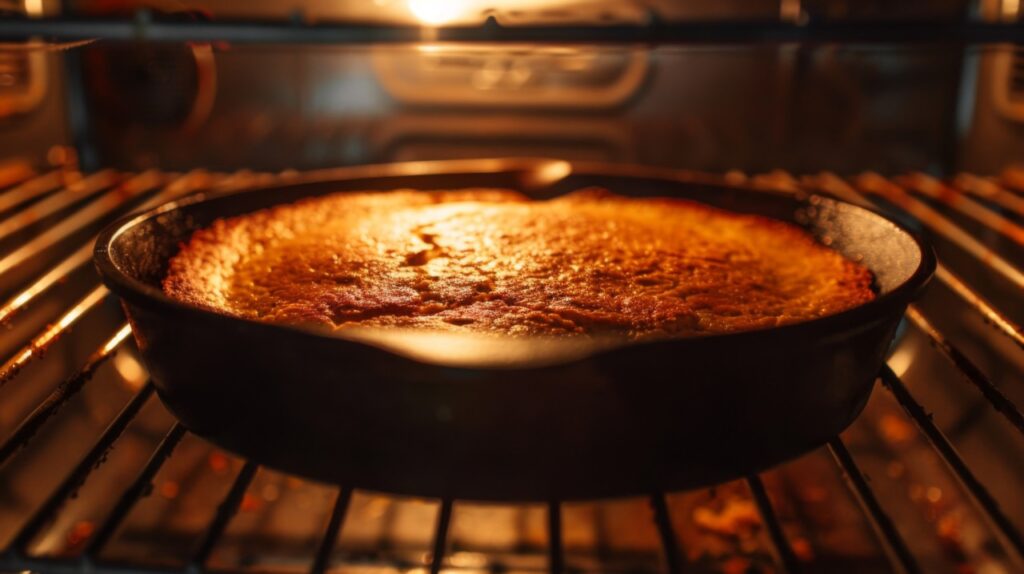
Most home ovens do not heat evenly. Hot spots cause uneven browning, lopsided rise, or dry edges. Rotating pans halfway through baking redistributes exposure to heat and balances results. This is especially important for cookies, sheet cakes, and multiple pans baked at once. Rotation allows one side to catch up without overcooking the other. The timing matters, as rotating too early can disrupt the rise. Done at the midpoint, it corrects uneven heat without damaging the structure. This simple action often makes the difference between uneven and professional-looking results. It also helps prevent one side from setting faster, which can lead to cracks or doming.
8. Measure Flour Correctly
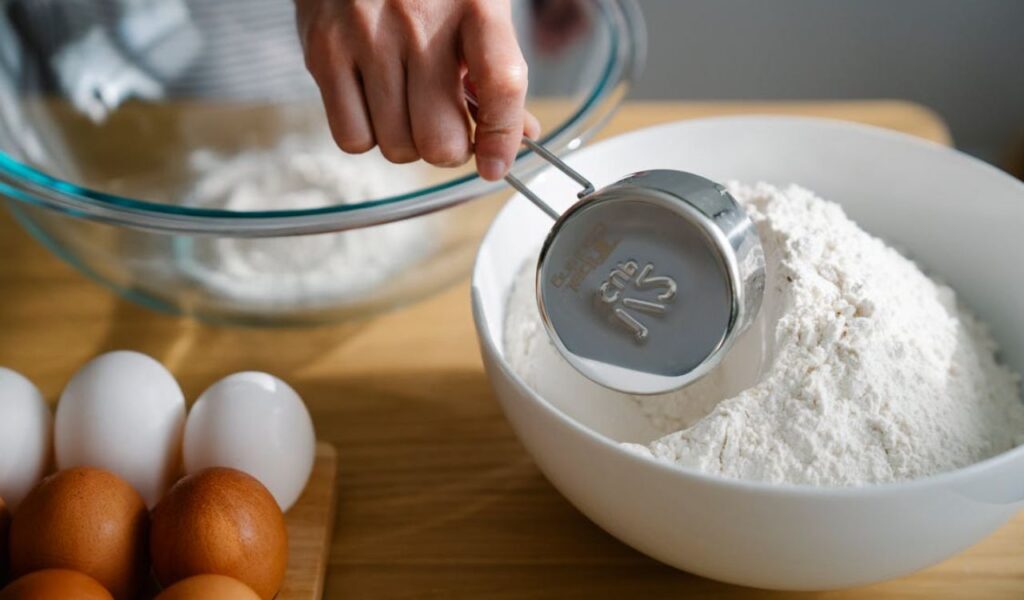
Flour measurement errors are subtle but impactful. Scooping flour directly from the bag compacts it, adding extra flour that dries out dough and batter. The correct method is to spoon flour lightly into the measuring cup and level it off. This introduces air and keeps the volume closer to the intended amount. Even small excesses affect hydration and texture. Accurate flour measurement ensures tenderness, proper rise, and a well-structured dough. While weighing is ideal, proper volume measuring still matters when scales are unavailable. This habit prevents one of the most common baking failures. It also makes recipes behave more consistently from one bake to the next.
9. Let Baked Goods Cool Properly
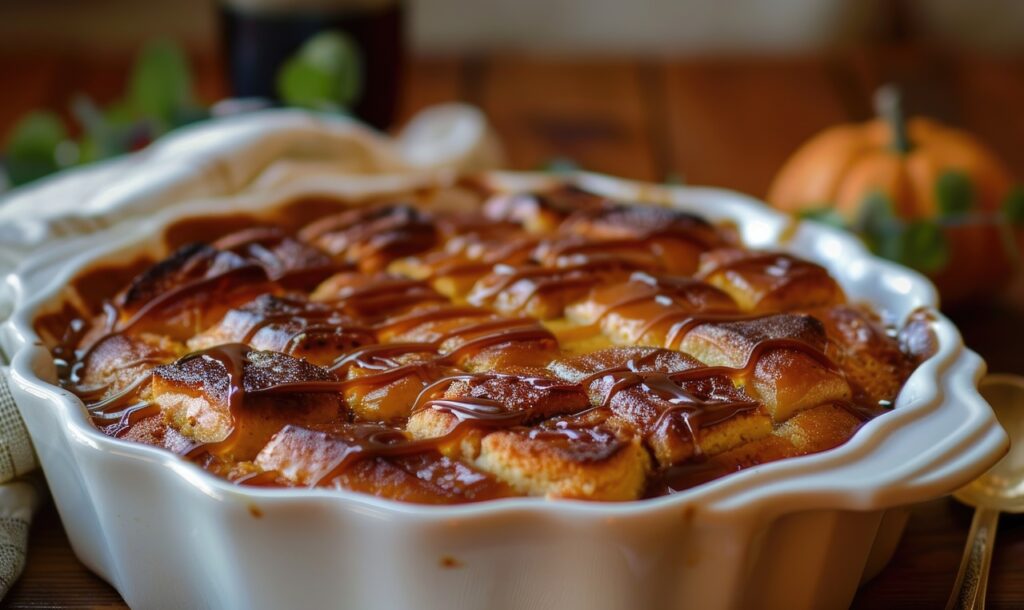
Cooling is not just about temperature, but structure. Freshly baked goods continue to set internally as steam escapes and starches stabilize. Cutting too early releases trapped moisture and causes collapse or gumminess. Cooling allows crumb structure to firm up, making slicing cleaner and texture more consistent. For some items, cooling also improves flavor as ingredients settle. Removing items from pans at the right time prevents soggy bottoms while avoiding breakage. Patience during cooling protects the work done in the oven. Rushing this step often undoes otherwise perfect baking. Allowing proper cooling ensures the final texture matches the recipe’s intent.
10. Trust Visual Cues, Not Just Time
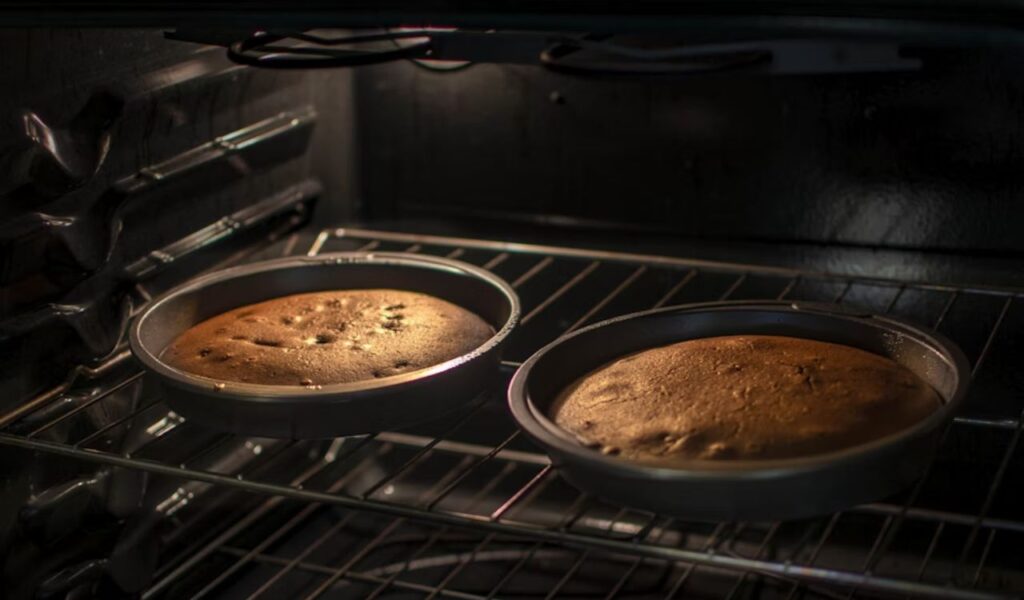
Baking times are guidelines, not guarantees. Oven calibration, pan material, altitude, and ingredient temperature all affect baking speed. Relying solely on the timer leads to over or underbaking. Visual cues like golden color, firm edges, gentle spring-back, and aroma provide better indicators of doneness. Learning these signs helps you adapt recipes to your environment. Checking early prevents mistakes and builds confidence. Experienced bakers rely on sight, touch, and smell more than clocks. Developing this awareness leads to consistent success regardless of equipment differences. Over time, these cues become more reliable than any written bake time.