Does the Mason Jar Ring Muffin Hack Actually Work in Real Kitchens


The mason jar ring muffin hack looks brilliantly simple: place a lid ring on a pan, pour in an egg or batter, and get a perfectly round result without special tools. But real kitchens are less forgiving than viral clips. Heat control, greasing, stability, and batter type all decide whether this turns into a neat breakfast sandwich egg or a stuck, leaking mess. Here’s what the ring actually does well, where it struggles, and when you should skip it altogether.
The Hack Everyone Keeps Sharing
There’s a reason this trick keeps resurfacing on short-form video. It promises something people genuinely want: a neat, round “muffin-shaped” egg or baked treat without buying extra gear. The idea is simple: use the metal ring from a mason jar lid as a mold, then cook or bake inside it. The appeal is convenience mixed with novelty, and it looks convincing on camera because the result is visually tidy. That visual payoff is what keeps the hack alive. It also taps into the “use what you have” mindset. Most kitchens already have spare rings in a drawer. The tool feels familiar, not specialized. The setup looks quick enough for a weekday morning.
In real kitchens, though, the hack is often misunderstood because people use the word “muffin” loosely. Some versions aim for a round egg that fits a breakfast sandwich. Others try to replace a muffin tin and bake cupcakes or muffins using liners supported by rings. The outcomes depend heavily on what you’re making and how you use the ring. This is less a single hack and more a family of shortcuts that share the same tool. That’s why experiences vary so much. One person is frying an egg, another is baking batter. They are solving different problems with the same object. The ring performs best when the goal is shape control.
What a Mason Jar Ring Can Actually Do
Think of a mason jar ring as a basic metal collar. Its true function is controlling shape, not cooking something faster or better. When you place a ring on a hot surface or a baking sheet, it creates a boundary that keeps the batter or egg from spreading. That alone can be useful, especially for round eggs and small pours of batter. It is essentially a low-cost mold. The ring works like a simple fence. It keeps edges neat and predictable. It helps you portion without guessing. But it does not add lift or fluff on its own. It simply holds the line. Heat control still comes from the pan and the cook, not the ring.
But the ring does not magically replace proper bakeware. Mason jar rings are shallow and lightweight, so stability becomes an issue when you fill them too high or place them on a slippery surface. They also conduct heat differently than heavier pans, which can change browning and set time. If you treat the ring as a shape tool and manage heat, it can work. If you treat it like a muffin pan, it often disappoints. Lightweight metal shifts easily during cooking. Thin edges heat quickly and can overbrown. The ring can warp slightly over repeated high heat. Small gaps under the ring can let batter seep out. Those limitations show up fast when you push it too far.
Muffins Versus English Muffins

A key detail: baked muffins and griddle-style English muffins behave very differently. Muffin batter typically rises in an enclosed cup, supported by a rigid pan, and it needs a steady structure to dome properly. English muffin dough or batter is meant to cook in a ring on a hot surface, so it is already compatible with the idea of a metal mold. That is why rings have long been used for English muffins in traditional cooking methods. The ring mainly keeps the dough from spreading. Heat moves upward slowly, which helps set the sides. The result is a flatter, sturdier shape by design. That matches what the ring can reliably provide.
This is also why the hack gets mixed results when people try to bake standard muffins in rings. A ring can hold a paper liner in place, but it does not surround the liner with supportive metal like a muffin tin does. The liner can slump, spread, or tilt if the batter is heavy or the ring shifts. If you use a stable baking sheet and a liner that sits snugly, you can get workable muffins. The results are usually less uniform than a real pan. A muffin tin supports the entire circumference. It also insulates the liner so it holds its shape. Without that support, you may get leaning tops. It’s not wrong, but it’s rarely picture perfect.
Tools and Setup That Matter
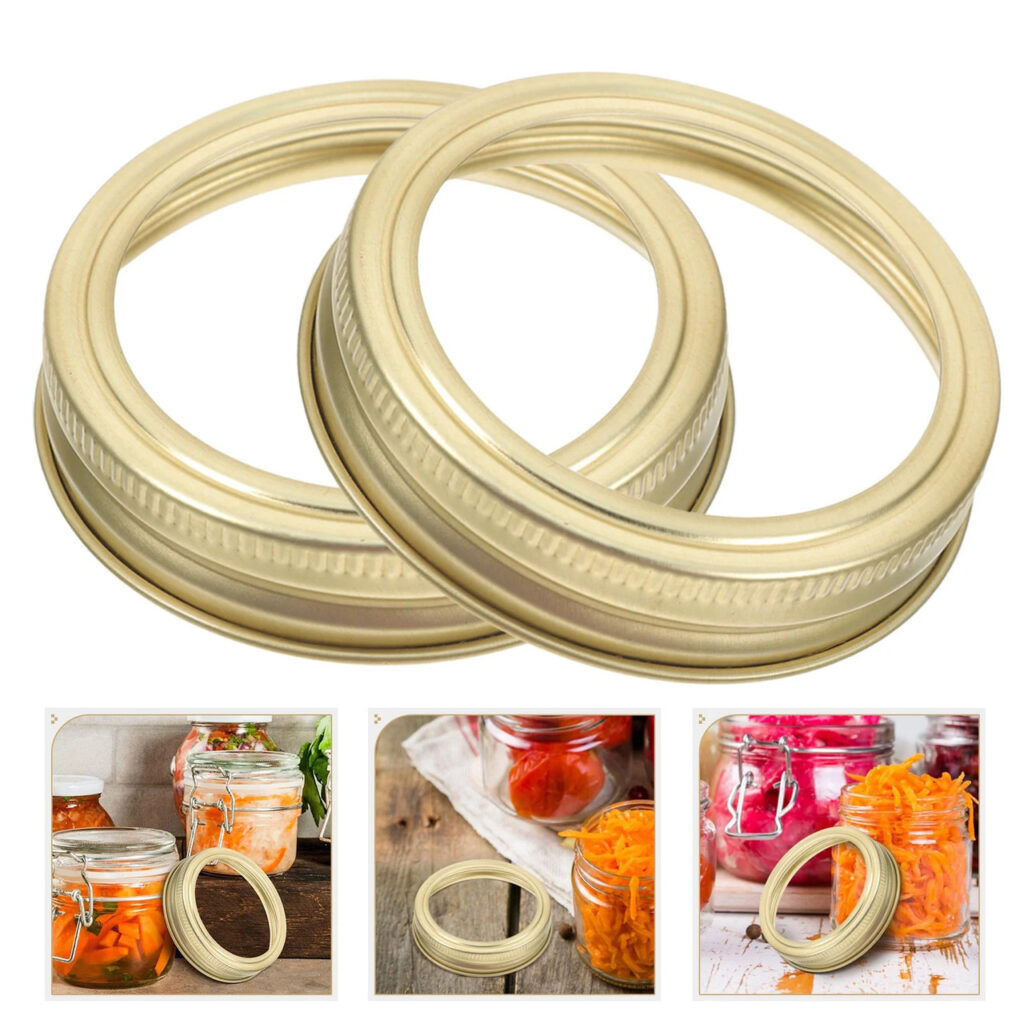
If you try this hack, the setup is the difference between “surprisingly fine” and “total mess.” Ring size matters because wide-mouth rings can be too large for standard liners, while regular-mouth rings tend to nest a standard cupcake liner more securely. Stability matters too, so a flat baking sheet or griddle surface is safer than a warped tray. Spacing also helps because rings placed too close can trap heat or make handling harder. A heavy sheet pan reduces wobble. A preheated surface encourages cleaner edges. Even spacing prevents rings from bumping as you work. Using fewer rings at once is often easier. Small batches tend to succeed more often.
Grease is not optional. Eggs and batters love to cling to metal edges, so oil or cooking spray along the inside wall of the ring improves release. For baking, a liner inside the ring helps control the spread and makes cleanup easier. For stovetop eggs, a lid can help the top set without overcooking the bottom. Small choices like these determine whether you get a clean edge or a stuck, torn result. Greasing the ring matters more than greasing the pan. A thin, even coat is better than a heavy spray puddle. Lids also reduce steam loss and speed setting. If you skip these steps, sticking becomes likely. Once it sticks, the shape usually tears.
Real Kitchen Results
The good news is that parts of this hack actually deliver. Using a ring to cook a round egg is one of the most reliable versions because eggs are quick to set and naturally take the shape of the mold. With medium heat, light greasing, and a bit of patience, you can make an egg that fits neatly on an English muffin or biscuit. The result can look impressively consistent, especially for sandwiches. It also makes portioning predictable. You can cook multiple eggs to the same diameter. That helps sandwiches stack neatly. It reduces the ragged edges that spill over buns. It’s a small upgrade in presentation.
The baking version is more mixed. In testing-style scenarios, rings can hold paper liners upright enough to bake a muffin when you do everything carefully, but you should not expect a bakery-perfect shape. The liners can wrinkle oddly, the sides may bake unevenly, and the final look is usually less polished than muffins baked in a proper pan. Still, if your goal is simply to bake a small batch without owning a muffin tin, it can work in a pinch. Expect more variation from piece to piece. Some muffins may dome while others flatten. Browning can differ depending on ring placement. The taste can still be great, even if the form is imperfect.
Safety and Practicality Check
The ring is metal, so it gets hot quickly and stays hot longer than people expect. Handling it requires tongs or a spatula, not fingers, especially on the stovetop. Burns are the most realistic risk here because the ring is small and easy to forget once you’re focused on the food. You also want to make sure the ring is clean and free of rust or sharp burrs along the edge. A small ring can roll or slide when bumped. That movement can spill hot fat or batter. Hot metal also retains heat after you remove it from the pan. Cooling racks help prevent heat damage on counters. Safe handling is part of making the hack worth it.
Practicality is the bigger question. Yes, you can use the rings repeatedly, but cleanup can be annoying if batter leaks and bakes onto the metal. For eggs, stuck edges can require soaking. For baking, you may end up washing multiple rings that provide only a few servings. This hack is best when you already have rings on hand and need a quick workaround, not when you want an everyday system. Time saved in cooking can be lost in scrubbing. If you cook many portions, the process slows down. A muffin pan is simpler for batch baking. For eggs, a dedicated ring is easier to grip. The hack shines most as an occasional fix.
Common Mistakes That Ruin It
Overfilling is the fastest way to fail. With eggs, too much volume leads to slow setting and runny centers, which encourages sticking when you lift the ring. With batter, overfilling causes spillover and baked-on edges that glue the liner to the ring. The ring height is limited, so the margin for error is smaller than with a muffin tin. Keeping fills modestly improves shape and makes release easier. Aim for a lower fill line than you think you need. You can always add another egg or bake another muffin. Overflow turns into burnt residue quickly. Once residue forms, the next batch sticks faster. Measuring once prevents repeated messes.
Heat is the second big issue. Too hot and the bottom sets before the middle, leading to burnt edges and undercooked centers. Too low and the egg spreads under the ring or takes so long to set that it sticks. Another common mistake is skipping grease because the ring “looks nonstick.” It is not nonstick. Greasing the ring lightly is what makes the trick feel effortless. Medium heat is the safest baseline. Preheating helps the egg set without spreading. If you see smoke, the heat is too high. If the egg stays wet too long, it will glue itself to the ring. Grease creates the slip that prevents tearing.
Best Fixes for Better Results
If you want this hack to behave, treat it like a controlled technique. Grease the inside wall of the ring, not just the pan. For eggs, crack them into a small bowl first, then pour them into the ring so the yolk lands where you want it. Keeping the heat at medium and covering briefly helps the top set without drying the edges. When lifting the ring, loosen the edges first with a thin spatula. Short cover time speeds the set. A few drops of water under the lid can add gentle steam. Waiting a moment before lifting reduces tearing. If the egg looks stuck, loosen it again before forcing it. Patience is the most reliable tool here.
For baking, use a sturdy sheet pan and press the paper liner neatly into the ring so it sits flush. Do not overfill, and avoid thin, flimsy liners that collapse. If the ring shifts easily, you can place rings on parchment to reduce sliding, but you still need careful handling when moving the pan. These small adjustments are what turn a viral trick into something usable. Thicker liners hold shape better. Cooling before removing helps the muffin release cleanly. Removing the ring too early can pull the liner and tear the edges. A sheet pan with a lip is easier to carry. Consistency improves when you keep the setup simple.
When to Skip the Hack
If you make muffins often, a real muffin tin is simply easier. It supports the liner, bakes more evenly, and produces a consistent shape without fuss. The ring hack becomes a hassle when you need more than a few portions, or when you want a neat presentation. It is also not ideal for very wet batters that flow outward and make cleanup messy. In those cases, the workaround costs more time than it saves. Batch cooking favors real equipment. The ring method slows down at scale. Presentation is harder to control. Mess builds up quickly with wet batters. A standard pan removes most of these issues immediately.
For round eggs, the hack is useful, but even then, dedicated egg rings are sturdier and easier to handle. They are designed with a better height and often come with handles, which improve safety. If you are reaching for mason jar rings regularly, that is usually a sign you would benefit from a simple upgrade. The hack is fun, but it should not become your default tool. Dedicated rings are easier to lift safely. They tend to sit flatter on the surface. They are less likely to leak at the bottom. They are built for repeated cooking cycles. The upgrade is small, but the improvement is noticeable.
The Final Verdict
Yes, the mason jar ring trick can work, but only within clear limits. For round eggs, it is genuinely practical if you grease well, manage heat, and handle the ring safely. For baking muffins, it can work as a temporary substitute when you have liners and only need a small batch, but it is not a true replacement for a muffin pan. The result tends to be less uniform and requires more careful setup. It is best viewed as a backup plan. Expectations should stay realistic. The hack rewards attention to detail. It punishes rushing and shortcuts. Used wisely, it can be surprisingly handy. Cleanup and safety still require awareness around hot metal.
What “works” means here is important. If your goal is a neat shape and you accept minor imperfections, the hack can deliver. If your goal is consistent bakery-style results with minimal effort, it will fall short. In real kitchens, the trick is best viewed as a backup method, not a kitchen revolution. It is clever, but it is not magic. The ring is a tool, not a guarantee. Real success depends on technique and patience. Some kitchens will love it for eggs and ignore it for baking. Others will try it once and move on. Either outcome is reasonable. Knowing the limits prevents disappointment and wasted ingredients.
References
- Muffins-Blueberry.org
- Healthy Recipes:Carrot-Oatmeal Muffins- hopkinsmedicine.org
- Morning Muffins- Food Hero.org