Should You Really Stop Adding Bananas to Your Smoothies

Bananas are the classic smoothie shortcut for creaminess, sweetness, and a thicker texture, which is why so many recipes start with one by default. But recent reporting has raised a specific concern: when bananas are blended with flavanol-rich ingredients like berries, cocoa, or tea powders, you may absorb fewer of those compounds. That doesn’t make banana smoothies unhealthy. It just means ingredient pairing matters when your goal is maximum polyphenols. Here’s how to decide what’s worth changing.
The Banana Backlash
A banana has been the default smoothie fixer for decades. It sweetens, thickens, and smooths out harsh flavors in seconds, which is why so many people add it without thinking. The backlash started because a recent wave of reporting focused on one specific nutrition goal: getting the most out of flavanol-rich ingredients like berries, cocoa, and certain teas. When the claim is framed as “bananas ruin your smoothie,” it sounds dramatic and personal, because bananas feel like a harmless staple. That framing also spreads fast online. It turns a nuanced finding into a simple rule. People who rely on bananas feel accused of doing something wrong.
What’s often lost in the headlines is that this isn’t about bananas being unhealthy. It’s about a measurable interaction that can reduce the availability of one class of plant compounds under certain conditions. Even then, the effect depends on what else is in the smoothie and what you’re trying to optimize. If your goal is general nutrition, fruit intake, and a satisfying breakfast, bananas can still make perfect sense. If your goal is to maximize specific polyphenols, you may want to rethink the pairing. This is a goal-based decision, not a moral one. Most people are drinking smoothies for convenience and taste.
What the Study Actually Found
The core finding was straightforward: when a banana was blended into a smoothie made with flavanol-rich ingredients, the amount of flavanol metabolites measured after consumption dropped sharply compared with a similar smoothie without a banana. Researchers tracked markers in blood and urine after participants consumed different smoothie variations. The drop was large enough to be noticeable and repeatable within the study design, which is why it sparked attention. In simple terms, the banana didn’t remove all nutrition, but it appeared to reduce how much of those specific compounds the body absorbed.
This matters because flavanols are often highlighted in “antioxidant” messaging around berries and cocoa, and some people drink smoothies specifically to boost those compounds. The study also emphasized that food preparation and combinations can change what your body gets from a meal, not just what is listed on paper. At the same time, these findings don’t automatically translate into long-term health outcomes. They show an effect on a specific nutrient class in a controlled context, not a verdict on the health value of banana smoothies overall. Real-world eating includes variety across days, not one perfect blend.
The Enzyme Effect
The science behind the controversy comes down to an enzyme called polyphenol oxidase, often shortened to PPO. PPO is part of why cut fruits turn brown. When you peel or slice a banana, you damage cells and expose compounds to oxygen. PPO helps trigger oxidation reactions, which is one reason bananas change color and aroma as they sit. Blending accelerates this because it breaks down more cell walls and spreads the enzyme throughout the mixture. This is normal plant chemistry, not contamination. The reaction can start within minutes after blending. You can often see it as browning over time. The same process happens with apples and avocados, too.
In smoothies, that enzyme activity can interact with flavanol-rich ingredients. The practical takeaway is not that PPO is “bad,” but that it is active. When PPO is abundant, and the smoothie contains certain polyphenols, the final mixture may deliver fewer of those compounds in a form your body can absorb. That’s why bananas are the focus. They are widely used, they blend easily, and they have high PPO activity compared with many other fruits people use in smoothies. Blending increases contact between the enzyme and polyphenols. The effect is strongest when the smoothie is built around polyphenol-rich ingredients.
Why Berries Are the Flashpoint
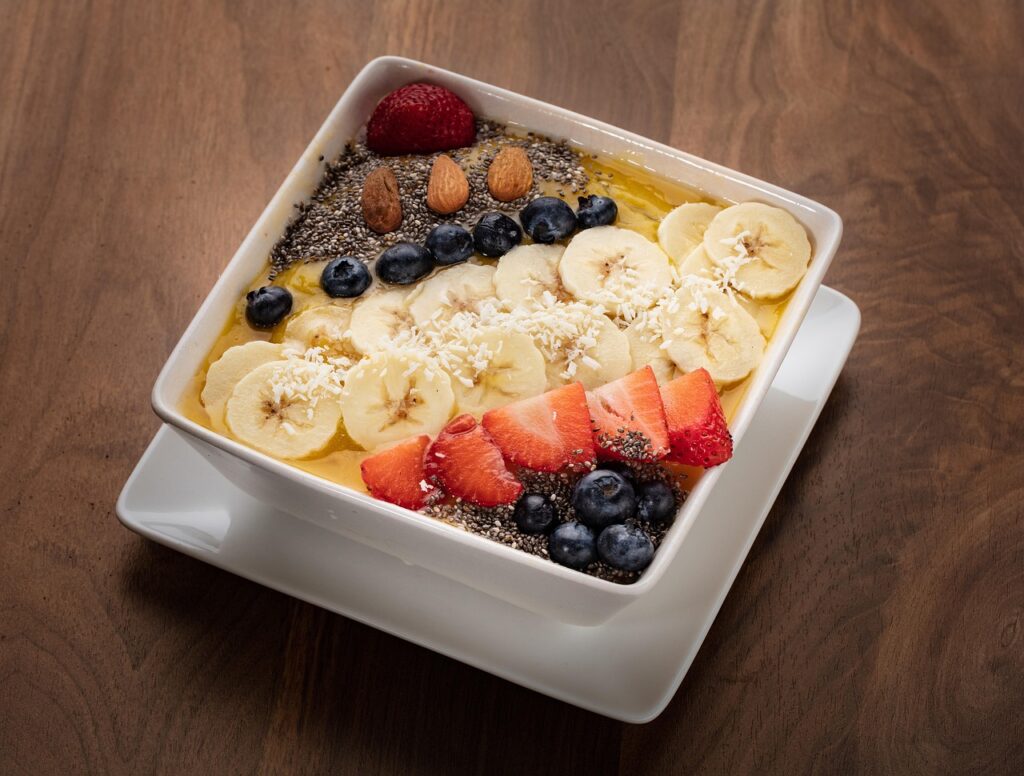
Berries sit at the center of this debate because they are widely viewed as “antioxidant powerhouses,” and many smoothies are built around them. They also tend to be rich in flavanol-related compounds and other polyphenols that people actively seek for heart, vascular, and metabolic benefits. When you blend berries with banana, you’re mixing a high-value polyphenol ingredient with a high-PPO ingredient. That makes berries the most obvious place where the interaction shows up in a meaningful way. Berry blends are also among the most popular smoothie types. That popularity makes the topic feel personal to a lot of people.
What This Does and Doesn’t Mean
The most important distinction is reduced benefit versus no benefit. Even in the cautionary framing, a banana smoothie still contains fiber, vitamins, minerals, and other bioactive compounds. The question is whether it delivers as much of a targeted set of flavanols as it could without the banana. That is a narrower issue than most headlines suggest. It’s similar to how cooking methods can change nutrient availability without making a food “bad.” This is about maximizing, not eliminating. The smoothie can still be nutritious and supportive of health. It just may not be the best delivery method for that one compound group.
It also helps to separate short-term measurements from long-term health outcomes. A study can show that absorption markers change after one drink, but that does not prove that people who add bananas to smoothies have worse health over the years. Nutrition is cumulative, and dietary patterns matter more than single ingredient pairings. If bananas help you consistently eat more fruit, that routine can be beneficial in a very practical way. The best interpretation is not panic, but precision: if you care about flavanols specifically, make small adjustments. Otherwise, keep your smoothie enjoyable and sustainable.
When You Might Skip Bananas
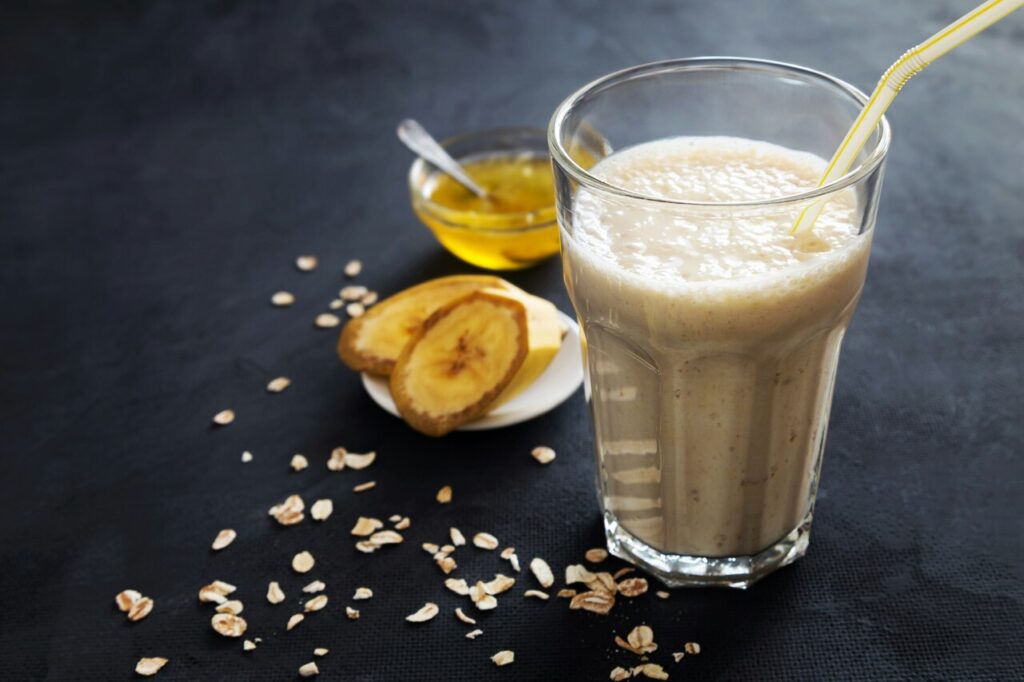
If your smoothie is deliberately built around flavanol-rich ingredients, skipping the banana can be a smart, simple choice. This applies most to blends that feature berries as the main ingredient, plus add-ins like cocoa powder, dark chocolate, or tea powders. In those cases, a banana may reduce the payoff you were aiming for. If you are spending extra money on specific ingredients because you want those polyphenols, it makes sense to protect them. This is especially true when berries are the centerpiece. It can also matter when you add specialty powders for a reason. Skipping it is an easy change that preserves your intent.
You might also skip the banana if you notice your smoothie browns quickly and tastes duller after sitting. PPO-driven reactions can change color and flavor over time. If you batch smoothies or take them to go, avoiding high-PPO fruits can help preserve freshness and taste. This is less about fear and more about aligning ingredients with your goal. If the goal is maximum polyphenols and a brighter flavor profile, banana is not always the best partner. Color change is a practical clue that oxidation is happening. Flavor can shift from fresh to muted as it sits. If you like sipping slowly, this matters more.
When Bananas Still Make Sense
Bananas remain useful for reasons that have nothing to do with trends. They add body and creaminess without dairy, they make tart smoothies more palatable, and they bring natural sweetness that can reduce the need for added sugars. Nutritionally, they contribute fiber, potassium, and vitamin B6, and they help make a smoothie filling. For many people, satiety is the real goal, not maximizing a specific polyphenol class. Bananas also make smoothies easier to digest for some people. Their mild flavor helps balance stronger greens. They can reduce the need for sweeteners like honey or syrups. They also make a smoothie feel like a meal rather than a drink.
They also provide consistency. A banana can make a smoothie taste good even when your other fruit is slightly underripe, or your greens are stronger than expected. That matters because the “best” smoothie is often the one you will actually drink regularly. If a banana is what makes a healthy habit stick, it is doing meaningful work. The smarter move is to use a banana intentionally rather than reflexively, based on what you want out of that particular smoothie. Consistency is what turns nutrition into results. People often abandon “perfect” smoothies that taste unpleasant. Banana can be the ingredient that keeps the habit enjoyable.
Better Pairings
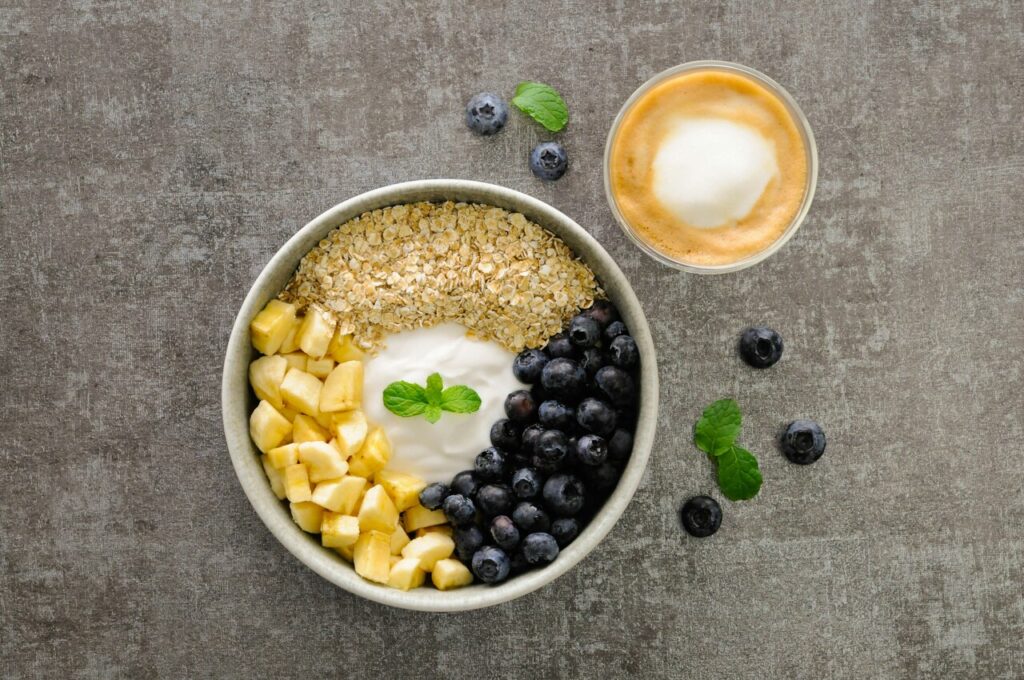
If you want creaminess without banana, several fruits can do the job with lower PPO activity. Mango and pineapple can bring thickness and sweetness. Oranges can brighten flavor and add body when paired with yogurt or kefir. You can also lean on frozen fruit for a thicker texture without needing a banana at all. Frozen berries, frozen cherries, or frozen mango create a milkshake-like consistency when blended with a modest amount of liquid. Frozen fruit also reduces the need for ice, which can water down flavor. Using a thicker base can make the drink feel more satisfying. These swaps keep texture high without relying on banana.
Non-fruit options can help too. Greek yogurt adds protein and tang, while avocado adds creaminess with a neutral flavor, though it may also contain PPO activity and can be relevant if your goal is strictly flavanol optimization. Oats can thicken a smoothie and make it more filling, while nut butters can add richness and slow digestion. The best pairing depends on your priority: texture, protein, sweetness, or targeted polyphenols. Protein changes the feel of a smoothie dramatically. Nut butters add calories and satiety, which may be helpful for breakfast. Choosing add-ins based on your goal keeps the smoothie purposeful.
Simple Workarounds
If you love banana but want to protect flavanols, the simplest workaround is separation. Make a berry-heavy smoothie without banana on days you want maximum polyphenols, and use banana in other smoothies where flavanols are not the main focus. Another approach is rotating ingredients so no single smoothie becomes your daily default. That variety can also improve overall micronutrient coverage. Rotation also prevents flavor fatigue. It encourages you to include different fruits and greens. That can improve fiber diversity across the week. It also reduces dependence on one ingredient for texture. Variety is a practical way to balance nutrition goals.
Timing can matter as well. If you are making smoothies ahead, adding banana later or blending it separately can help preserve flavor and reduce browning. Stirring in sliced banana right before drinking will still give sweetness and texture, even if it is not as integrated as a fully blended banana. These workarounds are practical because they do not ask you to give up bananas completely. They simply help you use them with intention. Make-ahead smoothies benefit from ingredient staging. Keeping bananas separate can preserve a brighter berry taste. Small timing changes can improve both taste and nutrient retention.
The Practical Verdict
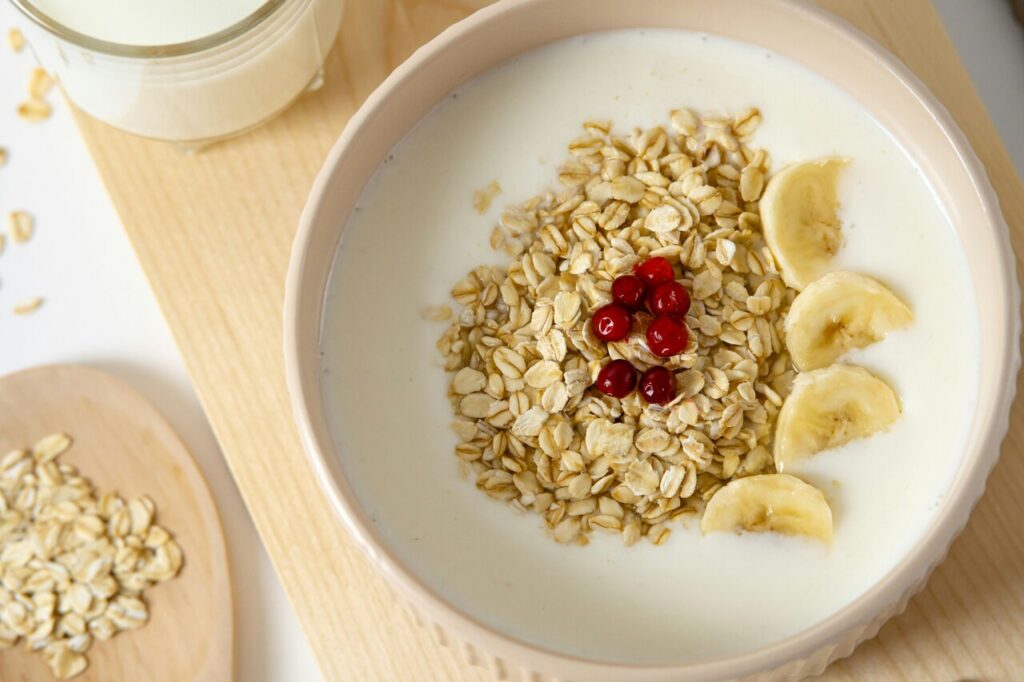
You do not need to “stop adding bananas” across the board. What you need is a clear goal. If you are building a smoothie for general nutrition, fullness, and taste, bananas remain a strong choice. If you are building a smoothie specifically to maximize flavanols from berries, cocoa, or tea powders, then banana is the one ingredient worth reconsidering. In that narrow context, skipping it can meaningfully change what your body absorbs. This is a targeted adjustment, not a sweeping rule. It helps you align ingredients with purpose. It can also reduce wasted effort if you buy premium add-ins. The decision is about maximizing return on your ingredients.
The simplest rule is this: match your ingredients to your intent. Bananas are not the villain; they are just a powerful blender ingredient with a known enzyme effect. Most people benefit more from drinking smoothies they enjoy consistently than from micromanaging one nutrient class. But if you like optimizing, it’s an easy adjustment: keep banana for creamy, filling blends, and go banana-free for flavanol-focused berry mixes. This approach keeps your routine flexible. It avoids all-or-nothing thinking. It also makes smoothies easier to personalize for different days. Smart nutrition often looks like small tweaks, not strict bans.
References
- Banana based smoothies- Heartfoundation.org
- Bananas in Smoothies?-Nutritionfacts.org
- Recipe: Sweet Banana Smoothie-Healthessentials/ClevelandClinic.org