7 Menu Terms That Sound Fancy but Are Surprisingly Simple


Restaurant menus often include words that sound elegant or mysterious, especially when they come from French or other culinary traditions. While these terms may appear intimidating at first, many of them actually describe very simple ideas. In many cases, they refer to basic cooking techniques, familiar ingredients, or common preparation methods that chefs have used for generations. Learning what these phrases really mean can make reading a menu much easier and more enjoyable. Once the language is understood, many dishes turn out to be far simpler than their fancy names suggest.
1. Amuse-Bouche
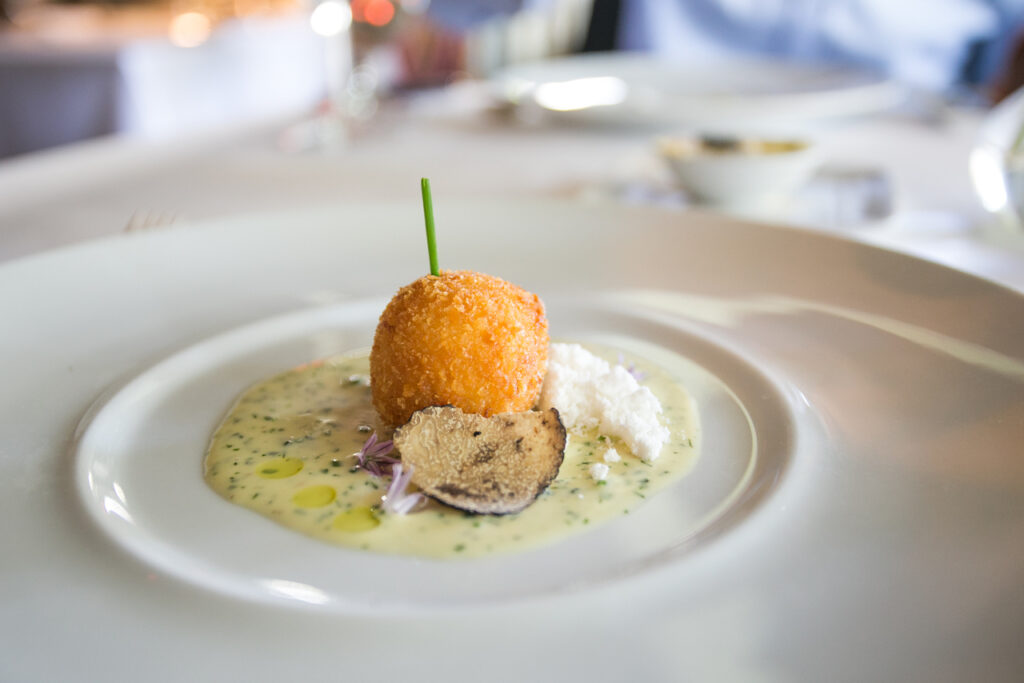
One of the most mysterious-sounding terms on a restaurant menu is amuse-bouche. The phrase comes from French and literally means something that amuses the mouth. Despite the elegant name, it simply refers to a very small bite served before the meal begins.
Restaurants often present this dish as a complimentary starter prepared by the chef. The portion is intentionally small, often just a single bite, because the goal is to awaken the appetite rather than fill the diner.
Chefs use amuse-bouche to showcase creativity or highlight seasonal ingredients. The dish might include a tiny soup, a small tart, or a spoonful of seafood. While the name may sound elaborate, the concept is simply a thoughtful way to begin the dining experience.
2. Au Jus
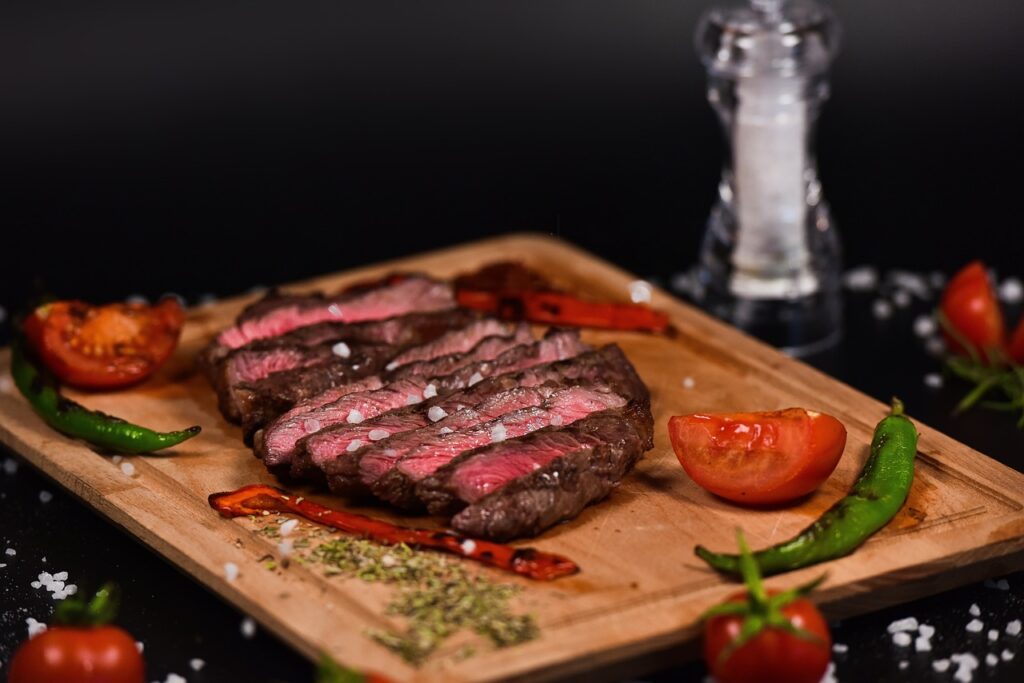
The term au jus frequently appears beside roast beef or steak dishes on restaurant menus. The phrase is French for “with juice,” referring to meat served alongside its own natural cooking juices.
When meat is roasted, flavorful juices collect in the pan. These juices can be strained and lightly seasoned to create a thin sauce. Unlike thick gravies that use flour or starch, au jus remains clear and light.
Restaurants often serve the liquid in a small cup next to the meat. Diners may pour it over the dish or dip slices into it. The result enhances flavor without overwhelming the meat’s natural taste.
3. Confit
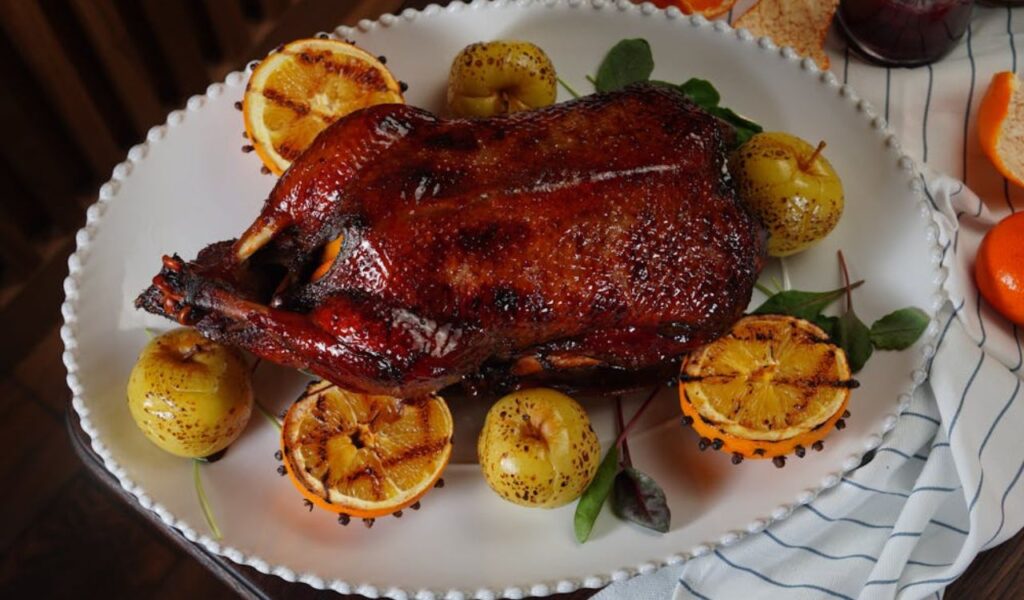
Confit sounds like an advanced culinary technique, but the idea behind it is surprisingly straightforward. The word refers to food that is cooked slowly in fat or sometimes preserved in sugar syrup.
The most famous example is duck confit. In this dish, duck legs are gently cooked in their own fat at low temperatures until the meat becomes tender. After cooking, the meat can be stored in the fat, which historically helped preserve it before refrigeration.
Today, confit is valued mainly for the texture it creates. Slow cooking allows the meat to become soft and flavorful, while the outer layer can be crisped before serving. The elegant name describes a traditional method of slow cooking and preservation.
4. Bisque
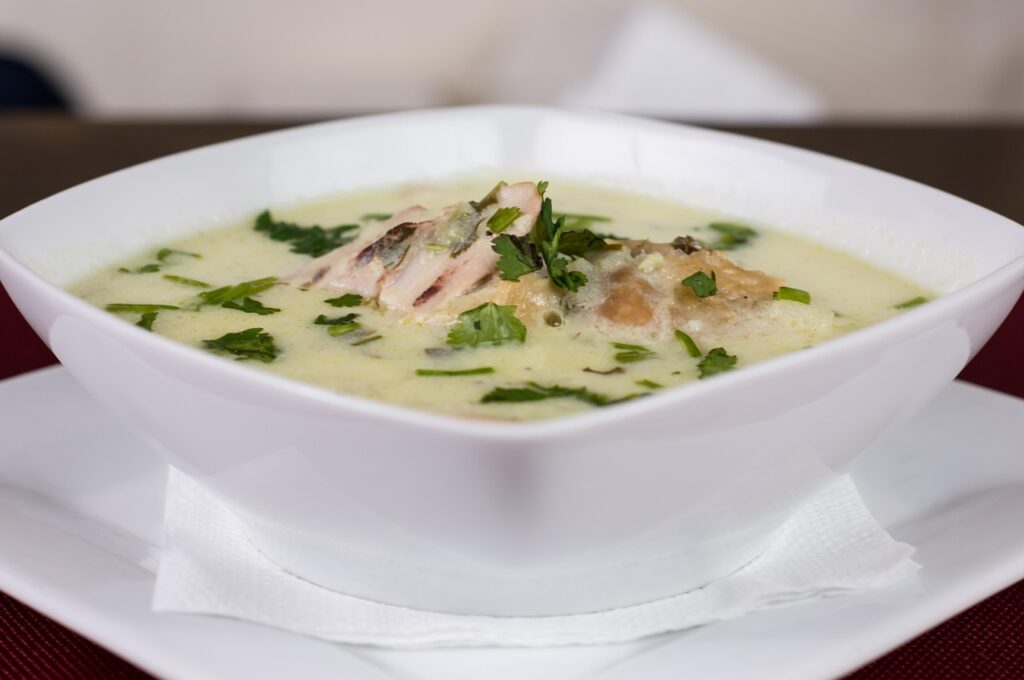
Bisque is a term commonly used to describe a rich, creamy soup. The word may sound refined, but the dish itself is essentially a smooth soup made from puréed ingredients.
Historically, bisque was associated with shellfish such as lobster, crab, or shrimp. The shells were simmered to create a deeply flavored broth that was then blended with cream and aromatics.
Modern bisques can include a wider variety of ingredients, such as vegetables or seafood. The defining feature is the smooth texture achieved by blending and straining the soup. Despite its elegant name, bisque is simply a well-prepared creamy soup.
5. Carpaccio
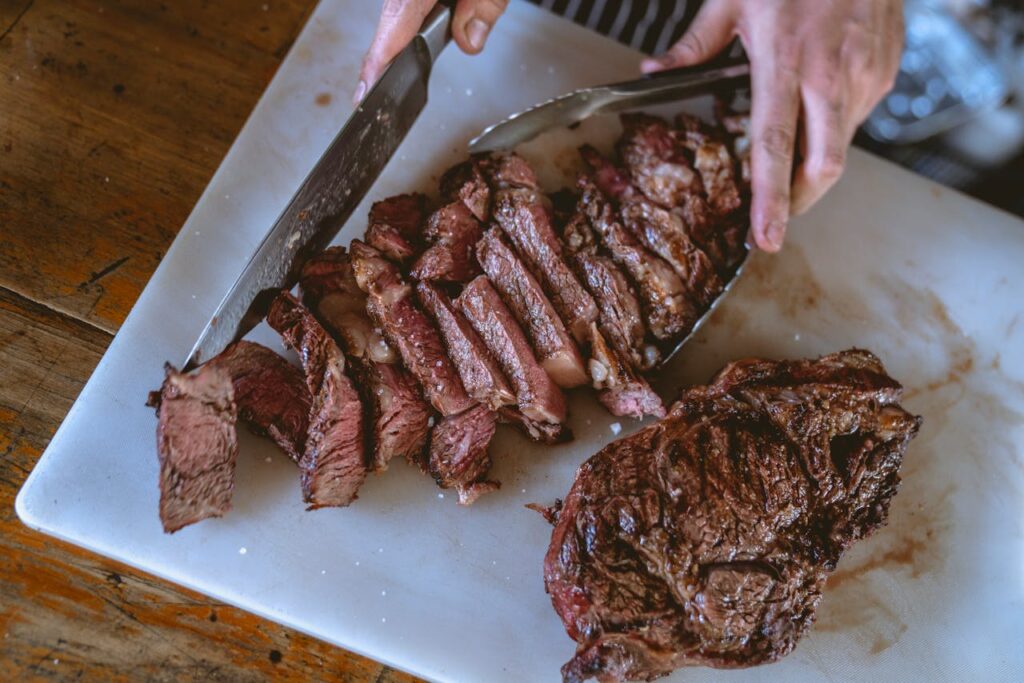
Carpaccio is a menu term that often surprises diners when they learn what it means. The dish refers to very thin slices of raw meat or fish, usually served cold with light seasoning.
The preparation highlights the ingredient’s natural flavor rather than relying on heavy cooking techniques. Common accompaniments include olive oil, lemon juice, herbs, or shaved cheese. These additions provide balance without masking the main ingredient.
Created in Italy from raw beef, carpaccio has since expanded to include fish such as tuna and salmon. The sophisticated name may sound complicated, but the dish is essentially a simple plate of thinly sliced raw protein with minimal seasoning.
6. Compote
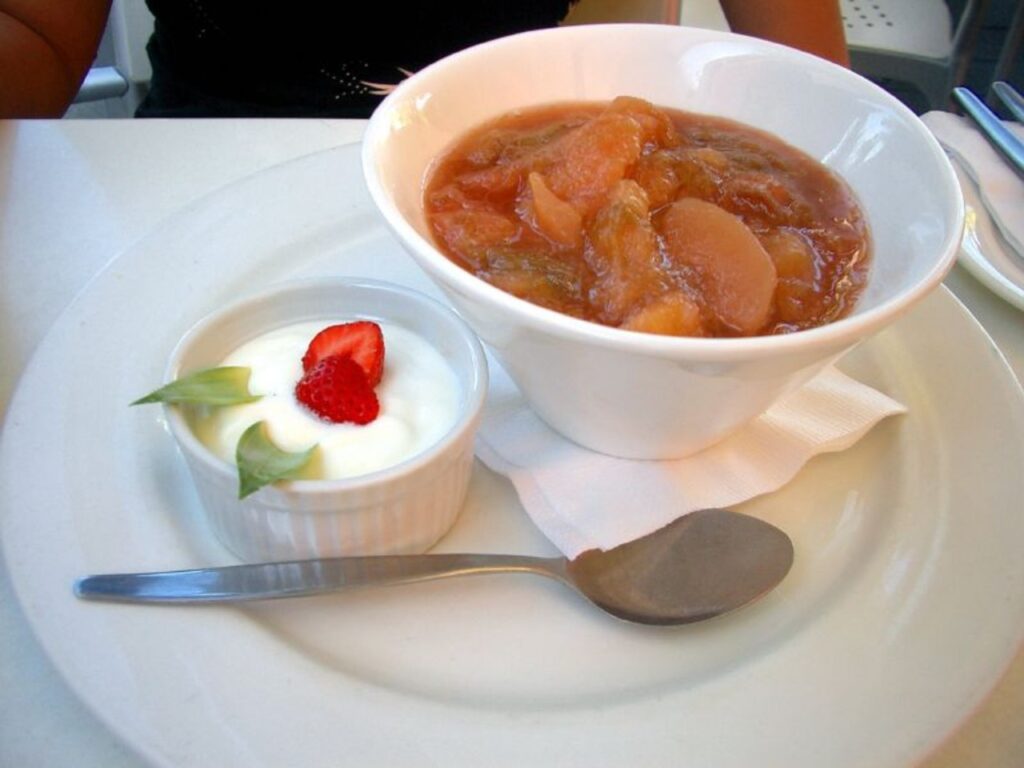
Compote is a word that appears frequently in dessert descriptions. Despite the refined tone, it simply refers to fruit cooked slowly in a light sugar syrup.
The process softens the fruit and allows the natural juices to mix with sugar and sometimes spices. The result is a sweet topping that still contains recognizable pieces of fruit rather than a smooth spread.
Compote is commonly served with pancakes, yogurt, cakes, or ice cream. Because the fruit remains in small chunks, the texture is lighter than jam or jelly. The elegant name describes a traditional way of cooking fruit for desserts.
7. Julienne

Julienne is one of the most common culinary terms used in professional kitchens. The word refers to a particular way of cutting vegetables rather than to a specific ingredient or dish.
In a julienne cut, vegetables are sliced into thin matchstick-shaped strips. This technique is often used for carrots, peppers, or zucchini because it allows the vegetables to cook quickly and evenly.
The uniform shape also improves presentation in salads and stir-fries. When chefs refer to vegetables being julienned, they are simply describing the cutting style. The term may sound technical, but it represents a basic knife technique used in many kitchens.