Why Some Classic Snacks Keep Getting Replaced With New Versions

Some snack changes feel minor until the first bite proves otherwise. What looks like the same old favorite is often the result of a very different business decision.
Regulation Changes the Recipe Before Shoppers Ever Notice

One of the biggest reasons classic snacks get replaced with new versions is that food companies often have to reformulate long before consumers understand why. A snack may look familiar on the shelf, but behind the scenes, manufacturers are responding to ingredient rules, labeling standards, and public-health pressure that can make an old formula hard to keep. In the United States, the FDA’s 2015 determination that partially hydrogenated oils were no longer generally recognized as safe forced major changes across processed foods, especially baked and shelf-stable snacks. That mattered because those oils had long helped create the crispness, stability, and long shelf life people associated with crackers, pastries, and snack cakes.
When those fats disappeared, many products had to be rebuilt with different oil systems, and the sensory effect was real. A cracker that once felt firm and buttery could become more fragile or crumbly. A pastry that once tasted rich could become drier or sweeter to compensate. Consumers often interpret that shift as companies “ruining” a classic product, but in many cases the change began with a rulebook, not a marketing brainstorm. The old version may simply no longer fit modern regulatory expectations.
Color additives are another pressure point, and they matter more than people assume. Reporting around PepsiCo’s newer Simply NKD Doritos and Cheetos lines shows how companies now introduce parallel versions without artificial colors or flavors while still protecting the legacy brand. Researchers interviewed by the University of Virginia noted that color is deeply embedded in how consumers identify snacks, and that removing a visual cue can alter acceptance even if the flavor profile stays close. In other words, the replacement is not always about taste alone; it is about making a product compliant, marketable, and recognizable at the same time.
That is why some “new” versions are really transitional products. Companies test whether customers will accept a cleaner label, a reformulated ingredient list, or a toned-down appearance before committing to a broader shift. The result is a grocery aisle filled with originals, limited editions, natural-color versions, and health-positioned spinoffs all competing for the same nostalgic space. What looks like needless reinvention is often the visible end of years of regulatory adjustment.
The Factory Process Can Make the Same Snack Taste Different
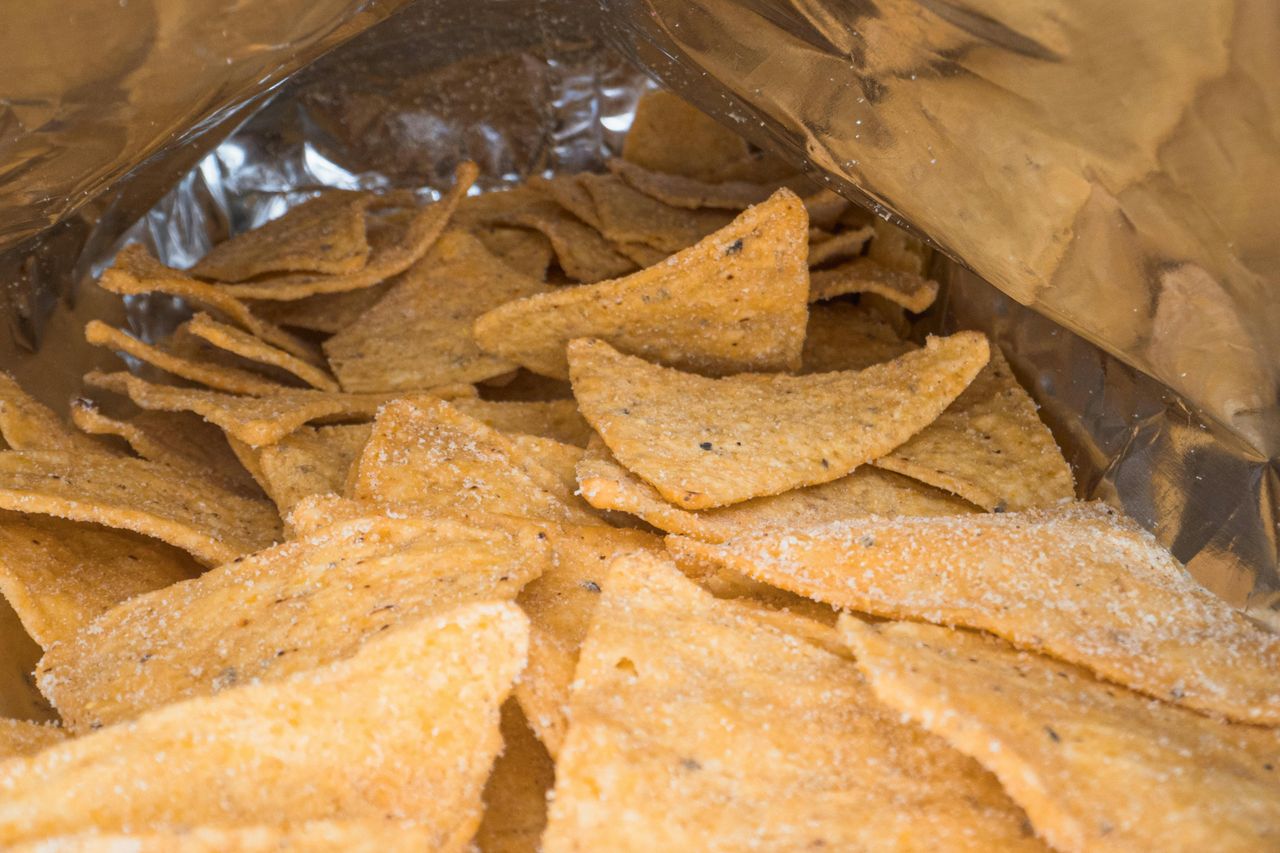
Even when a company keeps the brand name and core flavor, a new version may emerge because the manufacturing process changes. Shape, thickness, baking time, moisture control, seasoning application, and packaging atmosphere all affect flavor perception. That is why consumers often notice that holiday pretzels, novelty crackers, or picture-stamped snack versions do not taste exactly like the standard product. The ingredients may be close, but the geometry and production line are not.
A shaped pretzel, for example, does not bake exactly like a straight pretzel stick or a standard twist. Thicker sections hold moisture differently, edges brown at different speeds, and salt distribution can vary from one contour to another. The same principle applies to crackers with embossed designs or altered dimensions. A tiny shift in surface area changes how oil, seasoning, and heat interact, which can make a snack seem blander, harder, sweeter, or more toasted even when the recipe barely moved.
Shelf life pushes those decisions further. After Hostess returned Twinkies to stores in 2013 under new ownership, one of the most discussed differences was shelf life: the revived product was marketed with a 45-day shelf life, much longer than the earlier version’s roughly 14 days, according to widely reported accounts. Extending shelf life usually means changes in moisture management, preservatives, fats, emulsifiers, packaging, or all of them at once. That can preserve distribution efficiency, but it also changes the eating experience. What consumers remember as “fresh” often came from a version that was harder and more expensive to move through a national retail system.
Modern snack manufacturing also prizes consistency at enormous scale. A company selling nationally cannot optimize every product for peak flavor if that creates breakage, spoilage, shipping losses, or uneven performance across climates. So manufacturers engineer snacks for resilience as much as pleasure. The replacement version may not be better in a purely sensory sense, but it may survive freight, warehousing, and months on shelf far more reliably.
That tradeoff explains a lot of disappointment. Consumers compare a new snack not only to an older formula, but to an idealized memory of a product eaten under different conditions and at a different time of life. The factory, meanwhile, is solving for speed, stability, and cost. Those goals do not always line up with nostalgia.
Brands Replace Classics to Match How People Snack Now
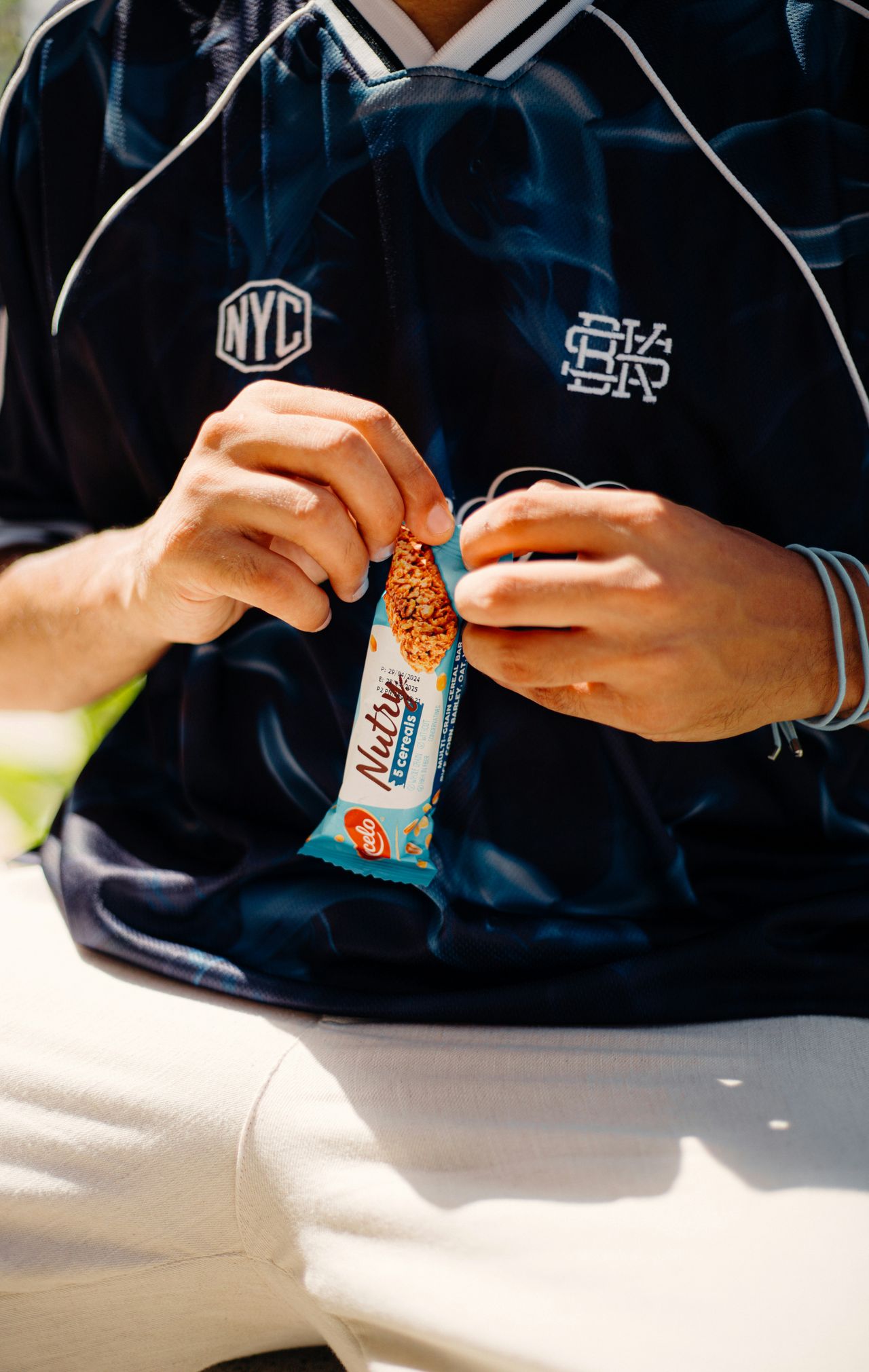
Another reason classic snacks keep getting reworked is that the role of snacking itself has changed. Snacks are no longer just side treats between lunch and dinner. Industry reporting and survey data now describe a broader “snackification” shift, where eating occasions are more fragmented and consumers increasingly replace meals with smaller, more portable foods. The International Food Information Council’s 2025 Food & Health Survey found that 38% of consumers reported replacing meals with snacks or smaller meals, showing how deeply this behavior has entered mainstream life.
That shift changes what companies need a snack to do. Older classics were often engineered as indulgent treats: salty, sweet, visually bold, and easy to crave. Today, many shoppers also want snacks to carry functional value. They look for protein, cleaner labels, less artificial coloring, portion control, satiety, and packaging that works in cars, offices, and school bags. A classic chip or cracker can still sell, but brands increasingly feel pressure to release versions that speak the language of modern eating habits.
PepsiCo’s recent activity shows the pattern clearly. The company has highlighted products positioned around no artificial colors or flavors, and it has also moved into more explicitly functional snacking with launches such as Doritos Protein in 2026. That kind of extension is not random innovation. It reflects a market where consumers want familiar flavors attached to newer nutritional or ingredient expectations. The safest path for a major company is often not to invent a completely unknown snack, but to attach a modern promise to an old favorite.
This creates a cycle of replacement that is easy to misread. Consumers think a company is abandoning a beloved original, but the brand may see itself as defending relevance across several audiences at once. One group wants the old indulgent version. Another wants the same taste with a cleaner ingredient list. A third wants the brand transformed into a high-protein, lower-guilt, or meal-adjacent option. New versions appear because the original no longer serves the full market by itself.
In that sense, snack replacement is really portfolio expansion under pressure. The familiar brand acts as the bridge. Companies know that people trust names they grew up with, so they use those names to enter new eating occasions. The result is a shelf where legacy products increasingly coexist with reformulated descendants designed for a different daypart, a different health mindset, and a different definition of convenience.
Nostalgia Makes Every Change Feel Bigger Than It Is
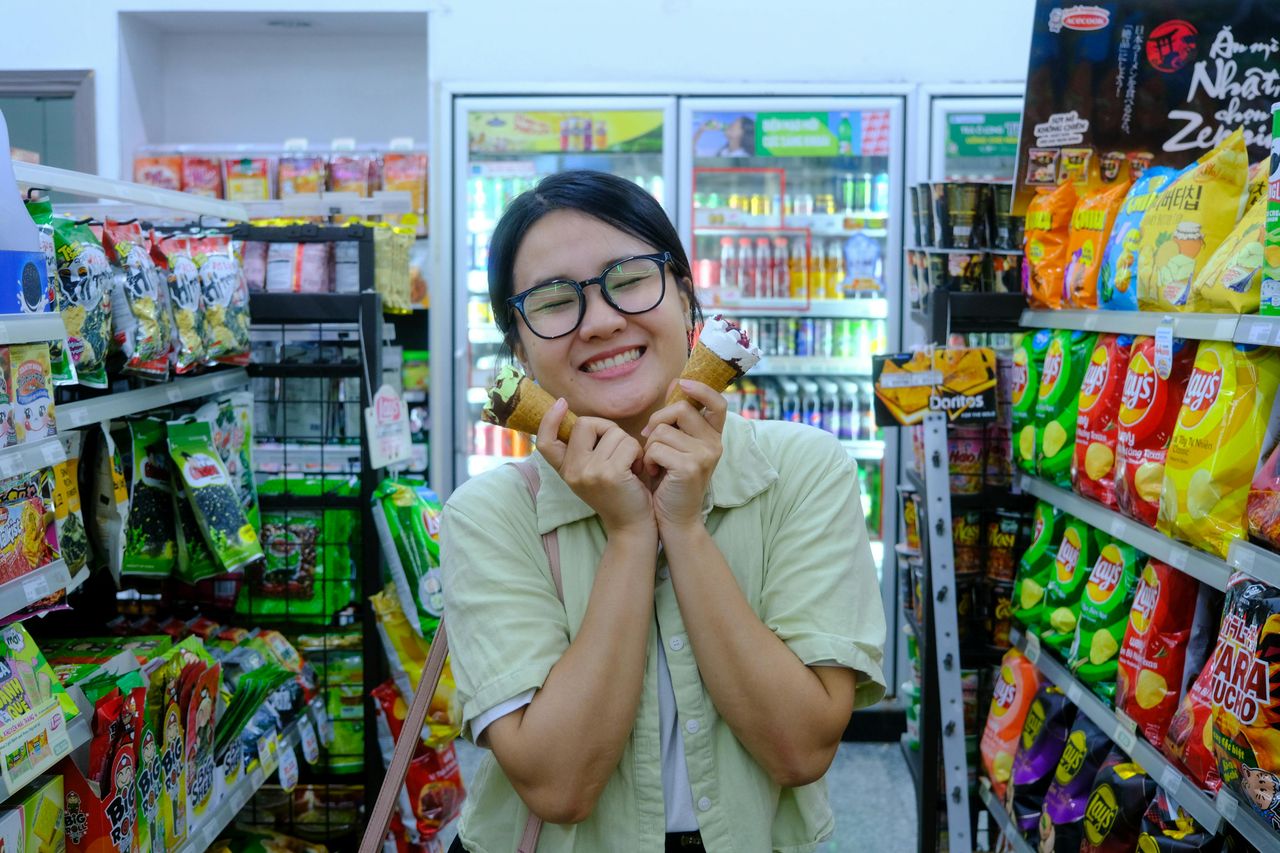
Classic snacks occupy a special emotional category, which is why even minor changes can trigger outsized reactions. People rarely judge a childhood favorite like they judge a brand-new product. They compare it to memory, ritual, family habits, school lunches, road trips, and the exaggerated sensory intensity of being young. That means a snack does not merely have to taste good; it has to match a stored personal history.
This is one reason consumers often say a product is “worse” even when the difference is modest. Age changes taste perception, and adult palates are less impressed by the sugar, salt, and novelty that once made processed snacks thrilling. But that is only part of the story. When recipe changes, size reductions, or texture shifts do happen, nostalgia amplifies them. A cracker that is slightly more fragile or a cake that is slightly drier can feel dramatically inferior because the older version has become mentally untouchable.
Color and visual identity intensify that effect. The University of Virginia analysis of Cheetos and Doritos without their traditional bright orange appearance argued that consumers do not experience those snacks only through flavor. The look of the product is part of the multisensory brand experience. That insight helps explain why some fans react so strongly when a snack is reshaped, recolored, or packaged differently. They are not just losing an ingredient; they are losing a cue that helped define the snack’s identity.
Limited editions reveal this tension especially well. A holiday version, shaped version, or “special edition” classic often feels like it should deliver the same comfort as the original plus a little fun. Instead, it can taste unfamiliar because the novelty changes expectations more than it improves the product. The consumer then experiences a double disappointment: the snack is not as good as the original, and the brand has tampered with something that felt stable.
For companies, that creates a difficult balancing act. Innovation is necessary, but every adjustment risks being read as disrespect toward tradition. The more iconic the snack, the narrower the margin for error. When people say a classic has been replaced, they often mean something deeper than ingredients changed. They mean the emotional contract changed too.
Costs, Margins, and Shelf Competition Drive Constant Reinvention
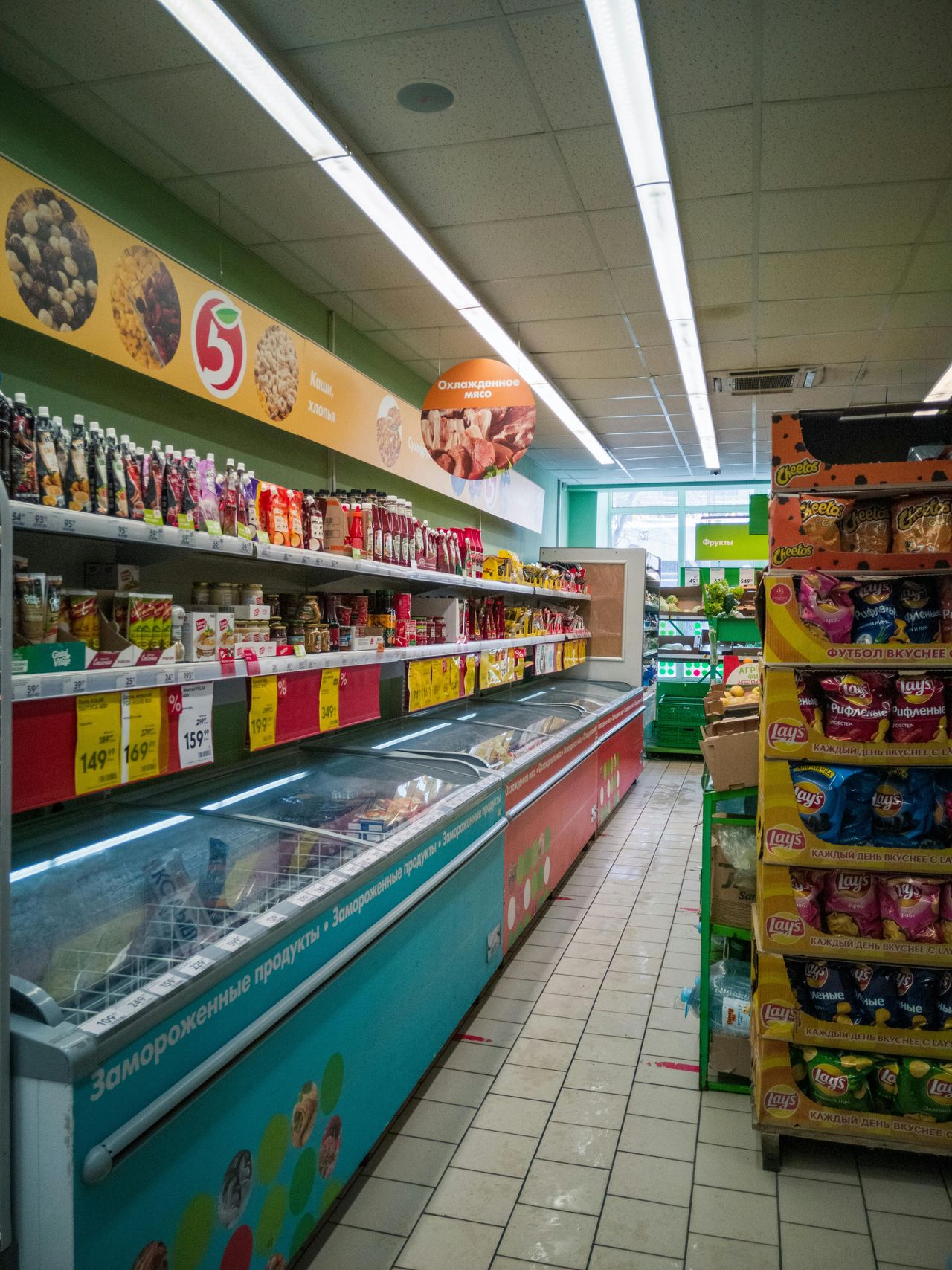
No discussion of snack replacement is complete without money. Snacks live in an intensely competitive retail environment where shelf space is limited, ingredient costs fluctuate, and margins are constantly under pressure. A manufacturer may love the mythology of a classic product, but a grocery buyer is looking at turnover, pricing, packaging efficiency, and velocity. If a new version gives the brand a better chance to stand out or protect profit, it will get serious attention.
Ingredient substitution is often part of that equation. Oils, dairy solids, cocoa, flavorings, and packaging materials all move in cost, sometimes sharply. Reformulating a product can help stabilize margins, extend shelf life, or simplify sourcing. Sometimes the change is framed around wellness or innovation, but the business case is equally important. A snack that costs less to produce, survives longer in distribution, and meets current label expectations is easier to defend than one that depends on a fragile, older formula.
Portion size and packaging strategy matter too. What consumers call shrinkflation is often tied to price architecture, retailer demands, and inflation management. Brands may keep a familiar package silhouette while changing net weight, count, or internal tray design. They may also launch “share size,” “mini,” “thins,” or resealable variants to create new price points without fully reworking the core identity. In practice, these become new versions of the same classic, each optimized for a different margin or shopping mission.
Competition also forces brands to stay visible. A legacy cracker or chip competes not only with direct rivals but with protein snacks, bars, yogurt cups, trail mixes, refrigerated bites, and private-label alternatives. If a classic does not evolve, it risks looking old-fashioned in the least flattering sense. New flavors, limited runs, cleaner labels, and texture variations all function as shelf signals that tell retailers and shoppers the brand is still active.
That explains why even successful snacks keep getting replaced by adjacent versions. In consumer terms, the product seemed fine. In category terms, standing still can look like decline. Reinvention becomes a defensive strategy, one that protects shelf presence and retailer relationships even when fans would prefer the old box and the old taste forever.
The Future of Classic Snacks Is More Fragmented, Not More Stable
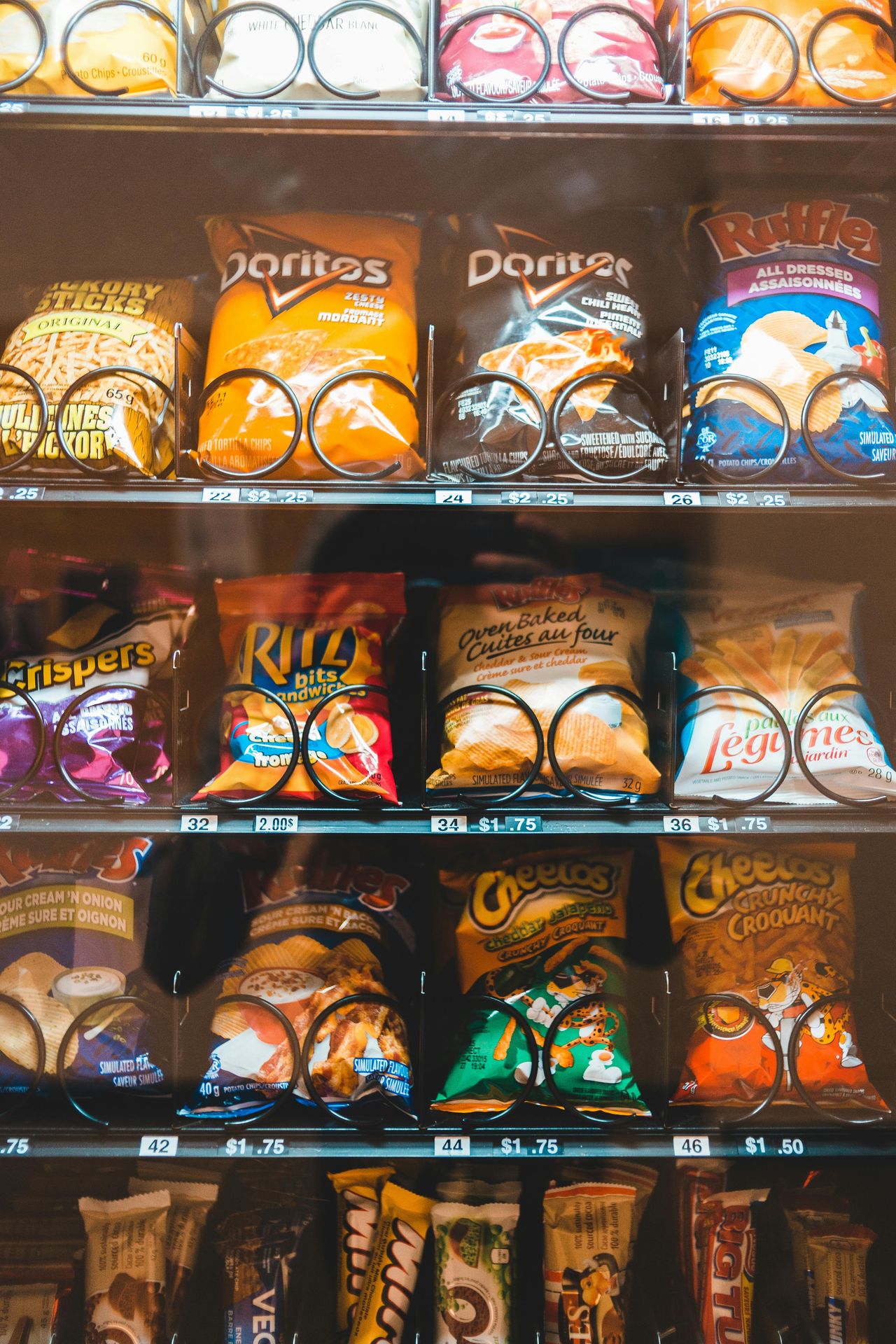
The likely future is not a return to one definitive version of every classic snack. It is a more fragmented market where multiple versions of the same snack coexist, each aimed at a different concern. One will chase nostalgia. Another will emphasize cleaner ingredients. Another will lean into protein, affordability, or bolder flavor. Rather than replacing the original in a clean, linear way, brands now create families of products around a single familiar name.
That approach makes sense because consumer priorities are splitting, not converging. Some shoppers want indulgence with no apologies. Others want fewer artificial ingredients. Others want snacks that function like mini-meals. Recent PepsiCo messaging around recipe refinement, lower price points on some products, and newer no-artificial-color-or-flavor offerings suggests how major companies are trying to answer all of those demands at once. The modern snack aisle is becoming a set of overlapping promises rather than a single standard formula.
For consumers, this means disappointment with classic replacements is unlikely to disappear. New versions will keep arriving because companies are solving for health pressure, manufacturing efficiency, retail strategy, and shifting eating habits simultaneously. Sometimes the result will be genuinely better. Sometimes it will be acceptable but less beloved. And sometimes a special edition will simply prove that the original shape, color, or texture mattered more than anyone in the boardroom expected.
Still, there is a reason brands continue using classic names instead of abandoning them. Familiar snacks carry trust, memory, and recognition that newer products struggle to match. Even when companies replace, reformulate, or extend them, they are acknowledging the power of what came before. The replacement exists because the original became culturally valuable enough to modernize.
So when a favorite snack returns in a new form and tastes a little off, that does not happen by accident. It is usually the product of regulation, logistics, cost control, changing diets, and a brand’s attempt to keep one foot in the past and the other in the future. Classic snacks are not being replaced because they stopped mattering. They are being replaced because they still matter too much to leave unchanged.