8 Menu Phrases That Often Signal Lower Quality Restaurant Food

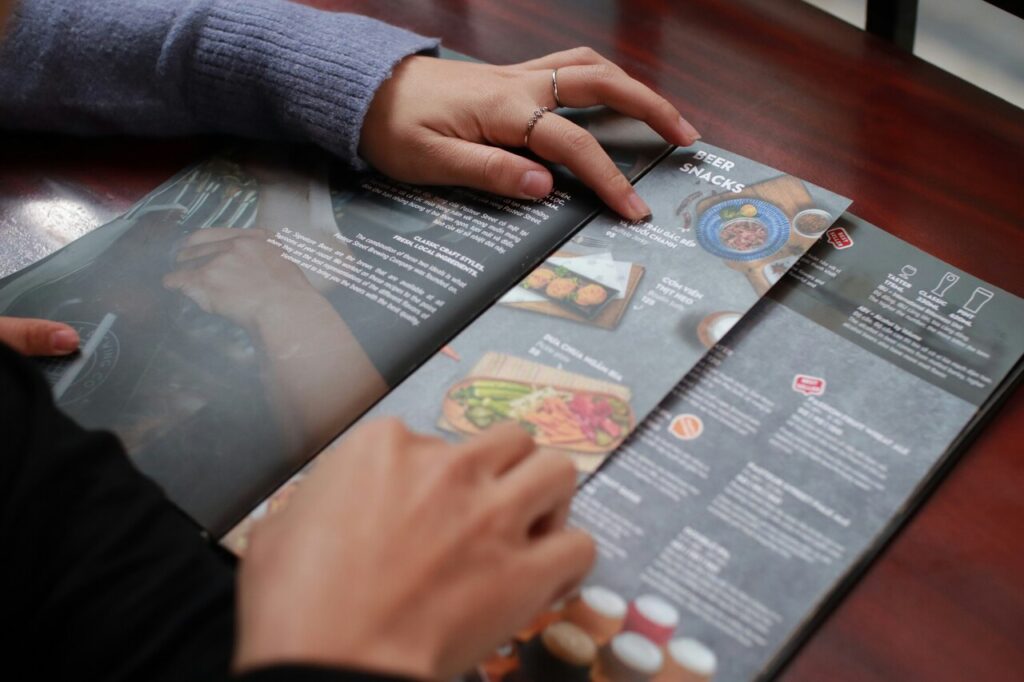
Restaurant menus are carefully designed to influence how diners perceive a dish. Certain words are chosen to make items sound more appealing, premium, or sophisticated. However, not every impressive-sounding phrase reflects genuine quality. In many cases, these terms are simply marketing language that adds excitement without offering real details about ingredients or preparation. Learning to recognize these phrases can help diners read menus more thoughtfully and focus on dishes that highlight clear ingredients, honest cooking methods, and real culinary care.
1. Premium

The word premium appears on countless restaurant menus, often placed next to burgers, steaks, or seafood dishes. At first glance, the term suggests higher-quality ingredients or a more careful preparation. In reality, the word has no official definition in the restaurant industry.
Because the term is unregulated, restaurants can use it freely as a marketing tool. A menu might describe something as premium even if it uses standard ingredients available in most kitchens. The label mainly creates the impression that the dish is more special than the rest of the menu.
For diners, the word can sometimes signal pricing strategy rather than quality. Experts often suggest looking for specific details about ingredients instead of relying on vague labels.
2. Authentic
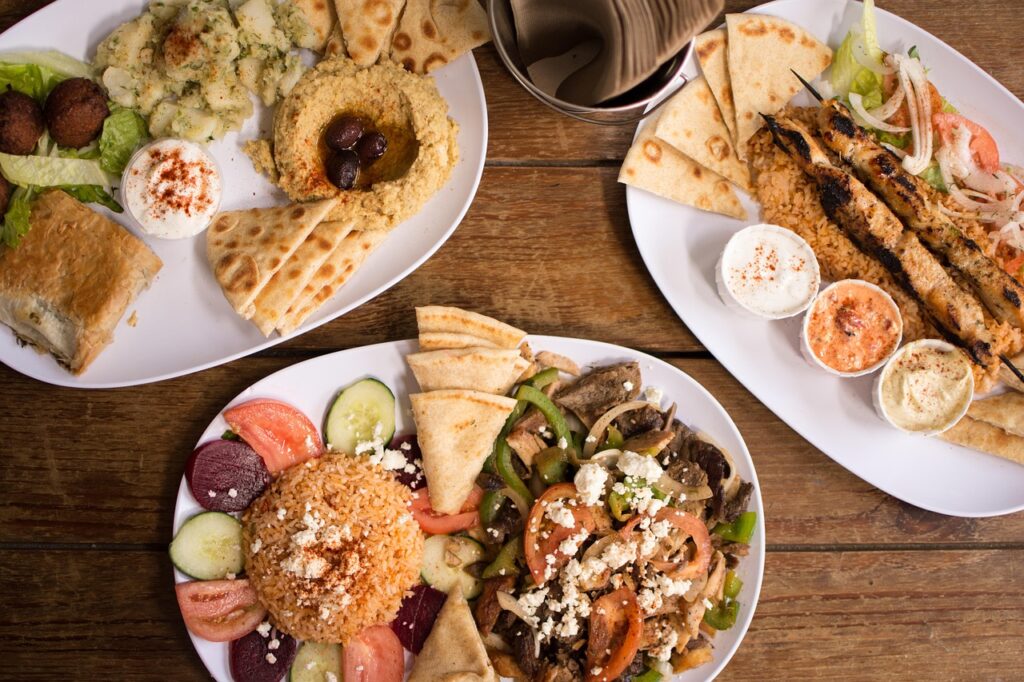
Authentic is another word that frequently appears on restaurant menus to make dishes sound more traditional. However, the word itself does not have a strict or measurable meaning in most restaurant settings.
Cuisines naturally evolve and change depending on the ingredients available in different places. Restaurants sometimes use the word simply to create an emotional connection with diners.
When the label appears without explanation, it may not provide much useful information about the food itself. A truly traditional dish usually reveals its authenticity through ingredients, preparation methods, and cultural context rather than relying on a single descriptive word.
3. Hand-Selected
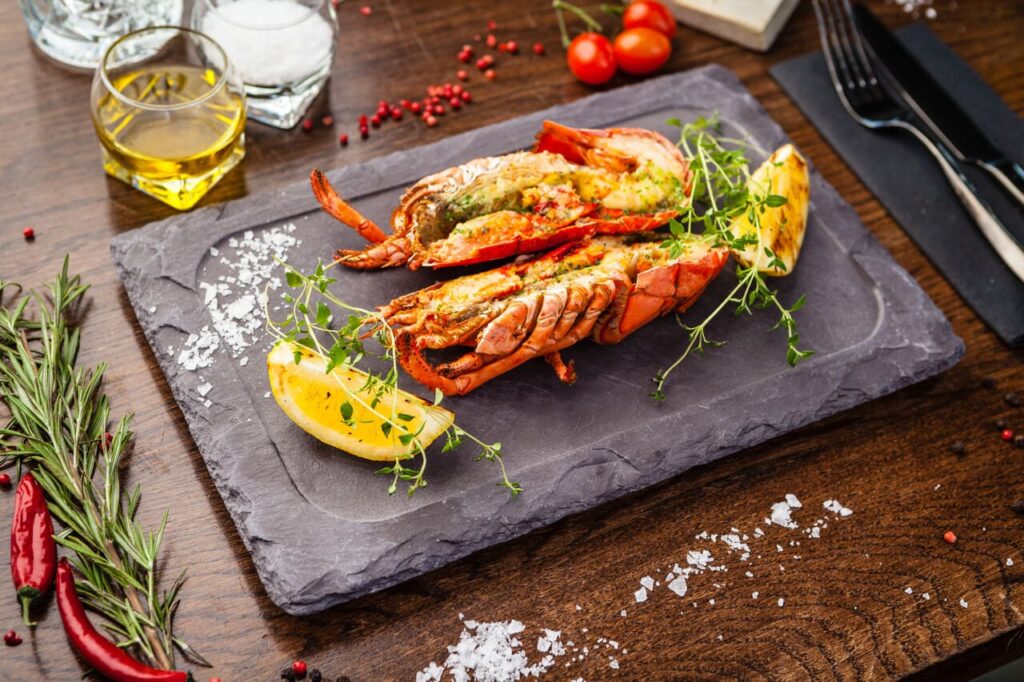
The phrase hand selected often appears next to ingredients such as vegetables, seafood, or cuts of meat. While that image sounds appealing, it does not always reflect how restaurant supply chains actually work.
Most restaurants receive ingredients through distributors who deliver products in large quantities. The idea of every ingredient being individually chosen by a chef is rarely practical in busy commercial kitchens.
Because of this, the phrase can function more as storytelling than as a literal description. It suggests care and attention without explaining what makes the ingredient better than others. Diners who want real quality indicators often look for details such as sourcing locations or seasonal ingredients.
4. Deconstructed
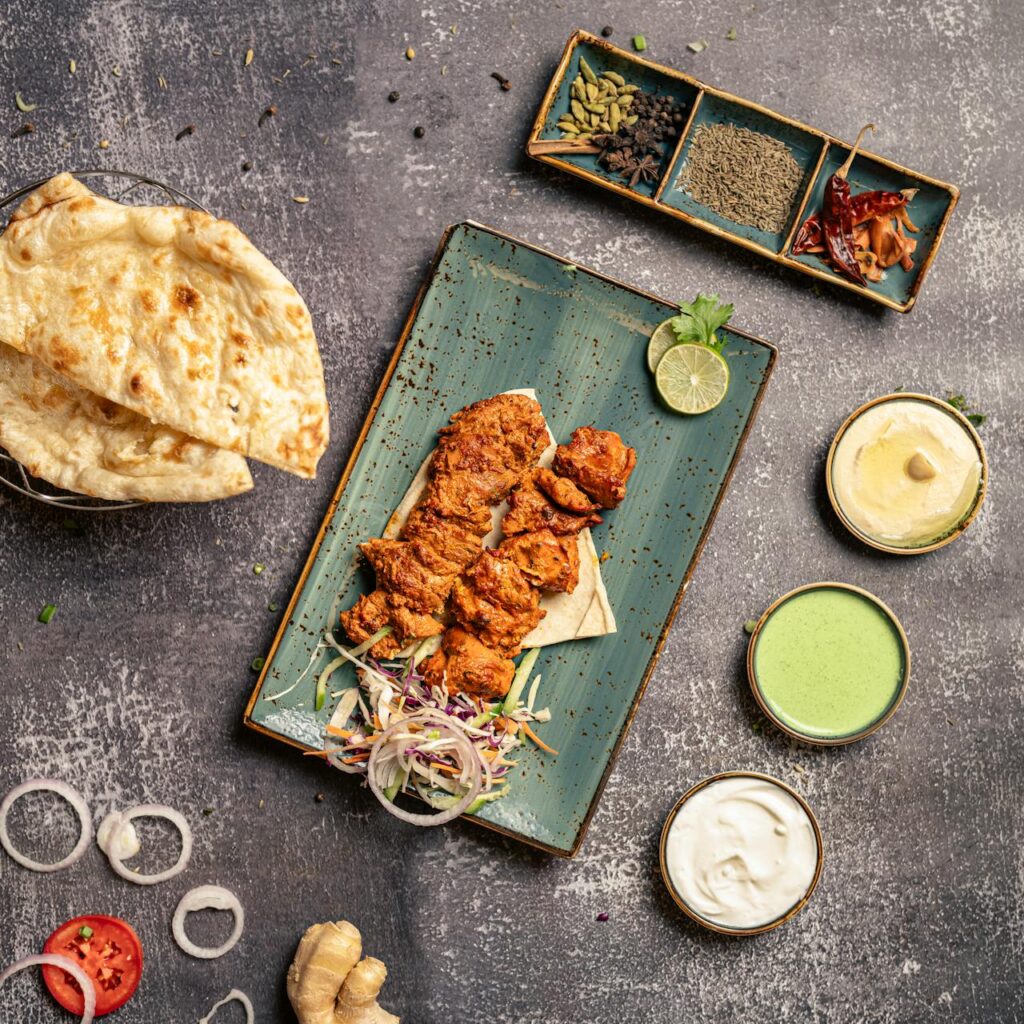
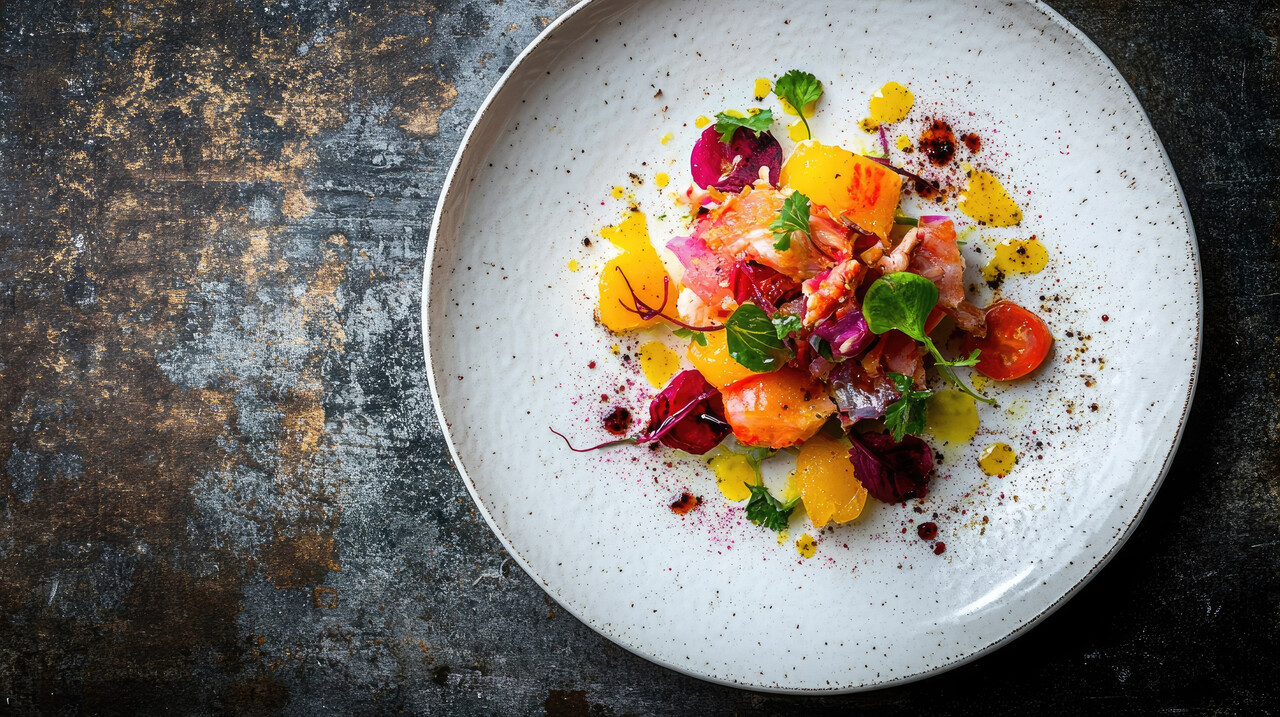
Deconstructed dishes became popular in modern restaurants as a way to present familiar foods in a new format. The idea is to highlight individual ingredients while allowing diners to combine them themselves.
While creative plating can be interesting, the term sometimes appears when a restaurant simply rearranges a traditional dish without adding much culinary value. A classic recipe that normally requires skill to assemble may be served as separate elements that the diner finishes at the table.
In some cases, this approach places more emphasis on visual style than on flavor or technique. When the word appears without a clear purpose, it may indicate a trend-driven presentation rather than a thoughtful improvement to the original dish.
5. Clean
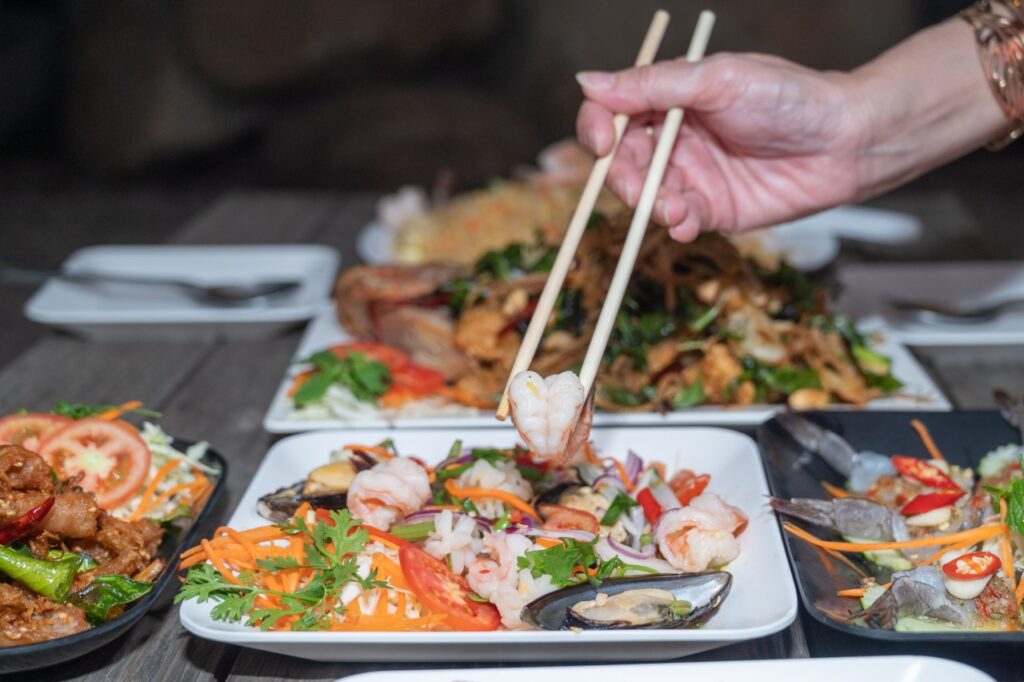
Clean is a word that has grown popular in food marketing over the past decade. On menus, it often suggests that a dish is healthy, natural, or free from unwanted additives. However, the term has no official definition within food regulations or restaurant standards.
Because there is no clear guideline for what qualifies as clean food, the phrase can mean different things depending on who is using it. Others may use it purely as a way to attract health-conscious diners.
The lack of a clear definition means the word does not always guarantee anything specific about the dish. Nutrition experts often recommend focusing on the actual ingredient list and preparation method rather than relying on vague labels that sound appealing but offer little detail.
6. French Culinary Terms Without Explanation
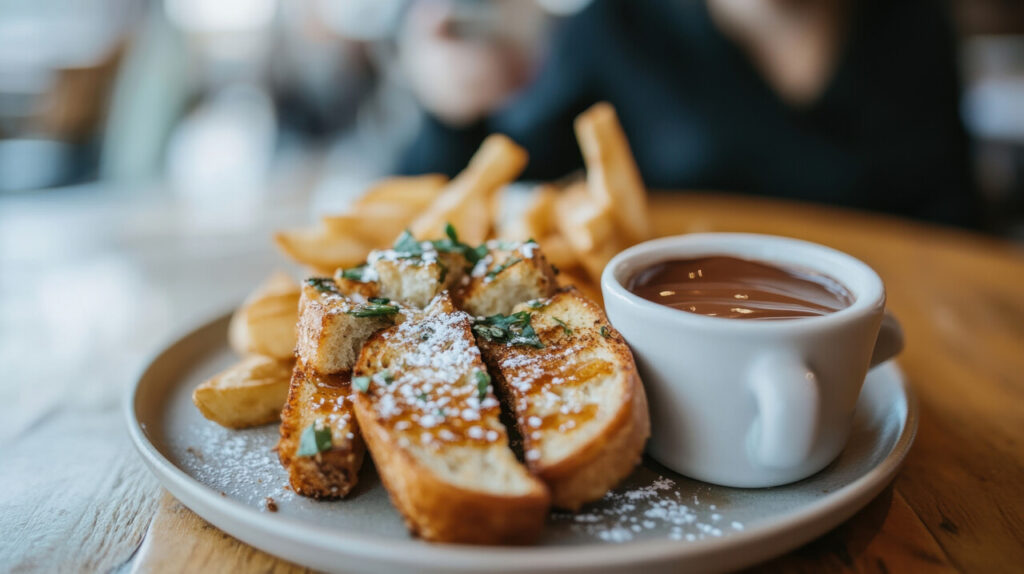
Foreign language terms can make a menu sound sophisticated, especially when French culinary vocabulary is involved. Words such as confit, velouté, or roux have genuine meanings in professional cooking.
When diners are unfamiliar with the terminology, the language itself can create the impression that the dish is more refined or complex. In some cases, the food itself may be fairly simple while the wording adds an extra sense of prestige.
Clear descriptions usually help diners understand what they are ordering. When a menu relies heavily on unexplained foreign terms, it can sometimes prioritize presentation over clarity. Good restaurants often balance culinary terminology with straightforward explanations of ingredients and flavors.
7. Deep Fried
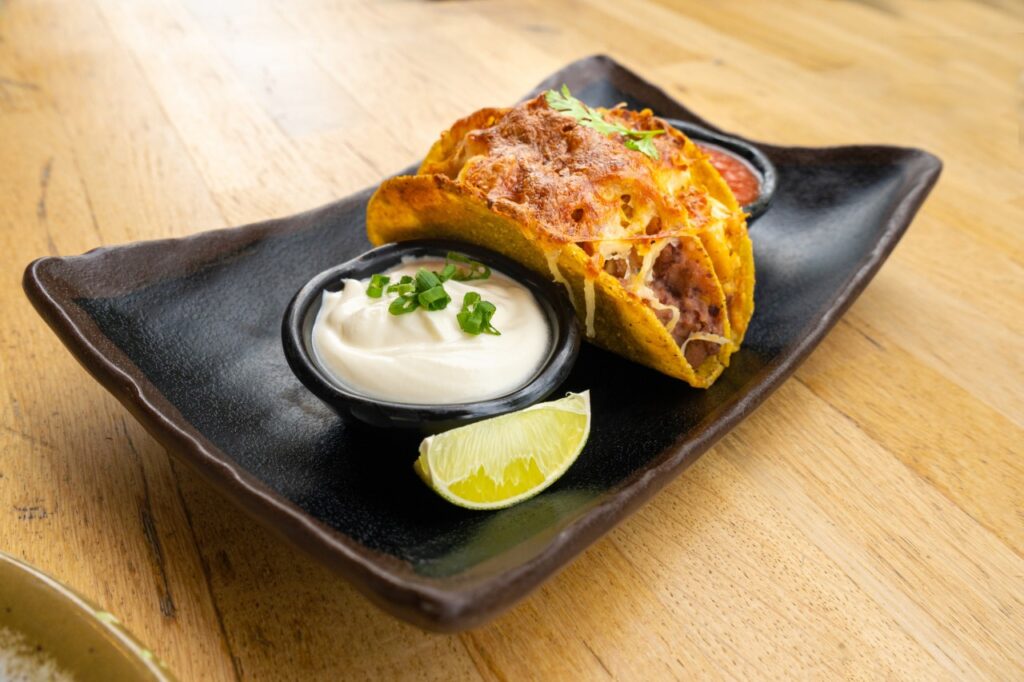
Deep frying is a cooking method that creates crisp textures and rich flavors. Many popular foods, such as fried chicken, fries, and onion rings, rely on this technique. The method itself is not necessarily negative, but it can sometimes hide the quality of the ingredients.
The process coats food in batter or breadcrumbs before cooking it in hot oil. This creates a crunchy exterior that can overpower subtle flavors inside.
Because of this, heavily fried dishes sometimes rely more on texture than on ingredient quality. While they can be satisfying as occasional treats, menus that focus heavily on deep-fried items may prioritize indulgence and convenience rather than careful sourcing.
8. Smothered
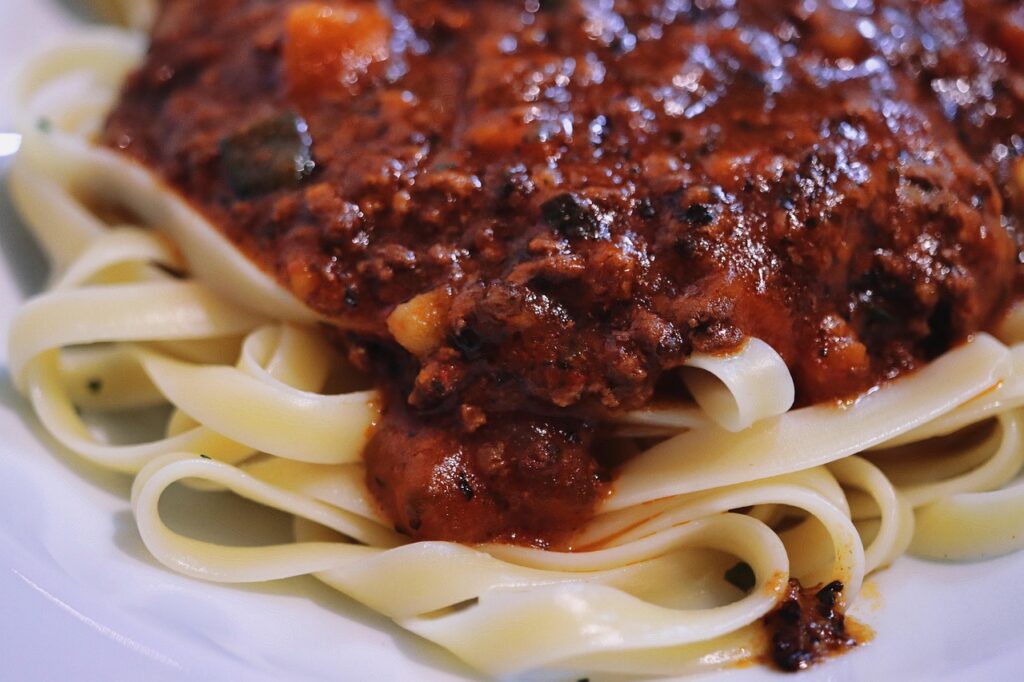
The word smothered usually appears next to dishes covered in sauces, cheese, or gravy. These toppings can add richness and comfort to a meal, which is why the phrase is common in casual dining menus. The term signals that the dish will arrive heavily coated with additional ingredients.
While sauces can enhance flavor when used carefully, large amounts can overwhelm the main component of the dish. When meat, vegetables, or starches are buried under thick layers of sauce, it becomes difficult to taste the original ingredient.
In some situations, this approach helps mask ingredients that might otherwise seem plain. Diners who prefer to experience the natural flavor of ingredients often choose dishes where the main components remain clearly visible.