These 10 Foods Sound Like a Nutritionist’s Nightmare; Turns Out They’re Not Worried at All

Some foods have a reputation that feels hard to shake. They get labeled as unhealthy, risky, or something to limit, and that idea sticks even as research continues to evolve. Over time, these labels turn into habits, shaping what people avoid without always questioning why.
But here’s what makes it interesting. Many of these foods were never the problem on their own. The concern often came from outdated science, extreme versions of the food, or how they were typically prepared. When you look at them in a more balanced way, they start to make a lot more sense. That is exactly why nutritionists are far less worried than people expect.
1. Eggs Were Once Avoided but Are Now Back on the Plate
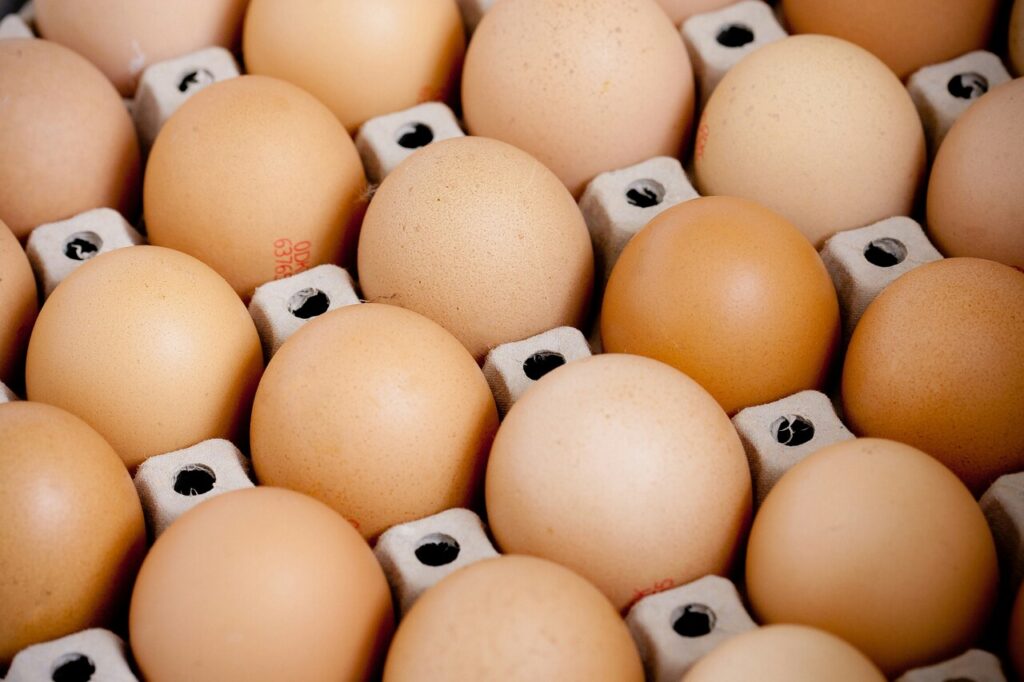
Eggs have gone through one of the biggest reputation shifts in nutrition. For years, they were linked to high cholesterol and were often limited or avoided altogether. That message stuck, even though the science around dietary cholesterol has changed significantly over time.
Today, eggs are recognized as a nutrient-dense food. They provide high-quality protein, essential vitamins, and compounds like choline that support brain function. Research shows that for most people, dietary cholesterol from eggs does not have the same impact on blood cholesterol as once believed.
What matters more is the overall diet rather than a single ingredient. Eggs can fit comfortably into balanced eating patterns, especially when paired with vegetables or whole grains. The concern was never about eggs alone, but how they were understood in a broader nutritional context.
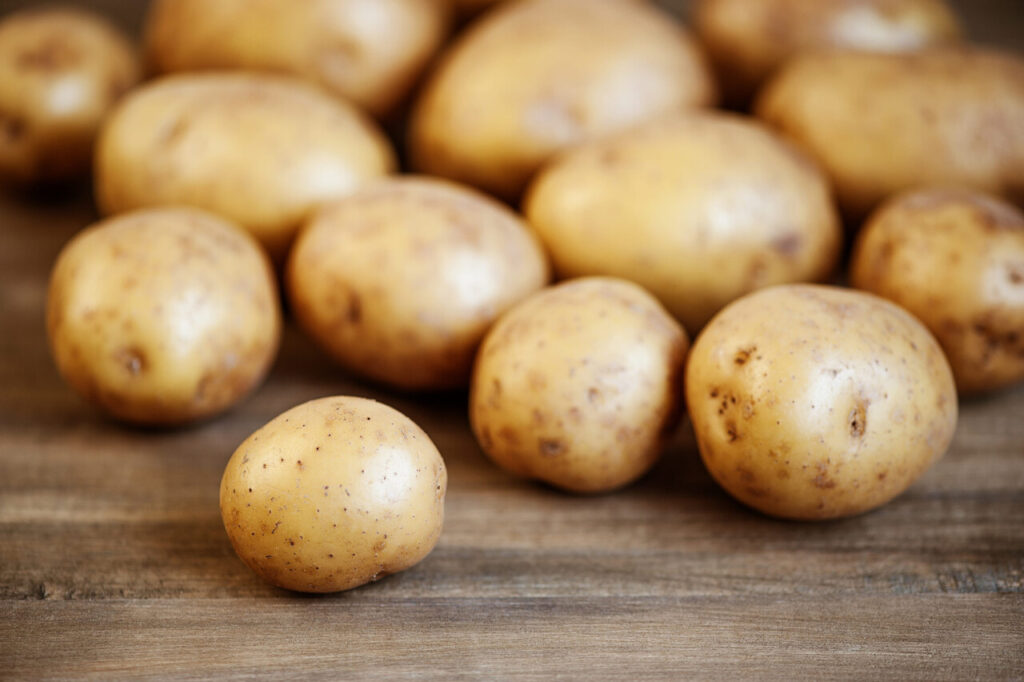
2. Potatoes Get Blamed for What Is Usually Added to Them

Potatoes often carry a negative image because they are associated with fried foods and heavy toppings. French fries, chips, and loaded dishes have shaped how people think about them, even though the base ingredient is quite simple.
On their own, potatoes are rich in potassium, vitamin C, and fiber, especially when the skin is included. They are also naturally fat-free and provide a steady source of energy. The issue usually comes from how they are prepared rather than the potato itself.
When baked, boiled, or roasted with minimal added fats, potatoes can be part of a balanced meal. The shift in perception comes from separating the food from its most indulgent versions. Once that distinction is clear, the concern tends to fade.
3. Coffee Has Benefits That Go Beyond the Caffeine

Coffee is often viewed with caution because of its caffeine content. Concerns about sleep, heart rate, and dependency have shaped its reputation over time. For some people, these concerns are valid, especially with excessive intake.
At moderate levels, coffee is a major source of antioxidants in many diets. It has been linked to improved alertness and may even support long-term health in certain areas when consumed in reasonable amounts. The key is how much and how often it is consumed.
What changes the conversation is understanding moderation. A few cups a day can fit into a healthy routine for most people. The concern tends to come from overuse or added sugars and creamers rather than the coffee itself.
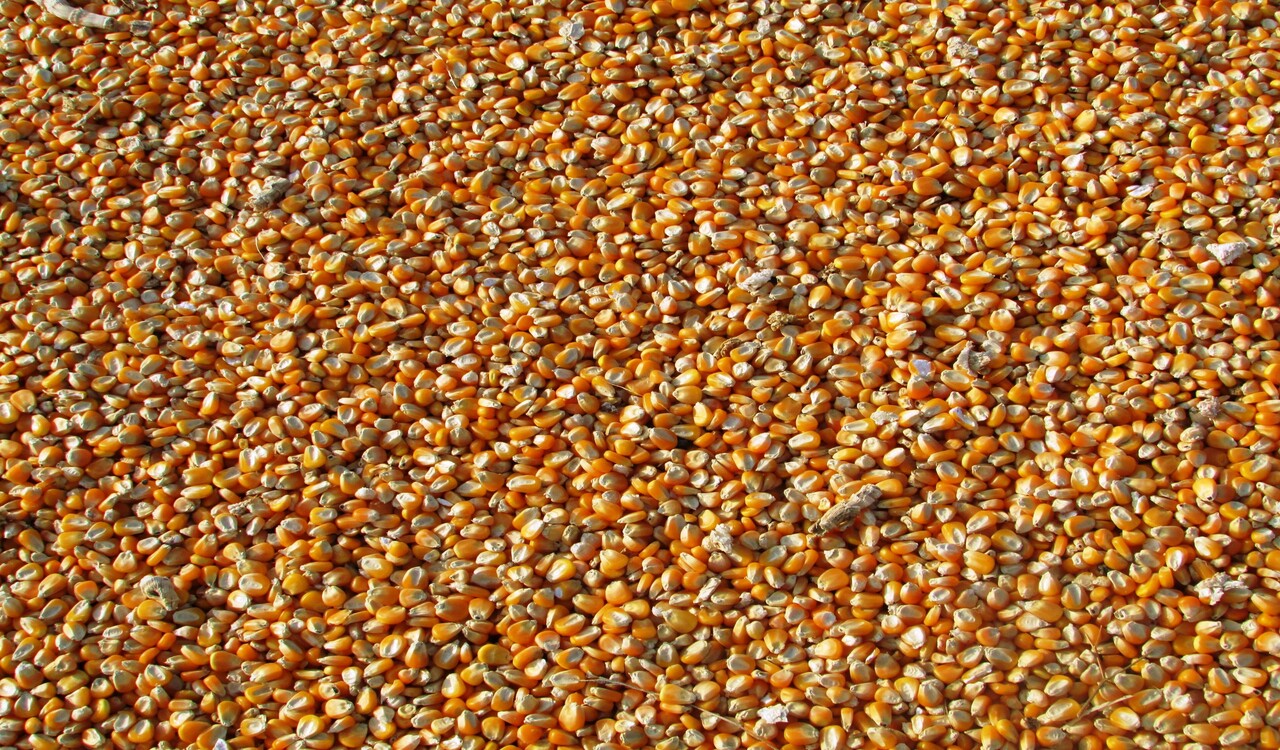
4. Popcorn Is a Whole Grain Hidden Behind a Snack Food Image
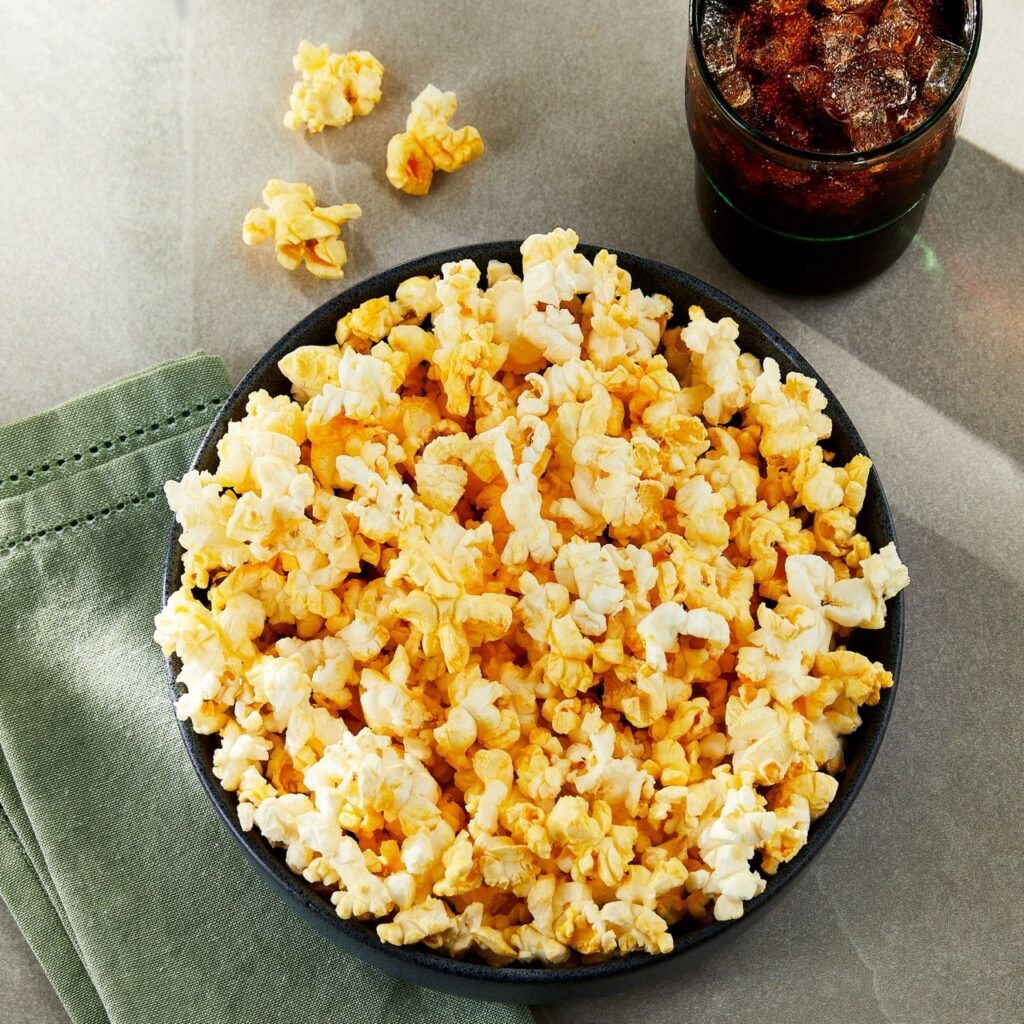
Popcorn is often grouped with snack foods that are high in salt, butter, or artificial flavorings. That association makes it easy to overlook what it actually is at its core.
Plain popcorn is a whole grain that provides fiber and can be relatively low in calories when prepared without heavy toppings. It offers volume and crunch, which can make it satisfying without requiring large portions.
The difference comes from preparation. Air-popped popcorn with light seasoning is very different from versions loaded with butter or sugar. Once that distinction is made, it becomes clear why nutritionists are not concerned about popcorn itself.
5. Full Fat Dairy Is Not the Same as It Was Once Thought to Be

Full-fat dairy was once widely avoided due to its saturated fat content. Low-fat and fat-free versions became the default recommendation, shaping how people approached milk, yogurt, and cheese.
More recent research has shown that dairy fat behaves differently within whole foods than it does in isolation. Full-fat dairy also provides important nutrients such as calcium, vitamin D, and fat-soluble vitamins that support overall health.
The focus has shifted toward balance rather than elimination. Including moderate amounts of full-fat dairy can be part of a healthy diet, especially when it replaces more processed alternatives. The concern is no longer as absolute as it once was.
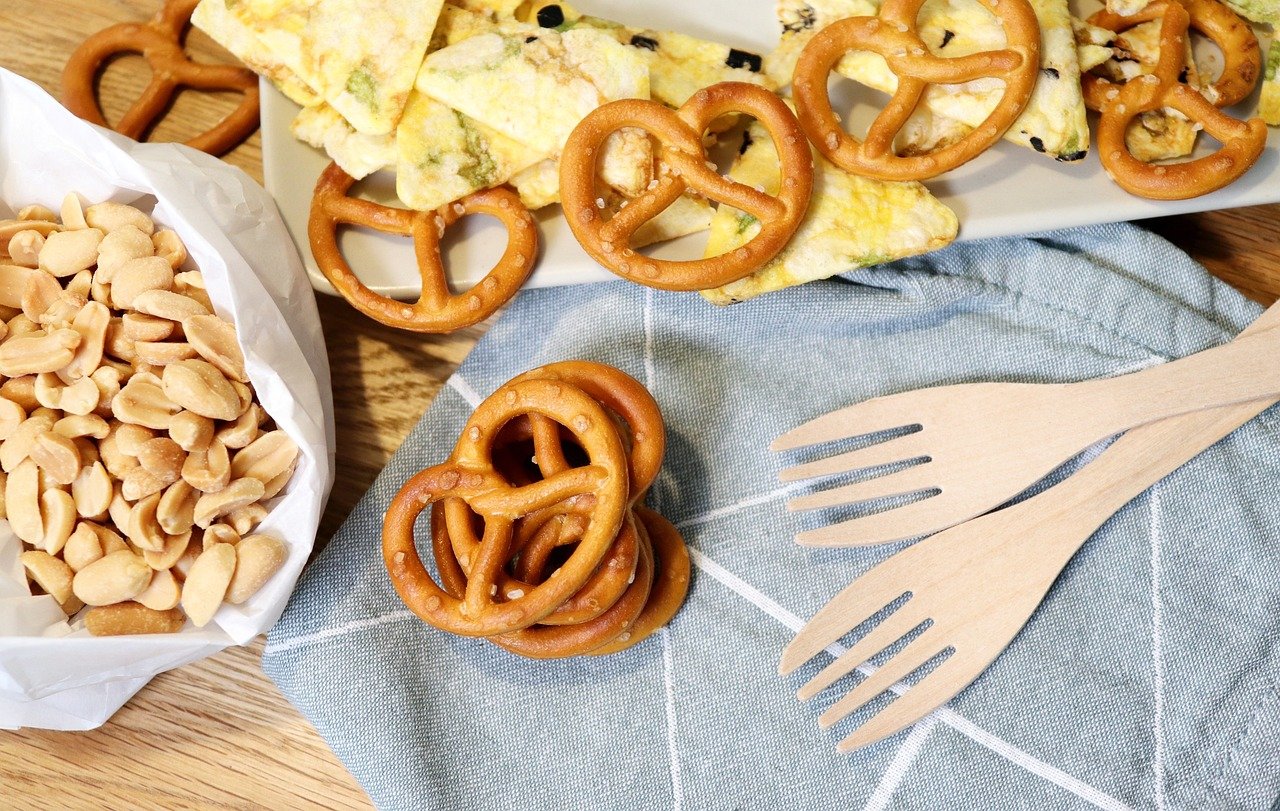
6. Nuts Are High in Calories but Also Highly Satisfying

Nuts are often avoided because they are calorie-dense. A small handful can contain a significant number of calories, which leads some people to see them as something to limit or skip entirely.
At the same time, nuts are rich in healthy fats, protein, and fiber. These nutrients contribute to satiety, helping people feel full and reducing the likelihood of overeating later. They also provide vitamins and minerals that support heart health.
Portion size is what makes the difference. When eaten in reasonable amounts, nuts can be a valuable addition to meals or snacks. Their nutrient density outweighs concerns about calories when they are consumed thoughtfully.
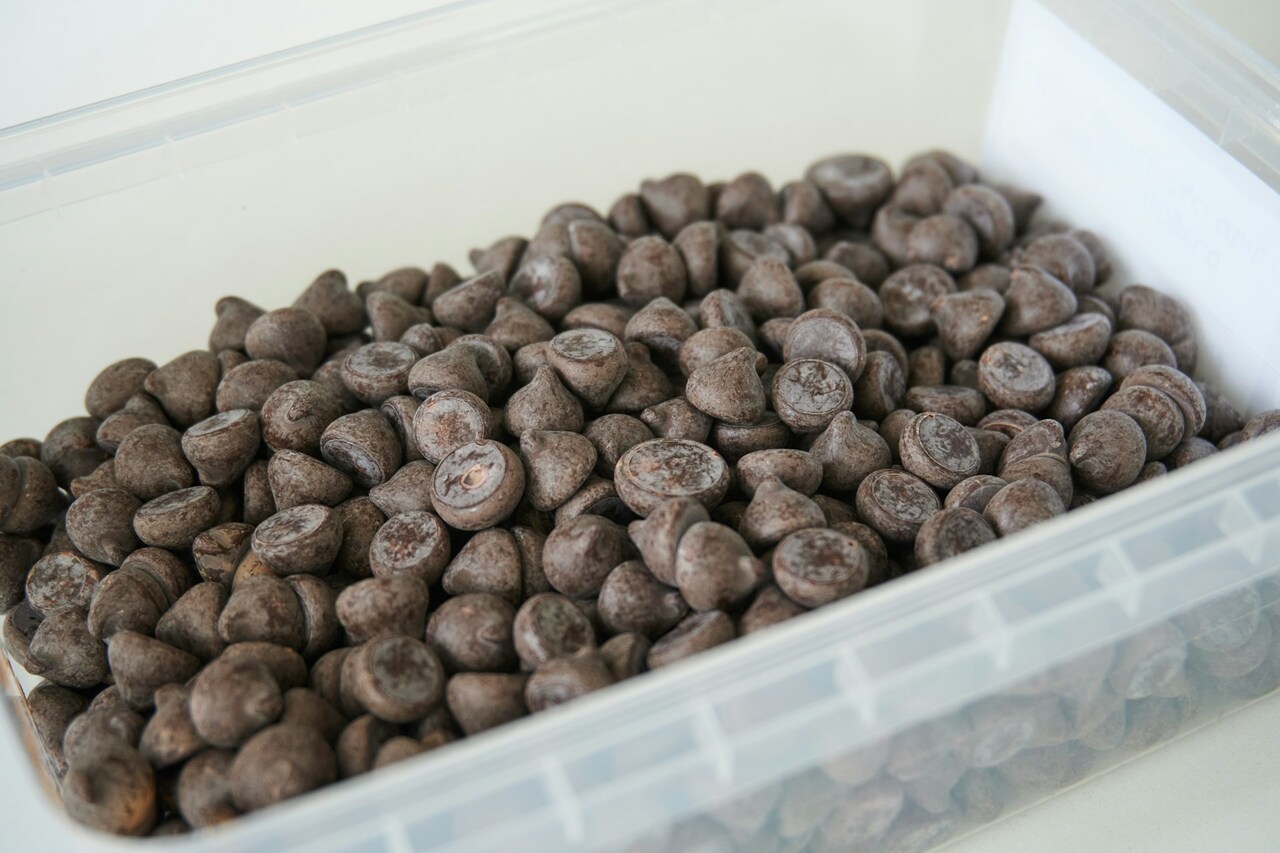
7. Dark Chocolate Offers More Than Just Indulgence
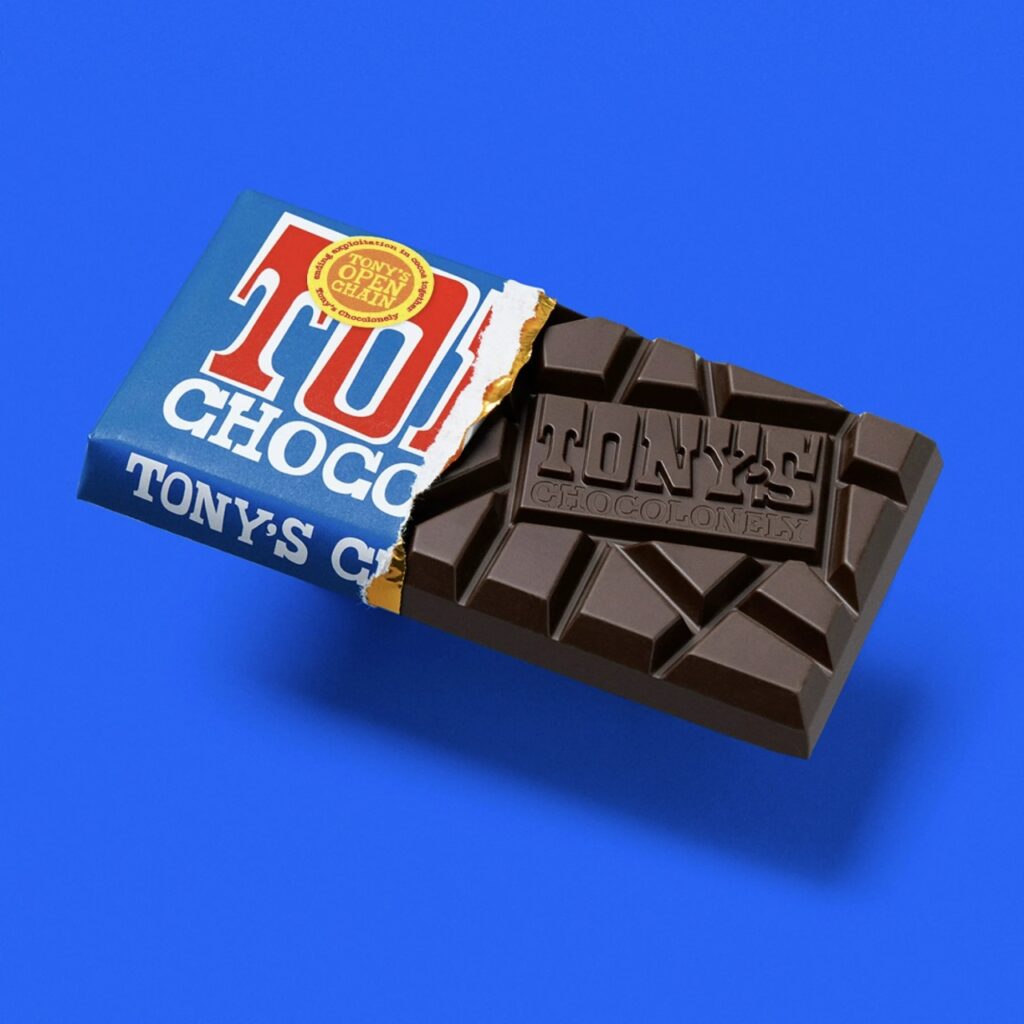
Chocolate is often associated with sugar and fat, which gives it a reputation as a treat rather than a functional food. Dark chocolate, however, has a different profile that sets it apart from more processed versions.
It contains flavonoids, which are compounds linked to antioxidant activity. These compounds may support heart health when consumed in moderation. The higher the cocoa content, the more these beneficial compounds are present.
The key is choosing quality and controlling portions. A small amount of dark chocolate can fit into a balanced diet without concern. It becomes less about restriction and more about mindful enjoyment.
8. Canned Fish Is Convenient Without Losing Its Value

Canned fish is sometimes overlooked because it falls into the category of processed foods. The assumption is that fresh options are always better, which can make canned versions seem less appealing.
In reality, canned fish like tuna or sardines retain much of their nutritional value. It provides protein, omega-3 fatty acids, and essential nutrients that support heart and brain health. The preservation process helps maintain these benefits.
Convenience also plays a role. Canned fish is easy to store and use, making it a practical option for quick meals. When chosen carefully, it offers both nutrition and accessibility without the concerns often associated with processing.
9. Soy Foods Are Still Misunderstood Despite Strong Evidence
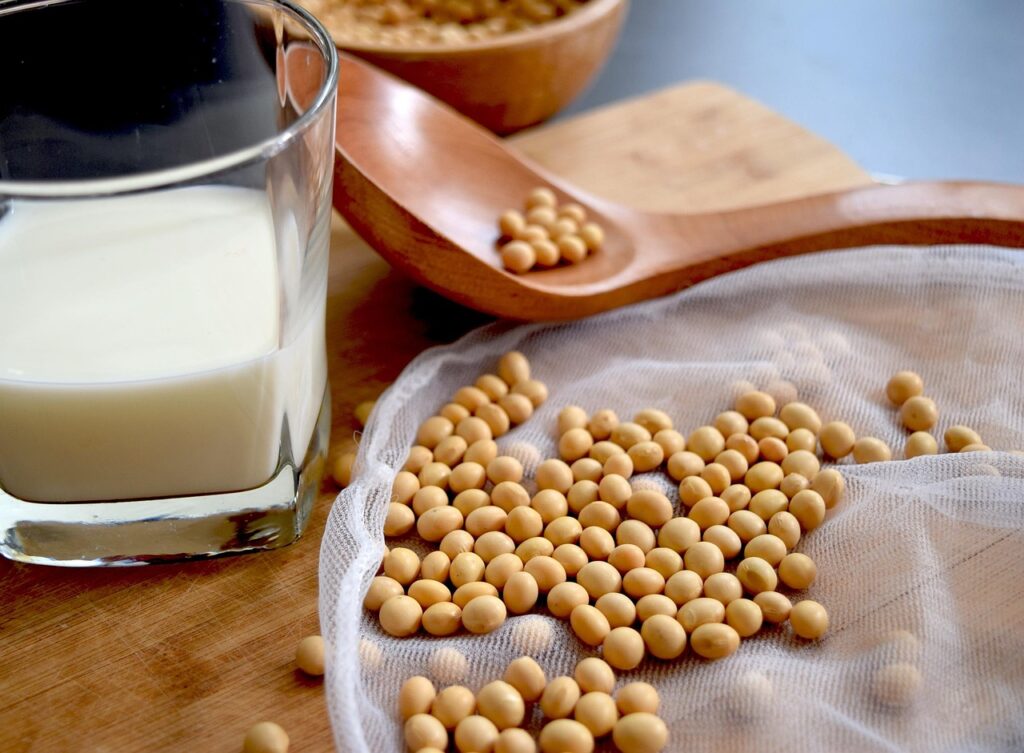
Soy products have faced ongoing skepticism due to concerns about hormones and their potential effects on the body. These concerns have been widely shared, even though research has not supported them for most people.
Soy contains compounds called isoflavones, which can mimic certain hormonal structures but do not act in the same way in the body. Studies show that moderate consumption is safe and can even offer health benefits.
Foods like tofu, tempeh, and edamame provide plant-based protein and important nutrients. The misunderstanding comes from oversimplified interpretations of how these compounds work. Once clarified, the concern tends to lose its strength.
10. Frozen Vegetables Are Often Just as Nutritious as Fresh Ones
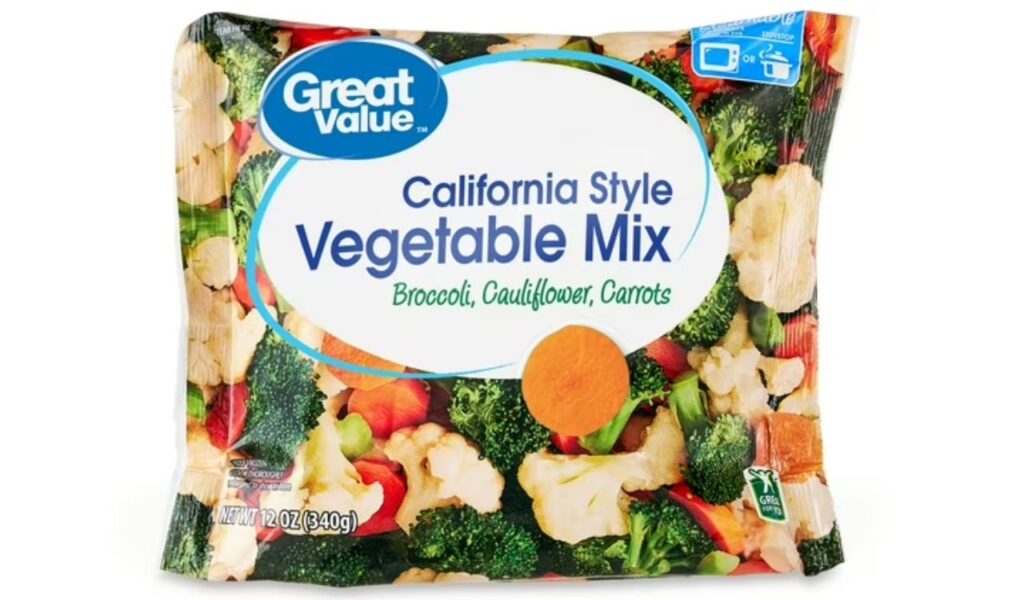
Frozen vegetables are sometimes seen as less desirable compared to fresh produce. The assumption is that freezing reduces nutritional value, making them a second choice rather than an equal option.
In many cases, vegetables are frozen shortly after harvest, which helps preserve nutrients. Fresh produce, on the other hand, may spend time in transport and storage before reaching the plate, which can affect its nutrient content.
This makes frozen vegetables a practical and reliable option. They offer convenience, reduce waste, and provide consistent quality. The difference is not about fresh versus frozen, but about how each is handled before it is eaten.