Why Food Expiration Dates Were Never Designed to Tell You What You Think They Are Telling You

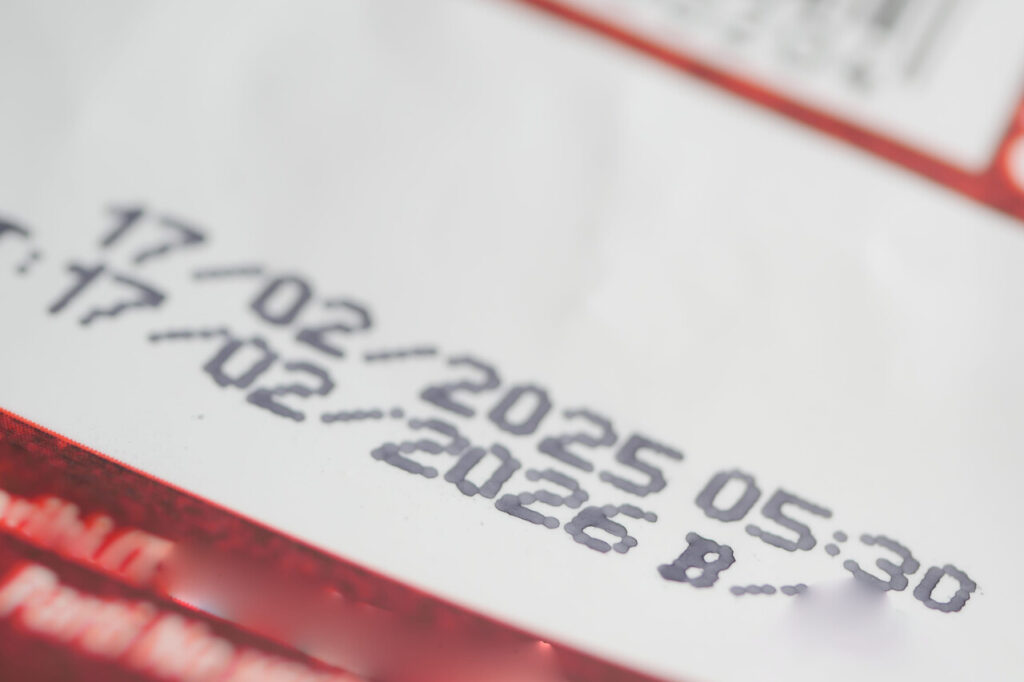
Most people treat expiration dates as a clear signal of when food should be thrown away, but the reality is far less straightforward. Those dates are not always about safety, and in many cases, they are designed to reflect quality rather than risk.
Yet the way they are presented on packaging often leads consumers to rely on them as strict rules. This misunderstanding has real consequences, from unnecessary food waste to higher grocery bills.
At the same time, factors like storage, handling, and sensory cues play a much larger role in determining whether food is truly safe to eat. Understanding what these labels actually mean helps shift the focus from rigid dates to more informed decision-making.
The Confusion Around Expiration Dates
What most people trust in a food package is often misunderstood. Date labels appear to offer clear guidance, and many consumers assume they indicate when food becomes unsafe to eat. In reality, these labels are rarely intended to signal danger, yet they are widely treated as strict safety warnings. This misunderstanding shapes how people shop, store, and discard food.
Part of the confusion comes from the wording used on packaging. Labels like “best by,” “use by,” and “sell by” sound similar but serve different purposes. Most of these terms are designed to indicate peak quality rather than safety, but that distinction is not always obvious. Without clear explanations, shoppers are left to interpret the meaning on their own.
As a result, many consumers treat expiration dates as hard deadlines. Food is often thrown away the moment a date passes, even when it still looks and smells fine. This behavior is driven more by caution than by actual risk, but it leads to unnecessary waste. The label becomes a trigger rather than a helpful guideline.
Another issue is the lack of standardization across products. Different manufacturers use different terms and timelines, making it harder to set consistent expectations. A date on one product may mean something slightly different on another, adding to the overall confusion in the grocery aisle.
This widespread misunderstanding shows how much people rely on labels without fully knowing what they represent. Learning to interpret these dates correctly can help reduce waste and improve confidence when deciding what is still safe to eat.
What Expiration Dates Actually Measure
What expiration dates measure is often different from what consumers expect. In most cases, these dates are meant to indicate when a product is at its best in terms of taste, texture, and appearance. They are not designed to signal the exact moment food becomes unsafe. This distinction is important but frequently overlooked.
Food safety depends on a range of factors that go beyond a printed date. Temperature, storage conditions, and handling practices all play a significant role in determining whether food remains safe to eat. A product stored properly may last well beyond its labeled date, while improper storage can shorten its usable life.
Manufacturers determine these dates through controlled testing. They evaluate how a product changes over time, focusing on factors like flavor, smell, and visual quality. When these qualities begin to decline, a date is assigned to reflect the expected end of peak condition.
This process is primarily about maintaining consistency and meeting customer expectations. Companies want their products to deliver a reliable experience, so they set dates that reflect when quality may start to drop. Safety, on the other hand, is managed through production standards and storage guidelines.
Understanding that expiration dates are about quality rather than safety can change how people approach food. It encourages consumers to consider other signs of spoilage instead of relying solely on the printed date.
The Role of Manufacturers and Regulations
One of the reasons expiration dates can be confusing is that they are not universally standardized. There is no single system that governs how all food products are labeled, which means different companies may use different terms and timelines. This lack of uniformity makes it harder for consumers to interpret what the dates actually mean.
Manufacturers typically set their own dates based on internal testing and quality assessments. They evaluate how long a product maintains its desired characteristics and choose a timeline that aligns with those results. These decisions are often conservative to ensure customer satisfaction and avoid complaints.
Regulations do exist, but they apply mainly to specific categories of food, such as infant formula. For most other products, there are no strict federal requirements that dictate how expiration dates must be used. This leaves room for variation in labeling practices across the industry.
Liability concerns also influence how companies set dates. By choosing earlier dates, manufacturers can reduce the risk of customers consuming products that may have declined in quality. This approach prioritizes caution but can contribute to food being discarded prematurely.
The combination of limited regulation and company-specific practices creates a system that is not always easy to navigate. Understanding how these decisions are made can help consumers interpret labels more accurately and make better choices.
Why Perfectly Good Food Gets Thrown Away

One of the most significant consequences of misunderstood expiration dates is food waste. Large amounts of perfectly edible food are discarded simply because the labeled date has passed. This happens even when there are no visible signs of spoilage, such as changes in smell or texture.
Households are a major contributor to this issue. Many people rely heavily on date labels when deciding whether to keep or throw away food. This habit leads to unnecessary disposal of items that could still be safely consumed, increasing both waste and grocery expenses.
The environmental impact of this waste is considerable. Producing food requires resources such as water, energy, and labor, all of which are lost when food is thrown away. Reducing unnecessary waste can help conserve these resources and lower the overall environmental footprint of food production.
There is also a financial cost for consumers. Replacing food that was still usable adds to household spending over time. Small decisions made in the kitchen can add up, making a better understanding of expiration dates a practical way to save money.
By learning to rely on additional cues rather than dates alone, consumers can reduce waste and make more informed decisions. This shift in behavior benefits both individuals and the broader food system.
How to Tell When Food Is Truly Unsafe
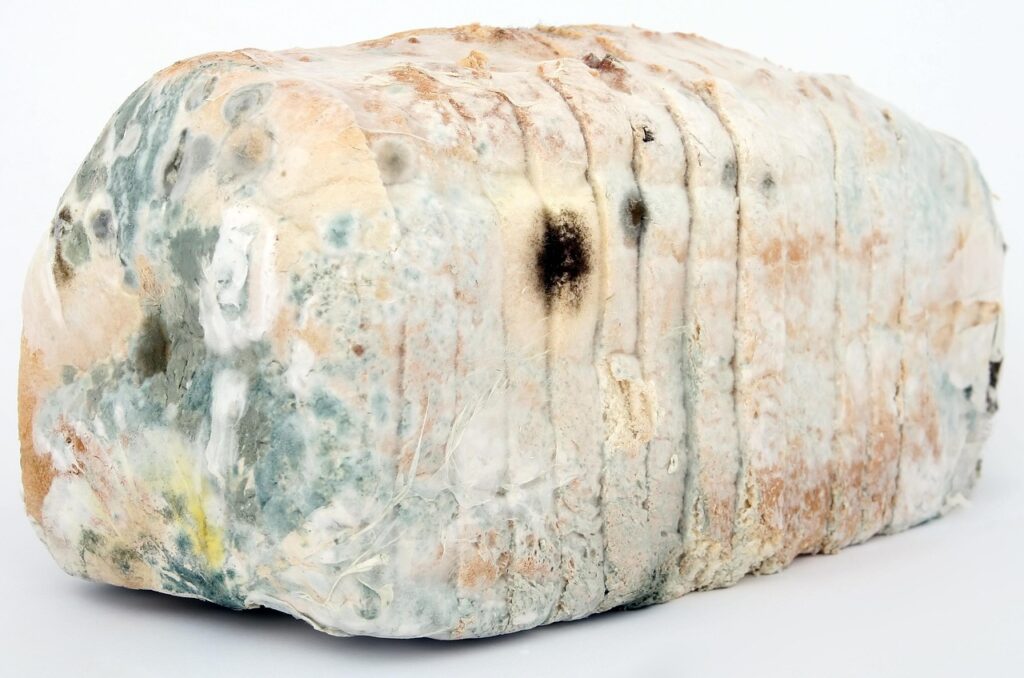
Determining whether food is unsafe requires more than checking a date on the package. Sensory cues such as smell, texture, and appearance often provide more accurate information. Sour odors, unusual colors, or changes in consistency are strong indicators that food has spoiled.
Storage conditions play a critical role in food safety. Proper refrigeration slows the growth of harmful bacteria, while improper storage can accelerate spoilage. Understanding how to store different types of food can extend their usable life and reduce the risk of contamination.
Certain foods require more caution than others. Perishable items like meat, dairy, and prepared meals are more likely to develop harmful bacteria if not handled correctly. These products should be monitored closely and stored under appropriate conditions.
Experience also helps improve judgment over time. As people become more familiar with how food changes as it ages, they can make better decisions about what is still safe to eat. This reduces reliance on labels alone and encourages a more balanced approach.
Expiration dates can still be useful, but they should not be the only factor considered. Combining label information with observation and proper storage practices leads to safer and more confident decisions about food consumption.