8 Gourmet Grocery Items Worth Grabbing When You See Them

Gourmet grocery items are not about excess or trend chasing. They are about quality, craftsmanship, and timing. Some foods are produced in limited batches, rely on seasonal ingredients, or require careful aging and sourcing. When they appear on store shelves, they often do not stay long. Knowing which items are truly worth grabbing can elevate everyday cooking, reduce regret, and add depth to simple meals. These standout finds offer better flavor, versatility, and value than ordinary alternatives, making them smart additions when you spot them.
1. Artisanal Olive Oil
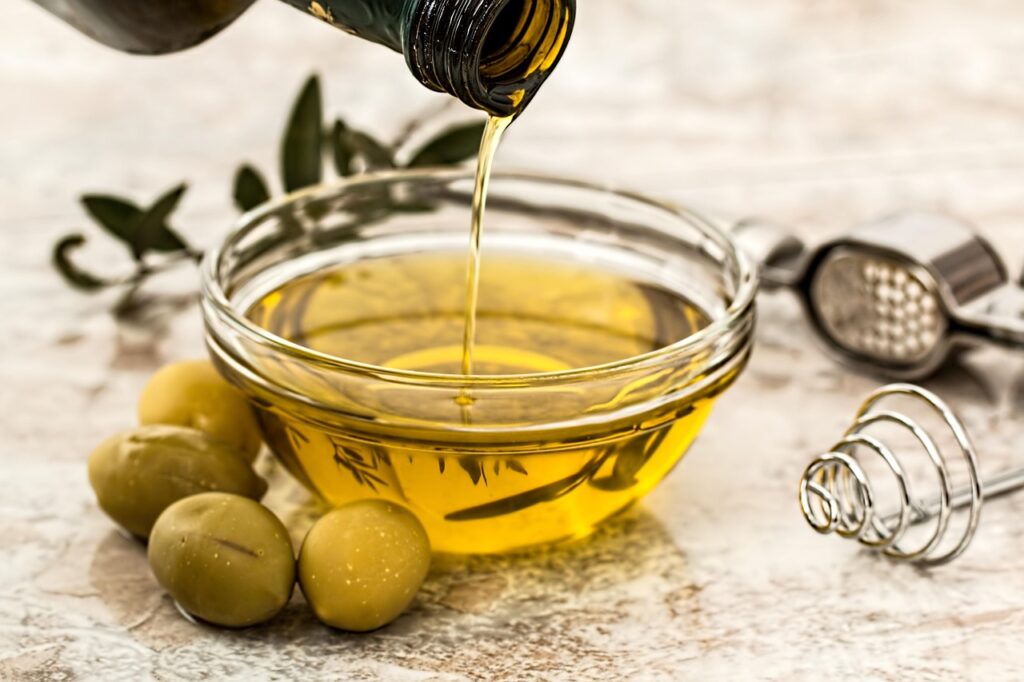
A truly good olive oil announces itself the moment it hits a warm pan or a slice of bread. Artisanal olive oils are made from carefully harvested olives, often pressed shortly after picking to preserve freshness and natural antioxidants. Unlike mass-market bottles that prioritize shelf life, these oils focus on flavor, balance, and purity. Because production is small and seasonal, quality bottles are not always available year-round, which is why they are worth grabbing when you see them. Properly stored, a good olive oil elevates simple dishes, enhances vegetables, and adds depth without overwhelming other ingredients.
2. Caviar

Caviar remains one of the clearest markers of gourmet food because of the precision required to produce it well. High-quality caviar depends on careful harvesting, gentle curing, and strict temperature control to protect delicate texture and flavor. When done right, the pearls are firm yet tender, releasing clean, briny richness rather than harsh saltiness. Availability can be limited due to sourcing regulations and seasonal harvests, which makes spotting premium caviar in stores a rare opportunity. Its high price reflects labor, time, and strict quality standards, making it a product worth buying when it appears fresh and properly handled.
3. Small-Batch Chocolates

Small-batch chocolates differ from commercial candy because they focus on cacao quality rather than sugar and additives. These chocolates are often made with carefully sourced beans that highlight natural flavor notes like fruit, spice, or nuttiness. Production runs are limited, allowing chocolatiers to control roasting, grinding, and tempering with precision. As a result, the texture is smoother, and the flavor develops gradually rather than all at once. wide varieties use minimal ingredients, which helps preserve cacao character. Because availability depends on bean supply and artisan schedules, these chocolates are not always restocked quickly.
4. Infused or Aged Vinegar

Infused and aged vinegars bring depth that standard supermarket versions cannot match. These vinegars are often matured in wood or blended with fruits and botanicals to build layered flavor rather than sharp acidity alone. The result is a balanced product that adds brightness without overpowering dishes. Aged vinegars develop natural sweetness and complexity over time, making them ideal for marinades and finishing touches. Because aging requires patience and careful storage, production volumes are limited. When a well-made vinegar appears, it is worth picking up because it can transform simple ingredients and reduce the need for heavy seasoning.
5. Artisan Cheese
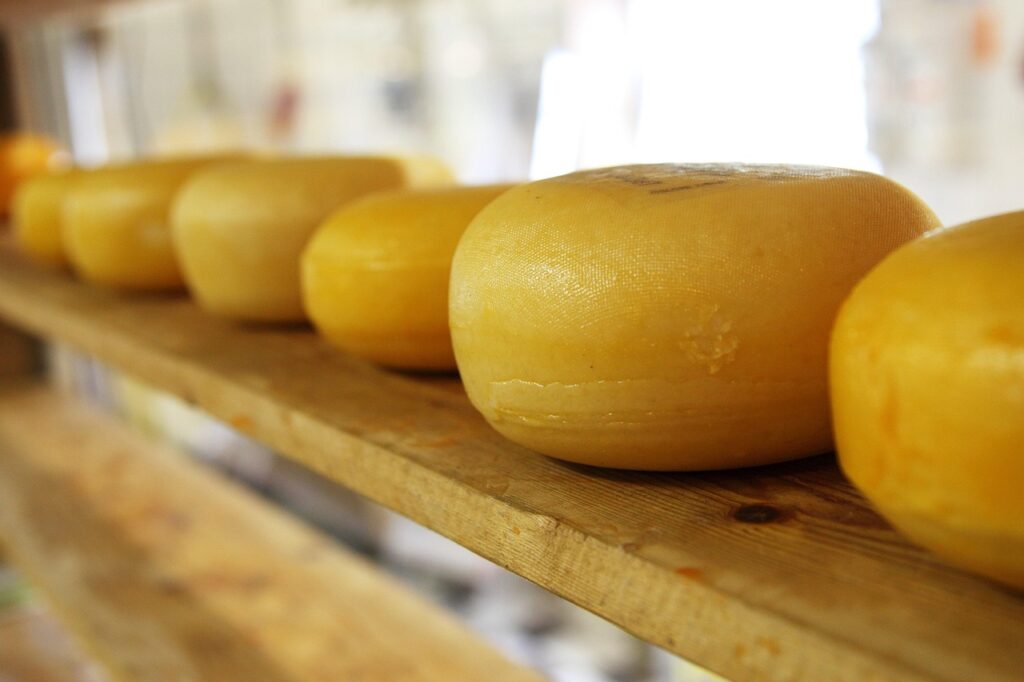
Artisan cheeses reflect regional traditions, controlled aging environments, and careful milk handling. Unlike mass-produced cheese, these varieties are often made in small batches where texture and flavor are monitored throughout the aging process. This results in cheeses with character, ranging from nutty and sharp to creamy and earthy. Many artisan cheeses are seasonal, tied to milk quality and animal diets, which limits availability. It delivers versatility, working equally well on its own, melted, or paired with simple accompaniments. Because freshness and aging windows matter, good examples are worth grabbing before they disappear.
6. Gourmet Spice Blends
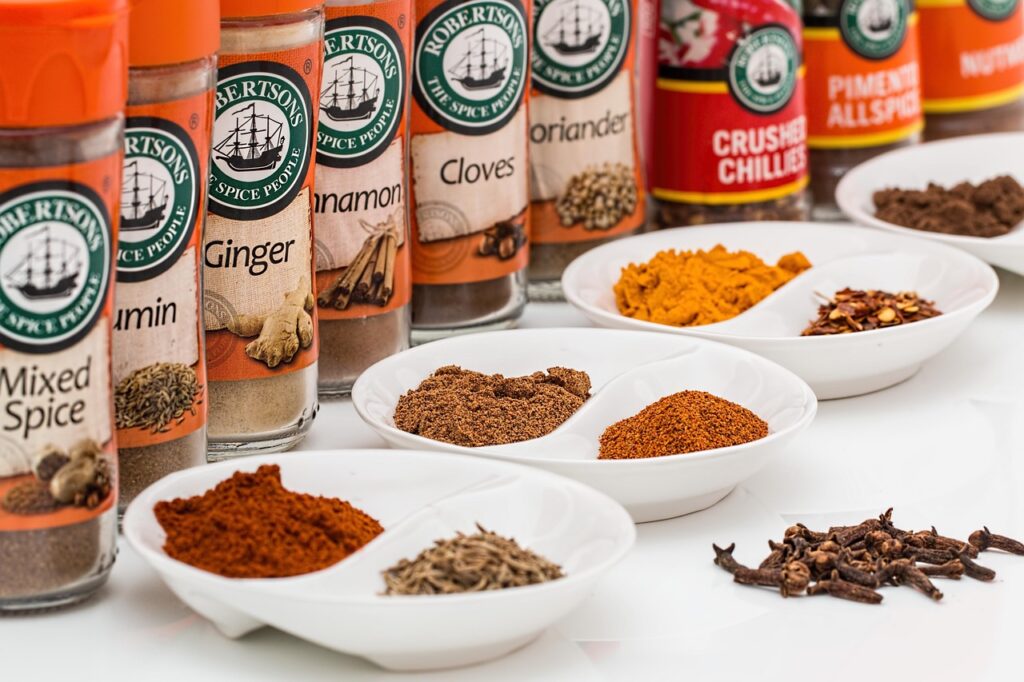
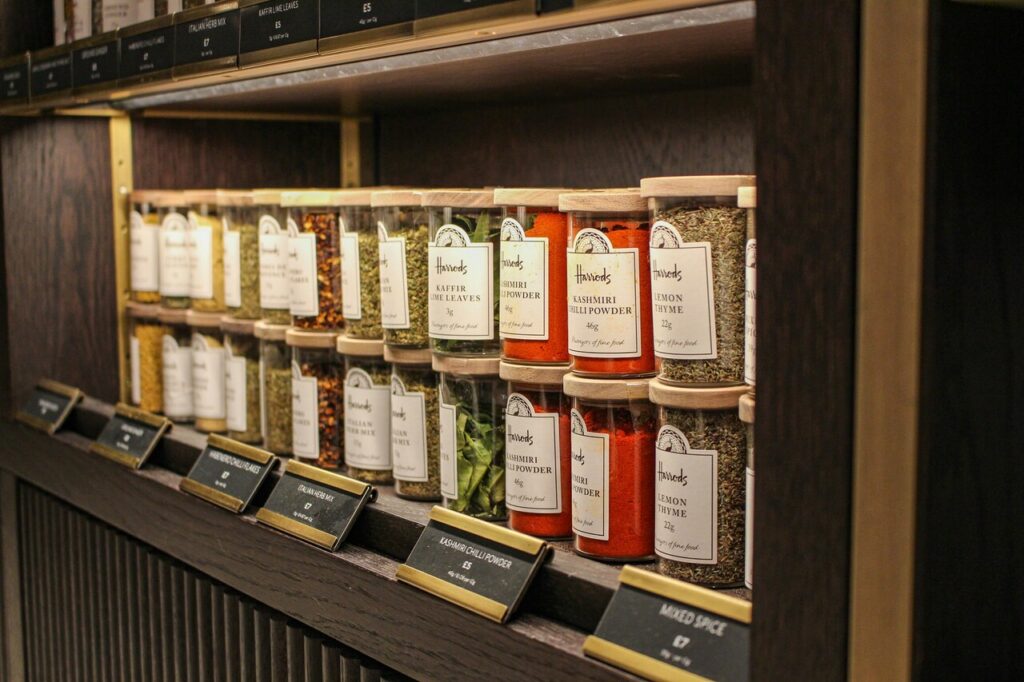
High-quality spice blends rely on freshness, balance, and proper sourcing. Gourmet blends often use whole spices that are freshly ground, preserving essential oils that fade quickly in lower-quality products. Instead of relying on salt or fillers, these blends focus on layered flavor designed to enhance specific dishes. The difference becomes clear during cooking, when aromas bloom, and flavors stay vibrant rather than dull. Because spices lose potency over time, small-batch blends are produced in limited quantities. Finding a fresh, well-crafted blend means you can dramatically improve everyday meals with minimal effort.
7. Hand-Crafted Pasta
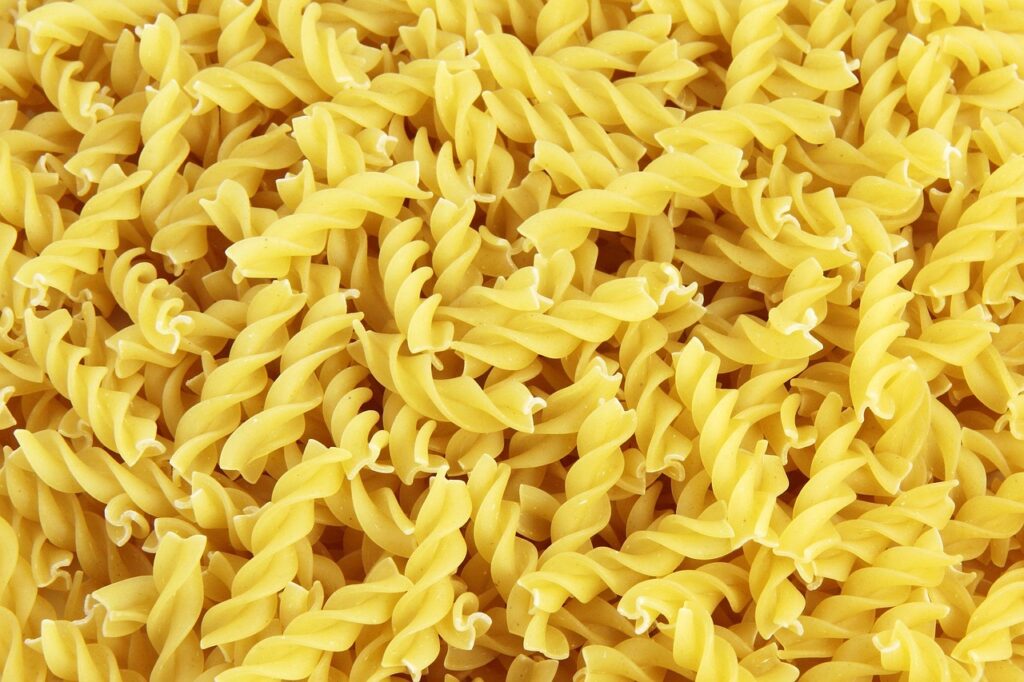
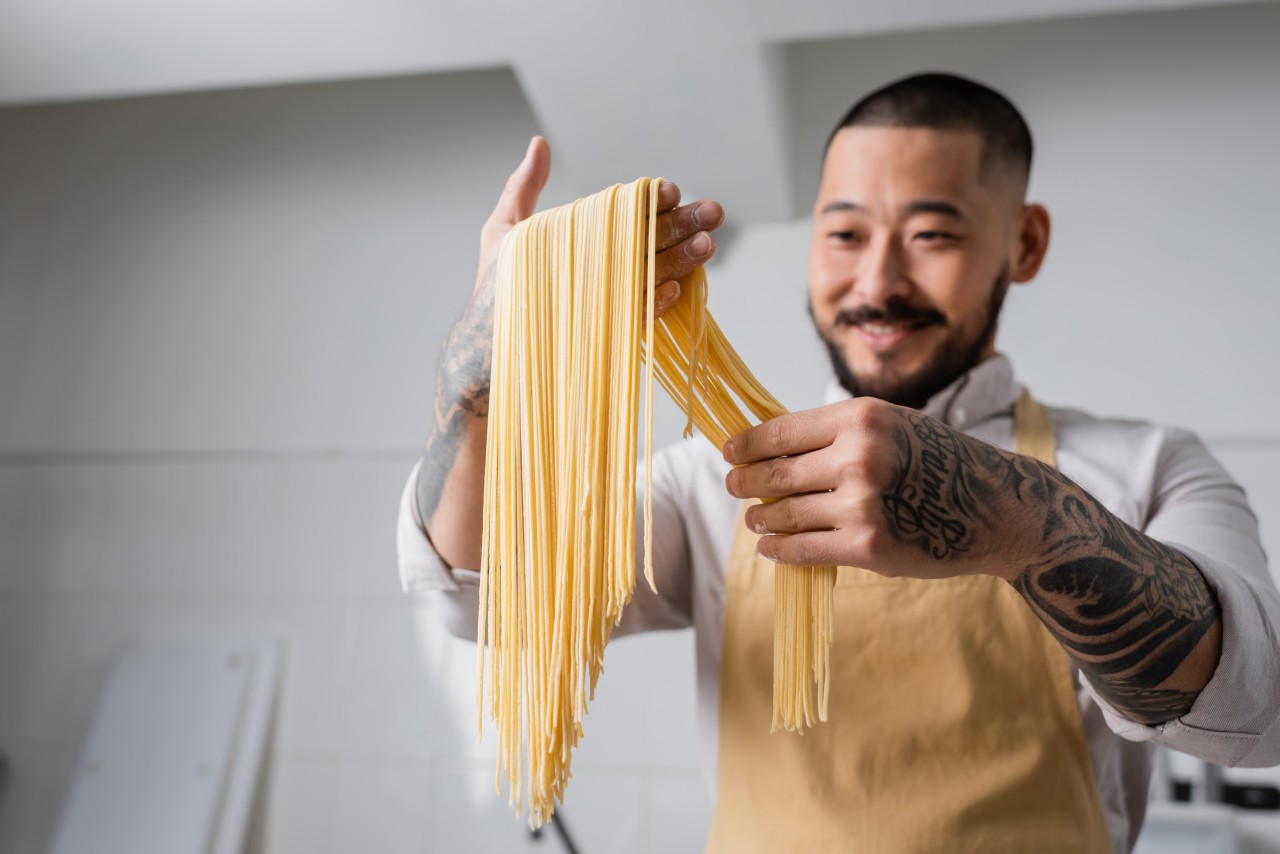
Hand-crafted pasta and specialty grains are made with attention to texture and structure rather than speed. Artisanal pasta is often extruded through bronze dies, which create a rough surface that holds sauce better. Specialty grains are selected for flavor, nutrition, and cooking performance, not just yield. These products cook more evenly and deliver better mouthfeel than mass-produced alternatives. Production is slower, and availability varies, especially for imported or regional varieties. High-quality pasta or grains provide a noticeable improvement in finished dishes, making even simple recipes feel intentional and well-balanced.
8. Premium Tinned Fish

Premium tinned fish has undergone a quiet revival due to improved sourcing and preservation techniques. High-end producers focus on freshness, careful cooking, and quality oils or brines that protect flavor and texture. The result is fish that tastes clean and tender rather than overly salty or mushy. Because sourcing depends on sustainable fishing and seasonal catches, supply can be limited. These tins offer convenience without sacrificing quality, making them ideal for quick meals that still feel refined. When you see reputable brands or unusual varieties, they are worth picking up because they deliver gourmet flavor straight from the pantry.