7 Foods Experts Say Freeze Well Past the Expiration Date

Expiration dates often cause perfectly good food to be thrown away, even when it is still safe to eat. According to food experts, freezing can pause spoilage and extend the life of many everyday staples well beyond the printed date. When foods are frozen before signs of spoilage appear, bacterial growth stops and quality declines slowly rather than suddenly. Understanding which foods freeze well helps reduce waste, save money, and make smarter decisions without risking food safety at home.
1. Bread
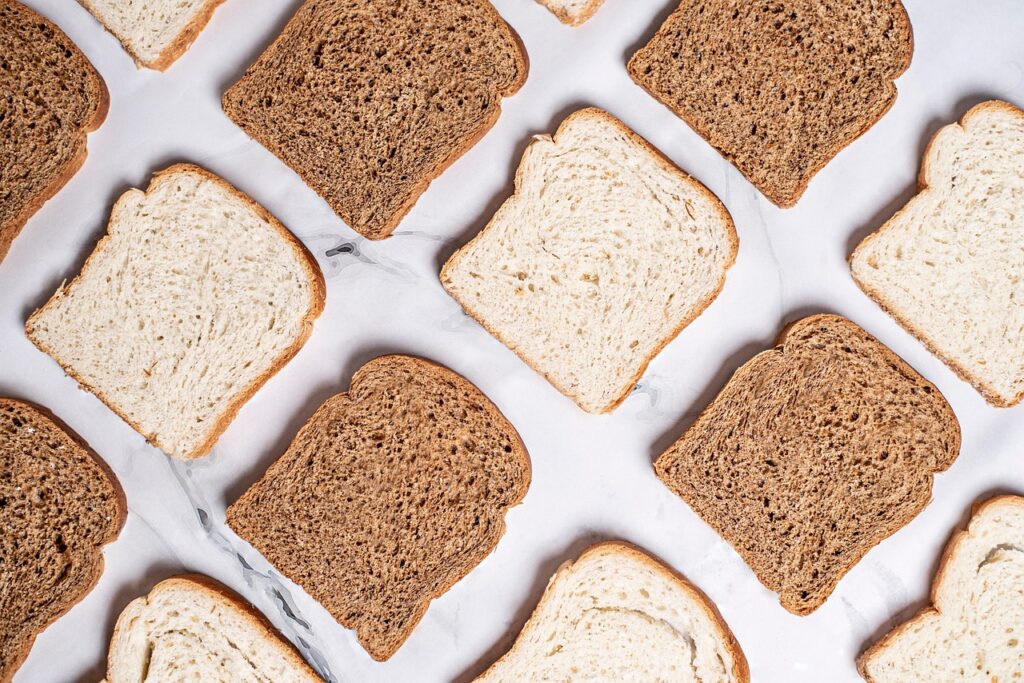
Bread is one of the clearest examples of how expiration dates are often misunderstood. Most packaged bread becomes stale or moldy due to air exposure and moisture loss, not because it suddenly turns unsafe. Freezing interrupts both of these processes by stopping microbial growth and slowing oxidation. When bread is frozen before visible mold appears, it can remain safe to eat for weeks or even months past the printed date. Texture may soften slightly after thawing, especially with sandwich loaves, but safety remains unchanged. Sliced bread freezes especially well because portions can be thawed as needed.
2. Poultry
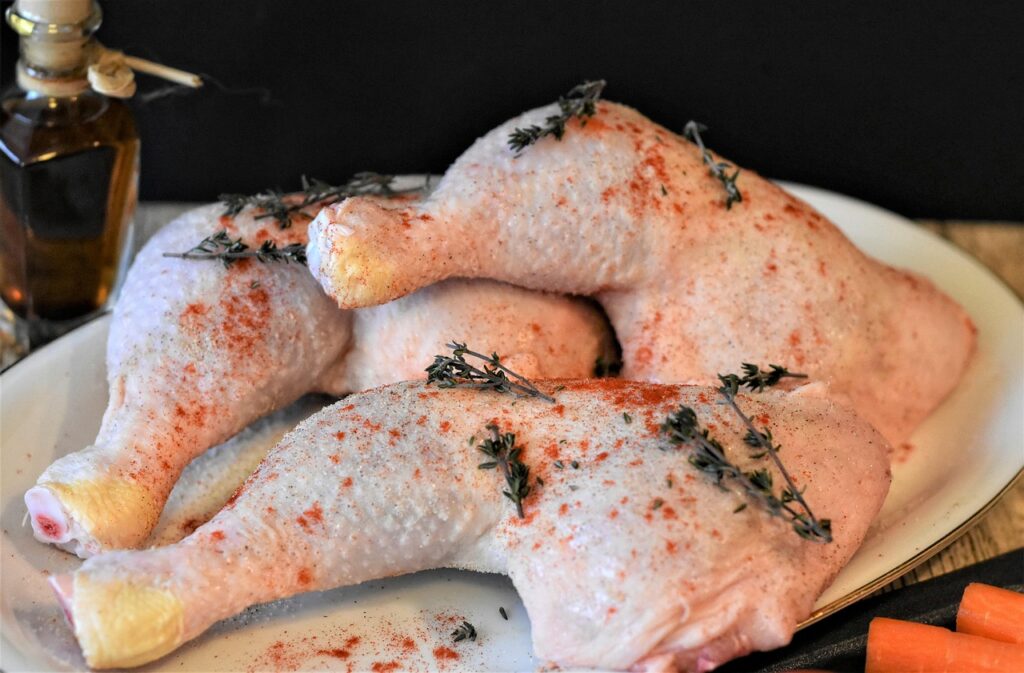
Expiration dates on raw poultry assume the meat will remain refrigerated, not frozen. When chicken or turkey is frozen while still fresh, it remains safe well beyond the printed date because freezing halts bacterial growth entirely. This does not kill bacteria, which is why proper handling before freezing matters, but it does stop them from multiplying. Poultry that smells normal and shows no discoloration can be frozen safely even close to its expiration date. Texture may change slightly after thawing, especially in lean cuts, but thorough cooking restores palatability. Airtight wrapping prevents freezer burn, which affects quality.
3. Beef and Pork
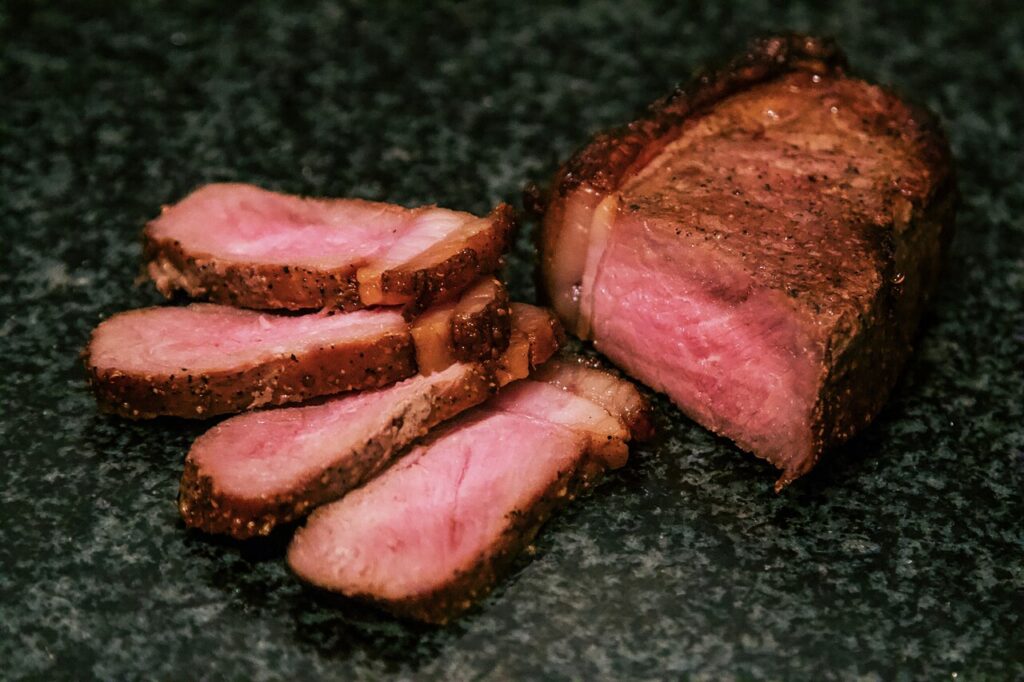
Beef and pork expiration dates are largely quality indicators rather than strict safety deadlines. When frozen before spoilage begins, these meats can be safely consumed long after the labeled date. Whole cuts freeze better than ground meat because less surface area is exposed to oxygen and bacteria. Freezing dramatically slows fat oxidation and microbial activity, preserving safety while gradually affecting texture. Poor packaging can lead to freezer burn, which causes dryness but does not make the meat unsafe. Thawing slowly in the refrigerator maintains quality and prevents bacterial growth.
4. Fresh Berries
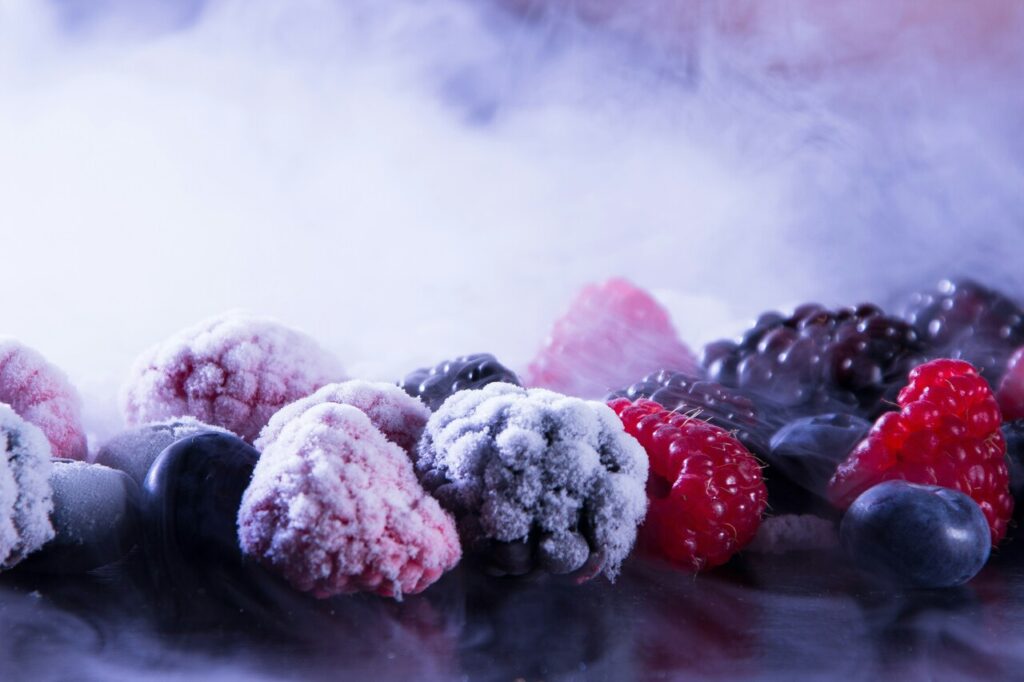
Fresh berries spoil quickly in the refrigerator because of their high moisture content and natural sugars, which encourage mold growth. Freezing berries before mold appears dramatically extends their usable life by stopping microbial activity. Once frozen, berries remain safe to eat far past their expiration date. Although thawed berries lose their firm texture, they remain ideal for smoothies, baking, sauces, and cooking. Nutritional value remains largely intact, including antioxidants and vitamins. Freezing berries also reduces food waste, especially for fruits that are difficult to consume quickly.
5. Hard Cheese
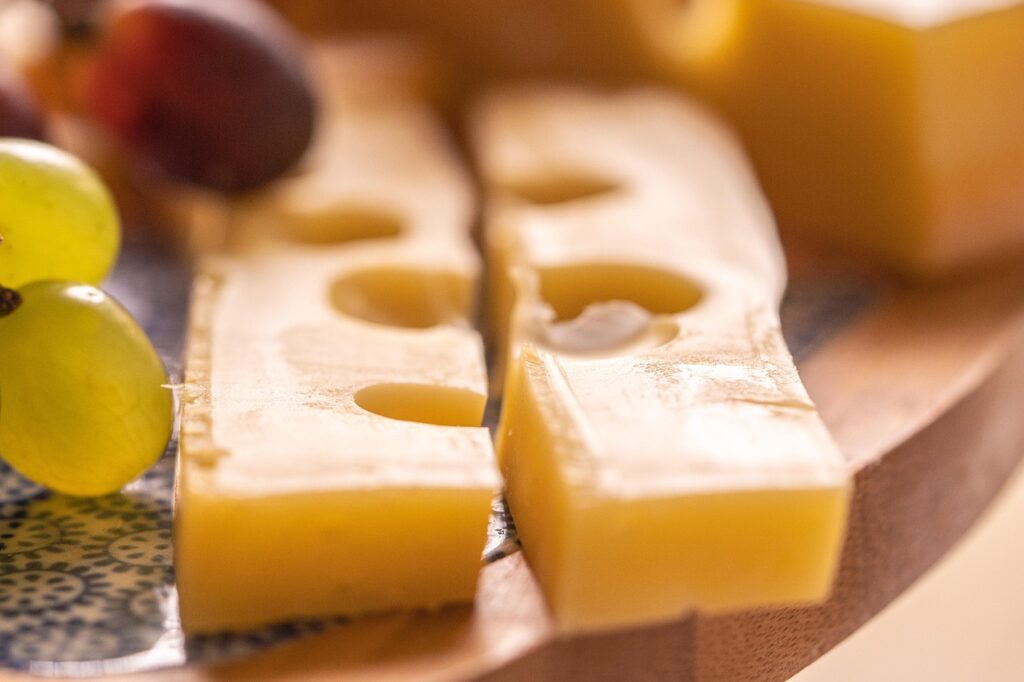
Hard cheeses behave differently from soft cheeses because their low moisture content limits bacterial growth. This makes them especially suitable for freezing past expiration dates. When frozen, hard cheese remains safe to eat for extended periods, although the texture may become crumbly after thawing. This change does not affect safety, only how the cheese is best used. Frozen hard cheese works well for grating, cooking, and melting rather than slicing. Flavor remains mostly intact, especially if the cheese is wrapped tightly to prevent air exposure. Freezing large blocks of hard cheese is a way to extend usability without compromising food safety.
6. Frozen Vegetables

Frozen foods are labeled with dates that indicate peak quality, not safety. When kept consistently frozen, vegetables and other frozen items remain safe indefinitely from a food safety perspective. Harmful bacteria do not grow at freezing temperatures, although texture and flavor can slowly degrade over time. Freezer burn and oxidation may occur if packaging is damaged, but these affect quality rather than safety. As long as food remains solidly frozen and shows no signs of thawing or refreezing, it can be eaten well past the printed date. Frozen vegetables, fruits, and meals are among the most forgiving foods when it comes to expiration labels.
7. Milk
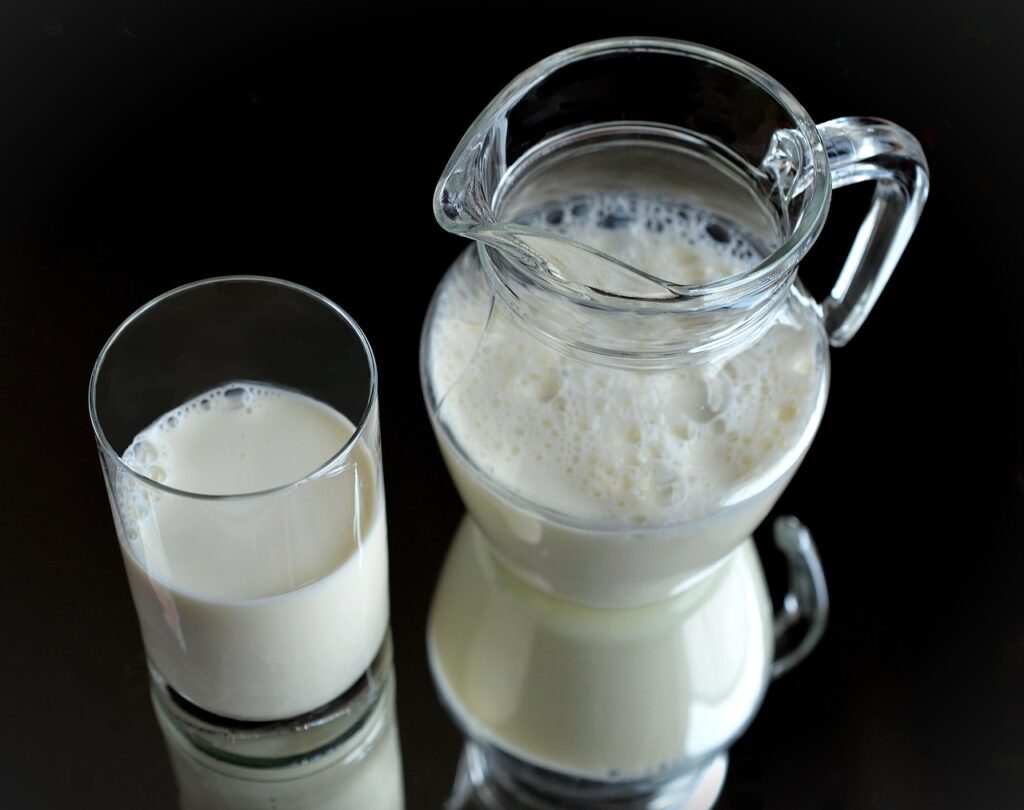
Milk expiration dates are based on refrigeration, not freezing, which dramatically changes its usable life. When milk is frozen before it smells sour or shows signs of curdling, it remains safe to drink well past the printed date. Freezing stops bacterial growth and slows enzymatic activity that leads to spoilage. Texture may separate slightly after thawing, but this is a quality issue, not a safety concern, and shaking or stirring restores consistency. Whole and reduced-fat milk freezes better than skim because fat helps stabilize the structure. Properly frozen milk in airtight containers remains a reliable option for extending shelf life.