Store Brand Groceries Are Beating Famous Food Brands at the Supermarket

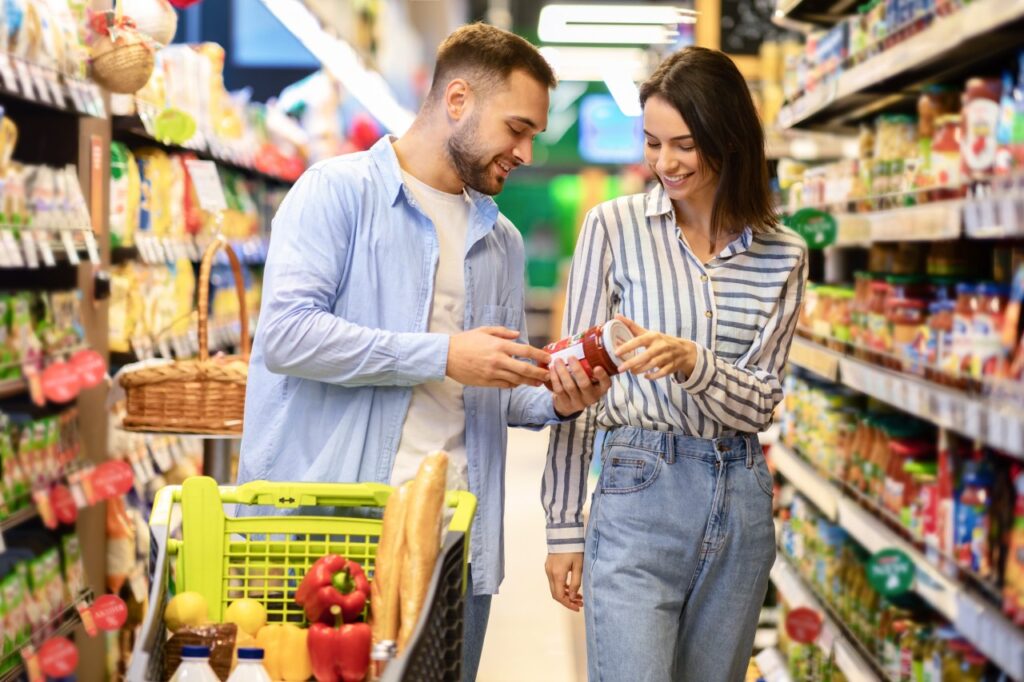
Grocery shopping has quietly transformed in recent years, and the change becomes clear the moment shoppers walk down a supermarket aisle. For decades, many people reached almost automatically for familiar national brands they trusted. Today, more shoppers are pausing to examine the store’s own labels placed beside those famous names. What once looked like a simple budget substitute has steadily grown into a serious contender in grocery carts across the country. With upgraded recipes, cleaner ingredient lists, modern packaging, and noticeably lower prices, store brands are increasingly appealing to shoppers who want dependable quality without stretching their weekly food budget.
Behind this shift is a mix of economic pressure and changing consumer behavior. As grocery prices climbed in recent years, households began paying closer attention to how much everyday staples cost. That curiosity encouraged many shoppers to try private-label items for the first time. What they discovered often challenged old assumptions. In many cases, the taste and reliability matched what customers expected from well-known brands. Positive experiences gradually built confidence, and shoppers began adding more store brand products to their regular lists. As trust grows, supermarkets are discovering their labels are no longer backups but strong competitors reshaping the grocery aisle.
Rising Popularity of Store Brands
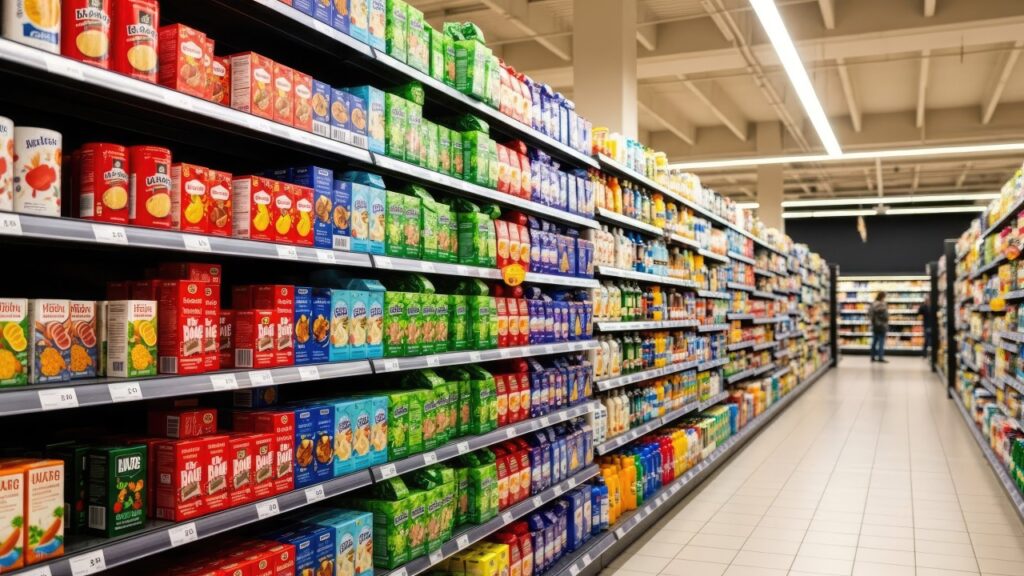
Walk through almost any modern supermarket today, and it quickly becomes clear that store brands are no longer hidden away as a cheaper alternative. Over the past several years, private label groceries have gained strong momentum as more shoppers place value and practicality at the center of their buying decisions. Products that were once seen as simple substitutes now sit confidently beside well-known national brands across nearly every aisle. From pantry staples to frozen meals and snacks, store labels are becoming a familiar and trusted sight in shopping carts across the country, reflecting a broader shift in how people choose everyday groceries.
Retailers have steadily improved both the presentation and the quality of these products. Supermarkets now invest in better packaging, wider product ranges, and stronger supply chains that help maintain consistency. As shoppers try these items, many discover that store brand foods often match the taste and reliability of famous brands while still costing less. Positive experiences encourage repeat purchases, and that growing confidence has helped store brands become an important part of everyday grocery shopping for many households across the country. This growing acceptance has also encouraged retailers to expand their private label offerings even further.
Inflation Driving Shoppers Toward Cheaper Options
Rising grocery prices have played a major role in changing how people shop for everyday food items. During periods of inflation, many households begin paying closer attention to price tags and comparing products across the shelf before making a decision. When the price gap between national brands and store brands becomes noticeable, shoppers often feel encouraged to try the more affordable option. What once seemed like a small savings on a single item can quickly add up across an entire grocery trip, making private label products an attractive choice for families managing weekly budgets and looking for smarter ways to stretch their grocery spending.
This shift in behavior has become increasingly visible as food prices climbed in recent years. Store brand groceries frequently cost less than their branded counterparts, giving shoppers a practical way to keep spending under control without removing familiar foods from their carts. Once customers discover that these products work just as well in everyday cooking, many continue purchasing them even after prices begin to stabilize. Inflation may have prompted the first trial, but the realization that quality and value can exist together often keeps shoppers returning to store brands while building long-term confidence in these products.
Retailers Expanding Private Label Products
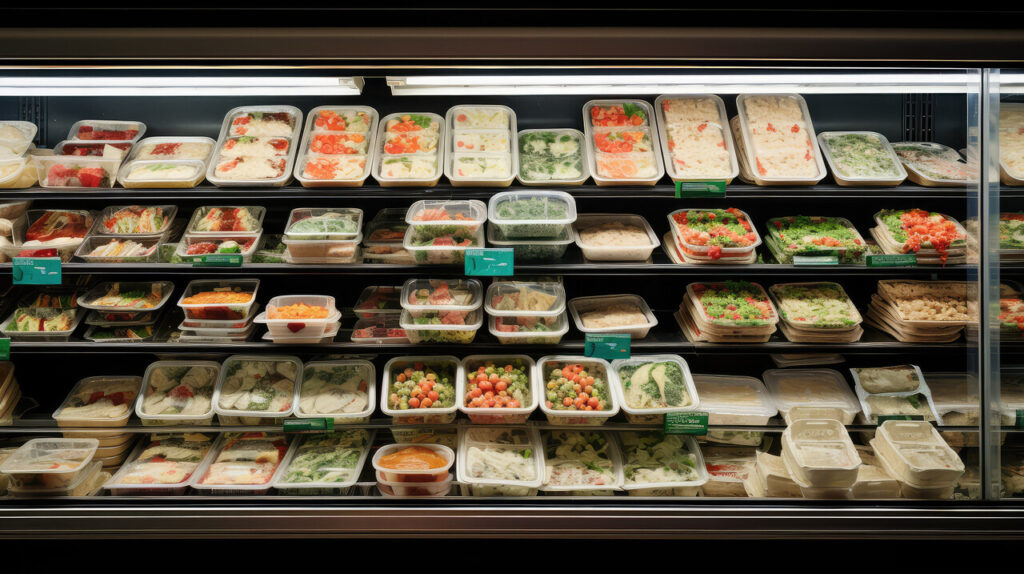
Supermarkets have clearly noticed the rising interest in private label groceries and are steadily expanding their in-house product lines to meet that demand. In the past, store brands were often limited to simple pantry basics such as flour, sugar, canned vegetables, or pasta. Today, the selection is far broader. Many grocery chains now offer private-label versions of frozen meals, snacks, beverages, dairy products, bakery items, sauces, and even specialty cooking ingredients. This wider range allows shoppers to fill a large portion of their grocery cart with store-brand products without needing to rely heavily on national brands.
Retailers also gain important advantages by developing their own product lines. By working closely with manufacturers and overseeing distribution, supermarkets can keep shelves stocked while maintaining competitive pricing. Some chains now offer multiple tiers of private-label items, including premium selections that focus on higher-quality ingredients, organic options, or specialty foods. These products are designed to compete directly with well-known brands while still offering better value. As a result, private labels are no longer viewed simply as budget alternatives but as a strategic part of how modern supermarkets grow and compete.
Store Brands Winning Consumer Trust
A noticeable shift has taken place in how shoppers view store brand groceries. For many years, private-label items carried a reputation as cheaper substitutes that people bought only when they wanted to spend less. That perception has gradually changed as retailers invested in improving product quality, ingredients, and consistency. Supermarkets began focusing on taste testing, better sourcing, and clearer labeling to ensure their products could stand beside well-known brands. As a result, many customers who once ignored store brands are now discovering that these items often meet the same everyday expectations for flavor, freshness, and reliability.
That growing confidence usually begins with simple purchases. Shoppers might first try store brand staples such as milk, pasta, cereal, bread, or frozen vegetables and realize the quality is comparable to the national brands they normally buy. Positive experiences like these encourage people to explore more items under the same label. Over time, that familiarity builds trust, and store brands become regular choices rather than occasional experiments. As this pattern repeats across households, private label groceries continue gaining a stronger presence on supermarket shelves and competing more directly with long-established food brands.
Supermarkets Challenging Big Food Companies
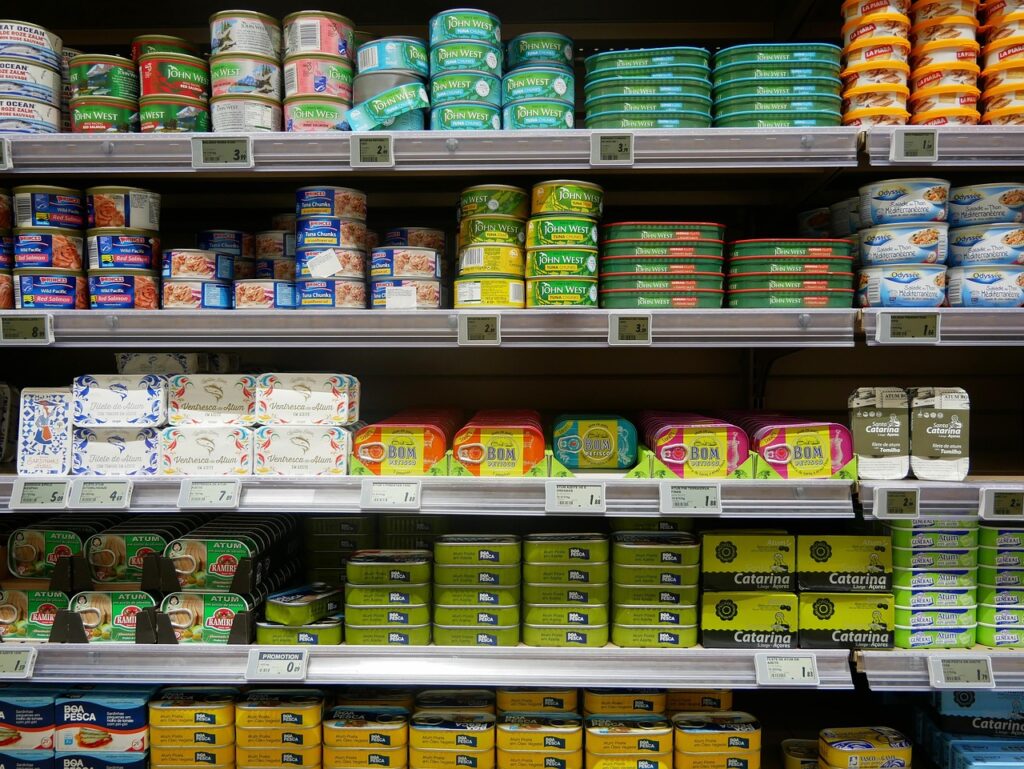
For many years, large food companies held a strong advantage in supermarkets. Their brands were widely recognized, supported by national advertising campaigns, and trusted by generations of shoppers. Products from these companies often dominated shelf space, making them the default choice for many households. In recent years, however, supermarkets have begun shifting that balance by investing more heavily in their own private label products. These store brands are now placed in highly visible locations on shelves and in promotional displays, giving them the same level of attention once reserved mostly for national brands.
Supermarkets also hold a unique advantage because they control how products are displayed and priced inside their stores. Retailers can position their own brands directly beside similar national brand items, allowing shoppers to compare prices instantly. When customers see two similar products but notice a clear price difference, many choose the more affordable option. This dynamic has forced large food companies to rethink their strategies by adjusting prices, improving product quality, or introducing new varieties. As private labels continue gaining popularity, the long-standing dominance of major food brands in supermarkets is gradually being challenged.