Younger Americans Quietly Stopped Going to Chain Restaurants Because Of These 9 Reasons

Chain restaurants built their popularity on consistency, affordability, and convenience, becoming a default choice for quick meals across generations, yet that привычность is beginning to fade among younger consumers who are rethinking what dining out should offer. A mix of rising prices, changing priorities, and broader food exposure has started to reshape everyday choices in subtle but steady ways. What stands out is not a sudden rejection but a gradual shift, where familiar options are being replaced with alternatives that feel more aligned with current expectations and lifestyles.
1. Prices feel inflated

There was a time when chain restaurants were the easiest answer to a quick and affordable meal, but that expectation has shifted as prices have steadily climbed across menus. What once felt like a low-commitment option now often feels closer to casual dining in cost.
This change has been driven by rising ingredient costs, labor expenses, and operational overhead. Over time, these increases have added up in ways that are more noticeable to younger diners.
As a result, meals that once felt convenient now require more consideration, especially when alternatives exist at similar or lower price points. The gap between expectation and reality has made many rethink whether these places are still worth visiting.
2. It no longer feels like a deal

Value used to be the defining strength of chain restaurants, built around combo meals, discounts, and portion sizes that justified the price. That sense of getting more for less has slowly faded, replaced by menus that feel less generous without a corresponding improvement in quality.
Many chains have reduced portion sizes or restructured meal deals, making it harder to feel satisfied with the overall offering. Even when promotions exist, they often require app usage or specific conditions that limit accessibility.
This shift has changed how younger consumers evaluate spending. A meal that does not feel like a good deal is easier to skip, especially when other options provide clearer value for the same amount of money.
3. Quality feels inconsistent

Consistency has always been a core promise of chain restaurants, yet that reliability has weakened in recent years as experiences vary more from visit to visit. Food that once met a predictable standard can now feel uneven in taste, preparation, and presentation.
This inconsistency can stem from staffing challenges, cost-cutting measures, or changes in ingredient sourcing, all of which affect the final product. When expectations are not met repeatedly, trust in the brand begins to erode.
Younger diners tend to prioritize reliability in their choices, and when a familiar place no longer guarantees a good meal, it becomes easier to explore alternatives that offer better consistency.
4. Cooking at home feels better

Spending more time at home has changed how many approach food, turning cooking into a practical and even enjoyable alternative to dining out. With access to recipes, tutorials, and better kitchen tools, preparing meals has become more approachable than before.
Cooking at home also offers greater control over ingredients, portion sizes, and cost, which makes it appealing for those trying to manage both health and budget. What used to feel time-consuming is now often seen as a worthwhile trade-off.
This shift has reduced the reliance on chain restaurants for everyday meals. When home cooking delivers similar satisfaction with more control, the need to dine out becomes less frequent.
5. Health concerns are stronger

Food choices are increasingly shaped by awareness of nutrition, ingredients, and long-term health, leading many to question what they consume more carefully. Chain restaurant menus are often associated with higher levels of sodium, fats, and processed components.
This awareness does not necessarily eliminate dining out, but it does influence where and how often it happens. Many younger consumers prefer options that feel cleaner, fresher, and more aligned with their dietary goals.
As a result, places that do not adapt to these expectations risk losing relevance. Health is no longer a secondary concern but a central factor in everyday decisions.
6. Money feels tighter

Economic pressure plays a quiet but powerful role in shaping dining habits, especially for younger individuals balancing expenses like rent, education, and daily living costs. Even small changes in spending behavior can add up over time.
When budgets become tighter, discretionary spending is often the first to be reduced, and eating out falls into that category. Chain restaurants, once seen as affordable, now compete with other financial priorities.
This does not mean people stop eating out entirely, but they become more selective. Each purchase is weighed more carefully, making frequent visits less common.
7. Local options feel more appealing
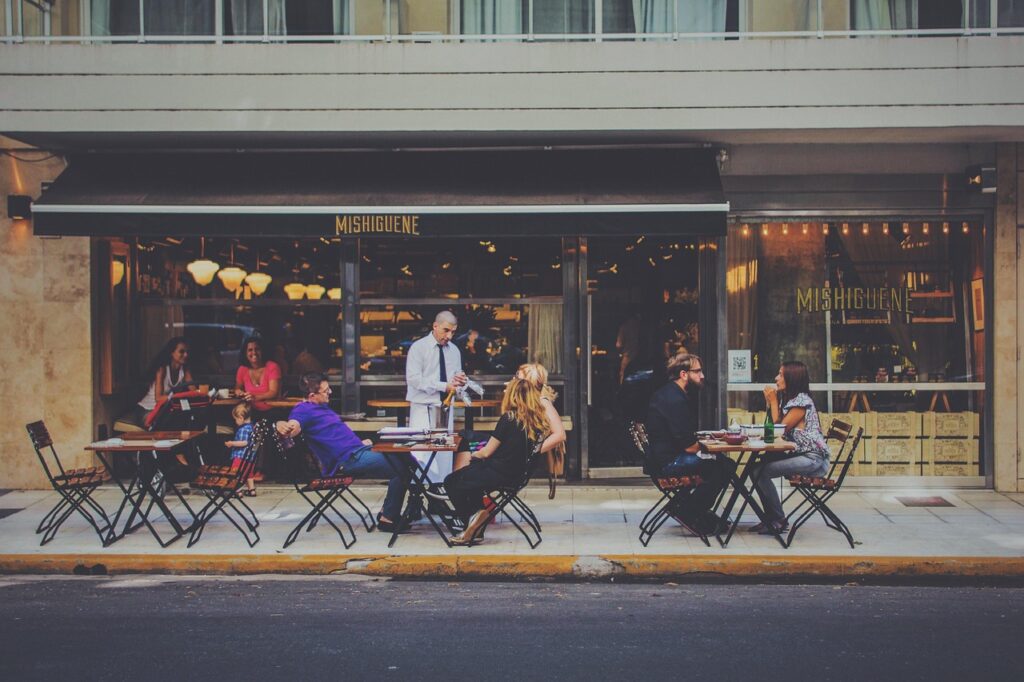
There is a growing preference for local restaurants that offer distinct flavors, unique menus, and a sense of connection that large chains often lack. These places are seen as more authentic and reflective of regional tastes.
Local establishments also tend to experiment more with ingredients and presentation, creating experiences that feel less standardized. This variety attracts diners who are looking for something different rather than predictable.
Choosing local over chain dining becomes a way to support community businesses while also enjoying food that feels more personal. This shift has gradually reduced the dominance of large chains.
8. Dining out feels less worth it

The overall experience of dining out has changed in ways that make it feel less rewarding compared to the cost involved. Longer wait times, reduced service quality, and higher prices all contribute to this perception.
When the experience does not match expectations, the value of the meal comes into question. Paying more without receiving better service or food makes the decision harder to justify.
This has led to a more critical approach to dining choices. If the experience does not stand out, it becomes easier to skip altogether or look for alternatives that feel more worthwhile. Customers are more likely to compare options before making a decision. This shift encourages businesses to focus more on delivering consistent value.
9. Variety matters more now

Food choices today are influenced by exposure to a wide range of cuisines, flavors, and dining styles, making variety an important factor in decision-making. Sticking to the same chain menus can start to feel repetitive.
Younger diners often seek new experiences, whether through different cuisines, fusion dishes, or changing food trends. This curiosity drives exploration beyond familiar brands.
As expectations evolve, the demand for variety pushes consumers toward places that offer something new. Chain restaurants that rely on static menus may struggle to keep attention in a landscape driven by change.