Nobody Asked Restaurants to Keep Reinventing These 7 American Classics, Yet Here We Are


American classics were never meant to be complicated. They earned their place through simplicity, balance, and flavors that feel instantly familiar. These are dishes people return to for comfort, not surprise.
But somewhere along the way, creativity took over. Restaurants began reworking these staples with bold additions, oversized portions, and unexpected twists, turning everyday favorites into something far more elaborate.
This shift has created a new dining experience, one that often values novelty over tradition. While some changes are exciting, others leave people wondering if the original was better all along. These reinvented classics continue to spark curiosity, debate, and second thoughts.
1. Mac and Cheese
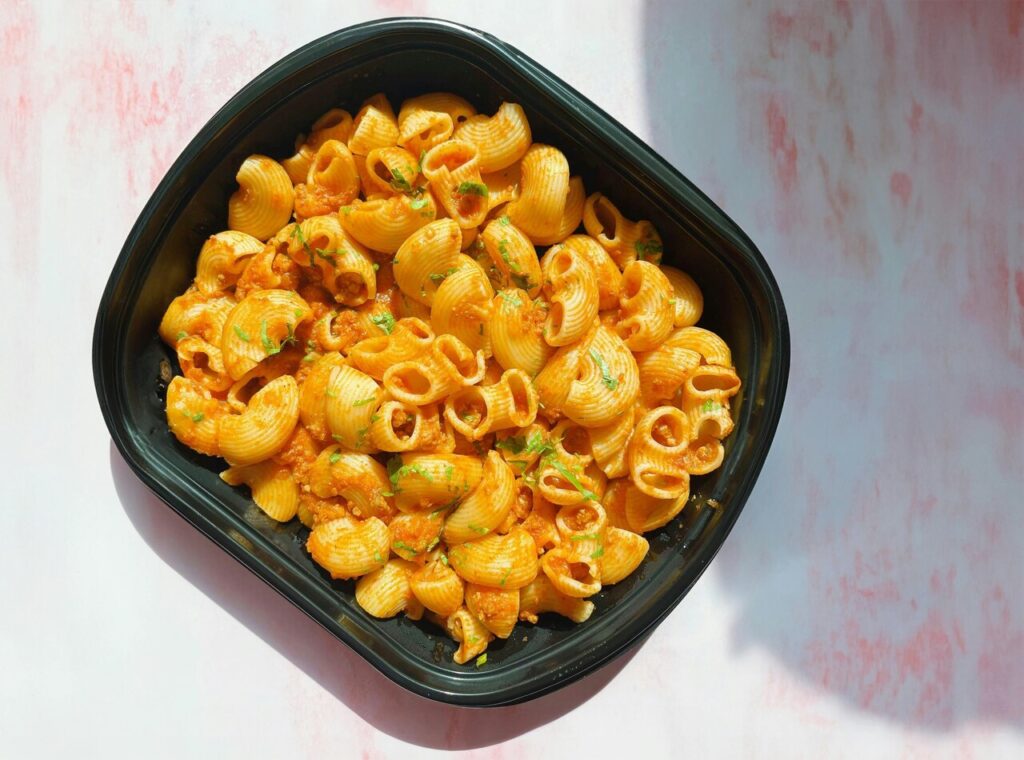
Few dishes carry comfort as easily as a simple bowl of mac and cheese. Traditionally, it relies on a few elements: pasta, milk, butter, and cheese, forming a creamy, balanced dish that feels filling and familiar. Its appeal lies in ease and consistency.
In recent years, restaurants have pushed it into luxury territory. Additions like truffle oil, lobster, bacon, and specialty cheeses aim to elevate it, often increasing both cost and richness. These versions are designed to feel indulgent.
However, these upgrades can shift the focus away from what made it work. The original balance can be lost under heavy toppings. What began as comfort food often turns richer, heavier, and less approachable than intended.
2. Burger
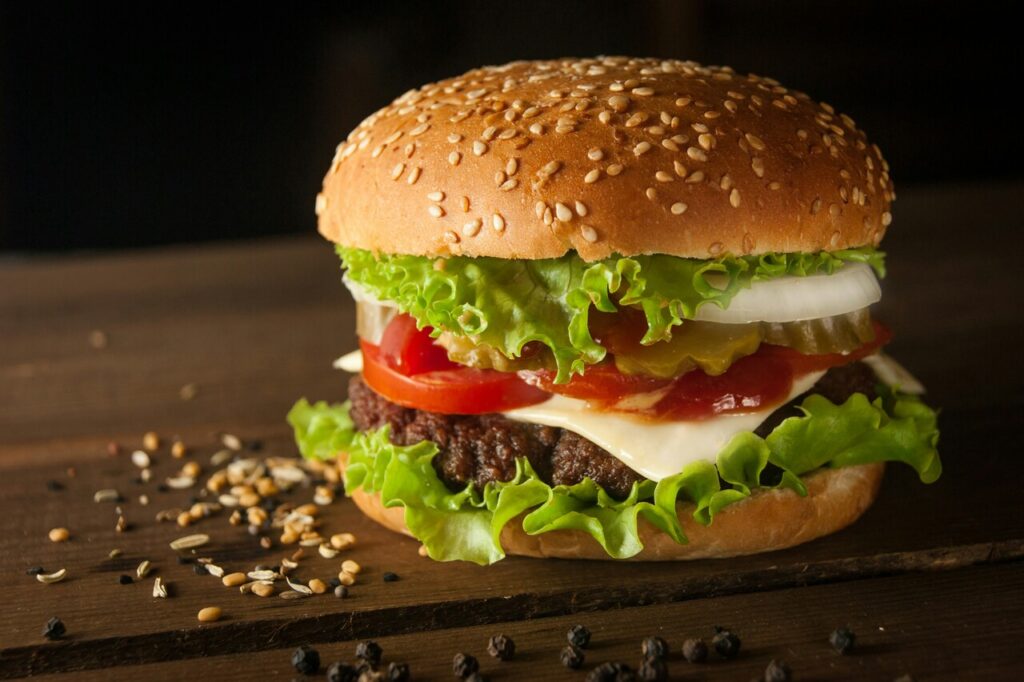
At its core, a burger is about balance and structure. A well-made version combines a seasoned patty, soft bun, and a few fresh toppings, each adding without overpowering. Its design makes it easy to eat and satisfying.
Modern versions often aim to stand out through size and excess. Multiple patties, fried eggs, thick sauces, and oversized buns create striking plates that are difficult to handle. The focus shifts from flavor to presentation.
This approach can weaken the burger’s purpose. When proportions are lost, textures and flavors stop working together. Instead of a cohesive bite, ingredients compete, making the experience less balanced and more cumbersome.
3. Milkshake

A classic milkshake is defined by simplicity. Blended ice cream and milk create a smooth, drinkable texture that is rich yet refreshing. It is meant to be enjoyed easily, often through a straw.
Restaurants have turned milkshakes into visual centerpieces. Toppings like cakes, cookies, whipped cream, and syrups are stacked high, transforming the drink into a layered dessert. These creations are built for attention.
While appealing, these additions can overwhelm the concept. The drink becomes harder to consume, and the sweetness increases. What was once balanced turns into a heavy dessert that is more about display than enjoyment.
4. Pizza
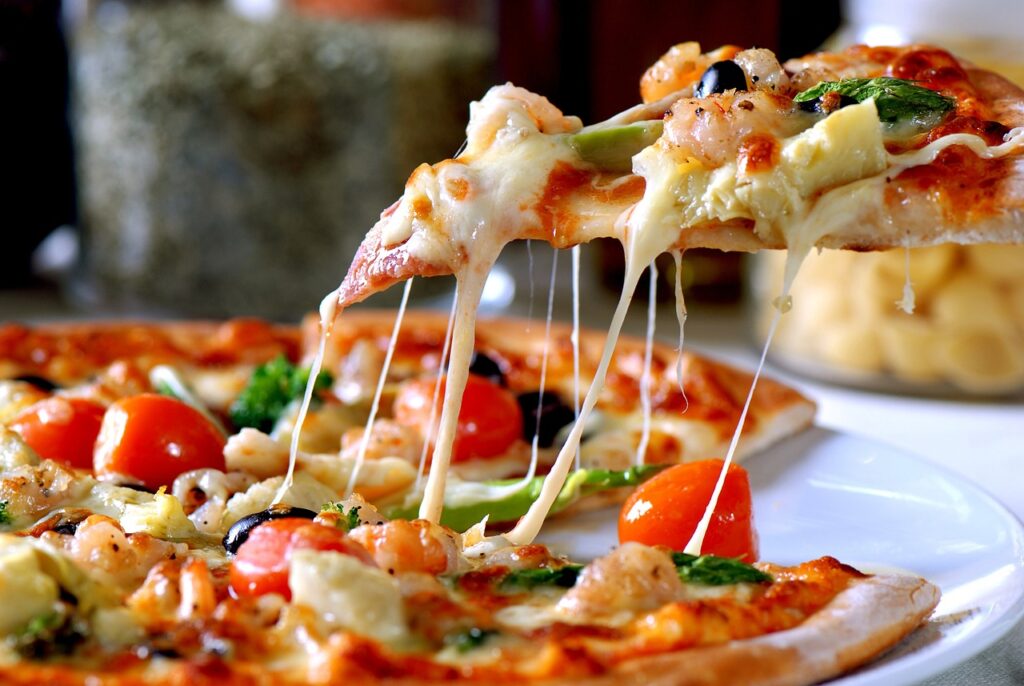
Pizza has always allowed for variation, but its strength lies in balance. A good pizza depends on the harmony between crust, sauce, cheese, and toppings, each playing a clear role. This balance is what gives it wide appeal across cultures.
Modern interpretations often focus on novelty. Dessert pizzas, stuffed crusts with multiple fillings, and unconventional toppings push the boundaries of what pizza can be. These versions aim to surprise and attract attention.
However, too many changes can disrupt the structure of the dish. When toppings overpower the base, the balance between flavors and textures is lost. Instead of enhancing the experience, these variations can make the dish feel inconsistent and less satisfying.
5. Grilled Cheese
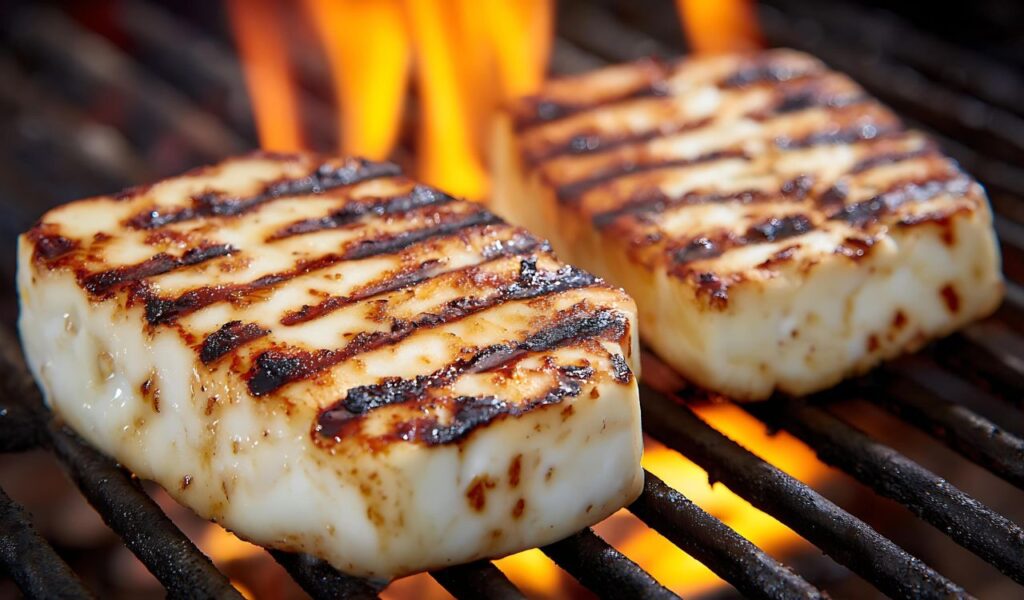
Grilled cheese is built on simplicity and precision. Bread is toasted until crisp while cheese melts evenly inside, creating a contrast between crunch and softness. The success of the dish depends on timing and balance rather than complexity.
Restaurant versions often add meats, vegetables, and multiple cheeses to create a more substantial meal. These additions increase variety but also change the identity of the dish. It begins to resemble a full sandwich rather than a focused comfort food.
As more ingredients are added, the original texture can be lost. The clean melt and crisp exterior are harder to achieve, and flavors become less defined. What was once simple and satisfying can turn into something heavier and less cohesive.
6. Hot Dog
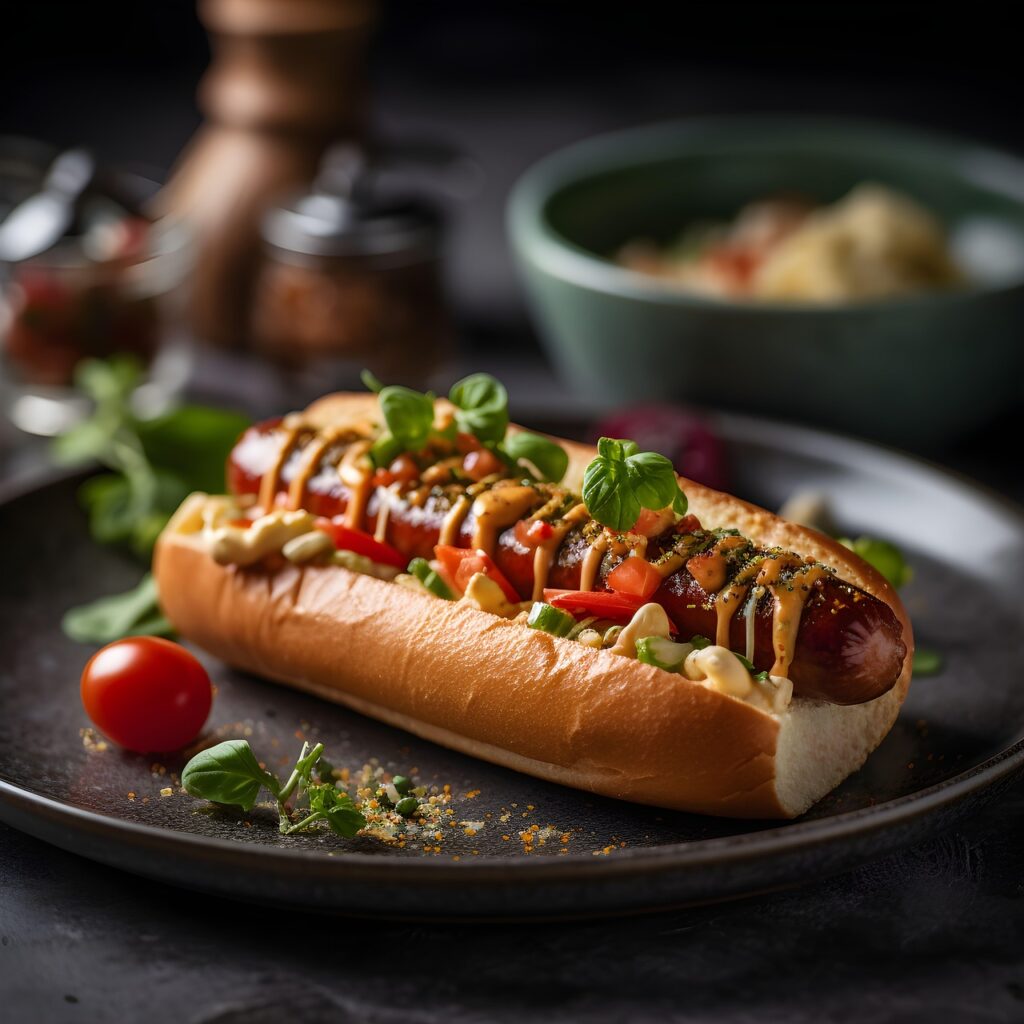
The hot dog is designed for convenience and clarity. A seasoned sausage placed in a soft bun, often with a few toppings, creates a quick and portable meal. Its appeal lies in its simplicity and ease of preparation.
Modern variations often layer on complex toppings such as pulled pork, cheese sauces, and multiple condiments. These additions aim to create new flavor combinations and elevate the dish beyond its basic form.
While creative, this approach can make the hot dog harder to eat and less focused. The original balance between sausage and bun becomes secondary to the toppings. Instead of enhancing the dish, the additions can overshadow its core flavor and purpose.
7. Pancakes

Pancakes are valued for their light texture and mild sweetness. Made from a simple batter, they cook quickly and are often served with syrup or fruit. Their softness and warmth make them a reliable breakfast option.
In many restaurants, pancakes have become increasingly elaborate. Layers of chocolate, cream, syrups, and decorative toppings turn them into dessert-style dishes. These versions are often designed to look indulgent and appealing.
However, the added richness can change how the dish is experienced. What was once light and easy to eat becomes dense and overly sweet. This shift can make pancakes feel less suited for breakfast and more like a heavy dessert, altering their original purpose.