8 Bakeries With Shady Backstories Everyone Pretends Not to Notice


Bakeries often trade on comfort, tradition, and trust. The smell of fresh bread and the promise of handmade care make it easy to believe every display case tells an honest story. Yet behind some of the world’s most recognizable bakery counters lie backstories shaped by rapid expansion, marketing shortcuts, labor strain, or financial missteps that rarely surface while customers wait in line. These stories are not always scandals in the dramatic sense. More often, they are quiet compromises between image and reality. Understanding them does not ruin the experience, but it does reveal how easily nostalgia and branding can outpace the truth behind the oven doors.
1. Magnolia Bakery
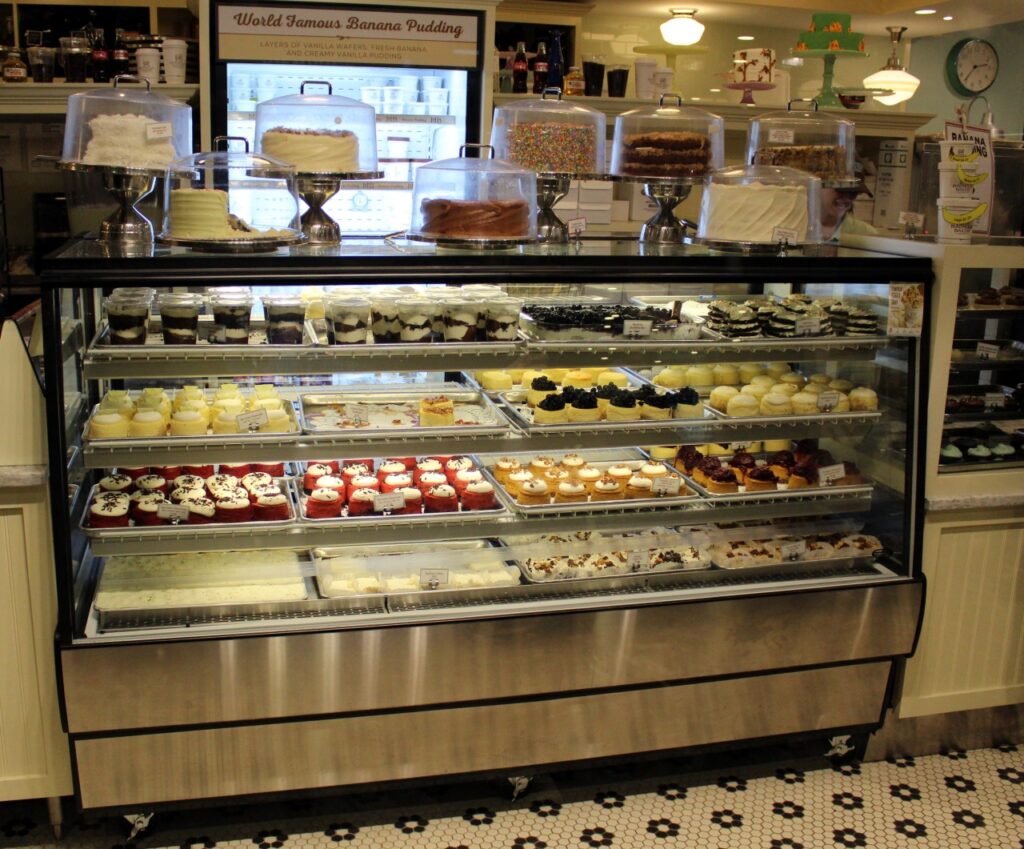
Magnolia Bakery’s story is often told as a charming rise from neighborhood shop to global name, but the transition brought complications that many fans quietly overlook. As demand surged, production scaled rapidly, and baking moved away from small-batch rhythms that defined the early years. Former employees and longtime customers have noted that recipes and textures shifted to support volume and consistency across locations. That change is common in expansion, yet it sits uneasily beside branding built on nostalgia and handcrafted appeal. The bakery did not hide its growth, but marketing continued to lean on an intimate image that no longer matched daily operations.
2. Levain Bakery
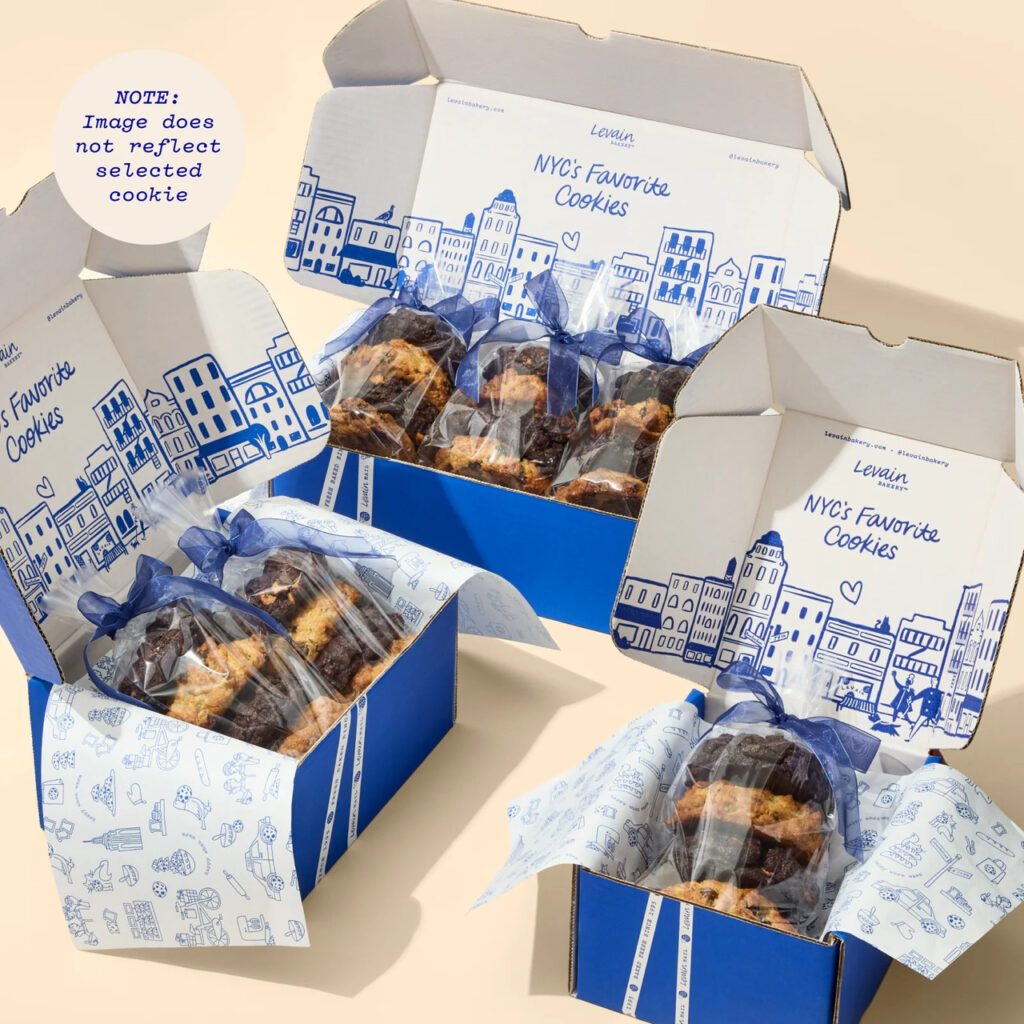
Levain Bakery became famous for cookies so large they rewrote expectations, but success introduced pressures rarely discussed at the counter. As lines lengthened and locations multiplied, consistency and labor demands became central challenges. Former staff interviews have described intense production cycles during peak hours, driven by constant demand for a narrow range of items. Scaling a product designed for small-batch baking required operational changes that inevitably altered workflow and texture control. Customers still receive a recognizable cookie, but the behind-the-scenes strain is part of the cost of expansion.
3. Boudin Bakery
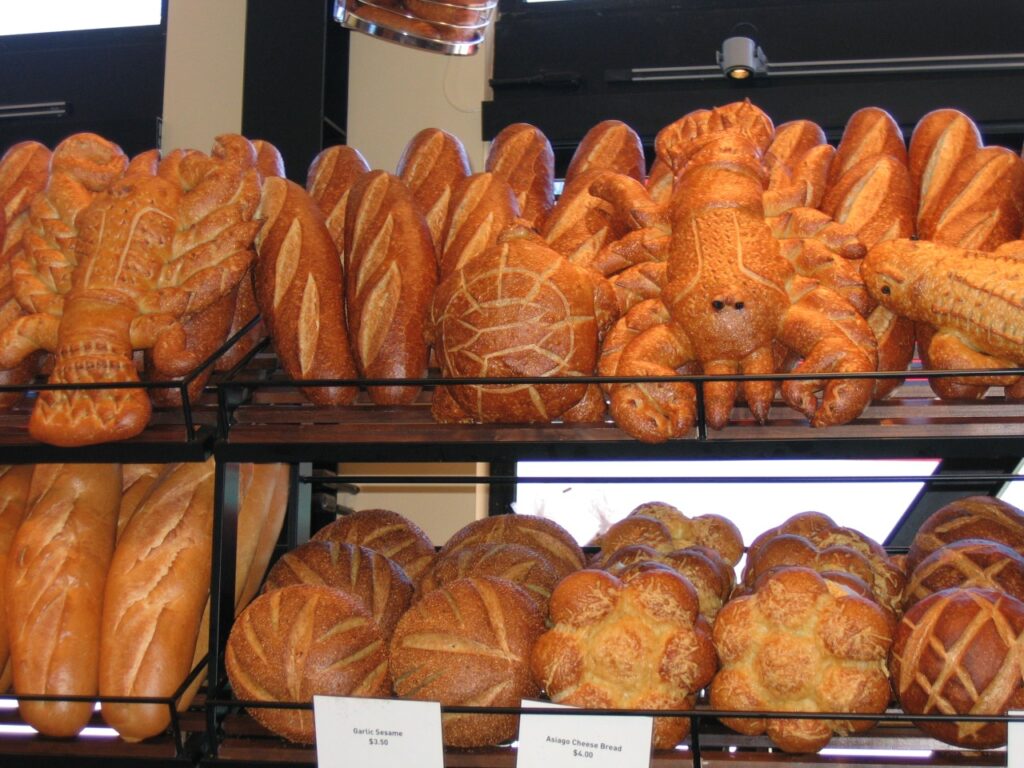
Boudin Bakery presents itself as a steward of sourdough heritage, often highlighting its historic starter culture. Over time, however, the business evolved into a tourist-focused operation with large-scale production. Critics argue that modern baking methods and centralized facilities dilute the artisanal narrative. While the company acknowledges its growth, the marketing still emphasizes tradition and continuity. This creates tension between image and reality. Visitors often expect a small craft bakery experience but encounter a polished retail environment designed for volume. Nothing about this shift is secret, yet the romantic framing persists.
4. Greggs
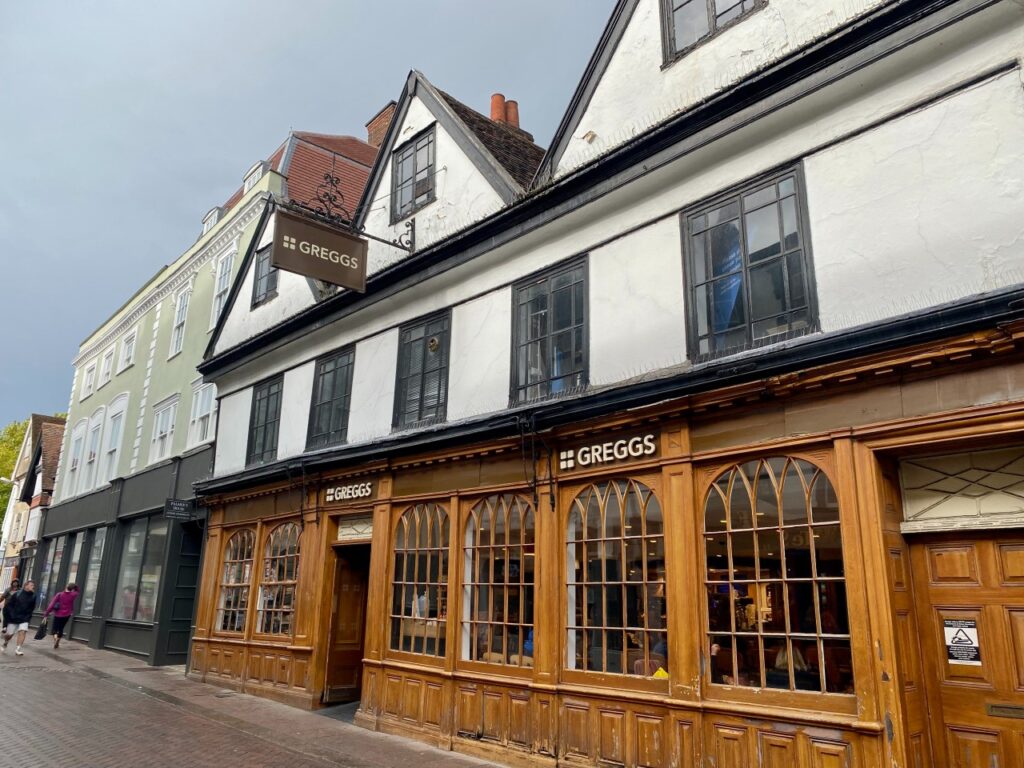
Greggs is beloved for affordability and convenience, but its identity as a neighborhood bakery is often misunderstood. Many products are produced in centralized factories rather than baked on-site, a fact acknowledged but rarely emphasized. Over the years, the company has faced public discussion around labor conditions, rapid expansion, and industrial food production. Customers still enjoy familiar items at low prices, yet the bakery imagery masks a highly efficient manufacturing model. This disconnect is not hidden, but it is easy to ignore. Greggs succeeds because it delivers value consistently, even if the process behind that value looks very different from traditional bakery ideals.
5. Paul
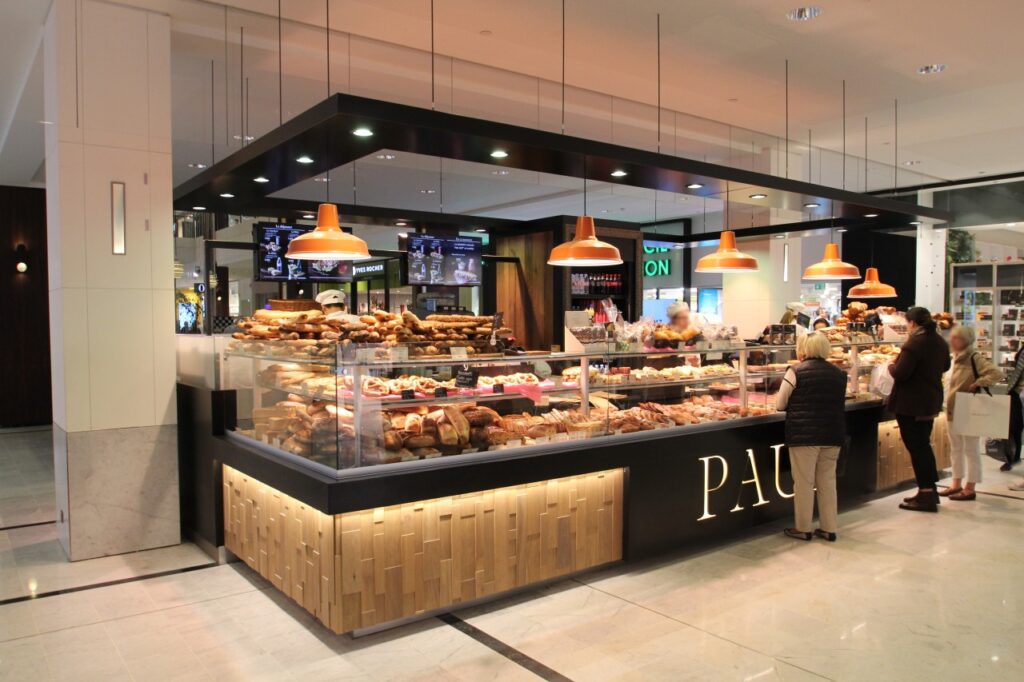
Paul’s global presence rests on the promise of classic French baking, but international growth has complicated that promise. In several markets, customers have reported uneven quality and products made off-site, conflicting with expectations of artisanal preparation. The company has also faced labor disputes in certain regions, bringing attention to the realities of operating a heritage brand at scale. While the name evokes tradition, logistics often dictate production. Paul continues to trade on familiarity and visual cues of craftsmanship, even as modern supply chains support its reach. The tension between heritage and efficiency remains part of its quiet backstory.
6. Cinnabon
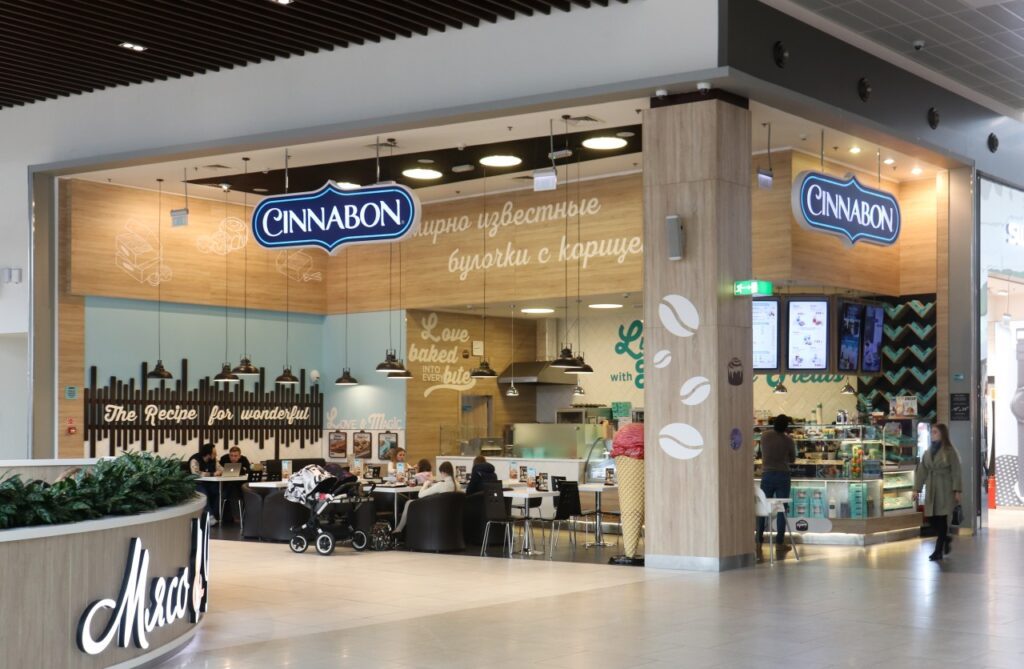
Cinnabon’s success is built on indulgence, but the strategy behind it is carefully engineered. The brand is known for scent marketing, calibrated baking schedules, and ingredient formulations designed to maximize aroma and impulse purchases. Nutritional criticism and ingredient transparency have followed the company for years, yet demand remains strong. Customers often associate the brand with comfort and nostalgia, while overlooking the calculated design behind the experience. Nothing about this approach is illegal or hidden, but it contrasts sharply with the emotional warmth projected at the counter.
7. Patisserie Valerie

Patisserie Valerie’s collapse exposed one of the most serious financial scandals in the bakery world. Accounting irregularities, unexplained overdrafts, and sudden closures left employees unpaid and customers stunned. The brand’s elegant café image masked deep internal problems that went unnoticed until the business nearly failed. Investigations revealed governance failures rather than baking issues, but the damage to trust was severe. Although parts of the brand later returned under new ownership, the episode remains a cautionary tale. It showed how polished presentation can conceal instability until it is too late to ignore.
8. Maison Kayser
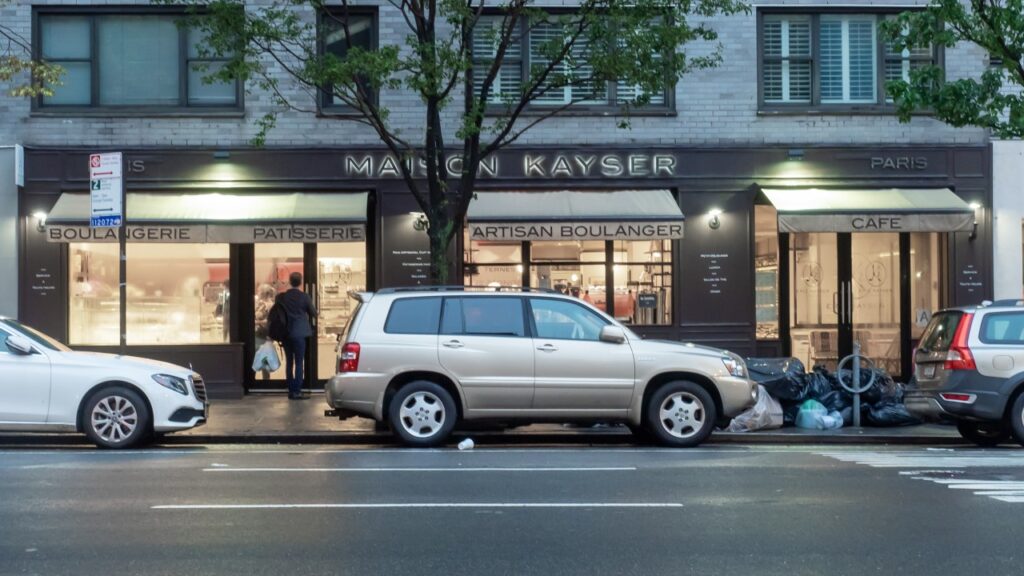
Maison Kayser set out to bring artisanal bread to a global audience, but rapid expansion strained finances and operations. Store closures and restructuring followed in several markets, revealing challenges behind the refined brand image. Critics pointed to ambitious growth that outpaced sustainable demand. Maintaining quality, training staff, and managing costs across borders proved difficult. While the brand continues in various forms, its story highlights how quickly an artisanal identity can be stretched thin by international ambition. The elegance at the counter often hid complex struggles in the background.