The Real Secret Behind Light and Fluffy Pancakes at Home

The Fluff Factor
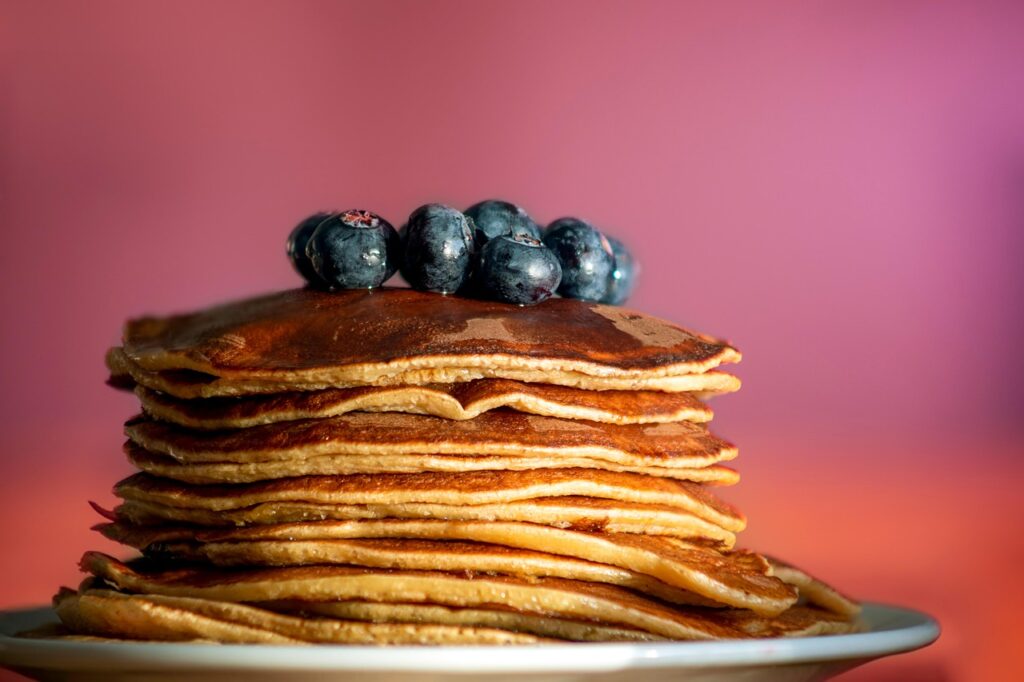
Fluffy pancakes are not just thicker pancakes. Real fluff comes from a batter that traps air and steam, then sets fast enough to hold that lift before it collapses. When pancakes turn dense, it’s usually because the batter lost its bubbles before it hit the pan, or because the structure tightened from too much mixing. Fluff is a balance between lift and strength: you need enough gas to expand, and just enough structure to keep the pancake from sinking back down. That balance is why technique matters more than fancy ingredients. A batter can look perfect and still bake up heavy. The goal is a tender crumb, not a bready chew.
There are two main ways pancakes rise. Chemical leaveners like baking powder and baking soda create gas when they dissolve and react, while mechanical lift comes from air you physically incorporate, most commonly through eggs. Using both is often smarter than relying heavily on one. Too much chemical leavening can leave an off taste, while mechanical lift alone can fade if you deflate the batter. Many of the best home methods focus on combining modest chemical leavening with techniques that protect the air you already built in. This is why gentle mixing shows up in almost every good method. It is also why timing matters once wet meets dry.
The Batter Rule
The quickest way to kill fluff is to chase a perfectly smooth batter. Pancake batter should look slightly lumpy because those lumps are a sign you stopped mixing before gluten tightened the texture. Once flour is mixed with liquid, gluten can develop, and the more you stir, the more elastic and chewy the batter becomes. That elasticity is great for bread, but it makes pancakes tough and flat. The goal is “just combined,” where you no longer see dry flour streaks, but the batter still looks imperfect. Lumps hydrate naturally as the batter sits. They rarely show up in the finished pancake. Overmixing also pushes out the air bubbles you need for height.
Those lumps are not a mistake. They hydrate as the batter rests, and they disappear on their own without you beating the batter into submission. A gentle fold with a spatula is usually enough. If you mix until glossy and smooth, you often end up with pancakes that look fine but feel heavy and slightly rubbery. In practical terms, the batter rule is simple: stop early, even if it makes you uncomfortable. A thicker batter does not mean you should mix harder. It means you should pause and let hydration do its job. If you truly have dry pockets, use slow strokes to fold them in. Scrape the bowl edges so flour does not hide there.
The Egg Advantage
Eggs do more than add richness. Yolks provide fat and emulsifiers that support tenderness and flavor, while whites bring water and proteins that can trap air. One reliable path to extra lift is separating the eggs so you can control what the whites do. Some methods whip whites to a foam and fold them in for a soufflé-like rise. Others take a simpler approach and stir in unbeaten whites, then let the batter rest briefly so the whites relax and support the batter without collapsing quickly. Both approaches aim at the same thing: keeping air in the batter long enough for the pancake to set. Whipped whites can create impressive height.
The key is folding, not stirring. Once whites are added, especially if they’re whipped, you want slow, broad strokes that combine without deflating. If you stir aggressively, you pop the bubbles you worked to create. Even unbeaten whites can help if you avoid overmixing and give the batter a short rest before cooking. The egg advantage is not magic; it’s physics: trapped air expands with heat, and pancakes rise. Your job is to protect that air until the griddle does its part. Use a spatula and turn the bowl as you fold. Stop as soon as the batter looks mostly uniform. A few streaks are fine and often disappear during cooking.
The Rest Window
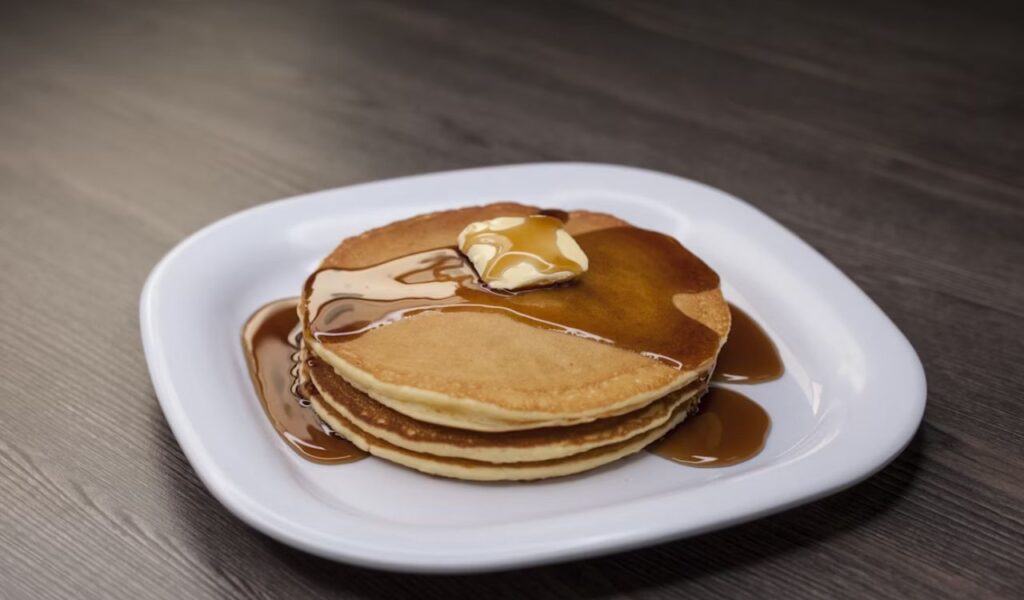
Resting batter sounds like a minor step, but it changes the way flour behaves. During a short rest, flour absorbs liquid more fully, dry pockets soften, and the batter thickens into a more stable consistency. That thickness helps pancakes rise upward rather than spread outward. Resting also gives gluten time to relax, which reduces chewiness. Even a brief rest can improve tenderness and make the pancake cook more evenly from edge to center. The bubbles also settle into a more even pattern. This makes pouring more predictable. Resting reduces the urge to remix, which protects the air you already built.
Rest time depends on your method. If you use whipped whites, you often want a shorter rest so you don’t lose the foam. If you use unbeaten whites or a basic batter, a rest of several minutes to around 15 minutes is commonly helpful. You will often notice the batter looks thicker after resting, which is a good sign. If it becomes too thick, a small splash of milk can loosen it without undoing the benefits. Resting is not about waiting for fun; it’s about letting the batter settle into a better structure for lift. That is why timing and method should match. A good rest makes the first pancake closer to the best pancake.
Leaveners That Deliver
Chemical leavening is where many pancake recipes succeed or fail. Baking powder is a common backbone because it can create lift without needing a strongly acidic batter. Baking soda, on the other hand, needs acid to react properly, which is why it often pairs with buttermilk. When used correctly, these leaveners create gas that expands as the batter heats, pushing the pancake upward. When used incorrectly, they either do too little or leave a noticeable chemical taste. This is why measuring matters more than eyeballing. Small changes can affect both rise and flavor. Soda without acid can leave a flat, soapy result.
Freshness matters more than most people realize. Old baking powder or baking soda can weaken lift, and the pancake may turn out flat even if everything else is perfect. Measuring also matters because too little gives you density, and too much can create a soapy or bitter edge. Many pro-style approaches keep the leavener level reasonable and rely on technique, batter consistency, and heat control to do the rest. Lift is chemistry, but great pancakes are chemistry plus discipline. If your pancakes suddenly stop rising, leaveners are worth checking first. Storage in a dry, sealed container helps preserve strength.
Liquid Choices
Liquid is not just moisture. It controls batter thickness, acidity, and how quickly pancakes brown and set. Buttermilk is popular for fluffy pancakes because its acidity supports baking soda reactions and its thickness encourages a batter that rises rather than runs. Regular milk works well too, especially when paired with baking powder, and it delivers a clean, mild flavor. Water can produce a lighter pancake in some cases, but it can also reduce richness and tenderness because it lacks fat and proteins. This is why many recipes favor dairy even when keeping things simple. Dairy adds browning through milk sugars and proteins.
Thickness is the practical takeaway. A batter that is too thin spreads wide and cooks into a flatter pancake. A thicker batter tends to rise higher and hold air better, as long as you did not overmix. If your batter pours like heavy cream rather than like water, you are usually closer to the fluffy zone. Adjusting the liquid slightly is one of the easiest fixes home cooks can make, especially when the first pancake comes out thin. It helps to judge after the batter rests, not immediately after mixing. Add liquid in small splashes, not large pours. A ladle should leave a slow ribbon that sits briefly on the surface.
Heat Control
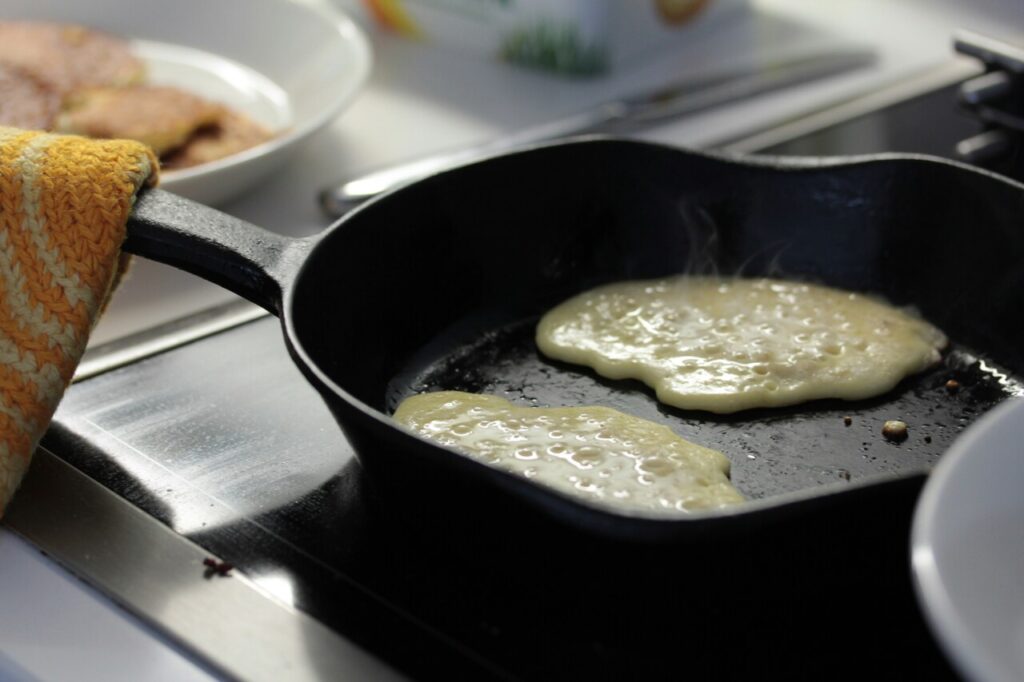
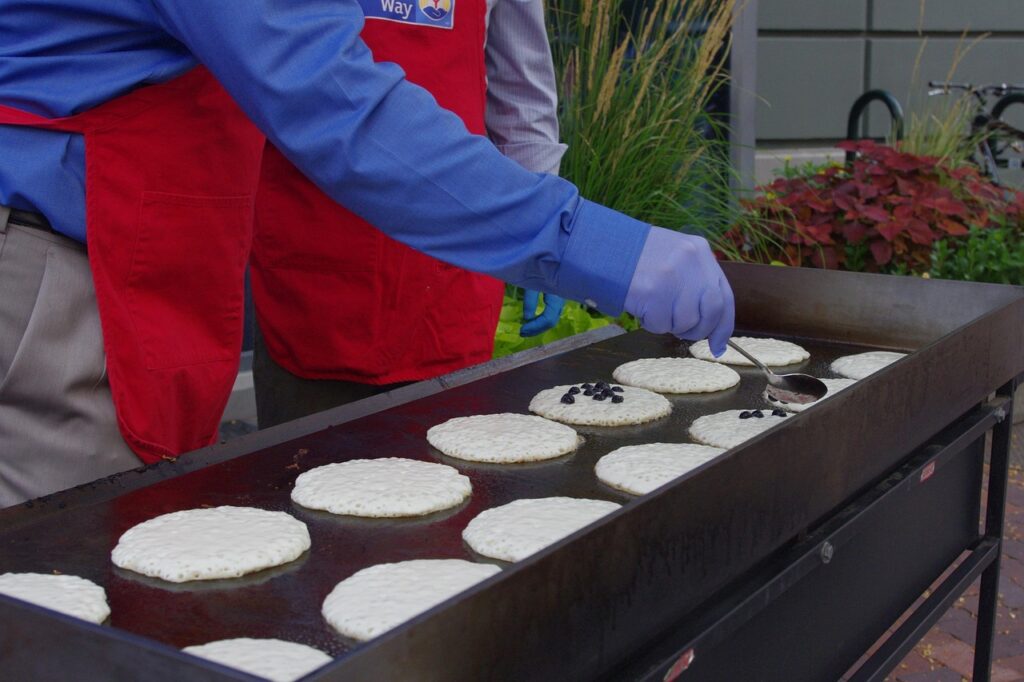
Fluff depends on the pan as much as the bowl. If the heat is too high, the outside sets and browns before the inside has time to rise, which can trap a gummy center. If the heat is too low, the batter spreads before it sets, and you lose height. Medium heat is often the sweet spot because it gives the pancake time to lift, cook through, and brown evenly. A stable temperature also means your second and third batches behave like the first. Consistency is especially important when cooking multiple pancakes. Temperature swings cause uneven browning. A steady pan helps the batter set quickly at the edges. That quick set supports height.
A small drop of water should sizzle and dance without exploding into steam instantly. The first pancake is often a test pancake for this reason. Once the heat is right, avoid pressing the pancake down with a spatula. Pressing forces out steam and air, flattening the very lift you worked to build. Let the heat do the setting, and the pancake will keep its height. Pressing also makes the interior denser. It can create a tough layer near the surface. If you want even cooking, adjust the heat instead of pushing the pancake. Give the batter time to rise and set naturally, so that the pancake retains its fluff.
Fat and Texture
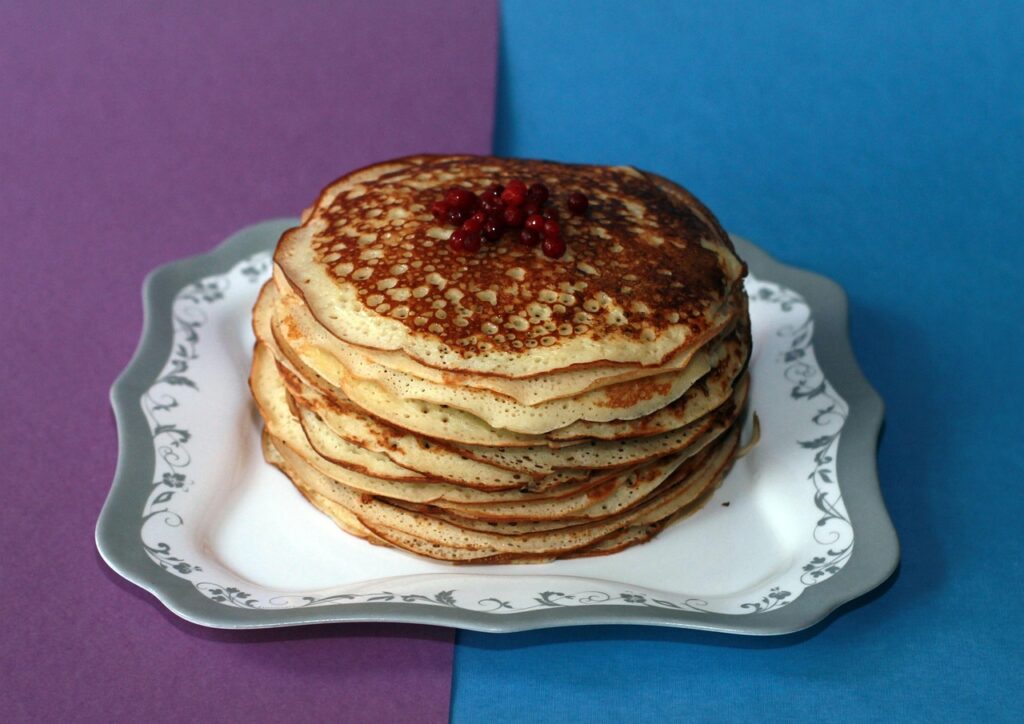
Fat influences tenderness, flavor, and browning. Butter adds a rich taste and can help create crisp edges, but it can also burn if the pan is too hot, which can add bitterness. Neutral oil is more stable at higher temperatures and can produce a softer, more uniform exterior. Many cooks use butter in the batter for flavor and a small amount of butter or oil on the pan for controlled browning. The choice depends on whether you want delicate softness or a slightly crisp edge. Butter flavor can be noticeable even in small amounts. Oil tends to disappear into the background. Using too much fat on the pan can fry the pancake edges.
How much fat matters, too. Too little and the pancakes can feel dry and bread-like. Too much and the crumb can feel heavy, especially if the batter is already thick. The best texture usually comes from a moderate amount of fat combined with correct mixing and heat control. Fat supports fluff by keeping the crumb tender, but it cannot compensate for overmixed batter or weak leavening. Think of fat as insurance for softness. It helps prevent a chalky bite. But it is not a substitute for air and lift. If pancakes are flat, adding more butter rarely fixes it. Balanced fat works best when everything else is correct.
Flip Timing
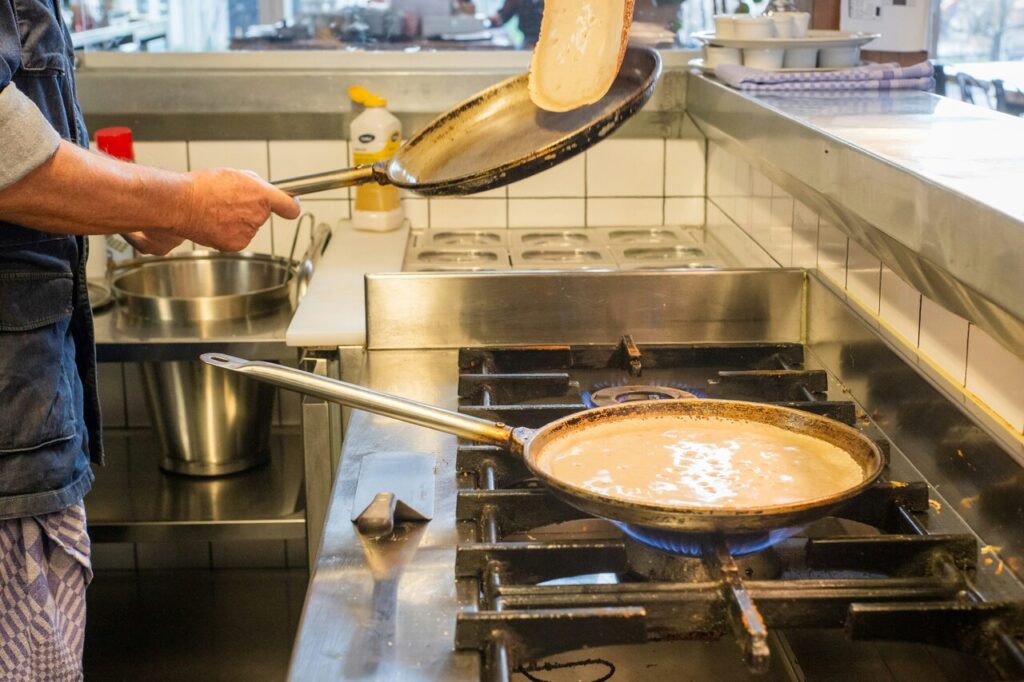
Flipping is not about the clock; it’s about signs. Bubbles on the surface are a clue that gas is forming and rising through the batter. When those bubbles pop and leave small holes that stay open, and the edges look slightly set rather than wet, the pancake is usually ready to flip. If you flip too early, the batter can spill, and the pancake may deflate. If you flip too late, it can dry out and lose tenderness. Watching the edges is often more reliable than watching the center. The surface should look matte instead of glossy. A clean edge helps the pancake keep its shape during the flip. Early flips also smear batter and create uneven thickness.
The “one-flip rule” exists for a reason. Every flip compresses the pancake and releases steam, which reduces height. A confident, quick flip keeps the structure intact. After the flip, the second side usually cooks faster, and you are mainly setting the center. If you keep flipping back and forth to check, you often end up with flatter pancakes and uneven browning. A wide, thin spatula makes one flip easier. Sliding fully under the pancake prevents tearing. The second side typically needs less time than the first. If you flip too aggressively, you can knock out air. Calm, confident motion keeps the pancake tall.
Common Fluff Killers
Old leaveners are a silent problem. You can follow every technique perfectly and still get flat pancakes if your baking powder has lost strength. Overmixing is the second major culprit, because it tightens the batter and knocks out air. Pressing pancakes with a spatula is another common mistake, and it’s especially tempting when you want faster browning. Pressing simply forces out steam and deflates the crumb. Another issue is letting the mixed batter sit too long. Some lift is time-sensitive. Also, measuring flour too heavily makes the batter dense. Even small habits stack up to flatten results. Fixing one killer can improve pancakes instantly.
Crowding the pan also causes issues. When pancakes are too close, steam gets trapped, and the surface can cook unevenly. It also makes flipping harder, which increases the chance of deflation. Another overlooked factor is measuring flour correctly. Packing too much flour into the cup creates a thick, heavy batter that struggles to rise. The fluffiest pancakes come from small, boring disciplines done consistently, not from one dramatic trick. Crowding also cools the pan, which affects the rise. It can force you to raise heat and scorch the outside. Measuring with a spoon and a level approach improves consistency.
The Reliable Method
The most repeatable home method is built on order and restraint. Start by whisking dry ingredients thoroughly so leaveners are evenly distributed. Mix wet ingredients separately so you do not overwork the flour. Combine with a gentle fold until just mixed, then rest briefly if your method allows. Heat the pan to medium, grease lightly, and pour consistent portions so cooking times stay predictable. This step order reduces variables, which is why it works. It also makes troubleshooting easier when something goes wrong. If you change everything at once, you cannot isolate the issue. Consistent portions help you learn timing faster.
Tools help, but they don’t need to be fancy. A whisk, a spatula, and a measuring cup for portioning go a long way. A thermometer is useful if you want precision, but most cooks can learn the heat cues quickly. The real secret behind fluffy pancakes is not hidden; it’s a repeatable technique: minimal mixing, thoughtful resting, reliable leavening, and controlled heat. Do those well, and you can make light, tender pancakes on demand. Keeping tools consistent also keeps results consistent. The same pan behaves the same way each time. A portion scoop keeps sizes even across batches. Heat cues become familiar with practice.
References
- The best healthy pancake recipes- British Heart Foundation.org
- Favorite Pancakes-Foodhero.org
- Fluffy Pancake Recipe-The how-to guru.org