8 Slow Cooker Meals That Sound Easy But Aren’t Worth the Wait

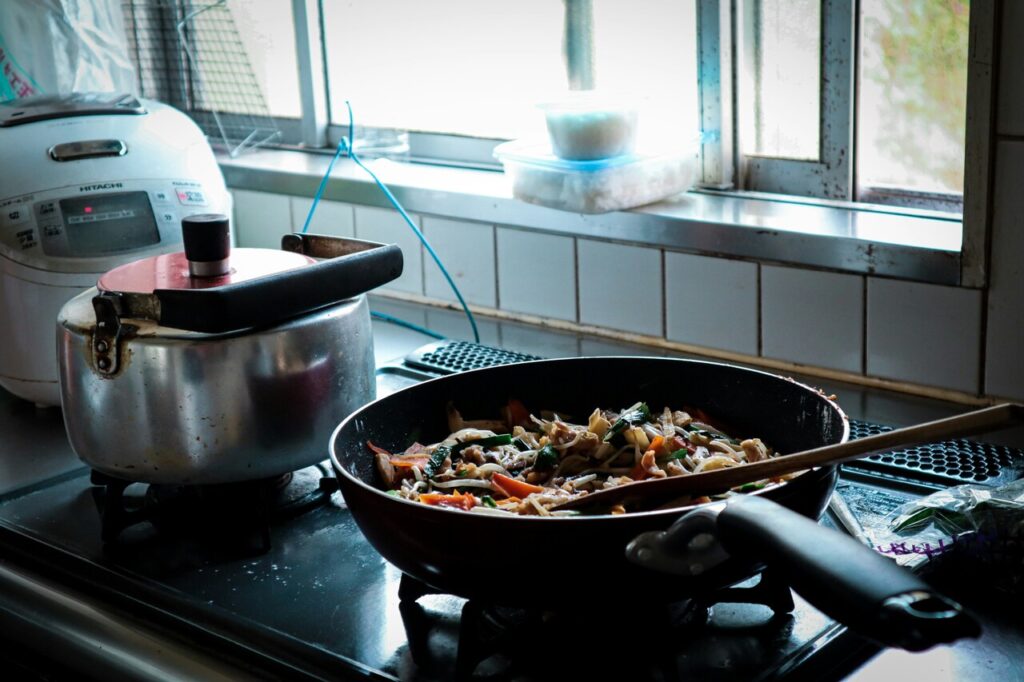
The biggest slow-cooker disappointment isn’t flavor, it’s expectation. A recipe can be popular and still be a poor match for long, sealed cooking. Chicken skin stays soft, queso can break, mac and cheese can go grainy, and creamy sauces often need a delicate finish that long heat ruins. Many dishes also sneak in extra tasks at the end, like shredding meat, reducing cooking liquid, or cooking starches in a separate pot to avoid mush. These eight meals are the ones that sound easiest, but commonly ask for the most fixing.
1. Chicken Drumsticks
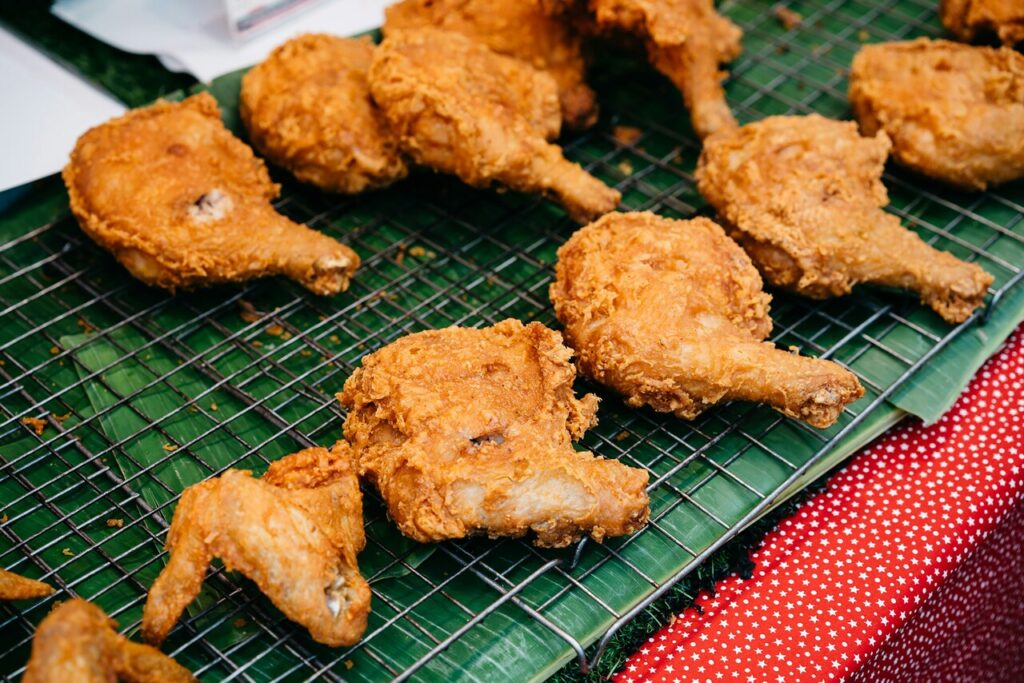
Crispy skin is the promise that slow cooking quietly breaks because hours of moist heat make the meat tender while leaving the skin soft and rubbery, so a broiler or hot-oven finish becomes the real make-or-break step. That extra step means moving hot drumsticks to a tray, watching closely to avoid burning sugary sauces, and accepting active time right at the end. Sauce also rarely lands right straight from the pot because long cooking can thin glazes, mute spices, and turn bold BBQ flavor into something flatter, which is why many approaches hold back sauce, reduce the cooking liquid, or brush on a fresh layer late for a sticky finish.
2. Chicken and Dumplings
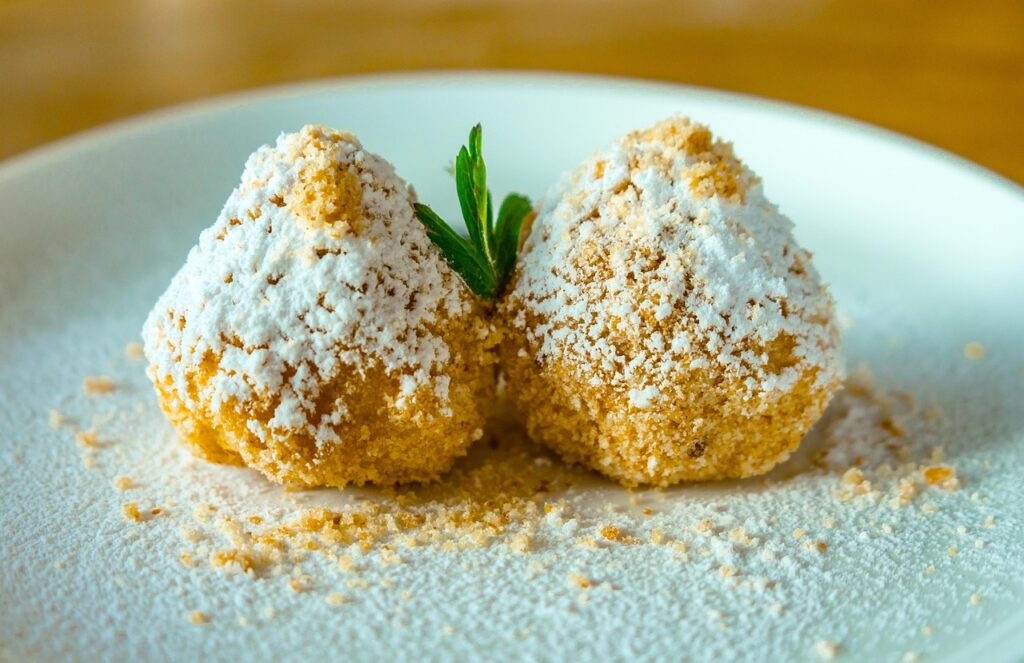
Dumplings sound forgiving, yet timing is everything because the base can simmer all day but the dough cannot. When dumplings cook too long in a slow cooker, they absorb liquid and turn heavy, gummy, or even dissolve at the edges, while undercooking leaves raw centers. Many versions require adding dough only near the end, keeping the lid on to trap steam, and avoiding too much stirring so pieces hold their shape, which turns the final stretch into a monitored window rather than an autopilot finish. Between late dumpling timing, careful lid management, and end-stage stirring, the dish asks for more hands-on precision than the cozy name suggests.
3. Mac and Cheese
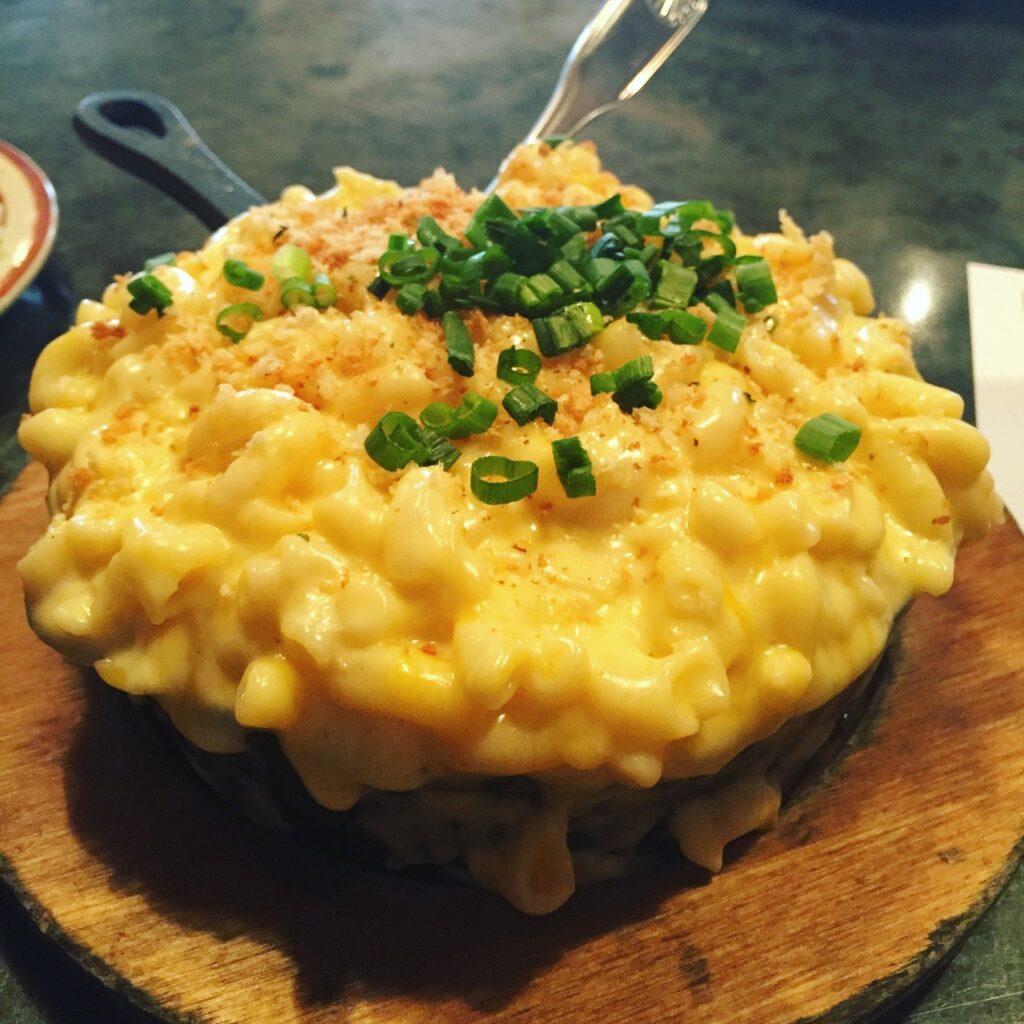
Mac and cheese looks like a dump-and-go win until dairy chemistry takes over. Cheese sauces behave best with gentle heat and short cook times, but long heat can cause separation where fat leaks out and proteins tighten, leading to a grainy, oily, or broken sauce. Pre-shredded cheese can make this worse because anti-caking additives may resist smooth melting over long holds. Pasta texture is the second trap: noodles keep absorbing liquid as they sit, so the line between creamy and gluey is thin, and a few extra minutes can push it into mush. The wait is long, yet the result can be less consistent than a quick stovetop version.
4. Queso Dip
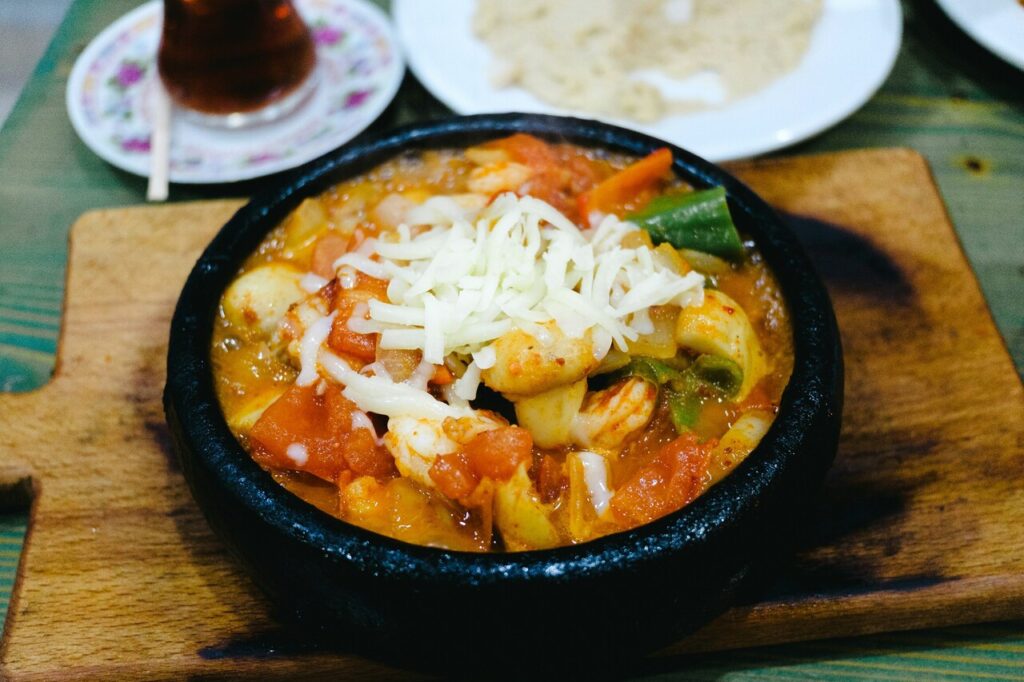
Queso feels like the ultimate plug-in party move, but keeping it smooth is the ongoing job. Melted cheese and dairy can separate with extended heat, especially when the pot sits on warm, so the surface thickens, the bottom loosens, and the middle turns streaky unless frequent stirring happens. Ingredient choices complicate things: real cheese brings better flavor but can clump or break, while processed cheese melts reliably but can taste flatter, so many versions mix both and still need attention. Acidity and spice also matter because tomatoes, chiles, and hot sauce can encourage curdling or tightening if the mixture runs too hot.
5. Beef Stroganoff
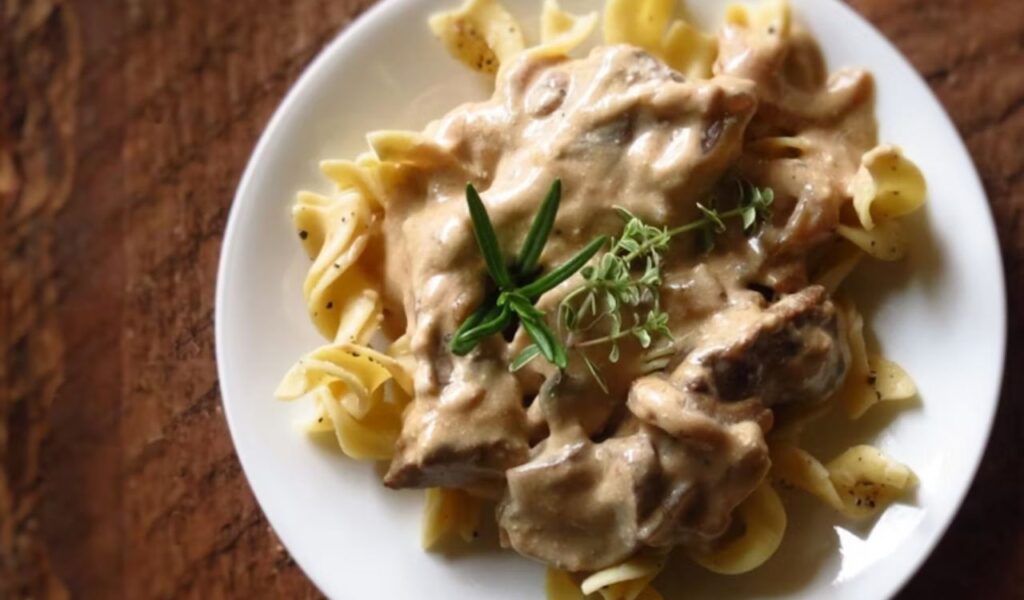
Stroganoff is comforting, but the pot usually handles only the beef part while the classic finish stays hands-on. Long cooking can tenderize beef, yet the creamy signature sauce typically relies on sour cream or cream added at the end because dairy can curdle or turn grainy if held hot for hours. Noodles rarely belong in the cooker either: egg noodles cook fast and turn soft quickly, so they usually get boiled separately right before serving, which adds another pot and timing coordination. The final plate can be excellent, but it often takes multiple end-stage steps that cut into the convenience that made the idea appealing.
6. Cider Pulled Pork
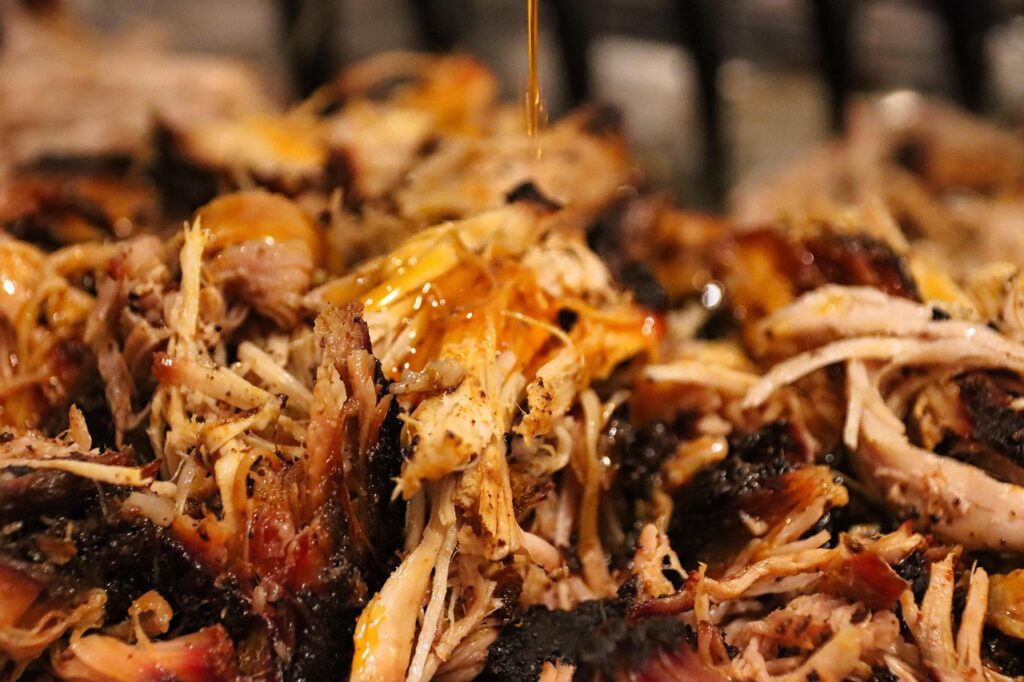
Pulled pork sounds effortless until the “pulled” part arrives. Pork shoulder can cook down beautifully, but shredding is unavoidable and messy, and it requires draining or separating excess fat so the finished meat does not taste greasy. Cider adds sweetness and aroma, yet that sweetness can become one-note after long cooking, so balancing often matters at the end with salt, acid, or spice to keep flavor from tasting flat. Many versions also benefit from reducing the cooking liquid into a thicker sauce because slow cookers do not evaporate much, leaving plenty of thin juices that soak buns instead of coating meat.
7. Honey Garlic Chicken
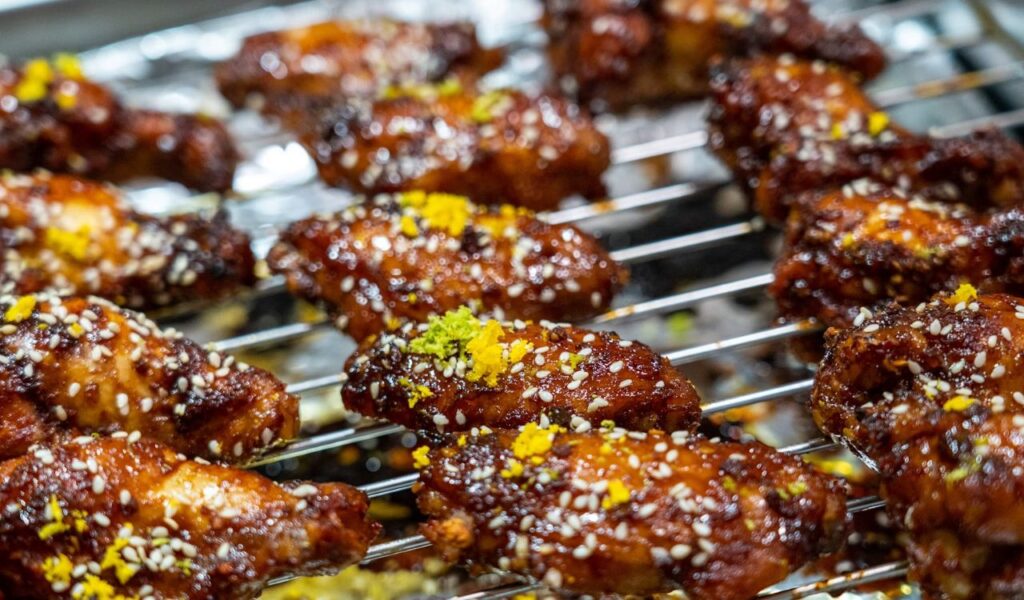
Sweet, sticky chicken sounds perfect for low-and-slow, yet the sauce is where the waiting starts to feel pointless. Slow cookers trap moisture, so the liquid released from chicken dilutes honey and soy, turning a bold glaze into a thin, overly sweet braise unless a thickening step happens at the end. Cornstarch slurry is common, but it needs careful heating and stirring to avoid a starchy aftertaste or uneven lumps. Skin-on pieces stay soft, and boneless cuts can drift from tender to stringy if left too long. A quick broil or skillet finish often becomes necessary for caramelized edges.
8. Beef Chili
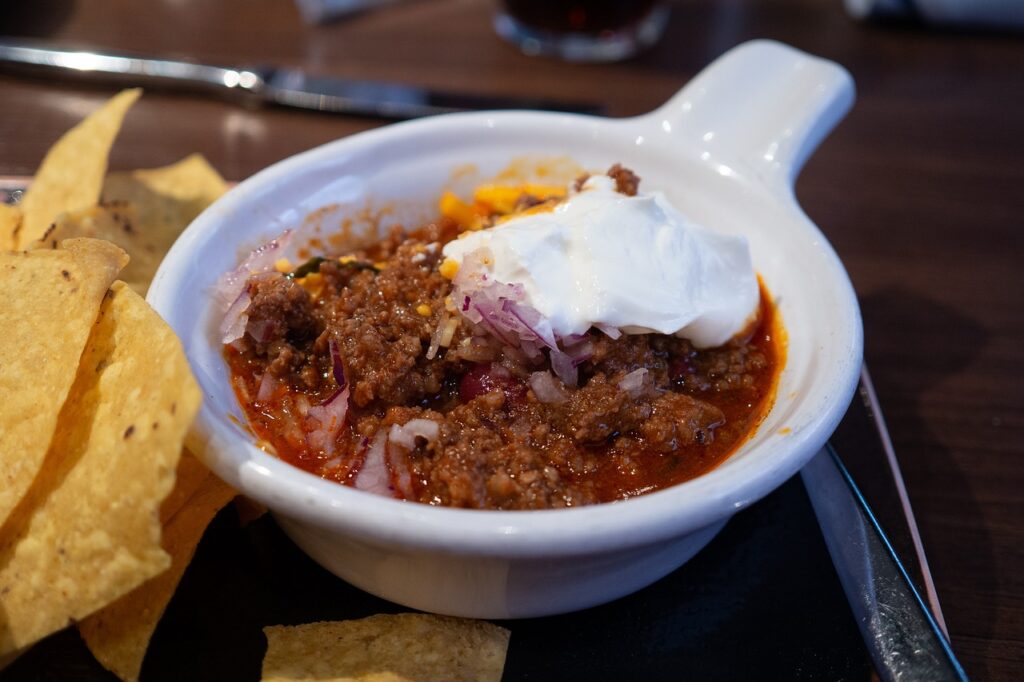
Chili seems like the perfect slow-cooker meal, but the time savings can be smaller than expected. A strong chili usually starts with active prep: chopping aromatics, blooming spices, and often browning beef for deeper flavor, because dumping everything in raw can taste flatter and less complex. Slow cookers also limit evaporation, so chili can finish thinner than desired unless a lid-off reduction. Beans and vegetables can also over-soften if cooked too long, losing bite. The bowl can still be good, yet the long simmer does not always beat a faster stovetop chili that builds flavor with better control.