10 Overrated Bakeries That Shine More on Social Media Than in Taste

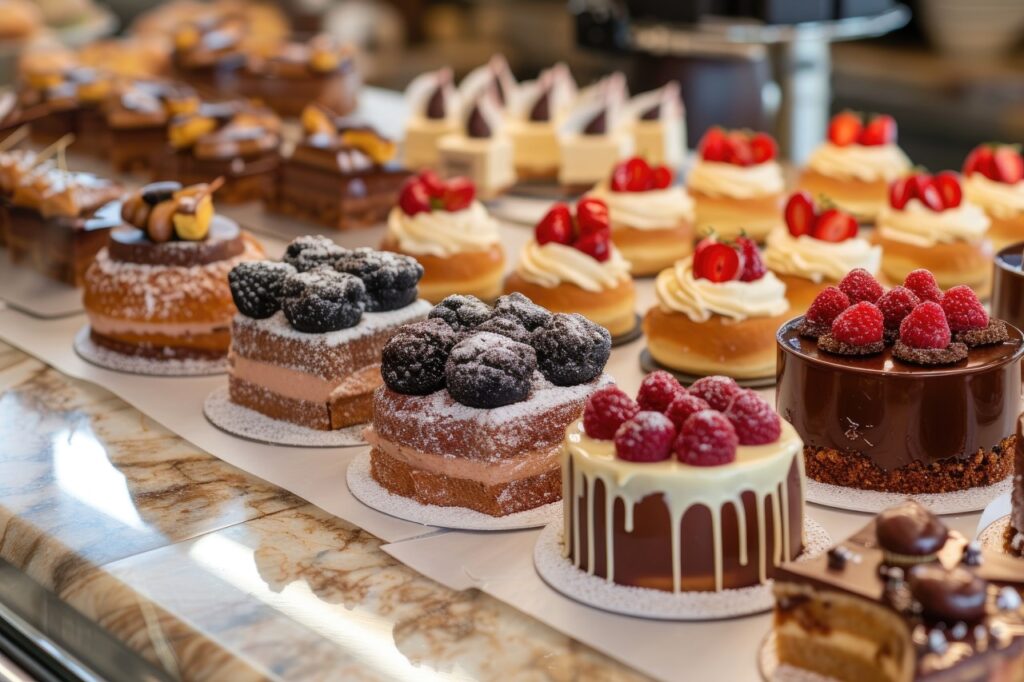
Some bakeries shine brightest through a screen, drawing crowds with beautiful displays, viral moments, and carefully crafted aesthetics. Photos promise indulgence, charm, and unforgettable flavor, but reality does not always live up to the image. In an age where presentation travels faster than taste, certain bakeries have built massive followings on looks, location, and buzz rather than baking depth. This list explores well-known spots where atmosphere and social appeal often outweigh balance, texture, and flavor. These bakeries are not failures, but they highlight how easily visual hype can outpace the actual eating experience when expectations are set by likes instead of taste.
1. Magnolia Bakery
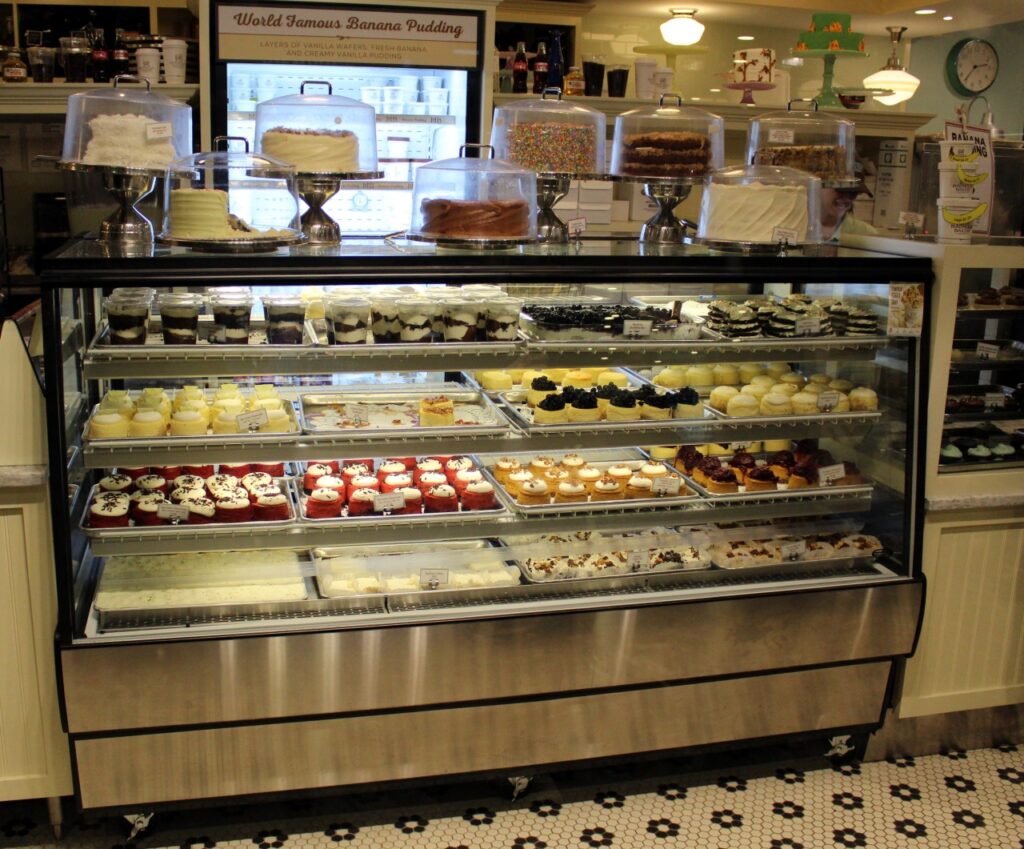
Magnolia Bakery became famous by mastering visual nostalgia rather than baking innovation. Its pastel interiors, vintage branding, and neatly frosted cupcakes photograph beautifully, which helped it spread rapidly across social media. In terms of taste, however, many customers find the cupcakes overly sweet with a crumb that leans dense rather than tender. Frostings are often heavy and sugary, designed to look generous but lacking balance. High volume production prioritizes consistency and appearance, which limits freshness and nuance. Magnolia succeeds as an experience and brand moment, but for many diners, the flavor payoff rarely matches the emotional buildup created online.
2. Dominique Ansel Bakery
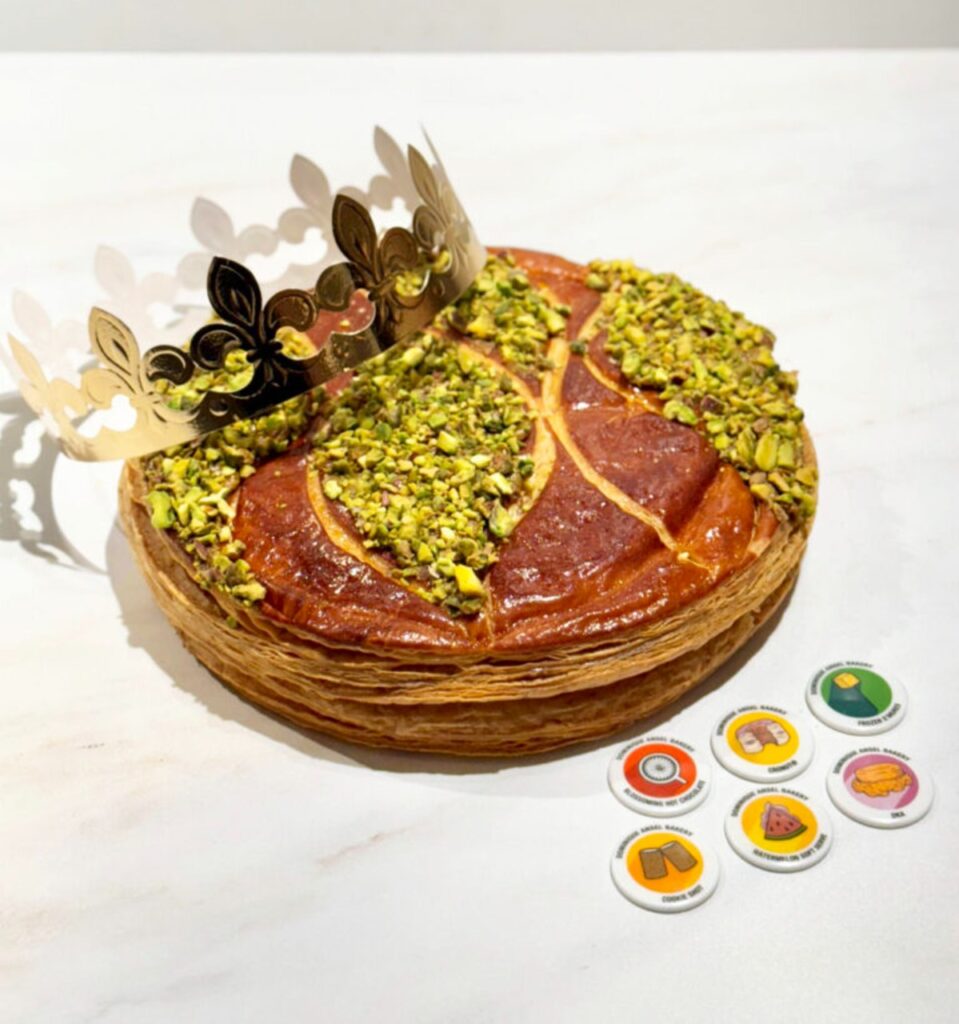
Dominique Ansel Bakery is built on the power of invention, most notably the Cronut, which became a global sensation almost overnight. The bakery excels at creating desserts that feel exclusive and visually intriguing, encouraging long lines and online sharing. While technically impressive, pastries prioritize concept over eating comfort. Layers can feel greasy, fillings overly sweet, and textures less refined than expected given the hype. Rotating creations often favor novelty mechanics instead of flavor clarity. Limited availability fuels demand but restricts consistency. The bakery shines as a creative lab, yet visitors innovation mattered more than how satisfying pastry.
3. Hummingbird Bakery
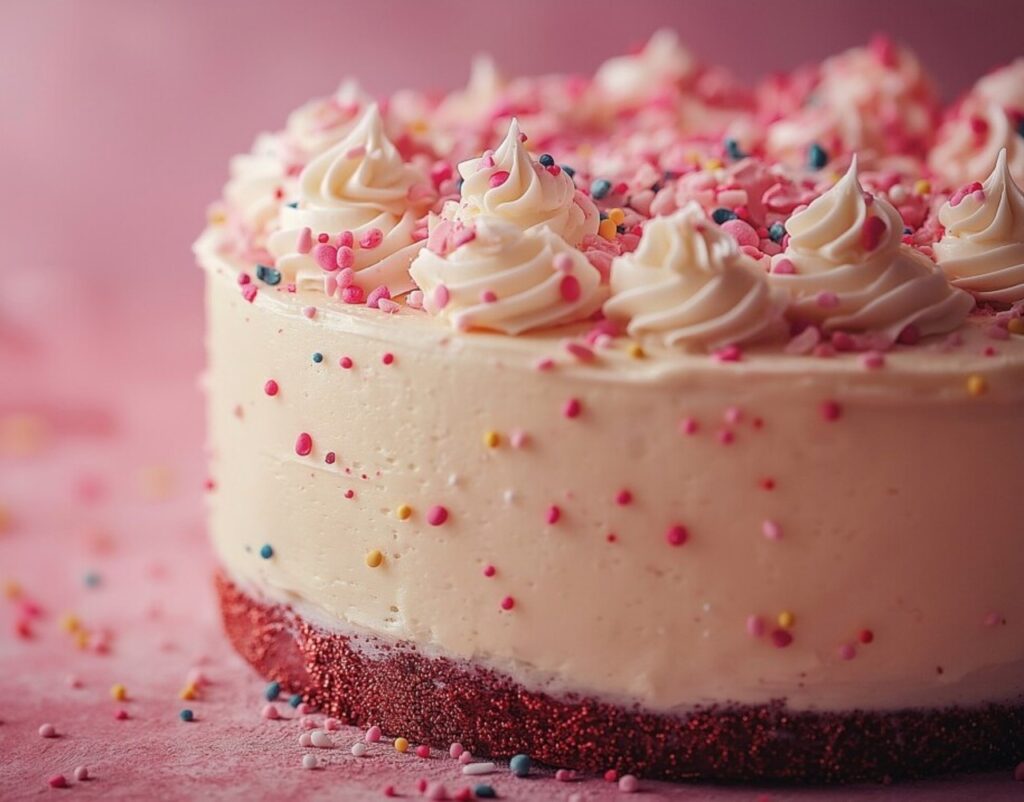
Hummingbird Bakery helped popularize American-style cupcakes and layer cakes in the UK, using bold colors and generous frosting to stand out. The bakery’s visual appeal is undeniable, with displays designed to catch attention instantly. In terms of flavor, however, desserts often lean heavily on sugar, resulting in cakes that feel rich but flat. Crumbs can be heavy, and frostings sometimes overpower the base cake rather than complement it. Recipes favor size and sweetness over balance, which limits repeat appeal for many customers. While it performs well as a cheerful, photo-friendly stop, Hummingbird’s baking style often leaves those seeking nuance and depth underwhelmed.
4. Bouchon Bakery
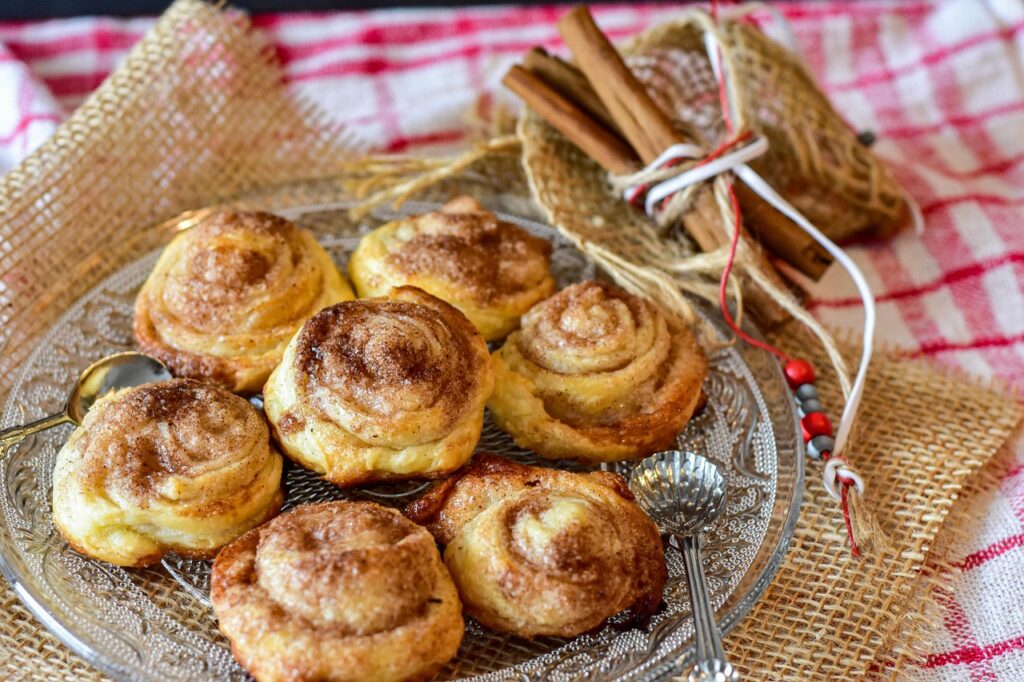
Bouchon Bakery benefits from its association with fine dining excellence, which immediately raises expectations. Visually, its pastries are precise and elegant, reflecting classic French technique. In practice, many customers find the flavors restrained to the point of feeling muted. Pastries emphasize structure and appearance, sometimes at the expense of richness or contrast. High foot traffic and production volume can also affect freshness. While technically sound, the baking often feels cautious, avoiding boldness in favor of uniformity. For visitors expecting indulgence equal to the reputation, the experience can feel more polished than pleasurable.
5. Milk Bar
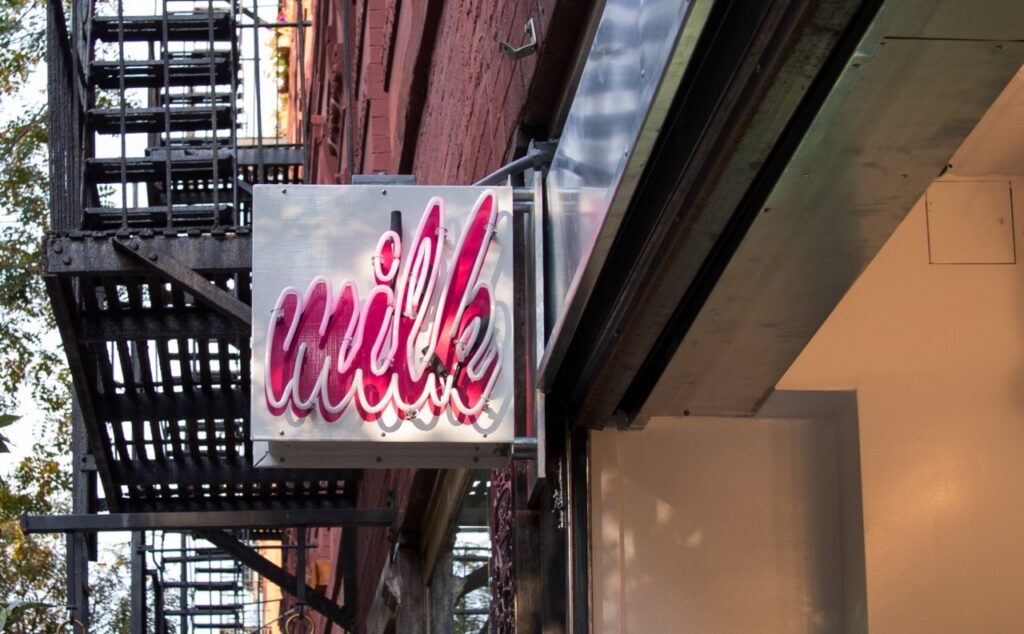
Milk Bar built its brand on playful nostalgia, combining cereal milk, sprinkles, and layered desserts designed for maximum visual impact. The aesthetic is loud, colorful, and instantly recognizable online. Flavor-wise, many desserts rely heavily on sugar, salt, and texture contrasts rather than balance. Cakes can feel messy to eat, and sweetness often overwhelms subtlety. The bakery’s recipes are engineered for effect, not restraint, which limits appeal beyond first impressions. Milk Bar excels at creating viral desserts and strong branding, but frequent criticism centers on taste fatigue rather than craving-driven return visits.
6. Pink Sugar Bakery

Pink Sugar Bakery thrives in a city where visual presentation drives popularity. Its cakes are tall, colorful, and heavily decorated, making them ideal for photos and celebrations. Taste, however, is often secondary to structure and decoration. Reviews frequently mention dryness, thick fondant layers, and overly sweet fillings. The focus on customization and appearance can limit attention to baking fundamentals. While the cakes succeed as centerpieces, many customers report that flavor does not match the visual promise. Pink Sugar functions more as a design studio than a bakery focused on eating pleasure.
7. Peggy Porschen Cakes
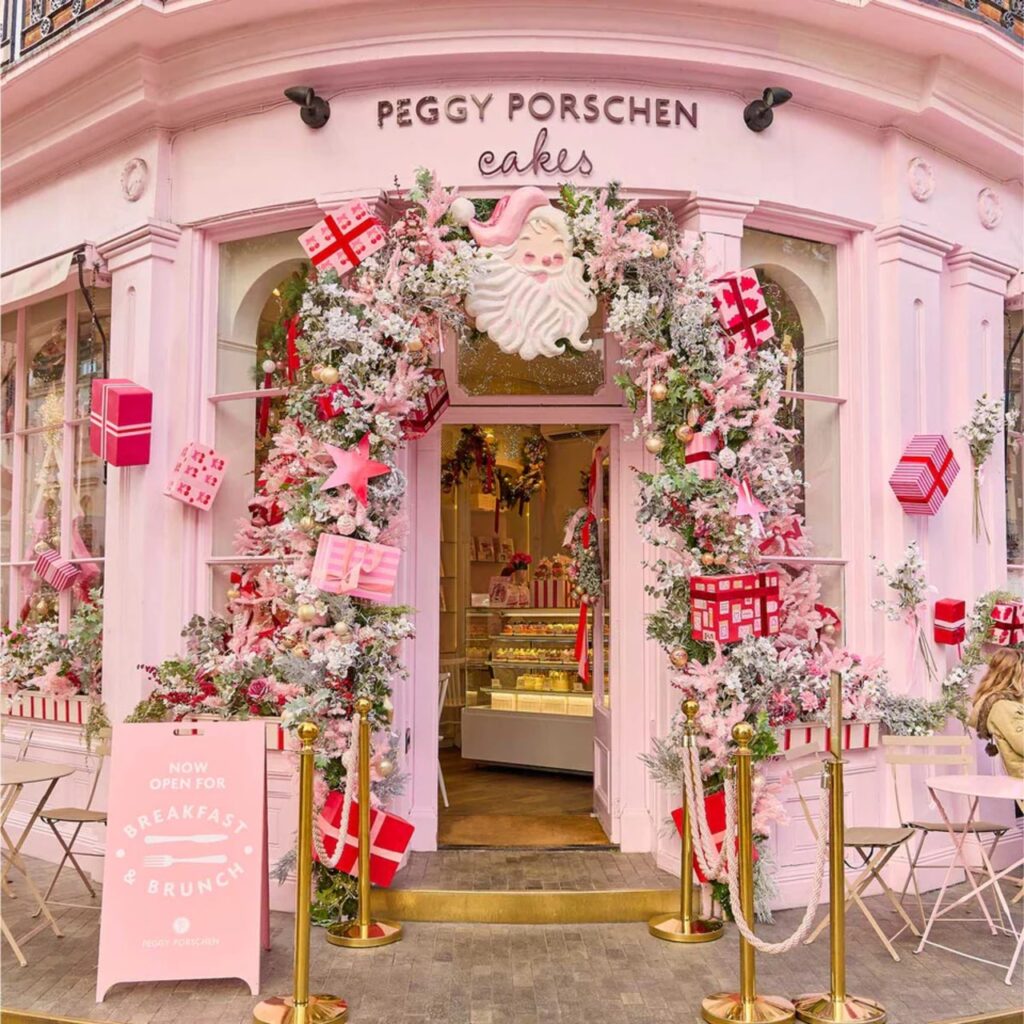
Peggy Porschen Cakes is as much a destination backdrop as it is a bakery. Floral exteriors and pastel interiors attract constant attention, especially from visitors seeking photos. The pastries themselves are neat and attractive, but flavor often takes a back seat. Cakes tend to be sweet with mild fillings that lack contrast. Texture can feel uniform, offering little complexity beyond appearance. The business excels at atmosphere and branding, but many customers find the desserts memorable mainly for how they look, not how they taste. For many visitors, the highlight is the setting rather than the satisfaction of the pastry itself.
8. Sprinkles Cupcakes
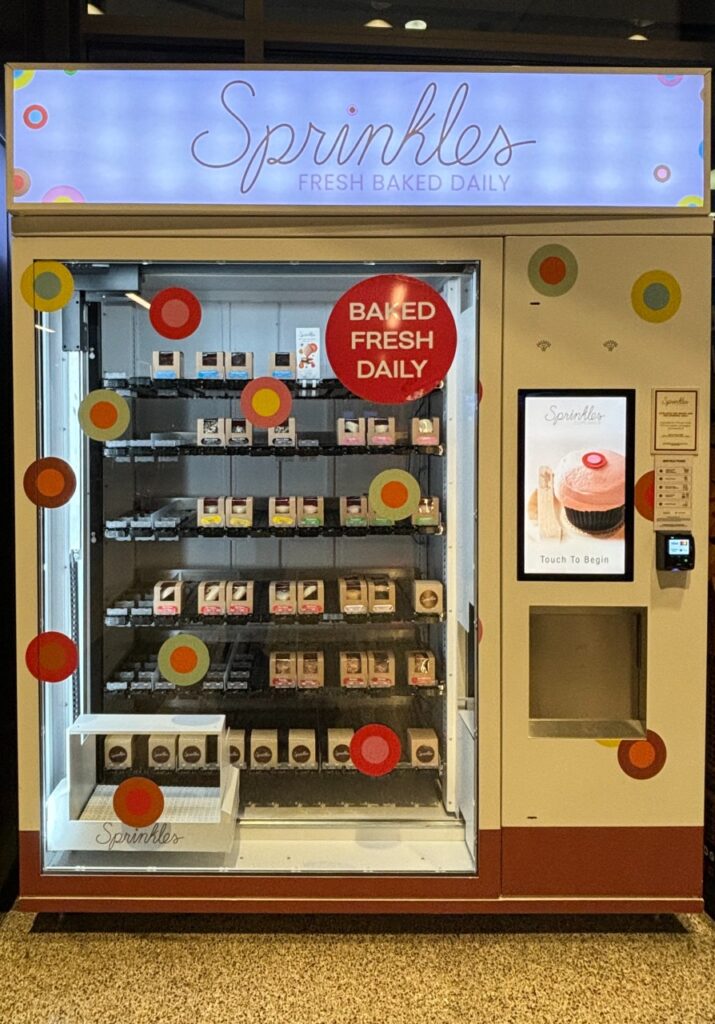
Sprinkles Cupcakes gained fame through novelty, especially its cupcake ATM, which reinforced convenience and visual appeal. The cupcakes are uniform and attractive, designed for scale and consistency. In taste, however, many find them dense with frosting that overwhelms the cake. Flavors rarely evolve beyond basic profiles, and freshness can vary depending on timing. Sprinkles succeeds as a reliable brand experience, but its baking often feels engineered for efficiency rather than indulgence, leaving some customers unsatisfied once the novelty fades. The concept draws curiosity, but the flavor rarely creates a lasting reason to return.
9. Violet Bakery
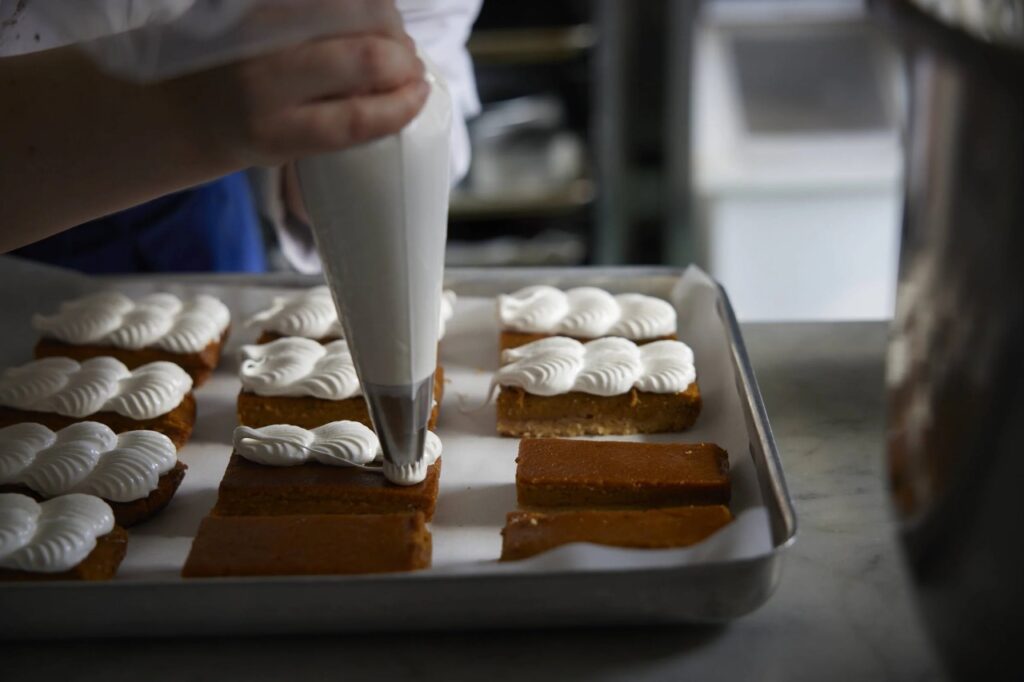
Violet Bakery presents itself as understated and refined, which appeals strongly on social media. Cakes and pastries are styled to look minimalist and elegant. In practice, flavors can feel subtle to the point of blandness, lacking the richness many expect. Portions are modest, and sweetness is restrained, which some appreciate, but others find disappointing. The bakery emphasizes aesthetics and mood, but the eating experience often feels quieter than the visual promise suggests. Many visitors describe the pastries as pleasant but forgettable once the photo moment passes. The focus on restraint can leave customers wanting more depth and contrast in flavor.
10. Café du Monde
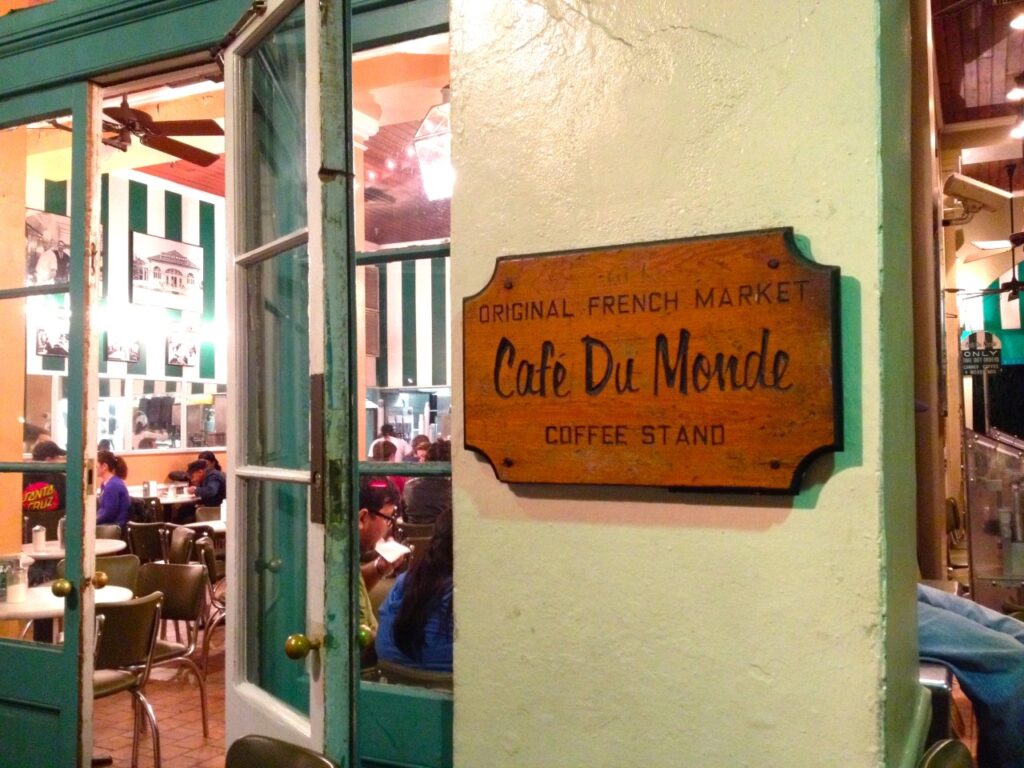
Café du Monde is famous for atmosphere, history, and ritual rather than baking complexity. Its beignets are simple, fried dough covered in powdered sugar, designed for immediate enjoyment. While pleasant, the flavor is basic and repetitive, relying on freshness rather than technique. Long lines and crowded seating elevate expectations that the food itself cannot fully meet. Café du Monde thrives as a cultural landmark, but for many visitors, the experience matters far more than the taste itself. The beignets rarely change, which reinforces tradition but limits culinary interest. For first-time visitors, the memory often centers on the setting rather than the flavor.