11 Retro Cream Desserts That Still Win Hearts

Retro cream desserts carry a kind of comfort that modern sweets rarely replicate. They were built during a time when desserts were meant to soothe, stretch ingredients, and bring people together around the table. Milk, eggs, sugar, and patience did most of the work, resulting in textures that were soft, steady, and deeply familiar. These desserts were not designed to impress with decoration but to satisfy through consistency and care. Over the years, trends shifted toward lighter, flashier treats, yet these classics never truly disappeared. They remained tucked into family recipes and holiday traditions, passed down because they work.
1. Banana Pudding
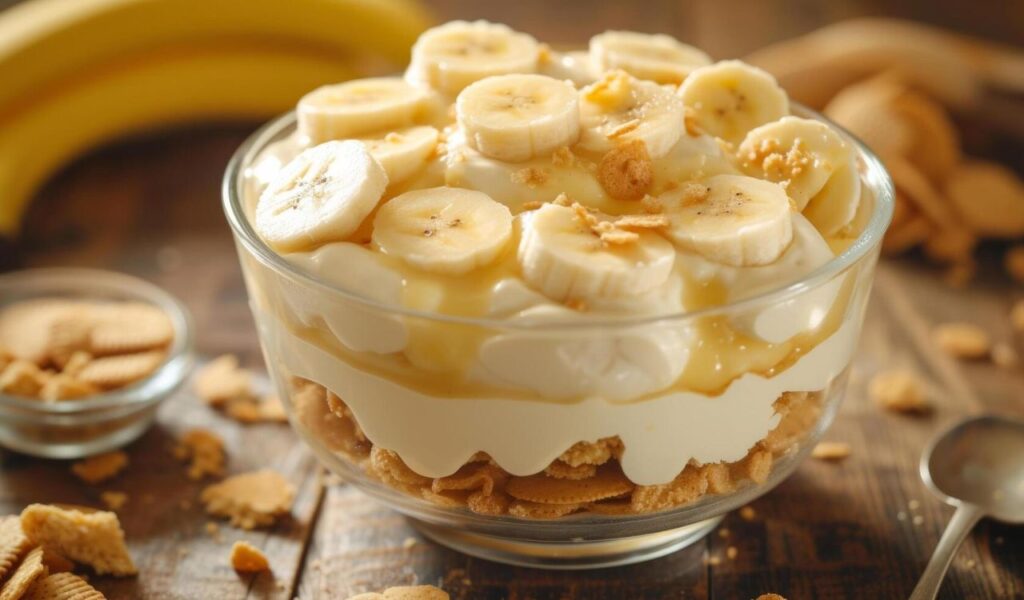
Banana pudding remains one of the most beloved retro cream desserts because it balances softness, sweetness, and familiarity in a way few desserts can. At its core, it is built from simple layers of vanilla pudding, sliced ripe bananas, and cookies, traditionally vanilla wafers. The magic happens as the dessert rests. The cookies soften, absorbing moisture from the pudding, while the bananas release natural sweetness that deepens the overall flavor. Texture plays a major role in its appeal, with creamy pudding contrasting against tender fruit and cake-like layers. Banana pudding was never meant to be fancy. It was designed to be shared, scooped generously, and served cold.
2. Rice Pudding
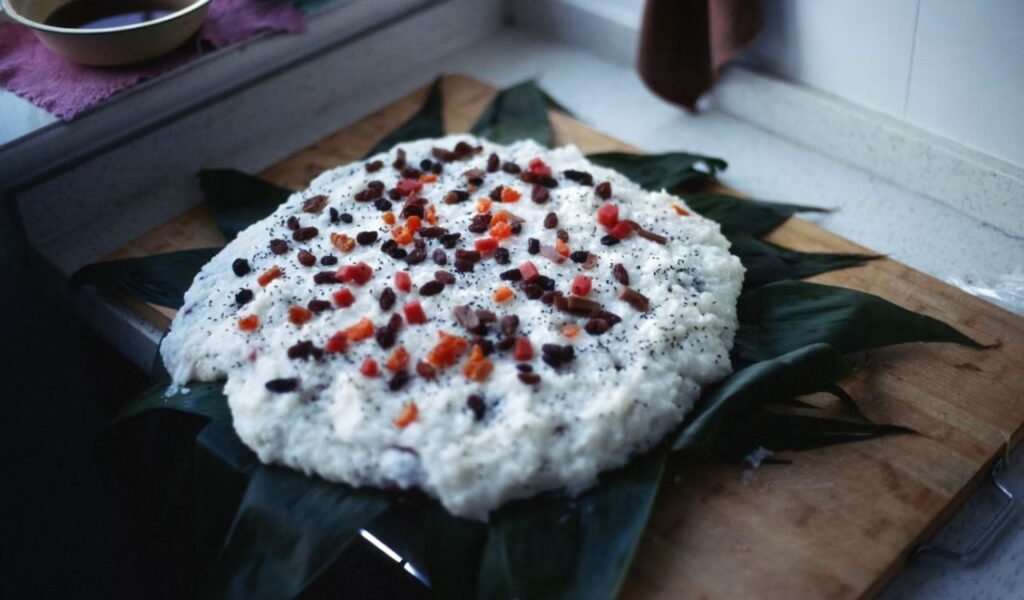
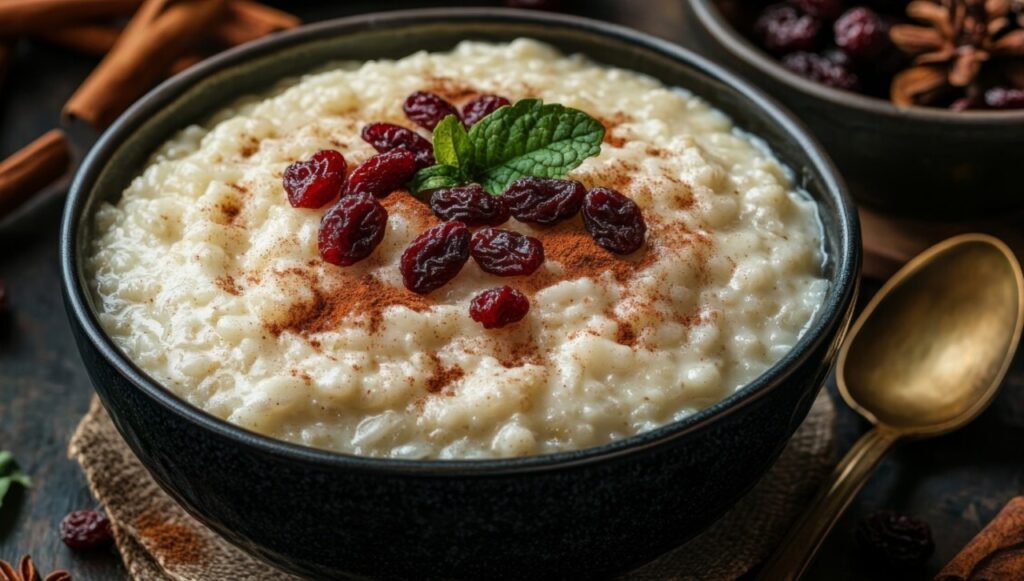
Rice pudding is built on patience rather than precision. Slowly simmered rice releases starch into milk, creating a naturally thick and creamy texture without the need for heavy thickeners. The flavor is mild and comforting, allowing ingredients like cinnamon, vanilla, or nutmeg to gently shape the final taste. This dessert became popular because it stretched ingredients and transformed leftovers into something warm and satisfying. Over time, it earned a place as a soothing, everyday treat. Rice pudding appeals because it is not overwhelming. It feels nourishing, soft, and steady. The gentle sweetness and creamy consistency make it especially appealing across age groups.
3. Bread Pudding with Vanilla Sauce
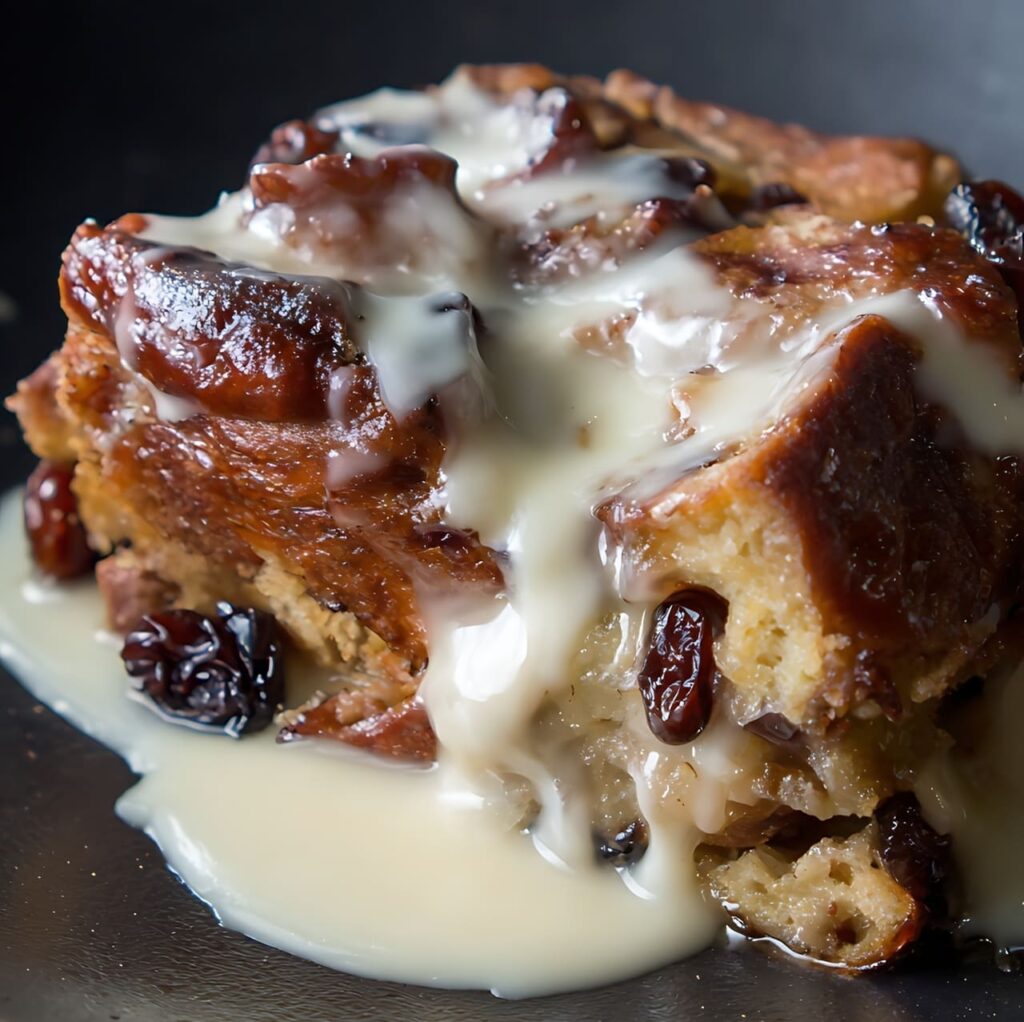
Bread pudding with vanilla sauce exists because nothing was meant to go to waste. Stale bread was soaked in milk, eggs, and sugar, then baked until custardy. Dry bread becomes soft and rich, absorbing flavor while holding structure. The vanilla sauce adds warmth and creaminess, turning the dish from practical to indulgent. Bread pudding became popular because it fed many people easily and could be adapted with spices or dried fruit, depending on what was available. Its appeal today comes from texture. It is soft without being mushy and rich without being heavy. It feels generous and comforting without ever being excessive.
4. Tapioca Pudding
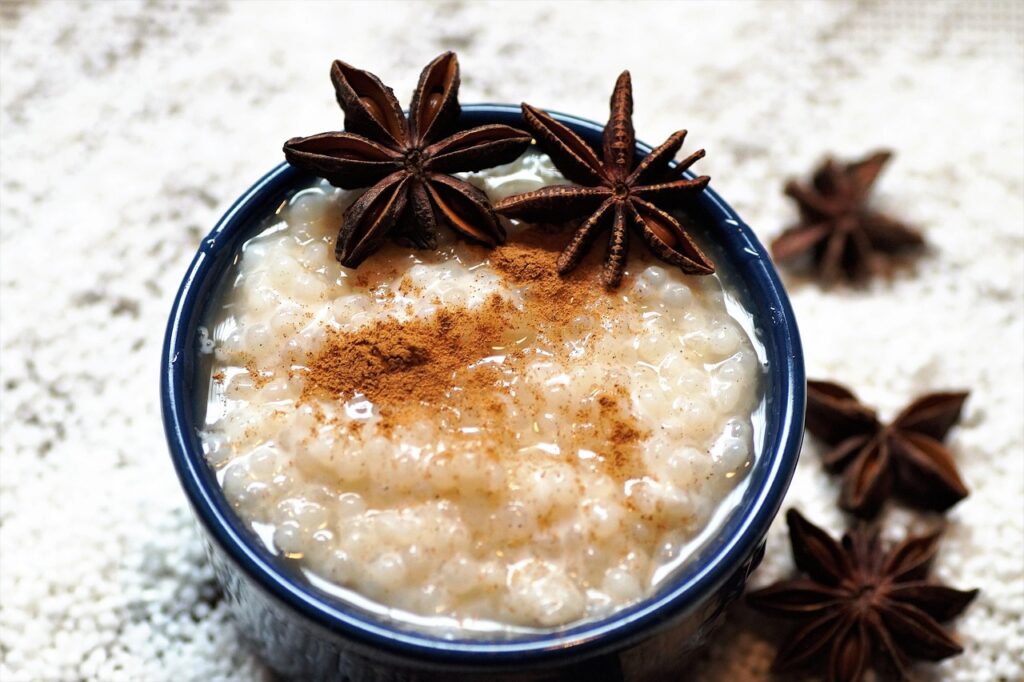
Tapioca pudding stands out for its texture. Small tapioca pearls swell during cooking, becoming translucent and gently chewy. Suspended in milk, they create a dessert that is creamy but never smooth. This texture once felt novel and exciting, especially when many desserts relied on eggs or flour for structure. Tapioca pudding gained popularity because it used shelf-stable ingredients and required little skill. Its sweetness is restrained, allowing milk and vanilla to remain the primary flavors. Over time, its reputation became polarizing, but those who love it appreciate its rhythm and consistency. Each spoonful feels deliberate and calming.
5. Bavarian Cream
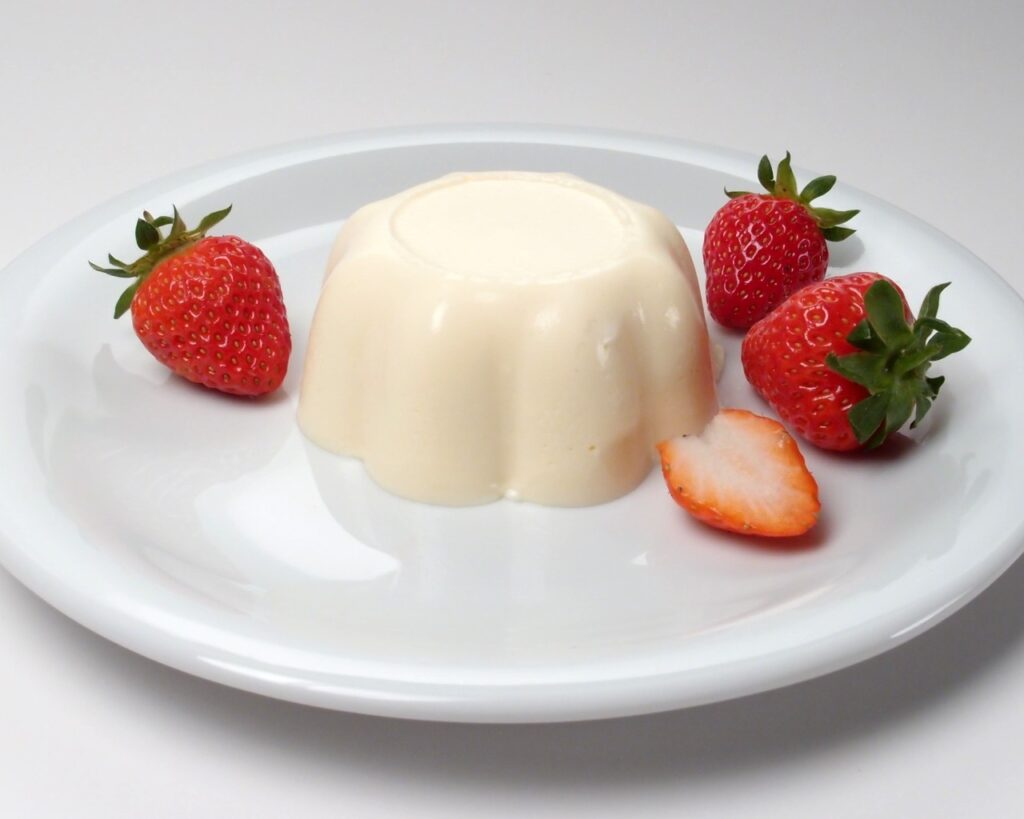
Bavarian cream represents a more refined chapter of retro desserts. Made from custard lightened with whipped cream and stabilized with gelatin, it delivers richness without heaviness. The texture is smooth and airy, often molded into elegant shapes or layered with fruit. Bavarian cream became popular when molded desserts were considered sophisticated, especially for dinner parties. Its appeal lies in balance. The custard provides depth, while whipped cream softens the structure. Unlike heavier puddings, Bavarian cream melts on the tongue. Even today, it feels special without being complicated.
6. Butterscotch Pudding
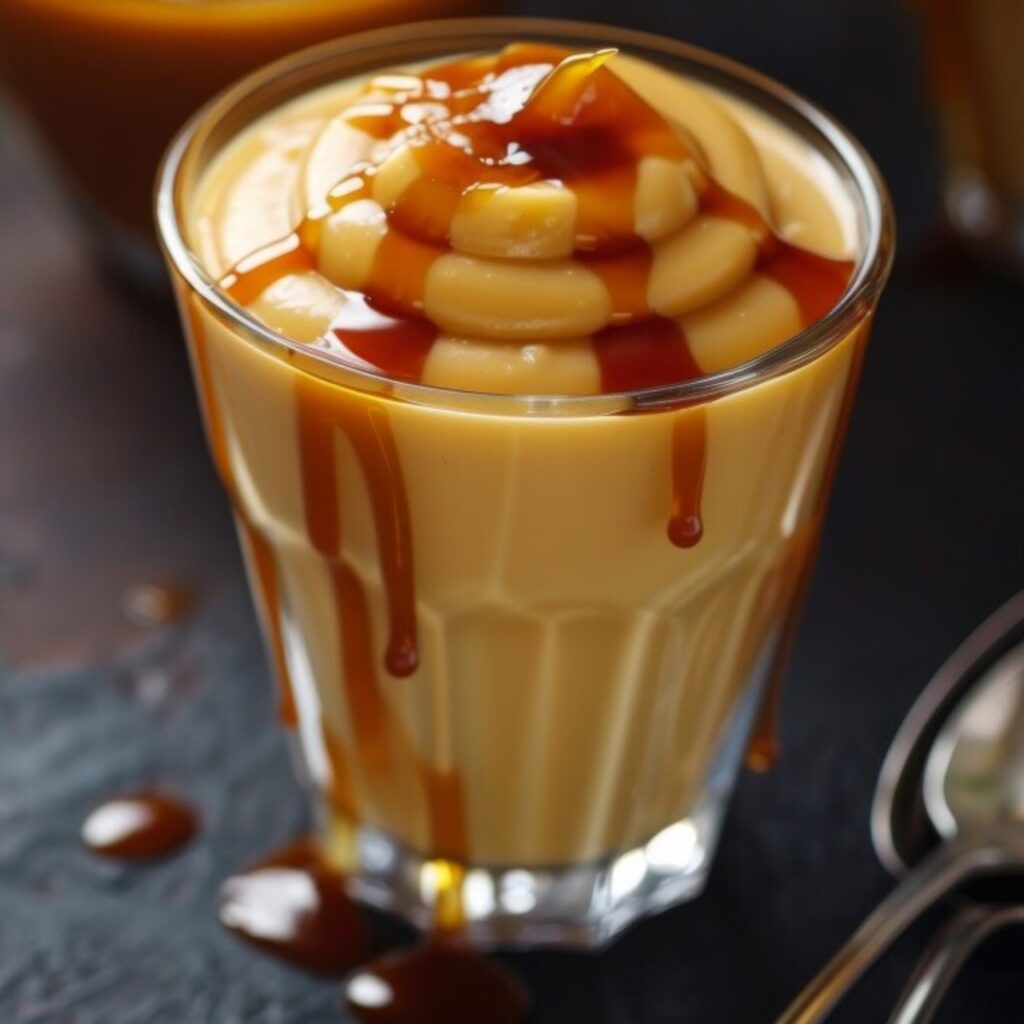
Butterscotch pudding is defined by depth. Brown sugar and butter are cooked together to create a caramelized flavor before milk is added. This process gives the pudding warmth and complexity that vanilla-based desserts lack. The texture is smooth and silky, coating the palate without feeling dense. Butterscotch pudding became popular because it felt indulgent while using pantry staples. Its flavor suggests richness without bitterness, making it appealing across generations. The dessert still wins hearts because its flavor feels comforting and familiar, offering sweetness that lingers gently rather than overwhelming.
7. Classic Custard
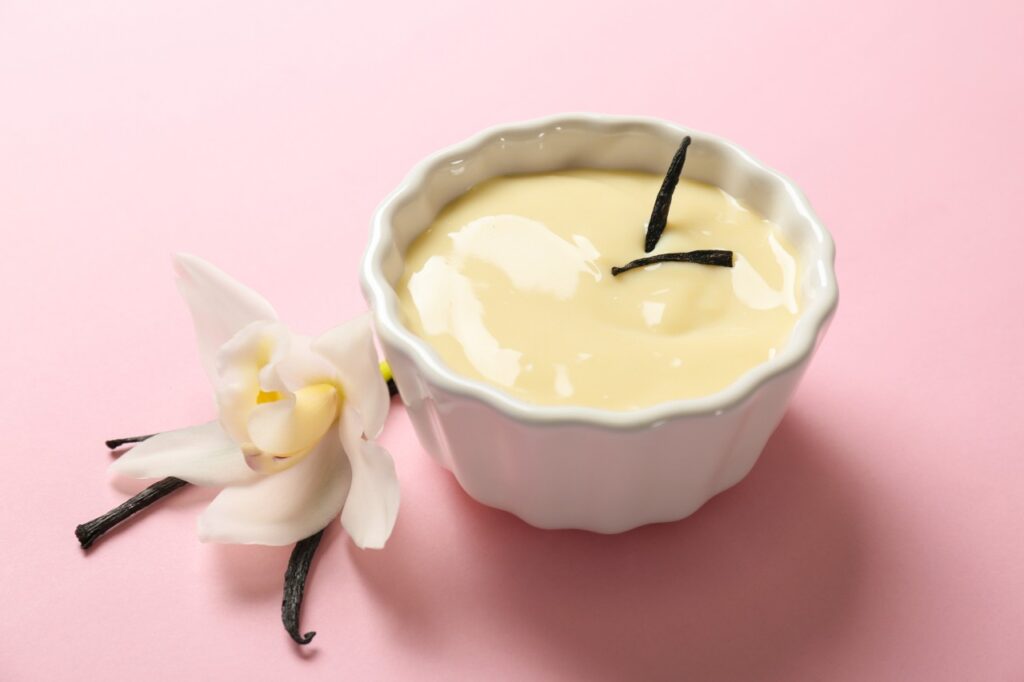
Classic custard is the foundation of many cream desserts. Made from milk, eggs, and sugar, it relies on careful heat control rather than additives. When cooked properly, it sets softly and holds its shape while remaining smooth. Custard became popular because it felt luxurious even in small portions. Its flavor is subtle, allowing vanilla or nutmeg to add warmth without distraction. Over time, custard earned a reputation as a benchmark dessert, one that reveals skill through restraint. Its lasting appeal comes from texture. It is firm yet delicate, rich yet light. Custard proves that mastery of basics often produces the most enduring results.
8. Ambrosia Salad
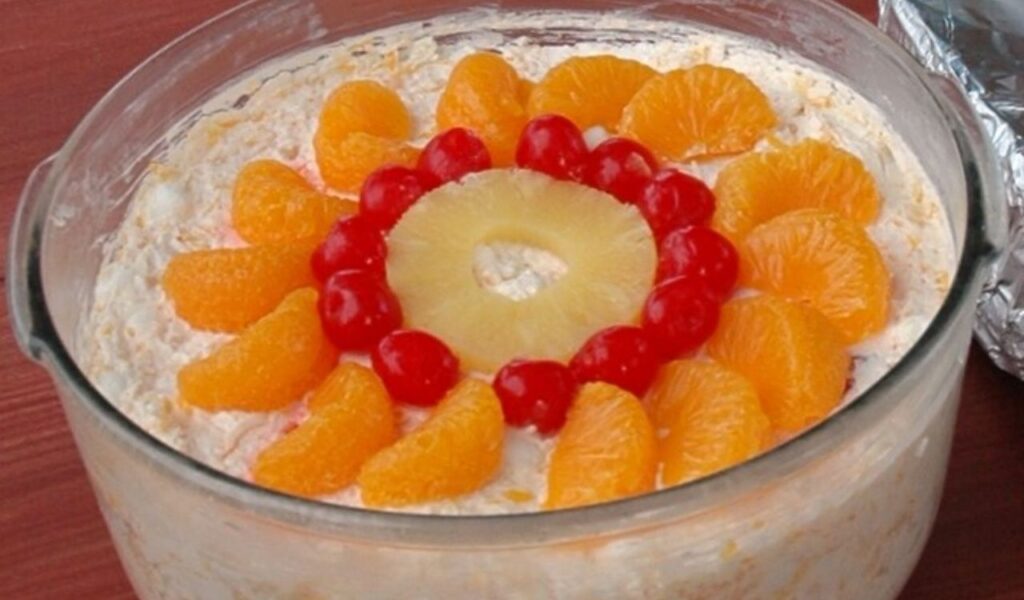
Ambrosia salad reflects a playful era of dessert-making. Fruit, coconut, and whipped cream were combined to create something sweet, colorful, and easy to serve. It became popular at gatherings because it required no baking and fed many people quickly. The cream binds the fruit together, while coconut adds chew and texture. Ambrosia salad is unapologetically nostalgic, rooted in convenience and celebration. While modern tastes may view it as simple, its charm lies in that simplicity. It represents a time when desserts were meant to be fun and communal rather than refined. Its continued presence at family gatherings shows how memory can preserve a dish long after trends change.
9. Cream Pies
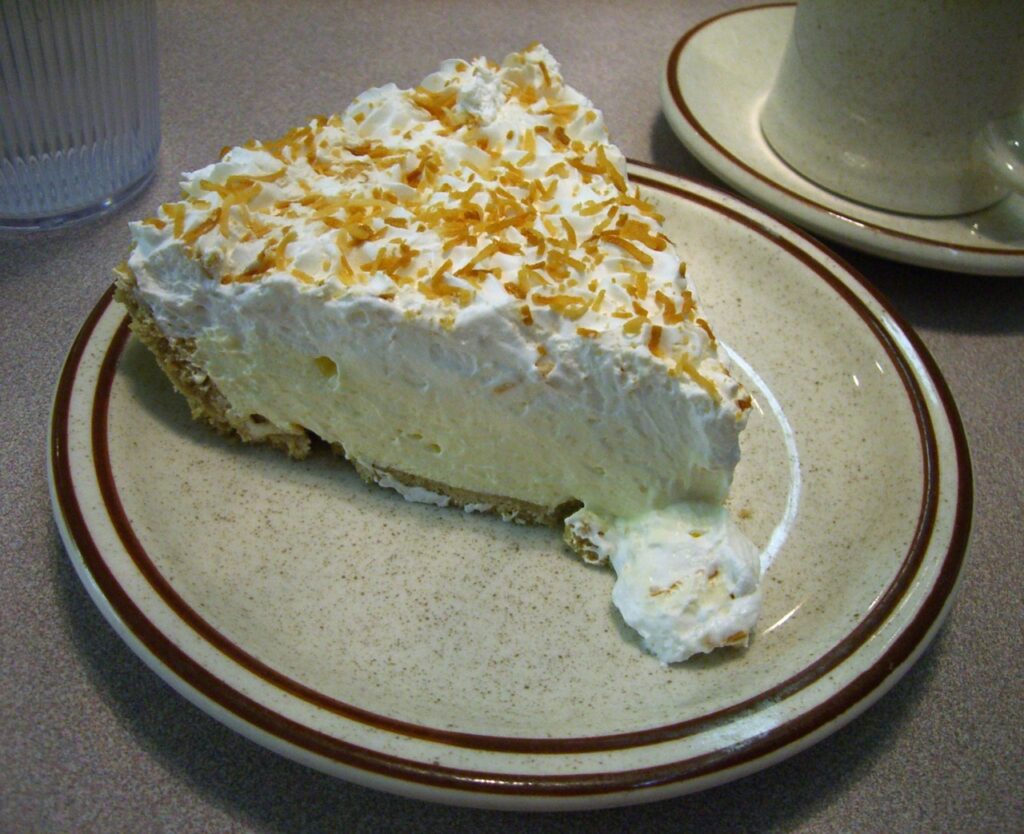
Cream pies hold a special place among retro desserts because they combine structure and softness. A flaky crust supports a smooth, creamy filling, often topped with whipped cream. Popular flavors like coconut, banana, and chocolate became staples because they balanced sweetness and richness. Cream pies were often reserved for special occasions, making them feel celebratory. Their appeal lies in contrast. Crisp crust meets soft filling, while chilled cream keeps each bite light. Even today, cream pies feel generous and satisfying without being overly complex. They endure because they deliver comfort in a form that feels both familiar and complete.
10. Floating Island
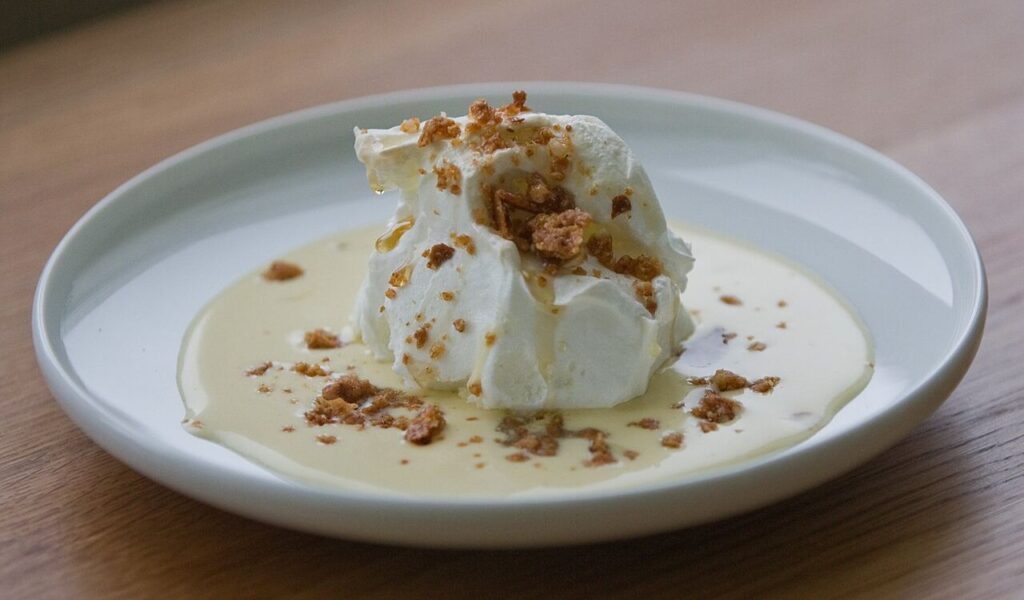
A floating island is built on contrast. Soft meringue is poached gently, then placed atop a pool of custard. The result is a dessert that feels light and creamy at the same time. The floating island gained popularity because it showcased a technique while using basic ingredients. The meringue provides airiness, while the custard grounds the dessert in richness. Each bite alternates between cloud-like softness and smooth cream. Though less common today, its appeal remains strong because it feels theatrical without being heavy. A floating island represents a moment when desserts were designed to surprise gently rather than impress loudly.
11. Junket Pudding
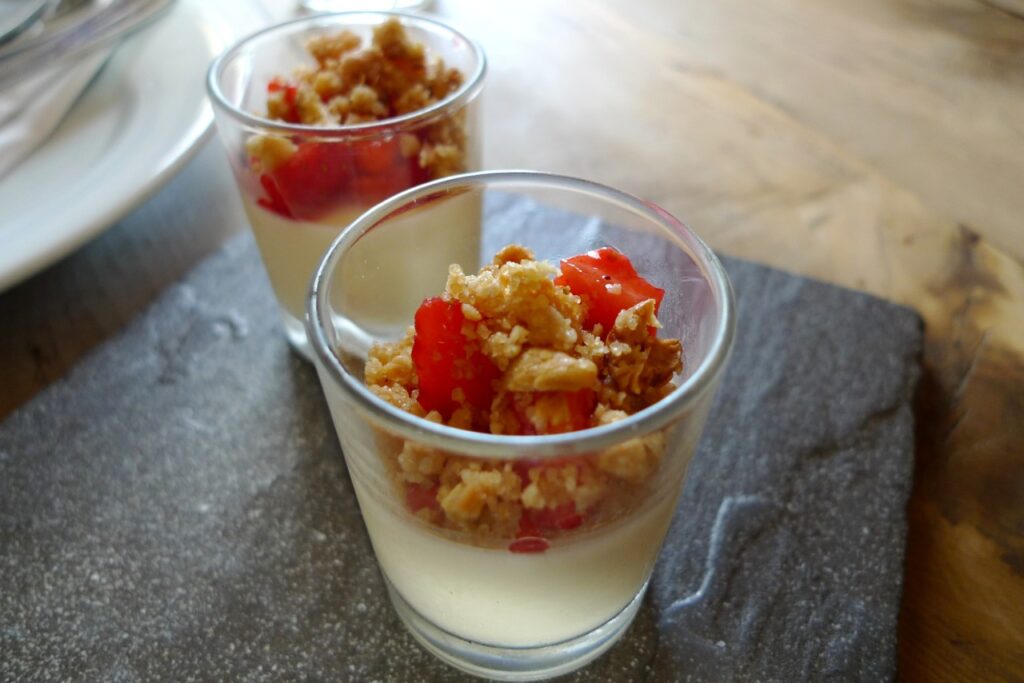
Junket pudding is one of the most understated retro cream desserts. Made using rennet to gently set milk, it creates a delicate, barely firm texture that sits between liquid and custard. It was popular because it required minimal ingredients and effort. The flavor is clean and milky, often lightly sweetened. Junket pudding appealed especially to children and those who preferred mild desserts. Its disappearance from mainstream cooking reflects changing tastes rather than lack of merit. The dessert still wins quiet loyalty because of its simplicity. Junket pudding reminds us that softness and subtlety once defined comfort just as much as richness does today.