The Simple Greek Trick That Makes Salad Dressing Taste Restaurant Worthy

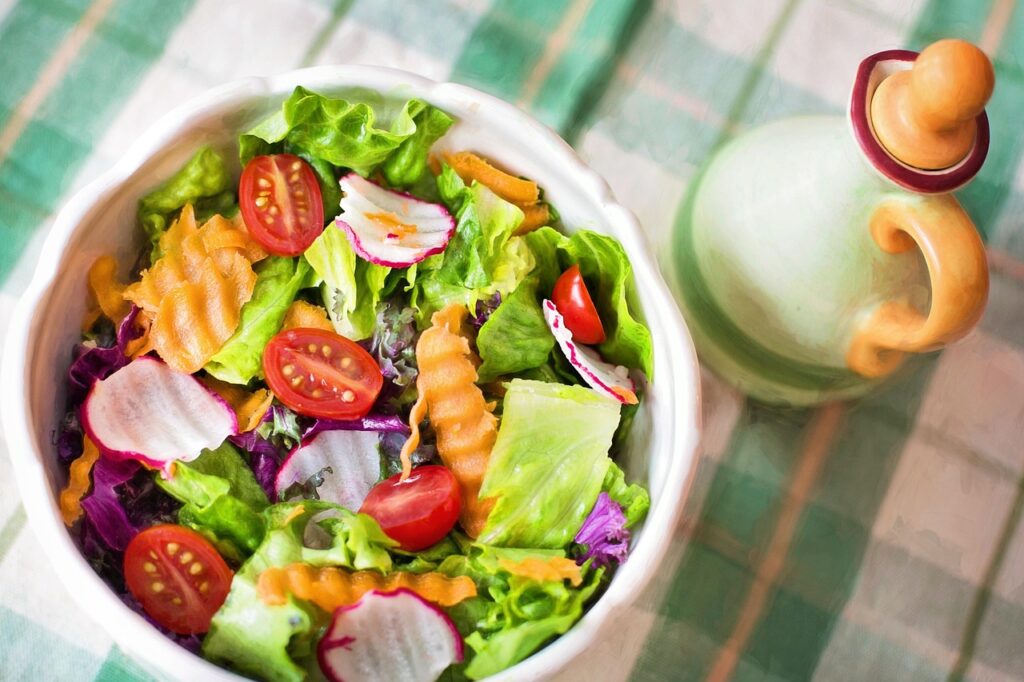
There’s one small technique many home cooks miss that instantly elevates homemade salad dressing into something that tastes as if it came from a restaurant kitchen. Instead of adding raw garlic directly into your vinaigrette, gently warming the garlic in olive oil first transforms its flavor and smooths its harsh edge. In many Greek and Mediterranean kitchens, this approach is used not because raw garlic is bad but because dressing infused with warmed garlic develops a sweeter, more aromatic depth that melds beautifully with acids such as vinegar and lemon juice. When you warm garlic on low heat, the pungent, peppery raw bite softens into a mellow, rich note that elevates every ingredient it touches.
This trick doesn’t require changing your favorite dressing ratios or adding fancy new ingredients. You simply take a few seconds to warm minced, sliced, or whole garlic gently in good-quality olive oil until it becomes fragrant without browning. Then, cool the oil slightly and whisk it into your dressing along with vinegar, mustard, herbs, and seasoning. The result is a dressing that feels more balanced, more rounded, and more nuanced than one made with raw garlic. Many home cooks who try this method for the first time remark that it adds a level of sophistication that rivals restaurant dressings while still keeping the process simple and approachable.
Why Restaurants Use This Technique
Chefs aren’t shy about implementing small techniques that make a big difference in flavor, and the warm-garlic approach is a perfect example. Restaurants often build flavors by layering and tempering ingredients so that no single element overwhelms the rest. Raw garlic, with its sharp intensity and lingering bite, can dominate a dressing rather than enhance it. By contrast, warming garlic in oil invites its sweetness and aromatic qualities to shine without shouting over the rest of the ingredients. This gentle preparation reduces harsh sulfur notes that can clash with vinegar. It also allows garlic to behave more like a background flavor than a focal point. The result is a dressing that feels cohesive rather than aggressive.
This method also helps integrate garlic more evenly into the dressing rather than leaving bursts of raw pungency on the palate. In a restaurant setting, consistency matters, and warming garlic ensures each batch of dressing tastes smooth and balanced. Guests may not know exactly why the dressing tastes so good, but they recognize a well-rounded flavor profile when they experience it. This is why even simple dressings in professional kitchens can feel more refined than those made at home without this technique. Uniform flavor distribution reduces surprises from bite to bite. It also improves how the dressing coats greens evenly. These small details quietly elevate the final dish.
Ingredients That Work Best
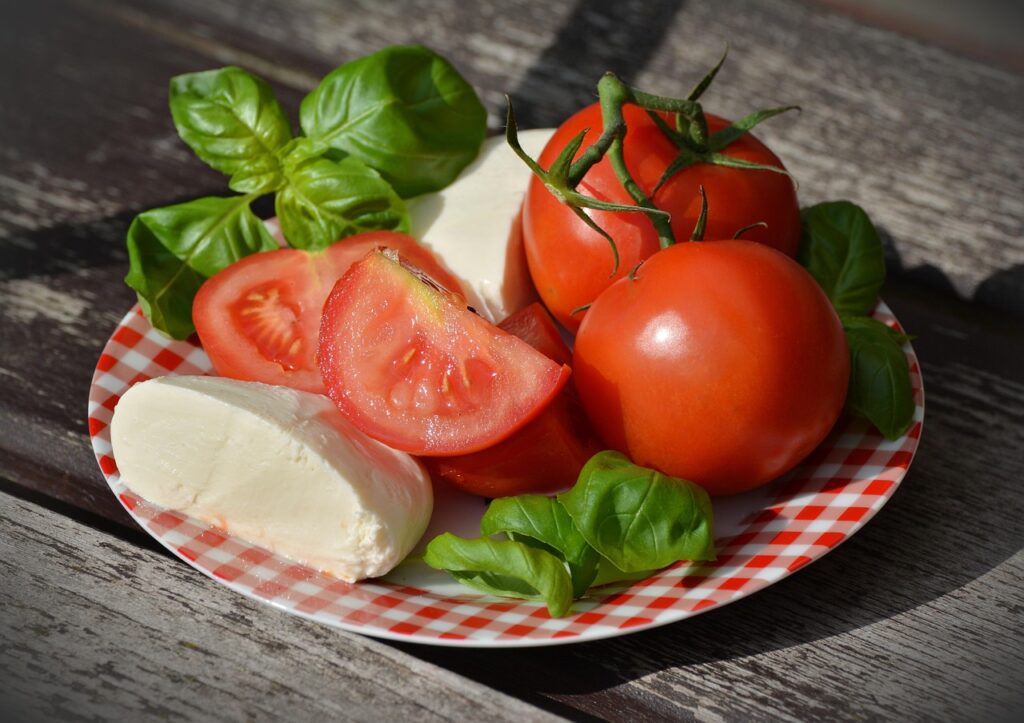
At the heart of this Greek trick is extra-virgin olive oil, the foundational fat that carries and amplifies flavor. Good quality olive oil adds richness and body while capturing garlic’s softened sweetness without burning or becoming bitter. Paired with red wine vinegar or a splash of lemon juice, the result is a classic Mediterranean balance of acid and fat that lifts greens and vegetables alike. Garlic warmed in oil is just the starting point; the rest of the dressing is built with ingredients that complement and enhance that base. Oil quality directly affects mouthfeel and aroma. Fresh oil produces a cleaner, rounder finish. Stale oil can dull even well-balanced seasoning.
Red wine vinegar adds lively acidity, while a touch of Dijon mustard encourages emulsification so that the oil and vinegar marry into a cohesive dressing. Dried oregano and a pinch of salt, and pepper are traditional Greek additions that bring aromatic earthiness and seasoning harmony. Fresh lemon juice can lend brightness that cuts through the weight of oil and gives a citrusy zing to every bite. Together, these elements form a flavor profile that is simple at its core yet remarkably versatile. Each ingredient serves a functional purpose rather than decoration. Balance depends on restraint rather than quantity. When combined thoughtfully, nothing competes for attention.
How to Emulsify Like a Pro
An emulsion is what turns a simple combination of oil and vinegar into a smooth, unified dressing instead of two layers that separate quickly. Professional kitchens rely on emulsification to give dressing body and ensure it clings beautifully to salad leaves. Acid and mild emulsifiers like mustard help create this bond by suspending tiny oil droplets evenly throughout the liquid. This structure improves texture and mouthfeel. It also ensures flavor is delivered consistently. Without emulsification, seasoning settles unevenly. Proper emulsification improves visual appeal as well as taste. A stable mixture signals care and technique.
To emulsify successfully, start by combining vinegar, mustard, warm garlic oil, and seasonings before slowly incorporating the remaining olive oil. Whisk vigorously or shake in a sealed jar until the mixture appears smooth and slightly thickened. An immersion blender or small countertop blender can make the process even easier, producing a more stable emulsion that holds together longer. The goal is cohesion, not creaminess, so the dressing coats rather than drowns the salad. Overmixing can introduce excess air. Undermixing leads to separation. Consistent motion matters more than force. Visual cues are often more reliable than timing.
Step-by-Step Making Tips
Begin by warming olive oil gently with prepared garlic over low heat. Once the garlic becomes fragrant and lightly softened, remove it from the heat and allow the oil to cool slightly. Combine your acid, mustard, herbs, and seasonings in a bowl or jar. Slowly add the garlic-infused oil while whisking or shaking continuously to build a smooth, balanced dressing. Heat should never be high enough to brown garlic. Gentle warmth preserves sweetness. Cooling slightly prevents separation during mixing. Patience during this step improves the final balance. Rushing risks bitterness. Controlled heat keeps flavors rounded rather than sharp. This stage sets the tone for the entire dressing.
Avoid adding oil too quickly, as this can prevent proper emulsification. Taste as you go and adjust acidity, salt, or herbs gradually. A well-made dressing should taste lively but smooth, with no harsh edges. This method relies on patience rather than precision, and the extra attention results in a dressing that feels intentional and polished. Small adjustments make a noticeable difference. Rushing often leads to imbalance. Time spent tasting improves consistency. Refinement happens through repetition. Confidence grows with practice. Familiarity helps recognize balance instinctively. Experience reduces reliance on exact measurements.
Common Mistakes to Avoid
One frequent mistake is adding raw garlic directly to a cold dressing, which can create an overpowering and lingering sharpness. Warming garlic in oil softens its intensity and allows it to blend more harmoniously with acidic ingredients. Another common error is throwing oil and vinegar together all at once, which often leads to separation and uneven flavor distribution. These shortcuts compromise texture. They also reduce flavor control. Technique matters more than ingredient quantity. Order affects outcome. Small missteps compound quickly. Consistency suffers when steps are skipped. Precision prevents these avoidable flaws.
Under-seasoning is another issue that can leave dressing flat and dull. Salt, pepper, and herbs need to be properly balanced to enhance fresh produce rather than mask it. Skipping emulsifiers or rushing the process often results in a dressing that tastes disjointed. Paying attention to sequence and balance avoids these pitfalls and leads to consistently better results. Order of operations affects the outcome. Each step builds on the previous one. Discipline prevents inconsistency. Awareness improves reliability. Careful sequencing reinforces control. Balance emerges from intention, not chance.
Customizing Your Dressing
Once the basic technique is mastered, customization becomes easy. A small amount of honey or sugar can soften acidity, while fresh herbs like dill, parsley, or basil introduce brightness. Crushed red pepper or black pepper adds subtle heat for those who enjoy a bit of bite. Adjustments should remain measured. The base technique should stay intact. Flavor changes work best incrementally. Restraint preserves balance. Excess additions blur intention. Simplicity keeps flavors clear. Each addition should serve a purpose. Thoughtful restraint keeps the dressing adaptable. Purposeful choices prevent flavor overload.
You can also experiment with different acids, swapping red wine vinegar for balsamic or using citrus juices for a lighter profile. Shallots, lemon zest, or spices can add depth without complicating the process. These adjustments respect the core technique while allowing the dressing to adapt to different salads, seasons, and personal preferences. Variation keeps the method flexible. Familiar structure prevents mistakes. Creativity works best within boundaries. Consistency anchors experimentation. Limits encourage focus. Clear structure supports confident variation. Familiar patterns build confidence. Structure allows creativity to stay controlled.
Pairing with Salads and Ingredients
This style of dressing pairs naturally with crisp greens like romaine, arugula, or mixed lettuces. Vegetables such as cucumbers, tomatoes, and bell peppers benefit from the dressing’s balanced acidity and richness. Salty elements like olives or feta complement the garlic-infused base beautifully. Texture contrast enhances enjoyment. Crisp ingredients balance oil richness. Salt amplifies aromatics. Balance improves satisfaction. Contrast keeps bites interesting. Layered textures sustain interest. Harmony prevents palate fatigue. Thoughtful pairing avoids monotony. Contrast keeps the salad engaging.
Beyond salads, the dressing works well with grain bowls, beans, and grilled proteins. It can be used as a light marinade or drizzled over roasted vegetables for added moisture and flavor. The warmth of the garlic oil gives the dressing enough presence to stand up to bold ingredients without overwhelming more delicate ones. Versatility increases usefulness. One preparation serves multiple purposes. This reduces prep redundancy. Efficiency improves workflow. Multipurpose sauces save time. Planning becomes easier. Flexibility reduces kitchen effort. Fewer sauces simplify meal planning. Consistency improves execution.
Storage and Shelf Life
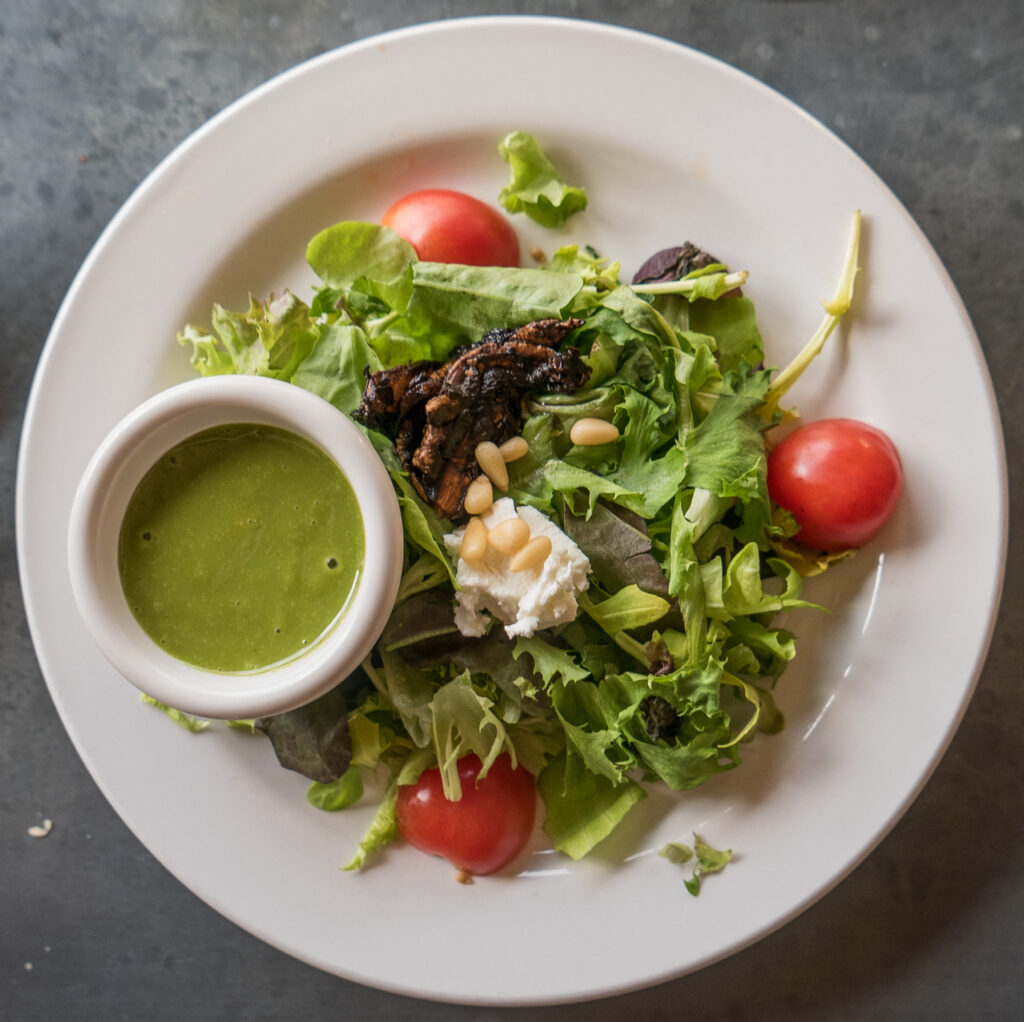
Garlic-infused salad dressing can be prepared ahead of time and stored in the refrigerator for up to a week. Keep it in a sealed glass container, and allow it to return to room temperature before serving, as olive oil may thicken when chilled. Shake or whisk before use to re-combine ingredients. Cold storage slows flavor change. Glass prevents odor absorption. Re-emulsifying restores texture. Consistent containers reduce waste. Proper storage protects quality. Labeling helps track freshness. Clean storage prevents contamination. Airtight seals preserve aroma. Proper handling reduces spoilage risk.
For best results, taste the dressing after storage and adjust seasoning if needed. Avoid keeping it for extended periods, as flavors can intensify over time. With proper storage and care, this simple technique delivers consistently fresh, restaurant-quality dressing throughout the week. Aging alters balance subtly. Fresh adjustments maintain harmony. Attention preserves quality. Regular checks prevent decline. Care sustains reliability. Mindful handling preserves flavor integrity. Minor tweaks after chilling often restore the original balance. This final check ensures the dressing tastes intentional rather than tired.
References
- History of Salad Dressings- The Association for Dressing & Sauces
- Dressing- The Association for Dressing & Sauces