8 Starter Recipes to Try Right After You Unbox Your Air Fryer

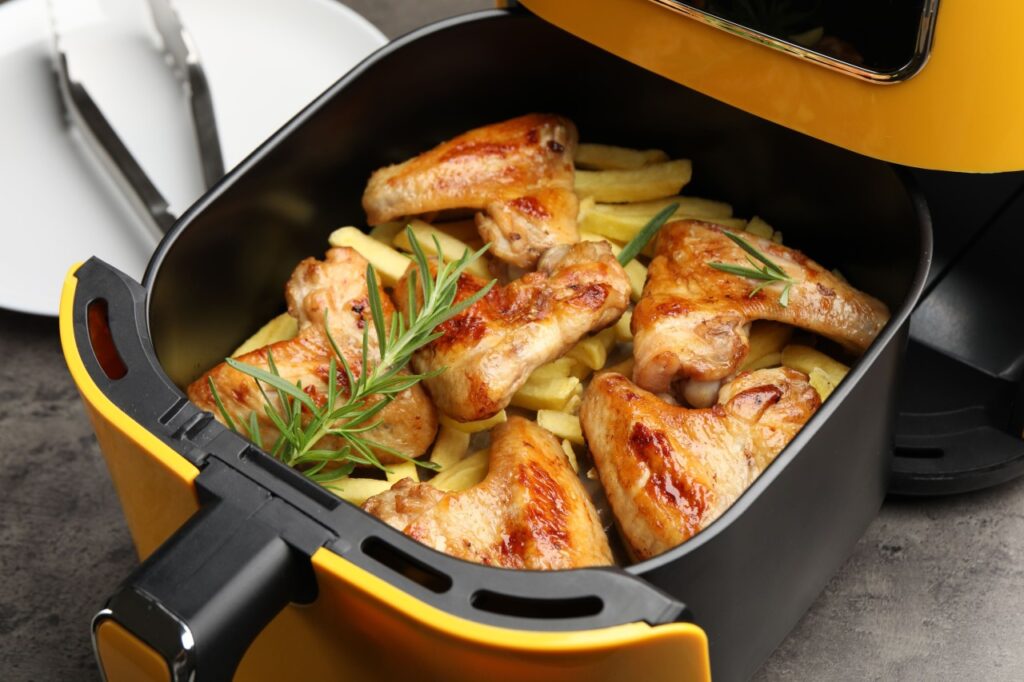
Unboxing an air fryer feels exciting, but knowing where to start can make all the difference between quick success and early frustration. The best first recipes are not complicated or flashy. They are the ones that quietly teach you how hot air circulates, how moisture behaves, and how timing affects texture. These starter recipes are designed to help you learn the appliance while still producing food that feels satisfying and familiar. Each one highlights a different strength of the air fryer, from crisping and browning to gentle cooking and reheating. By starting with forgiving foods that respond well to airflow and heat, you build confidence quickly and avoid common beginner mistakes.
1. Crispy Air Fryer French Fries
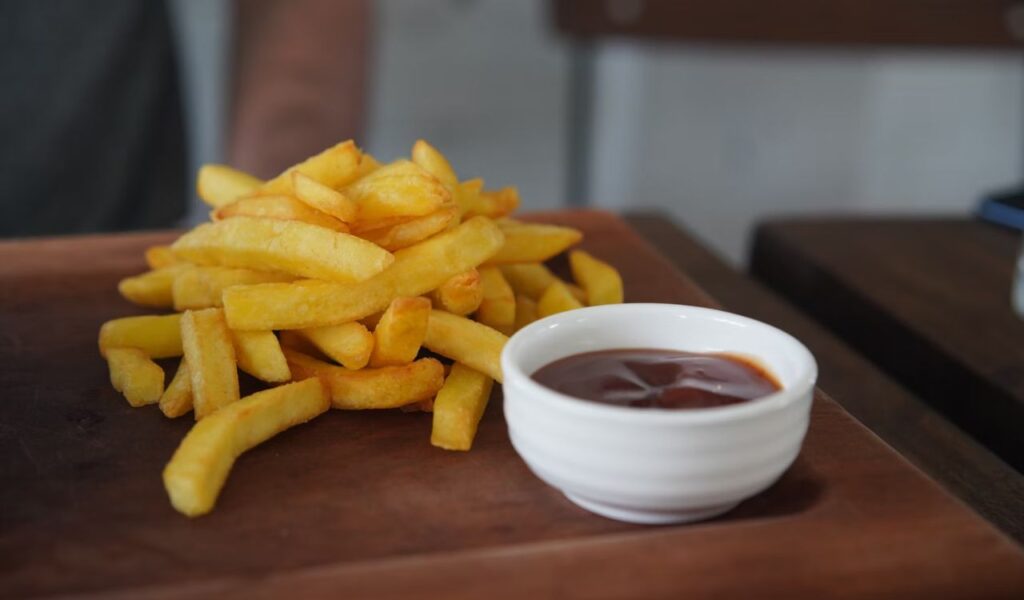
French fries are the ideal first recipe because they teach how an air fryer actually works. Potatoes release moisture as they cook, and circulating hot air removes that moisture to create crisp edges. Cutting fries evenly matters more than seasoning, since uneven pieces cook at different speeds. Soaking the potatoes briefly removes surface starch, which helps them crisp instead of steaming. Spacing is critical because overcrowding blocks airflow and causes limp results. Shaking the basket halfway through encourages even browning and prevents sticking. Fries also shows how small temperature adjustments affect texture, with lower heat drying the interior and higher heat finishing exterior.
2. Classic Chicken Wings
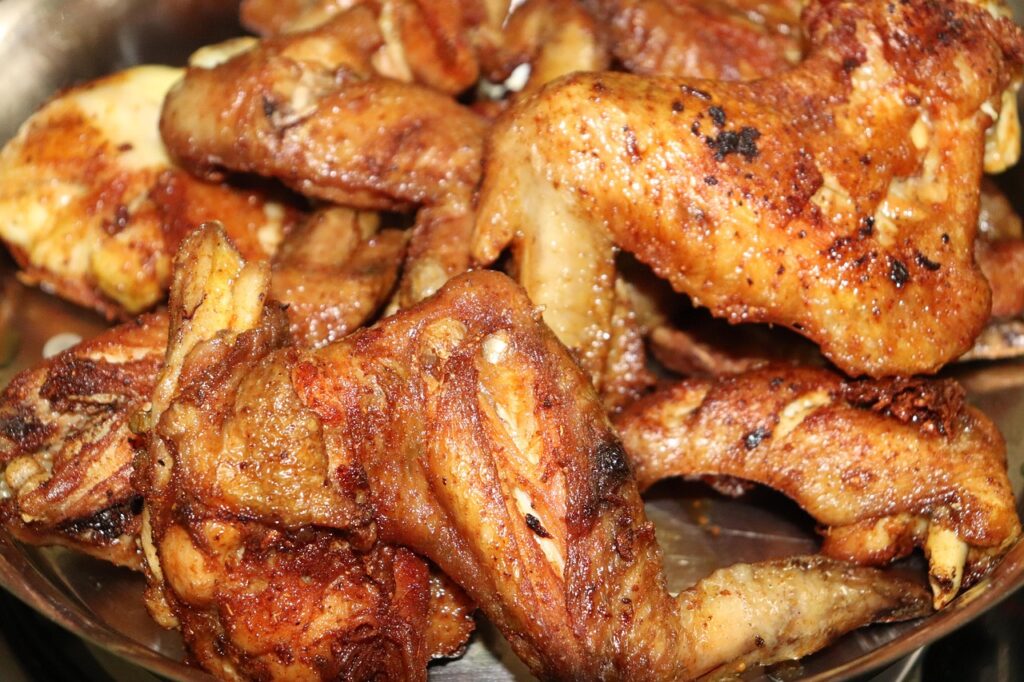
Chicken wings are forgiving and perfectly suited for air fryers because they contain enough fat to self-baste. As the wings cook, fat renders from the skin and circulates in the hot air, producing crispness without added oil. Patting wings dry before cooking is essential, since surface moisture prevents browning. Cooking them in stages works best, starting at a lower temperature to render fat, then finishing hotter to crisp the skin. Wings teach patience, timing, and flipping technique. They also demonstrate how seasoning behaves under intense heat, becoming more concentrated. Wings help new users understand how air fryers replicate deep-fried texture while keeping cleanup simple.
3. Salmon Fillets
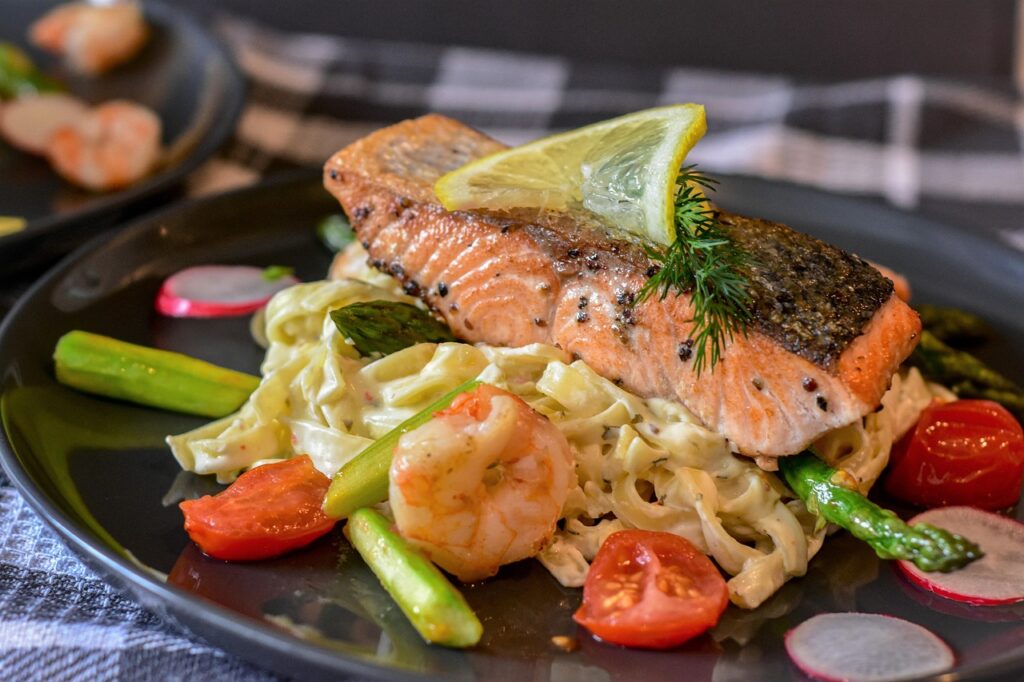
Salmon is an excellent introduction to cooking delicate proteins in an air fryer. The high heat cooks quickly, so timing matters more than temperature. A light coating of oil protects the surface while allowing the interior to stay moist. Skin-on fillets crisp beautifully when placed skin-side down, teaching placement strategy. Salmon also shows how carryover cooking continues after removal, so slightly undercooking is often ideal. The air fryer’s controlled environment reduces splatter and odor compared to stovetop methods. Cooking salmon builds trust in the appliance because it delivers reliable results with minimal effort and cleanup.
4. Roasted Mixed Vegetables
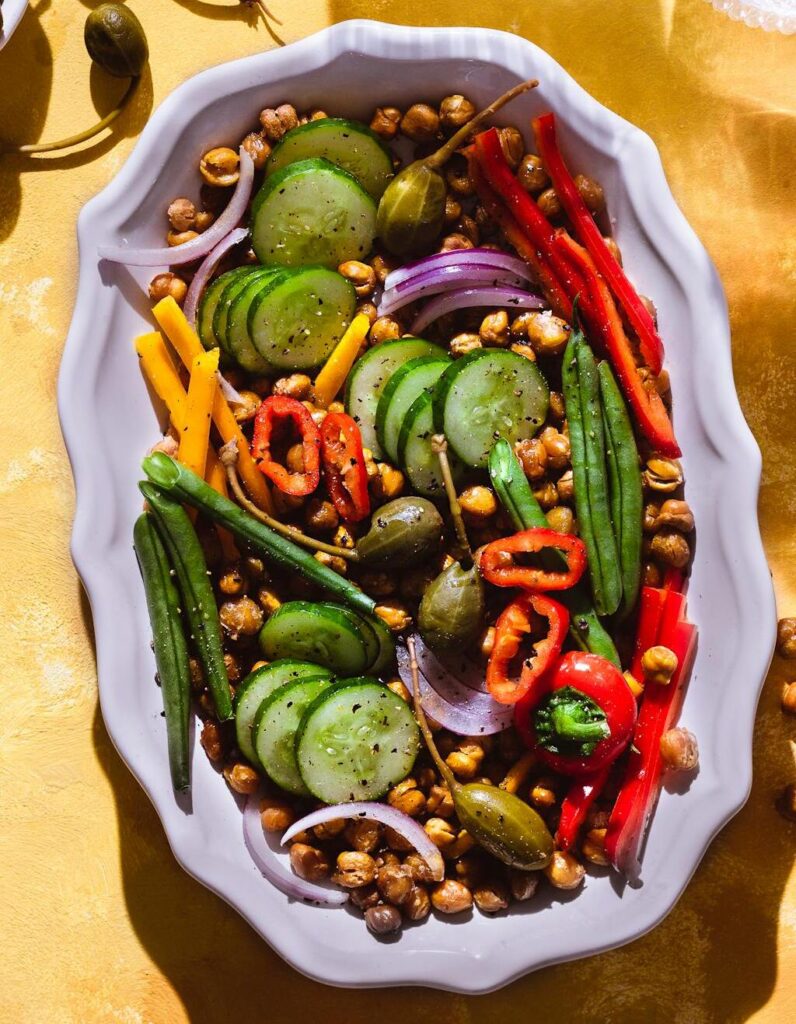
Vegetables reveal how moisture content affects air fryer performance. Dense vegetables like carrots and broccoli need higher heat, while softer ones cook faster. Cutting pieces to similar size ensures even roasting. Tossing vegetables lightly in oil improves browning while preventing dryness. Spreading them in a single layer is essential, since piling causes steaming. Vegetables also teach seasoning timing, as salt draws out moisture early while spices can burn if added too soon. This recipe helps users understand airflow, evaporation, and texture control, making it one of the most practical learning experiences for everyday cooking.
5. Chicken Tenders
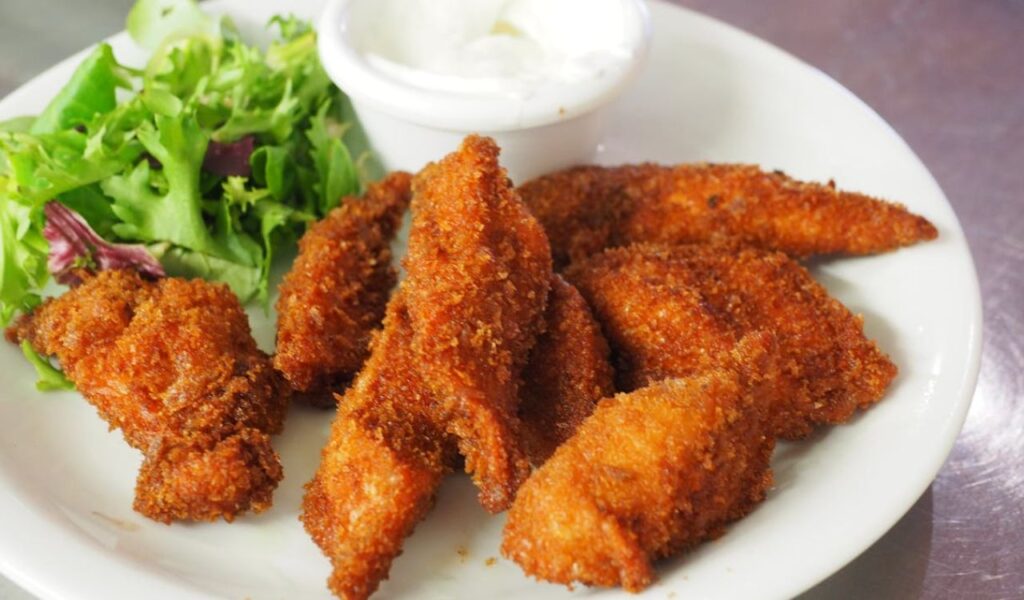
Chicken tenders introduce breading techniques without the mess of deep frying. Proper coating requires dry chicken, a binding layer like egg or yogurt, and a well-pressed crumb layer. Air fryers cook breading evenly when sprayed lightly with oil, creating crunch without saturation. Tenders also teach internal temperature awareness, since poultry must reach safe doneness without drying out. Turning halfway improves color and texture. This recipe builds confidence with proteins and coatings, showing how air fryers handle crisp surfaces and juicy interiors simultaneously. It also helps new users learn how small timing changes can affect both crunch and moisture.
6. Mozzarella Sticks
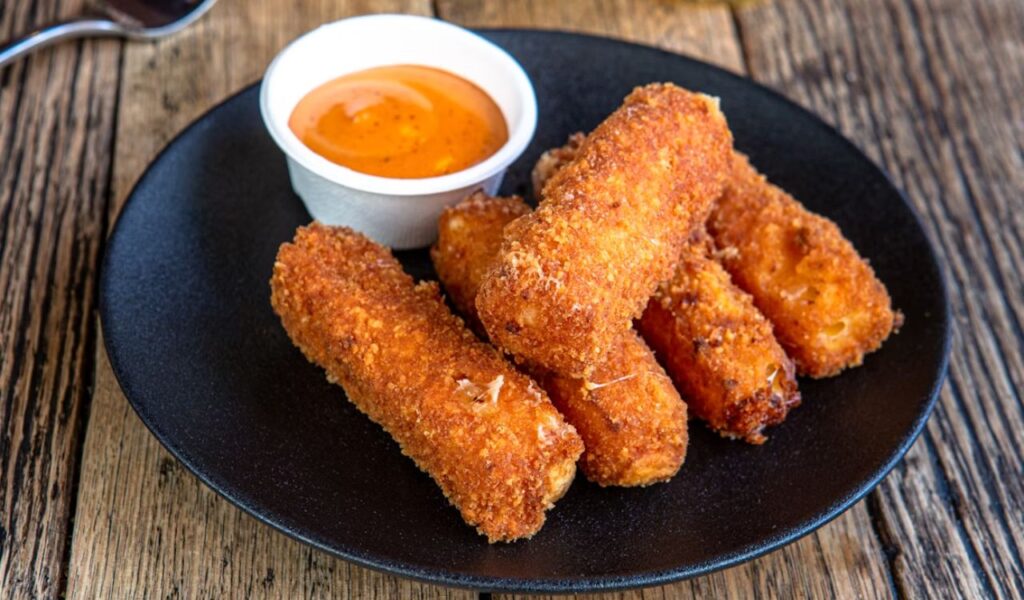
Mozzarella sticks are a lesson in temperature control and preparation. Cheese melts quickly, so freezing the sticks before cooking prevents leaks. High heat crisps the coating fast while keeping the cheese contained. Overcooking leads to ruptures, teaching the importance of short cook times and close monitoring. This recipe demonstrates how air fryers excel at frozen snacks while requiring attention to timing. Success here builds understanding of heat intensity and reinforces the habit of checking food early rather than relying solely on presets. Watching these closely trains beginners to trust visual cues rather than waiting for preset timers to finish.
7. Stuffed Bell Peppers
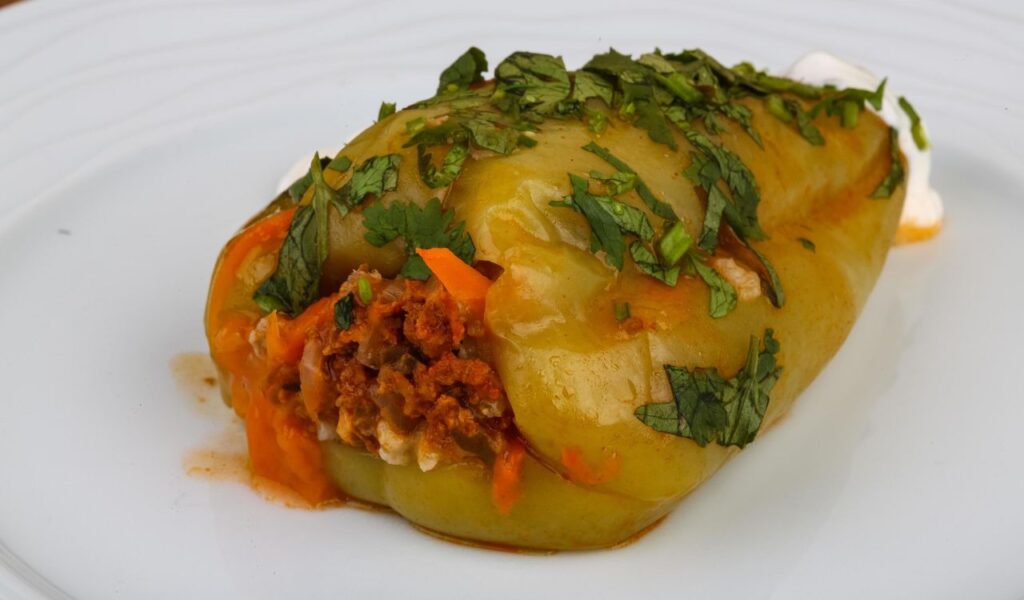
Stuffed peppers show how air fryers manage layered foods. The pepper softens while the filling heats through, creating different textures at once. Pre-cooked fillings work best, since the air fryer is better at reheating than slow-cooking interiors. Light oil on the pepper skin prevents drying. This recipe teaches vertical airflow awareness, as taller foods may need repositioning. Stuffed peppers help users understand capacity limits and how to balance moisture and structure in filled dishes. Using foil or a small rack can help stabilize peppers and prevent tipping during cooking. This recipe also shows how toppings like cheese should be added late to avoid over-browning.
8. Air Fryer Baked Potatoes
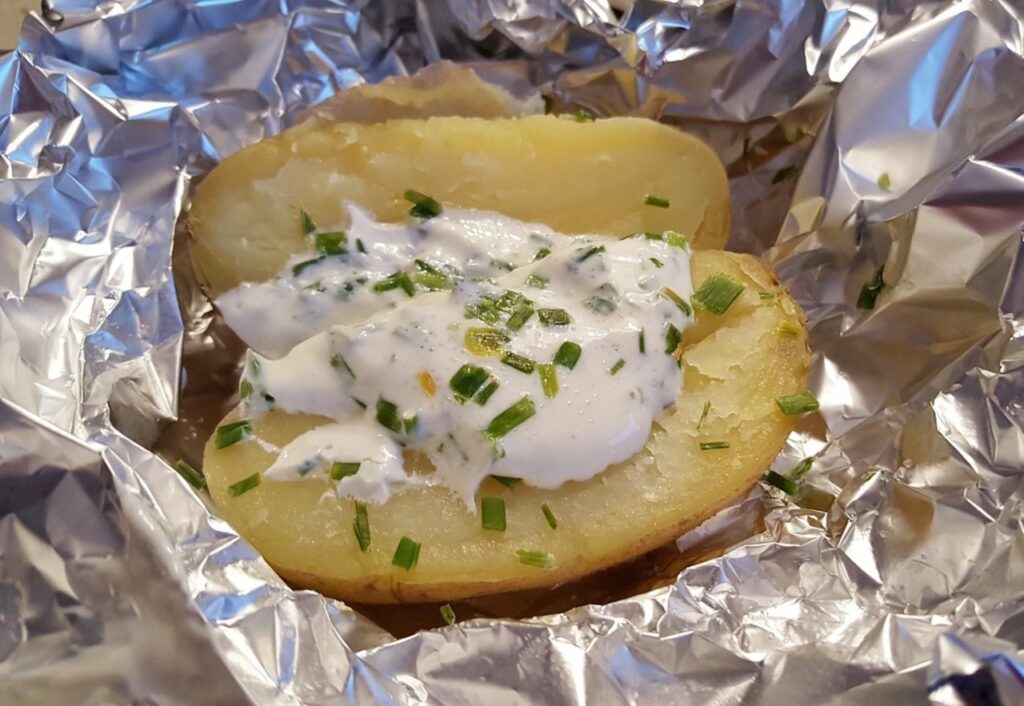
Baked potatoes highlight long cook times and gradual texture change. Piercing the skin allows steam to escape, preventing bursting. Oil and salt on the skin encourage crispness, while the interior becomes fluffy as moisture redistributes. Turning the potato halfway improves even cooking. This recipe teaches patience and planning, showing that air fryers are not only for quick foods. Mastering baked potatoes builds confidence in using the appliance for both fast snacks and longer meals. Different potato sizes reveal how thickness affects cook time and doneness. This dish also helps users learn when to rely on feel rather than strict timing for best results.