7 Meat Alternatives Keep Improving but Critics Say They Still Can’t Clear This One Hurdle

Plant-based meat alternatives have come a long way, evolving from simple substitutes into products designed to closely mirror real meat. With each new launch, improvements in texture, flavor, and cooking performance have made them more appealing to a wider range of consumers.
Yet even with these advancements, expectations have grown just as quickly. What once impressed now invites closer comparison, especially as more people try these products in everyday meals rather than as occasional experiments.
Looking at these alternatives today reveals a clear pattern. While many have improved significantly, there is still one key hurdle that continues to shape how they are perceived and how often they are chosen.
1. Beyond Meat Beef-Style Products
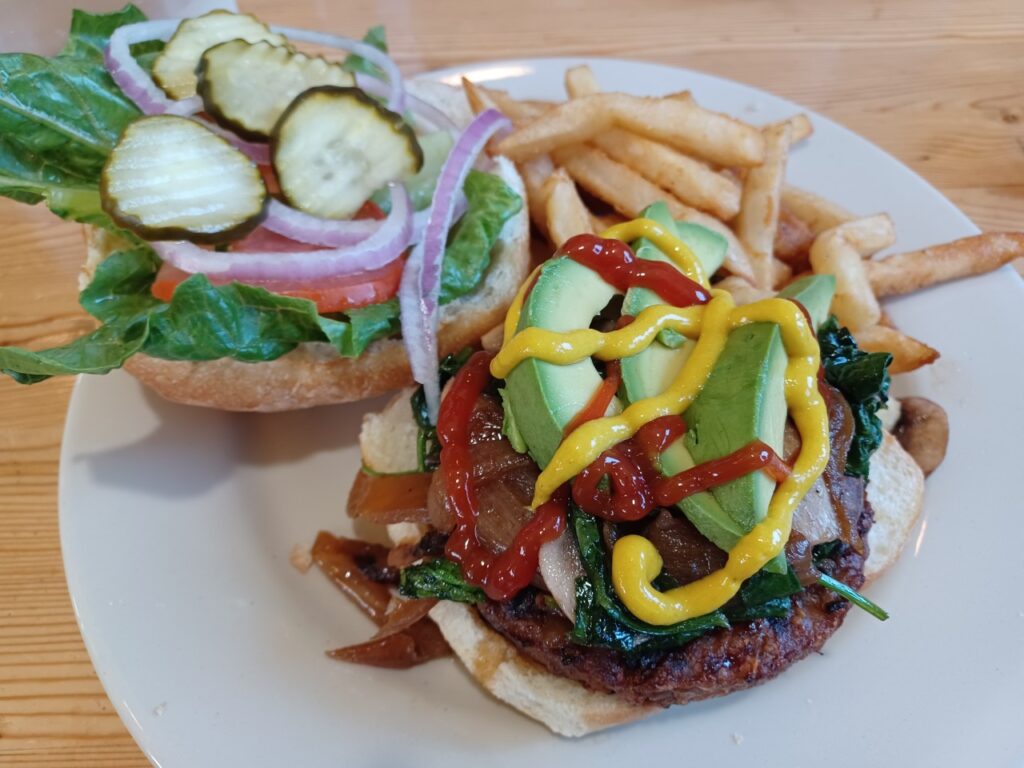
Recreating the experience of ground beef has been a central goal for plant-based brands, and Beyond Meat has made visible progress in this area. Its products now cook, brown, and even release juices in ways that resemble traditional meat.
This improvement comes from refining plant proteins and fats to better match the structure of beef. The texture has become more convincing, especially in dishes like burgers, tacos, and pasta sauces, where seasoning plays a strong role.
Yet one challenge remains consistent. Many consumers still notice a difference in flavor depth and aftertaste, particularly when the product is eaten on its own. While the gap has narrowed, the final layer of richness found in real meat is still difficult to fully match.
2. Impossible Foods Beef Alternatives

Impossible Foods approaches meat alternatives through flavor replication, focusing on compounds that mimic the taste and aroma of cooked beef. This gives its products a strong first impression when grilled or pan-cooked.
The inclusion of ingredients designed to recreate meat-like flavor helps deliver a more familiar experience, especially for those transitioning from traditional diets. It performs well in restaurant settings where flavor is key.
However, some critics point out a lingering processed note. While the taste is close, it can feel slightly engineered compared to the natural complexity of meat. This highlights the ongoing challenge of balancing realism with ingredient simplicity.
3. Plant-Based Chicken Alternatives

Among meat alternatives, chicken substitutes have seen noticeable improvement in texture. Breaded and fried versions, in particular, come close to replicating the crisp exterior and tender interior of real chicken.
Advances in plant protein structuring have helped create fibers that resemble muscle tissue, making the bite more realistic. This works especially well in nuggets, patties, and coated products.
The limitation becomes clearer in simpler preparations. Without heavy seasoning or coatings, the mild and natural flavor of chicken is harder to replicate. As a result, the difference is more noticeable in grilled or lightly seasoned versions.
4. Meatless Sausages

Sausages offer an advantage in plant-based cooking because their flavor relies heavily on spices and seasoning. This allows meatless versions to come close in taste, especially when herbs and oils are used effectively.
Many products deliver a satisfying flavor profile and are easy to cook, making them a convenient option for quick meals. Their familiar form also helps them fit naturally into existing recipes.
Despite this progress, texture remains a point of critique. Some versions feel slightly uniform or less juicy than traditional sausages. While flavorful, they can lack the variation in bite that defines meat-based counterparts.
5. Jackfruit-Based Meat Alternatives

Jackfruit gained popularity as a meat substitute due to its fibrous texture, which resembles shredded meat when cooked. It works particularly well in dishes that rely on sauces and slow cooking methods.
Its ability to absorb flavors makes it adaptable, allowing it to take on the taste of spices and marinades. This makes it effective in tacos, sandwiches, and similar recipes.
However, jackfruit does not naturally provide the same protein content or depth of flavor as meat. Without strong seasoning, it feels more like a texture replacement than a full substitute, which limits its role in everyday cooking.
6. Tofu-Based Meat Substitutes
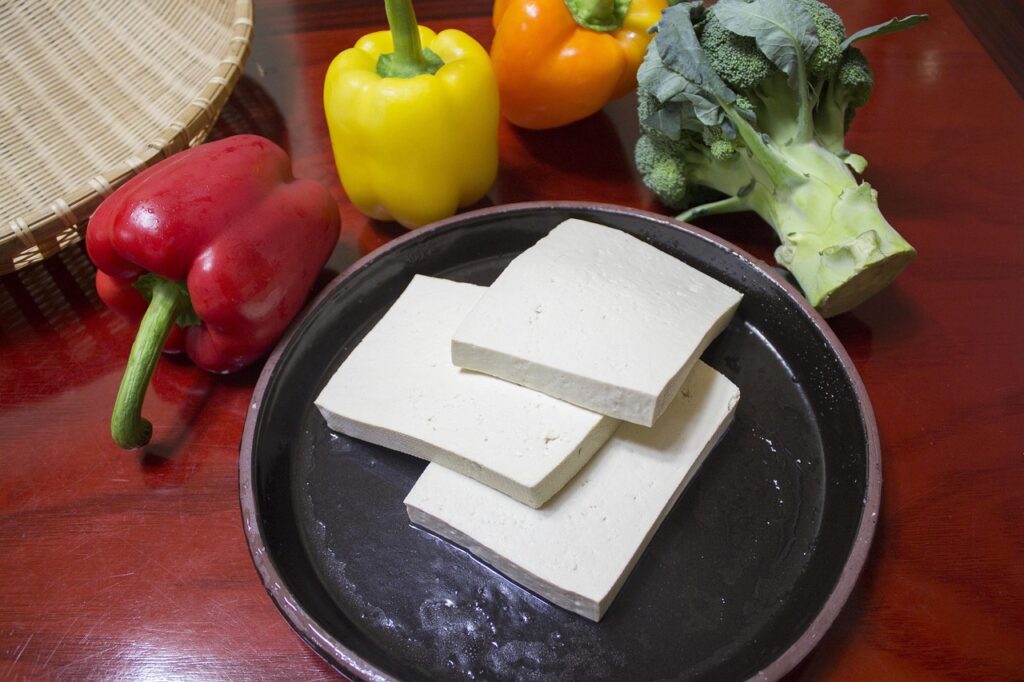
Few ingredients have stayed as consistently relevant in plant-based cooking as tofu. Its long-standing use comes from its ability to adapt, taking on flavors and textures based on how it is handled rather than imposing a strong taste of its own.
Pressing, marinating, and cooking methods play a major role in shaping the final result. When prepared carefully, tofu can absorb sauces deeply and develop a firmer texture, allowing it to work across a wide range of dishes from stir-fries to grilled meals.
Even with these strengths, its natural qualities remain noticeable. The softness and mild flavor can make it feel less like a direct meat replacement. For many, its success depends more on preparation skills than on the ingredient itself.
7. Seitan Wheat Protein Alternatives
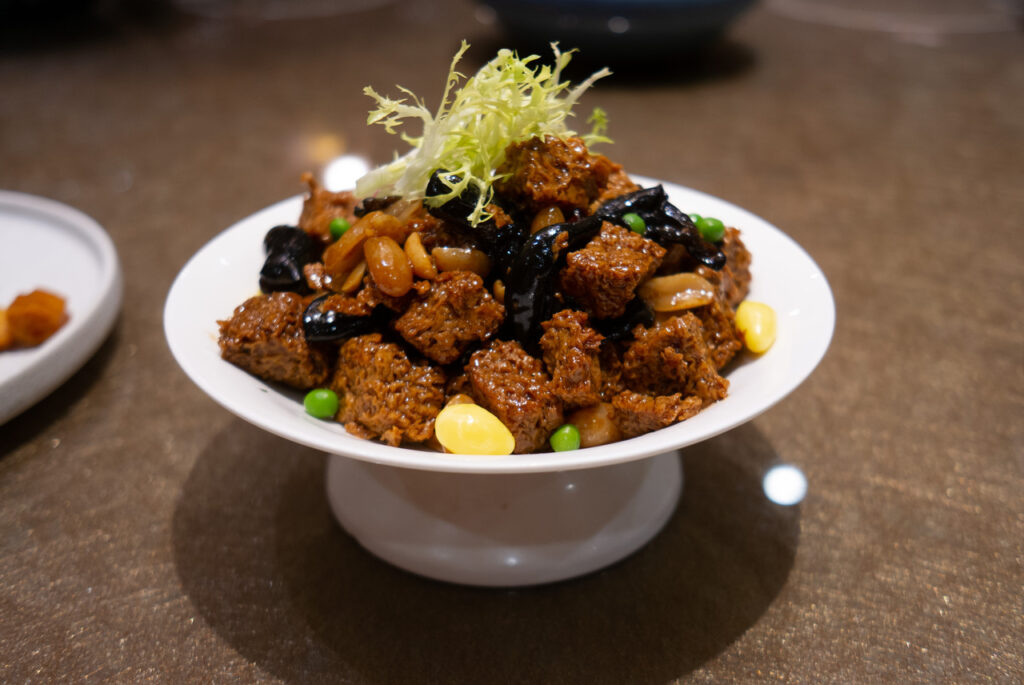
Among plant-based options, seitan comes closest to replicating the firm bite associated with meat. Its dense, chewy structure gives it an advantage in dishes where texture plays a central role, making it stand out from softer alternatives.
This structure allows it to perform well in cooking methods like grilling or stir-frying. It holds its shape and provides a satisfying chew, which helps it fit naturally into meals that traditionally rely on meat for substance.
However, its flavor relies heavily on seasoning and preparation. On its own, it remains neutral and can turn slightly rubbery if overcooked. While its texture is convincing, achieving a fully meat-like taste still requires careful handling.