Your 10 Kitchen Treats These Ingredients as Ordinary, 30 Years Ago They Were Considered Exotic

Take a look around your kitchen, and you will find ingredients that feel completely familiar. They sit on shelves, blend into daily meals, and rarely get a second thought as you cook, becoming part of your routine without notice.
But not long ago, many of these same items were considered unusual, imported, or even out of reach for everyday use. Limited supply, higher costs, and unfamiliar flavors kept them from becoming household staples.
What changed was not just taste, but access. Global trade, better storage, and shifting food habits quietly transformed these once exotic ingredients into everyday essentials you now use without hesitation.
1. Avocado
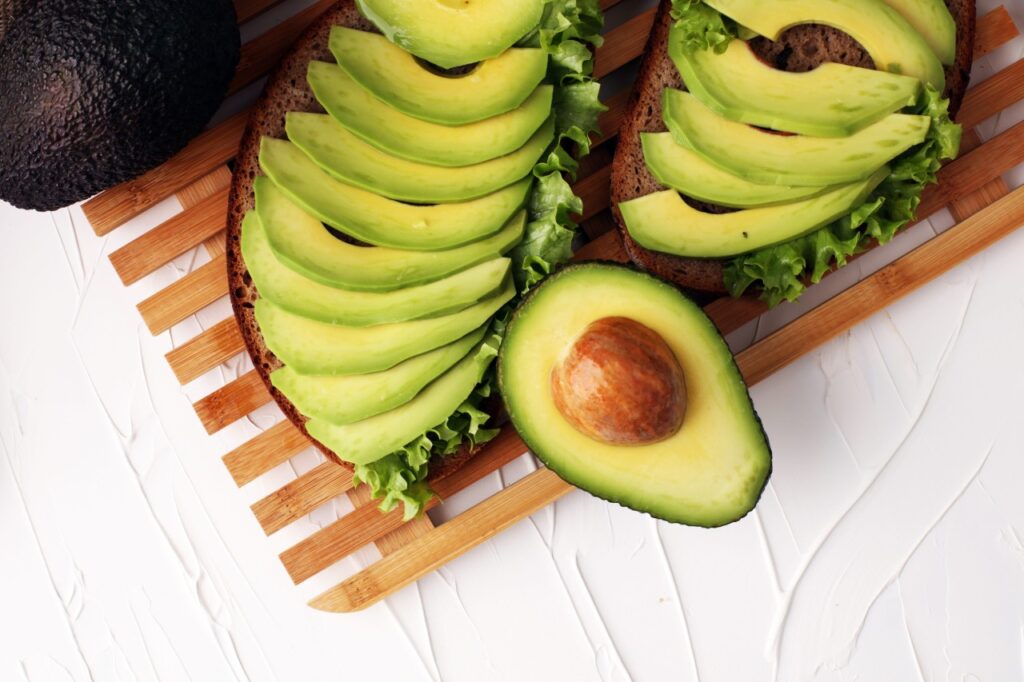
What now feels like a basic breakfast addition was once limited by geography and shelf life. Avocados were mostly consumed in regions where they grew, as transporting them without spoilage was difficult and costly.
Improvements in cold storage and global trade changed that. Better handling methods allowed avocados to travel longer distances while maintaining quality. At the same time, growing awareness of healthy fats increased demand.
Today, avocados are seen as a daily staple rather than a rare fruit. Their creamy texture and nutritional profile made them popular across cuisines, turning what was once unfamiliar into something widely accepted and regularly used.
2. Olive Oil (Extra Virgin)
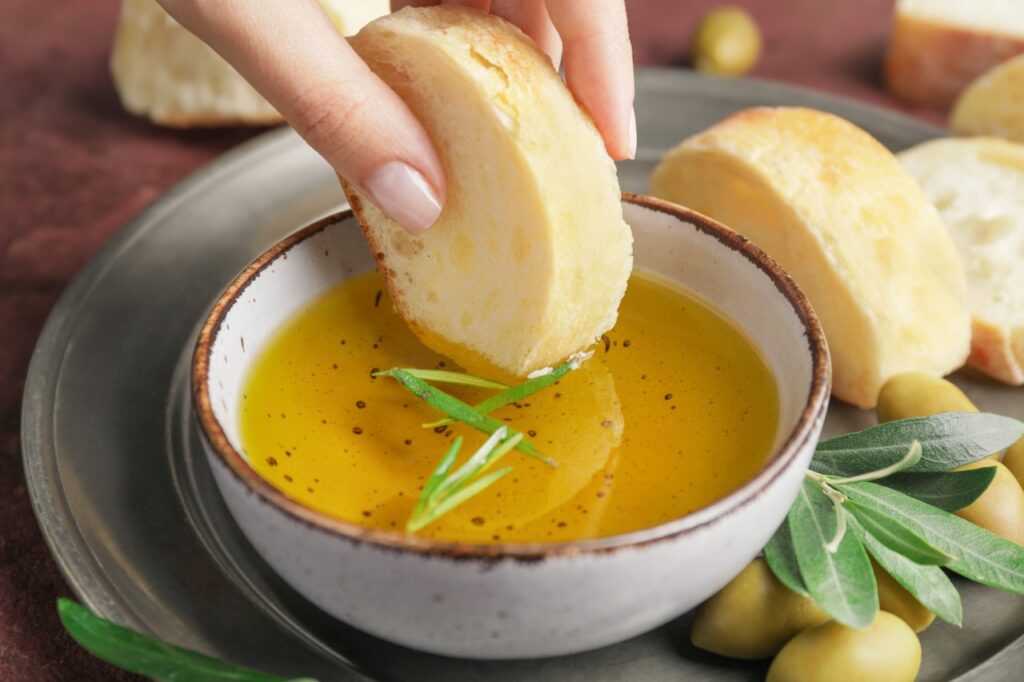
A bottle of extra virgin olive oil now sits in many kitchens, but it was once considered a specialty import. Its use was largely tied to Mediterranean regions where olives were grown and processed locally.
As global trade expanded, olive oil became more accessible. At the same time, research highlighting its role in heart health increased its appeal, encouraging people to replace other fats with it.
Now it is treated as a standard cooking ingredient. Its flavor, versatility, and perceived health benefits helped it move from niche shelves into everyday use, making it a common part of modern cooking habits.
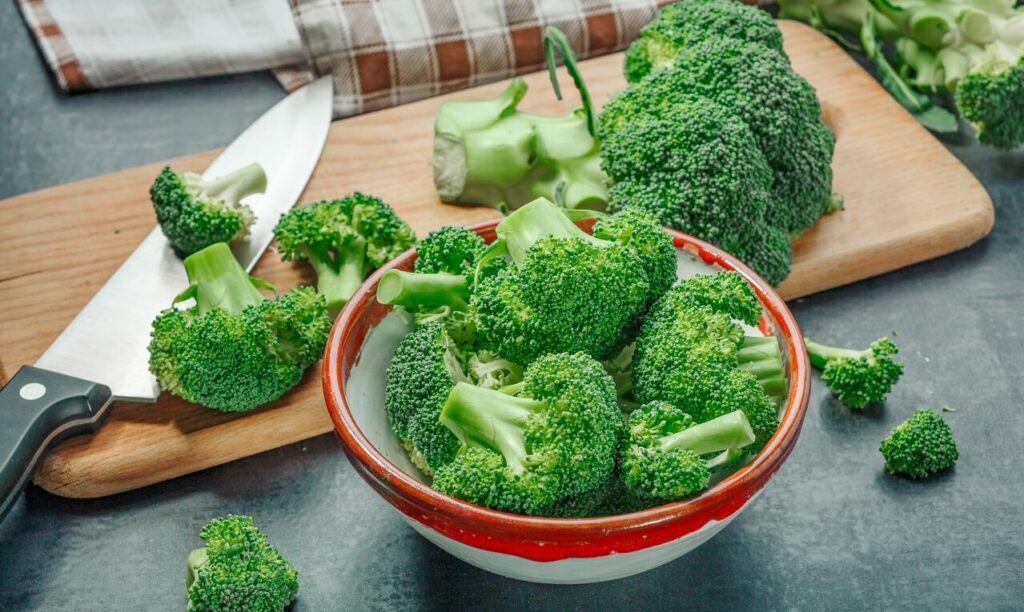
3. Broccoli
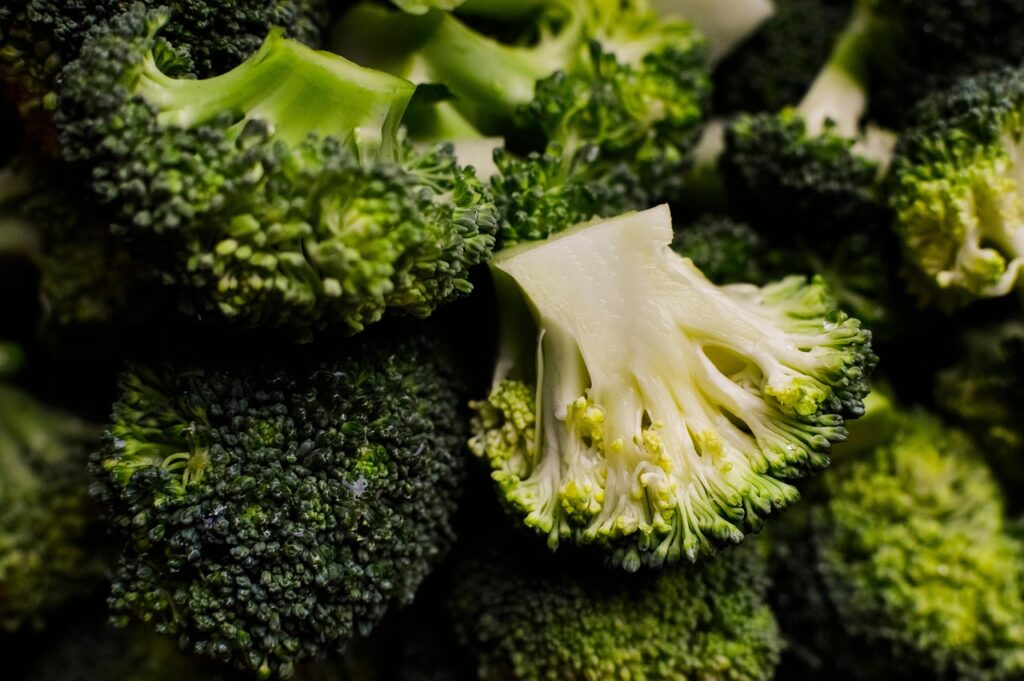
Broccoli’s presence in everyday meals feels routine now, but it was not always widely consumed across different regions. Its popularity grew gradually as agricultural practices and distribution improved.
As awareness of nutrition increased, broccoli gained attention for its vitamins and fiber content. This helped shift it from an unfamiliar vegetable to a recommended part of balanced diets.
Today, it is a regular feature in kitchens worldwide. Its adaptability in cooking and strong nutritional profile have made it a dependable ingredient, far removed from its earlier status as something less common.
4. Pasta Sauces (Alfredo and Pesto)

What once required restaurant access or careful preparation is now a simple pantry choice. Alfredo and pesto were traditionally tied to specific regions, where fresh ingredients and precise methods shaped their flavor and texture.
At home, recreating them consistently was not always easy. Fresh herbs, quality cheese, and proper emulsification all played a role, making the process time sensitive and sometimes unpredictable for everyday cooking.
Jarred sauces changed that entirely. Standardized recipes and preservation techniques made these flavors accessible at any time. What was once occasional is now routine, allowing rich and regional tastes to fit seamlessly into daily meals.
5. Soy Sauce
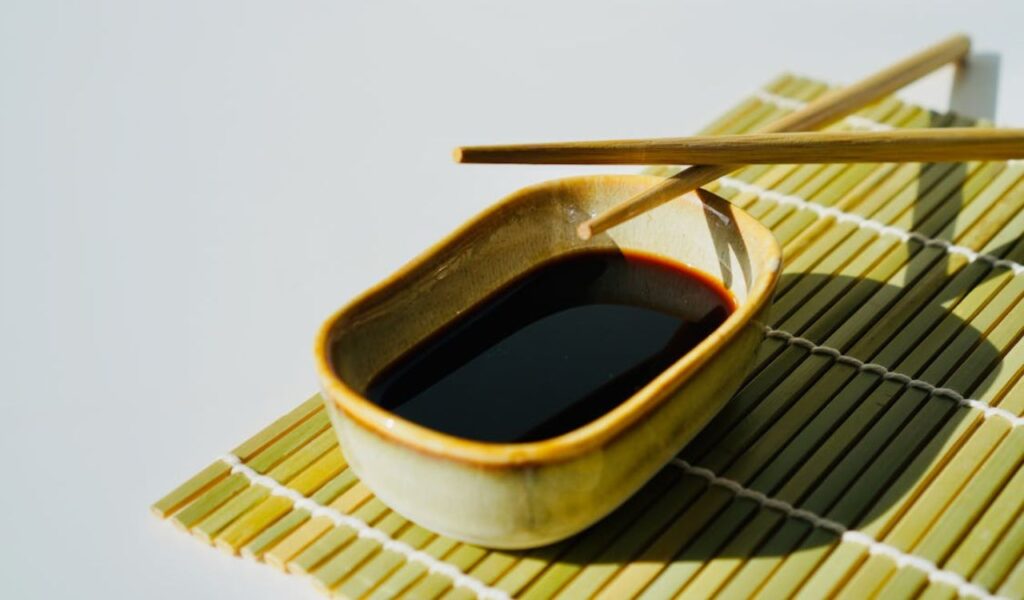
A flavor once limited by geography has become a global kitchen essential. Soy sauce was traditionally used within specific cuisines, and its strong, savory taste was unfamiliar to many outside those regions.
As trade expanded, it became easier to access and understand. Its ability to enhance flavor with just a small amount made it appealing beyond its original culinary context, especially in simple home cooking.
Today, soy sauce is treated as a basic ingredient. It adds depth quickly and consistently, turning it from a specialty item into something relied on for everyday flavor building across many dishes.
6. Yogurt (Flavored and Greek)

What was once a simple, mildly tangy staple has grown into a wide and varied category. Traditional yogurt was often plain, with differences shaped mainly by region, fermentation time, and milk type rather than added flavors or textures.
Advances in processing introduced strained varieties and controlled cultures, creating thicker textures like Greek yogurt. At the same time, fruit blends and sweetened options made it more appealing to a wider audience beyond traditional uses.
Today, yogurt fits into multiple roles, from breakfast to snacks and even cooking. Its range of textures and nutritional profiles has made it a daily choice. What was once basic is now a versatile and widely consumed staple.
7. Bell Peppers (Multiple Colors)
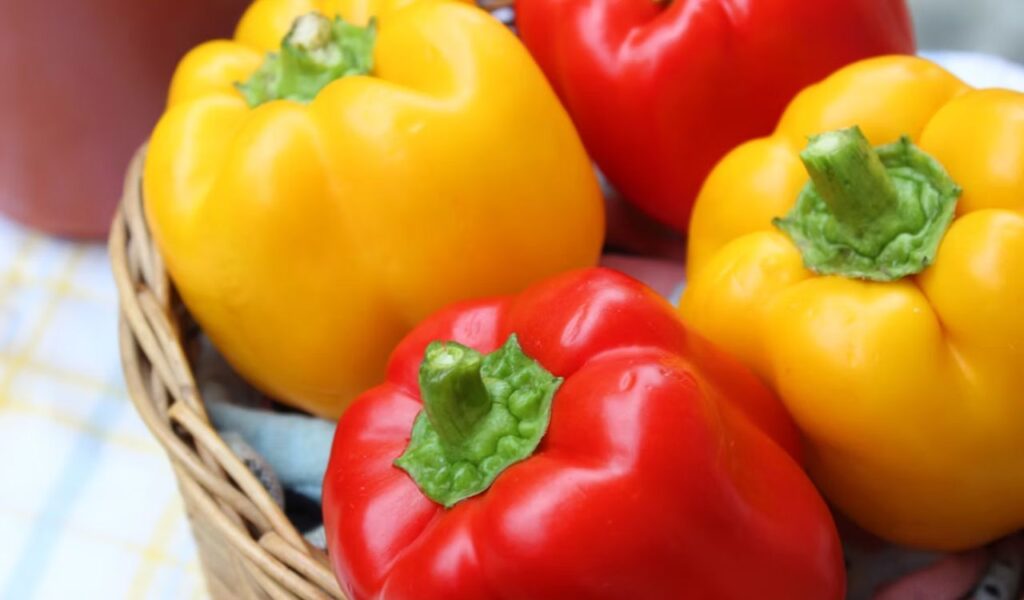
What now adds color to everyday meals was once limited by availability and season. Bell peppers, especially red and yellow varieties, were less common due to shorter growing windows and limited distribution.
Agricultural improvements changed that. Controlled farming and better supply chains made it possible to grow and transport different varieties more efficiently, increasing their presence in markets throughout the year.
Today, multiple colors are treated as standard rather than special. Their mild taste and visual appeal make them easy to include in many dishes. What was once less accessible has become a regular part of daily cooking.
8. Garlic (Used Generously)
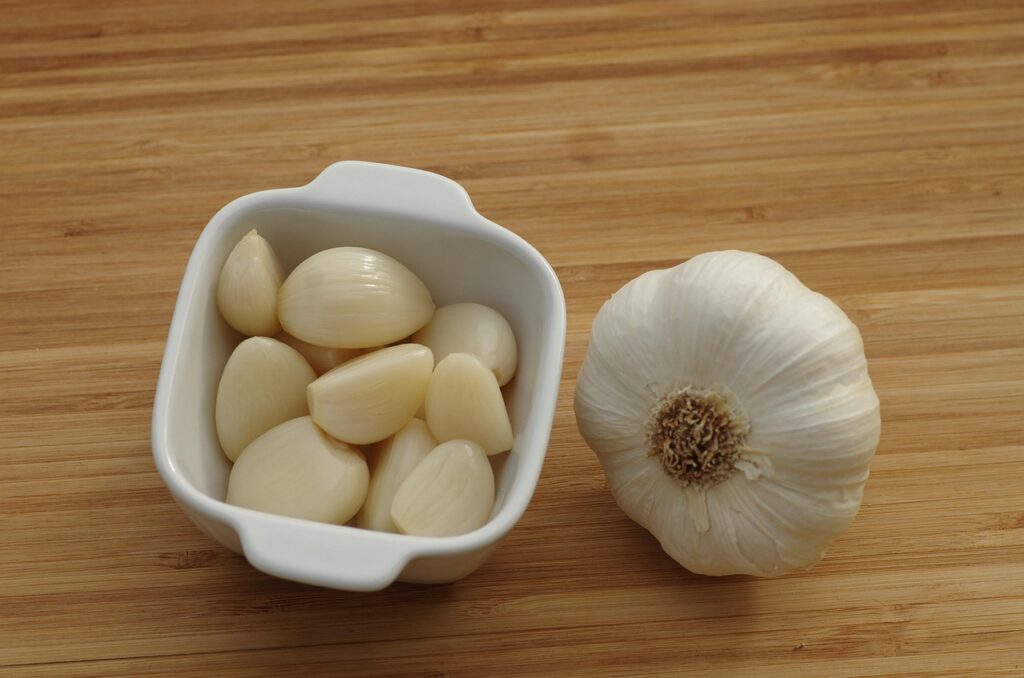
What now forms the backbone of flavor in many kitchens was once approached with restraint. Garlic carried a strong aroma that did not align with milder cooking styles in certain regions, so it was often used sparingly or avoided altogether in everyday meals.
As global cuisines began to mix, garlic’s role expanded. Its ability to deepen flavor and create a strong base became more widely appreciated. Dishes that relied on bold seasoning helped shift perception, turning garlic into a key building block.
Today, garlic is used confidently and in larger quantities. It is no longer seen as overpowering but essential. This change reflects evolving tastes and greater exposure to diverse cooking traditions that embrace stronger flavors.
9. Chocolate Varieties (Dark and Imported)

What was once a limited treat has become a wide and accessible category. Chocolate used to be available mainly in simpler forms, with dark or imported varieties seen as specialty items found in select stores.
Advances in production and sourcing expanded availability. Different cocoa percentages and origins became easier to find, allowing people to experience a broader range of flavors and textures in everyday settings.
Today, chocolate offers variety at every level. From rich dark options to smoother blends, it is no longer restricted to special occasions. What was once considered premium has become part of regular choice and daily enjoyment.
10. Nuts like Almonds and Cashews

What were once reserved for celebrations have steadily moved into daily use. Almonds and cashews were historically less available, and their higher cost meant they were saved for special dishes or festive moments.
With improved farming and global distribution, supply increased. At the same time, their nutritional benefits became more widely recognized, encouraging people to include them more often in regular meals and snacks.
Today, these nuts are part of everyday eating habits. They are used in cooking, baking, and snacking without hesitation. Their shift reflects how better access and awareness can transform once-rare ingredients into routine essentials.