Curious Eaters Still Avoid These 9 Plant Based Foods

Plant-based foods have moved far beyond niche health stores and are now common in grocery aisles, restaurant menus, and home kitchens. Ingredients like tofu, legumes, and plant-based milks are widely used in vegan and vegetarian diets because they offer protein, nutrients, and flexibility in cooking. For many curious eaters, these foods promise a new way to experiment with flavor while reducing reliance on animal products.
Even with growing interest, some plant-based ingredients still make people hesitate. Unfamiliar textures, fermented flavors, and concerns about processing or nutrition can make certain foods feel intimidating at first glance. The hesitation often has less to do with taste and more to do with expectations or simple unfamiliarity. Once people learn how these ingredients are prepared and used in everyday meals, many of them become surprisingly approachable.
1. Tofu Still Struggles to Win Over Skeptical First-Timers
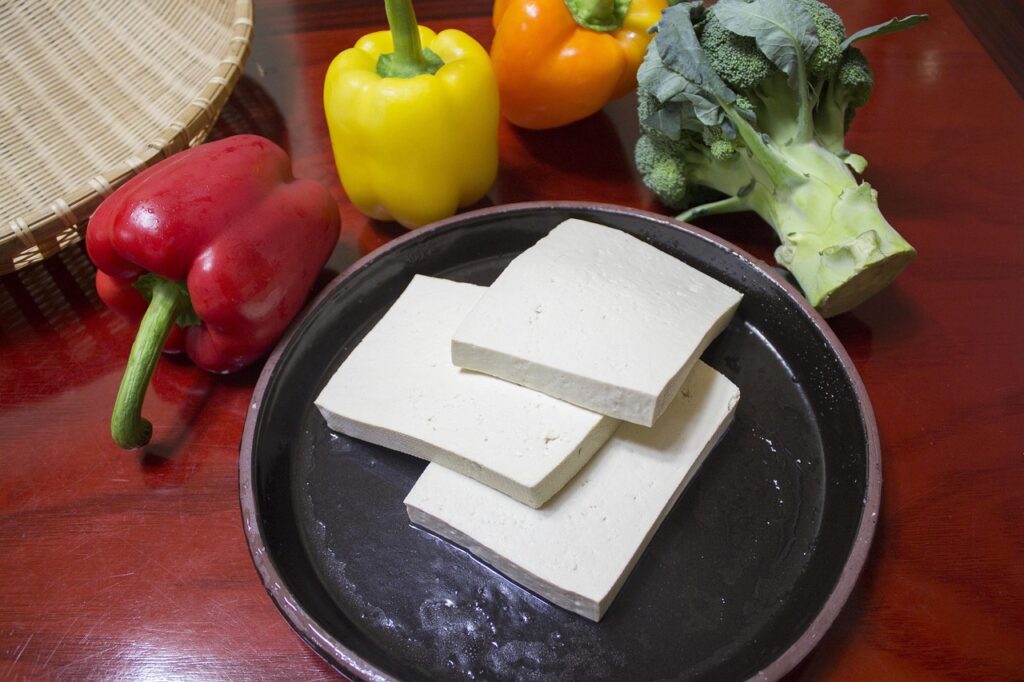
Tofu has been a staple in Asian cooking for centuries, yet many curious eaters still approach it cautiously. Made from coagulated soy milk that is pressed into blocks, tofu is naturally mild in flavor and designed to absorb whatever seasonings or sauces it is paired with. This adaptability is one of its strengths, but it also means that poorly prepared tofu can taste bland or watery.
Texture is usually the first barrier for newcomers. Depending on how it is processed, tofu can range from silky and custard-like to firm and dense. People expecting something that mimics meat often feel confused by its softness. When tofu is not pressed, marinated, or cooked properly, it can reinforce the idea that the ingredient itself is unappealing.
Nutrition misunderstandings also play a role in hesitation. Some people worry about soy intake without realizing that tofu is widely considered a complete plant protein and contains important nutrients such as iron and calcium. Once cooked correctly through grilling, baking, or pan-searing, tofu often surprises first-time eaters with how satisfying it can actually be.
2. Tempeh’s Fermented Flavor Keeps Many Curious Eaters at a Distance

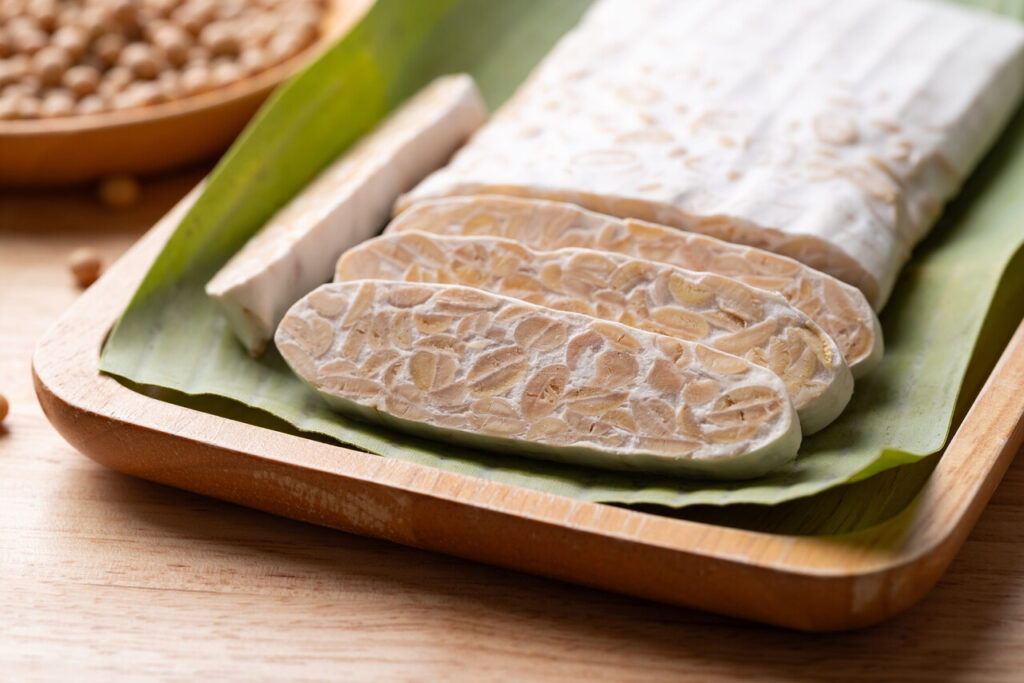
Tempeh offers a very different experience from tofu, even though both come from soybeans. Originating in Indonesia, tempeh is made by fermenting whole soybeans into a firm cake held together by natural cultures. The fermentation process gives tempeh a distinctive nutty flavor and a hearty texture that many plant-based cooks appreciate.
That same fermentation can make some people hesitate before trying it. The taste is deeper and slightly earthy, which can feel unfamiliar compared with neutral plant proteins. For eaters who have little experience with fermented foods, the flavor profile can seem unusual at first bite.
Preparation also affects how tempeh is received. When sliced thin, marinated, and sautéed, it develops a rich and savory character that works well in sandwiches, stir fries, and grain bowls. Without seasoning or proper cooking, however, tempeh can taste bitter or dense, which reinforces the hesitation many curious eaters already feel toward it.
3. Seitan Raises Concerns Because It Is Made Almost Entirely from Gluten

Seitan often surprises people when they learn what it is made from. Unlike tofu or tempeh, which come from soybeans, seitan is created from wheat gluten that has been washed and cooked until it forms a chewy protein-rich dough. The result has a dense, meat-like texture that many plant-based cooks rely on for hearty dishes.
Despite its popularity in vegan cooking, gluten content causes hesitation for many curious eaters. People familiar with gluten-free trends often assume seitan is unhealthy or unsuitable for most diets. While it must be avoided by individuals with celiac disease or gluten intolerance, it remains perfectly safe for those who tolerate wheat normally.
Another reason people hesitate is that seitan closely mimics meat textures. Some diners expect plant foods to look and feel like vegetables, so encountering a protein that resembles chicken or beef can feel unusual. Once seasoned and cooked properly, though, seitan often impresses people with how well it carries sauces and spices.
4. Jackfruit as a Meat Substitute Confuses Expectations

Jackfruit has gained attention for its ability to mimic shredded meat when cooked properly. The fruit grows on large tropical trees and can weigh several kilograms. When harvested young and unripe, its fibrous flesh naturally pulls apart into strands that resemble shredded pork or chicken in texture.
That resemblance can create confusion among curious eaters. Many people expect fruit to taste sweet, yet young jackfruit has a neutral flavor that absorbs savory spices. When served in dishes like tacos or barbecue sandwiches, it surprises diners who may not expect a fruit to appear in such meals.
Preparation makes a major difference in how jackfruit is received. Because it has little flavor of its own, it must be cooked with bold seasonings, sauces, and slow-simmering techniques. When treated like a traditional protein substitute, jackfruit can deliver a satisfying texture that often surprises people who initially avoided it.
5. Nutritional Yeast Sounds Strange but Delivers Big Flavor

Nutritional yeast often raises eyebrows before anyone even tastes it. The ingredient comes in the form of golden flakes made from deactivated yeast that has been grown and dried specifically for food use. Despite the name, it does not function like baking yeast and cannot make dough rise.
The unfamiliar terminology alone causes hesitation. People who have never encountered nutritional yeast may assume it tastes like raw yeast or bread dough. In reality, it has a savory, slightly nutty flavor that many describe as naturally cheesy. That profile makes it popular in plant-based cooking for seasoning pasta, popcorn, or vegetables.
Another reason it remains overlooked is simple uncertainty about how to use it. Because it often appears as a topping rather than the main ingredient in a dish, new cooks may not know where to start. Once incorporated into sauces or sprinkled over meals, nutritional yeast frequently becomes a pantry favorite rather than a mystery ingredient.
6. Plant-Based Meat Alternatives Face Skepticism Over Processing

Plant-based meat alternatives have expanded rapidly in recent years, appearing in grocery stores and restaurant menus around the world. These products aim to recreate the taste and texture of traditional meat using ingredients such as soy protein, pea protein, or wheat gluten combined with flavorings and fats.
Despite their popularity, some curious eaters remain cautious about trying them. One common concern involves the level of processing required to create realistic textures. People interested in whole foods sometimes worry that these products resemble packaged convenience foods rather than traditional plant ingredients.
Taste expectations also influence perception. When the flavor or texture does not perfectly match real meat, diners may feel disappointed. However, when treated as their own category of food rather than direct replacements, many plant-based meats provide satisfying protein options that fit easily into familiar meals.
7. Seaweed and Algae Foods Carry Strong Flavor Expectations

Seaweed and algae have been eaten for centuries in coastal cultures, especially across East Asia. Ingredients such as nori, kelp, and spirulina provide important nutrients, including iodine, fiber, and minerals. These plants grow quickly in ocean environments and are often considered environmentally efficient food sources.
Even with those benefits, many curious eaters hesitate to try them. The idea of eating ocean plants can sound unfamiliar, and the flavor is often described as briny or intensely savory. People who are not used to these tastes may worry that seaweed dishes will be overpowering.
Preparation helps shape the experience. Seaweed can be toasted, dried into snacks, blended into soups, or wrapped around sushi. When used in balanced recipes, it adds depth rather than dominating the dish. Many first-time eaters discover that the flavor is far milder than they expected.
8. Legume Heavy Meals Are Nutritious but Sometimes Intimidate Newcomers

Legumes such as lentils, chickpeas, and beans are among the most important protein sources in plant-based diets. They are widely available, inexpensive, and packed with nutrients including fiber, iron, and plant protein. Around the world, they form the backbone of countless traditional dishes.
Even so, some curious eaters hesitate to rely on them as the center of a meal. One reason is digestive discomfort that can occur when someone suddenly increases fiber intake. People unfamiliar with legumes may worry that these foods will cause bloating or stomach upset.
Cooking methods and gradual diet changes often solve this problem. Soaking dried beans, rinsing canned varieties, and slowly increasing portion sizes help the body adapt. Once people become comfortable preparing them, legumes prove to be some of the most versatile and satisfying ingredients in plant-based cooking.
9. Plant-Based Milks Still Spark Debate Over Taste and Nutrition

Plant-based milks such as almond, oat, soy, and coconut beverages have become widely available in supermarkets and coffee shops. These alternatives allow people to avoid dairy while still enjoying familiar drinks, cereals, and cooking techniques that traditionally rely on milk.
Curious eaters often hesitate because the flavor differs from traditional dairy milk. Almond milk can taste nutty, oat milk slightly sweet, and soy milk more neutral but thicker. For people who grew up drinking cow’s milk, the change in taste and texture may take some adjustment.
Nutrition questions also influence hesitation. Many consumers wonder whether plant milks provide the same nutrients as dairy. Fortified varieties often contain added calcium, vitamin D, and vitamin B12 to support balanced diets. Once people experiment with different types, many discover a favorite that fits both their taste and their cooking habits.