12 Food Subscription Boxes That Feel Exciting Until the Novelty Wears Off

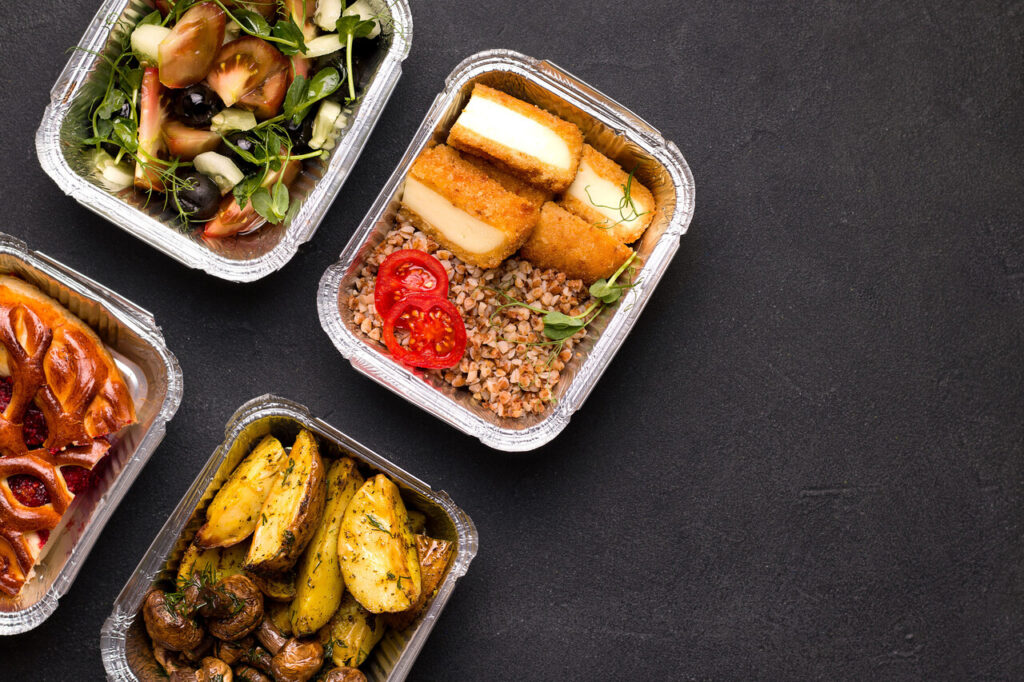
Food subscription boxes promise a lot in a small cardboard package. They offer convenience, discovery, and the excitement of trying something new without leaving home. From chef-designed meal kits to curated snacks and specialty ingredients, these services are built around the idea that cooking and eating can feel easier and more adventurous when someone else does the planning. For many subscribers, the first few deliveries really do deliver that spark. Opening the box feels like a surprise waiting on the doorstep.
But once the novelty settles, reality starts to shape the experience. Repeated recipes, limited storage space, higher prices, and the simple effort of cooking or organizing ingredients can make the service feel less magical over time. What once seemed like a clever shortcut can slowly become another routine commitment. These popular food subscription boxes often start strong, but for many households, the excitement fades once the initial curiosity is satisfied.
1. HelloFresh Feels Fresh at First but Can Start to Repeat Itself
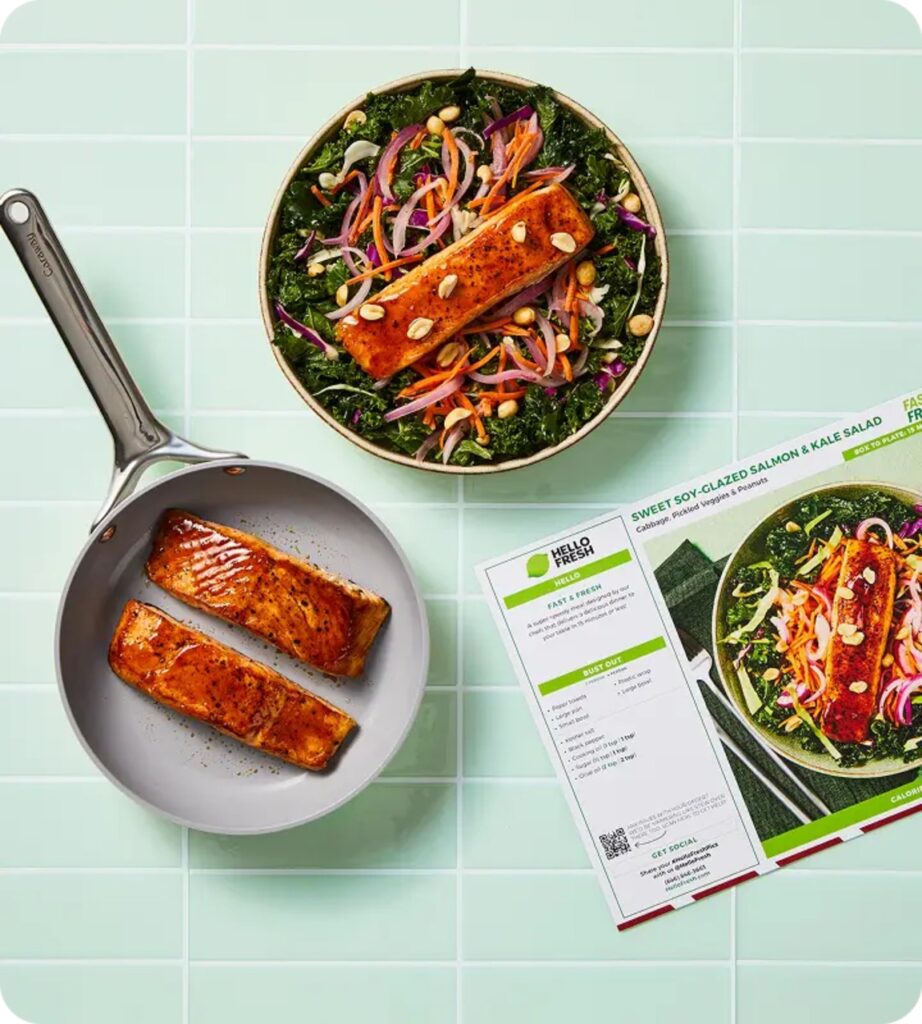
HelloFresh often feels exciting during the first few deliveries. Opening a box filled with neatly portioned ingredients and colorful recipe cards creates the sense that dinner has suddenly become easier and more creative. Many subscribers enjoy trying dishes they might never have cooked on their own, which makes the service feel like a cooking adventure rather than a routine task.
Over time, however, the menu rotation can start to feel familiar. Weekly selections tend to reuse similar proteins, sauces, and preparation techniques. While small variations appear in the recipes, experienced subscribers sometimes notice patterns emerging after several months of deliveries. The excitement of discovery can gradually turn into a sense of repetition.
Packaging also becomes more noticeable with long term use. Each ingredient arrives individually wrapped to maintain freshness and portion control. While this helps with organization, it can leave a pile of insulation, ice packs, and plastic wrappers after every delivery. The convenience remains real, but the novelty that made the first few boxes feel special may slowly fade.
2. Blue Apron Starts as a Culinary Adventure but Requires Real Commitment
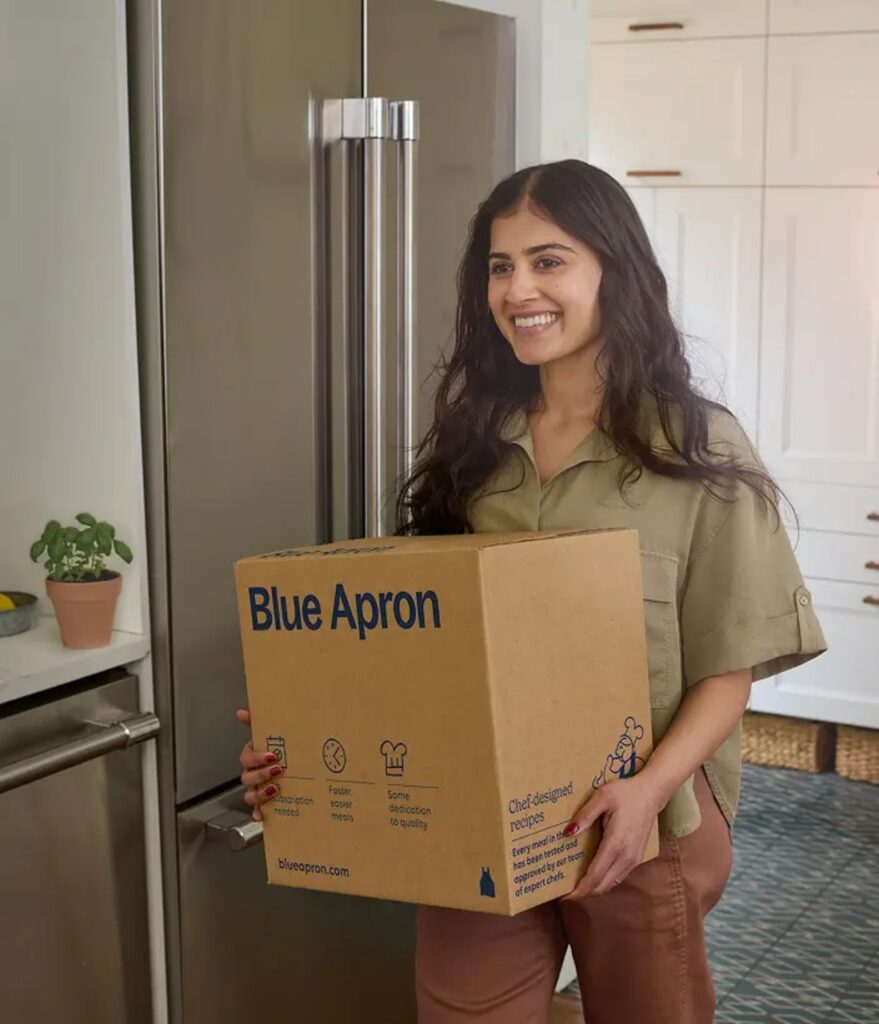
Blue Apron helped introduce many households to the idea of cooking restaurant-style meals at home. The recipes often include interesting sauces, international flavors, and thoughtful ingredient combinations. For new subscribers, the experience can feel like a cooking class delivered to the kitchen door.
As the weeks go by, the complexity of those recipes becomes more noticeable. Many meals involve multiple steps, several pans, and careful timing. A dinner that looks straightforward on the recipe card may require more attention and preparation than expected. What initially felt like a fun activity can become challenging on busy weeknights.
Another factor is the cost compared with traditional grocery shopping. While ingredients arrive pre-portioned, the price per serving can exceed what many households would normally spend on a home-cooked meal. Over time, subscribers may start weighing whether the learning experience and convenience justify the extra expense.
3. Gobble Promises Speed but Still Requires Hands-On Cooking
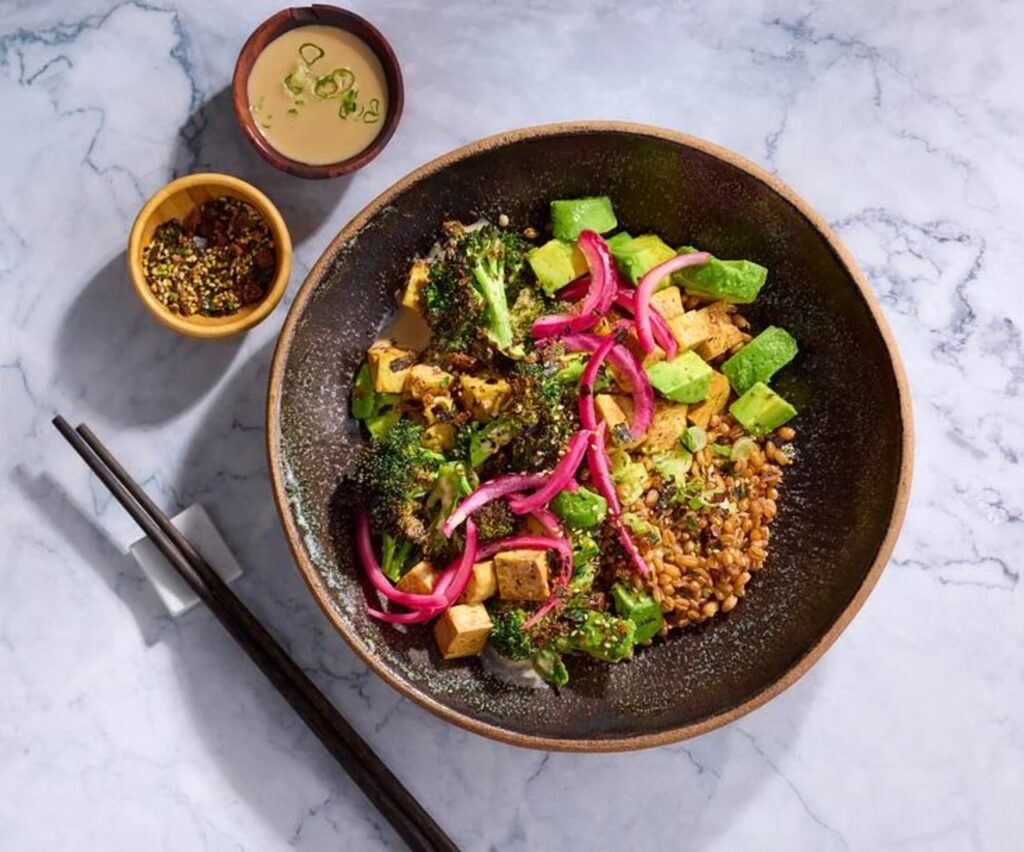
Gobble promotes itself as one of the faster meal kit services, often advertising meals that can be prepared in about fifteen minutes. Many ingredients arrive partially prepared, which means vegetables may already be chopped and sauces pre-made. For busy households, this approach feels like a welcome shortcut.
Despite those time-saving features, the meals still require active cooking. Proteins must be seared, ingredients combined, and dishes finished in the pan or oven. The process may be faster than traditional meal kits, but it still demands attention in the kitchen. Subscribers expecting something closer to ready-made meals sometimes feel surprised by the amount of cooking involved.
Menu variety can also influence long-term enthusiasm. Because the service focuses on speed, the weekly selection tends to be smaller than that of some competitors. After several months, some customers begin to feel that they have seen similar dishes before, which can make the service feel less exciting than it did in the beginning.
4. Purple Carrot Is Innovative but Can Feel Too Niche Over Time

Purple Carrot specializes in plant-based meal kits designed for people exploring vegan cooking. The recipes introduce ingredients like nutritional yeast, plant-based sauces, and creative grain combinations. Many subscribers enjoy discovering new flavors and techniques that expand their cooking repertoire.
However, the plant-based focus can limit variety for households with mixed dietary preferences. Families that include both vegan and non-vegan eaters sometimes struggle to keep everyone satisfied with the same meals week after week. Even dedicated plant-based eaters may eventually crave a broader range of ingredients than the service regularly provides.
Cost also plays a role in long-term decisions. Organic ingredients and specialty vegan products tend to increase the price per meal. While the recipes remain interesting, some subscribers eventually conclude that they can prepare similar plant-based dishes themselves at a lower cost using grocery store ingredients.
5. ButcherBox Feels Like a Treat Until the Freezer Fills Up
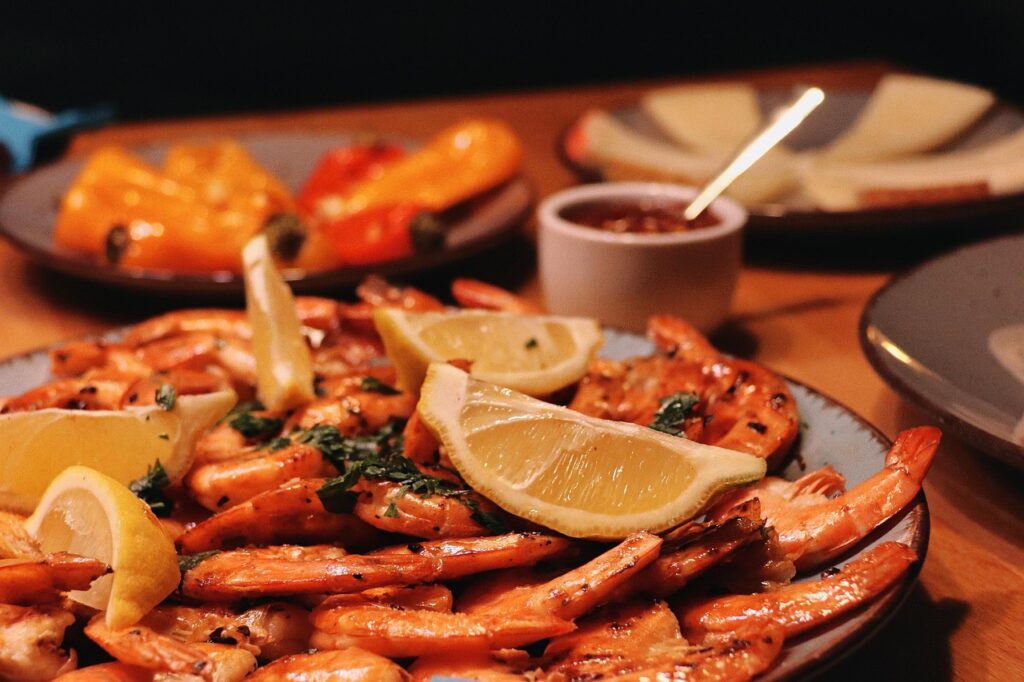
ButcherBox delivers curated selections of meat and seafood directly to subscribers. The appeal is immediate for many customers who appreciate the idea of high-quality cuts arriving conveniently at home. Opening the box often feels like stocking a premium butcher counter in your own kitchen.
The challenge appears after several deliveries when freezer space becomes an issue. Boxes typically include multiple large portions, and households may not cook meat frequently enough to use everything quickly. Without careful planning, packages can accumulate faster than they are used.
Another factor is cooking habits. While the meat quality may be impressive, the service still requires customers to plan meals around the cuts they receive. Over time, some subscribers realize that buying meat locally in smaller quantities better matches their cooking routine and available storage space.
6. Goldbelly Feels Like a Culinary Tour but Costs Add Up

Goldbelly stands out by delivering famous dishes from well-known restaurants across the country. Subscribers can order regional specialties that might otherwise require travel to experience. The excitement of tasting iconic foods from distant cities makes the service feel like a culinary adventure delivered to the doorstep.
The novelty of those experiences often fades once the initial curiosity is satisfied. Many of the meals are designed as special occasion treats rather than everyday dinners. Portions may be large, preparation instructions can be involved, and the dishes are often richer than what people eat regularly.
Cost is another important consideration. Shipping prepared food across the country requires careful packaging and overnight delivery, which raises the final price. While the meals can be memorable, frequent orders quickly become expensive, leading many customers to treat the service as an occasional indulgence rather than a routine subscription.
7. Trade Coffee Keeps Mornings Interesting Until Preferences Settle

Trade Coffee sends subscribers curated selections of beans from independent roasters around the country. Early deliveries often feel exciting because each shipment introduces a new flavor profile and roasting style. Coffee enthusiasts appreciate the chance to explore different regions and roasting techniques.
After several months, many drinkers discover a pattern in their preferences. Once someone learns they prefer a particular roast level or flavor profile, the novelty of constant experimentation can diminish. Some subscribers end up returning to a small group of favorite roasters rather than continuing the broader exploration.
Price and convenience also influence long-term decisions. While the coffee quality remains high, grocery stores and local roasters may offer similar beans at competitive prices. For customers who already know what they like, a rotating subscription can feel less necessary than it did in the beginning.
8. Wildgrain Brings Bakery-Fresh Bread but Requires Storage Space
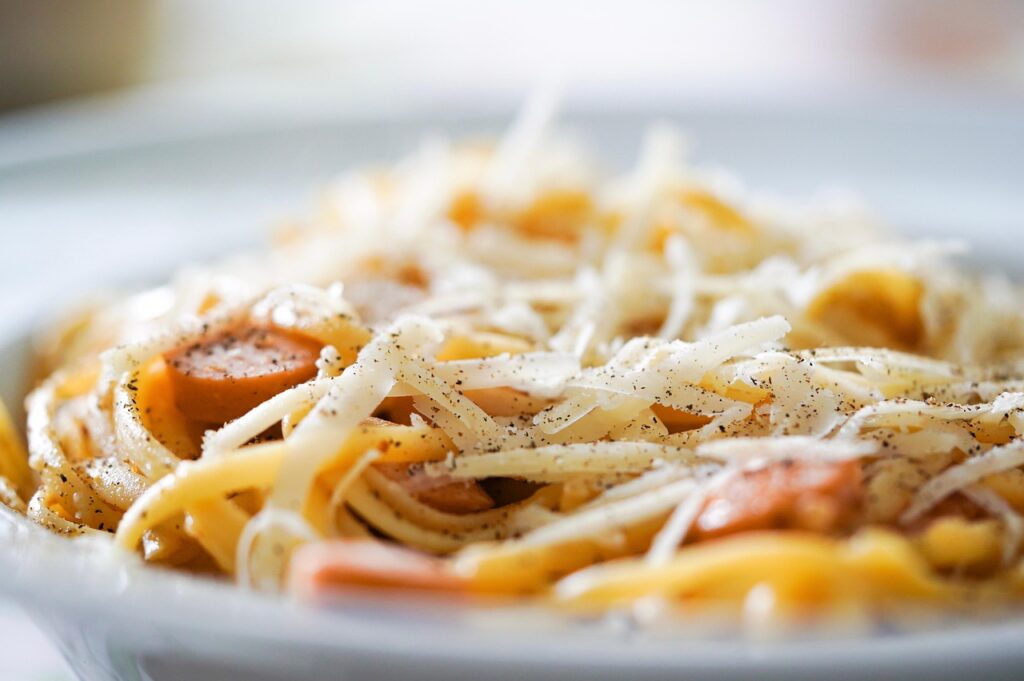
Wildgrain delivers frozen bread, pasta, and pastry items that customers bake at home. The concept appeals to people who love the smell and taste of freshly baked bread without visiting a bakery. Each box arrives with artisan loaves and doughs ready to be finished in the oven.
The novelty can fade when freezer space becomes limited. Each shipment includes multiple large items that must remain frozen until used. For smaller households or kitchens with limited freezer capacity, storing these products becomes challenging after several deliveries.
Bread consumption habits also play a role. Not every household goes through multiple loaves each month. When bread begins to accumulate in the freezer, the convenience of the subscription may feel less helpful than simply buying fresh loaves as needed from a local bakery.
9. Murray’s Cheese Club Delivers Luxury, but Portions Can Be Overwhelming

Murray’s Cheese Club offers carefully selected cheeses delivered monthly with tasting notes and pairing suggestions. For food lovers, receiving rare or seasonal cheeses can feel like an exciting gourmet experience. The service introduces flavors that many people would never discover on their own.
However, cheese is rich and often enjoyed in small portions. Some subscribers find that finishing multiple specialty cheeses within a month can be difficult. If the household does not entertain often, the cheeses may linger in the refrigerator longer than expected.
Cost can also influence enthusiasm. Specialty cheeses are naturally expensive, and a monthly subscription adds up quickly. While the tasting experience remains enjoyable, many customers eventually shift to purchasing premium cheeses occasionally rather than committing to a regular delivery.
10. Bokksu Snack Boxes Feel Fun but Not Always Practical

Bokksu delivers Japanese snacks and sweets curated around seasonal themes. Opening the box often feels like exploring a miniature food market filled with unfamiliar treats. For many subscribers, the cultural discovery element is the most exciting part of the experience.
Over time, however, the snacks can feel more like novelties than everyday food. Some items may appeal strongly to certain tastes while others remain untouched. Households that prefer savory snacks or familiar flavors may find that only part of each box gets eaten.
Another challenge is long-term usefulness. Once the curiosity about international snacks is satisfied, the monthly delivery may feel less essential. Customers often enjoy the experience once or twice before deciding that occasional specialty purchases better match their habits.
11. Universal Yums Offers Global Snacks but Repetition Appears

Universal Yums sends snack boxes inspired by different countries around the world. Each delivery focuses on a single region, featuring chips, sweets, and candies that reflect local flavors. The concept turns snack time into a cultural exploration that many families enjoy.
The excitement can fade after several months when snack formats begin to feel similar. Many boxes include variations of chips, wafers, and sweets that follow familiar patterns despite coming from different countries. While flavors change, the overall experience can begin to feel predictable.
Dietary preferences also affect long-term enjoyment. Some snacks may contain ingredients that certain households avoid, leaving fewer items that everyone wants to eat. The service remains fun as an occasional experience, but the novelty of global snack discovery does not always sustain a long-term subscription.
12. Daily Harvest Feels Healthy but Sometimes Leaves People Hungry
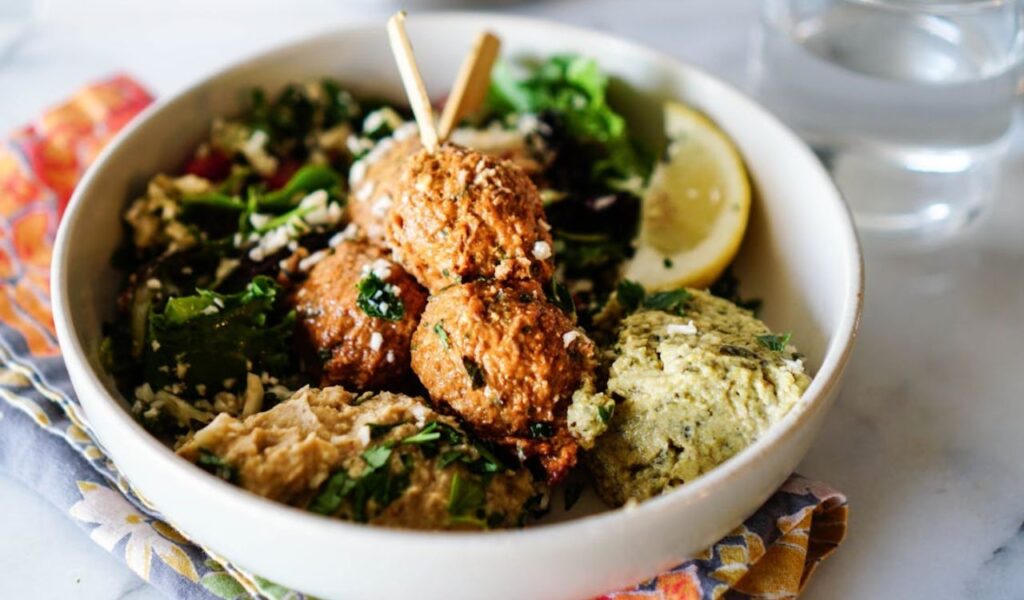
Daily Harvest focuses on smoothies, grain bowls, soups, and plant-based meals delivered frozen. The ingredients are often organic and thoughtfully combined, which appeals to customers looking for convenient, healthy options. The colorful packaging and ready-to-blend smoothies make the first deliveries feel refreshing and modern.
Over time, some subscribers feel that the portions are lighter than expected for a full meal. While the ingredients are nutritious, certain items may not provide enough calories or protein to satisfy larger appetites. Customers sometimes supplement the dishes with additional ingredients from their own kitchens.
Price also enters the conversation after several months. Individually packaged meals cost more than preparing similar dishes at home using grocery store ingredients. While the convenience remains appealing, many customers eventually decide that the service works best as an occasional shortcut rather than a permanent routine.