10 Foods Everyone Thinks Are American But Were Actually Invented Somewhere Else


Some of the foods most closely linked with American menus did not actually begin in the United States. Over time, immigration, restaurant culture, and mass marketing helped turn them into U.S. staples. This gallery looks at 10 familiar favorites and traces where they really started, plus how they became so deeply woven into American eating habits.
Hamburger
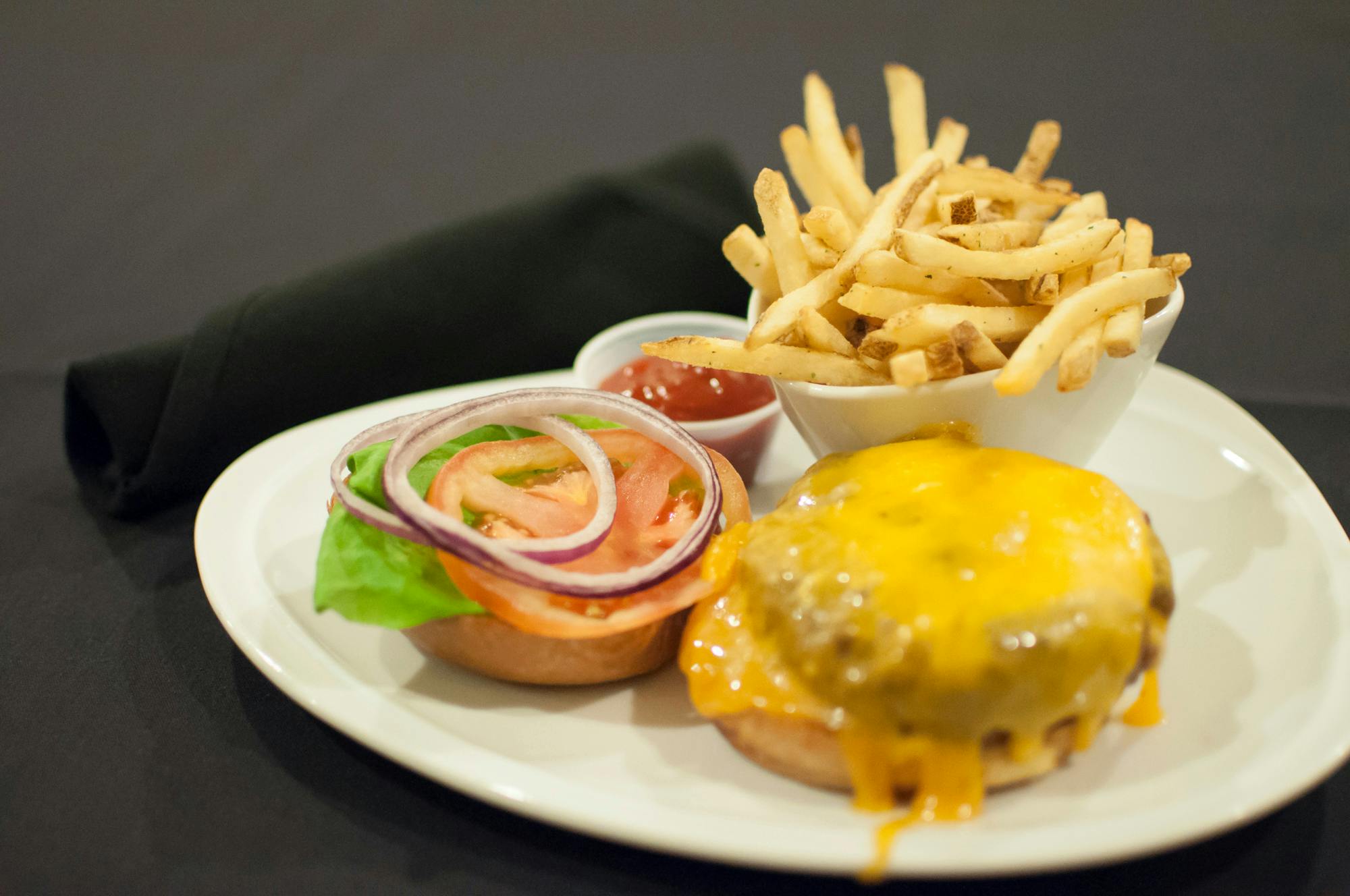
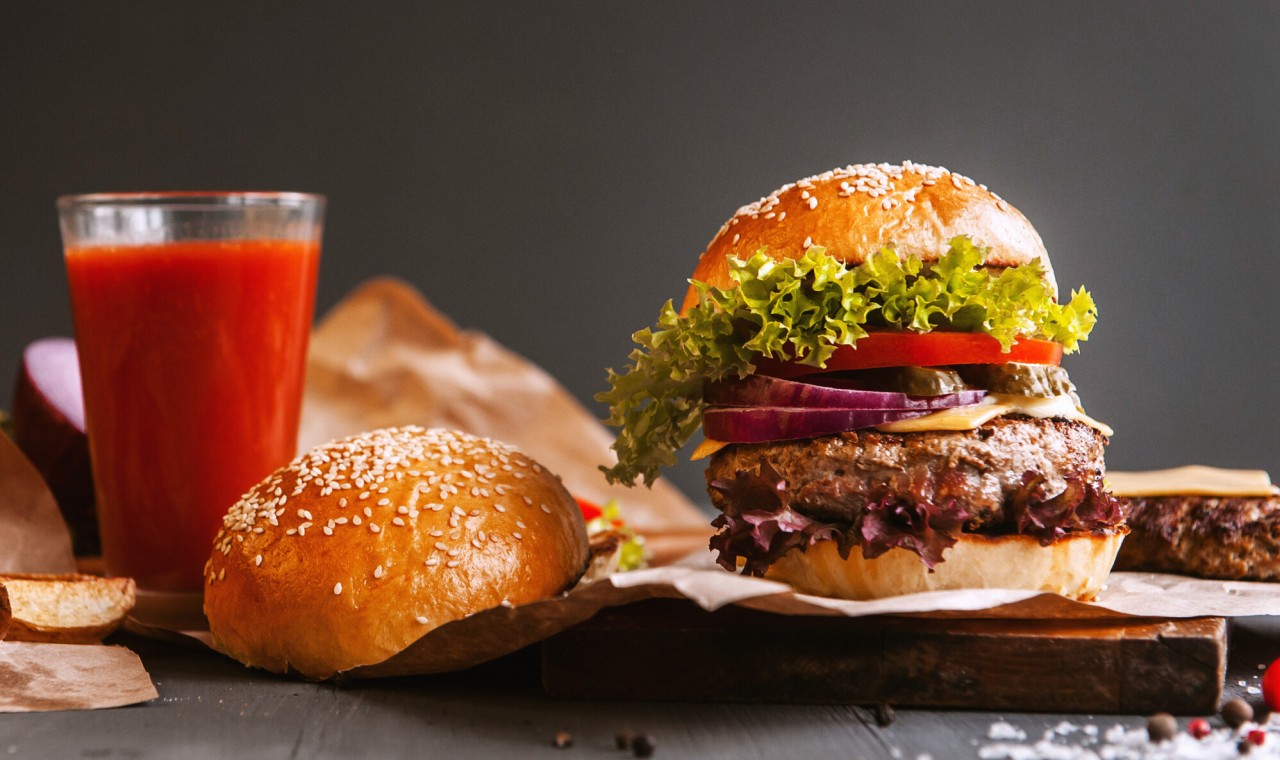
The hamburger is one of the clearest examples of a food Americans embraced so completely that its older roots are easy to miss. The idea of minced or chopped beef traces back to Europe, especially the city of Hamburg, Germany, where seasoned ground beef preparations became well known in the 19th century.
What the United States did was transform that beef into a sandwich and make it a mass-market phenomenon. By the early 20th century, hamburger stands, fairs, and diners helped popularize it nationwide. So while the burger became an American icon, the name and the underlying meat tradition point squarely to German origins.
Hot Dog

Hot dogs feel inseparable from baseball games, summer cookouts, and city street carts, but their ancestry leads back to Central Europe. Sausages similar to modern hot dogs developed in places like Frankfurt, Germany, and Vienna, Austria, both of which have long claimed ties to the frankfurter and wiener.
German-speaking immigrants brought those sausage traditions to the United States in the 19th century. Americans then tucked them into buns, sold them at parks and stadiums, and turned them into a national staple. The result is a food that became thoroughly American in style and setting, even though its core identity was imported.
Apple Pie
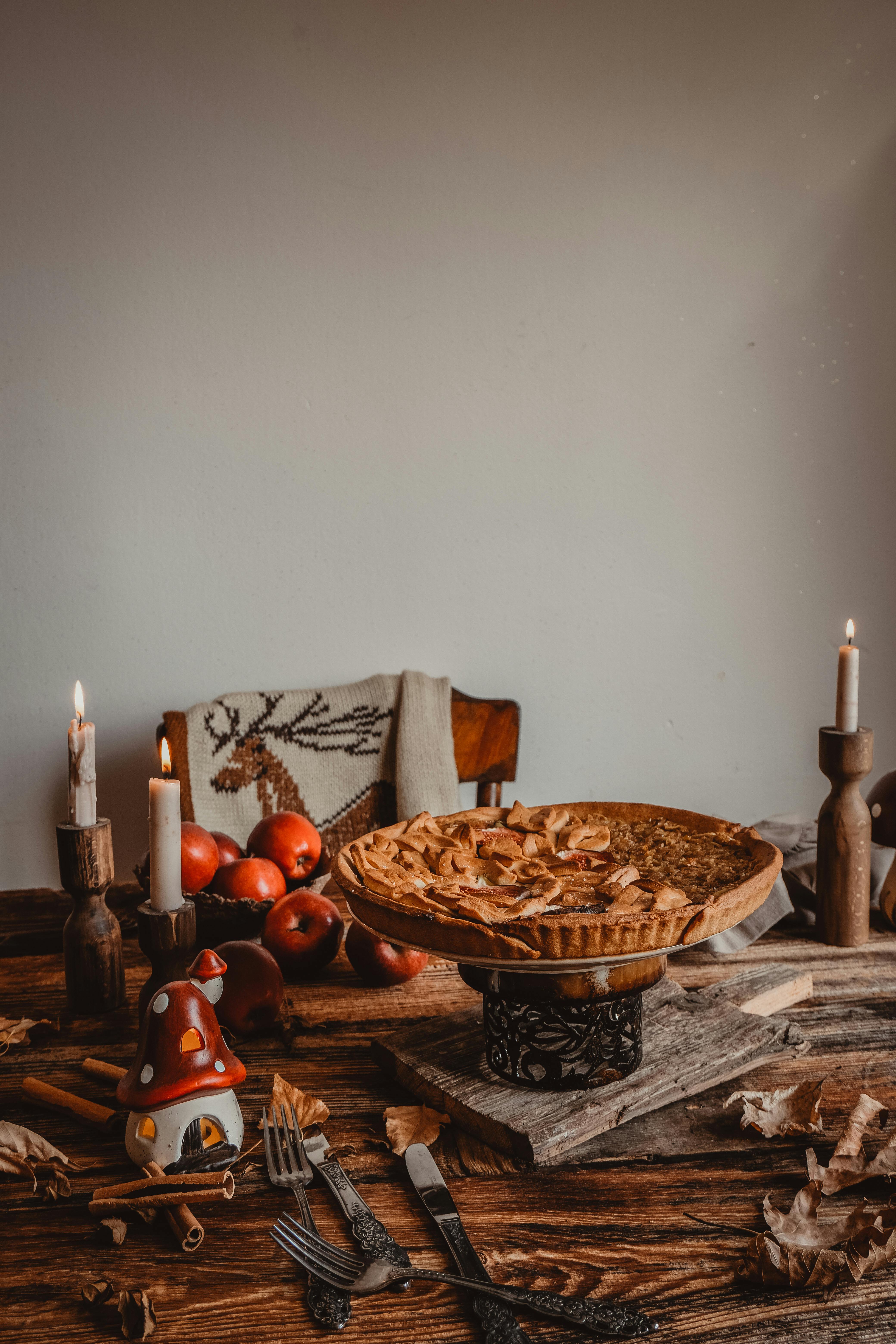
Few phrases sound more American than apple pie, yet the dessert itself has much older European roots. Early pie-making traditions flourished in England, and published apple pie recipes appeared there centuries before the United States existed. Apples were also cultivated widely across Europe, making the filling a natural fit.
Colonists brought those baking traditions with them to North America, where the pie took on a new cultural life. Over time, apple pie became a patriotic symbol, especially in the 20th century, when advertising and popular culture tied it to home, family, and national identity. Its symbolism may be American, but its invention was not.
French Fries
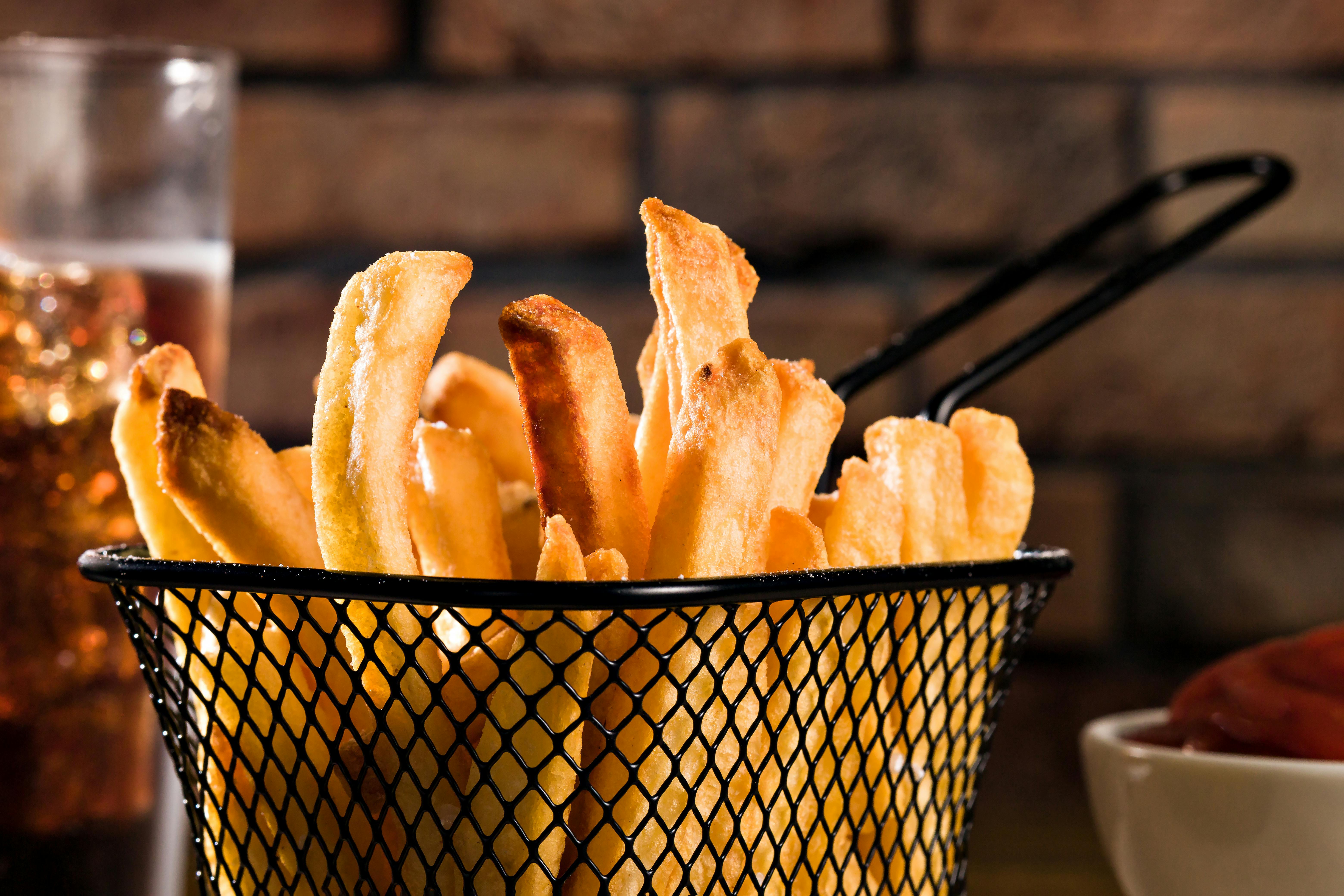
French fries are served everywhere from fast-food chains to upscale bistros in the United States, but most food historians place their origins in Belgium. One common account holds that people in the Meuse Valley were frying strips of potatoes by the late 17th or 18th century, long before fries were linked so strongly to American meals.
The name causes some confusion, since English speakers often call them French fries, but Belgium has the stronger historical claim. American soldiers and travelers helped spread fried potatoes further, and the U.S. fast-food industry made them globally recognizable. Even so, their origin story points back across the Atlantic, not to American diners.
Pretzel
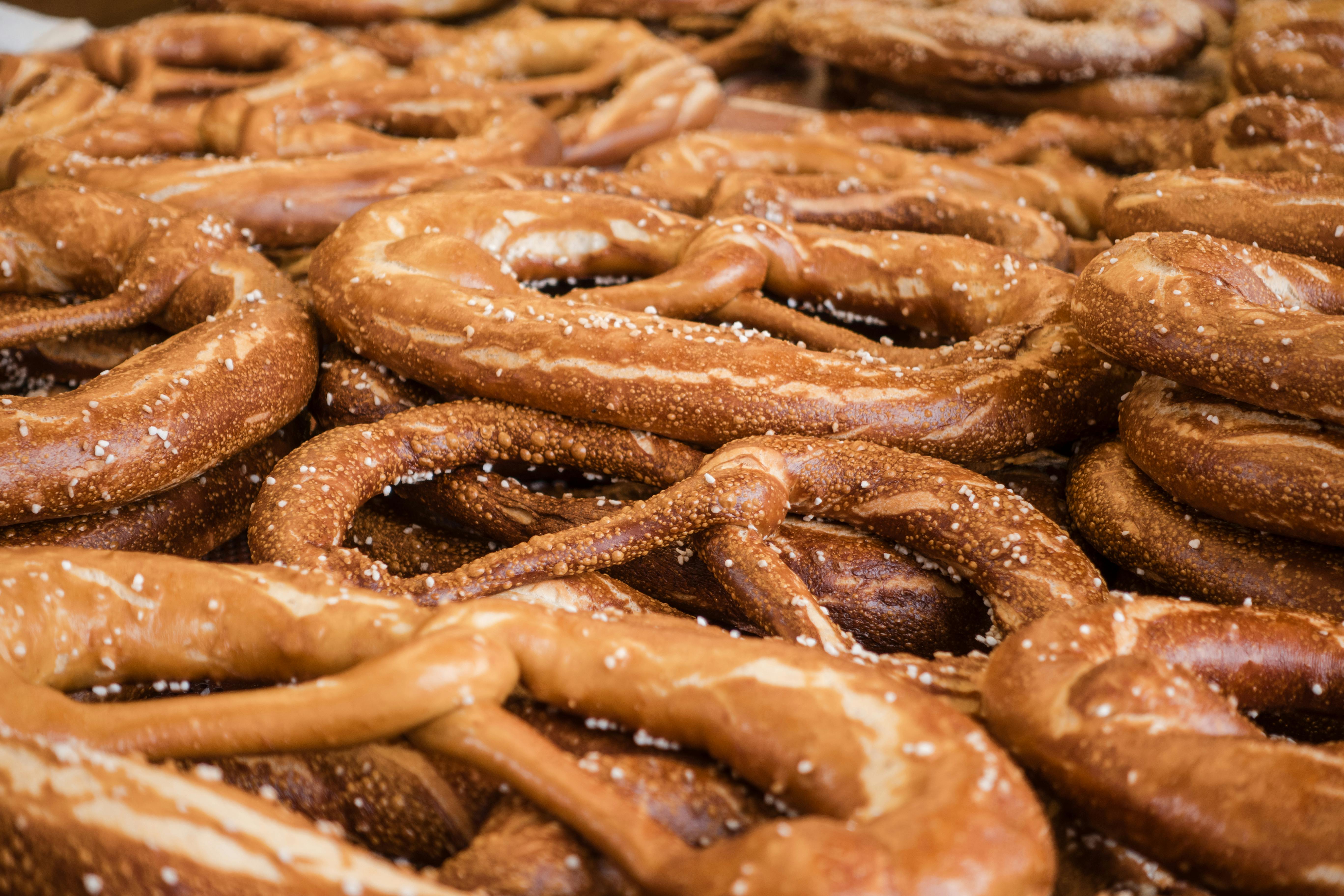
Pretzels are a familiar sight at malls, stadiums, breweries, and snack aisles across the United States, yet they began in Europe. Their earliest history is often tied to medieval monasteries, with many accounts placing their development in what is now Italy or among monks in southern Europe before the shape spread northward.
Germany later became especially important to pretzel culture, refining both hard and soft styles and helping make the twisted bread widely recognizable. German immigrants then carried pretzel traditions to America, particularly to Pennsylvania, where the snack flourished. That American success story is real, but the pretzel itself had centuries of life elsewhere first.
Doughnut

Doughnuts are often treated as a classic American indulgence, especially because of their deep ties to coffee shops and breakfast culture. But fried dough rings and related pastries have European roots, especially in Dutch baking traditions. Dutch settlers brought olykoeks, or oil cakes, to early America, and those pastries are widely seen as important ancestors of the modern doughnut.
The American version evolved over time, especially as machinery, shop culture, and chain bakeries standardized the familiar ring shape and endless glaze options. In other words, the United States helped industrialize and popularize doughnuts on a huge scale. The original idea, however, arrived from overseas rather than being invented at home.
Macaroni and Cheese

Macaroni and cheese may now read as pure American comfort food, but the pairing of pasta and cheese predates the United States by centuries. Medieval European cookbooks recorded dishes built around pasta sheets or tubes with grated cheese, and Italy is central to that long culinary history. The concept was never uniquely American in origin.
Thomas Jefferson helped popularize versions of the dish in the United States after encountering pasta in Europe, which added to the myth that it was somehow domestically born. Later, boxed convenience foods made it even more American in everyday life. Still, pasta-and-cheese combinations were already established abroad long before they reached U.S. tables.
Ketchup

Ketchup seems like an all-American condiment because it is so tied to burgers, fries, and backyard grilling. Yet the word itself is believed to come from Asian sauces, often traced to Hokkien Chinese or other Southeast Asian terms for fermented fish brine. Early versions were savory and did not resemble the tomato-based ketchup people know today.
European traders encountered those sauces and adapted them, creating mushroom and other versions before tomatoes entered the picture. The United States later embraced tomato ketchup and helped turn it into a standard bottled staple. So the familiar red condiment became heavily Americanized, but its linguistic and culinary roots began far from U.S. shores.
Ice Cream Cone

Many Americans associate the ice cream cone with fairs, boardwalks, and old-fashioned summer treats, and the 1904 St. Louis World’s Fair is often credited with popularizing it. But edible cones appeared in Europe earlier, especially in France and Italy, where pastry makers were already shaping thin wafers into holders for sweets before the cone became an American sensation.
What happened in the United States was less a singular invention than a powerful burst of visibility and commercialization. Fair culture, amusement parks, and later ice cream shops made the cone feel distinctly American. Its wider fame may have blossomed in the U.S., but the edible vessel itself was not born there.
Pizza
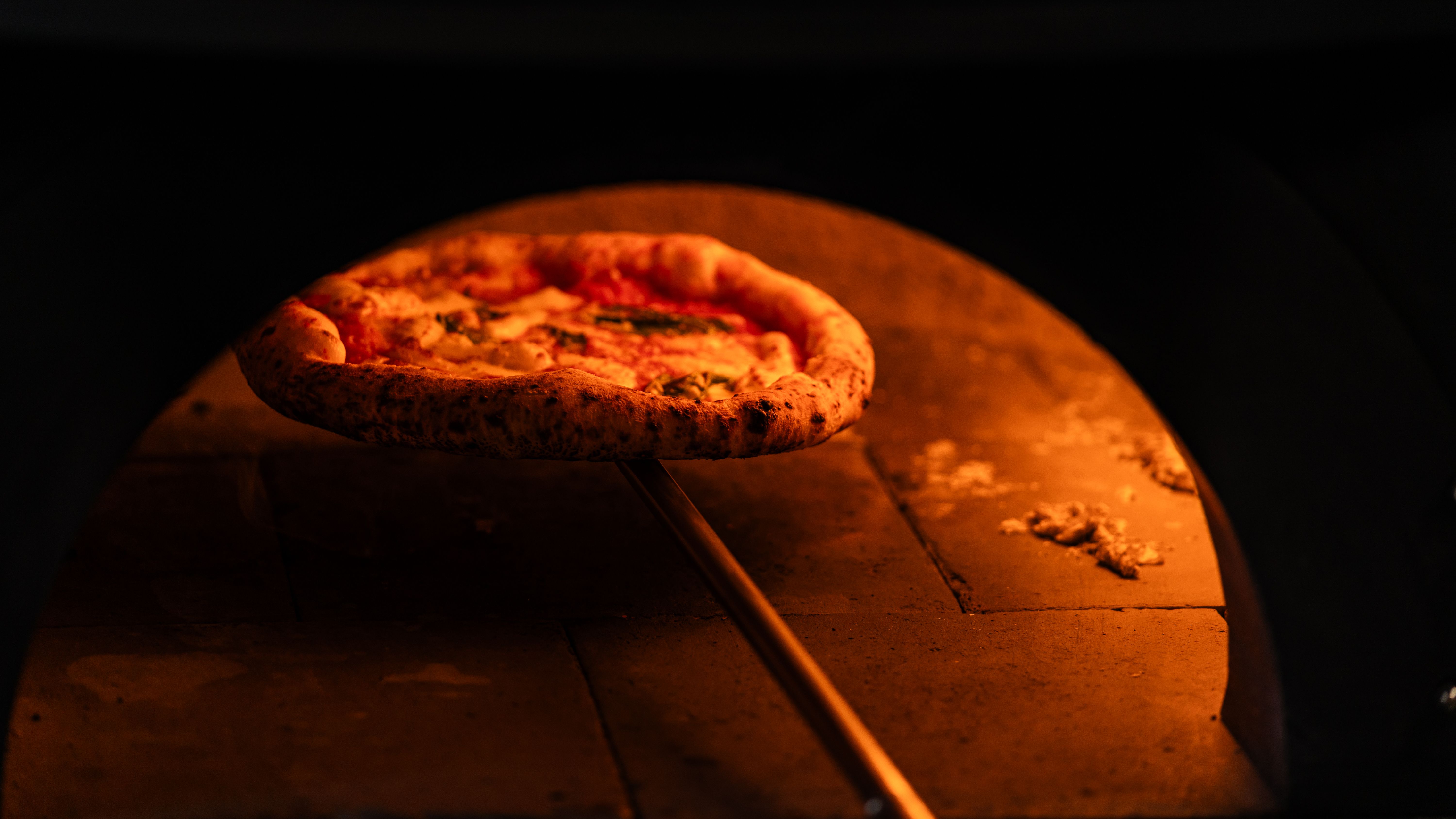
Pizza is so common in America that it can be easy to forget it is fundamentally Italian. Modern pizza is most strongly associated with Naples, where flatbreads topped with tomato, cheese, and oil developed into the dish recognized today. Long before delivery boxes and giant New York slices, pizza was firmly rooted in southern Italian food culture.
Italian immigrants brought pizza to the United States, where it evolved into regional forms like New York, Chicago, and Detroit styles. Those variations became hugely influential and helped make pizza part of everyday American life. Still, the original invention belongs to Italy, even if America gave it some of its most famous reinventions.