How Food Security Measures Are Changing the Grocery Experience

Food security has become a growing concern across many parts of the world, and its influence is quietly reshaping how grocery stores operate and how people shop for everyday essentials. Governments, retailers, and community organizations are all working to improve access to affordable and nutritious food. These efforts are changing store layouts, product availability, pricing strategies, and even how surplus food is handled. As policies and programs focus more on ensuring reliable food access, grocery stores are adapting in ways that affect everything from what appears on shelves to how shoppers plan their purchases.
Food Security Is Reshaping Grocery Retail
Food security is increasingly influencing how grocery stores operate and how customers experience everyday shopping. At its core, food security means ensuring that people always have physical and economic access to enough safe and nutritious food for a healthy life. As governments and organizations focus more attention on food availability and affordability. Retailers are no longer viewed only as businesses selling products. They are also seen as important links in ensuring communities have reliable access to essential food supplies. This perspective is changing how supermarkets think about their role in society.
This shift has changed how grocery stores design their offerings and policies. Many retailers are now expected to help address gaps in food access, particularly in neighborhoods where supermarkets are limited. In these areas, grocery stores play a vital role in improving the availability of fresh produce, grains, dairy, and other staple foods. By expanding access to healthy food options, stores help reduce dependence on convenience shops that often carry fewer nutritious products. In communities with limited grocery access, a single supermarket can dramatically change the food purchasing habits.
Retailers also respond to national and global food security discussions by monitoring supply chains more closely. Food price fluctuations and shortages can quickly affect customer access to basic items. When grocery stores strengthen supply systems and maintain stable inventories, they contribute directly to improving food availability. These changes gradually reshape how stores operate and how customers experience grocery shopping. Retail managers track demand patterns more carefully than before. Stronger supply monitoring also allows stores to respond quickly to unexpected disruptions. This helps maintain customer confidence in grocery availability.
Government Programs Are Changing Grocery Spending
Public nutrition assistance programs have a significant influence on how people shop for groceries. Many households rely on food assistance benefits to purchase essential items each month. These programs increase purchasing power for families that might otherwise struggle to afford enough food. As a result, grocery stores must adapt to the purchasing patterns created by these support systems. Stores often adjust their product selection to meet the needs of shoppers using these benefits. Staple foods tend to receive greater shelf space in areas with high participation. This planning helps ensure that essential foods remain available when demand rises.
When benefits are distributed at specific times of the month, stores often experience noticeable increases in customer traffic. Shoppers using assistance programs frequently prioritize staple items such as grains, vegetables, dairy, and proteins. Retailers adjust inventory and pricing strategies to ensure these essential foods remain available during high-demand periods. This pattern demonstrates how policy decisions can shape the rhythm of grocery shopping within communities. Grocery managers carefully monitor these demand cycles to maintain stock levels. Extra shipments may arrive before peak shopping days.
These programs also influence what types of products appear prominently in stores. Many food assistance systems encourage purchases of nutritious items rather than highly processed foods. Grocery retailers, therefore, highlight healthier products and expand sections that feature fresh ingredients. Over time, these adjustments influence the overall layout and selection found in many supermarkets. Fresh produce displays often receive more attention as a result. Stores may also promote affordable healthy meal options. Some retailers also provide educational signage that highlights nutritious ingredients.
Grocery Stores Are Expanding Healthy Food Access
Efforts to improve food security often focus on expanding grocery access in communities that lack full-service supermarkets. In some neighborhoods, residents must travel long distances to purchase fresh food, creating significant barriers to healthy eating. Programs that support grocery store development in these areas aim to reduce those barriers and bring essential foods closer to households. When new stores open in underserved communities, they help fill an important gap in local food systems. Residents gain convenient access to fresh fruits, vegetables, dairy, and whole grains.
When supermarkets appear in previously underserved areas, they can significantly change local shopping habits. Residents gain access to nutritious ingredients that were previously difficult to find. Fresh produce sections introduce customers to ingredients they may not have purchased before. Over time, these changes influence how families plan and prepare meals. Children growing up in these communities gain greater exposure to healthy food choices. This access can shape long-term dietary patterns. Regular exposure to fresh ingredients also builds familiarity with cooking. Families gradually develop new meal routines around healthier foods.
Retailers participating in these initiatives often work closely with community groups to understand local needs. They may offer culturally relevant food options, affordable staple items, and special promotions that encourage healthier choices. These efforts help build trust between grocery stores and the communities they serve. Local partnerships also help stores better understand customer preferences. Community engagement can influence which products remain stocked regularly. It also encourages stores to remain responsive to local dietary traditions. This responsiveness makes grocery stores more welcoming for diverse communities.
Price Pressures Are Changing Shopping Behavior
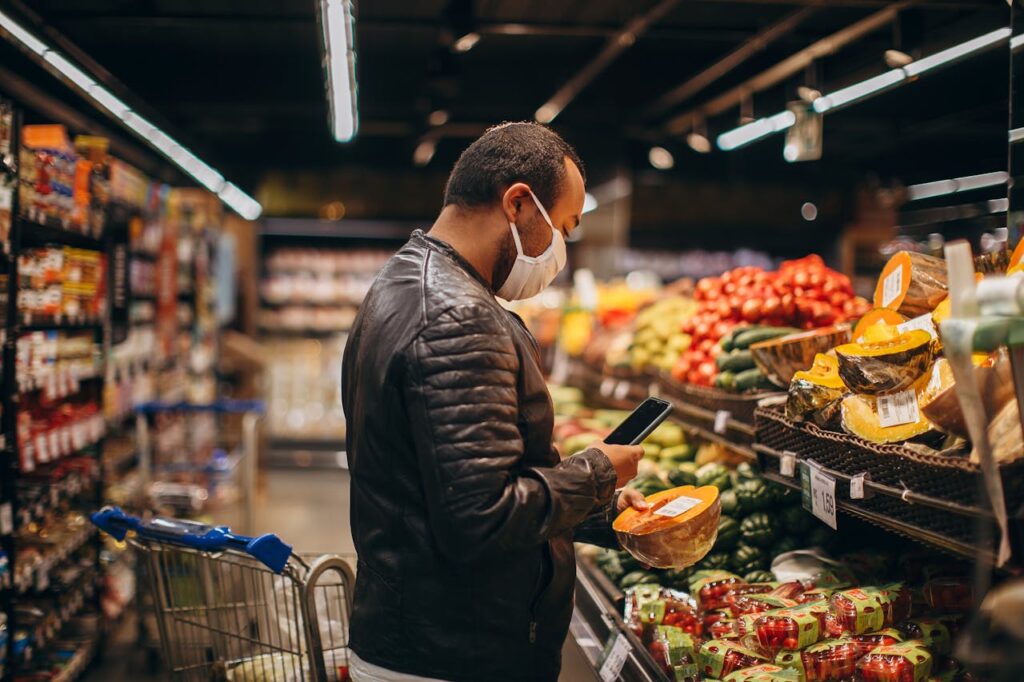
Food prices continue to shape how people approach grocery shopping. When the cost of staple items rises, households often rethink how they plan meals and where they spend their food budgets. Even small increases in everyday items such as bread, eggs, or vegetables can accumulate into noticeable changes in monthly spending. Because of this, shoppers increasingly pay closer attention to prices, promotions, and product sizes. Customers often compare prices across brands before adding items to their carts. This careful approach reflects the growing pressure many families feel when managing food expenses.
Price sensitivity also encourages shoppers to search for value in different ways. Many households switch to store brands, bulk packages, or frozen alternatives when fresh items become too expensive. These choices allow families to maintain consistent meal options without exceeding their budgets. Grocery retailers recognize this shift and respond by highlighting discounted items and affordable staples more prominently. Price tags, promotional signs, and loyalty discounts become more visible throughout stores. Shoppers begin to plan meals around what is on sale rather than what they originally intended to buy.
Changing prices can also affect how often people shop. Some families reduce frequent small trips and instead plan larger shopping visits to better control spending. Planning helps reduce impulse purchases and allows shoppers to focus on essential ingredients. Grocery stores respond by offering larger value packs and family-sized products that appeal to budget-conscious customers. These options help shoppers stretch their food budgets across multiple meals. Retailers also adjust promotional cycles to match evolving consumer behavior. As price pressures continue, both stores and shoppers adapt their strategies to manage rising costs.
Grocery Retailers Are Adjusting Product Availability
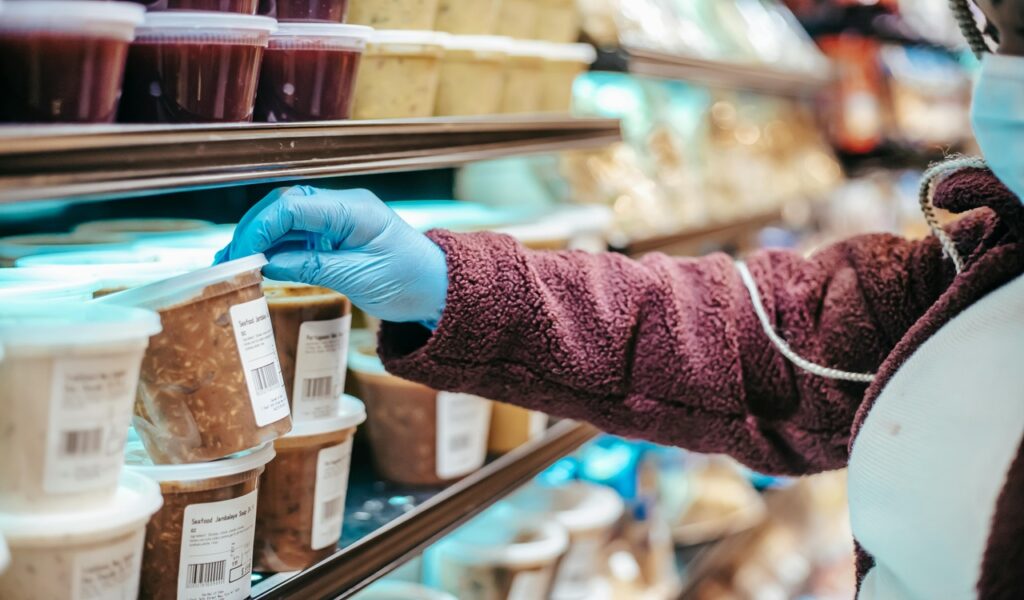
Retailers are increasingly adjusting product availability to reflect shifting food security priorities. When certain foods become more important for affordability and nutrition, stores respond by increasing shelf space for those items. Staple ingredients such as grains, beans, rice, pasta, and canned vegetables often become central to grocery inventory planning. These foods provide reliable nutrition while remaining relatively affordable for most households. Consistent availability helps customers depend on these staples when planning meals. Grocery stores, therefore, treat these items as essential components of their inventory strategy.
The growth of private-label products is another important adjustment. Store brands offer many of the same foods as national brands but usually at lower prices. This makes them attractive to shoppers looking to reduce grocery bills without sacrificing quality. Over the past decade, many retailers have invested heavily in improving the quality and variety of these store-brand items. As a result, customers increasingly view them as reliable alternatives rather than second-choice products. Many grocery chains now promote their private label products with dedicated shelf displays. These displays encourage shoppers to consider affordable options during their visits.
Product availability decisions also rely heavily on inventory management systems. Retailers track which foods sell quickly and which products remain on shelves longer. This data allows stores to reorder popular items more efficiently and avoid shortages. Maintaining a steady inventory is especially important for foods that households depend on regularly. When staple foods remain consistently available, shoppers feel more confident about planning meals and grocery budgets. Reliable product supply builds trust between stores and customers. It also helps communities maintain stable access to essential foods.
Food Waste Programs Are Transforming Store Practices

Food waste reduction has become an increasingly important part of grocery store operations. Retailers often receive products that remain safe to eat but cannot be sold due to cosmetic imperfections or approaching expiration dates. Instead of discarding these items, many stores now donate them to food banks and community organizations. These donations allow edible food to reach people who need assistance rather than being thrown away. Grocery chains have developed systems to identify which foods can be safely redistributed. Staff members separate these items before they leave the store environment.
Food recovery partnerships are expanding across many communities. Grocery stores collaborate with charities, volunteers, and local organizations to transport donated food to shelters and pantries. These networks help ensure that rescued food reaches families experiencing food insecurity. The process requires coordination between retailers and community partners. Volunteers often play a critical role in collecting and distributing donated items. Together, these partnerships create an efficient system that connects surplus food with people who need it. The result is a more responsible approach to managing excess inventory.
Reducing food waste also benefits the environment. When edible food is thrown away, it contributes to landfill waste and unnecessary resource loss. Donation programs help prevent this outcome by giving surplus products a second purpose. Many grocery stores now treat food donation as a standard part of their operations. Employees receive training on how to identify items that can be safely donated. These programs demonstrate how retailers can support both environmental sustainability and community wellbeing at the same time. Food recovery efforts, therefore, serve multiple important goals. They reduce the volume of waste sent to landfills.