7 Foods Americans Often Overcook Without Realizing It

Cooking at home can seem simple, yet small habits can affect the final dish. Many foods lose their best flavor and texture when they stay on the heat longer than needed. A few extra minutes can dry out meats, soften vegetables too much, or dull delicate ingredients.
Overcooking often comes from good intentions. Many cooks leave food on the heat longer to ensure it is safe and fully done. Yet once food passes its ideal point, moisture escapes and textures change quickly, making dishes tougher or less appealing.
Learning when to stop cooking can improve everyday meals. Removing ingredients slightly earlier lets residual heat finish cooking while preserving moisture. This helps meats stay juicy, vegetables keep their color, and pasta keeps a pleasant bite.
1. Chicken Breast
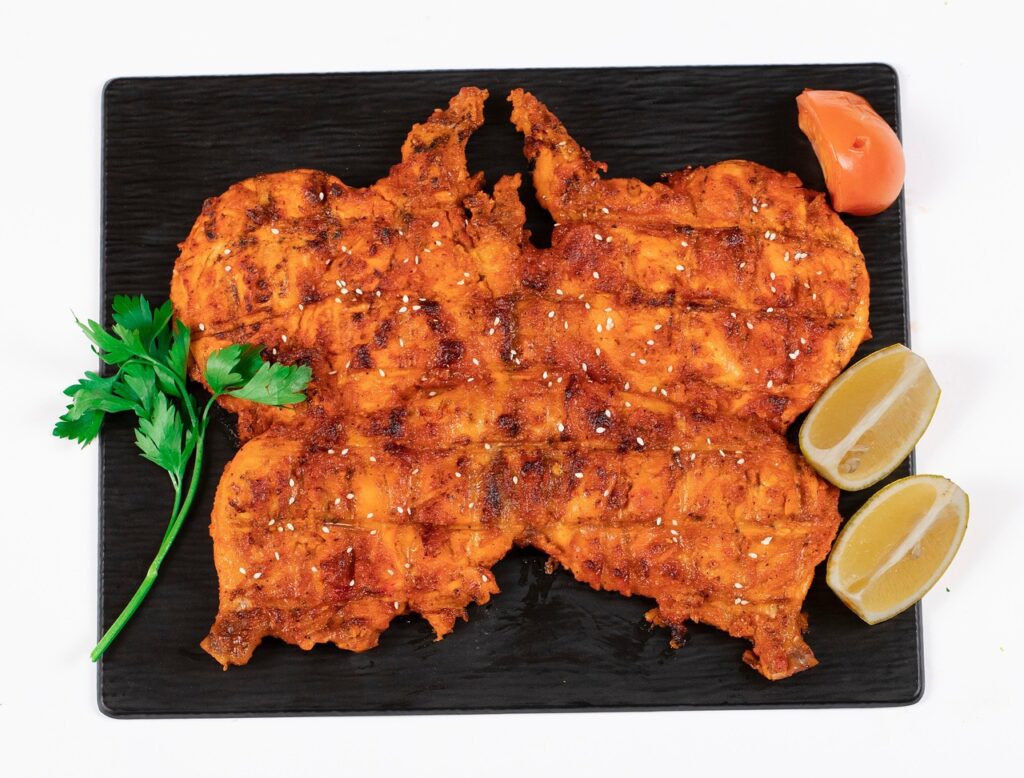
Few foods suffer more from overcooking than chicken breast. Because it is lean and contains little fat, it can dry out quickly when exposed to heat for too long. Many home cooks leave it on the stove or grill longer than needed because of food safety concerns.
Chicken must reach a safe internal temperature, but once it passes that point, the meat begins to lose moisture. Muscle fibers tighten and push out juices, leaving the texture firm and sometimes chalky. Properly cooked chicken breast should still feel tender and slightly juicy.
Cooking method also matters. Thin fillets cook faster than thick pieces, yet they are often handled the same way. Watching thickness and using a thermometer helps prevent the dryness often linked with chicken breast.
2. Salmon
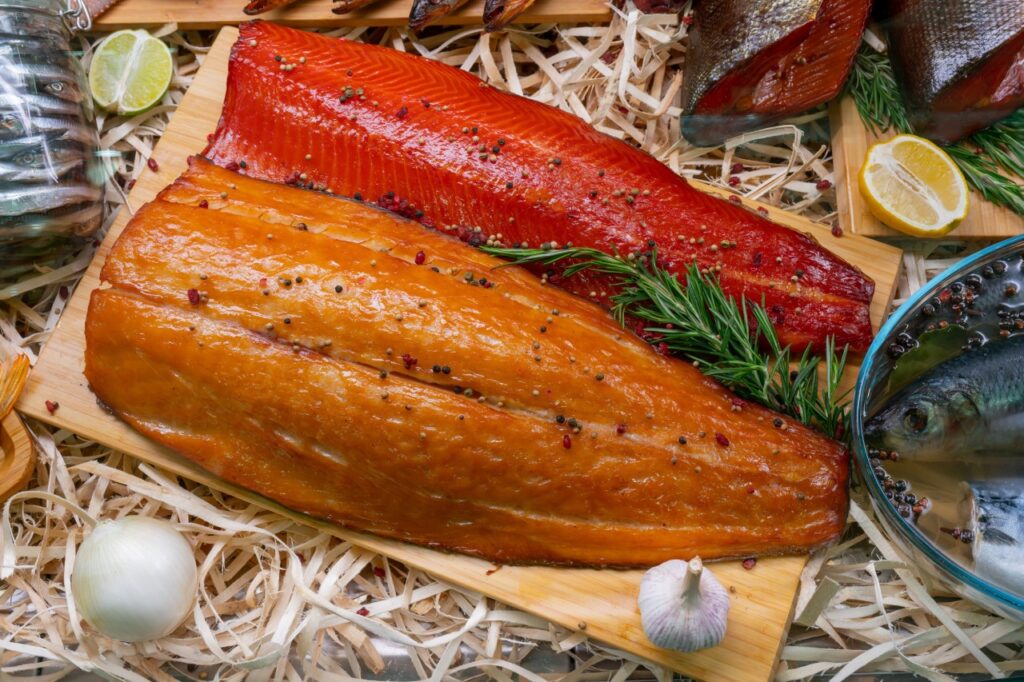
Salmon is prized for its rich flavor and healthy fats, yet it is frequently cooked longer than necessary. Many people expect fish to be fully opaque and firm, but salmon continues to cook slightly even after it is removed from the heat.
When salmon stays on the grill, pan, or oven too long, its natural oils begin to separate, and the flesh becomes dry. The fish can also lose its delicate texture and turn flaky in a way that feels less tender than intended.
Professional chefs often cook salmon until the center remains slightly translucent. The residual heat finishes the process while preserving moisture. Understanding that fish cooks quickly helps prevent the common mistake of leaving it on the heat until it loses its natural softness.
3. Broccoli
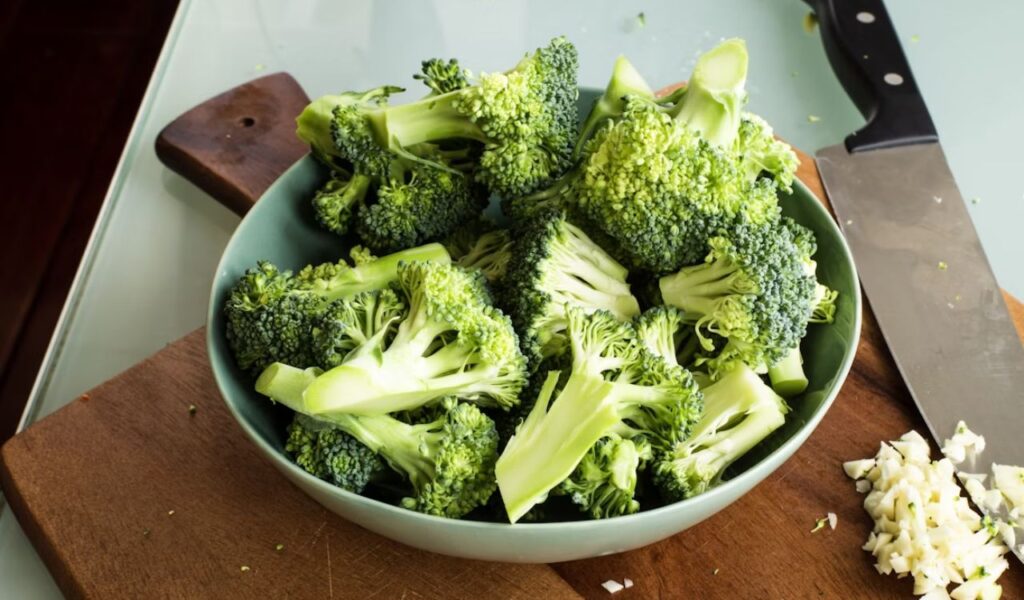
Broccoli is one of the most nutritious vegetables in the kitchen, yet it is often cooked past its ideal point. When boiled or steamed too long, the bright green florets turn dull, and the texture becomes soft.
Overcooking also affects flavor. The longer broccoli is exposed to heat, the more sulfur compounds are released. These compounds create the strong smell that many people associate with overcooked vegetables.
Shorter cooking times preserve both color and taste. Light steaming or quick roasting keeps broccoli crisp while maintaining nutrients that can be lost during prolonged cooking. The result is a vegetable that tastes fresher and more balanced.
4. Scrambled Eggs
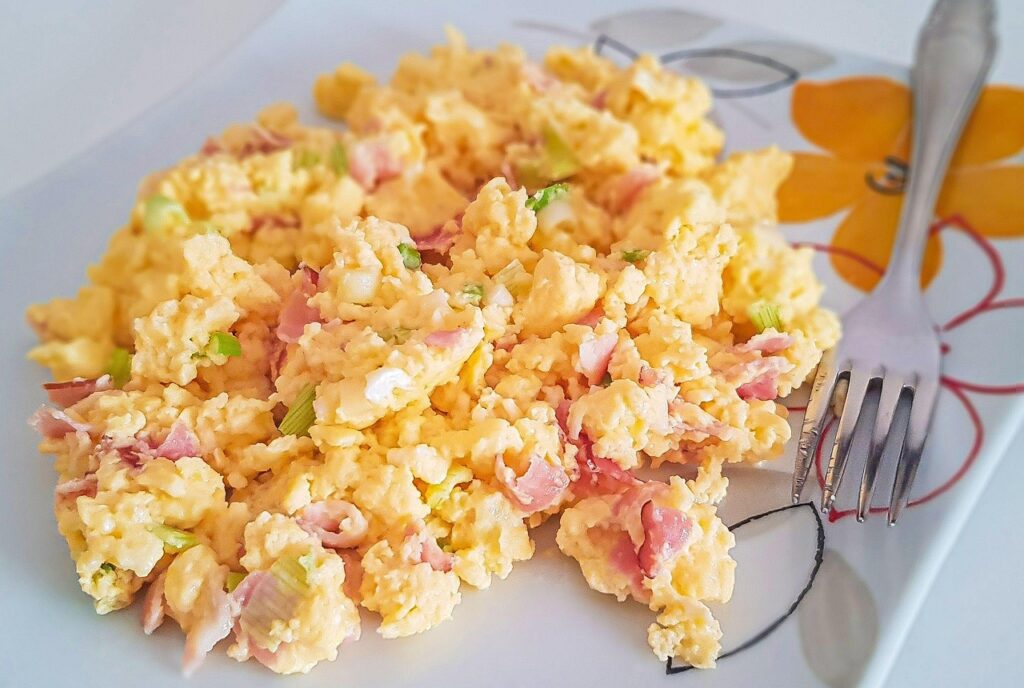
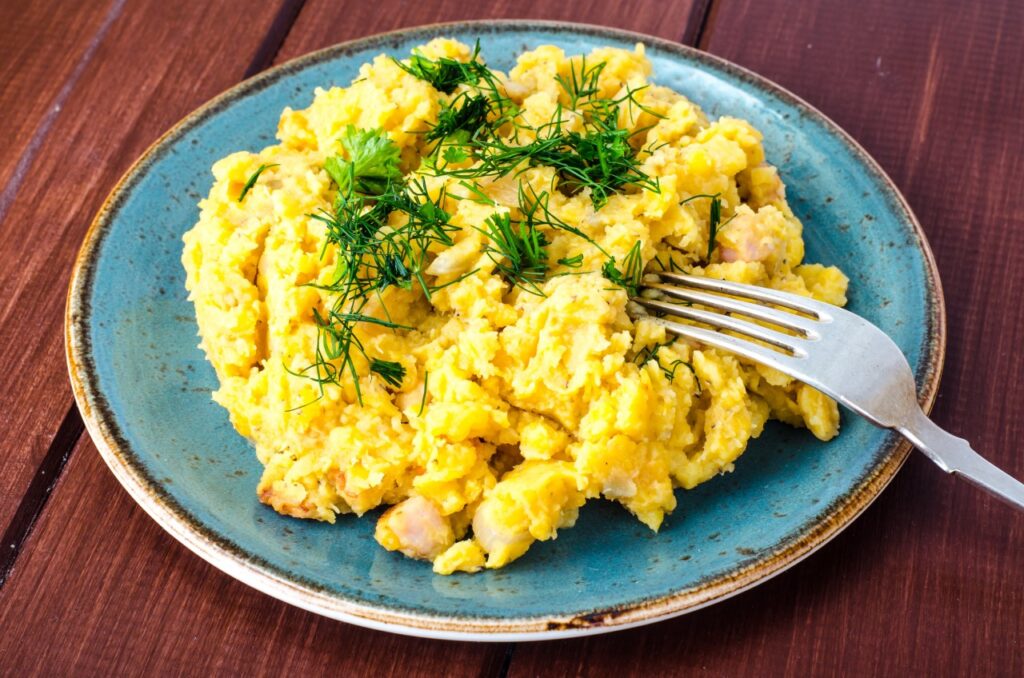
Scrambled eggs appear simple, yet they are commonly overcooked. Eggs continue to firm up even after they leave the pan, which means cooking them too long results in a dry and crumbly texture.
Egg proteins coagulate quickly under heat. When the temperature rises too high or the eggs remain in the pan for too long, the curds become tight and lose their creamy consistency. Many home cooks wait until the eggs look fully set before removing them.
Professional cooks often take scrambled eggs off the heat while they still appear slightly soft. The remaining heat finishes the cooking process. This technique helps create the tender texture that makes scrambled eggs taste rich and smooth.
5. Pork Chops
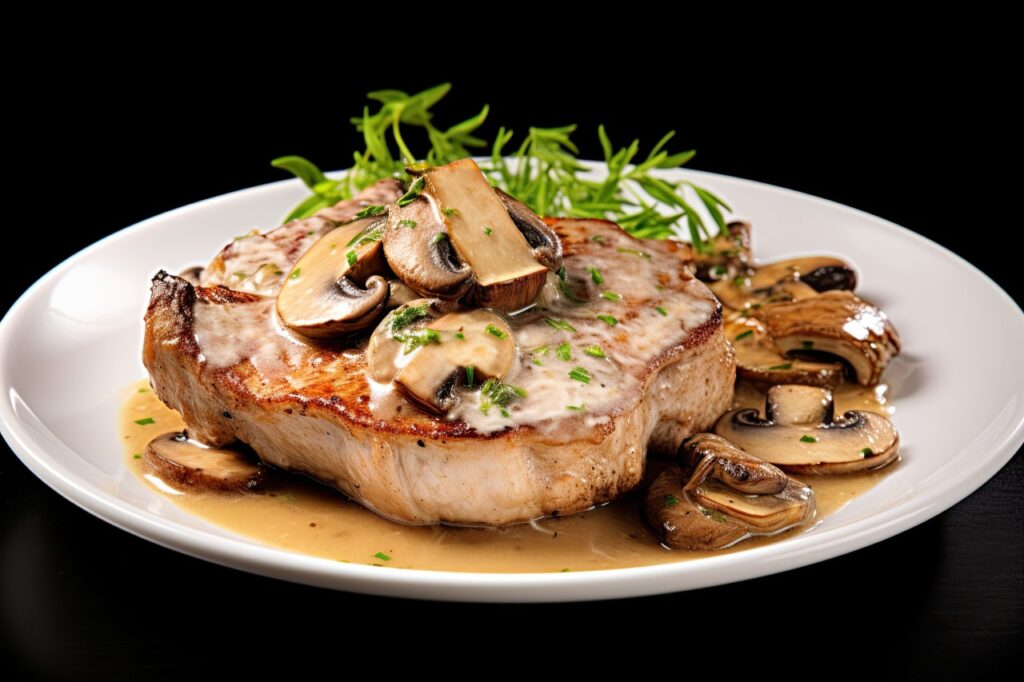
Pork chops developed a reputation for dryness largely because they were historically cooked too long. Older food safety recommendations encouraged people to cook pork until no pink remained, which often led to overcooking.
Modern guidelines allow pork to be safely cooked to a lower internal temperature than in the past. When chops stay on the heat beyond that point, the lean meat loses moisture and becomes firm.
The thickness of the chop also matters. Thin cuts cook quickly and can become tough if left in the pan for too long. Allowing pork chops to rest after cooking helps retain juices and improves tenderness.
6. Steak
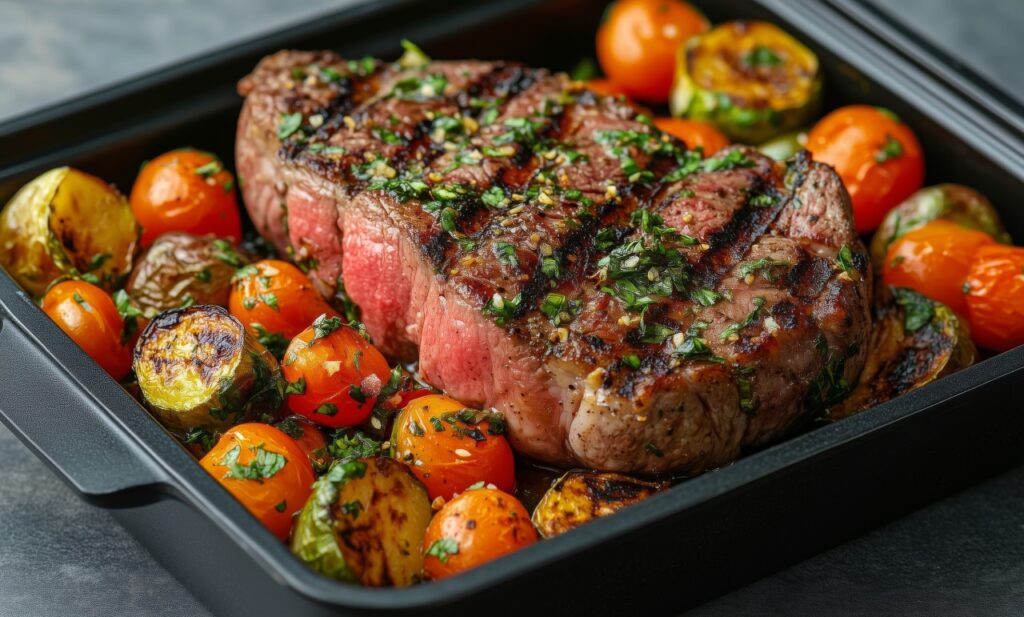
Steak is one of the most valued cuts of meat, yet it is still frequently overcooked in home kitchens. Many cooks worry about undercooking and leave the steak on the heat longer than necessary.
Beef contains natural fat and connective tissue that contribute to flavor and tenderness. When cooked too long, these juices evaporate, and the meat becomes tougher. The surface may develop a good crust while the interior loses its ideal texture.
Resting the steak after cooking also plays an important role. The juices redistribute through the meat as it sits for a few minutes. Cutting it too soon can make the steak seem drier than it actually is.
7. Pasta
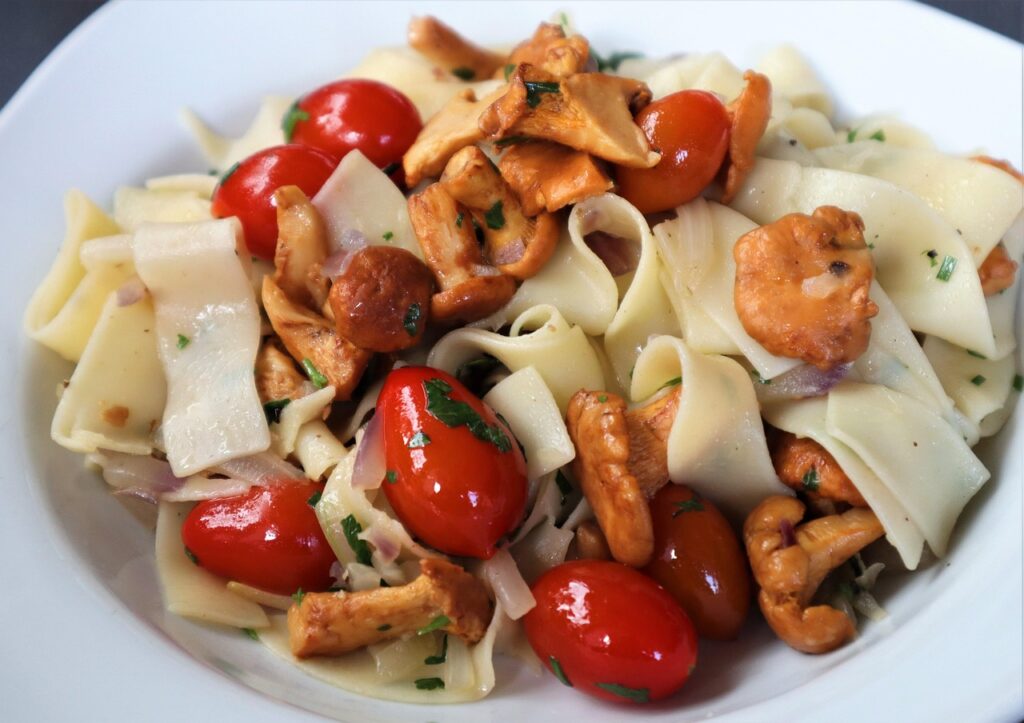
Pasta seems straightforward to cook, but it is often boiled beyond the point that gives it the best texture. Many people leave pasta in the water until it becomes completely soft.
Traditional Italian cooking aims for pasta that is al dente, meaning firm to the bite. When pasta stays in boiling water too long, the starches absorb excess moisture, and the noodles become mushy.
Overcooked pasta also holds sauce differently. Instead of maintaining structure, it can break apart or lose its shape. Watching the cooking time closely and tasting the pasta before draining helps maintain the ideal balance between softness and firmness.