10 Funky Foods That Smell Wild but Taste Shockingly Good

Some of the most unforgettable foods don’t win you over with their smell. In fact, they often do the opposite. A sharp whiff can trigger instant doubt, yet one bite can completely rewrite expectations. That disconnect between aroma and flavor shows up across cultures, from fermented street snacks to aged cheeses and unusual fruits. What this really means is that our noses sometimes exaggerate intensity while our taste buds pick up balance, sweetness, and depth instead. If you’ve ever hesitated at a market stall or wrinkled your nose at a fridge door, this list might convince you to take that first brave bite.
1. Durian
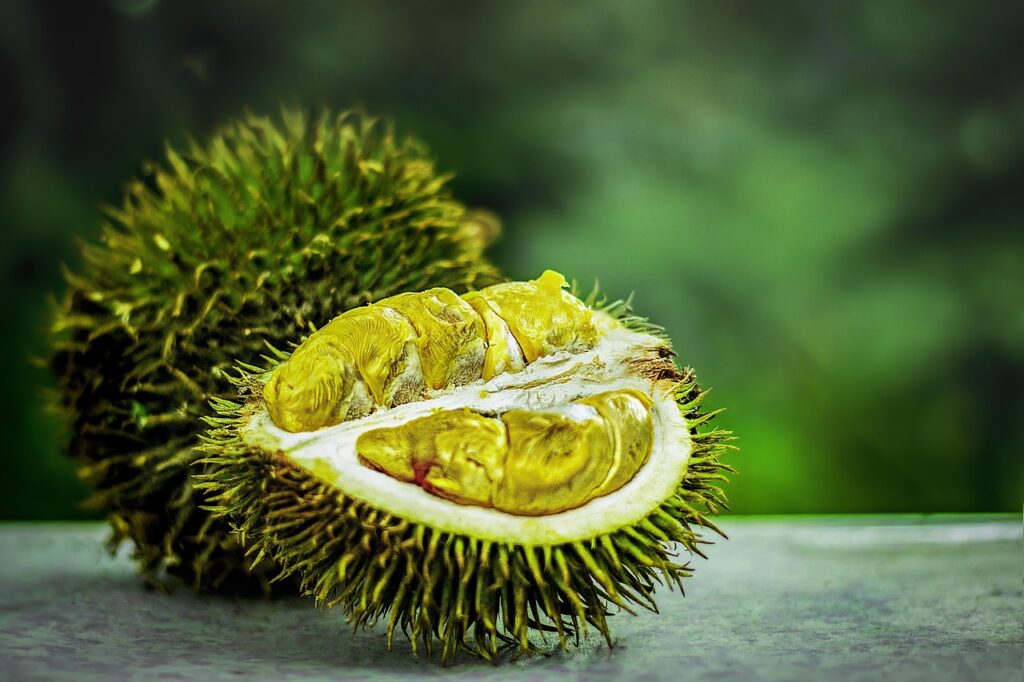
The first encounter with durian almost always starts with shock. The aroma has been compared to onions, sulfur, gym socks, and overripe cheese all at once, which explains why the fruit is banned from many hotels and public transport systems across Southeast Asia. Yet once you move past the smell and actually taste it, the experience changes completely. Durian flesh is custard-soft and rich, closer to pastry cream than fruit. The flavor carries notes of vanilla, caramel, almond, and mild garlic, depending on ripeness and variety. That contrast between aggressive smell and gentle sweetness is what surprises first-timers the most. Chemically, durian releases volatile sulfur compounds as it ripens, which hit the nose hard but fade quickly on the palate. Texture also plays a role in enjoyment.
2. Stinky Tofu
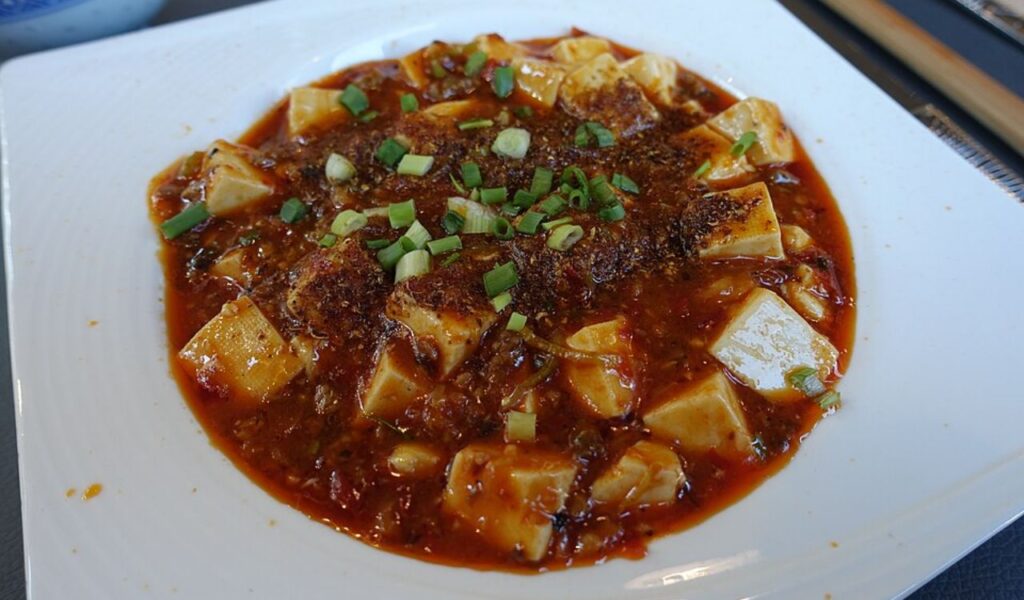
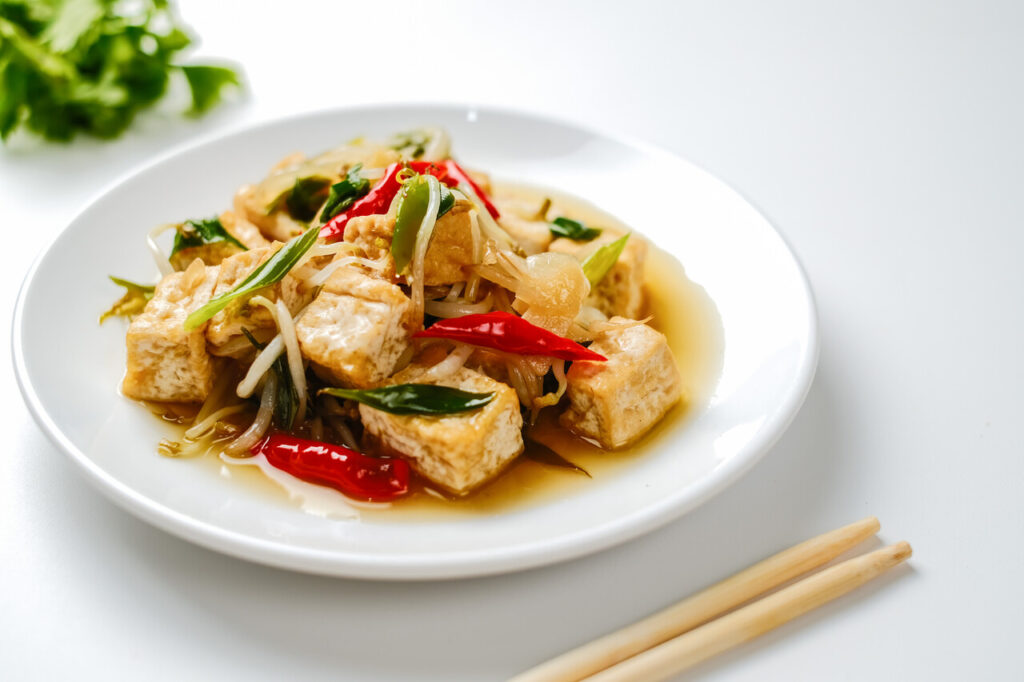
Stinky tofu earns its reputation honestly. Fermented in brine made from vegetables, herbs, and sometimes shrimp or meat, the tofu develops an aroma that can resemble garbage, sewage, or old cheese depending on fermentation length. Street markets selling it often announce their presence long before you see the stall. Yet the flavor tells a completely different story. Once fried or steamed, stinky tofu becomes crisp on the outside and custardy inside, with a savory depth similar to aged cheese or mushrooms. The fermentation creates amino acids and natural glutamates that boost umami, making the tofu deeply satisfying rather than offensive. The smell comes from fermentation byproducts, but heat drives off much of the harshness, leaving behind complexity and sweetness.
3. Hongeo Hoe
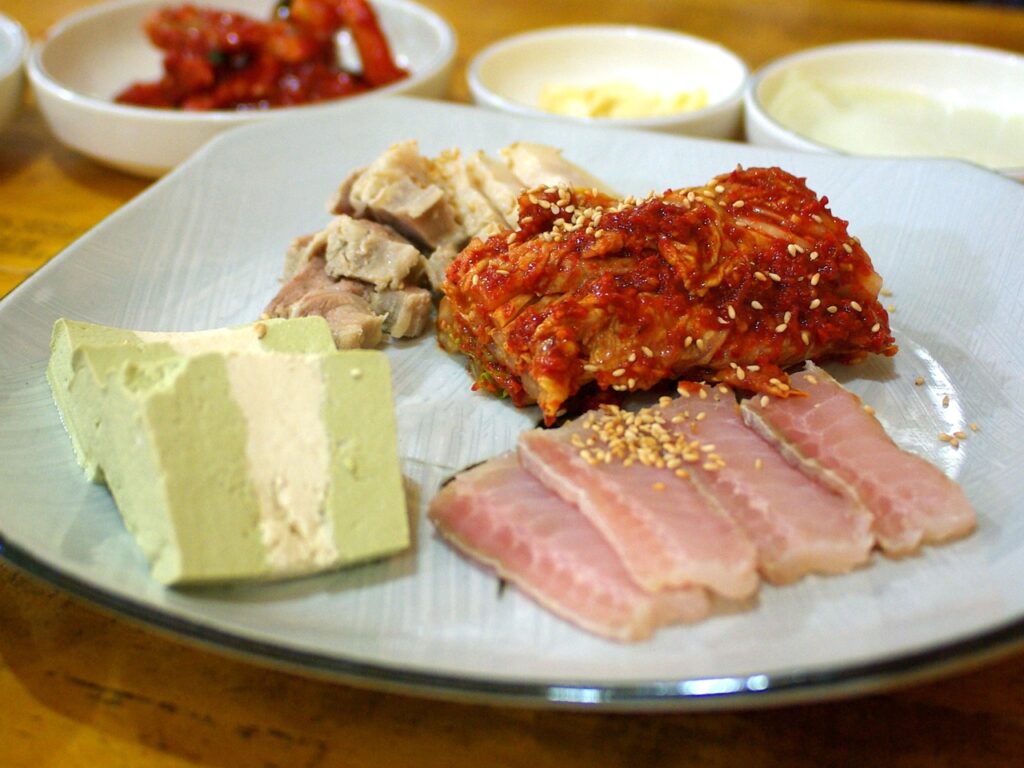
Hongeo hoe pushes boundaries even for adventurous eaters. This Korean dish uses fermented skate, a fish that naturally produces ammonia as it breaks down urea in its tissues. The result is an intense, nose-clearing smell that can sting the eyes and linger in the room. Despite that, the flavor itself is surprisingly clean and mild once eaten, especially when paired with pork belly, kimchi, and garlic. The ammonia aroma overwhelms the nose but doesn’t linger on the tongue the same way. Culturally, hongeo is prized for its boldness and is often eaten in celebratory settings.
4. Natto
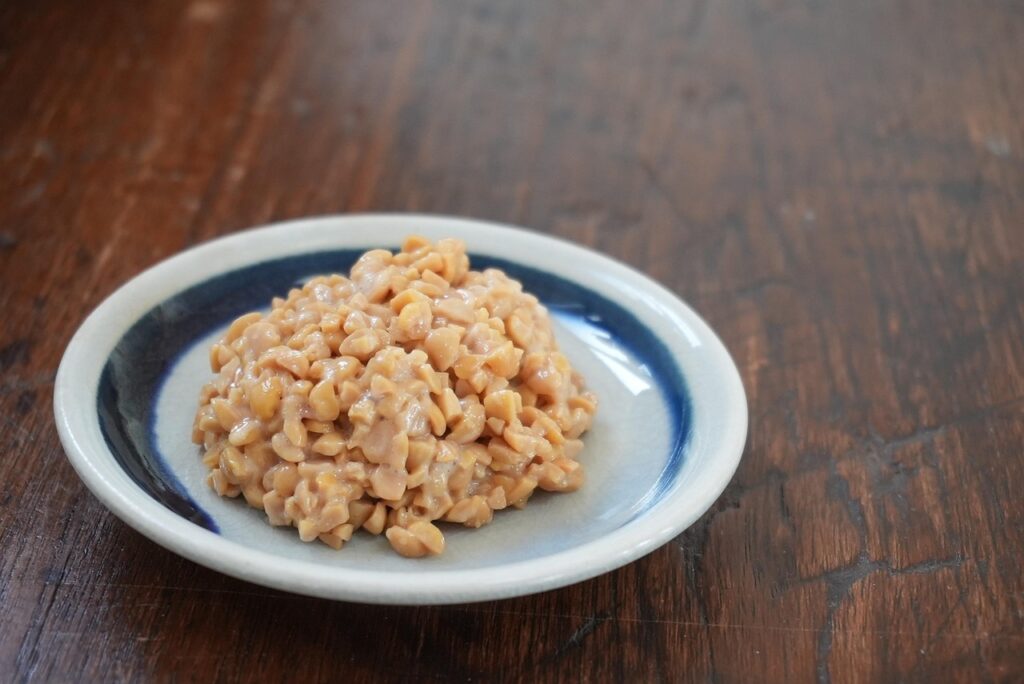
Natto’s smell isn’t always offensive, but it is undeniably strong and unfamiliar. Fermented soybeans release earthy, cheesy, sometimes ammonia-like notes and develop a sticky, stringy texture that surprises many first-time eaters. Once tasted, however, natto reveals a mild nuttiness, gentle sweetness, and deep umami that works beautifully with rice, soy sauce, mustard, or scallions. The fermentation process breaks down proteins into savory amino acids, boosting flavor complexity while making the beans easier to digest. The stickiness comes from natural polysaccharides produced during fermentation, which look odd but have almost no flavor impact. Nutritionally, natto delivers protein, probiotics, vitamin K, and minerals, making it a functional food as well as a cultural staple in Japan. Many people find that once they accept the texture and aroma, natto becomes comforting and addictive. It’s a clear example of how unfamiliar sensory cues can mask a genuinely pleasant eating experience.
5. Asafetida
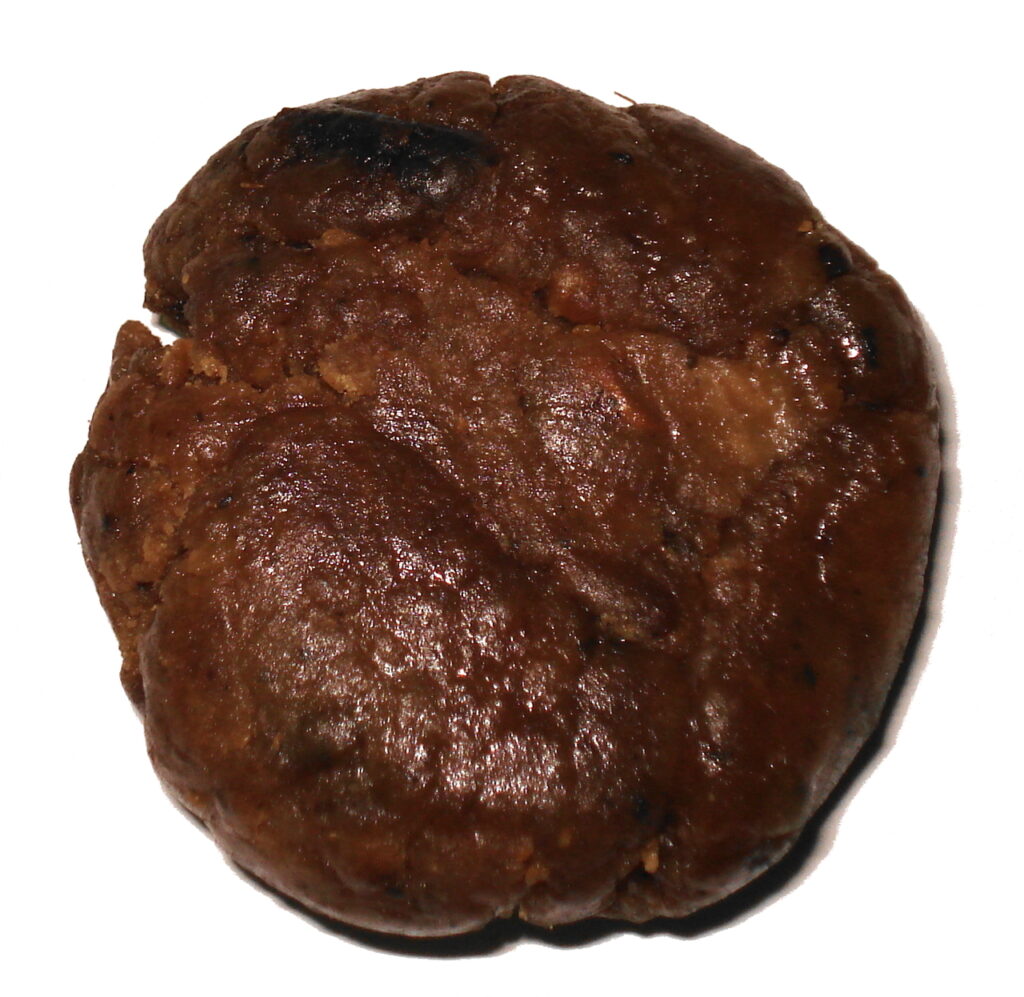
Asafetida, often called heeng, smells shocking straight out of the jar. Raw, it can resemble sulfur, rotten eggs, or even burning rubber. That alone makes many cooks hesitate. The magic happens when it hits hot oil. The harsh compounds mellow instantly, transforming into a warm, onion-garlic aroma that adds depth and savoriness to lentils, vegetables, and curries. In cuisines that avoid onions and garlic for religious reasons, asafetida fills that flavor gap beautifully. Only a tiny pinch is needed, making it economical and powerful. The resin comes from the sap of a giant fennel plant, which explains its concentrated intensity. When properly used, the smell disappears entirely and leaves behind subtle complexity rather than dominance. Many cooks are amazed the first time they experience this transformation. It teaches an important lesson about how heat reshapes volatile compounds and why some ingredients shouldn’t be judged in their raw form.
6. Blue Cheese
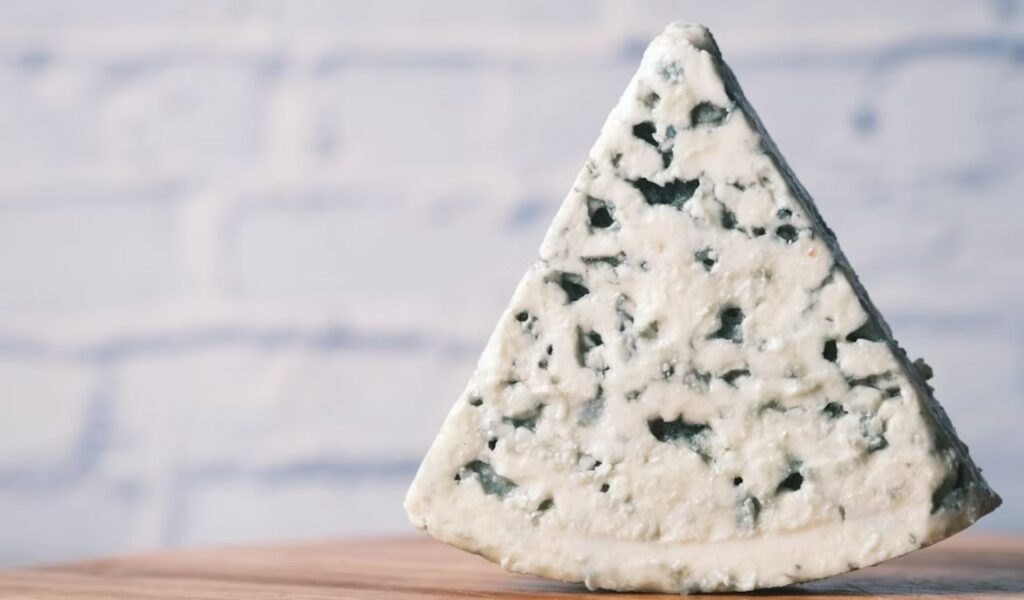
Blue cheese announces itself boldly. The aroma can be sharp, moldy, sweaty, or earthy, often filling the fridge the moment the package opens. That smell comes from molds breaking down fats and proteins into aromatic compounds during aging. Despite the pungency, the flavor itself often balances saltiness, sweetness, and creaminess in a way that feels luxurious rather than aggressive. On the tongue, good blue cheese melts smoothly, delivering layers of butter, nuts, and gentle tang. Pairing it with honey, fruit, nuts, or steak softens intensity and highlights complexity. Temperature also matters, as letting it warm slightly releases sweetness and smooths texture. Many people who avoid blue cheese based on smell alone discover they actually enjoy its richness once tasting it properly. It’s a lesson in sensory contrast, where aroma oversells intensity while flavor remains nuanced and balanced.
7. Kimchi
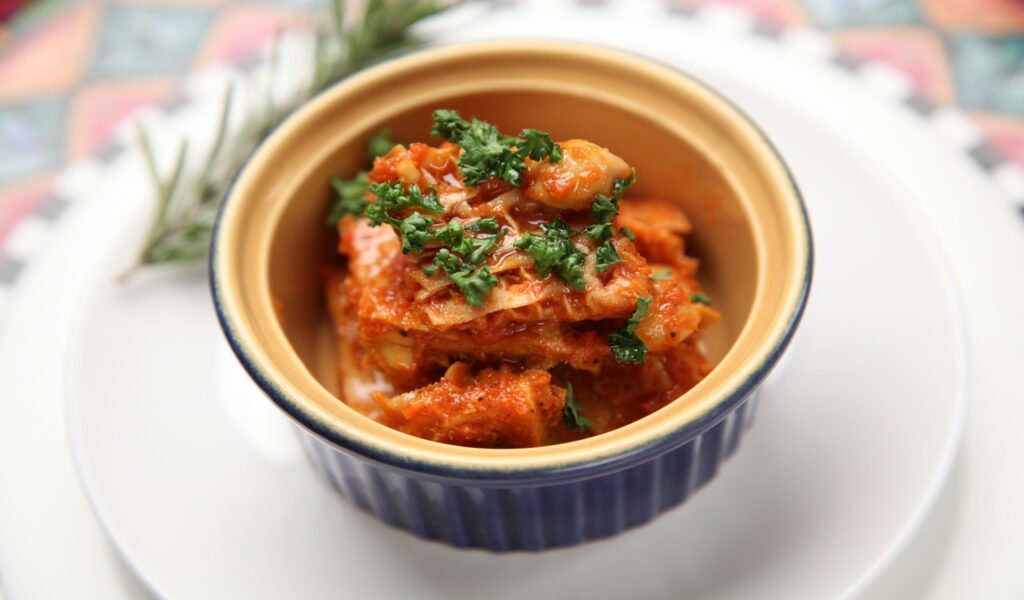
Kimchi’s smell can be bold, sour, garlicky, and fermented, especially when aged. That sharp aroma comes from lactic acid bacteria producing acids and gases during fermentation. Despite this, the flavor delivers bright tang, gentle heat, crunch, and savory depth that refreshes the palate rather than overwhelming it. Kimchi balances salt, spice, acidity, and natural sweetness from cabbage or radish. Fermentation also creates probiotics that support digestion and gut health. When cooked into fried rice, stews, or pancakes, the smell softens and sweetness deepens. Even eaten raw, the bite feels lively rather than heavy. The disconnect between strong smell and refreshing taste often surprises new eaters. Once people learn how versatile kimchi is, it becomes a refrigerator staple rather than something intimidating.
8. Bagoong
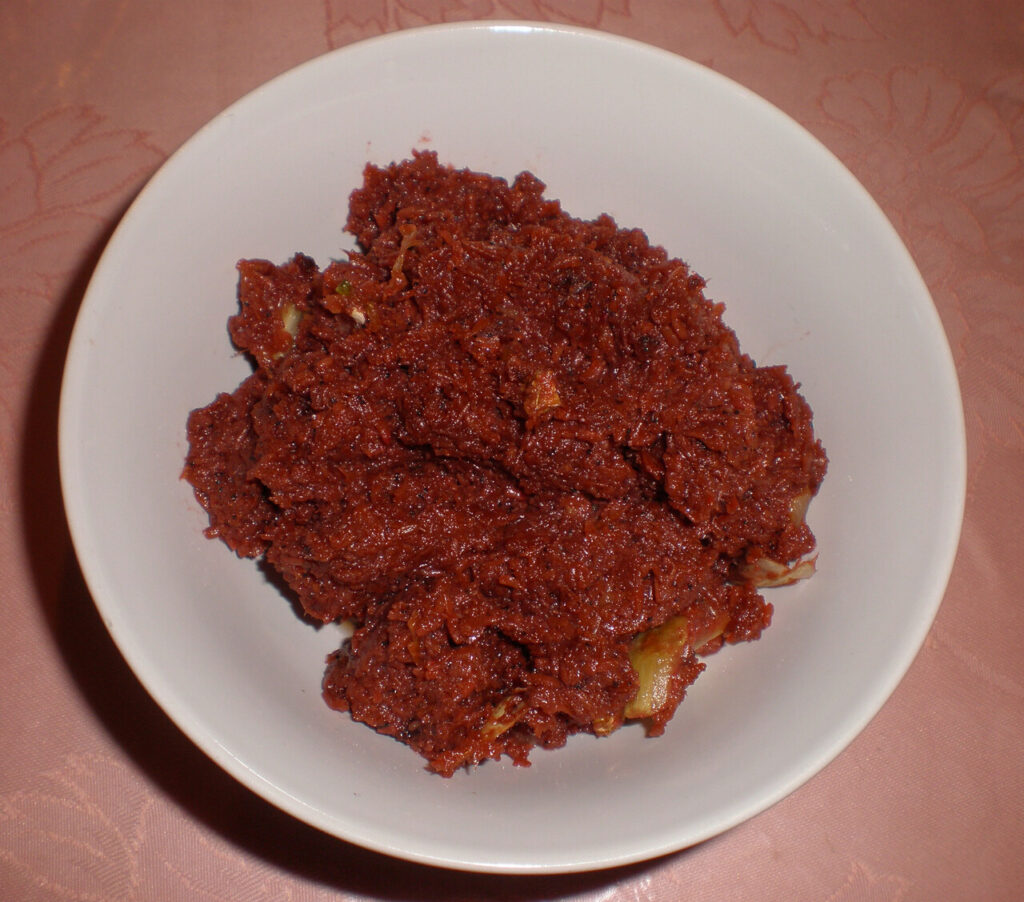
Bagoong’s aroma is unapologetically fishy, salty, and fermented, sometimes bordering on overpowering when the jar opens. It’s made from anchovies or shrimp fermented with salt until they break down into a paste. That process concentrates both smell and flavor. On the plate, however, only small amounts are used, delivering deep umami rather than fishiness. Bagoong enhances vegetables, green mango, grilled meats, and rice by adding savory complexity similar to anchovies or miso. Cooking mellows sharpness and blends it into sauces and sautés. The intense smell reflects its concentration rather than its actual eating impact. Many people are shocked by how pleasant it tastes once diluted into a dish. It demonstrates how fermented condiments often smell stronger than they perform when properly used.
9. Fermented Skate Kæst Skata
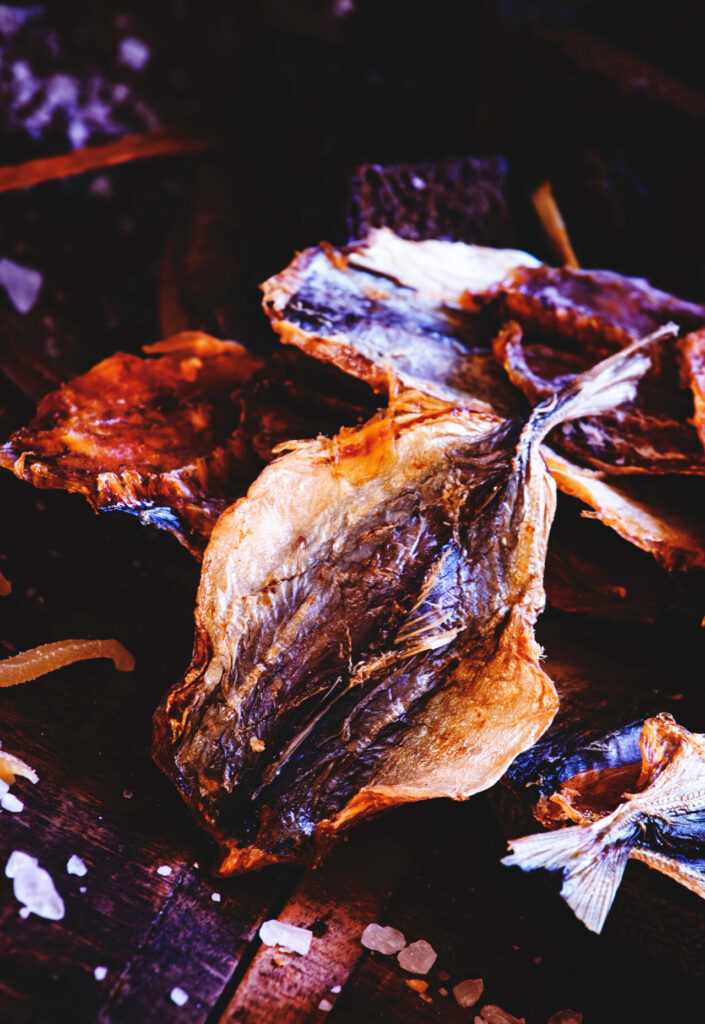
Icelandic fermented skate has a reputation similar to hongeo, producing a strong ammonia odor that can overwhelm unprepared diners. Traditionally eaten during winter festivals, the fish is cured and fermented until chemical changes release pungent gases. The smell is the main challenge. Surprisingly, the taste itself is mild, slightly sweet, and clean once you get past the aroma. The texture remains firm and flaky rather than mushy. It’s often served with potatoes, butter, or rye bread, which provide familiar grounding flavors. Cultural tradition plays a large role in appreciation, but many adventurous eaters report that the eating experience is far less extreme than expected. It highlights how cultural exposure shapes tolerance and how aroma alone can exaggerate perceived intensity.
10. Anchovies
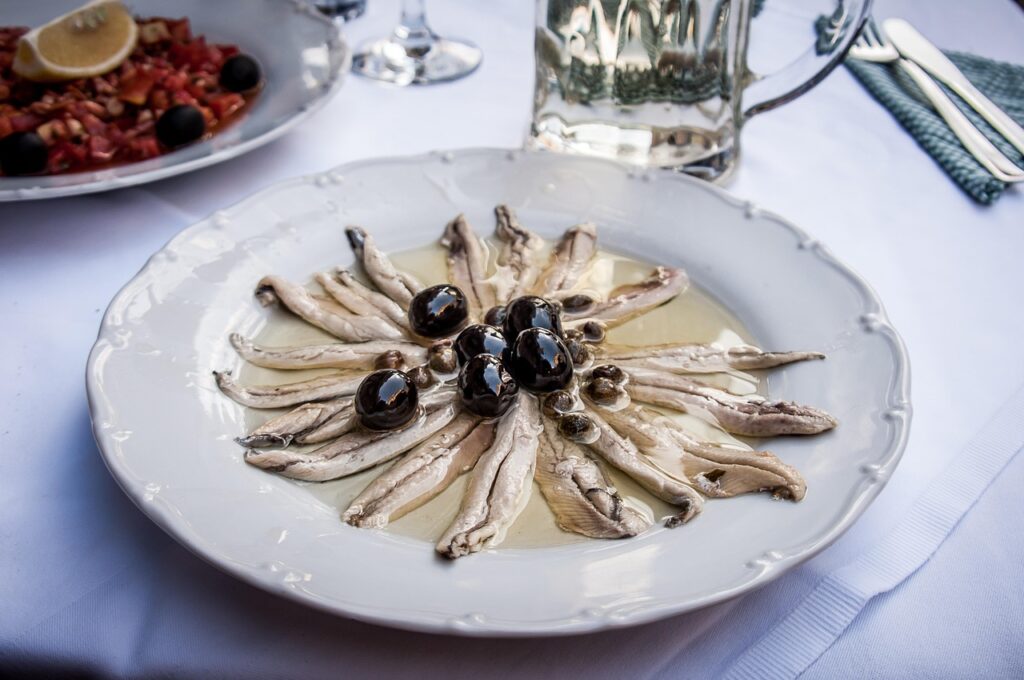
Anchovies often get dismissed because of their sharp, salty smell straight from the tin or jar. The curing process concentrates oils and proteins, producing a strong marine aroma that can feel aggressive. Yet when anchovies melt into hot oil, sauces, or dressings, they disappear visually and transform into pure savory depth. They add richness to pasta sauces, salad dressings, roasted vegetables, and meat dishes without making food taste fishy. The saltiness balances sweetness and acidity while boosting umami. Anchovies contain natural glutamates similar to parmesan cheese, which explains their flavor power. Many people who claim to hate anchovies unknowingly enjoy them regularly in Caesar dressing or puttanesca sauce. The smell misleads more than the taste ever does.