12 Alcohol Free Beverages Priced Like Craft Cocktails

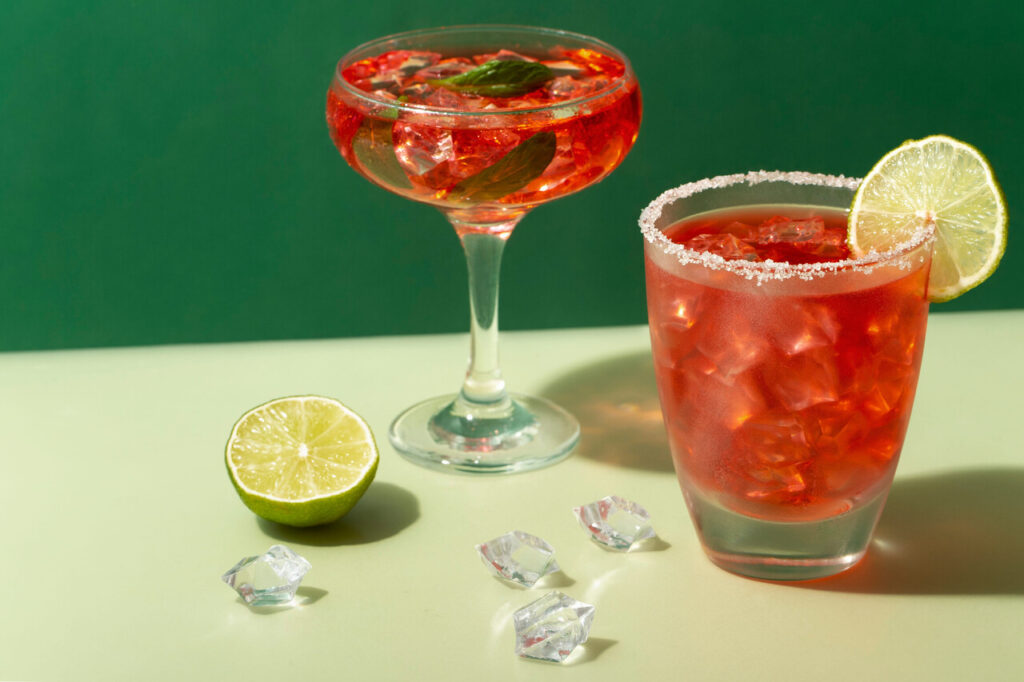
The alcohol-free aisle is no longer a sleepy corner of sparkling water and sugary soda. It has turned into one of the fastest-growing sections in grocery stores, filled with sleek bottles, matte cans, and labels that look like they belong behind a cocktail bar. Here’s the twist. Many of these zero-proof options now cost almost as much as premium spirits, craft beer, or upscale mixed drinks.
What this really means is that consumers are not just paying for a drink. They are paying for branding, botanical complexity, specialized production methods, and a social experience that mirrors traditional alcohol. As sober-curious habits grow, so do price tags, and shoppers are starting to notice.
1. Non-Alcoholic Gin Alternatives That Cost as Much as the Real Thing
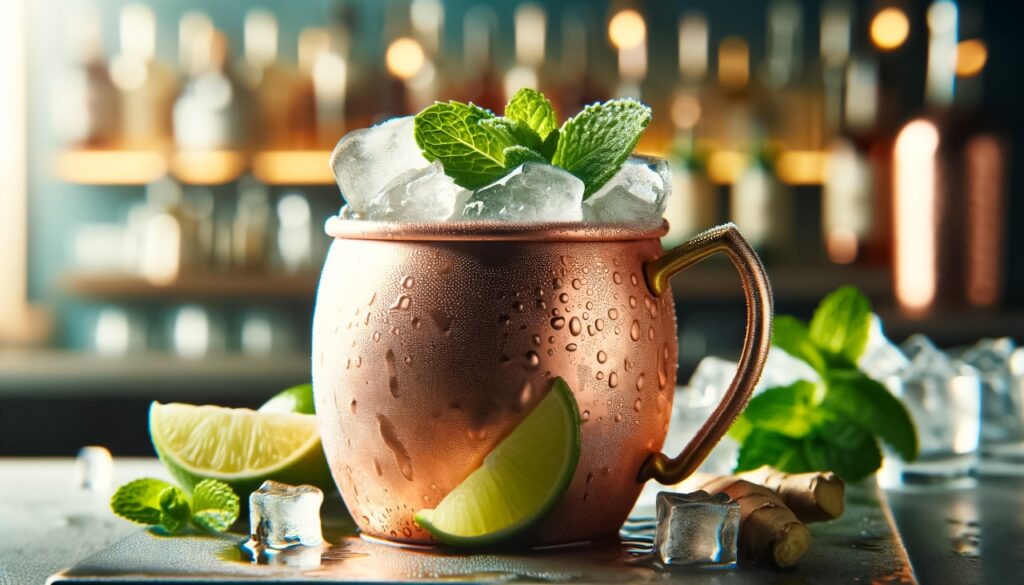
The first surprise for many shoppers is the price tag. A quality non-alcoholic gin alternative often sits right beside premium London dry gins in both placement and cost. These bottles are not simple flavored waters. They are distilled with juniper, coriander, citrus peel, angelica root, and other botanicals, then stripped of alcohol or crafted without fermentation at all. The process requires specialized equipment and small-batch production, which drives costs up.
Many brands use steam distillation or vacuum distillation to preserve volatile aromatics without ethanol. That technology is expensive. The ingredient lists are also long and carefully balanced to replicate the dryness and bite people expect from gin. Without alcohol to carry flavor, producers must layer botanicals to build complexity.
The result is a product designed for mixing into zero-proof martinis and G&Ts that feel grown-up. Consumers are not paying for alcohol content. They are paying for craft technique, branding, and an experience meant to mirror traditional spirits.
2. Alcohol-Free Whiskey Substitutes With Barrel-Inspired Pricing
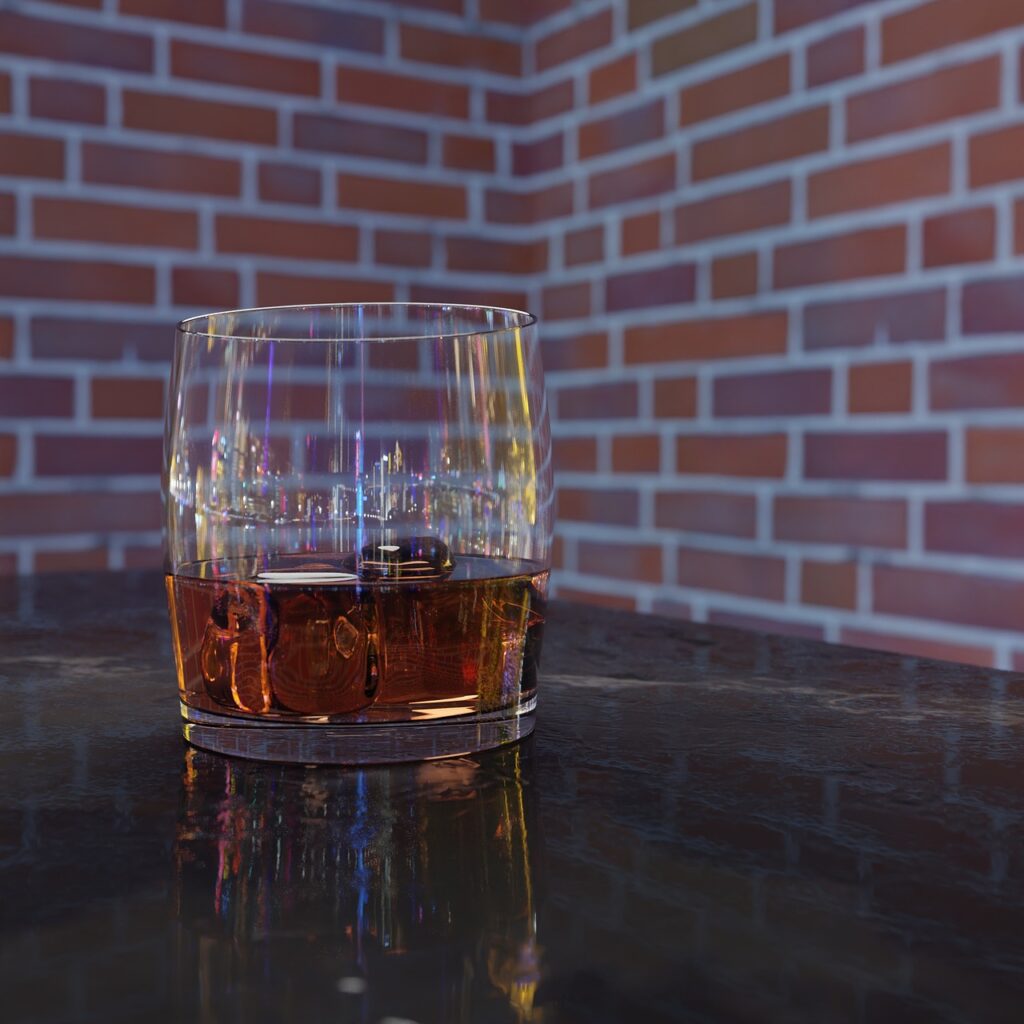
Whiskey substitutes without alcohol seem like they should be cheap. They are not. These products aim to replicate smoke, oak, caramel, and spice without fermentation or barrel aging. That flavor profile requires extracts, natural flavor compounds, and sometimes smoked ingredients to create depth.
Because there is no real aging process in a rickhouse, manufacturers rely on blending and flavor science. Natural wood extracts, vanilla, and spice blends are layered carefully. Research and development costs are high because replicating the warmth and mouthfeel of ethanol is not simple.
These bottles are marketed toward consumers who want an old-fashioned or whiskey sour without alcohol. They are priced similarly to mid-range bourbons because they target the same ritual and occasion, not because they share the same production method.
3. Premium Sparkling Wine Alternatives With Champagne-Level Tags

Sparkling alcohol-free wines are often presented in glass bottles with corks and foil tops. That packaging alone signals celebration. Many of these drinks are made from de-alcoholized wine, meaning the wine is produced traditionally first, and then the alcohol is removed through reverse osmosis or vacuum distillation.
Those extra steps add cost. Removing alcohol while preserving aroma requires precision and equipment. Producers also adjust sweetness and acidity after dealcoholization to restore balance, which involves additional processing.
Consumers buying these products are often looking for a toast-worthy option at weddings or events. The price reflects positioning. It competes with prosecco and champagne as a celebratory beverage rather than with soda.
4. Botanical Non-Alcoholic Aperitifs That Mirror European Classics
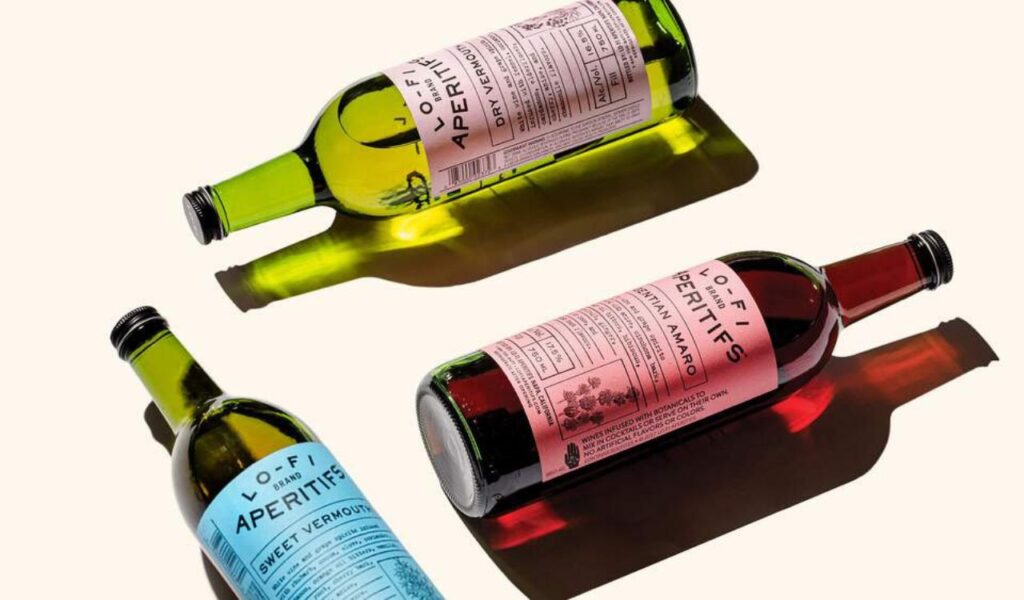
Aperitif culture has gone alcohol-free in a big way. Bottled zero-proof aperitifs use bitter herbs, citrus peel, gentian root, and spices to recreate the flavor structure of classic Italian and French pre-dinner drinks.
The bitterness and balance require careful extraction methods. Many brands use maceration techniques similar to traditional amaro production, minus fermentation. Achieving a complex bitter profile without alcohol as a solvent demands additional blending work.
These products are designed to be mixed with tonic or sparkling water for spritz-style drinks. The premium pricing reflects their niche as sophisticated pre-dinner beverages rather than everyday soft drinks.
5. Canned Craft Mocktails With Cocktail Bar Pricing
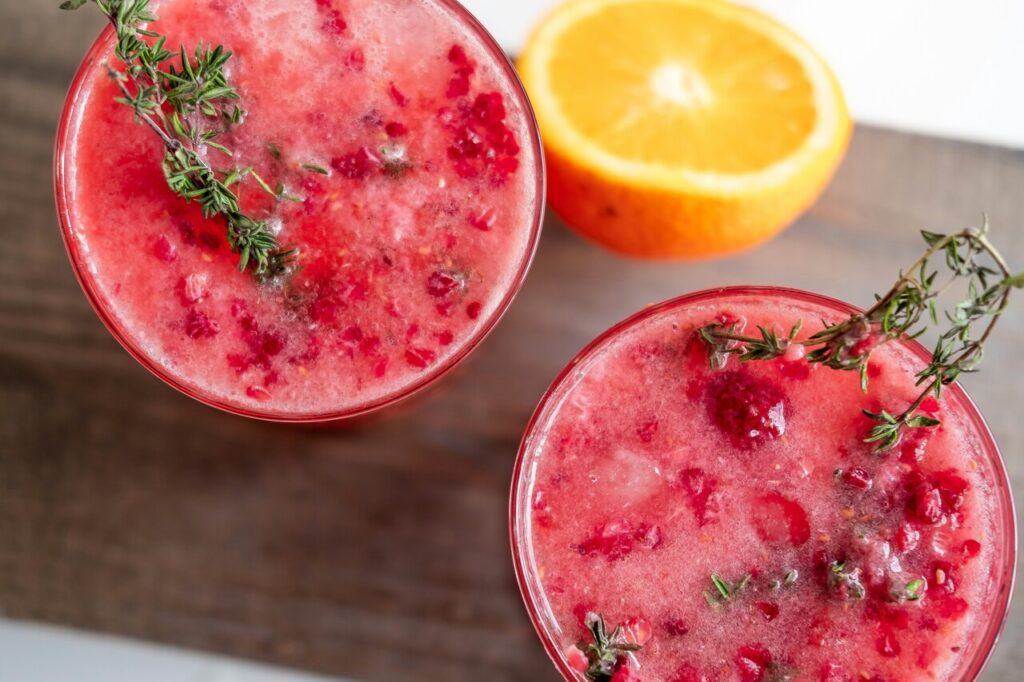
Ready-to-drink mocktails in slim cans have become common in grocery aisles. They are often priced at several dollars per can, similar to canned craft cocktails. These drinks combine fruit juices, botanical extracts, herbs, and sometimes adaptogens.
Balancing sweetness, acidity, and bitterness in a shelf-stable format is not simple. Stabilizers, carbonation control, and pasteurization processes all add production costs. Flavor development mimics real cocktail recipes, which increases formulation expenses.
Consumers are paying for convenience and complexity. The product is positioned as a bar-quality experience in a portable format, not as flavored sparkling water.
6. Alcohol-Free Rum Alternatives Targeting Home Mixologists
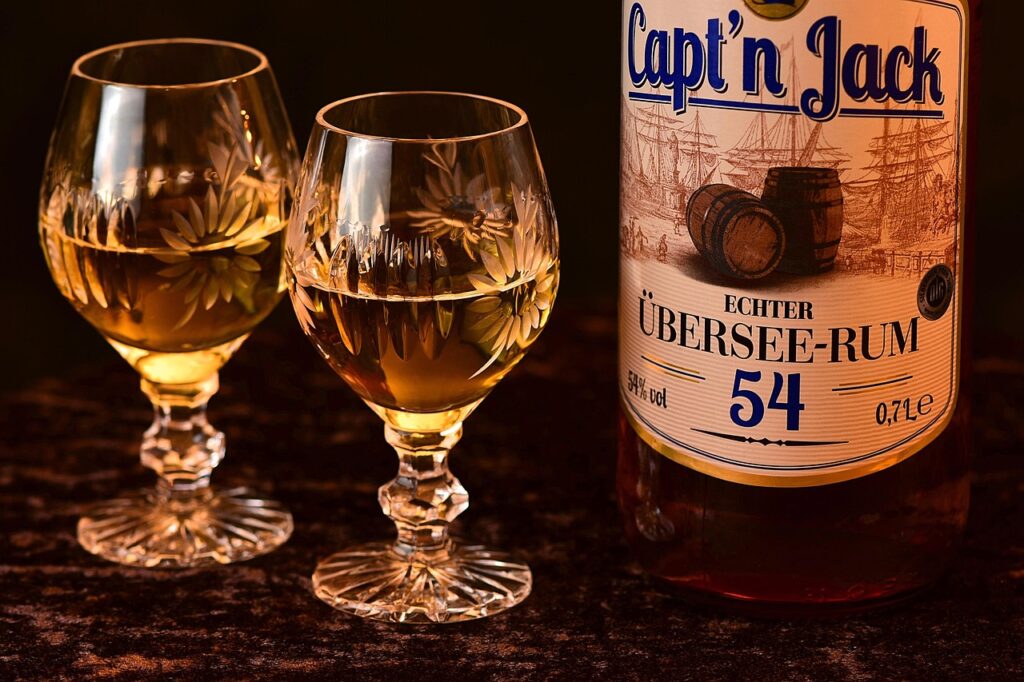
Zero-proof rum substitutes focus on molasses notes, caramel sweetness, and subtle spice. Since alcohol contributes significantly to rum’s body and heat, manufacturers must recreate that mouthfeel through glycerin or natural extracts.
Ingredient sourcing plays a major role in pricing. Natural flavor extracts and specialty sweeteners cost more than standard syrups. Bottling and branding also follow the craft spirits model.
These products appeal to consumers making non-alcoholic mojitos or dark and stormy-style drinks at home. The price mirrors premium rum because the branding and usage occasion are nearly identical.
7. Sober Spirit Sampler Sets Designed Like Tasting Flights

Sampler kits bundle small bottles of various zero-proof spirits. These sets are marketed for tastings, gifting, and experimentation. Packaging is often upscale, with detailed tasting notes and pairing suggestions.
The higher cost reflects packaging design, smaller production runs, and the inclusion of multiple flavor profiles. Gift-ready presentation significantly increases retail pricing compared to single bottles.
Consumers view these kits as experiential products. The value lies in exploration and novelty, which supports premium positioning even without alcohol content.
8. Adaptogen-Infused Elixirs Marketed as Functional Luxury

Adaptogen beverages blend herbs such as ashwagandha, reishi, or ginseng with fruit and botanical flavors. These drinks promise calm focus or stress relief while mimicking cocktail complexity.
Adaptogenic ingredients are typically sourced in small quantities and require testing for quality and consistency. Functional beverage development includes regulatory considerations, which can increase production expenses.
The premium price is tied to perceived wellness benefits and niche appeal. Buyers are not only paying for flavor but also for the promise of functional enhancement.
9. Craft Botanical Tonic Waters That Outprice Regular Soda
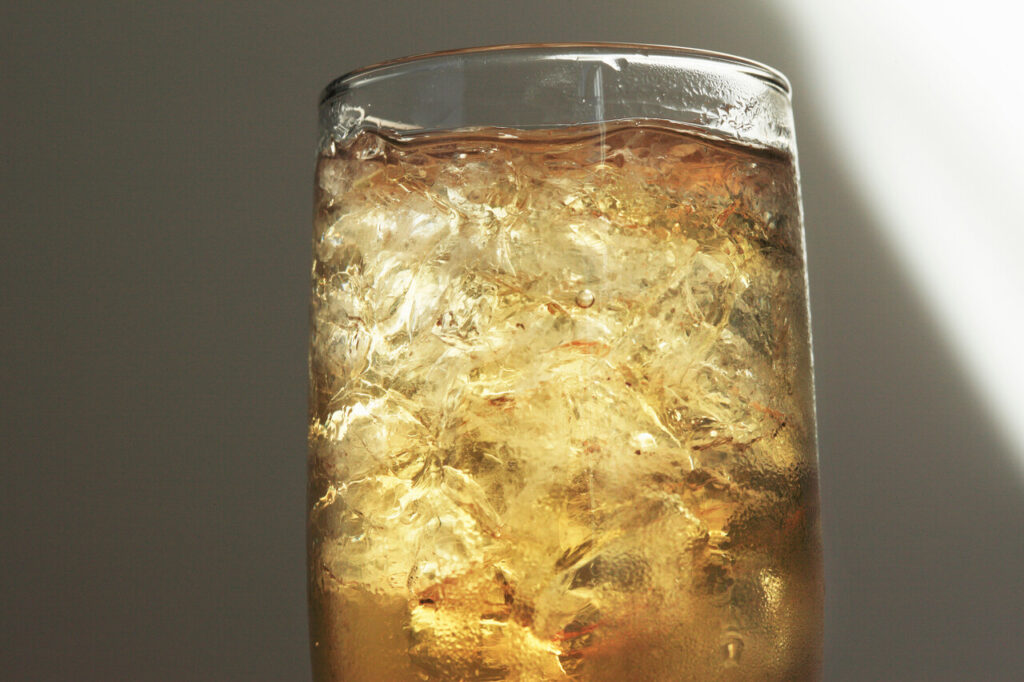
High-end tonic waters now feature ingredients like pink peppercorn, elderflower, or Mediterranean citrus. These mixers are packaged in glass bottles or sleek cans with upscale branding.
Natural quinine, botanical extracts, and low-sugar formulations cost more than standard soft drink ingredients. Production volumes are also lower than those of mainstream soda brands, which affects pricing.
These tonics are positioned as essential companions to non-alcoholic spirits. Their price reflects craft identity rather than mass production economics.
10. Premium Non-Alcoholic Beers Brewed Like the Real Thing
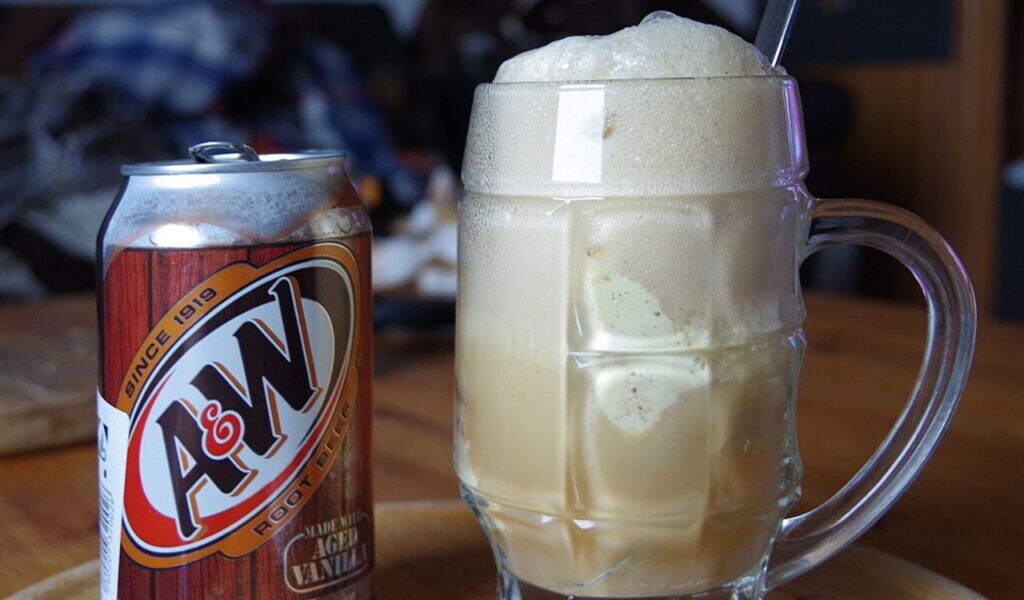
Modern alcohol-free beers often begin as regular beer. Brewers create a full fermentation, then remove alcohol through specialized filtration or heating methods. That additional step raises production costs.
Craft brewing techniques remain intact. Hops, malt, and yeast are carefully selected to maintain flavor integrity. Equipment used for alcohol removal is expensive and energy-intensive.
These beers are marketed to consumers who want a true beer experience without intoxication. The price aligns with craft beer rather than budget soda.
11. Zero-Proof Spritz Drinks Built for Social Occasions
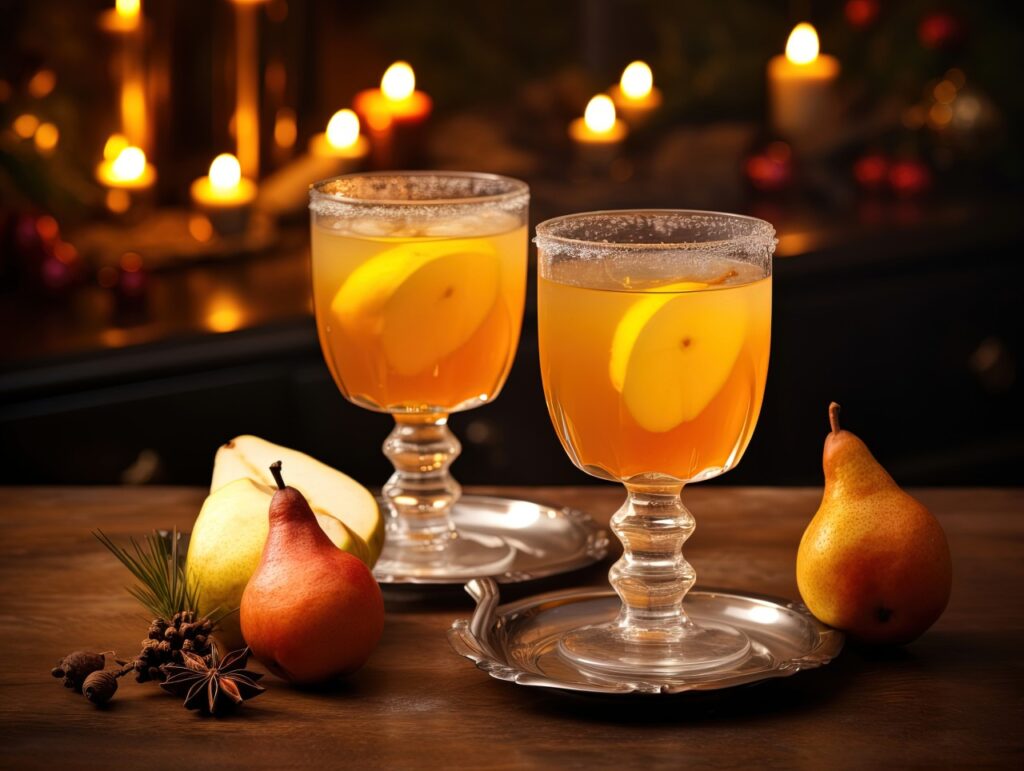
Non-alcoholic spritz drinks combine citrus, bitterness, and carbonation in bright packaging. They mimic the look and feel of European aperitivo culture.
Flavor formulation requires balancing sweet and bitter notes so the drink does not taste like juice. Carbonation stability and shelf life management also contribute to cost.
These beverages are priced similarly to canned cocktails because they compete in the same social setting. Consumers buy them for gatherings and celebrations.
12. Specialty Fruit and Botanical Blends With Adult Appeal
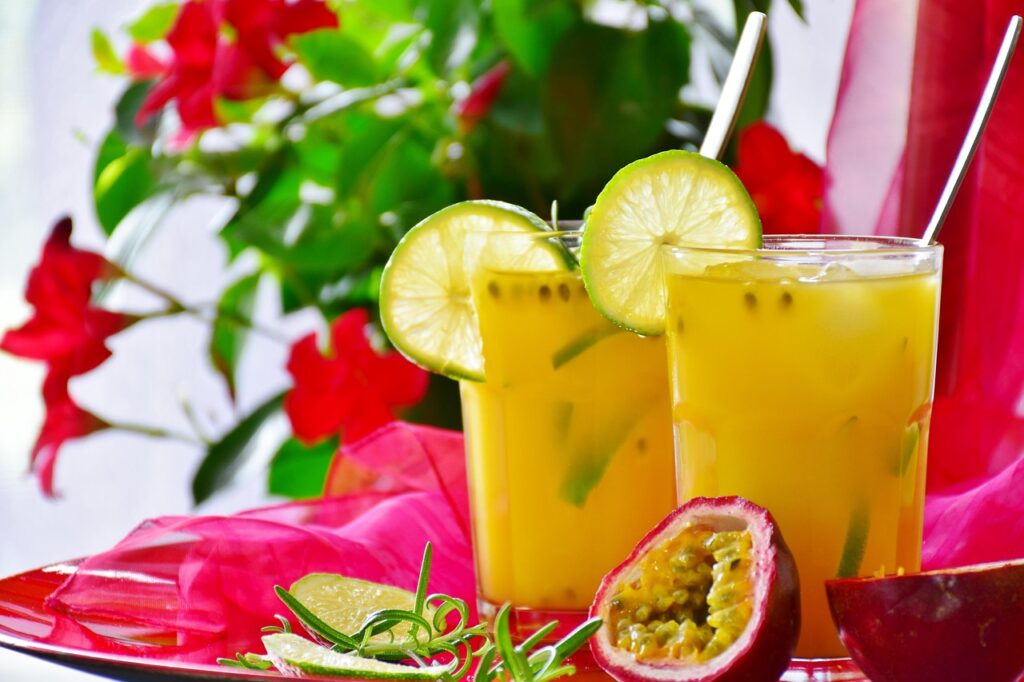
Fruit-forward but herb-infused beverages often feature ingredients like rosemary, hibiscus, or basil. These blends move beyond simple lemonade or juice by incorporating layered flavors.
Sourcing fresh botanicals and maintaining flavor stability in bottled formats increases cost. Many brands avoid artificial flavors, which further raises ingredient expenses.
The premium price reflects branding and audience. These drinks are marketed toward adults seeking a refined alternative to soda, not toward children or budget shoppers.
Overall, the rise of alcohol-free beverages priced like craft cocktails reflects shifting drinking habits. Producers invest in technique, packaging, and flavor development to meet expectations once reserved for traditional spirits.