9 Cast Iron Recipes That Simply Don’t Work in Any Other Pan

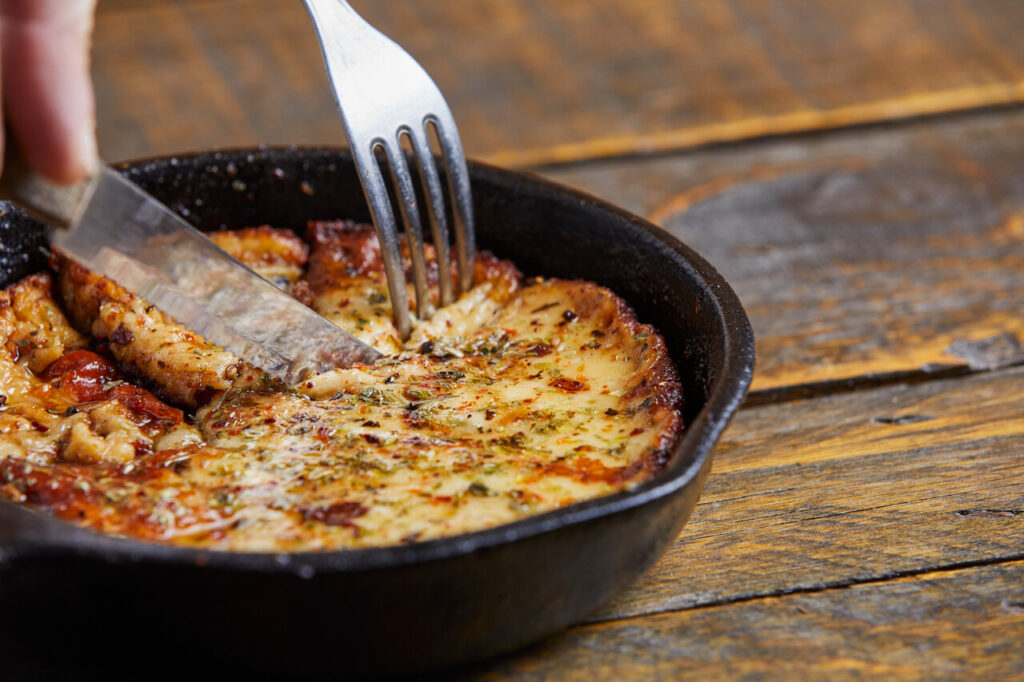
Cast iron has earned its place in serious home kitchens because it behaves differently from any other pan. It holds heat longer, distributes it more evenly, and stays stable when cold food hits a hot surface. That consistency allows food to brown deeply, cook evenly, and develop textures that lighter pans simply cannot replicate. From crisp crusts to powerful sears and reliable oven transitions, cast iron turns simple recipes into dishes with restaurant-level character. These recipes depend on that thermal strength and surface behavior, proving that sometimes the pan matters just as much as the ingredients.
1. Skillet Cornbread That Builds a Crackling Crust You Can Hear
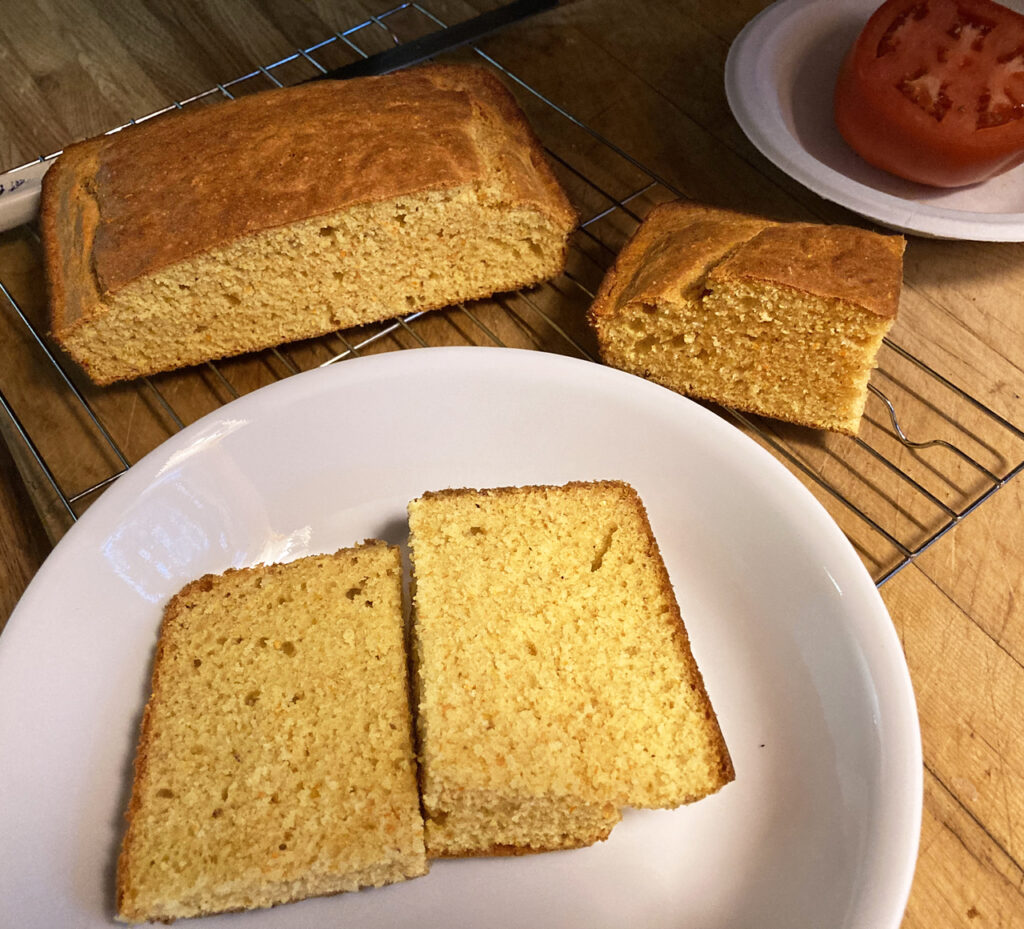
The real magic of cast-iron cornbread starts before the batter ever hits the pan. A preheated skillet delivers instant high heat, which triggers rapid browning on contact and forms a crisp, golden crust that simply cannot happen in glass, aluminum, or nonstick pans. That immediate sizzle seals the bottom and edges while the interior stays moist and tender. Cast iron also distributes heat evenly across its thick surface, preventing hot spots that can scorch thin pans or leave pale patches in lighter bakeware. The weight of the pan stabilizes oven temperature, helping the cornbread rise evenly and develop a consistent texture. This contrast between crunchy exterior and soft crumb defines true skillet cornbread, and once you experience it, softer pan-baked versions feel flat and underwhelming by comparison.
2. Skillet Pizza With a Bottom Crust That Rivals a Pizza Stone
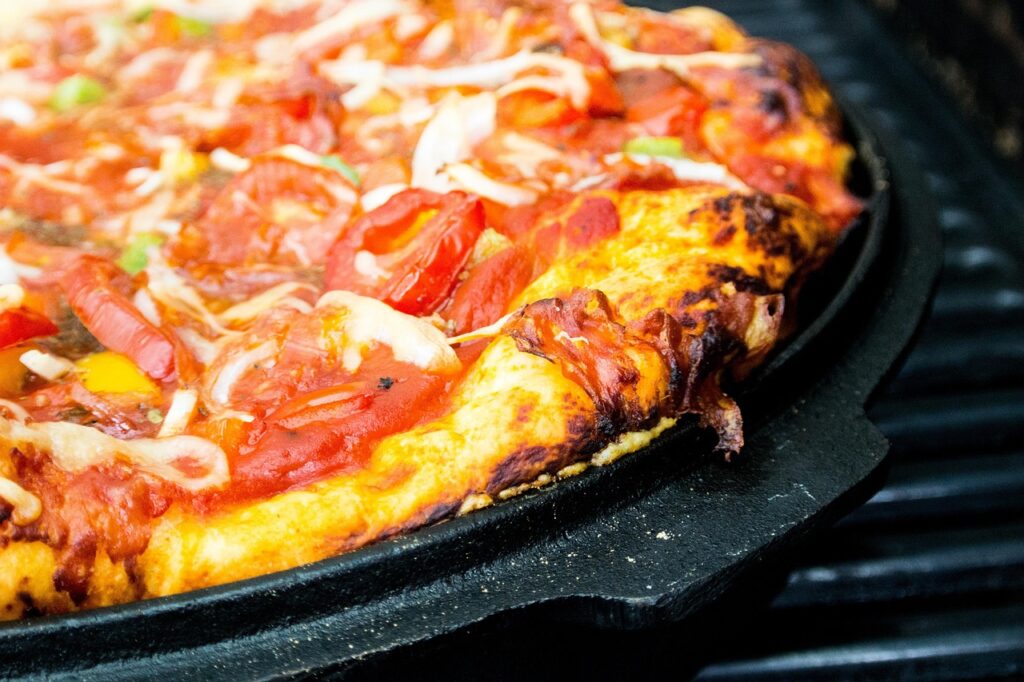
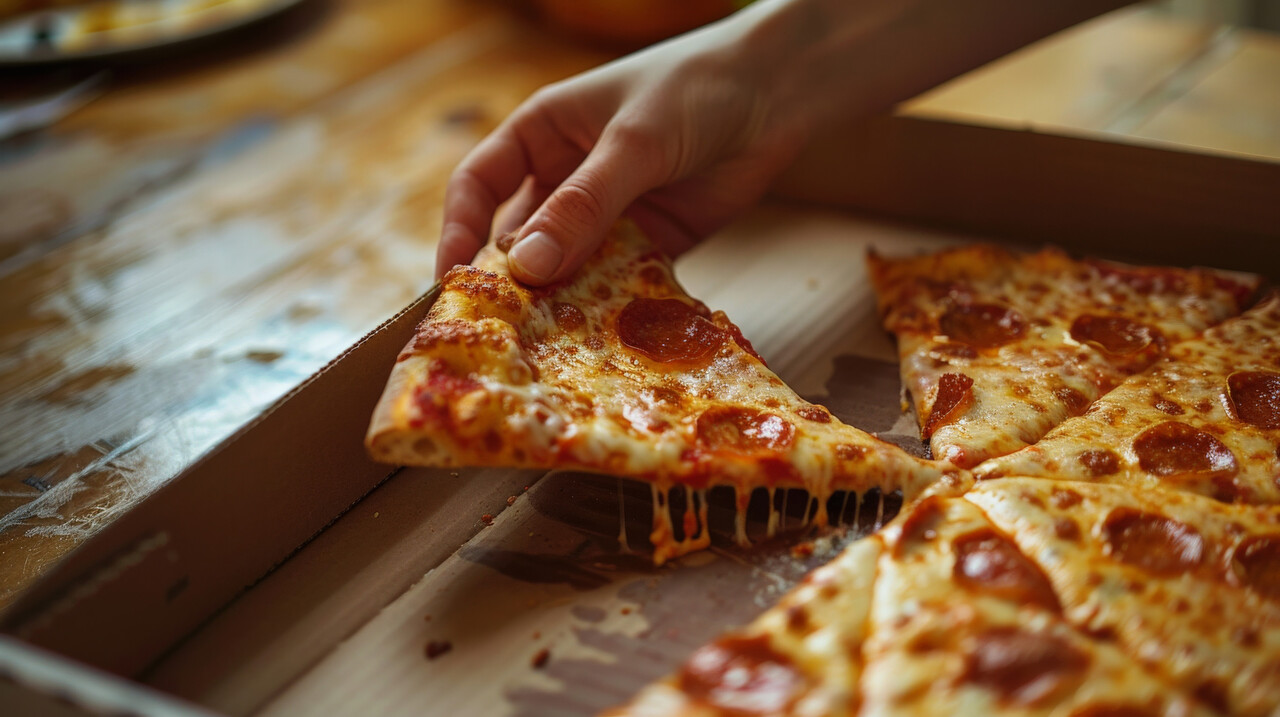
Cast-iron pizza succeeds because the pan acts like a miniature hearth inside a home oven. Its dense metal stores intense heat and transfers it directly into the dough, creating a crisp, blistered base while the toppings cook gently above. Sheet pans and standard baking trays lack the mass to maintain that thermal energy, so the crust often steams instead of browning properly. Cast iron also allows you to start the pizza on the stovetop to jumpstart crust development before finishing in the oven, something most pans cannot safely do. The tall sides support thicker dough styles and hold bubbling cheese without overflow. What this really means is texture consistency. Every bite has crunch underneath and chew inside, giving skillet pizza its signature character that other pans struggle to match.
3. Steak With a Restaurant-Level Sear That Locks in Juiciness
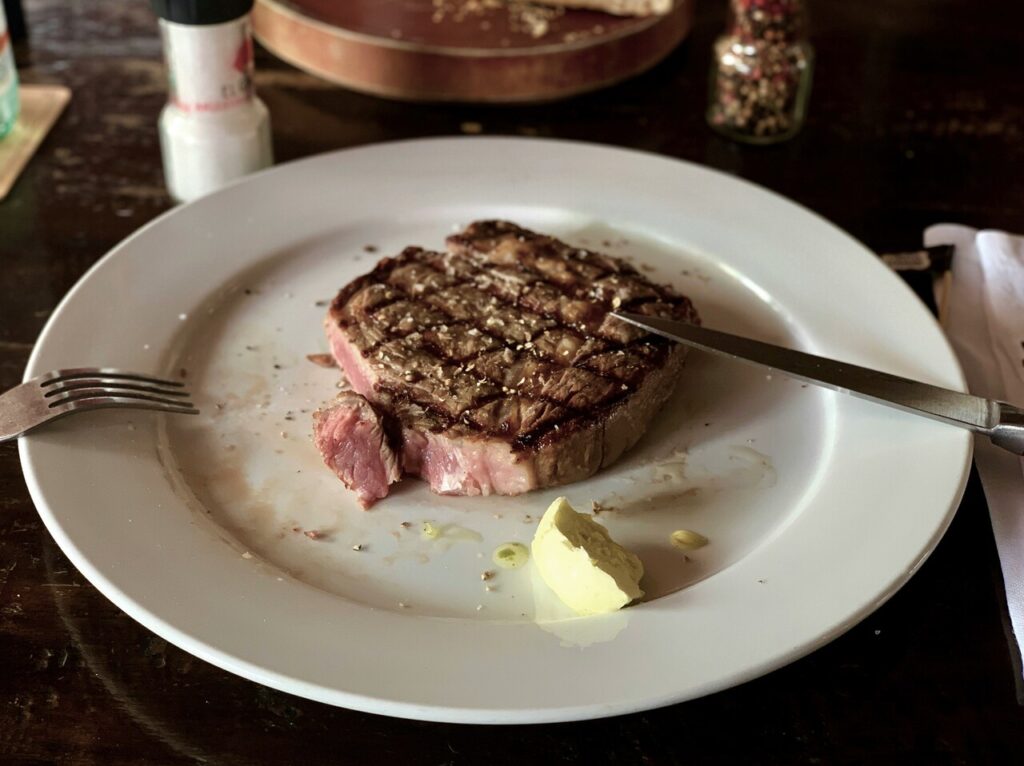
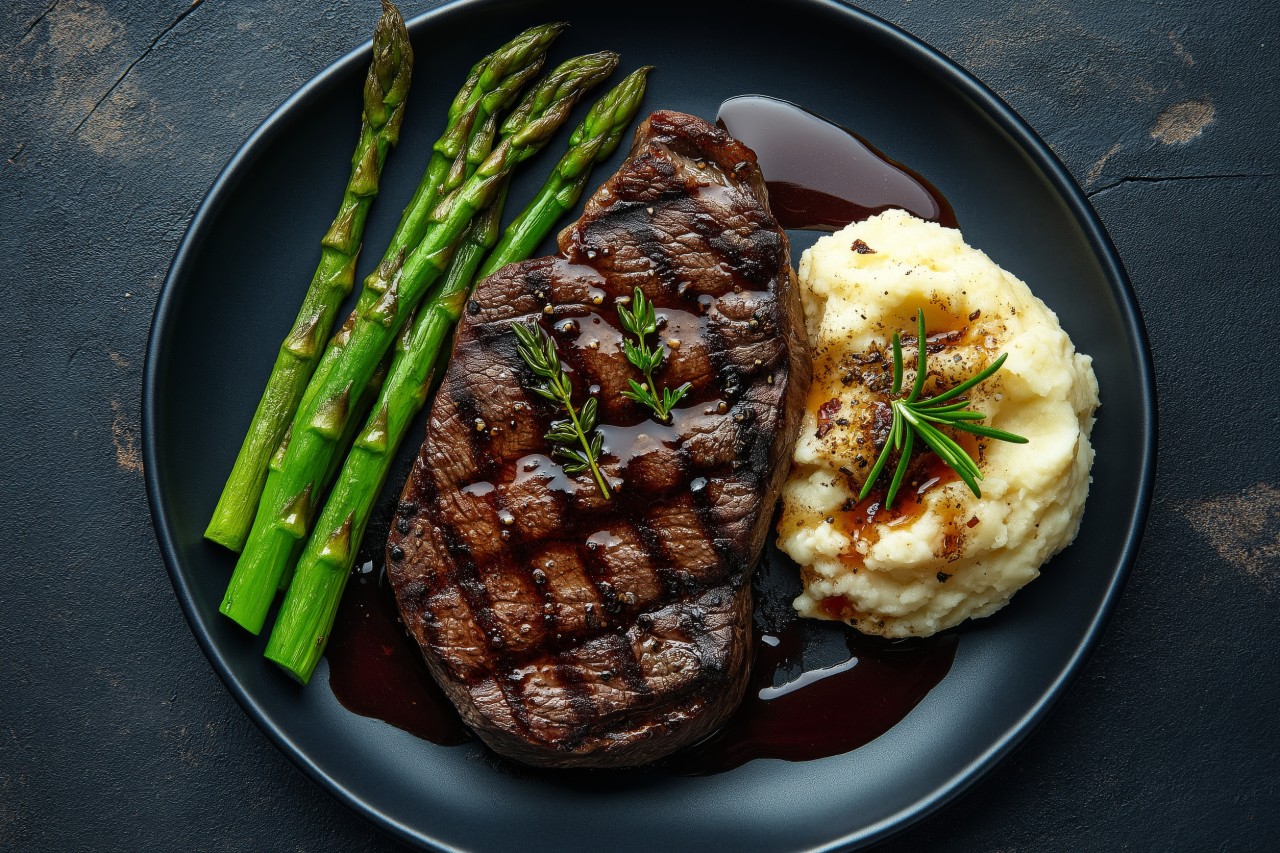
A great steak depends on heat stability more than most home cooks realize. When cold meat hits a lightweight pan, the temperature drops instantly and slows browning. Cast iron resists that drop because of its thermal mass, keeping the surface hot enough to trigger the Maillard reaction immediately. This creates a deep, flavorful crust while preserving moisture inside the steak. The even heat distribution prevents uneven cooking and reduces the risk of burned patches. Cast iron also tolerates extremely high temperatures without warping or degrading, making it ideal for aggressive searing. The result is a steak with complex flavor and satisfying texture that is difficult to achieve consistently in stainless steel or nonstick cookware.
4. One Pan Skillet Lasagna That Develops Crispy Edges and Deep Flavor
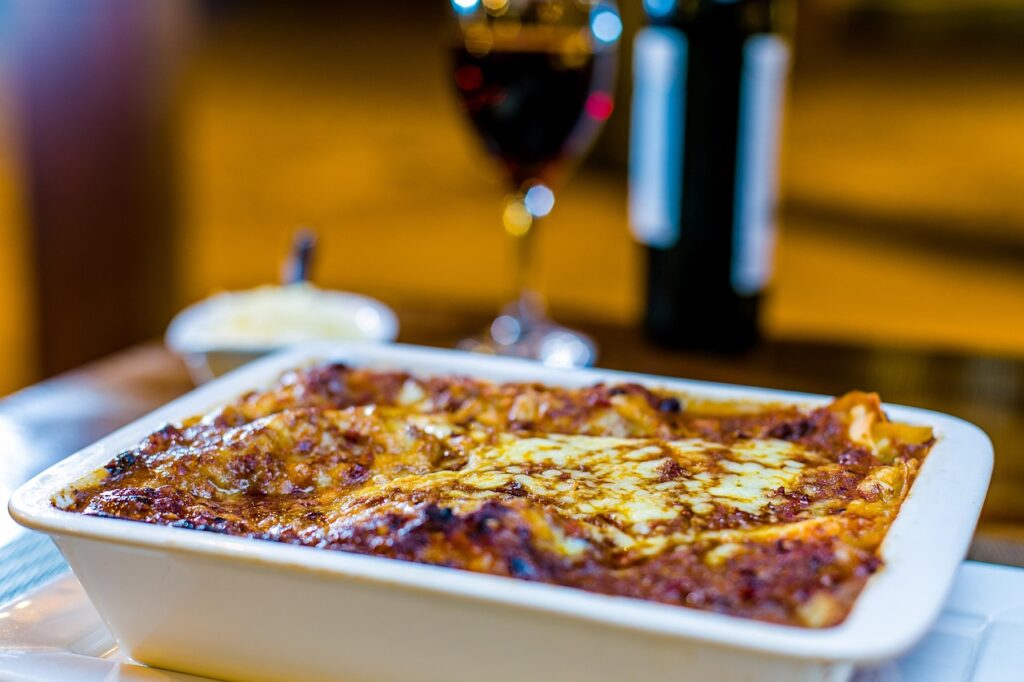
Skillet lasagna thrives on the dual capability of cast iron to handle stovetop simmering and oven baking without transferring dishes. The sauce thickens directly in the pan, absorbing starch from the noodles and creating a cohesive texture. When baked, the cast iron maintains steady heat that caramelizes the bottom and edges, forming crisp, flavorful corners that glass dishes cannot replicate. Those browned edges add depth and contrast to the soft interior layers of pasta and cheese. Cast iron’s heat retention also ensures even cooking from center to edge, preventing undercooked pockets or watery layers. The pan itself becomes part of the cooking process, building flavor through consistent contact and heat stability that lighter cookware simply cannot match.
5. Salmon Patties That Hold Together With a Crunchy Exterior
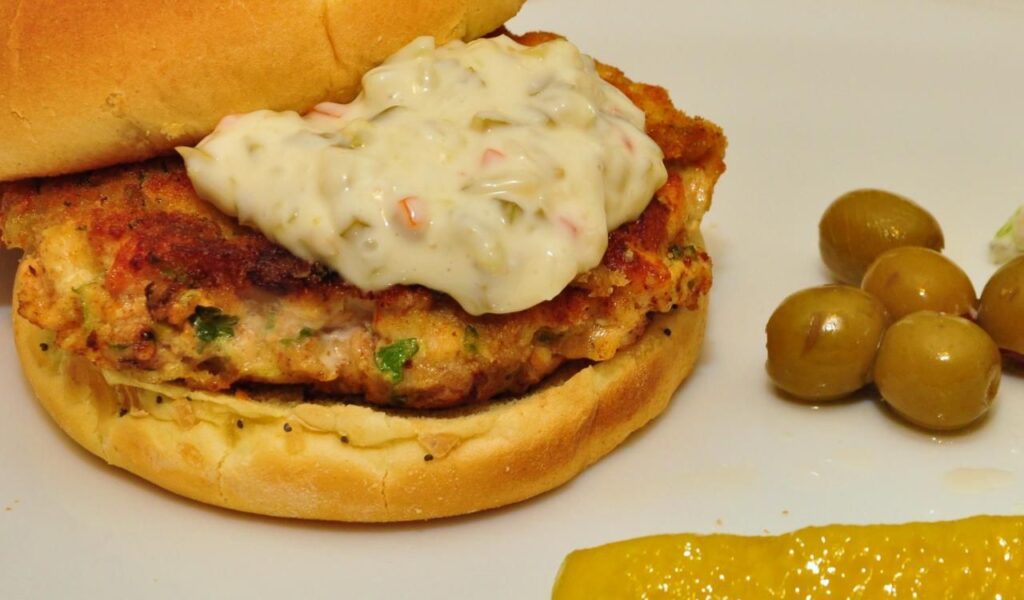
Delicate fish cakes demand a surface that promotes fast browning without sticking or tearing. Cast iron delivers even, sustained heat that creates a firm crust quickly, helping the patties hold their shape while sealing in moisture. In thinner pans, temperature fluctuations can cause sticking, steaming, or uneven browning that leads to breakage. Cast iron’s seasoned surface becomes naturally nonstick when properly maintained, allowing clean release without excess oil. The steady heat also prevents overcooking the interior while achieving crispness outside. This balance of structure and tenderness is difficult to achieve consistently without the thermal reliability of cast iron.
6. Ricotta Pancakes That Cook Through Without Burning
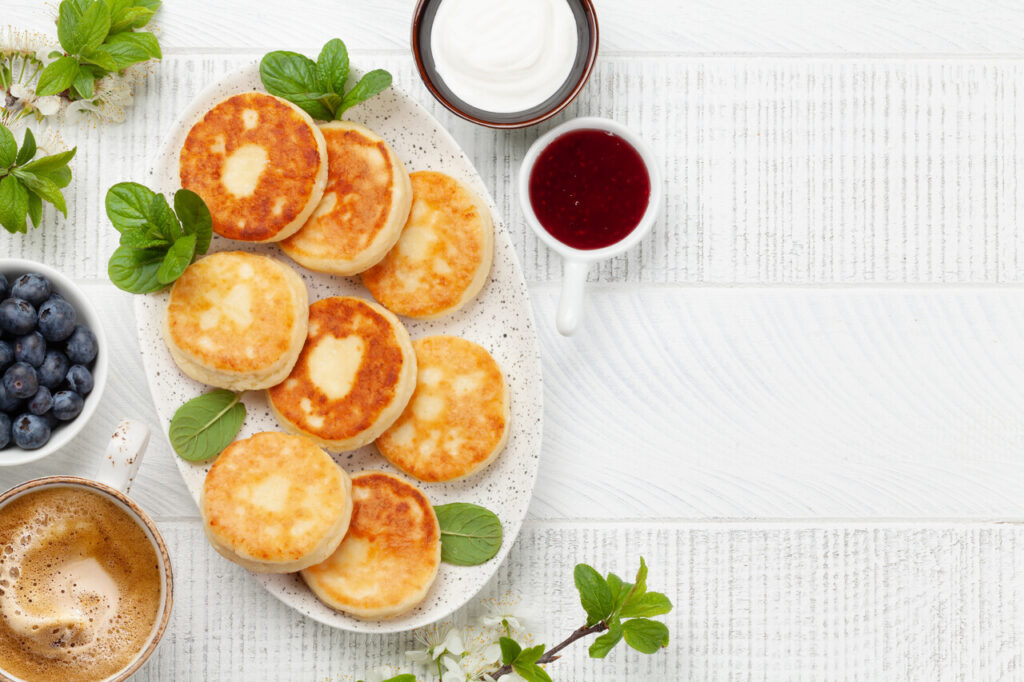
Ricotta pancakes contain more moisture and density than standard batter, making temperature control critical. Cast iron distributes heat slowly and evenly, preventing hot spots that scorch the surface before the center sets. Lighter pans heat unevenly and cool too quickly between batches, leading to inconsistent browning. Cast iron retains enough heat to maintain stable cooking conditions from the first pancake to the last. The result is a uniformly golden surface with a soft, fully cooked interior. This reliability improves both texture and appearance, turning a fragile batter into a consistently successful dish.
7. Tamale Pie With a Cornmeal Crust That Stays Crisp
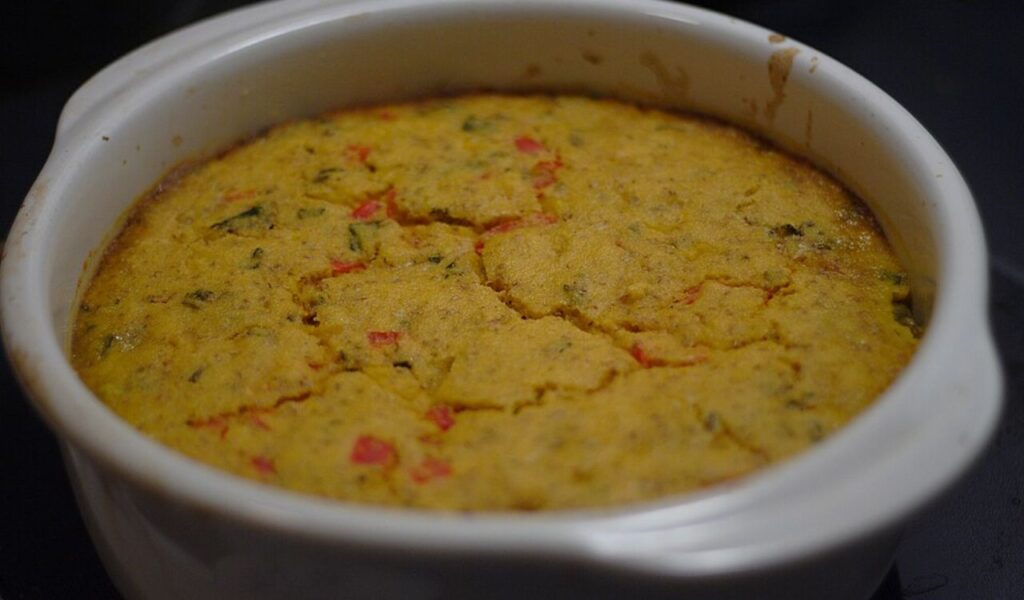
Tamale pie depends on achieving a sturdy, browned cornmeal crust that contrasts with the savory filling beneath. Cast iron excels here because it transfers heat directly into the crust and holds it long enough to drive moisture out and promote browning. In glass or ceramic dishes, heat penetration is slower and less intense, leaving crusts soft or unevenly cooked. Cast iron also helps the filling bubble steadily without boiling over or separating. The structure stays cohesive while the top and edges develop texture. This makes the dish feel complete rather than mushy or one-dimensional.
8. Pork Chops and Roasted Vegetables That Caramelize Together
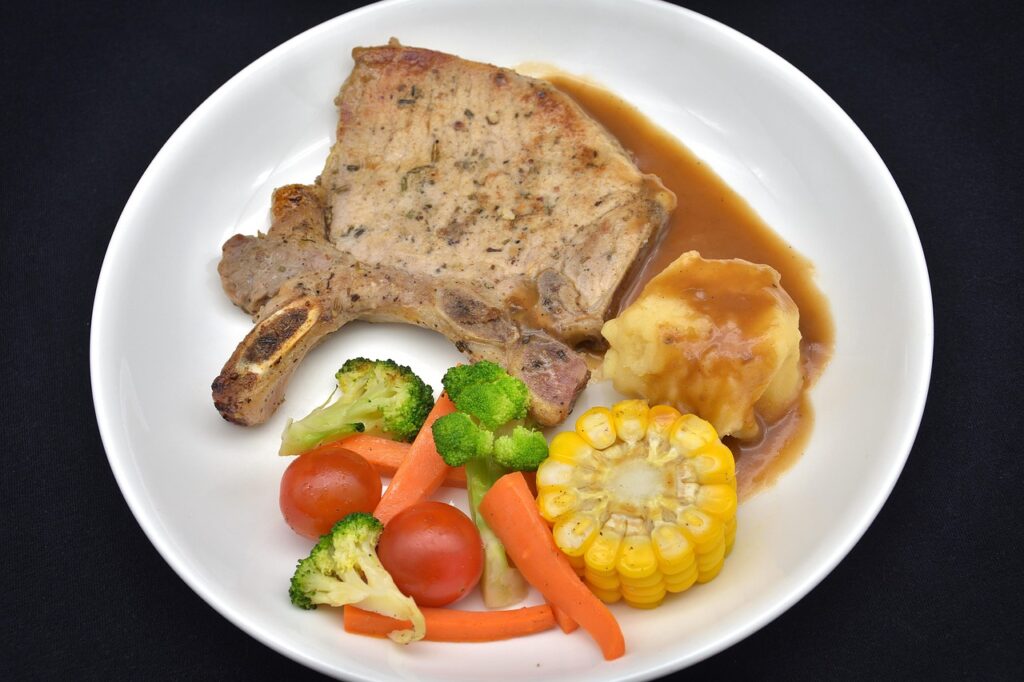
Cooking protein and vegetables in the same pan requires sustained high heat that does not fluctuate when ingredients are added. Cast iron maintains that stability, allowing pork chops to sear while vegetables caramelize rather than steam. Lighter pans lose heat rapidly, leading to pale surfaces and excess moisture release. Cast iron’s even heat also promotes consistent browning across the entire surface, preventing overcrowding issues. The result is deeper flavor development and better texture across both components. This level of control makes cast iron uniquely suited for one-pan meals that rely on precise heat management.
9. Steak au Poivre With Proper Crust and Sauce Reduction
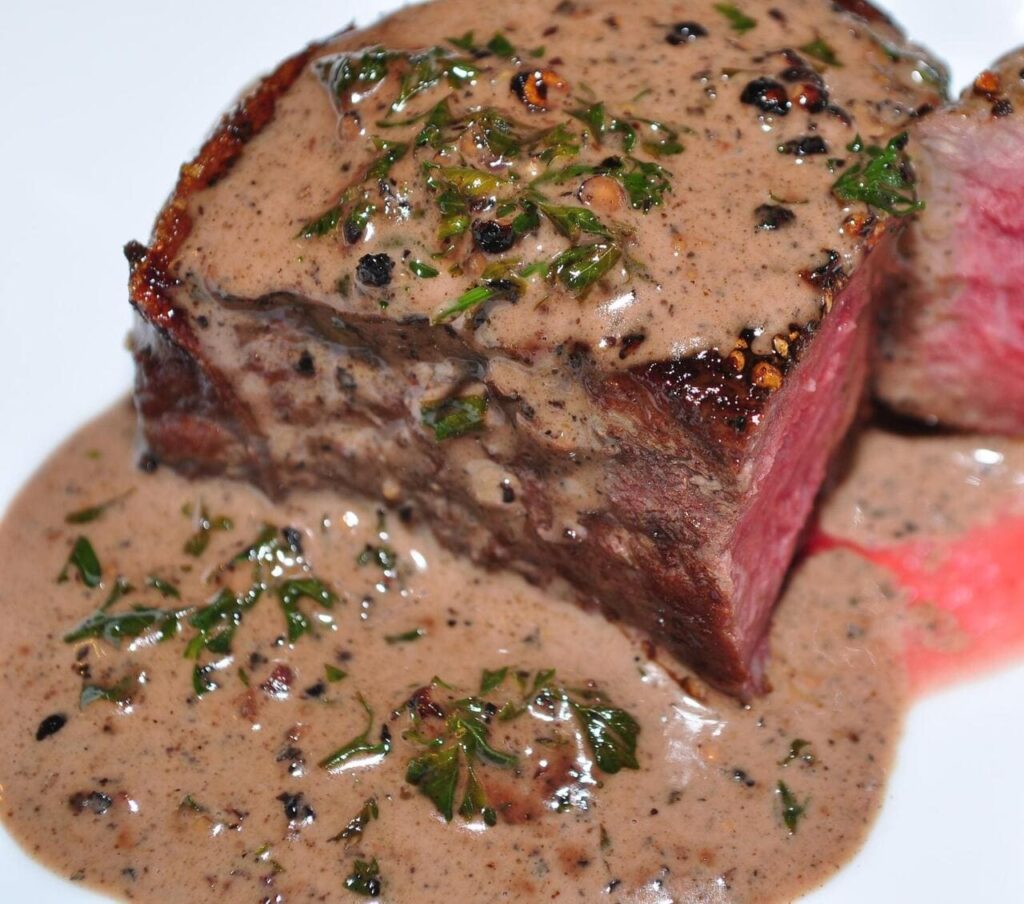
Steak au poivre requires intense searing followed by immediate deglazing and sauce reduction in the same pan. Cast iron provides enough residual heat to maintain boiling and reduction once liquid is added, preventing a thin or watery sauce. The heavy pan also preserves fond from the sear, which dissolves into the sauce and builds complexity. Thinner pans cool too quickly and struggle to sustain a reduction temperature. Cast iron keeps the cooking process continuous and controlled, allowing the sauce to concentrate properly while preserving flavor integrity.