How Shrinking Package Sizes Are Frustrating Grocery Shoppers Nationwide

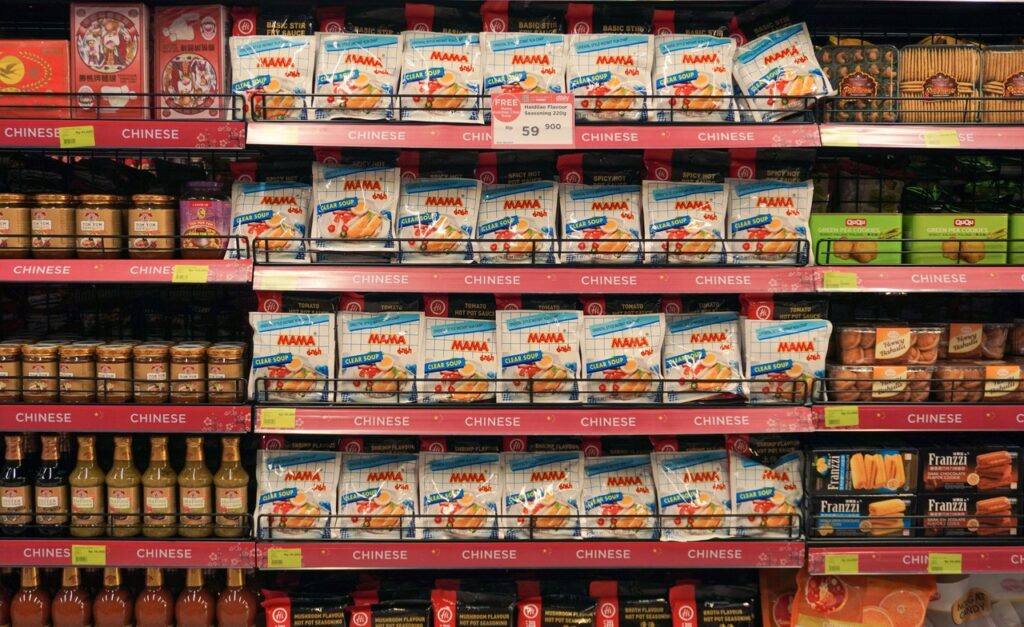
Grocery shopping across the United States is beginning to feel different for many households, and the reason often sits quietly on store shelves. Familiar products that once lasted weeks now seem to disappear faster, even though the price tags have barely changed. This trend is known as shrinkflation, where manufacturers reduce the quantity inside a package instead of raising the price. From snacks and cereals to everyday pantry staples, smaller portions are appearing across countless products. As shoppers begin to notice the pattern, frustration is growing, and people are paying closer attention to what they actually receive for their money.
Shrinkflation Is Changing Grocery Shopping
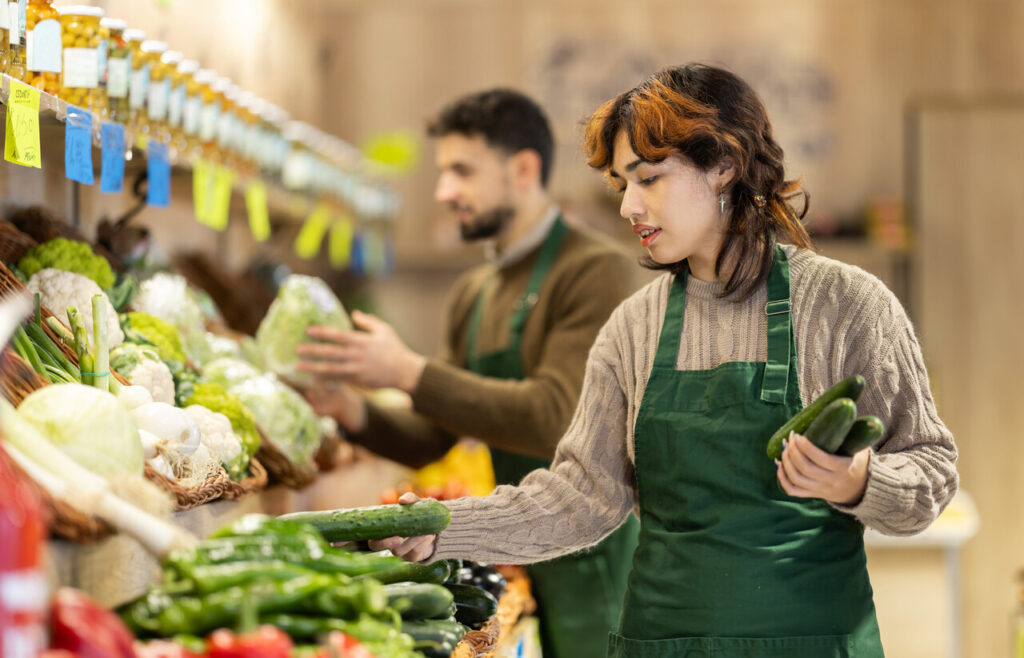
One of the quietest shifts in modern grocery shopping is the gradual shrinking of familiar products. Many shoppers walk into stores expecting the same packages they bought for years, only to discover later that the amount inside has changed. The term shrinkflation describes this exact practice. It refers to situations where a product becomes smaller while the price stays the same, effectively increasing the cost per ounce or serving. This tactic has become increasingly visible in packaged food and household goods. Companies rely on it because many shoppers notice price increases more quickly than subtle changes in quantity.
For grocery shoppers, the experience can feel confusing and frustrating. The shelf price may appear identical to what it was months earlier, but the value has quietly shifted. A cereal box might weigh less, a snack bag might contain fewer servings, or a household item might offer fewer units per pack. Because the packaging often looks nearly identical, many customers do not immediately notice the difference. Over time, these repeated examples of smaller packages can change how shoppers perceive value in grocery stores. This growing awareness has made shrinkflation a frequent topic of conversation.
The growing visibility of shrinkflation has also sparked conversations about transparency in pricing. Many consumers say they would prefer a straightforward price increase rather than a hidden reduction in quantity. When companies maintain the same price but reduce the amount of product, it can undermine trust between brands and customers. This sense of frustration is one reason the topic has become widely discussed in recent years. As shoppers pay closer attention to package sizes and unit prices, grocery aisles have become a place where economic changes are felt in subtle but meaningful ways.
Rising Production Costs Are Driving Smaller Packages
Behind many shrinking packages are rising costs faced by food manufacturers and retailers. Producing food and household goods involves a complex network of expenses, including raw materials, transportation, packaging, and labor. When these costs rise, companies must decide how to protect their profit margins. Raising prices directly is one option, but it carries the risk that shoppers will switch to cheaper alternatives. Reducing the amount of product inside a package can seem like a safer way to manage those pressures. Companies believe many shoppers are more sensitive to price increases than quantity reductions.
In recent years, supply disruptions and inflation have added new pressure on manufacturers. Ingredients such as grains, dairy, sugar, and cooking oils have seen fluctuating prices. Transportation costs have also increased due to fuel prices and logistical challenges. When several expenses rise at the same time, food companies must find ways to adjust their pricing strategies. Smaller package sizes allow businesses to absorb part of those increases without dramatically changing the retail price. This approach can protect sales during uncertain economic periods. The result is a subtle increase in how much shoppers pay per serving.
Competition between brands also influences these decisions. Grocery products often compete side by side on the same shelves, making price comparisons easy for customers. If one brand raises its price while another maintains the same price, shoppers may switch quickly. Shrinkflation allows companies to stay competitive while quietly adjusting product size. This strategy is used across many categories, including snacks, cereal, beverages, and frozen foods. Businesses often hope consumers will focus on the price rather than the quantity. Shoppers who notice the change may begin exploring different brands or store labels.
Consumers Are Paying More Without Realizing It
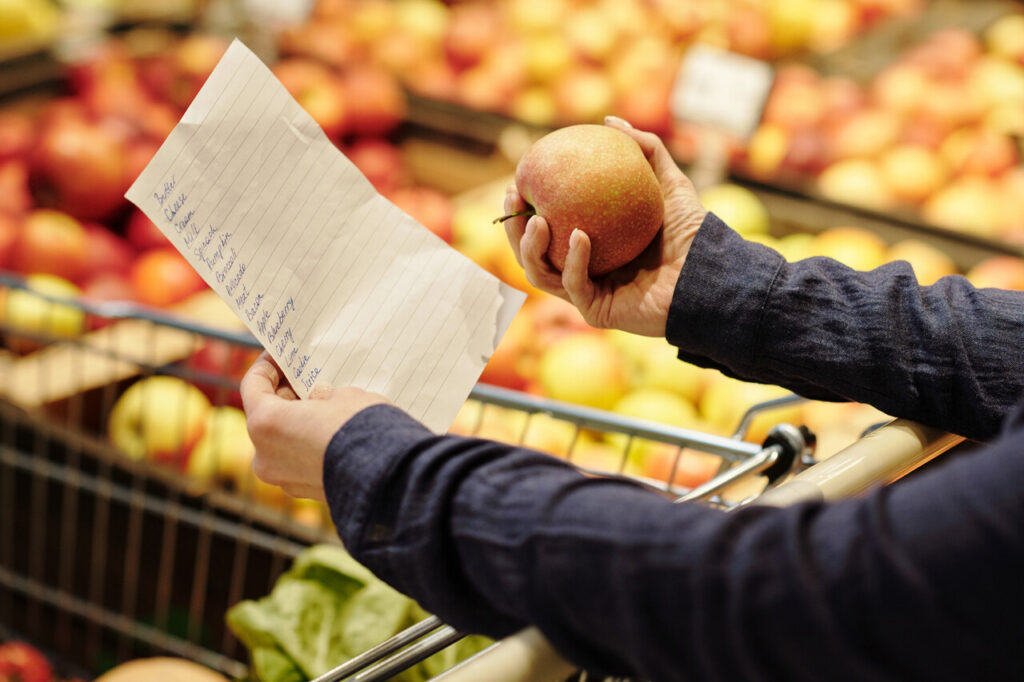
The most noticeable impact of shrinking packages is that many shoppers end up paying more for less product without realizing it right away. Because the shelf price often remains unchanged, the increase in cost is hidden within the reduced quantity. A cereal box that once weighed twenty ounces might now contain eighteen, while the price tag looks the same as before. Over time, these small reductions quietly raise the price per serving. Most shoppers focus on the total price rather than the weight printed on the label. This makes it easier for size reductions to pass unnoticed during routine grocery trips. The difference may only become clear when the product runs out sooner than expected.
For many households, the effect becomes clearer only after repeated purchases. A bag of snacks may seem to empty faster than it once did. A bottle of cooking oil may run out weeks earlier than expected. These experiences create the impression that groceries are becoming more expensive even when prices appear unchanged. When several products shrink at the same time, the overall grocery budget can feel stretched. Families may begin adjusting their shopping habits in response. Some start comparing unit prices more carefully. These adjustments show how subtle packaging changes can influence household routines.
This quiet increase in cost has changed how people think about value in grocery stores. Shoppers who once bought the same brands every week now examine alternatives. Store brands and larger bulk packages sometimes become more attractive options. Consumers also pay more attention to sales and promotions than they once did. These changes reflect a growing awareness of how packaging size affects real value. Over time, shrinkflation has encouraged many shoppers to become more cautious and analytical. Grocery shopping now involves more decision-making than before. What once felt routine has become more strategic.
Grocery Packaging Changes Can Be Hard to Spot

One reason shrinkflation works effectively is that packaging changes are often difficult to detect. Companies rarely advertise that a product has become smaller. Instead, the design of the package usually remains almost identical to earlier versions. Colors, logos, and branding stay the same so the product looks familiar on the shelf. Only the printed weight or serving count reveals the reduction. Many shoppers do not notice these small details during a quick grocery trip. As a result, the change can go unnoticed for weeks or even months. This subtle approach allows companies to maintain customer recognition.
Manufacturers sometimes adjust packaging shapes to make reductions even less noticeable. A container may become slightly narrower while keeping the same height. A bag of chips might include more air space to maintain its visual size. These adjustments preserve the appearance of a full package even though the contents have changed. The goal is to maintain the visual impression of value. Most shoppers rely on visual cues rather than precise measurements. This makes design an important tool in modern packaging strategies. The consumers have begun noticing these tactics more frequently. Awareness of packaging tricks is growing.
Even when customers notice smaller packages, the change may still be difficult to evaluate. Grocery stores carry thousands of items, and comparing quantities across brands can be time-consuming. Unit pricing labels help, but not all shoppers use them regularly. The fast pace of everyday shopping means many decisions happen quickly. This environment allows subtle size reductions to blend into normal buying habits. Yet as public awareness grows, more people are beginning to question what they see on the shelf. Consumers are slowly learning to examine weight and serving information more closely.
Shopper Frustration Is Growing Nationwide
For many consumers, the growing presence of shrinkflation has created noticeable frustration. People often feel that they are paying more while receiving less value in return. The frustration becomes stronger when the change appears hidden rather than clearly communicated. Grocery shoppers want transparency in the products they buy. When reductions happen quietly, customers may feel misled. This emotional reaction is one reason shrinkflation has become a widely discussed topic in recent years. Conversations about grocery costs now frequently include concerns about package size. The issue affects shoppers across many income levels.
Social media and online forums have amplified these frustrations. Shoppers often share photos comparing older packaging with newer versions. These side-by-side comparisons make the differences easier to see. As more examples circulate online, public awareness continues to grow. What once felt like an isolated experience now appears to be part of a broader trend. This shared awareness has increased scrutiny of food manufacturers and grocery retailers. Consumers are beginning to demand clearer labeling and more transparency. Public discussion is likely to continue as long as the practice remains common.
Despite these frustrations, many shoppers continue buying the same products. Brand loyalty and habit can be powerful influences. However, repeated experiences with shrinkflation may gradually erode that loyalty. Consumers who feel disappointed by a brand may eventually explore alternatives. This shift can lead to increased competition between companies. In the long run, transparency and trust may become important factors in purchasing decisions. Grocery brands that communicate openly may gain stronger relationships with customers. Clear communication can help rebuild confidence in a changing marketplace.
Everyday Grocery Staples Are Shrinking the Most

One of the most noticeable aspects of shrinkflation is that it often affects everyday staples that households purchase regularly. Items such as cereal, snack foods, cooking oils, coffee, and frozen meals have gradually appeared in smaller packages across many grocery stores. Because these products are purchased frequently, even small reductions in size can become noticeable over time. A bag of chips might contain fewer ounces, a jar of peanut butter may shrink slightly, or a pack of paper towels may include fewer sheets. At first glance, these changes may seem minor, but repeated across many products, they significantly affect the value shoppers receive.
Snack foods and convenience products appear especially vulnerable to shrinkflation because they are widely consumed and easy to adjust in size. Manufacturers can reduce portion amounts without dramatically altering packaging design. A bag may look the same on the shelf even though the weight printed on the label has decreased. These changes allow brands to maintain their familiar appearance while adjusting product quantity. The reduced quantity may become obvious when the product runs out faster than expected. Families may find themselves returning to the store more often to replace items. This repeated experience reinforces the perception that grocery value is declining.
Staple foods also influence overall grocery budgets more than occasional purchases. When multiple everyday items shrink at once, the cumulative effect becomes easier to feel. A household may spend the same amount of money but receive fewer meals or snacks from the same set of products. This can make budgeting more difficult for families trying to plan their grocery spending. As a result, shoppers may begin seeking alternative brands or larger bulk packages. Store brands sometimes become more attractive when shoppers feel national brands offer less value. These adjustments reflect how everyday items shape long-term purchasing habits.
Shoppers Are Adapting to Smaller Packages
As awareness of shrinking packages grows, many consumers are adjusting their shopping habits. One of the most common responses is paying closer attention to unit pricing displayed on grocery shelves. Unit pricing reveals the cost per ounce, pound, or item, making it easier to compare products regardless of package size. This simple tool allows shoppers to see when a smaller package actually costs more than a larger alternative. People who once focused mainly on the total price are beginning to use these labels more frequently. Shoppers increasingly rely on clear information when making purchasing decisions.
Another adaptation involves switching to store brands or bulk purchases. Private label products often offer similar quality at a lower price point, making them attractive when national brands shrink their packages. Bulk buying can also provide better value because larger packages typically have a lower cost per unit. Many families are experimenting with these strategies as they try to stretch their grocery budgets. These changes illustrate how consumer behavior evolves in response to pricing pressures. When shoppers feel they are receiving less value, they actively search for alternatives.
Consumers are also becoming more vocal about their expectations for transparency. Discussions about shrinkflation now appear regularly in news coverage and online communities. Shoppers share experiences, compare product sizes, and discuss which brands offer the best value. This growing awareness places pressure on companies to consider how their decisions affect customer trust. Businesses that communicate openly about pricing or package changes may be better positioned to maintain loyal customers. In the long term, transparency may become a key factor in how consumers evaluate grocery products.