12 Classic Dishes Restaurants Often Struggle to Get Right


Classic dishes often carry decades of culinary tradition, but that does not always make them easy to prepare. Many beloved recipes depend on precise timing, balanced flavors, and careful technique to deliver the results diners expect. When any of these elements are off, the dish can quickly lose the charm that made it popular in the first place. As restaurant menus evolve and dining trends change, some traditional meals have also become harder to execute consistently. These dishes remind us that even familiar favorites can be surprisingly challenging to get right.
1. Liver and Onions
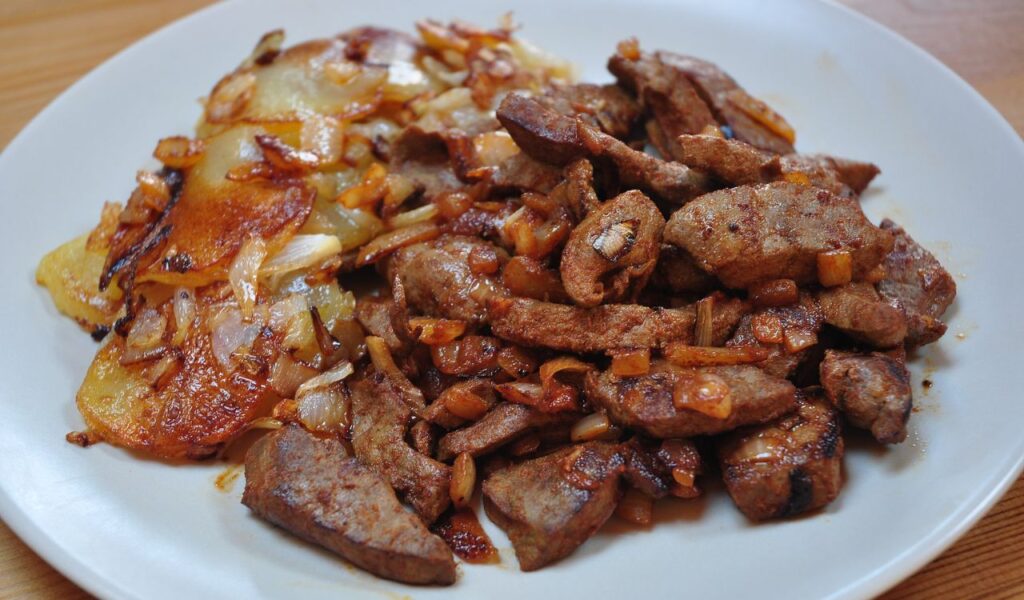
Few classic dishes spark stronger opinions than liver and onions. For decades, it appeared regularly on diner menus and family dinner tables across the United States. The dish usually features slices of beef or calf liver cooked with caramelized onions, creating a combination that once symbolized hearty comfort food.
Preparing liver well requires careful timing. The meat cooks very quickly, and even a short period of overcooking can make it tough and grainy.
Liver has a bold, mineral-rich taste that many modern diners are not accustomed to. Because demand has declined and the cooking window is so narrow, many restaurants simply avoid offering the dish.
2. Ambrosia Salad
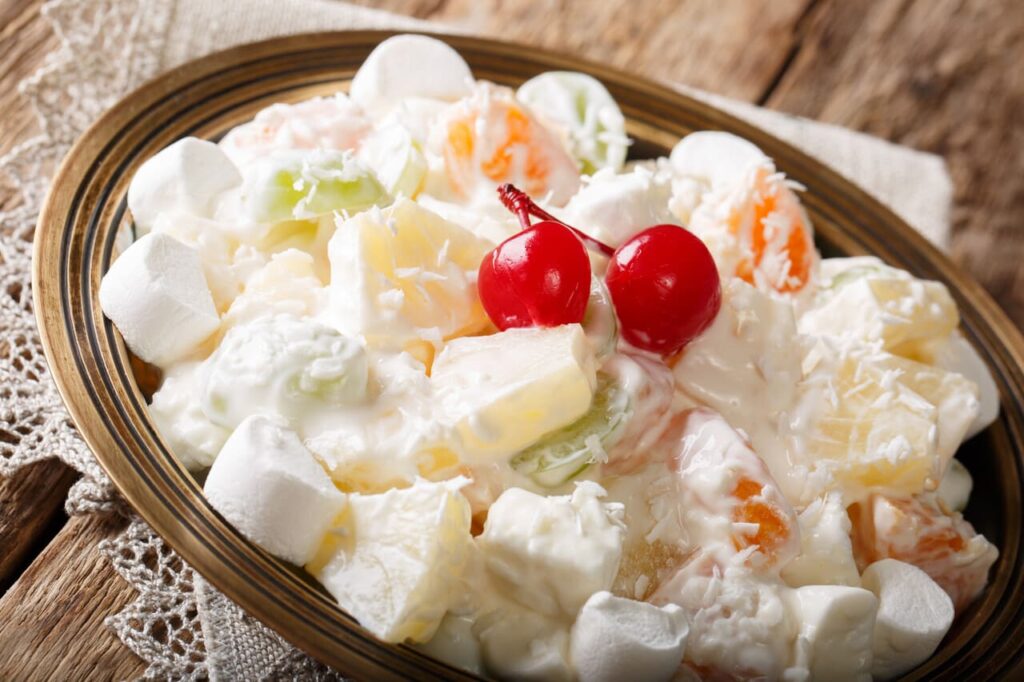
Ambrosia salad once held a place of honor at American gatherings, especially during holidays and family celebrations. The dish usually combines fruit, whipped topping or cream, shredded coconut, and marshmallows into a sweet, creamy mixture.
While it was once considered festive and indulgent, tastes have changed over the years. Ambrosia salad often relies on canned fruit and sweetened toppings, which can make the flavor feel overly sugary.
The dish does not always photograph or plate as attractively as modern desserts. Because of this, many chefs have moved toward fruit-based dishes that feel fresher and more visually appealing.
3. Chicken à la King
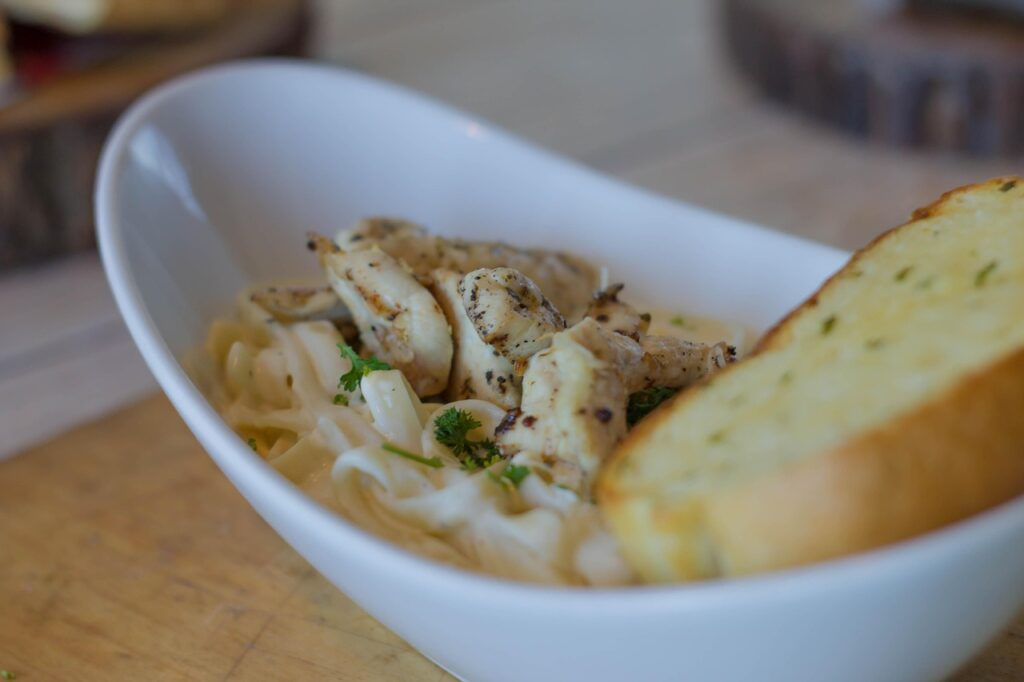
Chicken à la King is a creamy comfort dish that became popular in American restaurants during the early twentieth century. It features diced chicken served in a rich sauce made with cream, mushrooms, and peppers, often poured over toast or puff pastry.
The recipe depends heavily on balance. The sauce must remain smooth and flavorful without becoming too thick or heavy. If the proportions are off, the dish can feel overly rich and mask the flavor of the chicken.
Changing dining habits have also played a role in its decline. Modern menus often favor lighter preparations and bold global flavors. Compared with these options, a cream-based dish like Chicken à la King can feel heavy and dated to some diners.
4. Salisbury Steak
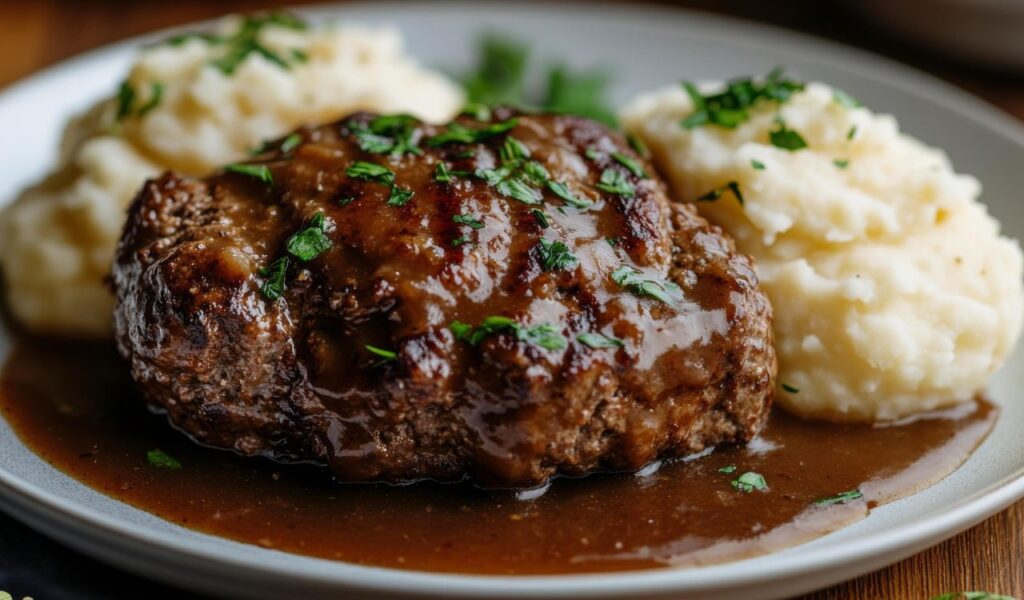
Salisbury steak has a long history in American dining. The dish typically consists of seasoned ground beef shaped into patties and served with brown gravy, sometimes accompanied by onions or mushrooms.
Although the concept is simple, it can be difficult to execute well. Ground beef patties can easily become dry if cooked too long, and the gravy must provide flavor without overpowering the meat.
Another factor affecting its reputation is its association with frozen dinners. Many people first encountered Salisbury steak in packaged meals rather than restaurants. That connection sometimes makes it harder for chefs to present the dish as a fresh and carefully prepared entrée.
5. Baked Alaska

Baked Alaska stands out as one of the most visually dramatic desserts in classic American cuisine. It combines cake, ice cream, and a layer of meringue that is briefly baked or torched to create a browned exterior.
The dish requires precise timing and temperature control. The goal is to heat the meringue while keeping the ice cream inside frozen. Achieving this balance can be challenging even for experienced pastry chefs.
Because of the preparation involved, many restaurants hesitate to include it on modern menus. Desserts that require less assembly and can be prepared in advance are easier to serve during busy service periods.
6. Lobster Thermidor
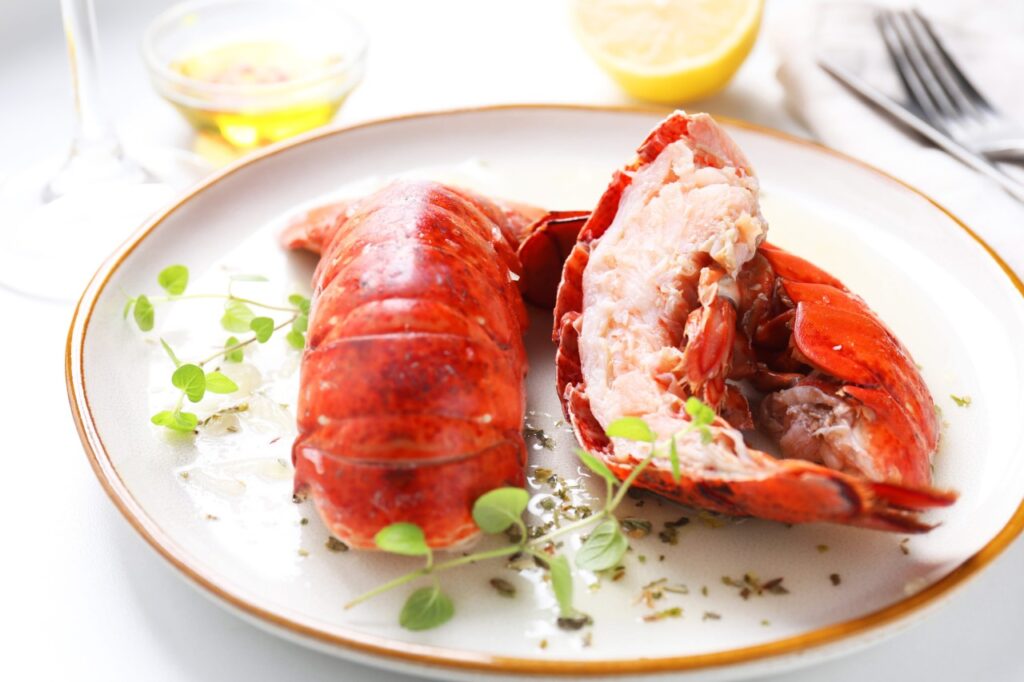
Lobster Thermidor is a luxurious dish that originated in French cuisine and later appeared in many American fine dining restaurants. The recipe involves lobster meat cooked in a creamy sauce with mustard and herbs, then baked in the shell with cheese.
The dish is known for its richness. Cream, butter, and cheese create a dense flavor profile that can feel heavy compared with modern seafood preparations that emphasize freshness and simplicity.
It also requires careful preparation. Handling lobster, preparing the sauce, and finishing the dish in the shell all take time and attention. Because of this complexity, many restaurants prefer simpler lobster dishes that highlight the natural flavor of the seafood.
7. Chipped Beef on Toast
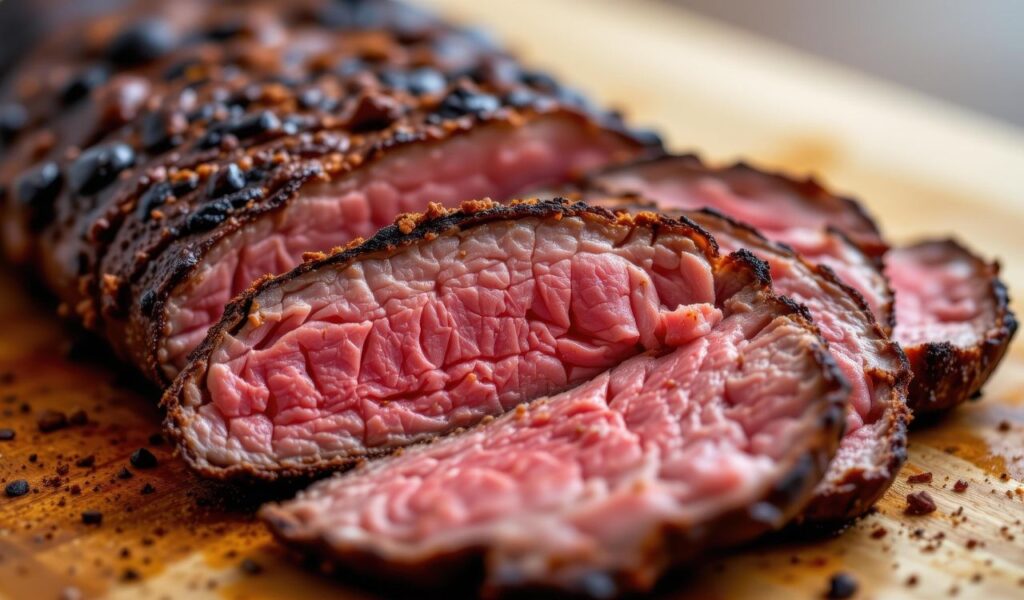
Chipped beef on toast is a dish with deep roots in American military and diner traditions. It typically features dried beef slices served in a creamy white gravy over toasted bread.
The dish gained popularity because it was inexpensive and filling. However, the ingredients often contain high levels of sodium, which can make the flavor quite salty.
Modern diners often look for lighter meals with fresher ingredients. Compared with contemporary breakfast or brunch options, chipped beef on toast can feel heavy and old-fashioned. This shift in taste has made the dish increasingly rare on restaurant menus.
8. Tapioca Pudding

Tapioca pudding was once a common dessert in American households and restaurants. The dish uses small tapioca pearls cooked in milk and sugar to create a creamy pudding with a slightly chewy texture.
The preparation requires patience. The pearls must be cooked slowly so they soften without becoming overly thick or sticky. Achieving the right consistency can be difficult if the pudding is rushed.
Another challenge is perception. While some people enjoy the texture, others find it unusual compared with smoother desserts. As modern restaurants introduce more elaborate sweets, traditional puddings like tapioca have gradually become less common.
9. Vichyssoise

Vichyssoise is a chilled soup made from potatoes, leeks, cream, and broth. It became popular in fine dining during the twentieth century, especially in upscale American restaurants inspired by French cuisine.
The concept of cold soup can be difficult for some diners to embrace. Many people expect soups to be warm and comforting, which makes the chilled presentation surprising.
Preparing the dish well also requires balance. The flavors must remain delicate while the texture stays smooth and creamy. When done correctly, it can be elegant, but the subtle nature of the soup sometimes makes it harder to feature on modern menus.
10. Oysters Rockefeller
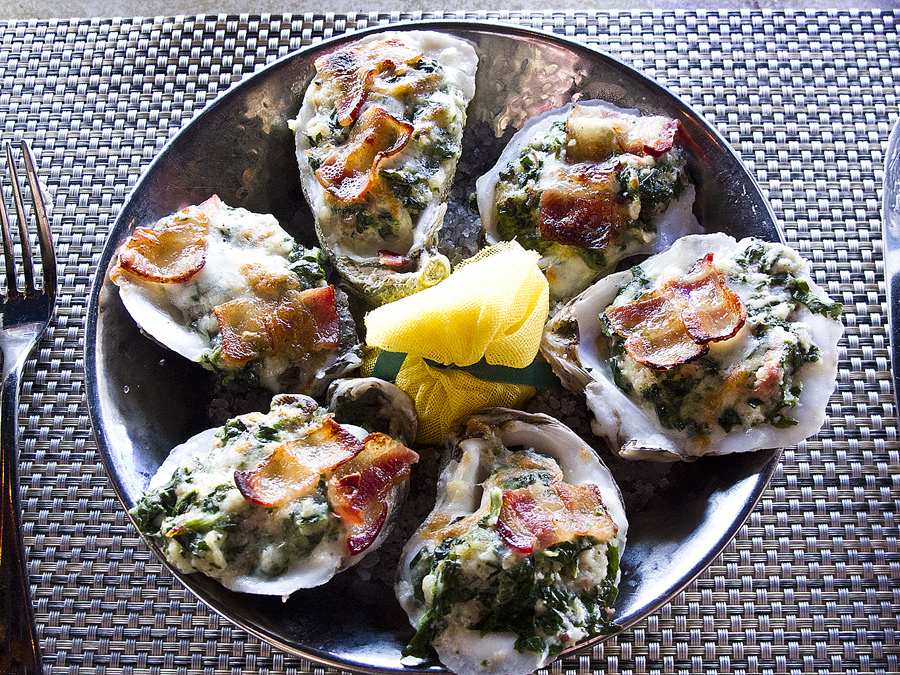
Oysters Rockefeller is a classic seafood appetizer that originated in New Orleans. The dish features oysters baked with a rich topping that often includes butter, herbs, and breadcrumbs.
The preparation demands careful attention. Oysters cook quickly, and overcooking can cause them to become tough. At the same time, the topping must brown properly without overpowering the delicate oyster flavor.
Restaurants sometimes struggle with this balance. The richness of the topping can mask the natural taste of the seafood, while underseasoning can make the dish feel bland. Achieving the right harmony requires skill and consistency.
11. Welsh Rarebit
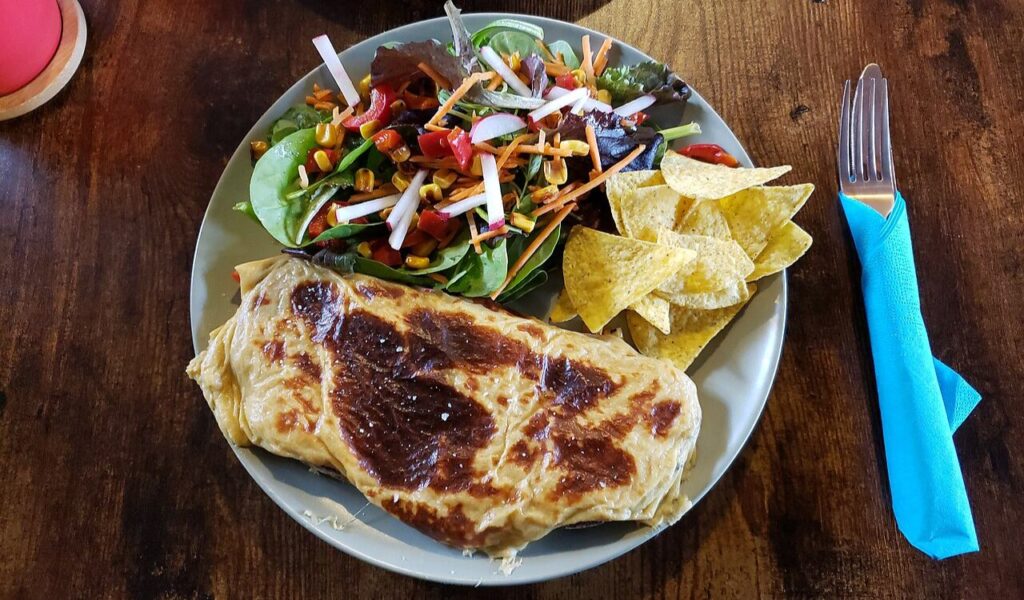
Welsh rarebit is often mistaken for simple cheese on toast, but the dish is more complex than it appears. The sauce usually combines melted cheese with mustard, beer, or Worcestershire sauce before being poured over toasted bread.
Getting the sauce right is essential for hitting the right taste buds. It must remain smooth and creamy without separating. If the cheese overheats, it can become grainy or oily.
Because the dish is relatively heavy and rich, many restaurants choose lighter appetizers or sandwiches instead. While it remains beloved in some traditional kitchens, it appears less frequently on modern menus.
12. Cottage Cheese Plate

The cottage cheese plate was once a staple in many American diners and lunch counters. It often featured a scoop of cottage cheese served with fruit, vegetables, or crackers as a light meal.
Although the dish was popular during earlier decades, its reputation as a diet food from the past has affected its appeal. Many diners associate it with older menu trends rather than contemporary dining.
Restaurants also focus on dishes that showcase stronger flavors or creative presentations. Because cottage cheese has a mild taste, it can be challenging to turn the simple plate into a standout menu item today.