11 Restaurant Fees That Appear Only After the Bill Arrives


Dining out used to feel simple. You scanned the menu, added up the prices in your head, factored in tax and tip, and had a rough idea of the final total before the check ever hit the table. In recent years, that predictability has shifted. More restaurants are adding fees that do not appear directly in the listed menu price but show up once the bill arrives.
These charges range from service and kitchen fees to credit card surcharges and destination add-ons. Some are designed to support staff wages. Others offset rising rent, ingredient costs, or processing fees. Many are legal and disclosed somewhere, but they are not always front and center when you order.
For diners, the surprise often comes at the bottom of the receipt. The total can feel higher than expected, not because of what you ordered, but because of added line items that were easy to overlook.
1. The Service Charge That Replaces a Traditional Tip

Few line items create more confusion than a service charge. Unlike a voluntary tip, a service charge is automatically added to the bill, often calculated as a fixed percentage of the total. It may appear on checks in full-service restaurants, especially in urban areas or higher-end establishments.
The key difference is control. A service charge is mandatory and set by the restaurant. In some cases, it is distributed among staff as wages. In others, it may support operational costs such as benefits, kitchen pay, or general payroll. Restaurants sometimes adopt this model to stabilize income for employees and reduce reliance on variable tipping.
The issue arises when guests are unclear whether an additional tip is expected. Some bills list the charge clearly, while others place it in smaller print. Without careful reading, diners may unintentionally double-tip or misunderstand how their payment is allocated.
2. Automatic Gratuity Added for Group Dining
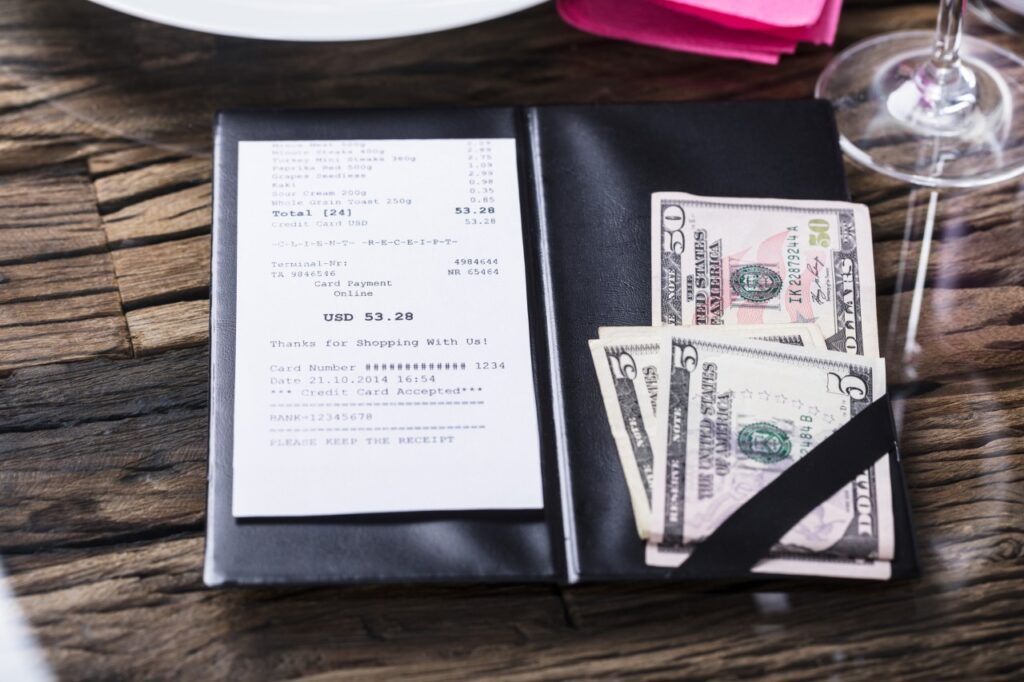
Large tables often trigger automatic gratuity. When a party reaches a specific size, typically six or more guests, a preset tip percentage is added without requiring approval at the end of the meal. This policy is designed to protect servers from receiving little or no tip on high effort group service.
Serving a large table requires coordination, timing, and often extended table turnover. Automatic gratuity ensures staff are compensated fairly for their labor. Restaurants may set the percentage between eighteen and twenty percent, depending on location.
The surprise happens when guests do not notice the note on the menu or reservation confirmation. The automatic gratuity can appear unexpectedly at the bottom of the bill, sometimes alongside suggested additional tip lines, which can lead to confusion if not reviewed carefully.
3. The Kitchen Appreciation Fee Few Expect

A newer addition to some checks is the kitchen appreciation fee. This charge is often presented as a way to support back-of-house staff, including cooks and dishwashers who traditionally do not receive tips. It typically appears as a small percentage of the total.
Restaurants have increasingly used this fee in response to wage pressures and rising labor costs. By allocating a dedicated line item, operators aim to provide more equitable pay distribution between front and back of house teams.
The challenge is transparency. Diners may not anticipate the added percentage, especially if it is not clearly highlighted before ordering. Even if the fee supports fair wages, its placement at the end of the bill can feel unexpected.
4. Credit Card Processing Fees Passed to the Guest

Some restaurants now add a small percentage to cover credit card processing fees. These charges are typically around two to three percent of the total and reflect the cost businesses pay to card networks for each transaction.
Rising operating costs have led some establishments to shift that expense directly to customers rather than absorb it internally. While legal in many areas, disclosure requirements vary by region. Restaurants often note the policy on menus or near the register.
For diners accustomed to paying by card without additional cost, the fee can come as a surprise when reviewing the final receipt. Cash payments may avoid the surcharge, but not all guests carry cash regularly.
5. Large Party Surcharges Beyond Gratuity

Separate from automatic gratuity, some restaurants apply additional large party surcharges. These fees may cover administrative coordination, table rearrangement, or special event preparation. They are sometimes fixed amounts rather than percentages.
Managing large reservations can involve staffing adjustments and reserved space that limits other bookings. Restaurants may use surcharges to offset potential revenue loss from blocked seating or extended dining times.
Guests who expect only a gratuity addition may be caught off guard by a second charge tied to party size. Unless clearly communicated at booking, the extra line item can appear unexpected at payment time.
6. Split Plate Fees for Sharing an Entrée
Sharing a single entrée is common, especially in higher-priced restaurants. Some establishments charge a split plate fee when two guests divide one main dish. This fee may cover additional plating, garnishes, or side portions.
From an operational perspective, splitting a dish can increase labor and reduce potential revenue from ordering separate meals. Restaurants use the fee to balance that dynamic without explicitly raising menu prices.
While often modest, the charge can surprise diners who assume sharing carries no added cost. It typically appears only after the server processes the request and prints the bill.
7. Corkage Fees for Bringing Your Own Bottle

Bringing a personal bottle of wine to a restaurant can incur a corkage fee. This charge compensates the establishment for glassware, service, and lost beverage sales. Corkage fees vary widely depending on location and restaurant type.
Restaurants rely on beverage margins to support overall profitability. Allowing outside alcohol without compensation would reduce that revenue stream. Corkage ensures the restaurant recovers some of that potential loss.
Diners unfamiliar with the policy may only see the charge when the bill arrives. Advance inquiry is usually necessary, as corkage rules and amounts are not always prominently displayed.
8. Cake Cutting Fees for Celebratory Desserts

Celebrating a birthday or anniversary with a store-bought cake may trigger a cake-cutting fee. Restaurants apply this charge to cover plating, utensils, and service associated with slicing and serving outside desserts.
The fee also offsets potential lost dessert sales from the restaurant’s own menu. Dessert items often carry higher profit margins, so outside cakes represent foregone revenue.
Guests who bring a cake expecting only a warm welcome may be surprised to see the fee listed at checkout. Policies vary, and some restaurants waive the charge for private events while others apply it consistently.
9. Mandatory Tips on Takeout Orders
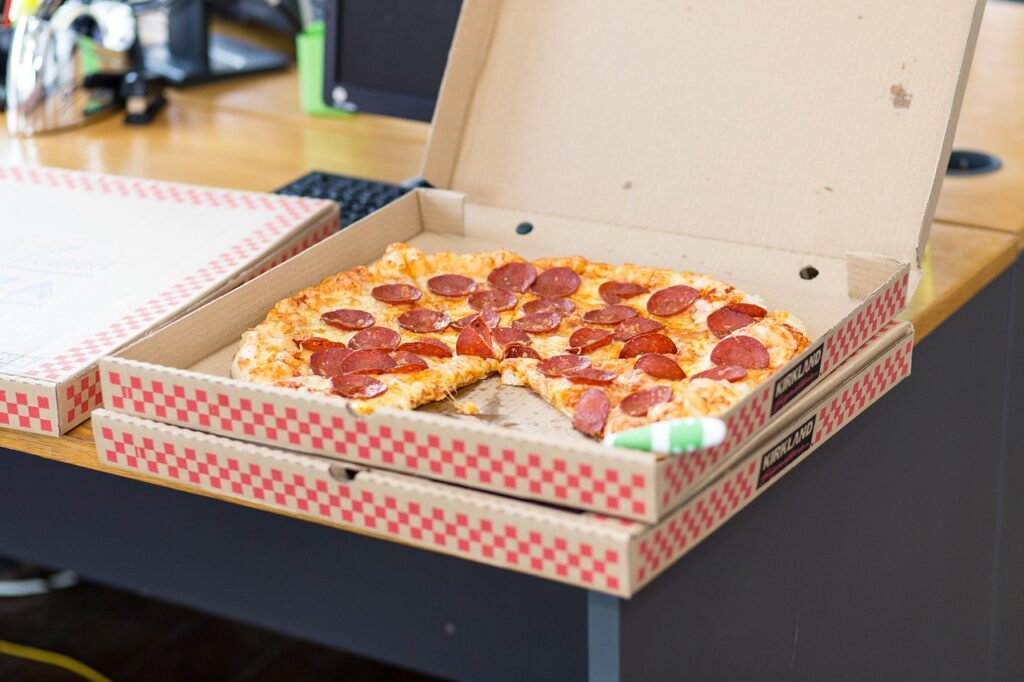
Takeout service has evolved, and some restaurants now apply mandatory service charges to large or complex takeout orders. This may appear as a percentage similar to dine-in gratuity.
Preparing large takeout orders requires packaging, coordination, and staff time that differs from standard counter service. Restaurants use mandatory charges to compensate staff for that effort, particularly for catering-style pickups.
Customers accustomed to optional tipping for takeout may not expect a required percentage. The charge often becomes visible only when the receipt is finalized, making it important to review details before payment.
10. Resort or Destination Surcharges in Tourist Areas

Restaurants in high tourism regions sometimes add resort or destination surcharges. These fees may help offset elevated rent, local taxes, or seasonal cost fluctuations common in travel hubs.
Operating in popular destinations often involves higher overhead, from real estate to staffing. Rather than embed those increases entirely in menu prices, some establishments separate them into identifiable line items.
Visitors unfamiliar with local practices may see the surcharge only when the bill arrives. While legal in many areas, disclosure expectations differ, and not all menus highlight the extra percentage clearly.
11. Inflation or Supply Chain Adjustment Fees

Some restaurants now list temporary sounding inflation or supply chain adjustment fees. These charges emerged during periods of sharp cost increases for ingredients, fuel, and labor.
Instead of rewriting entire menus frequently, some operators chose to add a small percentage surcharge to cover fluctuating expenses. This approach allows quicker adjustment to market conditions without reprinting materials.
The downside is perception. Even if the fee reflects real cost pressures, guests may feel surprised when the total exceeds the sum of menu prices. Careful reading of receipts has become more important as such charges become more common.