Why Americans Are Questioning Automatic Tipping Screens


The moment feels familiar, yet something about it has changed. You tap your card, the screen swivels toward you, and bright percentages appear before you fully process the total. What was once a quiet choice, perhaps a few bills dropped into a jar, is now a visible decision made in view of staff and waiting customers. Automatic tipping screens are now standard on modern payment systems, turning a private gesture into a structured digital prompt. The design is deliberate, the options preset, and the moment to choose can feel immediate. In seconds, a routine transaction becomes a subtle social calculation about generosity, fairness, and expectation.
From neighborhood coffee shops to bakery counters and takeout windows, suggested gratuities now appear in spaces that once operated without them. Default percentages often begin higher than what many customers previously considered standard, and prompts surface during even brief service interactions. As these requests multiply, consumers are reassessing what tipping represents and where it belongs. Some see the shift as a natural move in a cashless economy, while others view it as added financial pressure. The debate now extends beyond sit-down dining, touching everyday purchases and raising broader questions about wages, pricing transparency, and changing service norms.
Digital Prompts Reshape the Tipping Experience
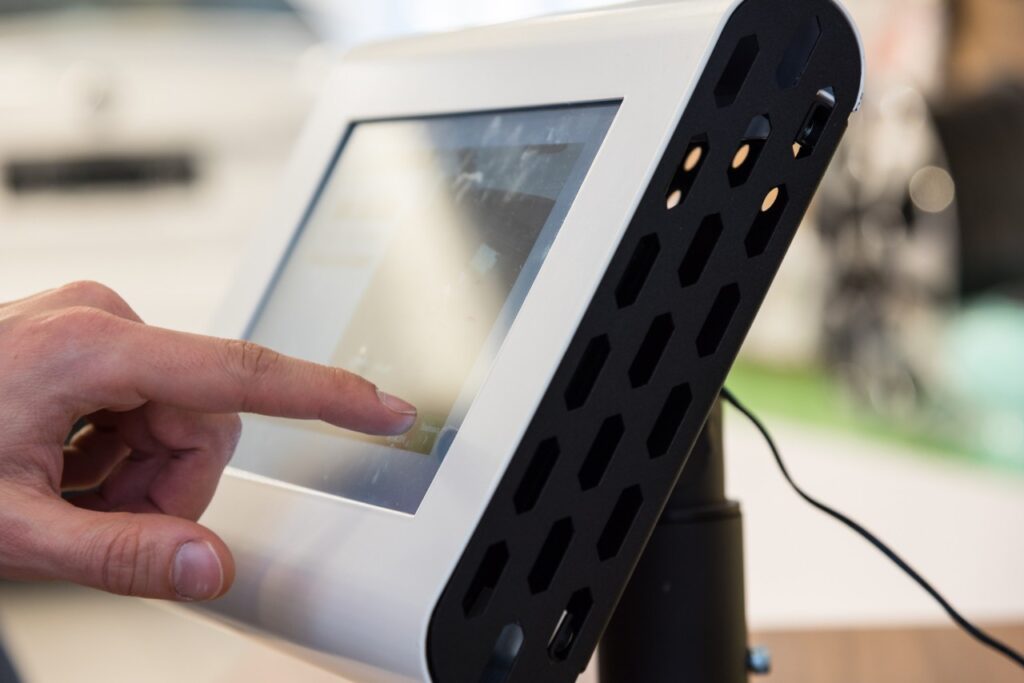
It often happens in a split second. A tablet swivels toward you, preset percentages glow on the screen, and a short line forms behind you. What was once a discreet decision involving loose bills and coins has become a visible, digital interaction built into the checkout process. Automatic tipping screens, now standard on many point-of-sale systems, have moved beyond traditional sit-down restaurants. They appear in coffee shops, food trucks, bakeries, salons, and some counter-service retailers. While the technology streamlines payments and reduces reliance on cash, it also changes the emotional tone of tipping, making the choice feel immediate and publicly observed.
Unlike a simple tip jar resting near a register, digital prompts typically present preset options such as 18%, 20%, or 25%, sometimes placing the custom or no-tip selection in smaller text. Behavioral economics research suggests that visible numerical anchors can influence how much people choose to give, especially when time is limited. Combined with the subtle pressure of face-to-face transactions, these interfaces can shift tipping from a spontaneous gesture of appreciation into a structured expectation. For many consumers, the format changes not only how they tip, but how they interpret the meaning of the request itself.
Rising Suggested Percentages Fuel Tip Fatigue
Not long ago, leaving a 15% gratuity for full table service was broadly accepted as the norm in much of the United States. Today, many digital checkout screens begin their suggestions at 18% and move upward to 20% or even 25%, subtly redefining what is considered standard. This upward shift has played a central role in what consumers increasingly call tip fatigue. As preset percentages rise and prompts appear in more everyday transactions, the cumulative financial impact becomes harder to ignore, particularly for routine purchases such as takeaway coffee, fast-casual meals, or quick counter service interactions.
Economic realities intensify this growing sensitivity. With inflation influencing grocery bills, rent, transportation, and utility costs, households are paying closer attention to every added charge at checkout. Even when the dollar difference between 18% and 22% seems small, the psychological effect of higher defaults can feel significant. Repeated exposure to elevated prompts across multiple transactions in a single week reinforces that perception. Over time, this pattern has led many Americans to reconsider not only how much they tip, but also in which settings tipping feels justified based on the level and type of service provided.
Consumer Backlash Grows Over Expanding Expectations
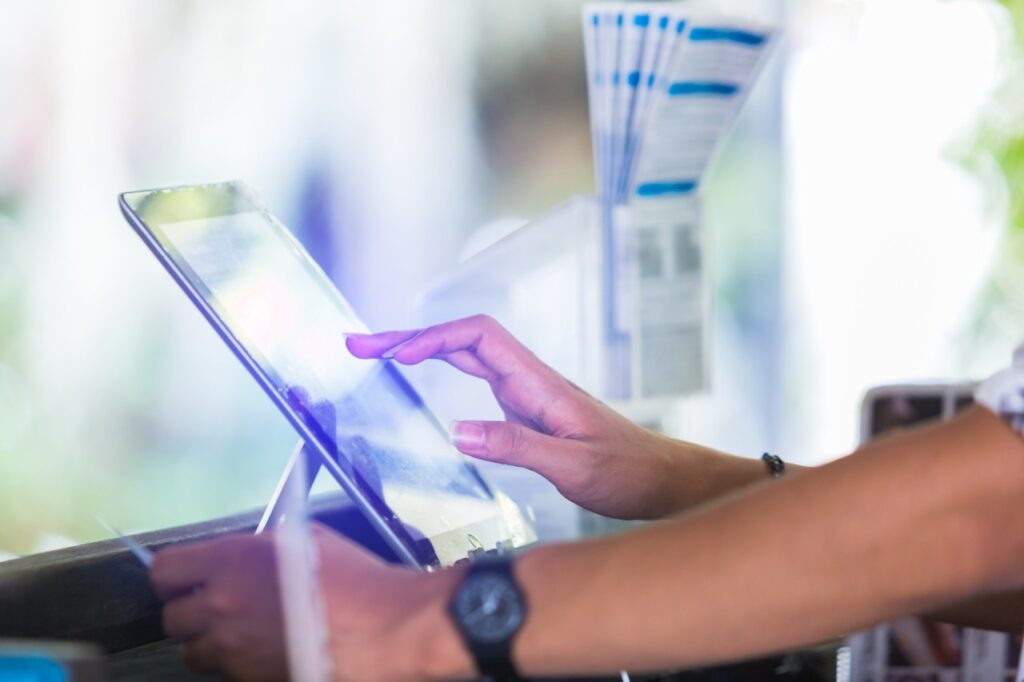
The tipping screen debate is no longer centered solely on how much to leave; it increasingly focuses on where gratuities are now expected. Businesses that historically operated without relying on tips, including quick-service counters and certain retail settings, are adding automatic prompts to their payment systems. This widening use has led some customers to question whether they are being asked to offset wage structures that were once covered entirely by hourly pay. As tip requests surface in more transactions, the boundary between traditional service roles and standard retail interactions feels less clearly defined.
Public conversations across community forums and social platforms reflect a noticeable unease with what many describe as tip creep. Customers often express feeling torn between supporting frontline workers and resisting prompts they perceive as excessive or misplaced. Confusion over how digital tips are distributed, especially in pooled systems where funds may be shared among staff, adds another layer of uncertainty. As tipping prompts extend into new corners of the service economy, expectations are shifting in real time, reshaping how consumers interpret fairness, transparency, and responsibility.
Behind every glowing checkout screen stands a worker whose paycheck may rely heavily on gratuities. In many states, tipped employees are legally paid a base wage below the standard minimum, with customer tips expected to close the gap. When digital payment systems automatically prompt for a gratuity, they can create a steadier and more trackable income stream, particularly as fewer customers carry cash. Electronic tipping also reduces discrepancies that sometimes occurred with shared tip jars, offering clearer records and, in some cases, faster distribution through payroll systems that integrate daily totals.
Yet the same technology that supports earnings can also place workers in an uncomfortable position. When customers feel surprised or pressured by preset percentages, that frustration is often directed, subtly or openly, at the employee processing the payment. Frontline staff typically have no control over the programmed tip options or whether prompts appear at all. Even so, they remain the visible face of the transaction. This tension leaves many service workers navigating a delicate balance between gratitude for added income and awareness of growing public skepticism around tipping practices.
The Future of Tipping Faces a Cultural Reset
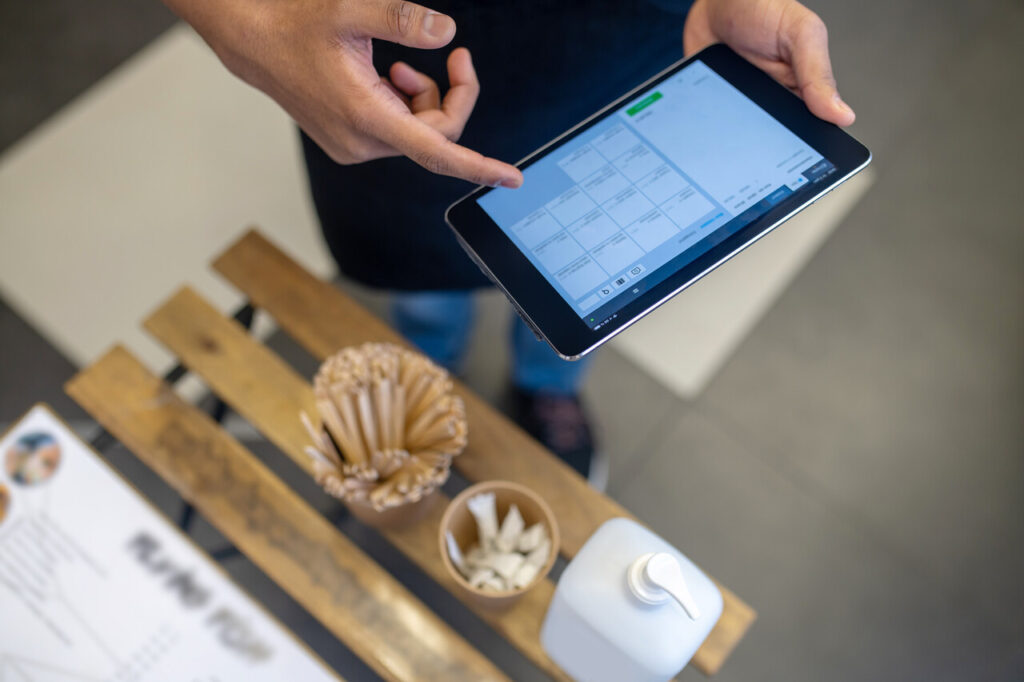
As cashless payments become the default in restaurants, cafés, and retail counters, the structure of tipping is evolving faster than the social norms that once guided it. Some businesses are experimenting with service charges built directly into menu prices, presenting customers with an all-inclusive total rather than a separate gratuity prompt. Others are raising base hourly wages in an effort to reduce employees’ dependence on tips altogether. These approaches are designed to create steadier income for workers while offering clearer pricing for customers who prefer knowing the full cost upfront.
The larger issue is whether American tipping culture will adapt to align with the technology now shaping it. Automatic screens are unlikely to vanish, but consumer feedback may influence how suggested percentages are framed and how visible alternative options become. Businesses are watching purchasing behavior closely, weighing transparency against profitability. What is evident is that tipping has shifted from a quiet exchange of appreciation into a visible digital checkpoint. That shift reflects broader debates about compensation models, price clarity, and how responsibility for fair wages is shared across the service economy.