7 Superfoods That are Actually a Total Waste of Your Hard-Earned Cash

Superfoods promise big health returns for small effort. A scoop here, a sprinkle there, and better energy, digestion, and longevity are supposed to follow. The appeal is obvious, especially when packaging and headlines make ordinary food sound outdated.
What often gets missed is context. Many so-called superfoods are expensive versions of nutrients already easy to get from everyday foods. Processing, shipping, and branding inflate prices while real nutritional advantages shrink or disappear entirely.
That does not mean these foods are dangerous. It means their value is often overstated. When hype replaces evidence, shoppers end up paying more for benefits that cheaper, familiar foods already deliver just as well.
1. Goji Berries
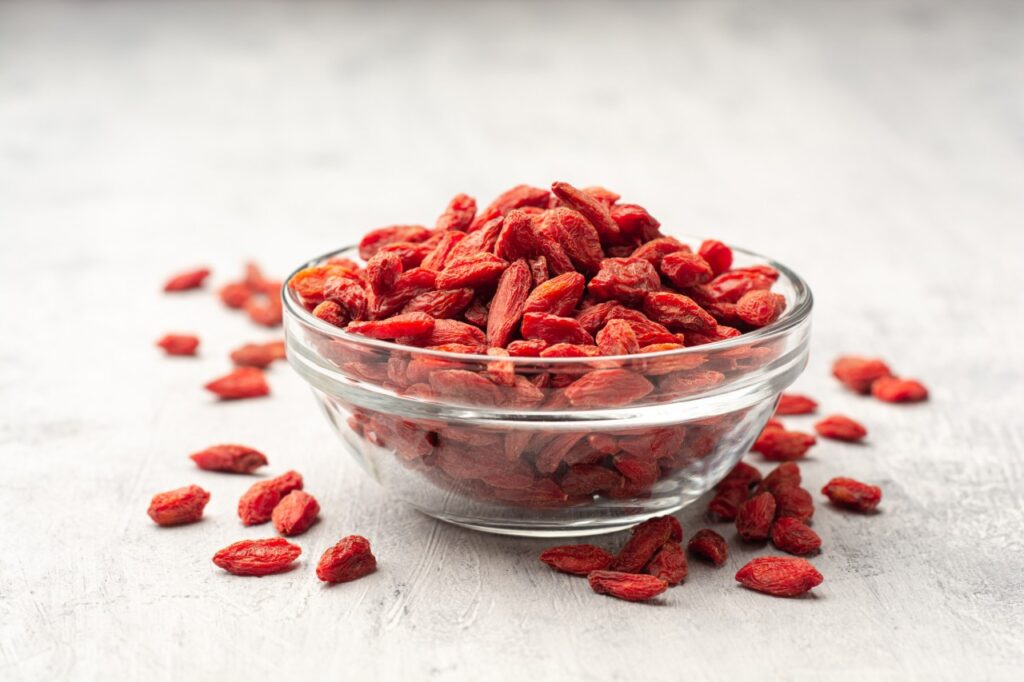
Goji berries are often sold as antioxidant-rich superfoods, but their benefits rarely match the price. Nutritionally, they are similar to other dried fruits, offering modest vitamins and fiber that are easy to get from cheaper options. Their appeal comes more from marketing than unique nutrition.
Most goji berries are dried and imported, which lowers nutrient quality and raises cost. Many are also sweetened or processed, adding sugar without meaningful benefits. Every day fruits like oranges or common berries provide similar nutrition for far less.
When cost and processing are considered, goji berries offer little advantage. They are not harmful, but they are an expensive stand-in for fruits that deliver the same value.
2. Wheatgrass Powder
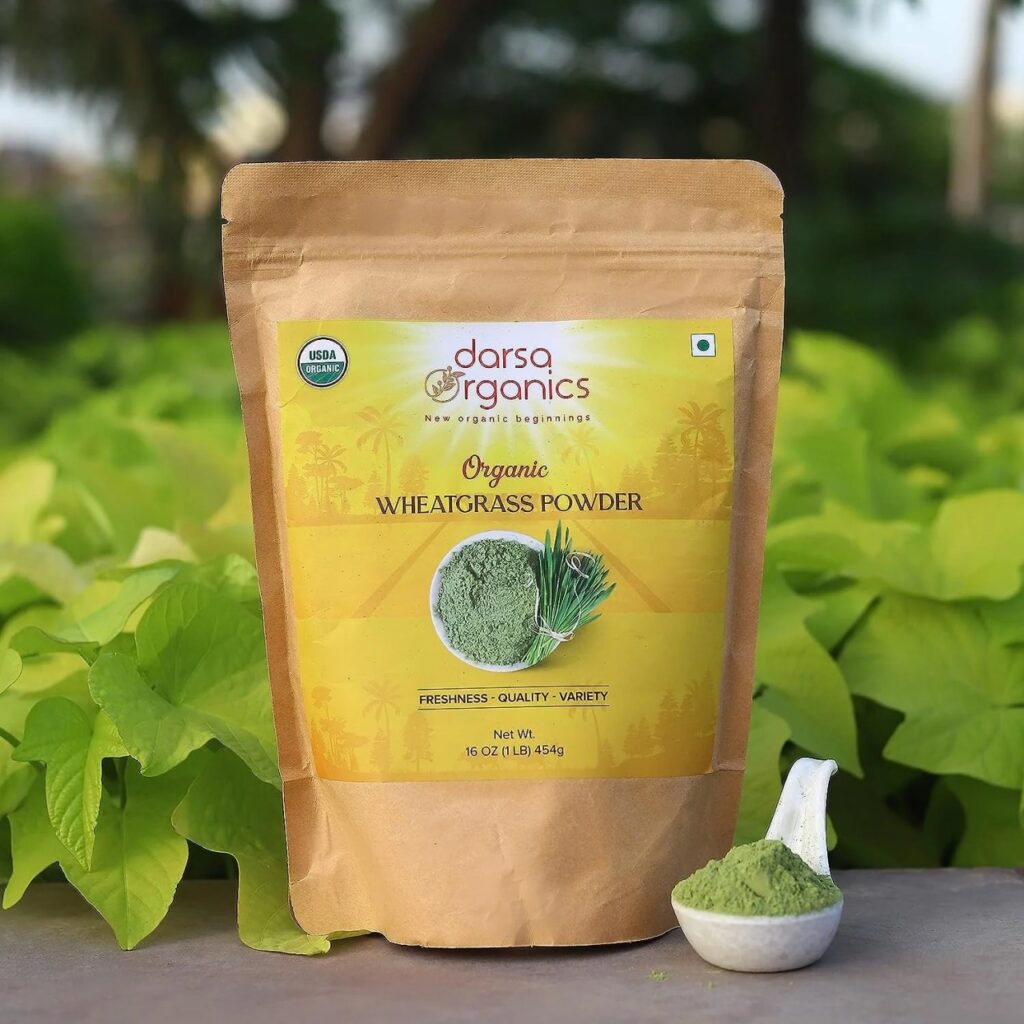
Wheatgrass powder is often marketed as a detox booster, but evidence for those claims is weak. While it contains vitamins and chlorophyll, the small amounts consumed rarely provide meaningful benefits. The body already detoxes effectively through the liver and kidneys.
It is also highly processed. Drying and grinding reduce freshness, and many products lose potency during storage. Some powders are diluted with fillers, lowering nutritional value while prices remain high.
Leafy greens like spinach or kale offer more reliable nutrition and fiber. Wheatgrass powder ends up being an expensive shortcut with little real payoff.
3. Acai Berry Products
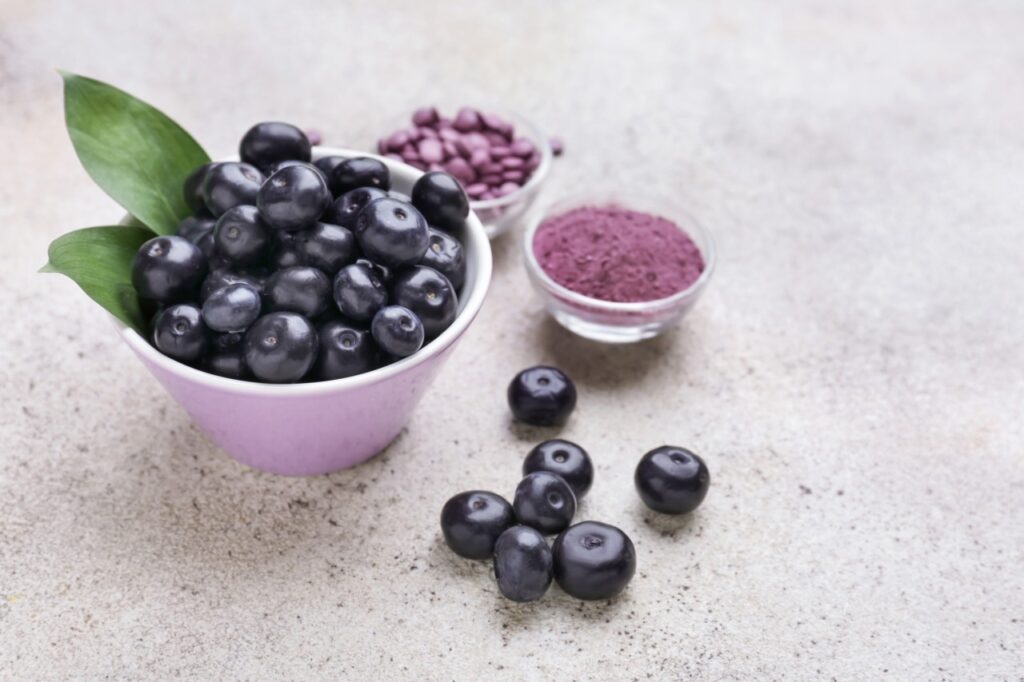
Acai berries gained fame for their antioxidant content, but most acai products barely resemble the fresh fruit. Acai bowls, juices, and powders are usually processed, sweetened, and diluted, which dramatically reduces their nutritional impact. What remains is often more sugar than substance.
Fresh acai spoils quickly and is rarely sold outside its growing regions. That means most products rely on frozen pulp or powders that lose nutrients during processing. Despite this, prices remain high due to branding and trend appeal.
When compared honestly, common fruits like blueberries offer similar antioxidants with more fiber and far lower cost. Acai’s reputation does not match its real-world value.
4. Coconut Oil
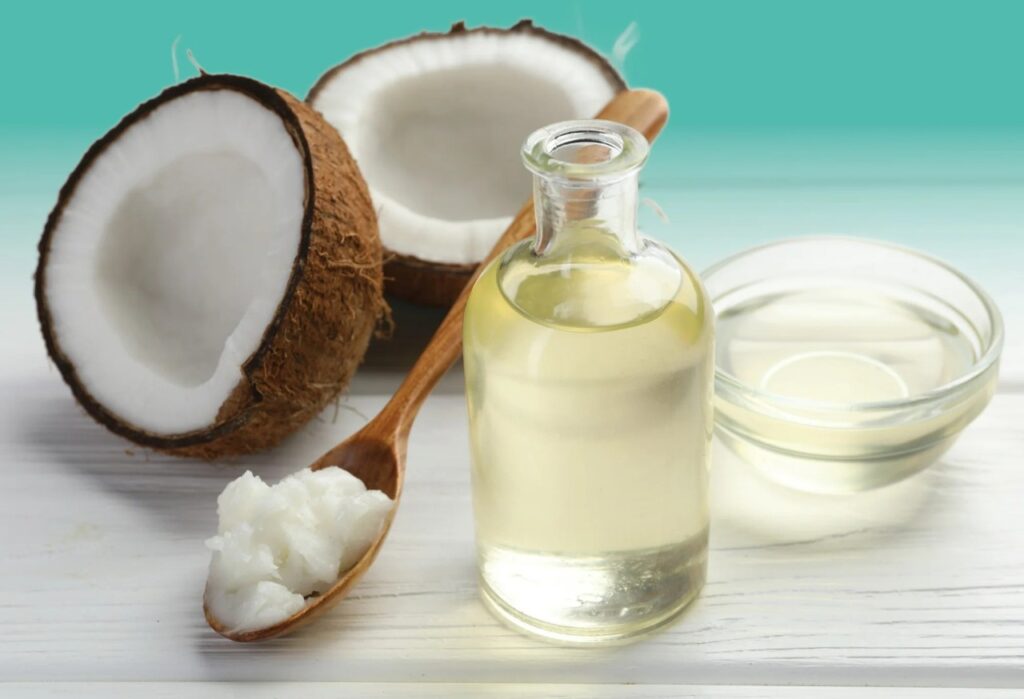
Coconut oil was once hailed as a health breakthrough, but its benefits were overstated. It is extremely high in saturated fat, which can raise LDL cholesterol when consumed regularly. Any minor metabolic benefits are outweighed by these well-documented risks.
The idea that coconut oil is a heart-healthy fat came from selective research and aggressive marketing. In everyday cooking, it offers no unique nutrients that justify replacing more balanced oils.
Oils like olive or canola provide healthier fat profiles at lower cost. Coconut oil may work for flavor in small amounts, but as a daily staple, it is an expensive and misleading choice.
5. Spirulina Supplements
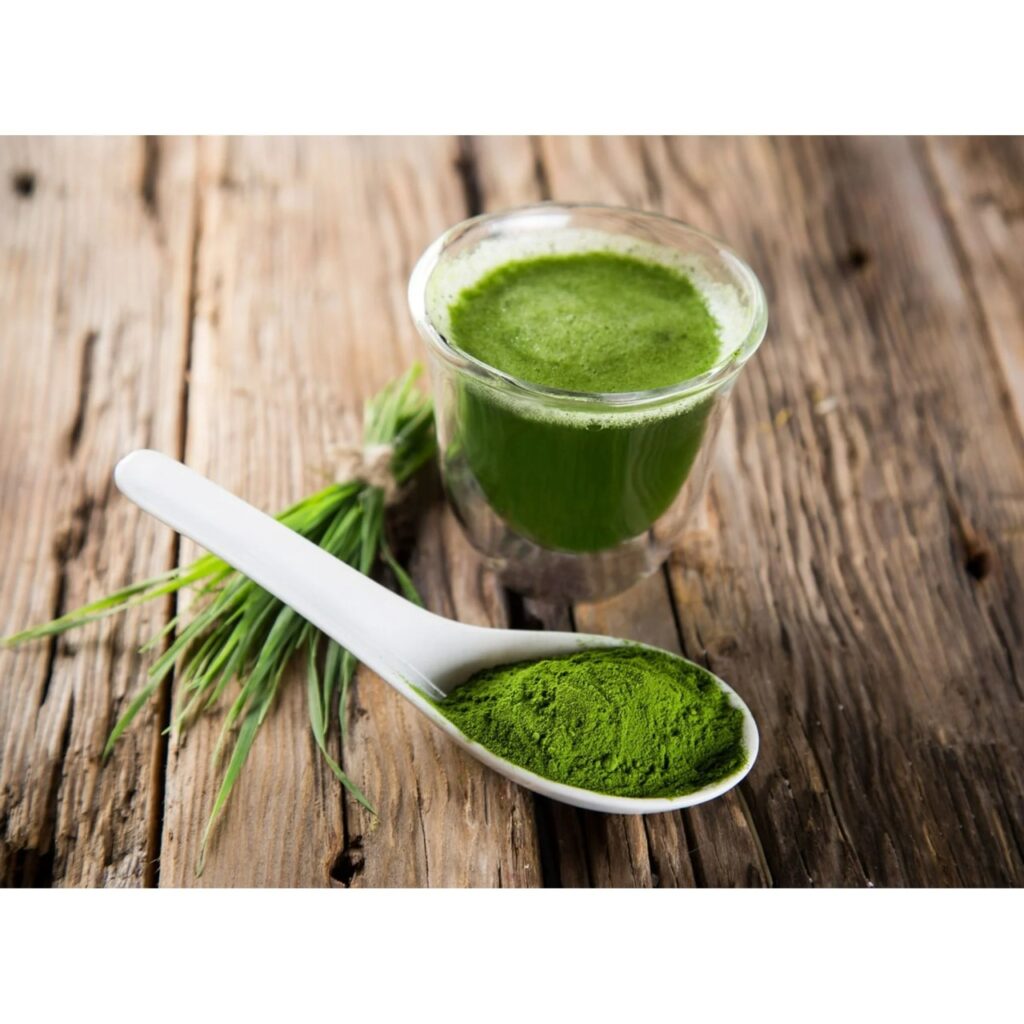
Spirulina is marketed as a nutrient-dense algae packed with protein and minerals. While it does contain nutrients, the doses found in supplements are too small to make a meaningful difference. Most benefits disappear when you look at realistic serving sizes.
Quality is another concern. Spirulina supplements can vary widely in purity, and contamination with heavy metals has been reported in poorly regulated products. This makes consistency and safety an issue for regular use.
For protein and minerals, whole foods like beans, eggs, or fish are more reliable and affordable. Spirulina ends up being more hype than help.
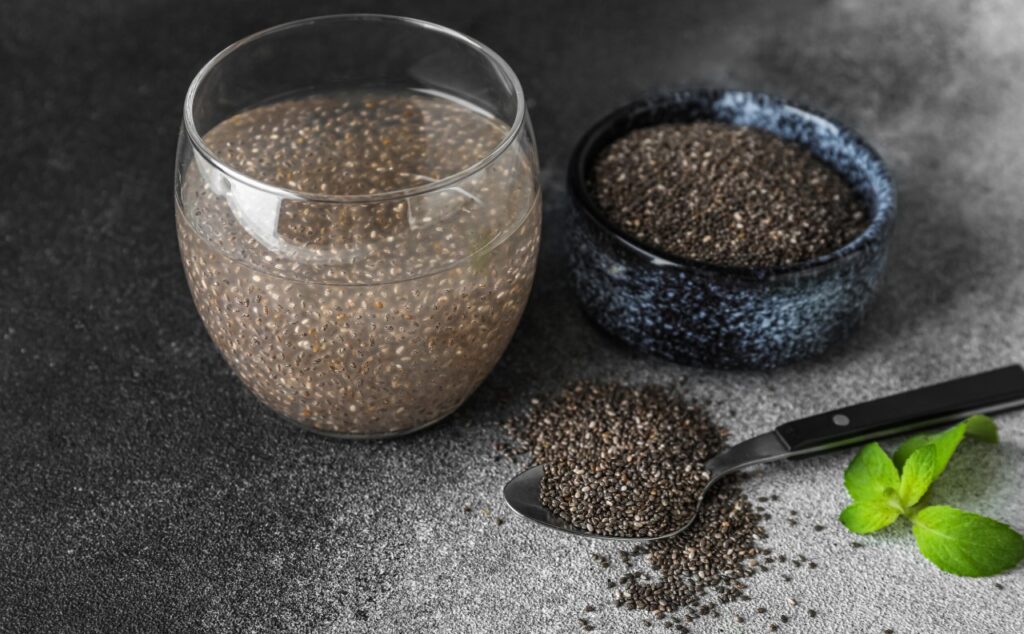
6. Chia Seeds

Chia seeds are often praised for fiber and omega-3s, but those benefits are not unique. Many everyday foods offer similar nutrition at a lower cost. Flaxseed, oats, and some nuts provide comparable fiber and healthy fats and are often easier to use.
Preparation is a common drawback. Chia seeds must be soaked to release nutrients. When eaten dry or poorly hydrated, absorption is limited and digestive discomfort can occur for some people.
Chia seeds are not harmful, but they are not essential. When cheaper, more versatile foods deliver the same benefits, chia seeds rarely justify their superfood label.
7. Detox Tea Blends
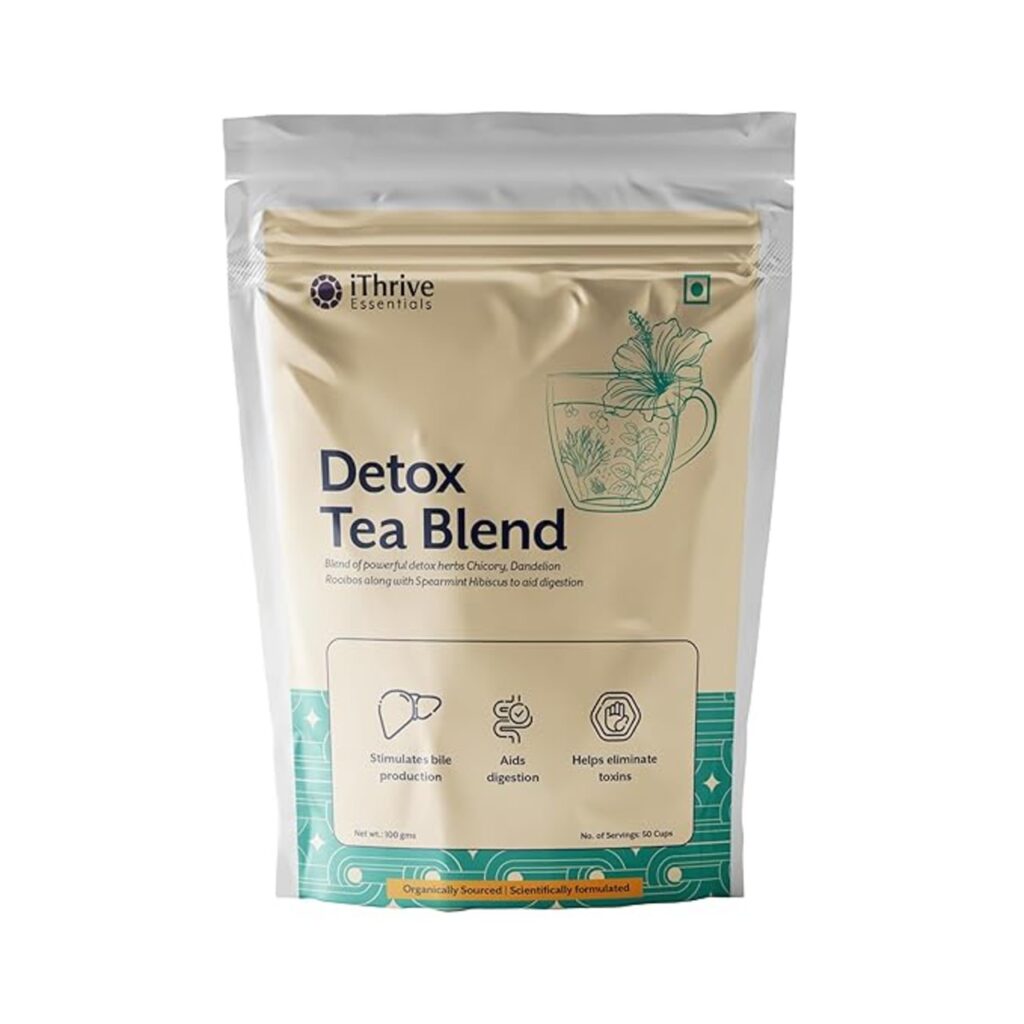
Detox tea blends are sold as quick fixes for cleansing and weight loss, but those claims ignore how the body actually works. Most “detox” effects come from laxatives or diuretics that flush out water, not toxins, making any short-term results misleading.
Many blends contain ingredients like senna that can irritate the digestive system if used often. Regular use may cause cramping, dependency, or dehydration, while scale changes usually reflect fluid loss, not real progress.
The liver and kidneys already detox efficiently. Buying detox tea often means paying for overpriced flavored water with side effects, not real or lasting health benefits.