Grocery Items That Shrunk in Size but Cost More in 2025

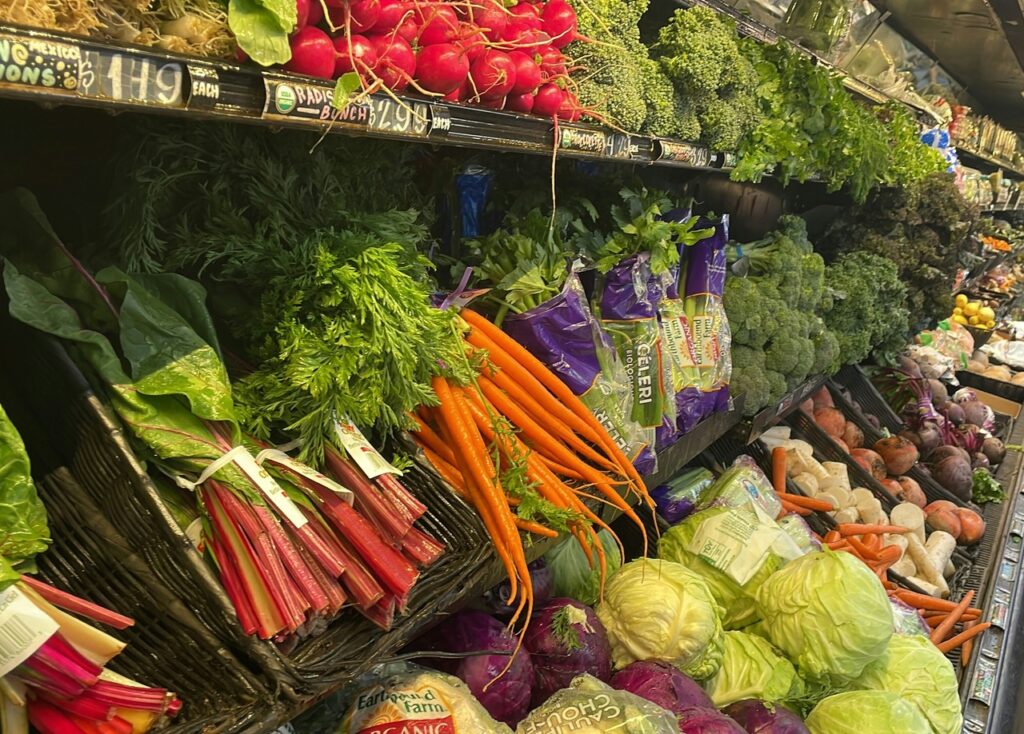
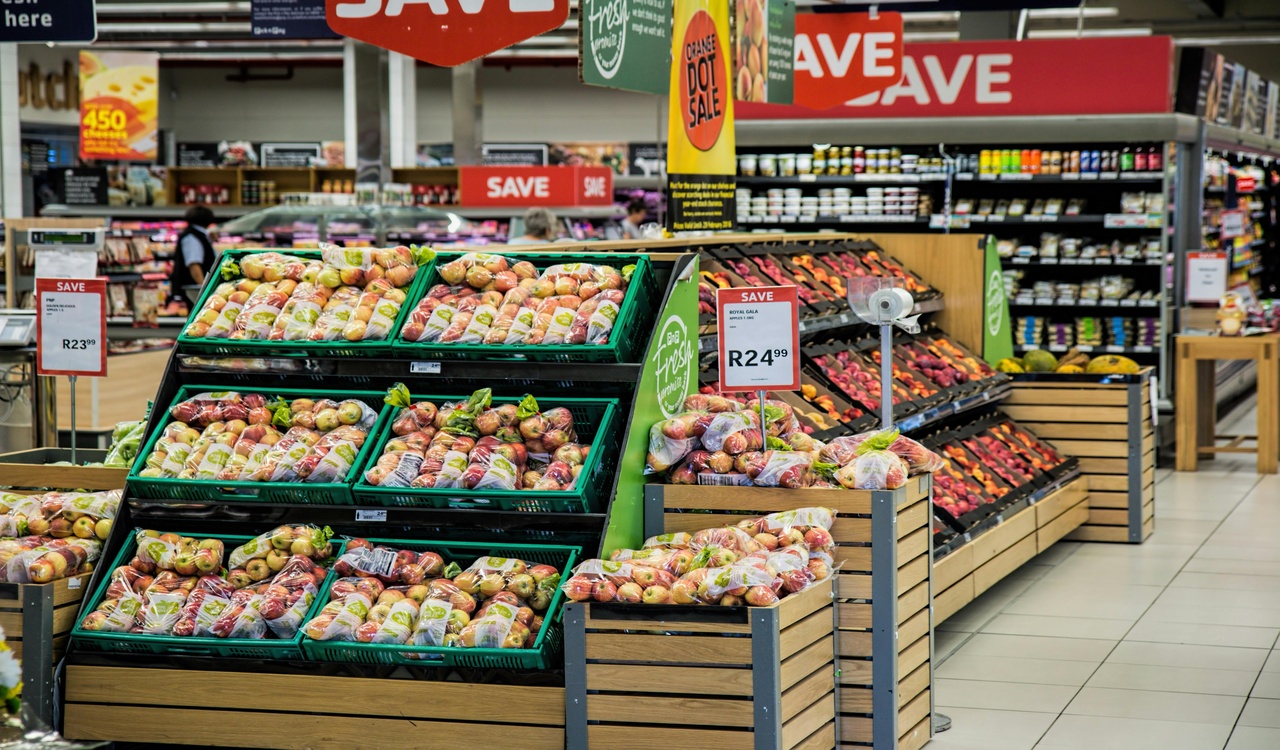
Grocery shoppers may notice that some familiar products seem to run out faster than they used to. In many cases, the change is not your imagination. A practice known as shrinkflation has become increasingly common in recent years. Instead of raising prices sharply, manufacturers reduce the size or quantity of a product while keeping the packaging and price similar. From snack foods to household staples, these subtle adjustments allow companies to manage rising costs. For consumers, however, it often means paying more for less.
1. Cookie Packages
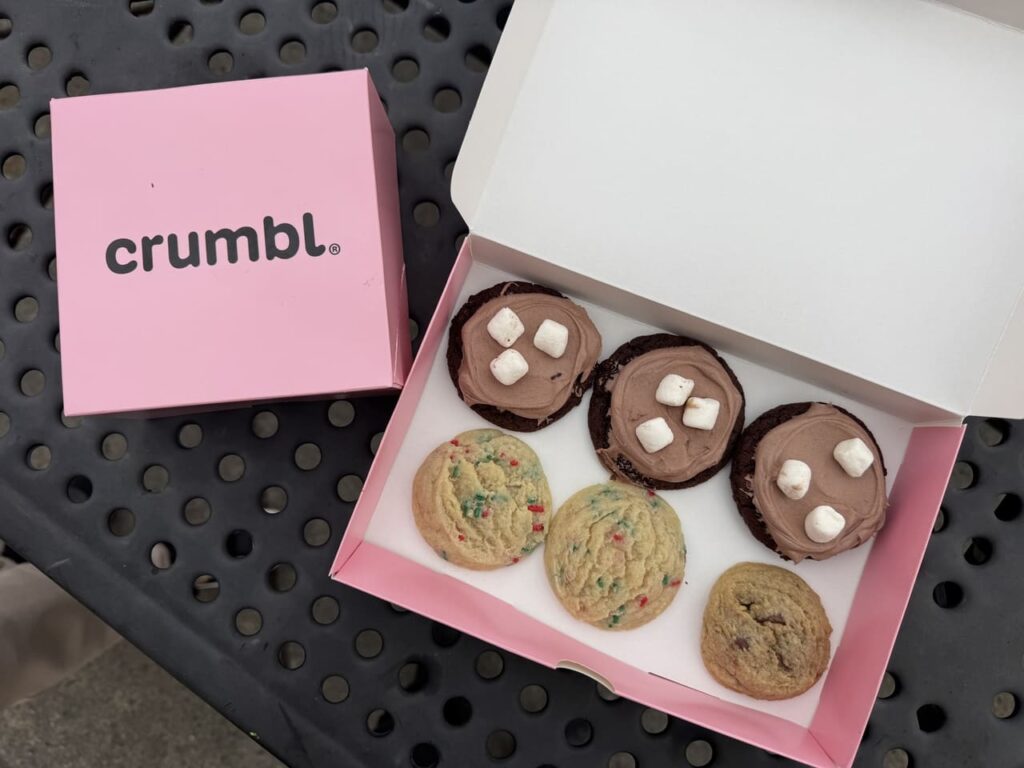
Many shoppers first noticed shrinkflation in something as familiar as a package of cookies. The box or wrapper often looks almost identical to the previous version, which makes the change easy to miss.
Manufacturers sometimes reduce the number of cookies inside the package while keeping the outer packaging nearly the same size. The design, branding, and shelf placement remain unchanged, which allows the product to appear consistent to casual buyers.
This strategy allows companies to manage rising ingredient and production costs without dramatically increasing the price tag. Instead of charging more for the same amount, the package simply contains less product. For shoppers, the result is a higher price per ounce even though the sticker price may look familiar.
2. Paper Towels and Toilet Paper
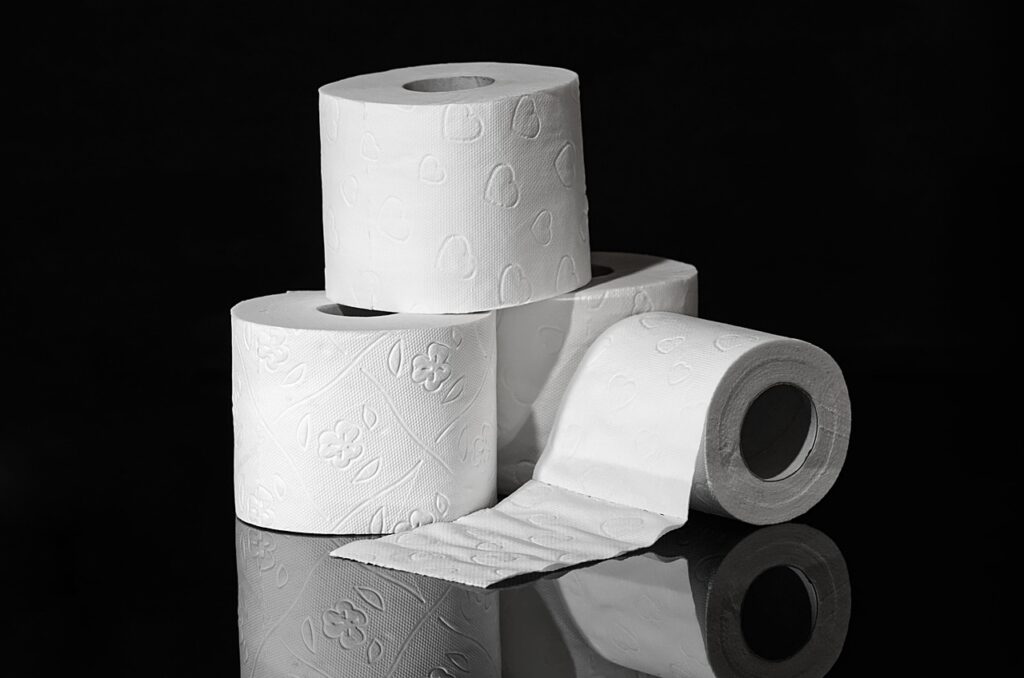
Household paper products have also become a common example of shrinkflation. Paper towels and toilet paper rolls often look similar to earlier versions, but the number of sheets per roll may gradually decline.
Manufacturers sometimes compensate by introducing new marketing labels such as mega roll or double roll. These labels create the impression that consumers are receiving more product, even though the actual sheet count per package may be lower than previous versions.
Because shoppers often focus on the number of rolls rather than the sheet count, the change can go unnoticed. Over time, the cost per sheet rises even if the overall package price stays close to the same. Careful comparison of sheet numbers helps reveal the real value of the product.
3. Breakfast Cereal
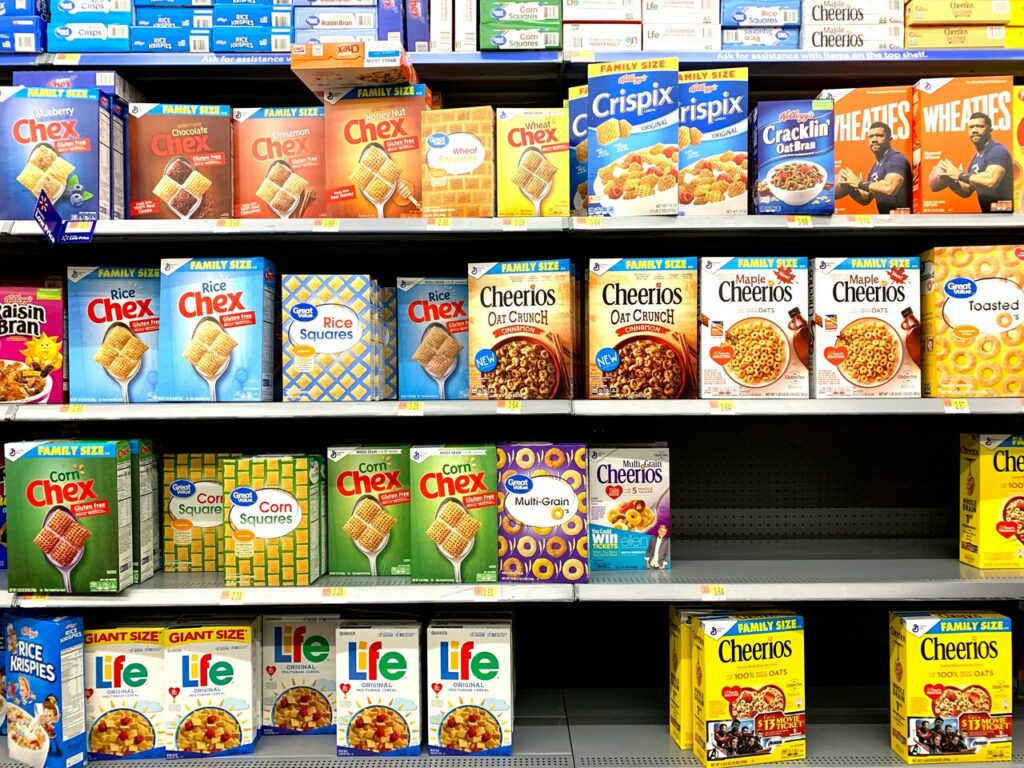
Breakfast cereal boxes provide another classic example of how shrinkflation works. The size of the cardboard box on store shelves often remains almost unchanged, which helps maintain the product’s visual presence among competing brands.
Inside the box, however, the amount of cereal can gradually decrease. The weight printed on the label may drop by several ounces compared with earlier versions. This change is often subtle enough that many shoppers do not notice it during routine grocery trips.
Cereal manufacturers face rising costs for grains, transportation, and packaging materials. The strategy keeps the product competitive on store shelves while quietly increasing the price consumers pay for each serving.
4. Laundry Detergent
Laundry detergent bottles have also changed in response to rising production costs. In many cases, the bottle design looks very similar to earlier versions, but the amount of liquid detergent inside has been reduced.
Manufacturers often promote new formulas that claim to be more concentrated. These formulas are designed to clean effectively using smaller amounts of liquid per load. While this change can be legitimate, it also allows companies to package less detergent in the same-sized bottle.
Labels may still claim the bottle handles the same number of loads even though the volume of liquid has decreased. Without carefully comparing fluid ounces and price per unit, shoppers may not realize the cost per wash has increased.
5. Orange Juice

Orange juice containers have quietly changed size over the past several years. Traditional half-gallon cartons once held sixty-four ounces of juice. Many brands have gradually reduced that amount to fifty-nine ounces or even less.
These adjustments help companies manage fluctuations in orange harvests and rising agricultural costs. Weather conditions, plant diseases, and transportation expenses can all affect the price of oranges used in juice production.
By shrinking the container slightly rather than raising the price dramatically, brands aim to keep the product attractive to shoppers. The change may appear small at first glance, but over time, consumers receive noticeably less juice for roughly the same amount of money.
6. Potato Chips
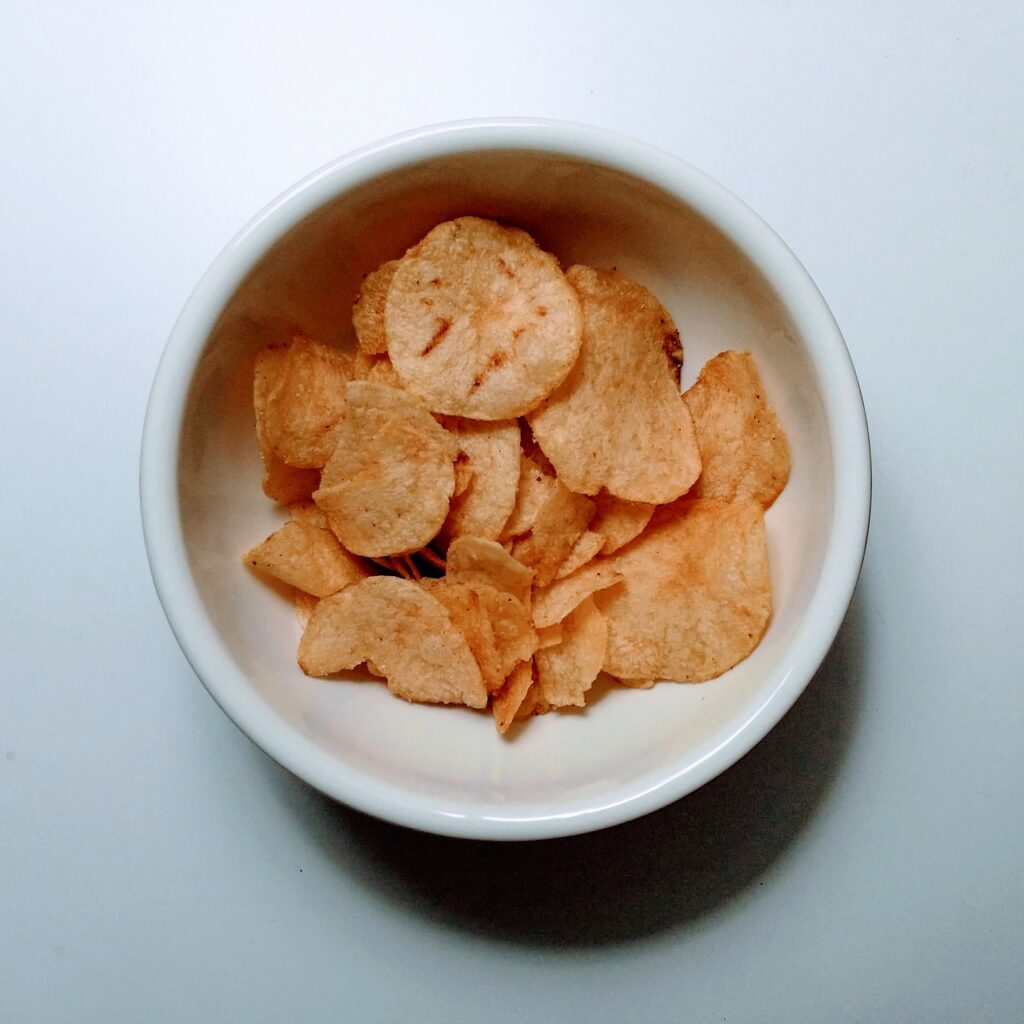
Potato chip bags have long been associated with a certain amount of space inside the package. That air cushion helps protect the chips from breaking during transportation. However, shrinkflation has added another layer to this familiar packaging.
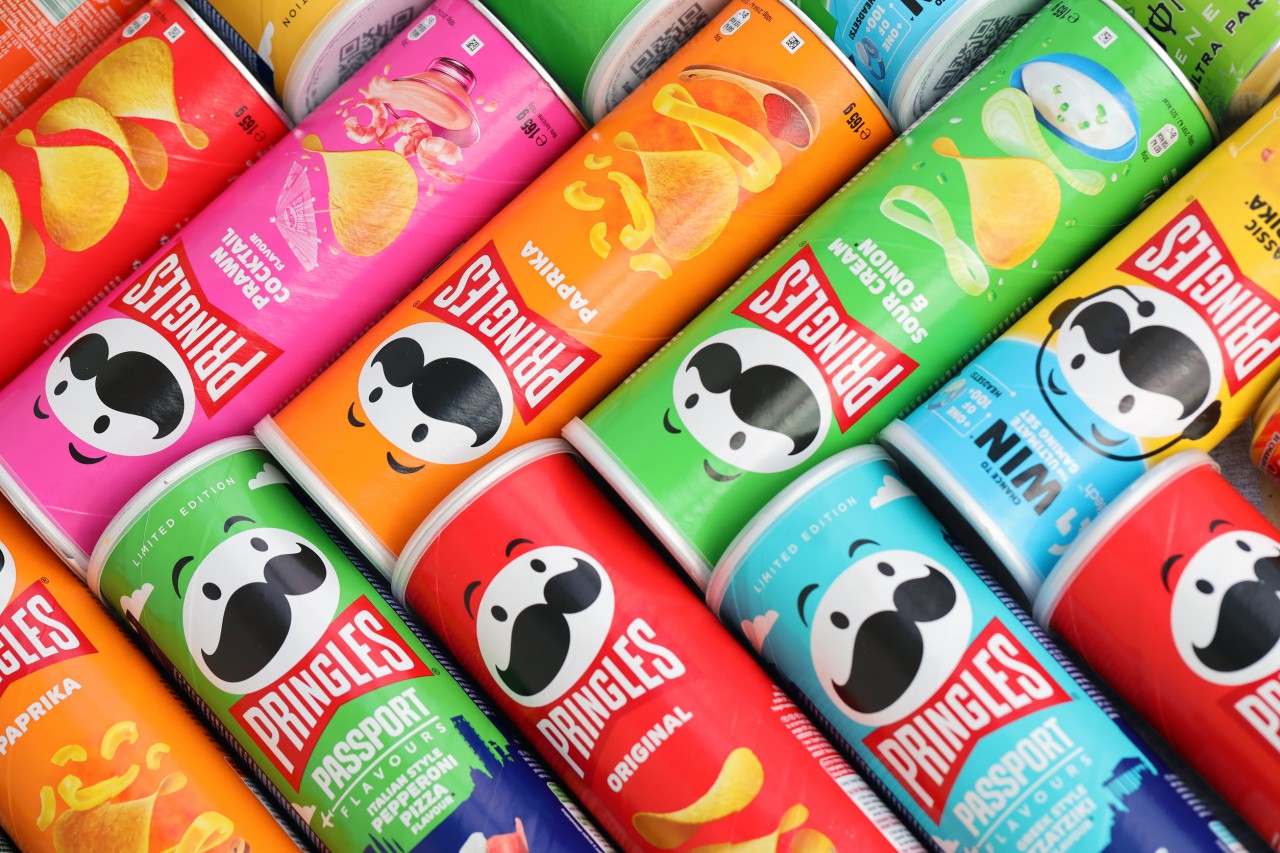
Many chip brands have gradually reduced the total weight of chips inside each bag while keeping the outer bag size very similar. This allows the product to maintain its visual presence on store shelves even though the quantity inside has changed.
The reduction often amounts to a few ounces per bag, which can significantly affect the price per ounce. Since snack foods rely heavily on brand recognition and packaging design, shoppers may not notice the smaller portion until they compare the label information closely.
7. Chocolate Bars
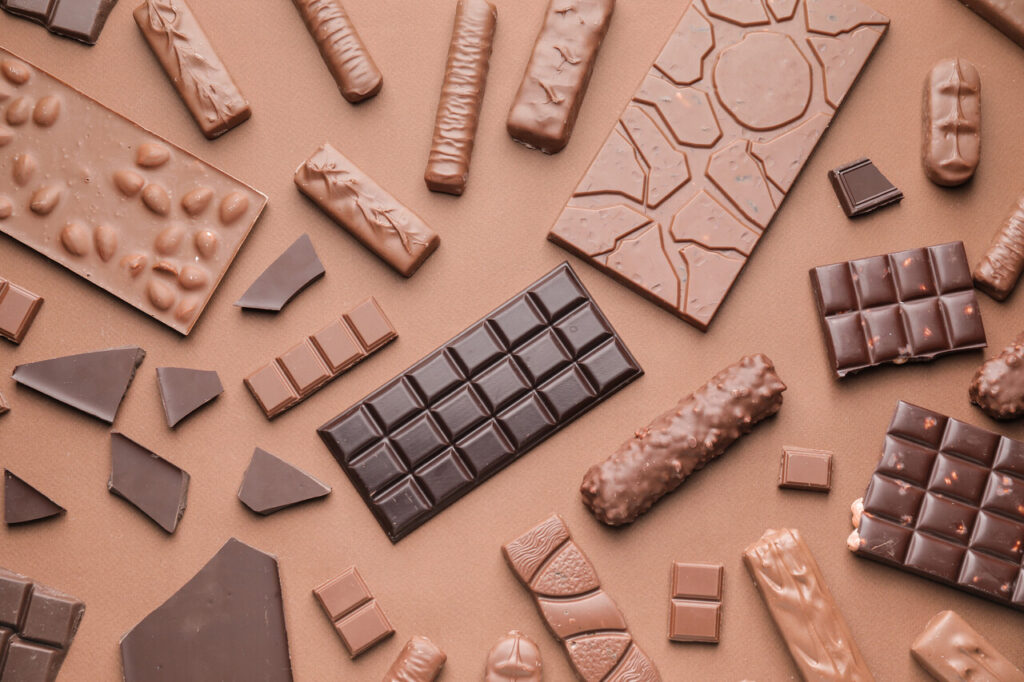
Chocolate bars have experienced noticeable size reductions in recent years. Rising cocoa prices, increased transportation costs, and higher manufacturing expenses have put pressure on chocolate producers worldwide.
Instead of dramatically increasing the price of each bar, some companies reduce the weight of the product slightly. This may involve thinning the bar, changing the number of segments, or adjusting the internal design of the chocolate.
Because the wrapper design often stays the same, the change can be difficult to notice immediately. Over time, consumers realize that the familiar treat feels lighter or contains fewer pieces than earlier versions.
8. Ice Cream Tubs
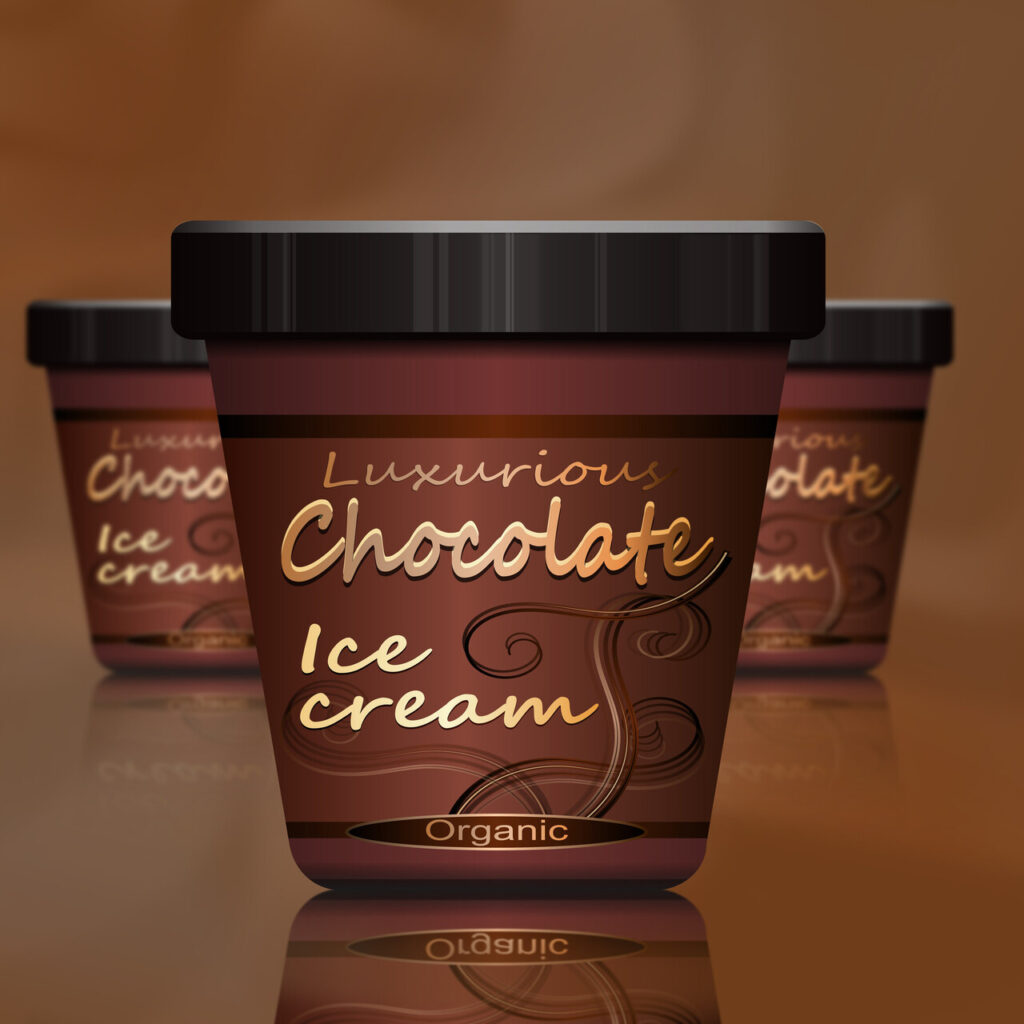
Ice cream packaging has also shifted in response to rising ingredient costs. Traditional tubs once commonly held half a gallon of ice cream. Many brands have moved to slightly smaller containers that hold less product.
The difference may seem minor when viewed on a grocery shelf, especially since the shape of the container remains similar. However, the volume inside has gradually dropped as companies adjust to higher prices for dairy, sugar, and packaging materials.
This approach allows brands to maintain familiar price points that shoppers expect. Instead of seeing a sudden price jump, customers often pay the same amount while receiving a smaller portion of ice cream.
9. Coffee Packages
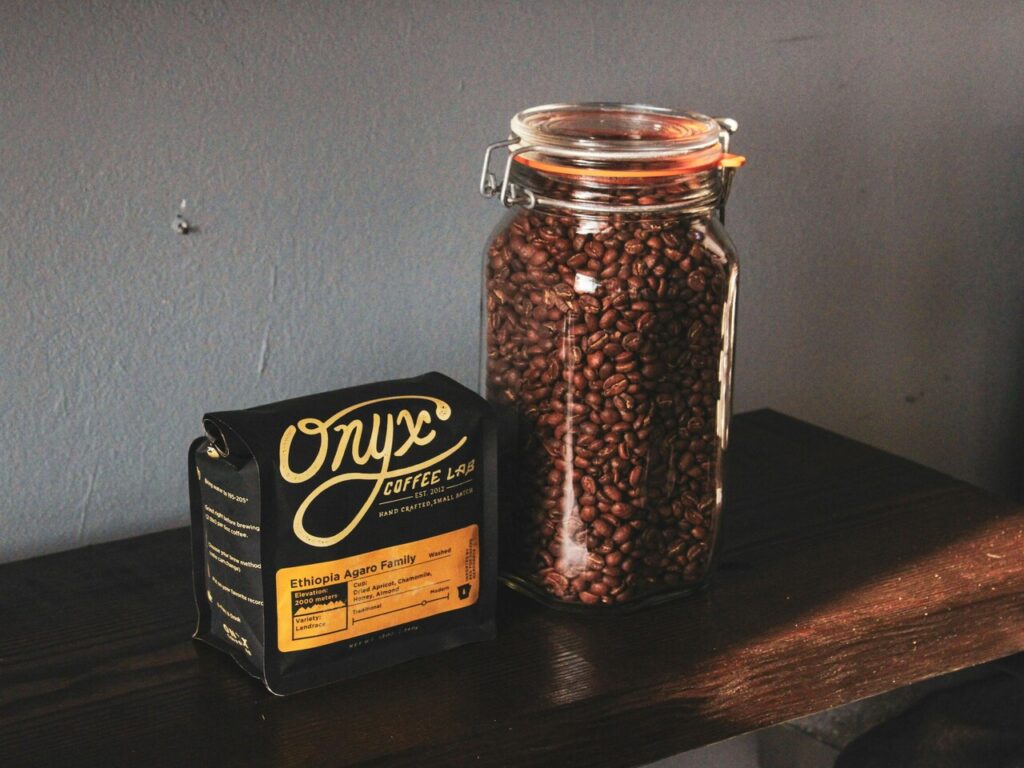
Coffee products have experienced similar adjustments as global coffee prices fluctuate. Coffee beans are sensitive to weather conditions, farming challenges, and transportation costs, all of which can influence production expenses.
To manage these pressures, some brands reduce the weight of coffee sold in each bag. A package that once contained sixteen ounces might gradually drop to fourteen or even twelve ounces while maintaining a similar price.
The packaging design often stays familiar, which makes the change easy to overlook. Over time, the price per ounce increases even if the shelf price appears stable. Regular coffee drinkers may notice the difference when their bag runs out sooner than expected.
10. Snack Crackers
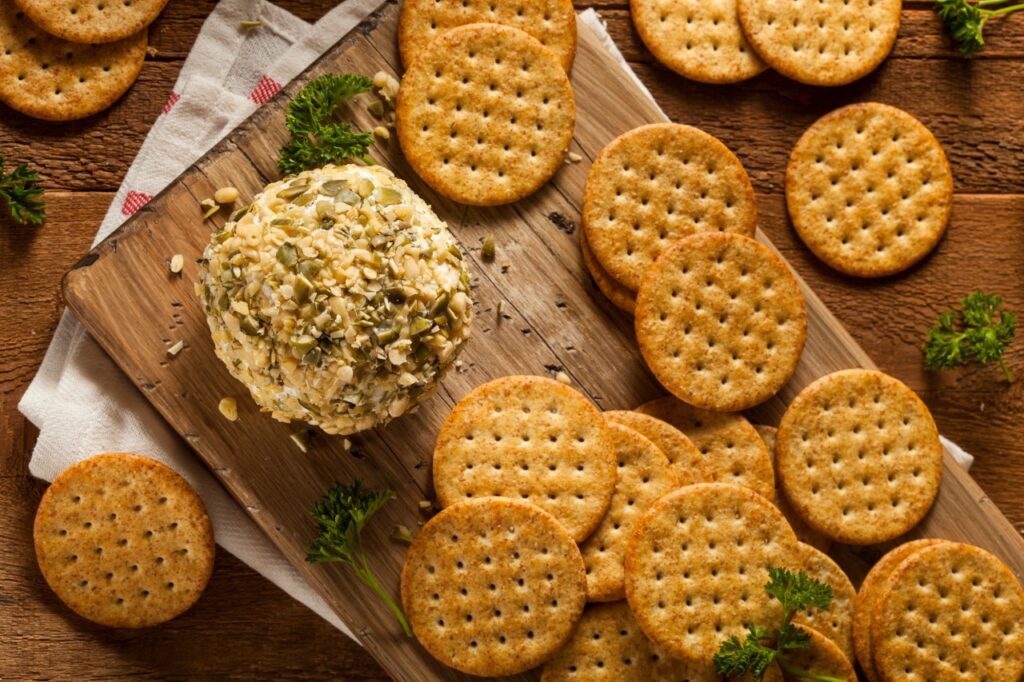
Snack crackers are another grocery item that has gradually shrunk in quantity. Boxes often maintain the same height and width to preserve their shelf presence, but the amount of crackers inside can decrease.
Manufacturers sometimes achieve this by slightly reducing the number of crackers in each inner sleeve or by adjusting the size of the crackers themselves. These changes are small enough that many shoppers do not immediately notice them.
As production costs rise for ingredients, packaging, and transportation, shrinking the portion becomes one way to maintain competitive pricing. For consumers, the result is familiar packaging that hides a gradual increase in the true cost of each serving.