Why Protein Claims on Packaging Are Being Challenged

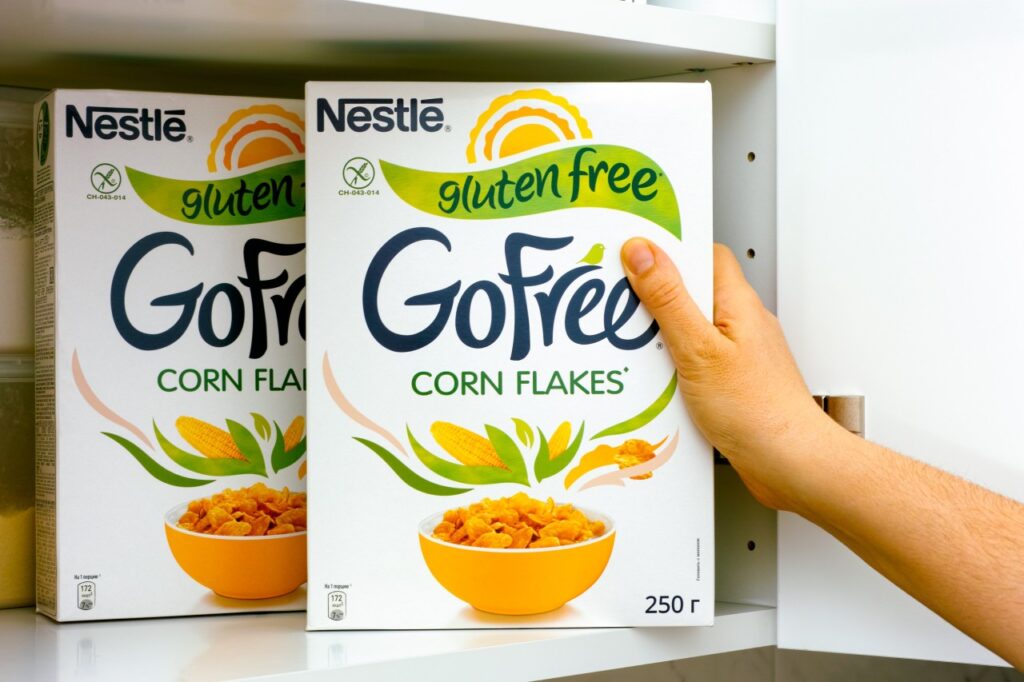
Protein has become the star of the supermarket shelf, stamped boldly across everything from snack bars and breakfast cereals to ice cream and bottled coffee. These claims promise strength, fullness, muscle support, and smarter nutrition in a single glance. For many shoppers, the word protein signals health, fitness, and modern wellness trends shaped by social media and evolving diet culture. Yet behind those eye-catching labels lies a growing debate about how protein content is calculated, how much people truly need, and whether the marketing reflects meaningful nutritional value. What appears simple on the front of a package often rests on complex science and regulatory definitions.
As regulators and researchers take a closer look, questions are emerging about protein quality, digestibility, serving size calculations, and whether front-of-pack claims create a misleading health halo. While protein remains an essential nutrient required for muscle repair, hormone production, and overall body function, critics argue that the way it is promoted can oversimplify nutrition science. Some experts believe a clearer context is needed so consumers understand not just how much protein is present, but how it fits into overall dietary balance. Greater transparency could help shoppers make decisions grounded in both quantity and quality rather than marketing emphasis alone.
The Protein Labeling Boom
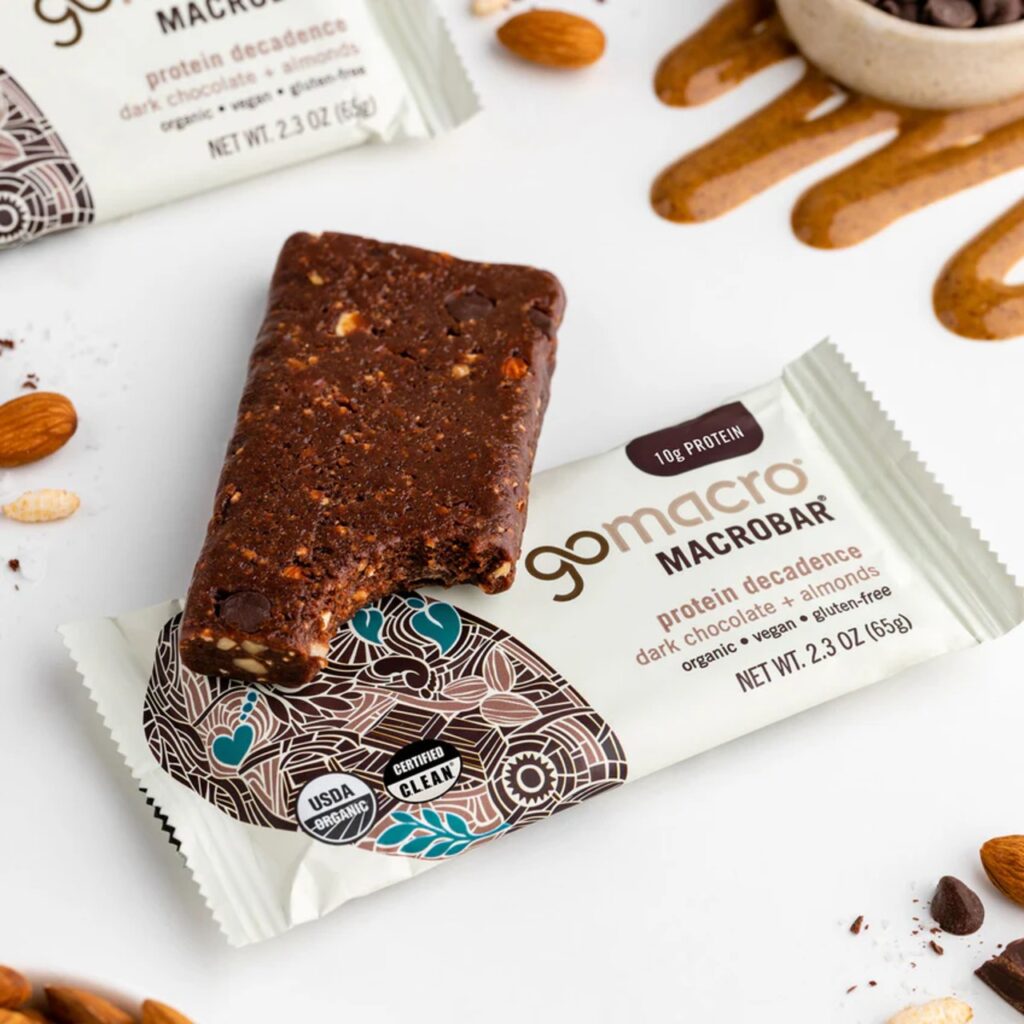
Few nutrients have enjoyed a marketing spotlight quite like protein. Once primarily associated with athletes and bodybuilders, protein is now featured prominently on cereals, snack bars, yogurts, frozen meals, and even desserts. Food companies recognize that many consumers equate higher protein intake with strength, weight control, and sustained energy throughout the day. As interest in fitness culture and lower-carbohydrate eating patterns has expanded, bold front-of-package protein claims have become a powerful tool to capture attention in crowded grocery aisles and signal a healthier choice at a glance.
This surge in labeling has prompted debate about whether the emphasis reflects true dietary need. In many developed countries, average protein intake already meets or exceeds recommended daily amounts for most adults. When nearly every food category promotes added protein, critics argue that the claim risks becoming a competitive branding tactic rather than a meaningful nutritional benefit. Public health experts note that overall diet quality, including fiber, vitamins, and mineral intake, often matters more than simply increasing protein grams. As protein marketing expands, closer scrutiny is emerging around how these numbers are calculated, framed, and ultimately understood by consumers.
How Protein Content Is Calculated
The number printed on a package may look precise, but the way protein is calculated is more technical than most shoppers realize. In many countries, manufacturers estimate total protein by measuring the amount of nitrogen present in a food and multiplying it by a standardized conversion factor. Because protein contains nitrogen, this method has long been used as a practical shortcut. However, it does not directly measure individual amino acids, which are the body’s true building blocks for growth and repair. As a result, the protein total on a label may not fully reflect how nutritionally complete or usable that protein actually is.
Regulatory systems can add another layer of complexity. Some frameworks adjust protein values using digestibility scoring methods that attempt to estimate how efficiently amino acids are absorbed and utilized. These scoring models may differ between regions, meaning the same product could qualify for different claims depending on where it is sold. Serving size definitions further influence the numbers consumers see, since protein totals are often tied to portions that may not match real-world eating habits. Together, these technical calculations have fueled calls for clearer explanations behind the bold protein claims displayed on packaging.
The Debate Over Protein Quality

Not all protein sources deliver the same nutritional value, and this distinction sits at the center of the growing challenge to broad protein claims on packaging. Protein quality is determined by the presence, balance, and proportion of essential amino acids, as well as how efficiently the body can digest and absorb them. Animal-based proteins such as dairy, eggs, and meat typically contain complete amino acid profiles in ratios that closely match human needs. In contrast, some individual plant-based sources may be lower in one or more essential amino acids unless thoughtfully combined with complementary ingredients.
Manufacturers often increase protein totals by adding isolates or concentrates derived from soy, whey, pea, or other plant sources. While these additions can significantly raise the gram count listed on the label, critics argue that the number alone does not convey the full nutritional picture. Factors such as digestibility scores, amino acid balance, and overall food matrix influence how beneficial that protein may be in practice. As fortified and plant-based products continue to expand in popularity, regulators and nutrition experts are debating whether front-of-pack claims should reflect not just quantity, but meaningful indicators of protein quality and bioavailability.
Health Halo Marketing Concerns
A bold protein claim placed prominently on the front of a package can shape perception within seconds. Consumer behavior research consistently shows that when one positive nutrient is highlighted, shoppers often infer that the entire product is healthier. This phenomenon, commonly described as a health halo effect, can influence decisions before the nutrition panel is ever examined. When protein is emphasized in large print, it may overshadow less favorable details such as added sugars, refined starches, high sodium levels, or overall calorie density that are listed in smaller text elsewhere on the package.
Public health experts caution that this imbalance in emphasis can unintentionally distort how nutritional value is judged. In many regions, average protein intake already meets recommended levels, suggesting that additional protein from processed snacks may provide only limited added benefit. The concern is not that protein itself poses a risk, but that focusing on a single nutrient can divert attention from broader dietary patterns. When marketing highlights one strength without equal visibility of trade-offs, it complicates efforts to encourage balanced, evidence-based food choices. Greater context around nutrient profiles could help consumers interpret protein claims within a more complete framework.
Regulatory Scrutiny and Potential Rule Changes
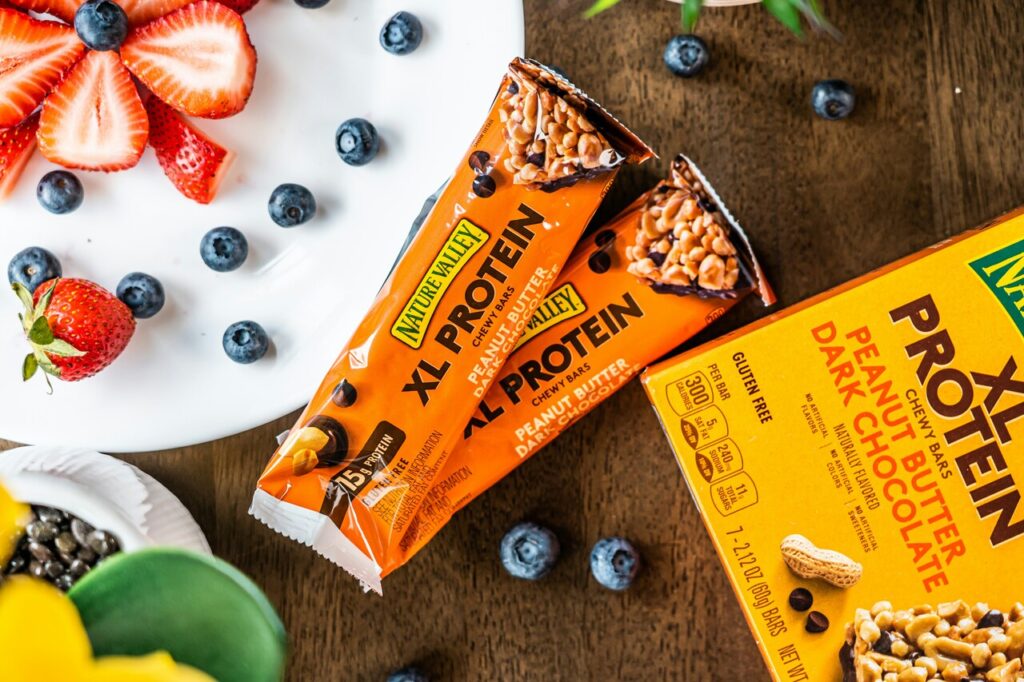
As protein marketing continues to expand across multiple food categories, regulators are taking a closer look at whether existing labeling standards offer sufficient clarity and consistency. Policymakers in several regions are reviewing how protein content is calculated, including whether front-of-package claims should more accurately reflect digestibility scores or amino acid balance rather than total grams alone. Some proposals recommend aligning protein claims with broader nutrient profiling systems so that a single highlighted benefit does not overshadow high levels of sugar, sodium, or saturated fat elsewhere on the label.
Food manufacturers argue that protein enrichment reflects genuine consumer demand and supports a range of dietary preferences, from fitness-focused eating patterns to plant-based lifestyles. Industry groups emphasize that current rules already provide structured calculation methods and disclosure requirements. However, increased regulatory scrutiny could lead to tighter guidelines and clearer qualification thresholds for protein claims. The direction these discussions take may reshape how nutrient claims are framed, influencing protein labeling practices and the broader regulatory landscape governing health-related marketing across packaged foods.