13 Gut-Health Recipes That Don’t Taste Like Punishment

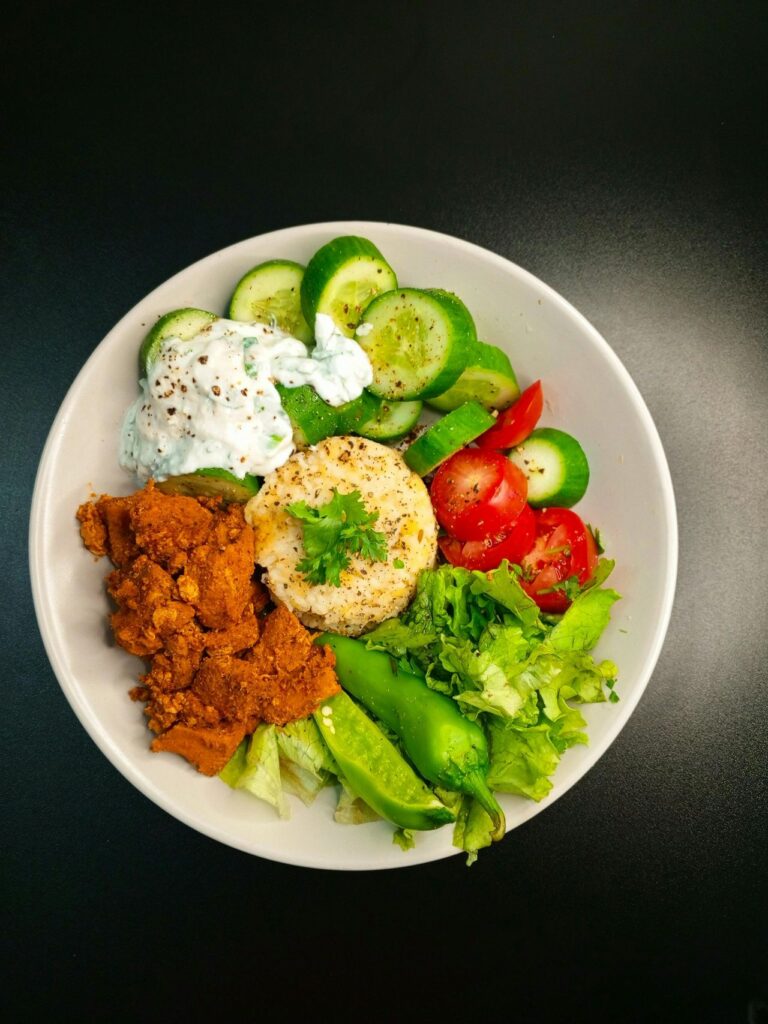
Gut-friendly eating has a reputation problem. Too often, it gets framed as a joyless parade of bland bowls and strict rules, when the science points to something much more appealing: diverse plants, fermented foods, and satisfying meals can all support a healthier microbiome. This gallery rounds up recipes that deliver on flavor first, while quietly working in the ingredients many experts associate with better digestion, steadier energy, and a happier gut.
Overnight Oats With Kefir, Chia, and Berries

This is the kind of breakfast that feels like a treat but works overtime for your gut. Kefir brings live cultures, oats contribute beta-glucan fiber, and chia adds texture plus a little staying power. The berries do more than sweeten the jar. They also supply polyphenols, compounds researchers often link to a more diverse and resilient gut microbiome.
The beauty here is how easy it is to build flavor without relying on much sugar. A splash of vanilla, a pinch of cinnamon, and a spoonful of chopped walnuts make it taste like dessert for breakfast. Let it sit overnight, and the result is creamy, tangy, and genuinely satisfying rather than medicinal.
Miso Salmon Rice Bowl With Cucumber and Edamame

A rice bowl can be one of the easiest ways to make gut-friendly eating feel generous. Salmon offers protein and omega-3 fats, while miso contributes fermented depth in a small but mighty spoonful. Edamame adds fiber and plant protein, and crisp cucumber keeps the whole thing fresh enough to want again tomorrow.
What makes this bowl work is balance. The savory glaze, warm rice, and cool vegetables create contrast, so every bite feels layered instead of worthy. If you want to push the gut-health angle a little further, use brown rice or a mix of rice and barley for more fiber and a nuttier chew.
White Bean and Garlic Soup With Rosemary

Beans are one of the most consistently praised foods for gut health, largely because they deliver the kind of fiber that beneficial gut microbes love to ferment. In soup form, they become even more approachable. Blended partially or fully, white beans create a velvety texture that tastes luxurious, especially with garlic, olive oil, and rosemary in the mix.
This recipe is comfort food in a sweater-weather disguise, not a lesson in restraint. A squeeze of lemon at the end brightens the richness, and a slice of crusty whole-grain toast turns it into dinner. It is simple enough for a weeknight but deeply satisfying in the way only good soup can be.
Kimchi Grilled Cheese on Sourdough

If your mental picture of gut-friendly food still involves austerity, this sandwich is here to help. Kimchi brings punchy acidity, heat, and fermented character, while sourdough adds tang and a crisp, buttery crunch. Melted cheese ties it all together, making the whole thing feel indulgent enough that nobody at the table will suspect it has a wellness angle.
There is one practical note worth knowing: heat can reduce live probiotic activity. Even so, kimchi still contributes flavor and compounds from fermented vegetables, and pairing it with a side salad or raw crunchy veg rounds things out nicely. The result is comfort food with a clever upgrade, not a sacrifice.
Lentil Bolognese Over Whole-Wheat Pasta

A good lentil bolognese has all the cozy, slow-simmered appeal of the classic version, but it sneaks in a serious amount of fiber. Lentils support digestion and satiety, tomatoes add brightness, and aromatic vegetables like onion, carrot, and celery build a savory backbone that makes the sauce taste complete rather than compensatory.
Whole-wheat pasta gives the dish more texture and a little extra fiber, which helps the meal feel substantial. The trick is to let the sauce cook long enough for the lentils to soften and absorb all that garlicky tomato richness. Finish with Parmesan and fresh basil, and it lands as dinner you crave, not dinner you tolerate.
Greek Yogurt Chicken Salad With Apples and Dill

Swapping some or all of the mayonnaise for Greek yogurt is one of the easiest ways to make a classic lunch more gut-aware without changing its personality. The yogurt adds tang and creaminess, while chopped apples and celery bring crunch and a little sweetness. Fresh dill keeps the whole thing lively, so it tastes like something from a good cafe deli case.
Served in lettuce cups, on seeded bread, or scooped onto crackers, this recipe feels flexible and practical. Greek yogurt can provide beneficial cultures, depending on the product, and the fruit and vegetables help add fiber to a protein-rich meal. It is familiar food with a cleaner, brighter finish.
Roasted Sweet Potato Tacos With Black Beans and Slaw

These tacos understand that gut-friendly eating still needs contrast, color, and a little drama. Roasted sweet potatoes bring caramelized edges and natural sweetness, black beans add fiber and heft, and a crunchy cabbage slaw brings freshness that cuts through the softness. Tucked into warm tortillas, the whole thing tastes vibrant and fully composed.
The ingredients also happen to check a lot of nutrition boxes. Beans and vegetables support microbial diversity, and cabbage can be especially welcome in a meal rotation that needs more plants. A lime crema made with yogurt or a spoonful of avocado gives the tacos a cool finish, turning them into a weeknight dinner that feels cheerful, not corrective.
Savory Yogurt Bowl With Cucumbers, Herbs, and Chickpeas

For people who are tired of sweet breakfasts and underwhelmed by plain yogurt, this bowl is a smart pivot. Thick yogurt forms the base, then cucumbers, chickpeas, olive oil, lemon, and a shower of herbs make it feel closer to a Mediterranean lunch. It is cooling, crisp, and unexpectedly satisfying, especially when scooped up with whole-grain toast.
From a gut-health perspective, it brings together several useful pieces: cultured dairy, legumes, herbs, and vegetables. More importantly, it tastes sharp and refreshing, not virtuous in a dreary way. Add za’atar, everything seasoning, or a soft-boiled egg if you want more complexity. The bowl adapts easily without losing its clean, savory appeal.
Ginger Turmeric Smoothie With Banana and Flax

A smoothie can support digestion without becoming a murky health experiment. This one works because banana gives it body, ginger adds zip, and flax folds in gently with a nutty note rather than hijacking the flavor. Turmeric brings color and earthiness, while yogurt or kefir can make the whole drink more creamy and substantial.
The key is restraint. Keep the ingredient list focused, and the smoothie tastes bright and balanced instead of grassy or overly intense. A little black pepper helps turmeric’s active compounds, and frozen mango can soften the edges if you want a sweeter finish. It is refreshing enough for breakfast, but also makes sense as an afternoon reset that actually tastes good.
Farro Salad With Roasted Vegetables and Feta

Farro has a pleasantly chewy texture that makes salad feel like a meal instead of a side quest. Toss it with roasted vegetables, peppery greens, feta, and a mustardy vinaigrette, and you get a dish with enough depth to hold up for lunch all week. The grain brings fiber, while the vegetables add color, sweetness, and welcome variation.
This is also the kind of recipe that rewards improvisation. Use carrots, squash, cauliflower, or whatever looks best, then finish with herbs and toasted seeds for even more personality. Because the flavors deepen as it sits, leftovers are excellent. It is sturdy, flavorful, and far more interesting than the sad desk salads that gave healthy eating a bad name.
Sheet-Pan Chicken Thighs With Brussels Sprouts and Apples

This dinner wins on practicality, but it also happens to be excellent for building a more plant-forward plate. Chicken thighs stay juicy, Brussels sprouts turn crisp at the edges, and apples soften into sweet-tart pockets that make the pan taste thoughtfully composed. A little Dijon, garlic, and olive oil tie the whole thing together with almost no effort.
Brussels sprouts bring fiber and sulfur compounds, apples add pectin, and the overall dish feels hearty enough that nobody asks where the comfort food went. It is especially good for colder months, when salads can start to feel like homework. Serve it as is or with a scoop of brown rice if you want to make it even more filling.
Chickpea Curry With Spinach and Brown Rice

A well-made chickpea curry proves that pantry cooking can still feel lush. Onion, garlic, ginger, and warm spices create a deep base, while tomatoes or coconut milk give the sauce body. Chickpeas add fiber and protein, spinach melts in at the end, and brown rice offers a nutty backdrop that makes the meal feel complete.
What is especially appealing here is the way comfort and nutrition stop competing. Legumes are a standout for gut health, and spinach helps boost plant variety without demanding attention. If you like a tangy finish, a spoonful of yogurt on top works beautifully. This is the sort of dinner that tastes even better the next day, which makes it ideal for meal prep.
Berry Chia Pudding With Toasted Coconut

Chia pudding can go wrong quickly if it is bland or gluey, but when the texture is right, it feels plush and spoonable. Berries brighten it up, toasted coconut adds aroma and crunch, and a little vanilla makes the whole thing read as dessert-adjacent. It is easy to prep ahead, which is part of its appeal on busy mornings.
Chia seeds are known for their fiber content, and berries contribute compounds that researchers continue to study for their relationship to gut health. The trick is using enough liquid and letting the pudding rest long enough to fully hydrate. Done well, it tastes fresh and creamy with a subtle richness, not like a compromise in a mason jar.