11 Bakery-Style Tricks You Can Try at Home for Fluffier Pastries

Bakery pastries feel lighter and more delicate for a reason. Behind that soft lift and flaky texture are small, repeatable techniques that professional bakers use every day. The good news is that many of those methods do not require special equipment or hard-to-find ingredients. They rely on understanding how temperature, timing, and handling affect dough. When these factors are managed well, pastries rise higher, bake more evenly, and feel tender instead of dense. These bakery-style tricks focus on practical changes you can make at home, from how you measure flour to how your oven’s heat works.
1. Use Cold Butter, Not Soft

Flaky, fluffy pastries depend heavily on how fat behaves inside the dough. Cold butter remains in firm pieces while mixing, instead of blending fully into the flour. These solid bits create separation points that later become layers. When the dough enters a hot oven, the water inside the butter turns to steam, forcing dough layers upward and outward. This reaction creates lift and lightness. Soft butter melts too early and coats flour proteins, which limits gluten structure and blocks proper expansion. Cutting butter straight from the refrigerator into small cubes helps keep it cold longer during mixing. If the dough begins to feel greasy or warm, chilling it again resets the structure.
2. Measure Flour Precisely
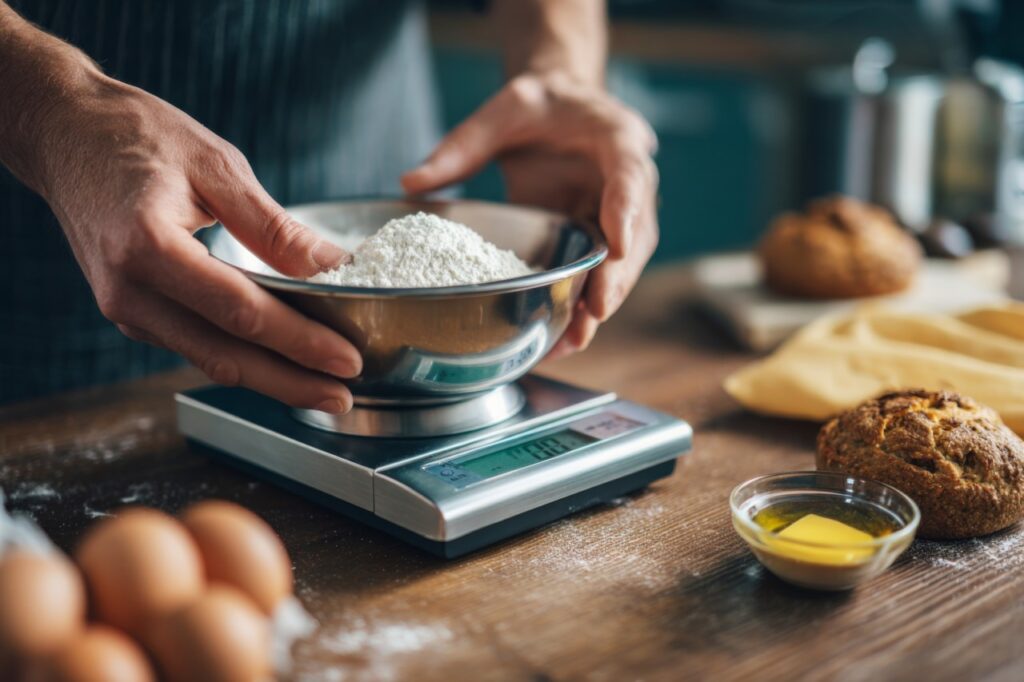
Flour controls structure, and small measurement errors have big consequences. Adding too much flour strengthens gluten networks, producing tight, heavy pastries that resist rising. Too little flour creates a weak dough that spreads and collapses. Professional bakeries use weight because flour compresses easily in cups, especially when scooped directly from the bag. That compression can add significant extra flour without being visible. A better approach at home is spooning flour lightly into a measuring cup and leveling it off. Accurate measurement ensures the correct ratio between flour, fat, and liquid.
3. Chill the Dough Between Steps
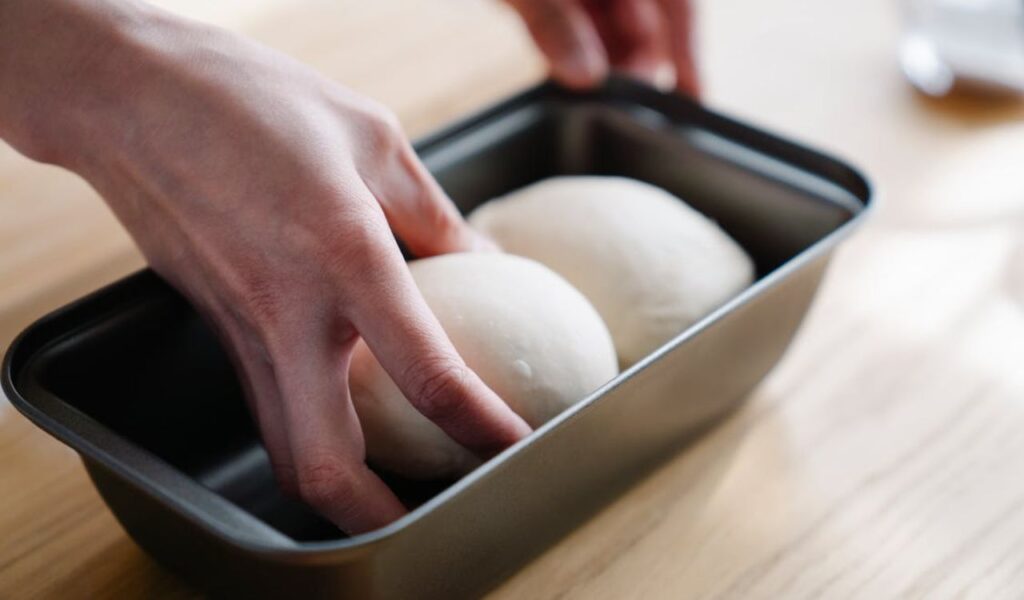
Chilling dough does more than pause the process. Cold temperatures firm butter and stabilize dough layers, preventing them from smearing together during rolling or shaping. Resting also slows gluten activity, allowing strands to relax and lengthen instead of tightening. Relaxed dough expands more easily in the oven, producing better rise and a softer crumb. Bakeries schedule multiple chilling stages to maintain this balance between structure and flexibility. At home, even short refrigeration periods can dramatically improve results. Dough that skips resting often shrinks back when rolled and spreads during baking.
4. Don’t Overwork the Dough
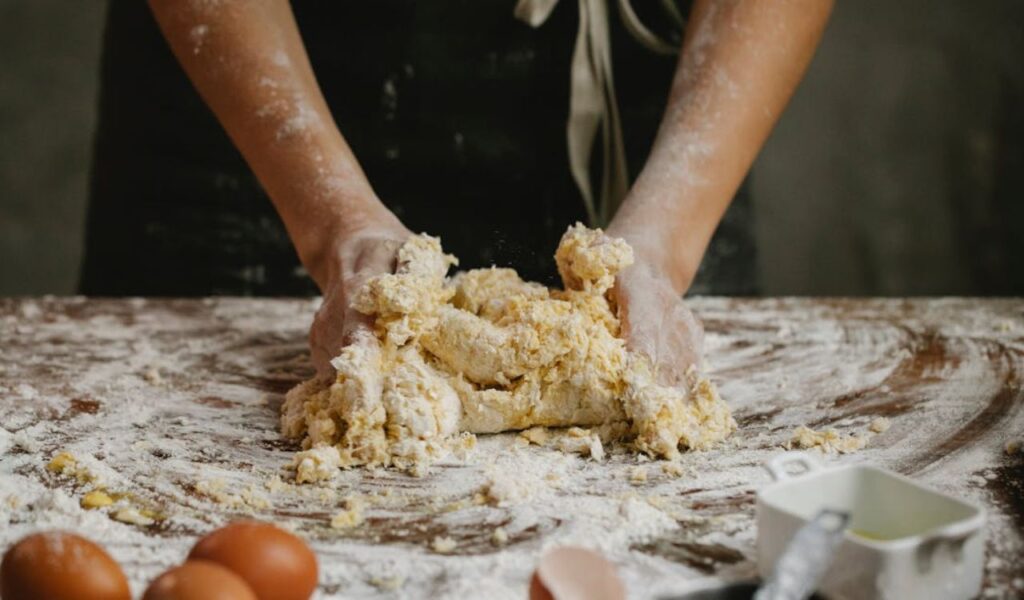
Pastry dough needs restraint more than force. Every time dough is mixed or kneaded, gluten strands strengthen and tighten. While that strength is useful for bread, pastries suffer when gluten becomes dominant. Overworked dough traps steam instead of allowing it to expand, leading to dense texture. Bakeries mix only until ingredients come together, leaving dough slightly uneven at first. As it rests, moisture distributes naturally, smoothing texture without extra handling. Folding gently instead of kneading preserves air pockets and butter placement. Dough that looks rough early often bakes lighter than dough worked smooth. Excess handling also warms butter, further reducing lift.
5. Add Steam Early in Baking
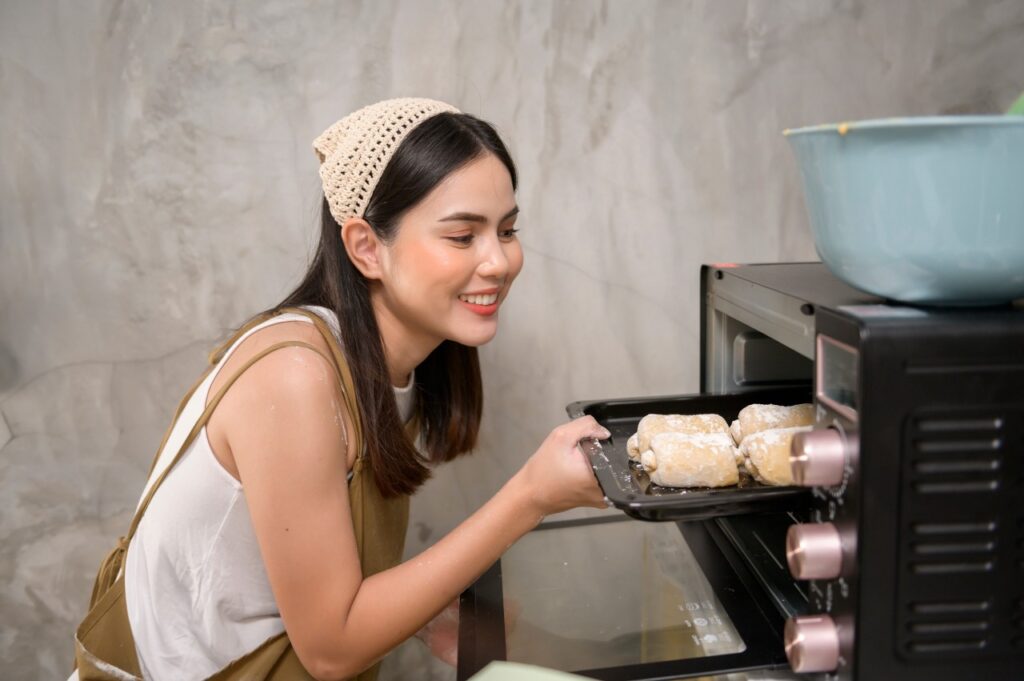
Steam is essential for early pastry rise. Moisture in the oven delays crust formation, keeping the outer surface elastic while internal gases expand. This window allows dough to reach full volume before setting. Professional ovens inject steam automatically, but home bakers can recreate the effect with a pan of hot water or brief misting. Steam also improves heat transfer, helping dough warm evenly and rapidly. Once expansion occurs, dry heat finishes baking and firms the structure. Without steam, the crust hardens too soon, trapping dough before it fully rises. The result is limited volume and thicker crust.
6. Use the Right Leavening Balance
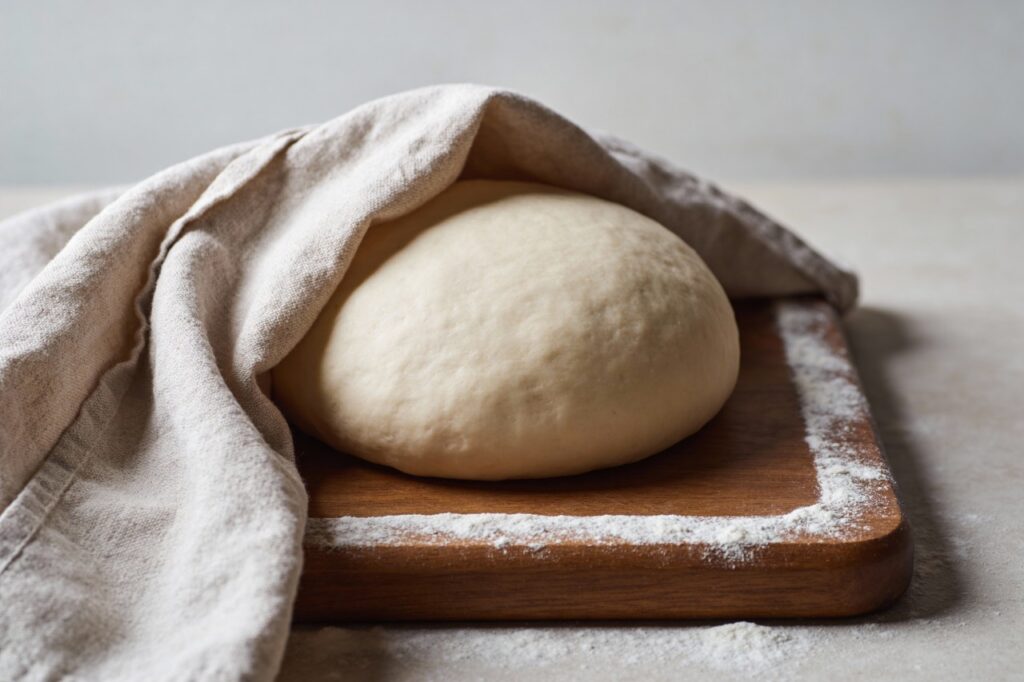
Leavening determines how and when air enters pastry dough. Yeast releases gas slowly through fermentation, while baking powder and baking soda react quickly once heated or moistened. Too much leavening causes rapid expansion followed by collapse because the structure cannot support the trapped air. Too little produces flat, compact pastries. Bakeries tailor leavening amounts to dough type, fat content, and bake time. Chemical leaveners suit quick pastries, while yeast works best for laminated or enriched doughs. Understanding this balance ensures steady lift instead of sudden failure. Proper leavening allows pastries to rise evenly, hold their shape, and finish baking without deflating.
7. Brush with Egg Wash Carefully
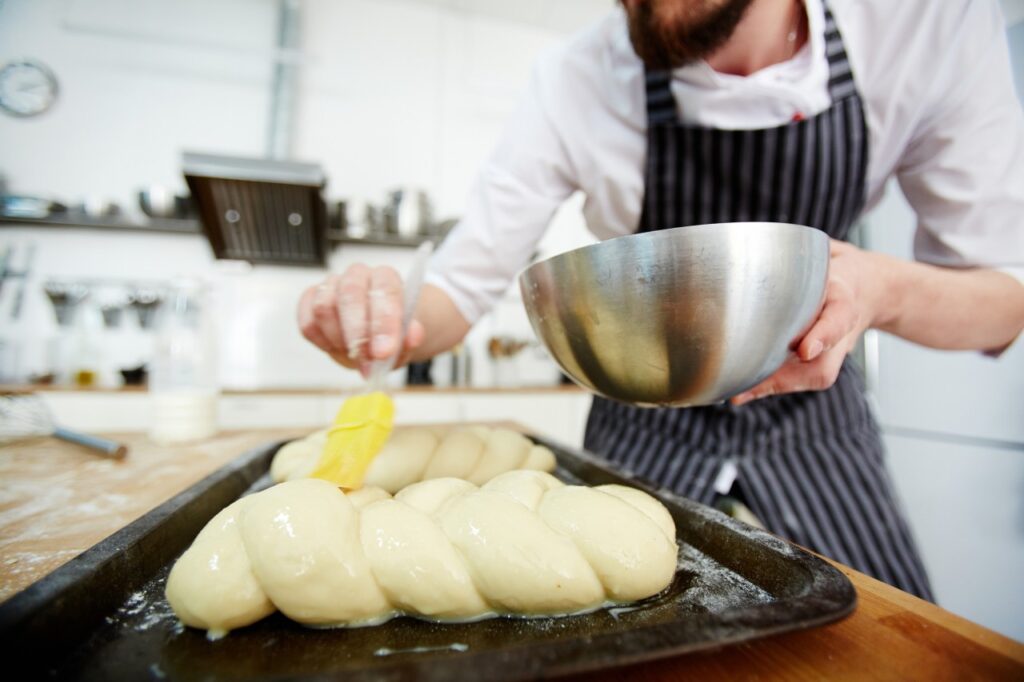
Egg wash improves color and shine, but careless application interferes with lift. When egg wash drips down layered edges, it acts like glue, sealing seams that should separate. This prevents layers from expanding upward. Bakeries apply egg wash lightly and only on exposed surfaces, avoiding sides and cut edges. Egg proteins coagulate quickly in heat, forming a glossy crust that sets without blocking expansion. Using a soft brush and minimal liquid helps maintain control. Proper application enhances appearance while protecting the structure. It is a small detail, but one that directly affects how pastries rise and layer in the oven.
8. Proof at the Right Temperature
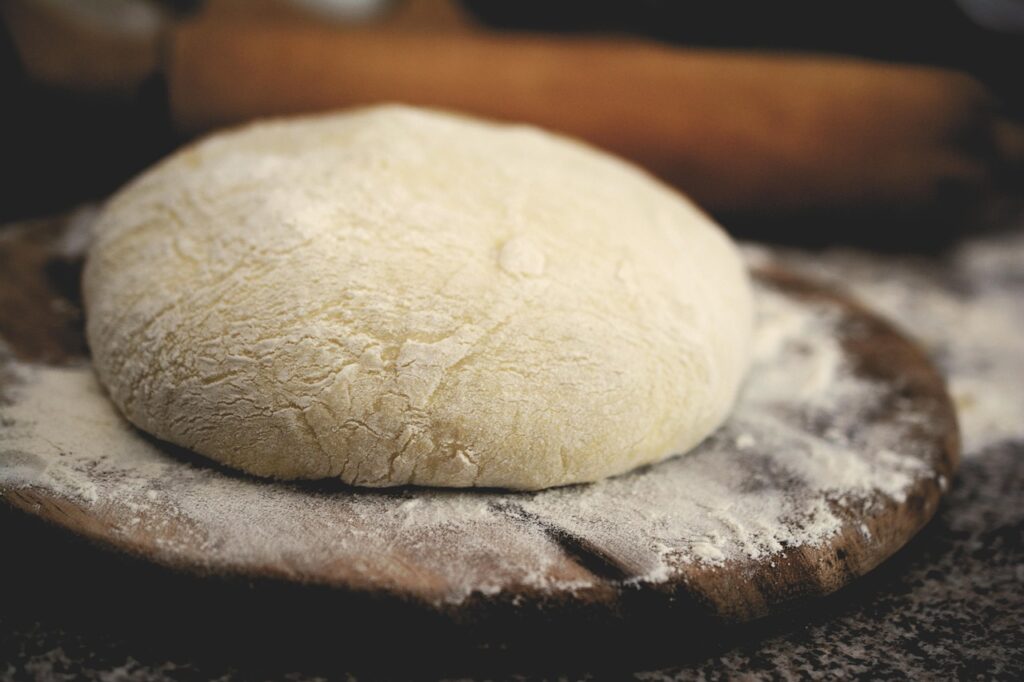
Proofing controls gas development in yeast-based doughs. Too much warmth speeds fermentation but weakens gluten, causing dough to overexpand and collapse during baking. Too little warmth slows activity, resulting in dense pastries with limited rise. Bakeries maintain consistent, moderate temperatures to encourage steady gas production. At home, room temperature or a gently warm environment works best. Properly proofed dough feels lighter and slightly springy before baking. This balance allows the dough to expand further once exposed to oven heat. Temperature control during proofing ensures that structure and lift develop together rather than competing.
9. Roll Dough Evenly
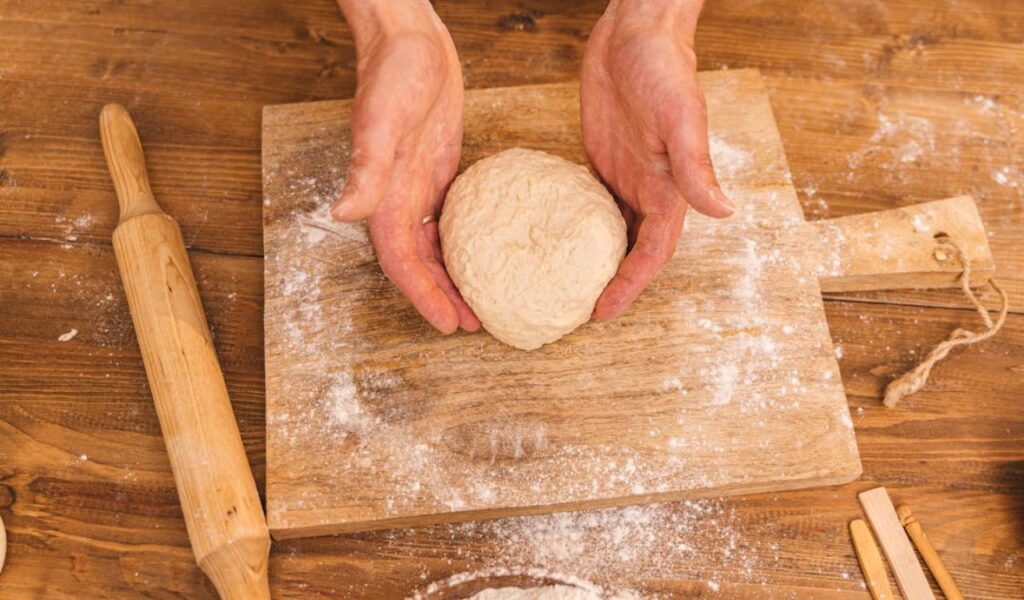
Uneven rolling creates uneven results. Thin sections bake and set faster, while thicker areas lag, leading to dense patches. Bakeries rely on even thickness to ensure uniform heat exposure and expansion. Rolling with gentle pressure and rotating the dough frequently helps maintain balance. Even dough thickness allows steam to form and lift the pastry consistently across its surface. This produces uniform flakiness instead of isolated puffing. Precision during rolling supports overall texture and appearance. Consistency here prevents wasted effort later in the oven. Even rolling also helps pastries hold their shape, preventing lopsided rise or cracking during baking.
10. Bake Hot, Then Adjust
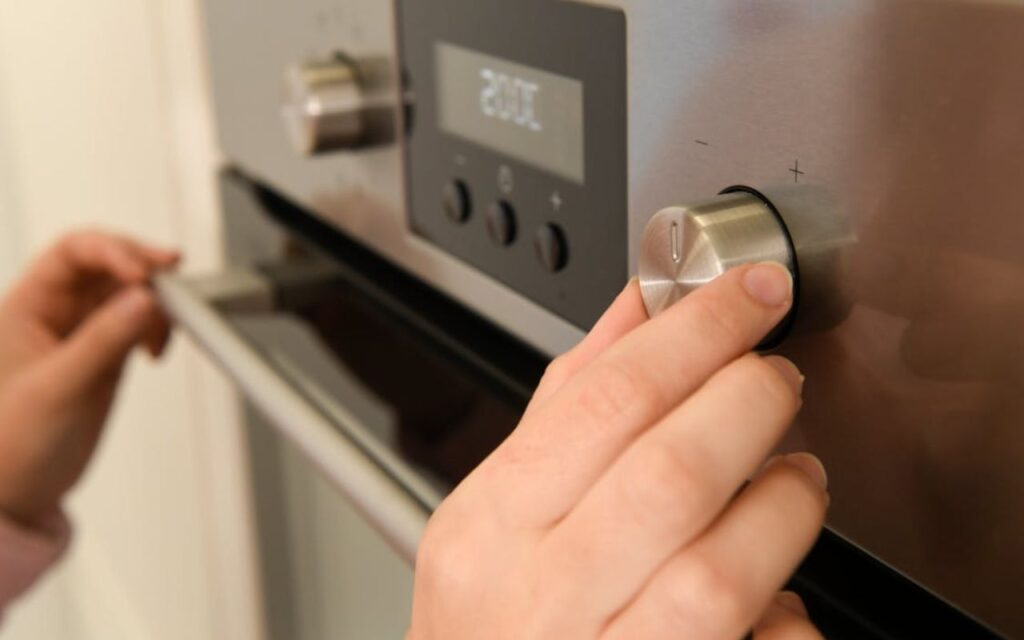
Initial oven heat drives oven spring. High temperatures cause rapid steam formation, giving pastries their first and most important lift. Once expansion occurs, reducing heat allows interiors to cook without burning the exterior. Bakeries use this staged approach to control volume and doneness. Starting too cool limits steam production and results in compact pastries. Controlled temperature adjustment sets the structure gradually while preserving airiness. Managing heat intentionally mimics professional baking environments and produces noticeably lighter pastries. This approach also improves browning control, creating a crisp exterior without drying the inside.
11. Let Pastries Rest After Baking
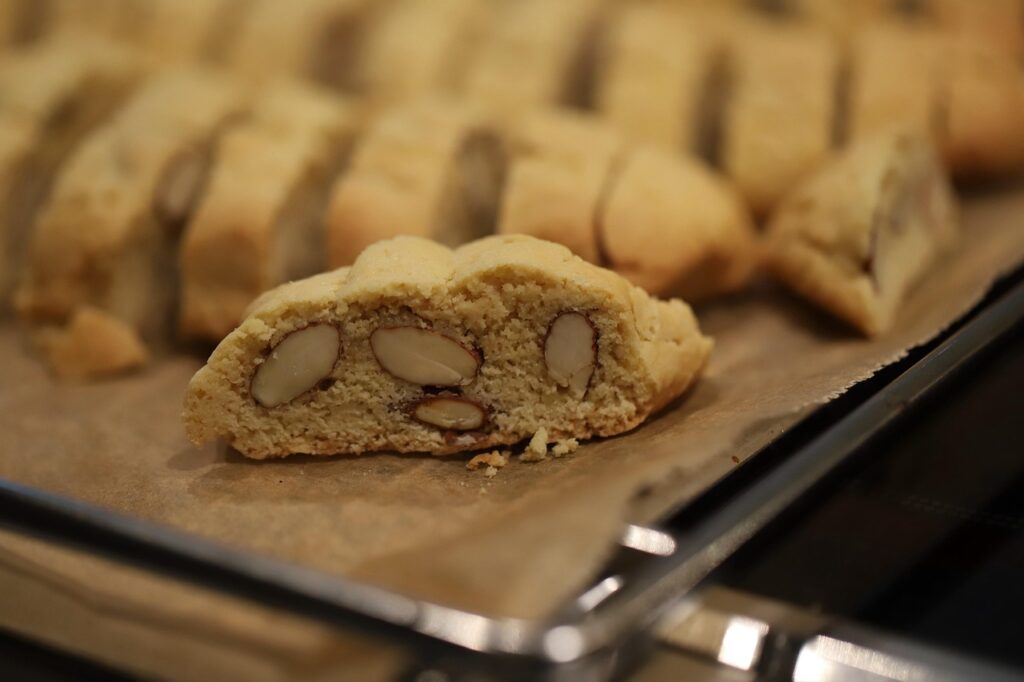
Cooling completes the baking process. Fresh pastries contain trapped steam that continues moving as temperatures drop. Cutting too soon releases steam unevenly, collapsing the structure and softening the layers. Bakeries allow pastries to rest so internal moisture redistributes gradually. This resting period helps starches set, preventing gumminess. Proper cooling preserves the height, texture, and flakiness achieved in the oven. Patience after baking ensures that the effort spent creating lift is not lost before serving. Placing pastries on a wire rack allows air to circulate, preventing condensation from forming underneath.