11 Restaurant Menu Sections That Shrink During Economic Slowdowns

Restaurant menus often reveal economic shifts before headlines do. When diners begin watching budgets, luxury options lose appeal while comfort and value items take center stage. Expensive seafood, tasting menus, and premium add-ons start disappearing as restaurants adjust to slower spending. Kitchens simplify offerings to control costs and reduce waste, while guests order fewer extras. The result is a quieter menu transformation that mirrors how dining habits shift during financial uncertainty.
1. Premium Tasting Menus
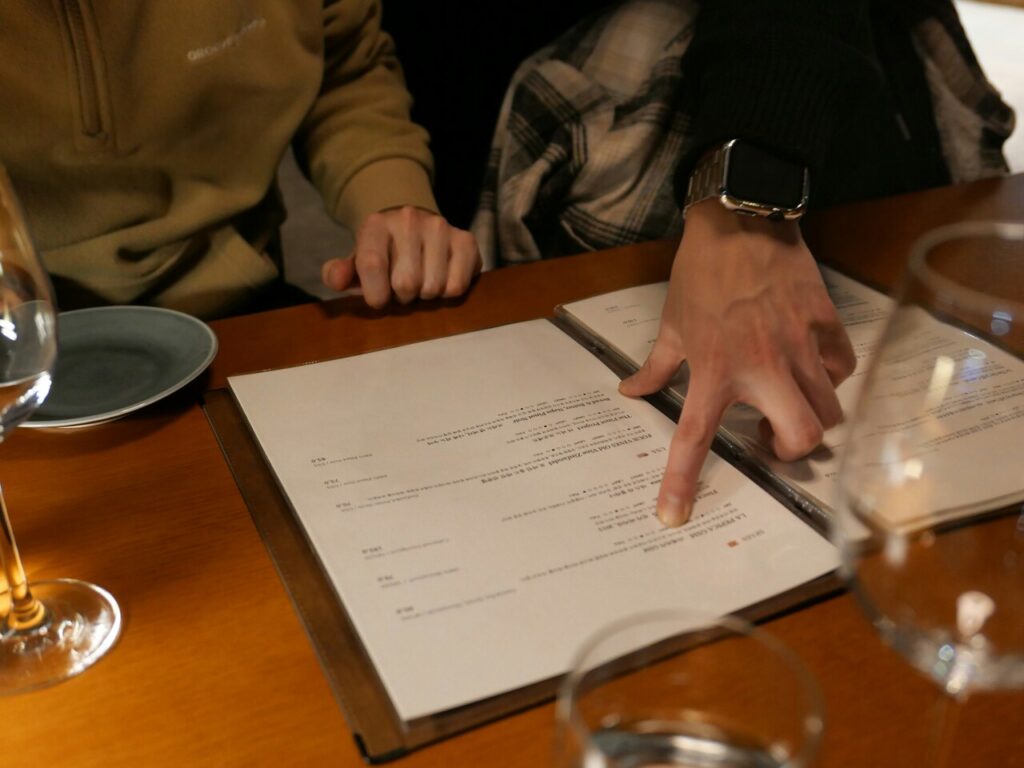
Long tasting menus are often the first menu format to shrink when spending slows because they require guests to commit both time and money to a single experience. In uncertain economic periods, diners often prefer flexibility, choosing smaller orders rather than expensive multi-course meals that raise the final bill.
From the restaurant side, tasting menus also demand high labor and ingredient investment. When traffic slows, restaurants reduce these offerings to limit waste.
Diners begin seeking value and comfort instead of culinary exploration, making long experimental menus harder to sell. Shorter menus or à la carte formats feel safer financially. Tasting experiences quietly disappear or shrink until spending confidence returns.
2. High-End Seafood
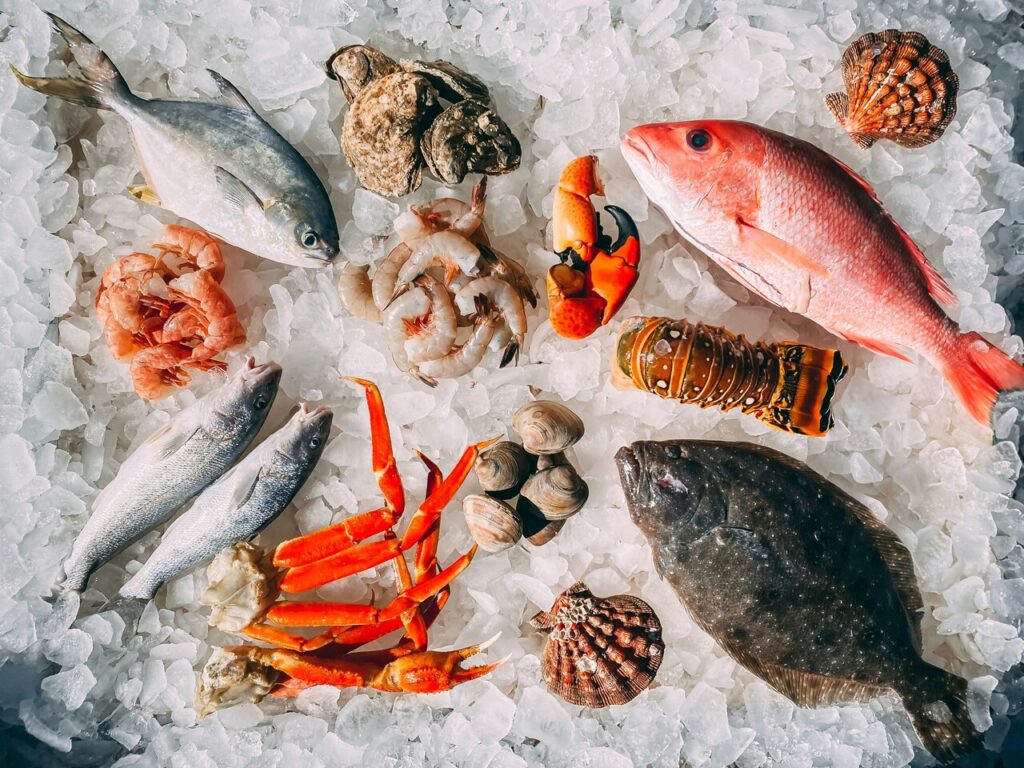
Luxury seafood items often shrink from menus during slowdowns because they carry high sourcing costs and unpredictable demand. Products like lobster, oysters, or specialty fish spoil quickly if unsold, making them risky.
Guests also rethink spending priorities. Seafood specialties tend to cost more than familiar comfort dishes, and diners watching budgets often shift toward chicken, pasta, or simpler proteins that feel more filling for the price.
Restaurants respond by narrowing their selection. Instead of multiple shellfish or rare fish options, menus often feature one or two safer choices. This keeps offerings appealing while reducing spoilage risk and helping kitchens maintain margins when luxury dining becomes less frequent.
3. Luxury Steak Cuts
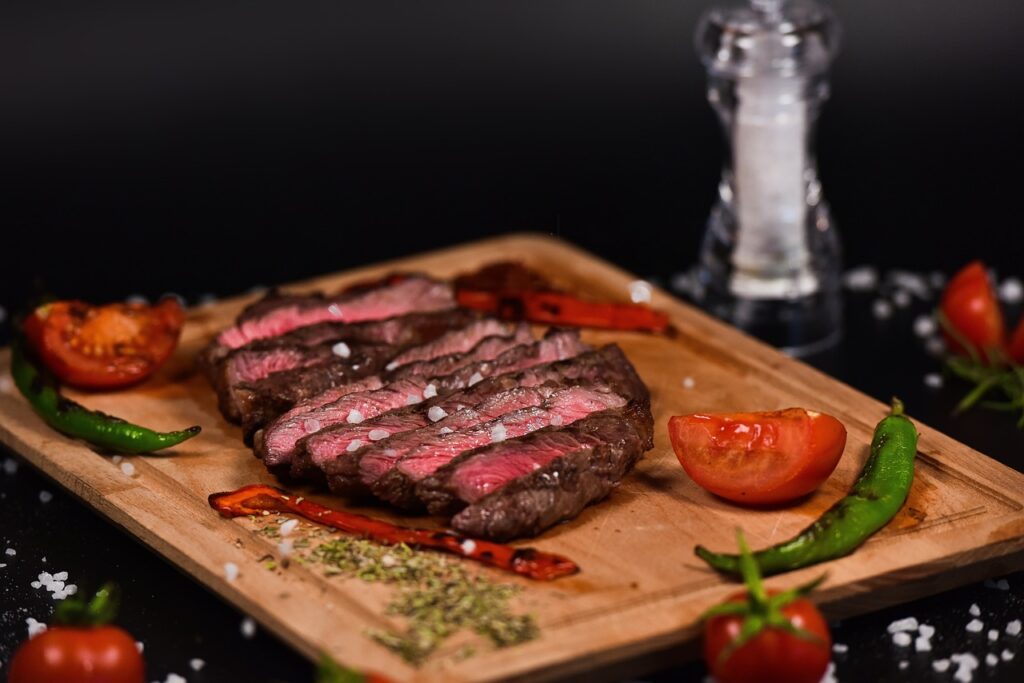
High-end steak options shrink quickly when diners begin tightening budgets because premium beef cuts carry some of the highest food costs in restaurants. Wagyu or dry-aged steaks appeal during boom periods but feel excessive when guests become price-conscious.
Restaurants must also manage risk. Offering fewer premium steaks helps restaurants avoid waste while still keeping at least one special item for celebratory diners.
Consumer behavior shifts, too. Guests who might normally order the top steak move toward mid-tier cuts or shared plates. Restaurants adapt by focusing menus around value steaks or mixed grills, keeping beef on the menu while scaling back luxury options until economic conditions improve.
4. Artisanal Cocktails and Specialty Flights
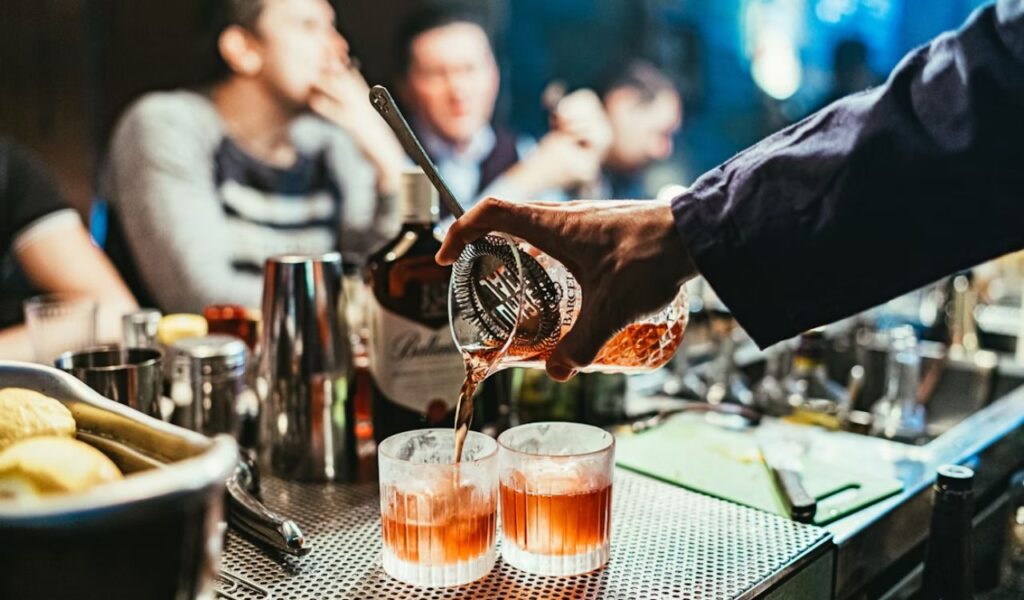
Craft cocktail menus tend to shrink in downturns because specialty drinks rely on premium spirits, house-made syrups, and skilled bartenders, all of which increase cost and preparation time. Guests watching budgets often switch to simpler drinks or skip alcohol altogether.
Bar revenue also becomes less predictable. Flights and specialty cocktails feel like indulgences, and diners trimming spending frequently stick to beer, house wine, or classic mixed drinks.
Restaurants respond by simplifying menus. Bars may keep a few signature drinks but cut elaborate offerings that require many ingredients or extra labor. Streamlining helps reduce waste and speeds service, aligning menus with customers who prioritize affordability over novelty.
5. Specialty Appetizers
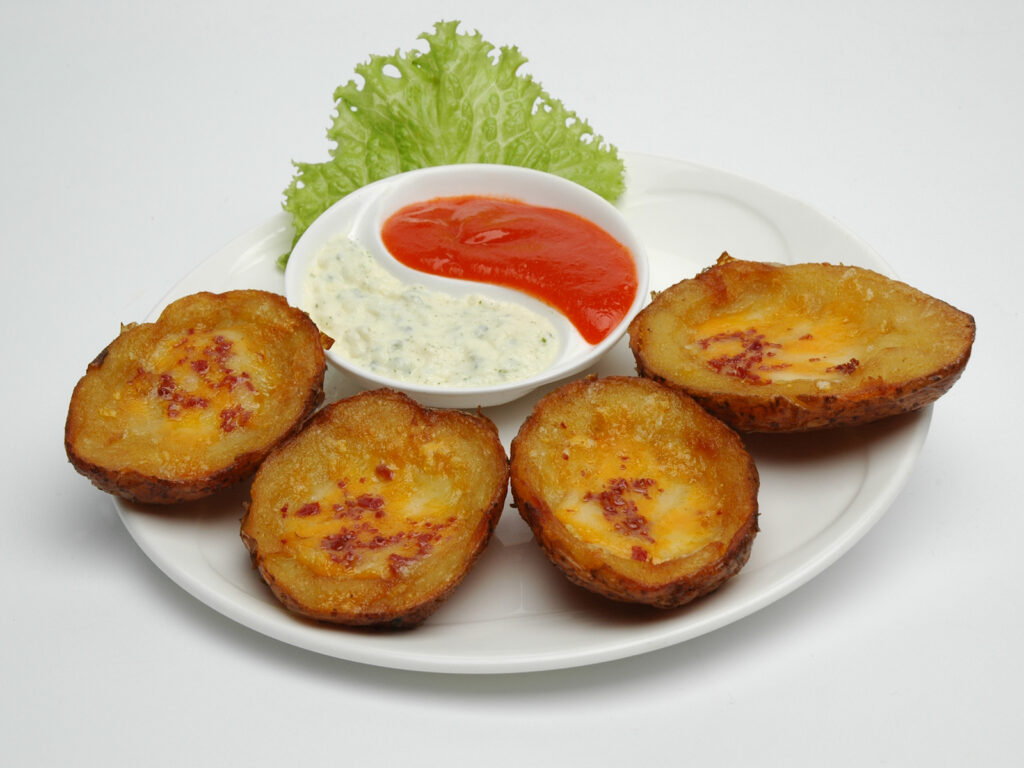
Luxury appetizers often disappear during slowdowns because they are easy for diners to skip. Dishes built around premium ingredients like truffles or foie gras raise checks quickly, and customers looking to save money often cut starter courses first.
Restaurants also face cost pressures. Specialty appetizers usually depend on imported or seasonal ingredients that carry high prices and spoil quickly. Lower traffic increases the chance these items go unsold, raising waste concerns.
Menus therefore shift toward simpler starters or shared plates using more affordable ingredients. This balance allows restaurants to maintain variety while adjusting to changing spending patterns.
6. Dessert Flights and Elaborate Sweets
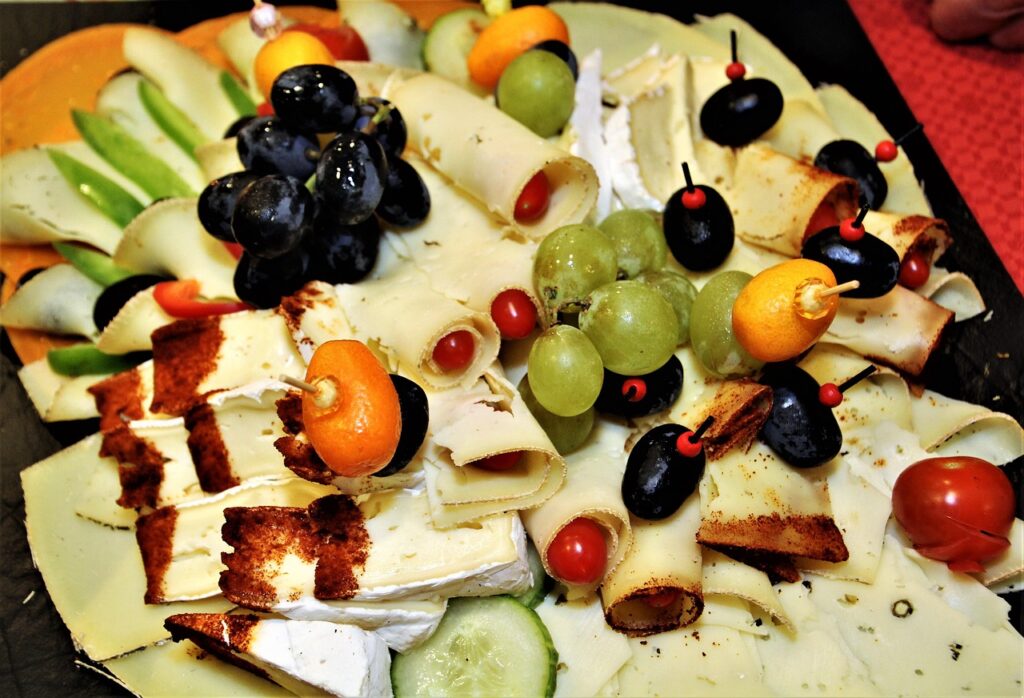
Desserts shrink during economic slowdowns because many diners treat them as optional luxuries rather than necessities. When budgets tighten, guests often skip dessert entirely or share a single item instead of ordering multiple courses.
From an operations perspective, elaborate desserts require pastry staff, specialty ingredients, and preparation time. Lower demand makes maintaining extensive dessert menus inefficient, leading restaurants to scale back choices.
Simpler sweets often replace elaborate dessert flights. A restaurant might keep one or two crowd favorites rather than offering full pastry menus. This reduces waste and labor while still allowing guests who want dessert to enjoy a final course without raising overall costs significantly.
7. Exotic Ethnic Sections
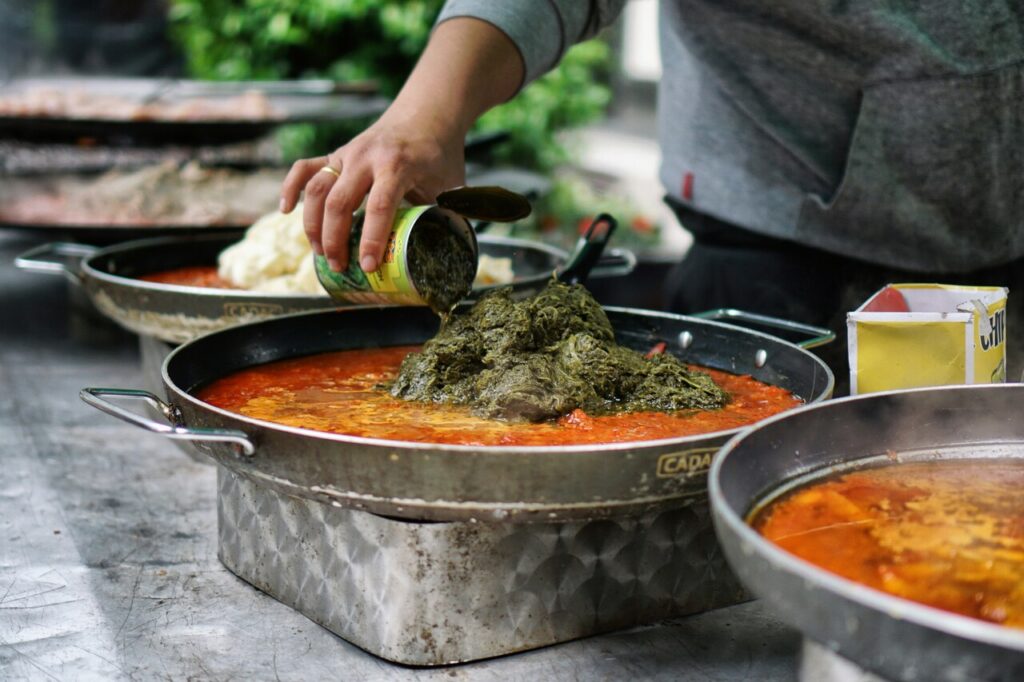
Menus sometimes reduce niche or unfamiliar cuisine offerings during downturns because customers tend to choose safe, recognizable dishes when budgets feel tight. Experimental or lesser-known items often sell more slowly during cautious spending periods.
Restaurants also simplify operations by focusing on dishes with consistent demand. Maintaining specialized ingredients or preparation methods for low-order items becomes harder to justify when margins shrink.
As a result, menus often narrow toward core offerings while keeping only the most popular items from specialty sections. This keeps kitchen operations efficient and aligns menus with diners who prioritize reliability and familiarity when dining budgets become limited.
8. Seasonal or Limited-Time Items
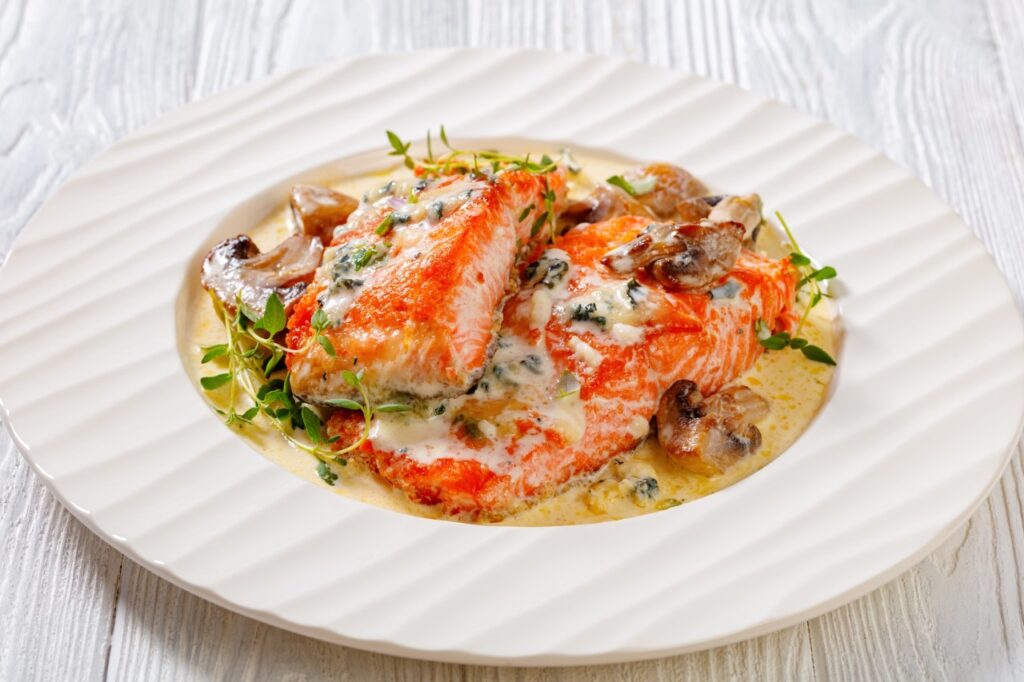
Seasonal menu items shrink during slowdowns because they often involve specialty sourcing and extra marketing, both of which add cost. Restaurants facing lower traffic may avoid introducing items that require new ingredients or training.
Seasonal dishes also carry risk. If customer turnout is weaker than expected, expensive seasonal ingredients may go unused. Kitchens, therefore, lean toward stable menus built around reliable ingredients rather than experimenting with frequent rotations.
Restaurants still highlight freshness, but menus shift toward flexible dishes that can use available ingredients year-round. This reduces waste and keeps supply chains predictable, helping restaurants manage costs until demand stabilizes.
9. Premium Sides
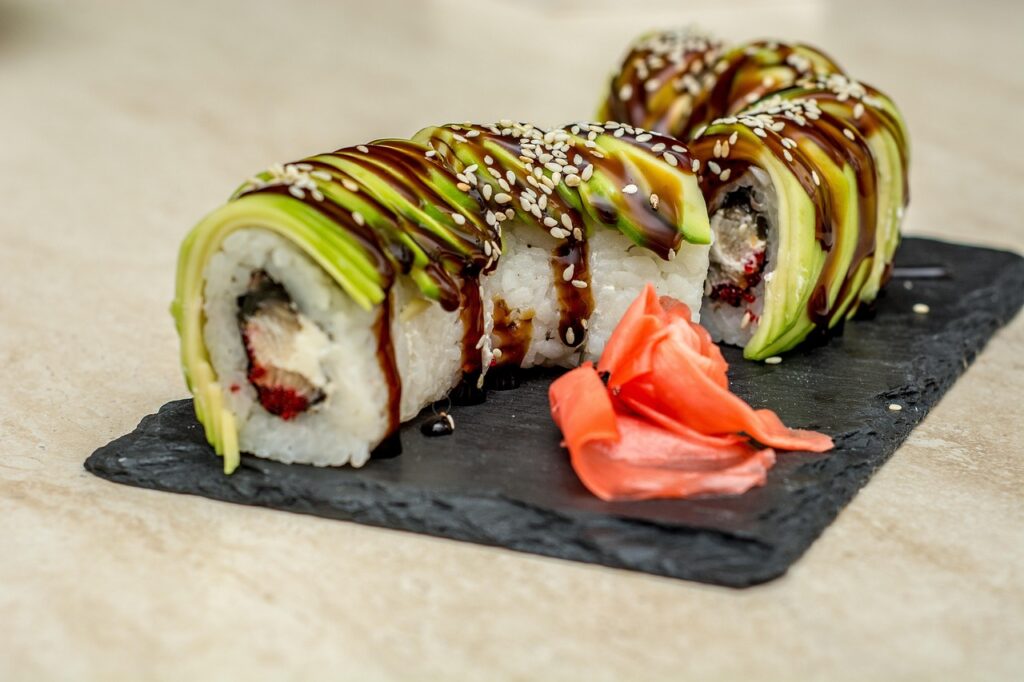
Luxury sides like truffle fries or specialty mashups often shrink because customers watching spending trim add-ons first. Diners may still order main dishes but skip expensive upgrades to control total cost.
Restaurants also simplify side menus to improve efficiency. Premium sides often require extra preparation or specialty ingredients that slow kitchens during busy periods. Removing them speeds service and reduces food costs.
Menus therefore return to simpler accompaniments such as basic fries or vegetables. Guests still receive satisfying plates, but the focus moves toward value rather than indulgence, matching customer priorities during economic slowdowns.
10. Brunch Specialties
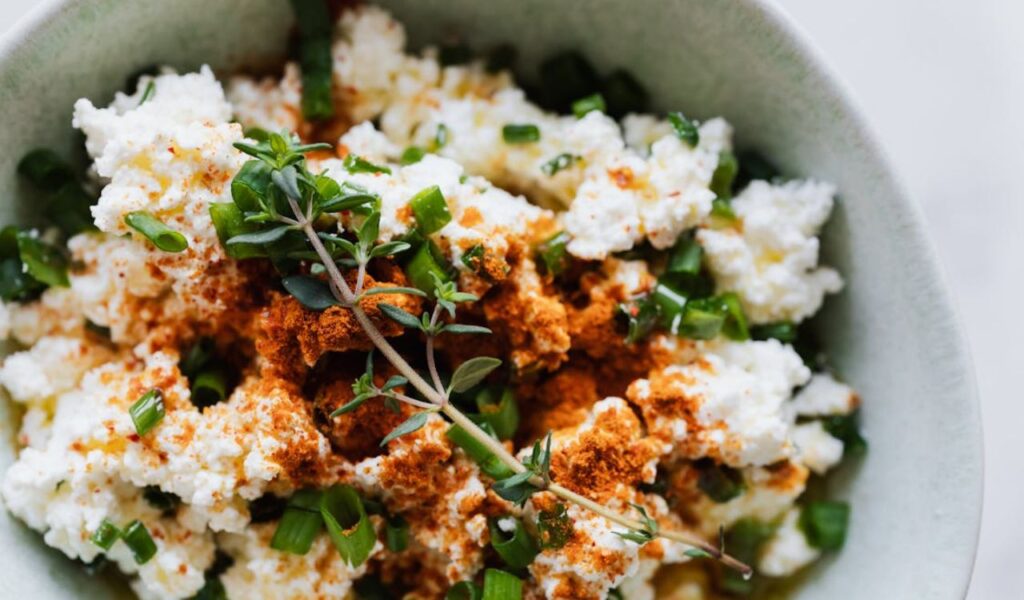
Brunch menus often shrink during downturns because weekend dining becomes less frequent when people tighten discretionary spending. Guests may cook at home rather than going out for indulgent daytime meals.
Restaurants also find brunch operations costly. Specialty dishes, staffing, and extended service hours require investment, and lower turnout makes maintaining elaborate brunch menus less profitable.
Some restaurants simplify brunch offerings or cut service days entirely. Core favorites remain, but elaborate specialties disappear until customer spending rebounds. The shift reflects how dining patterns change when households adjust entertainment and food budgets.
11. Upscale Wine Lists

Expansive wine lists often shrink when economic conditions weaken because diners become less willing to spend heavily on bottles. Guests may shift toward house wines or skip wine service altogether to lower bills.
Carrying rare or premium bottles also ties up restaurant capital. Unsold inventory represents money sitting on shelves, and slow turnover makes large wine programs financially risky during uncertain periods.
Restaurants respond by narrowing selections toward approachable, mid-range options while reducing high-end offerings. This keeps wine service accessible while aligning pricing with customer expectations, ensuring guests still enjoy drinks without feeling pressured to overspend.