The Real Reason Plant Milk Upcharges Keep Rising at Coffee Chains


Ordering oat or almond milk once felt like a specialty request. Today, it feels routine. Yet many coffee chains still add an extra charge for plant-based options, even as demand continues to grow. The explanation is more complex than it appears. While ingredient costs have narrowed over time, supply chains, margins, and operational realities still shape pricing decisions. At the same time, customer expectations are shifting fast. Understanding why these upcharges persist reveals how economics, ethics, and strategy intersect in the modern coffee industry.
Plant Milk Becomes the New Default
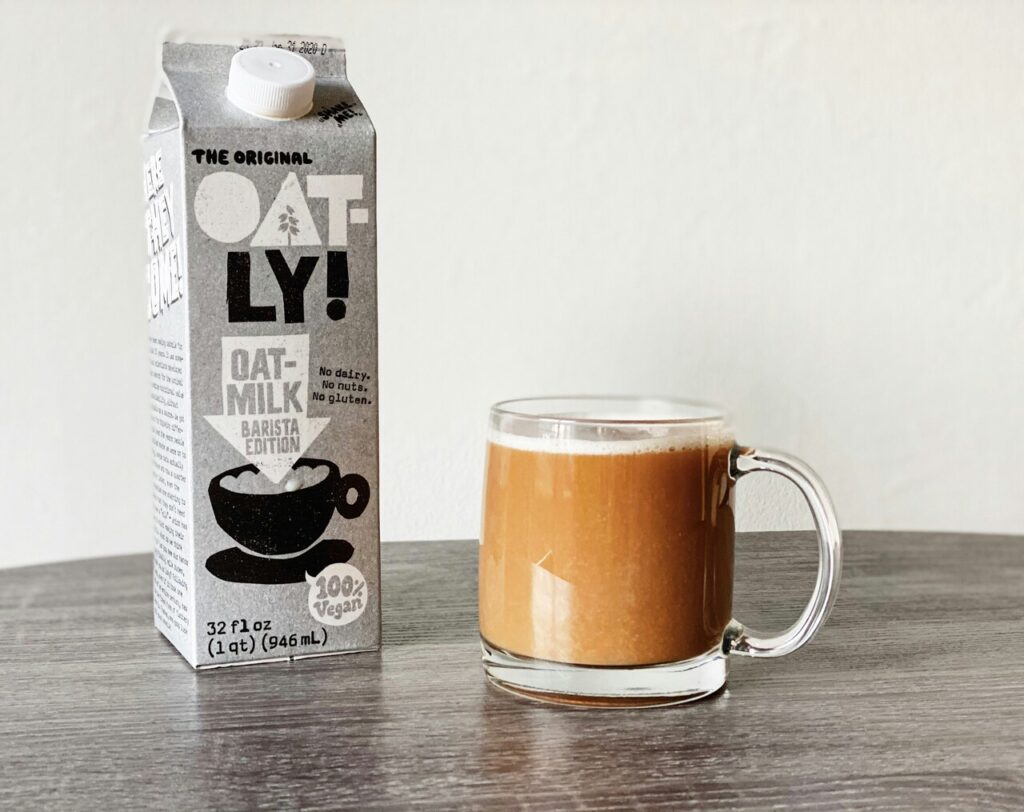
Plant milk is no longer a niche request whispered at specialty cafés. It has become a routine part of ordering coffee. Oat, almond, soy, and coconut milk now appear on menus as visibly as dairy. This shift reflects more than a trend. It signals a broader cultural change in how people approach food, health, and sustainability. Many customers choose plant milk because of lactose intolerance or dairy sensitivity. Others prefer the flavor profile or the lighter texture in espresso drinks. Younger consumers in particular are driving this shift, treating milk choice as part of personal identity. Coffee shops have responded by expanding their non-dairy selections beyond a single alternative.
As demand grows, expectations change. When a product becomes common, customers begin to see it as standard rather than premium. This shift in perception is central to the upcharge debate. If plant milk is ordered by a large share of customers, charging extra starts to feel outdated. Coffee chains must then decide whether plant milk remains an upgrade or becomes part of the base offering. The more normalized it becomes, the harder it is to justify treating it as a luxury add-on. That tension between tradition and changing demand drives much of today’s pricing decisions. Businesses that fail to adapt risk appearing disconnected from customer reality.
The True Cost Difference Between Dairy and Plant Milks

The original justification for plant milk upcharges was cost. For years, plant-based milks were significantly more expensive than dairy at the wholesale level. Producing almond or oat milk requires different processing methods and supply chains. Barista-grade plant milks are also formulated to steam well and maintain texture in hot drinks, which increases manufacturing costs. For small cafés buying in limited quantities, those costs add up quickly. Charging extra per drink became a way to cover the gap without raising overall menu prices. Dairy, by contrast, benefits from decades of infrastructure and subsidized agricultural systems.
However, the gap has narrowed in many markets. As production scales increase and more companies compete in the plant milk space, prices have become more competitive. Large distributors now offer plant milks in bulk formats similar to dairy. Yet even if the raw cost difference shrinks, other expenses remain. Storing multiple milk types increases inventory management complexity. There is more waste risk and more training required for staff. These indirect costs often factor into whether a café maintains an upcharge. The decision is rarely based on ingredient price alone. Equipment cleaning protocols can also become more rigorous when handling multiple milk varieties.
Supply Chains and Scale Economics
Scale changes everything in the coffee industry. Large chains purchase milk in enormous volumes and negotiate pricing that independent cafés cannot access. When millions of drinks are sold daily, small cost differences can be absorbed across a broad customer base. This purchasing power allows major brands to eliminate surcharges without sacrificing overall profit stability. They distribute the cost across their entire menu rather than attaching it to a specific customization. Their logistics networks are optimized for predictable supply and reduced waste. Centralized contracts further lower per-unit expenses.
Independent shops operate under different conditions. They buy smaller quantities and often pay higher per-unit prices. Their margins are thinner and more sensitive to fluctuations in supply costs. Removing a plant milk upcharge may require raising prices elsewhere, which carries its own risks. Customers may accept higher prices at global chains, but local cafés often compete on value and community identity. This uneven economic landscape explains why pricing policies differ widely across the industry. Small operators also face greater exposure to sudden wholesale price increases. A minor shift in supplier pricing can have a disproportionate impact.
Why Big Chains Can Drop Fees but Small Cafés Cannot
When major coffee chains remove plant milk fees, it creates the impression that the practice was unnecessary all along. In reality, large corporations have structural advantages. They benefit from centralized distribution, long-term supplier contracts, and diversified revenue streams. If one category becomes slightly less profitable, other high-margin products can offset the difference. Their scale provides flexibility that smaller operations simply do not have. Corporate pricing teams can model long-term impacts before making public announcements. That strategic cushion reduces financial risk.
Independent cafés often depend heavily on beverage margins to remain viable. Even a small reduction in profit per cup can significantly affect monthly revenue. For them, eliminating an upcharge without adjusting base prices could erode financial stability. At the same time, customer expectations shaped by big brands place pressure on these smaller businesses. This balance is delicate and varies by location, customer base, and cost structure. Local shops may also face higher rent and utility costs relative to sales volume. Each pricing decision carries more immediate consequences for sustainability.
Profit Margins and Menu Engineering

Coffee pricing is carefully calculated. Each drink is evaluated based on ingredient cost, labor time, and overhead allocation. A latte made with dairy follows a predictable cost structure that many cafés have optimized for years. Introducing multiple plant milk options complicates that model. The cost of goods sold increases, and preparation time may vary depending on milk type. Over hundreds of drinks per day, those differences accumulate. Foam stability and pour consistency can also affect remake rates. Remakes represent hidden costs that influence pricing strategy. Inventory management becomes more complex as additional cartons require rotation and storage space.
Menu engineering provides solutions. Some cafés raise overall drink prices slightly so all milk options are included without a visible surcharge. Others promote certain plant-based drinks as featured menu items, embedding the cost within specialty pricing. The goal is to maintain profitability while avoiding customer frustration. Pricing decisions are strategic, not arbitrary. Businesses evaluate long-term sustainability rather than focusing on a single ingredient in isolation. Subtle price adjustments often go unnoticed when spread across the menu. This approach allows operators to align with customer expectations while protecting margins.
Ethics, Accessibility, and Customer Backlash

For many customers, plant milk is not just a preference but a necessity. Lactose intolerance affects a significant portion of the population. Charging extra for an alternative can feel like penalizing someone for a dietary limitation. Others view plant-based choices as aligned with environmental or ethical values. In that context, a surcharge may appear inconsistent with corporate sustainability messaging. Customers increasingly expect pricing to reflect inclusive values. Perceived inconsistency can damage brand trust. What feels like a minor fee to one guest may feel like exclusion to another.
Public discussion around plant milk fees has intensified in recent years. Social media amplifies complaints and frames the charge as unfair or outdated. Brands are increasingly aware that pricing decisions influence public perception. Some companies have removed fees partly to align with evolving consumer values. However, ethical considerations do not erase financial constraints for smaller businesses. The debate reflects a broader tension between moral expectations and economic structure. Businesses must weigh reputational impact against operational feasibility. The conversation continues to evolve as consumer awareness grows.
Impact on Customer Loyalty and Brand Image
Few pricing decisions are as visible to customers as a milk upcharge. When someone sees an extra fee added for oat or almond milk, it sends a signal about how the brand positions itself. For some customers, the charge feels minor and expected. For others, it feels outdated or unfair, especially when plant milk is no longer a niche request. That emotional response matters because loyalty in the coffee industry is built on habit, identity, and daily rituals. A small pricing choice can influence whether a customer feels valued or inconvenienced. Maintaining an upcharge may be financially necessary, but it can still create tension if customers compare policies across brands.
Brands that remove plant milk surcharges often frame the move as inclusive and forward-thinking. This can strengthen their public image and align them with sustainability and accessibility narratives. Customers who rely on plant milk for dietary reasons may interpret the removal of fees as respect for their needs. In competitive urban markets, that perception can translate into repeat visits and positive word of mouth. Loyalty is not just about taste. It is also about how fairly a company is perceived to treat its customers. Transparency helps protect brand reputation even when pricing cannot match that of large chains.
What the Future of Coffee Pricing Looks Like
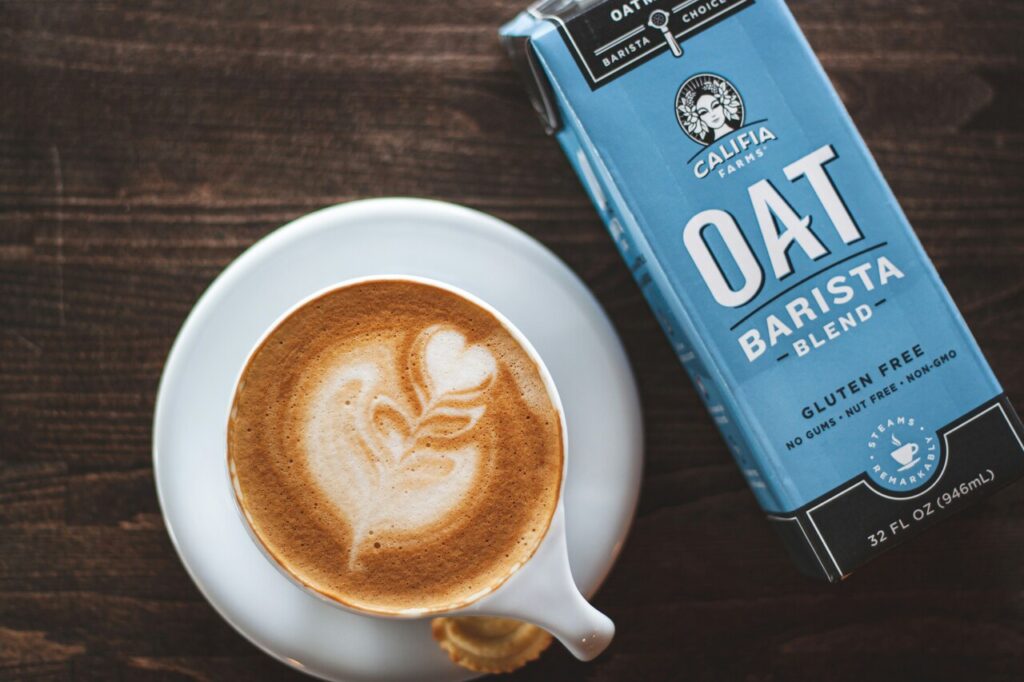
The trajectory of plant milk pricing suggests continued change. As plant-based options become fully mainstream, separate charges may gradually disappear at more chains. Rising production efficiency and competition among plant milk brands will likely continue reducing wholesale costs. That economic shift weakens the original rationale for widespread upcharges. Increased innovation in plant milk formulations may further close quality gaps with dairy. As product performance improves, justification for differentiation diminishes.
At the same time, cafés will continue adjusting menu pricing in subtle ways. Some may standardize one milk type as the default. Others may incorporate customization costs into base pricing. The future will likely involve less visible differentiation between dairy and plant options. Instead of framing plant milk as an upgrade, coffee culture may treat milk choice as a basic customization, similar to selecting cup size or sweetness level. The pricing model will evolve alongside consumer expectations and supply economics. Transparent pricing structures may become more common. Ultimately, normalization will reshape how value is communicated to customers.