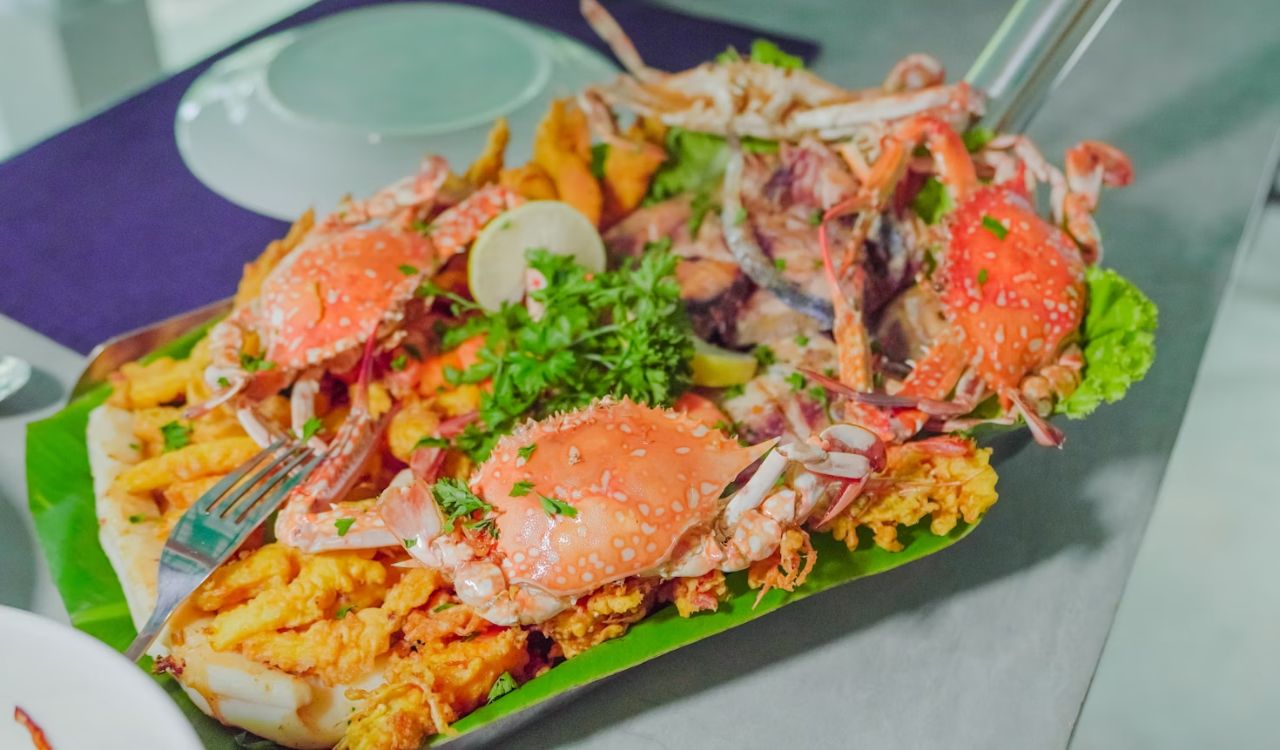
8 Argentine Dishes That Prove the Country Isn’t Just About Barbecue


Argentina’s food culture is often reduced to sizzling grills and endless cuts of beef, but that story barely scratches the surface. Beyond the barbecue lies a kitchen shaped by Indigenous traditions, immigrant influence, regional climates, and everyday home cooking. These dishes tell quieter stories about survival, adaptation, and comfort, built around corn, dairy, dough, and patience as much as fire. From humble stews eaten on national holidays to breads and sweets found on ordinary tables, Argentine cuisine reveals a depth that rewards anyone willing to look past the grill and taste the history woven into daily life.
1. Locro
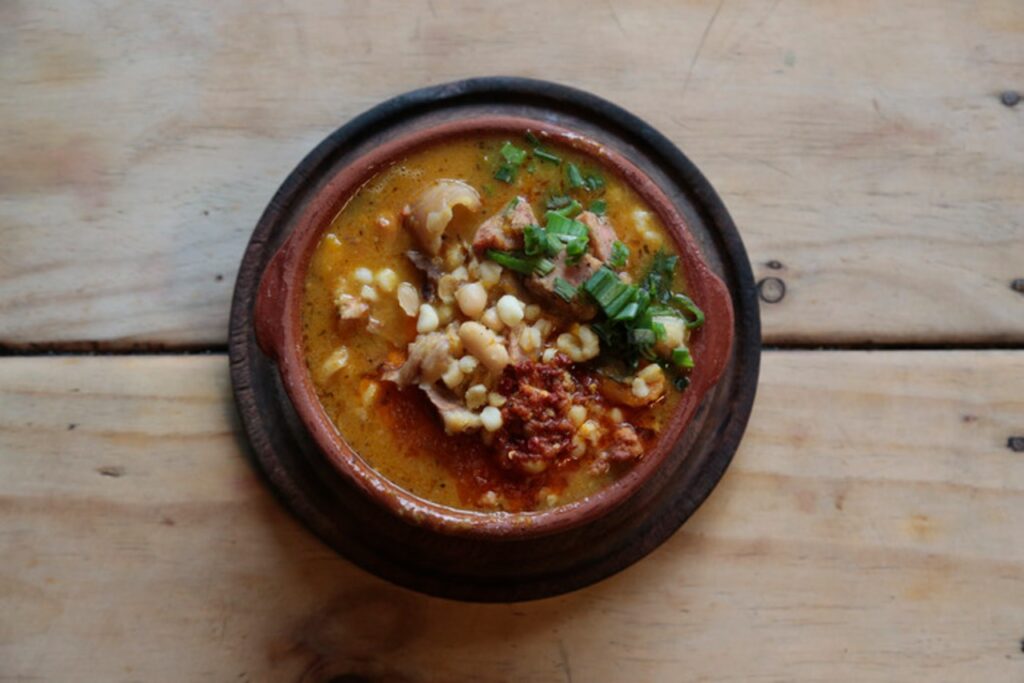
Locro proves Argentina’s food history reaches far beyond the grill by tracing its roots to Indigenous Andean cooking long before the nation existed. This thick stew was designed for altitude, cold weather, and long workdays, using ingredients that stored well such as corn, beans, squash, and dried meats. Slow cooking allowed flavors to develop while making tough ingredients filling and digestible. Over time, colonial additions like pork and spices layered onto the original base without replacing it. Locro is traditionally eaten during national celebrations, not because it is festive food, but because it represents shared history and survival.
2. Empanadas
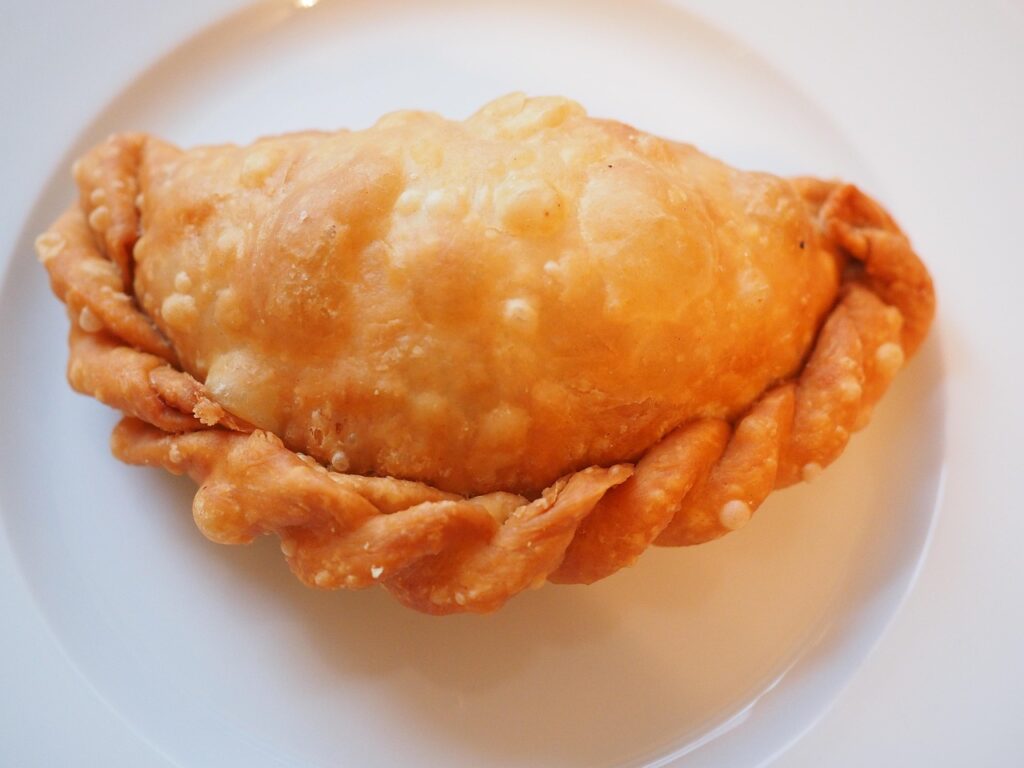
Empanadas reveal Argentina’s diversity more clearly than almost any other dish. Every region fills, folds, and seasons them differently, reflecting local ingredients and cultural influence. In some provinces, beef is finely chopped and lightly spiced. In others, corn, cheese, or potatoes take center stage. Even the dough changes, ranging from flaky to sturdy, depending on whether empanadas are baked or fried. These variations are not modern creativity. They are practical responses to climate, agriculture, and tradition. Empanadas became popular because they are portable, filling, and adaptable. Families pass down their preferred style rather than following a national standard.
3. Milanesa
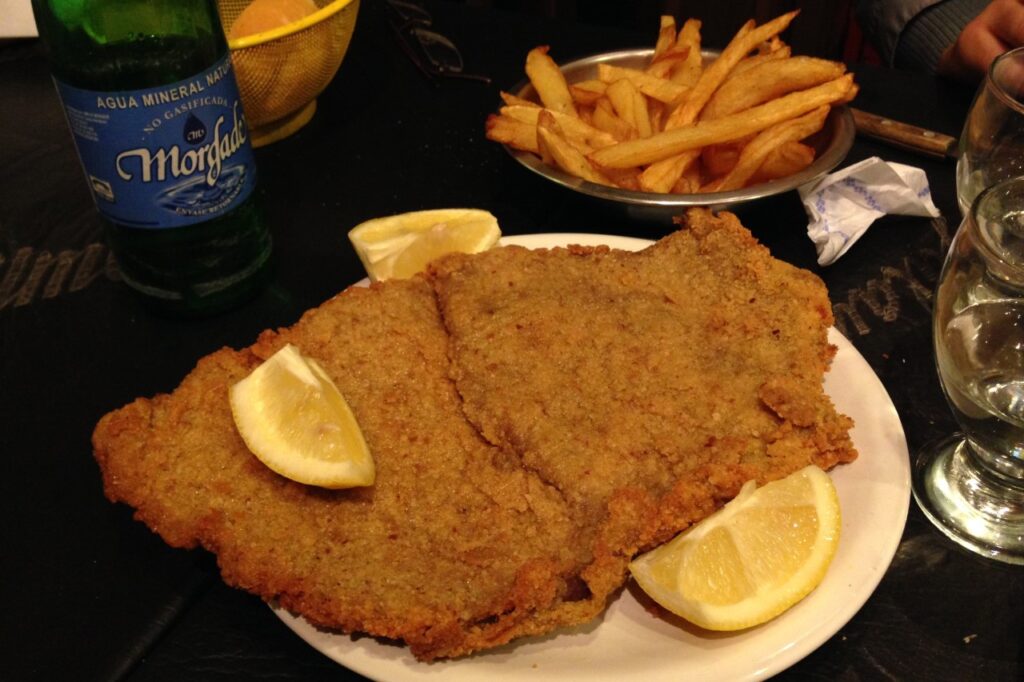
Milanesa is one of Argentina’s most quietly important dishes, even though it rarely appears in tourist headlines. Inspired by European immigrants, especially Italian and Austrian traditions, it became popular because it stretches meat affordably. Thin cuts are breaded and fried, creating a crisp exterior and tender interior. Lemon, potatoes, or salad keep the meal balanced. Milanesa is cooked at home far more often than in restaurants, making it a symbol of everyday Argentine life. It is reliable, comforting, and flexible, appearing at family lunches, school meals, and casual dinners. Its flavor is straightforward rather than bold, which is why it works so well.
4. Humita
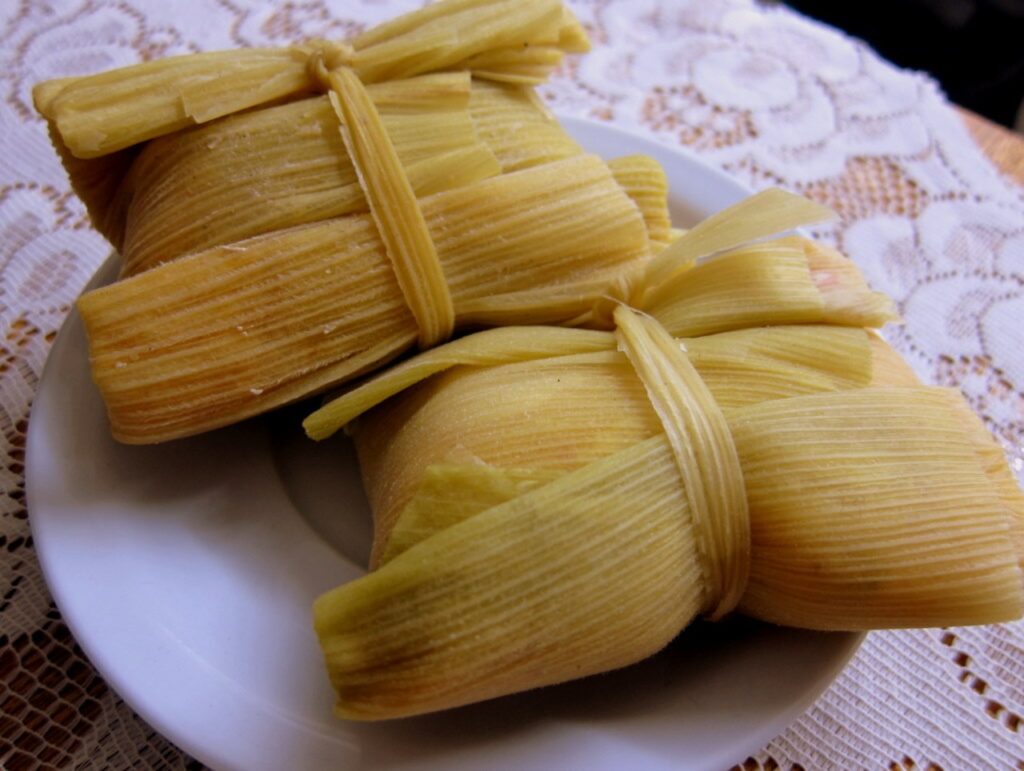
Humita shows how deeply corn defines Argentine food beyond beef. This dish comes from pre-Columbian cooking traditions that treated maize as a foundation rather than a side. Fresh corn is ground, lightly seasoned, wrapped in husks, and gently steamed. The method preserves moisture and nutrients while producing a soft, slightly sweet texture. Humita was designed to nourish farmers and travelers, not impress diners. Variations exist, but the core technique has barely changed for centuries. The flavor is subtle and grounding, reflecting agricultural cycles rather than abundance. Eating humita today is tasting a food that predates borders, making it one of Argentina’s most intact dishes.
5. Provoleta
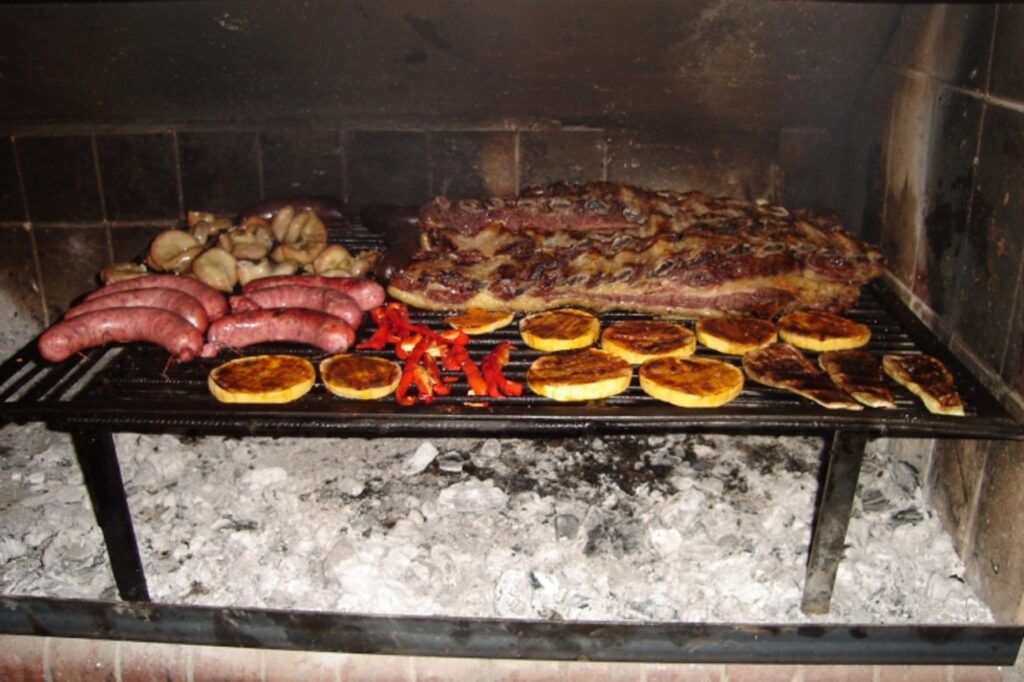
Provoleta challenges the idea that Argentine meals revolve solely around meat by placing cheese at the center of the table. Thick slices of provolone are grilled until bubbling and lightly crisped, then seasoned simply with oregano and chili. While often cooked near the grill, provoleta stands on its own rather than serving as a garnish for meat. Its popularity reflects Argentina’s strong dairy culture shaped by European immigration. The dish relies on quality cheese and precise timing rather than heavy seasoning. When done right, the exterior firms while the interior stays molten. Provoleta proves that Argentine grilling culture values technique and balance, not just beef.
6. Chipa
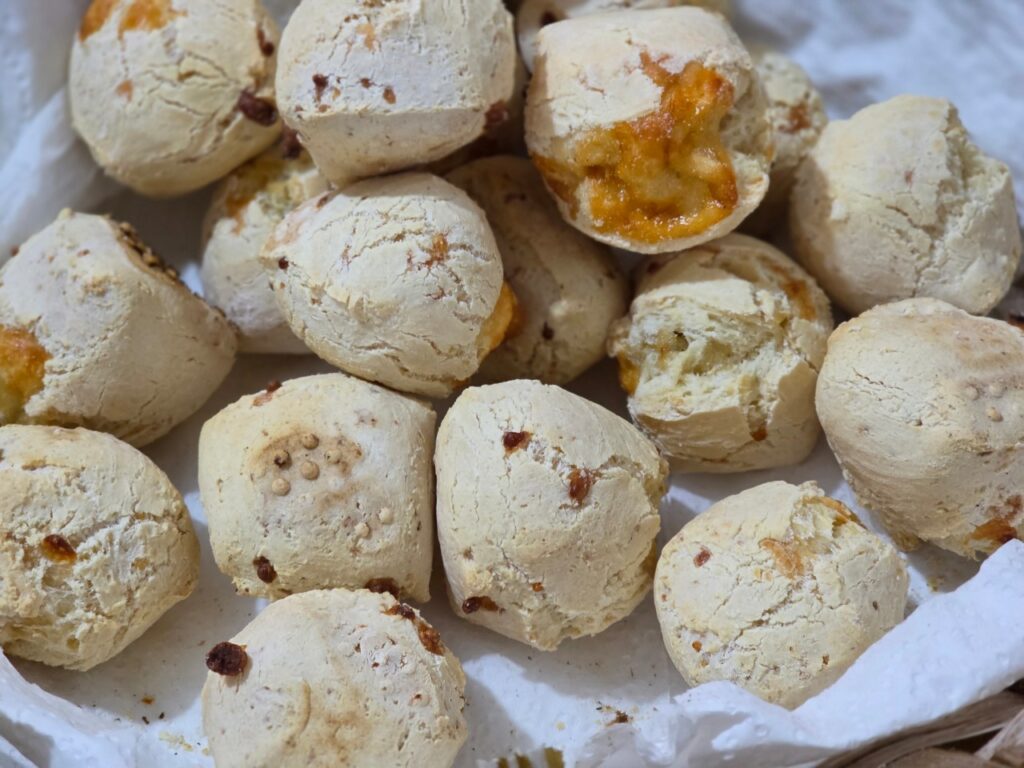
Chipa highlights a side of Argentina rooted in Indigenous Guaraní cooking rather than European wheat traditions. Made with cassava starch instead of flour, chipa has a dense, chewy texture unlike typical bread. Cheese adds richness, while eggs and fat provide structure. Wheat struggled in the region’s climate, so cassava remained essential. Chipa became everyday food, eaten warm and shared casually rather than reserved for ceremonies. Its texture reflects adaptation and resilience rather than refinement. The flavor is mild, salty, and deeply satisfying. Chipa shows how Argentine cuisine absorbed colonial ingredients without abandoning Indigenous foundations.
7. Fugazzeta
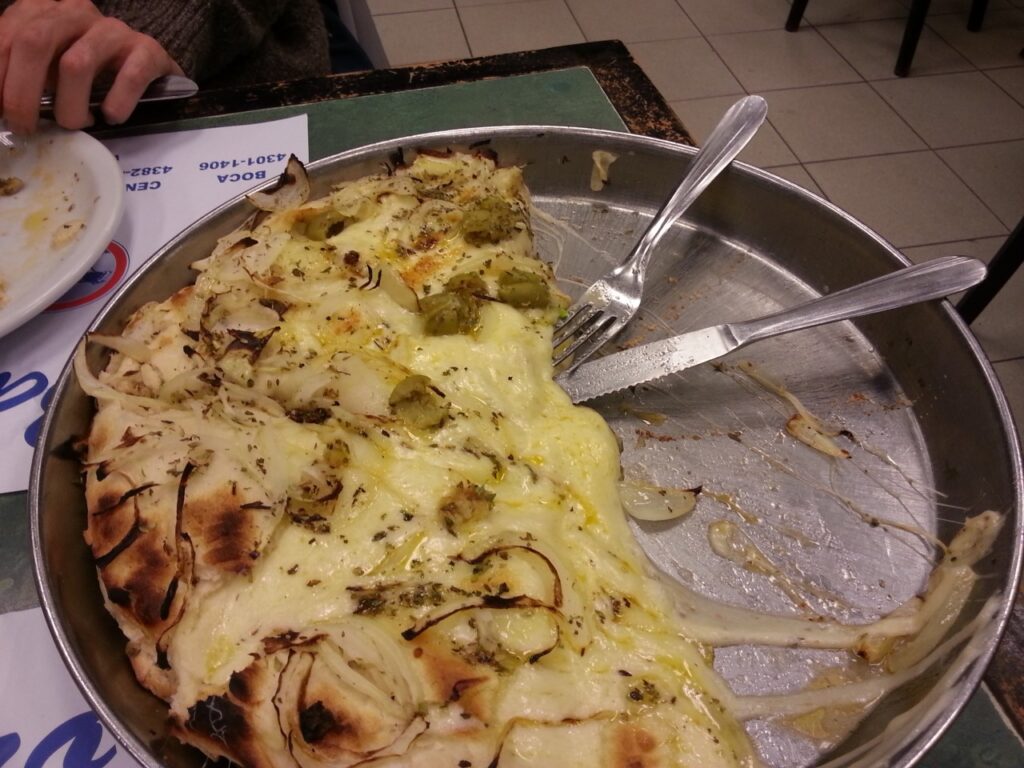
Fugazzeta demonstrates how immigration reshaped Argentine food without copying it exactly. Inspired by Italian pizza, this dish evolved into something heavier and more cheese-focused. A thick dough base is stuffed with mozzarella and topped with onions, often without tomato sauce. The result is rich, filling, and unmistakably local. Fugazzeta reflects Buenos Aires’ working-class neighborhoods, where hearty food mattered more than lightness. Its popularity shows how Argentine cuisine adapts outside influences to suit local tastes and habits. It is indulgent, communal, and designed to satisfy hunger rather than elegance.
8. Dulce de Leche Desserts

Dulce de leche defines Argentina’s sweet identity as strongly as beef defines its savory one. Slowly cooked milk and sugar create a thick caramel spread used generously rather than sparingly. It fills cookies, cakes, pastries, and crepes, appearing in everyday desserts and celebrations alike. Dairy abundance made this possible, and patience made it successful. The flavor is rich but not sharp, comforting rather than complex. Its widespread use shows how Argentine cuisine values familiarity and warmth. Dulce de leche proves that the country’s culinary soul is built as much on milk and time as it is on fire and meat.