7 Best Grocery Chains in the U.S. for Fresh Produce That Actually Lasts

Fresh produce should actually stay fresh once it makes it home. Too often, shoppers bring home beautiful fruits and vegetables only to watch them soften, wilt, or mold within days. The difference usually comes down to sourcing, turnover speed, temperature control, and how carefully a store manages its produce department. Chains that move inventory quickly, work closely with growers, and monitor handling conditions consistently deliver longer-lasting quality. What this really means is fewer wasted groceries, better flavor throughout the week, and more confidence when planning meals ahead. These grocery chains have built strong reputations for produce that holds its texture, color, and taste well beyond the first day.
1. Wegmans Delivers Farmers Market Quality With Consistent Turnover

Step into a Wegmans produce department, and the first thing you notice is how alive everything looks. Displays are full, colorful, and rotated constantly, which matters more than most shoppers realize. High turnover means fruits and vegetables do not sit under lights for days, losing moisture and flavor. Wegmans also prioritizes seasonal sourcing and regional farms when possible, which shortens the time between harvest and shelf. That translates directly into produce that holds up better once you bring it home. Greens stay crisp longer, berries resist early mold, and herbs keep their aroma instead of wilting overnight. Staff are trained to pull tired items quickly, so shoppers are rarely sorting through declining quality. Temperature control and misting systems are also carefully managed to protect delicate items without oversaturating them. What this really means is fewer spoiled items in your fridge and less waste by the end of the week. For households that cook often or buy produce in larger quantities, that reliability makes a noticeable difference.
2. Whole Foods Market Excels at Organic Sourcing and Fresh Handling

Whole Foods earns its reputation by treating produce as a core identity rather than just another department. Many items are organic, which often means stricter handling standards and faster distribution cycles. The chain invests heavily in cold chain management, ensuring fruits and vegetables remain at optimal temperatures during transport and storage. That slows moisture loss and reduces premature breakdown. Shoppers often notice that apples stay firm longer, leafy greens keep their structure, and delicate items like berries or herbs maintain freshness several days past purchase. Another advantage is traceability. Whole Foods works closely with growers and audits sourcing practices, which helps maintain consistency across regions. Stores also rotate stock aggressively and remove aging items before quality dips. The result is a product that not only tastes fresher on day one but continues performing well through the week. For people who meal plan or shop once weekly, that extended shelf life adds real value beyond the higher sticker price.
3. The Fresh Market Focuses on Curated Selection and Careful Display
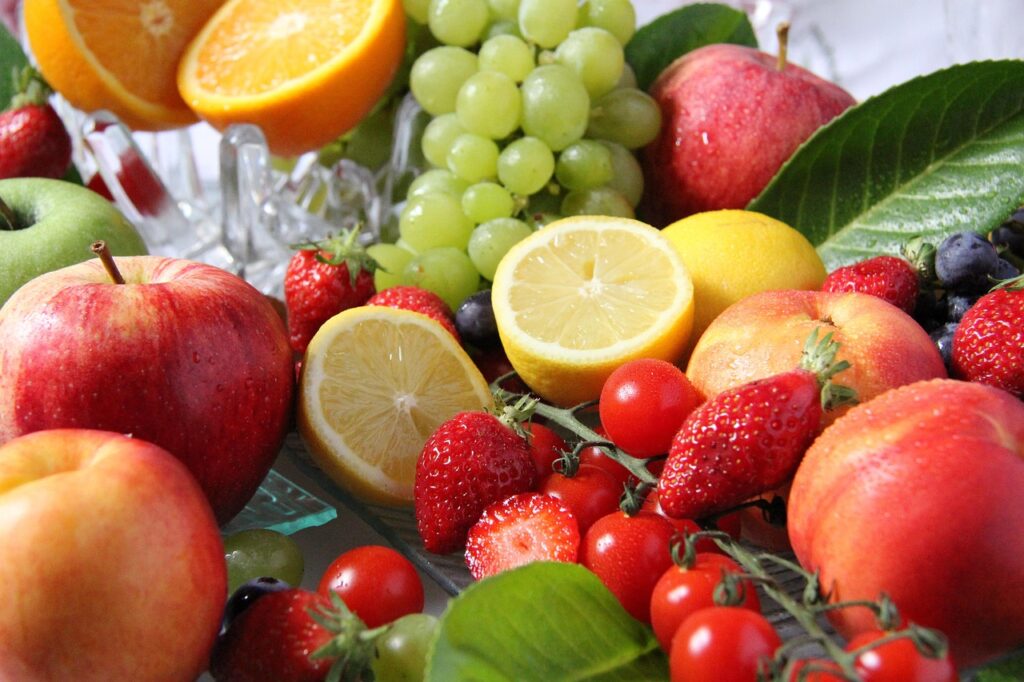
The Fresh Market takes a more boutique approach to produce, and that shows in how carefully items are selected and displayed. Instead of overwhelming shoppers with endless variety, the assortment is curated around peak season quality and specialty items that perform well in flavor and texture. Displays are smaller and refreshed frequently, which keeps aging product from lingering too long. Staff regularly rotate and inspect produce to maintain visual and structural quality. This attention shows up at home when produce holds firmness and color longer than expected. Items like tomatoes, citrus, and greens tend to ripen evenly instead of collapsing quickly. The store environment also supports produce health through controlled lighting and airflow that reduces dehydration. What this really means is consistency. Shoppers develop confidence that what looks good in the store will still look good several days later in their kitchen. That reliability builds trust and reduces the frustration of premature spoilage.
4. H-E-B Balances Local Sourcing With Strong Quality Control

H-E-B stands out because of its strong relationships with regional growers and its emphasis on fast distribution within its operating areas. Local sourcing shortens travel time, which preserves texture, flavor, and moisture in produce. Many items arrive in stores closer to harvest compared to national supply chains that rely on longer shipping routes. H-E-B also maintains strict quality standards at the store level, removing bruised or aging items quickly to protect overall display quality. Temperature monitoring and frequent restocking help sensitive items like avocados, leafy greens, and berries perform better at home. Shoppers consistently report that produce remains usable longer, which reduces food waste and grocery replacement costs. Another advantage is staff familiarity with seasonal conditions, allowing better handling adjustments throughout the year. What this really means is produce that behaves predictably in your fridge rather than deteriorating unpredictably after only a few days.
5. Sprouts Farmers Market Prioritizes Organic Volume and Seasonal Rotation
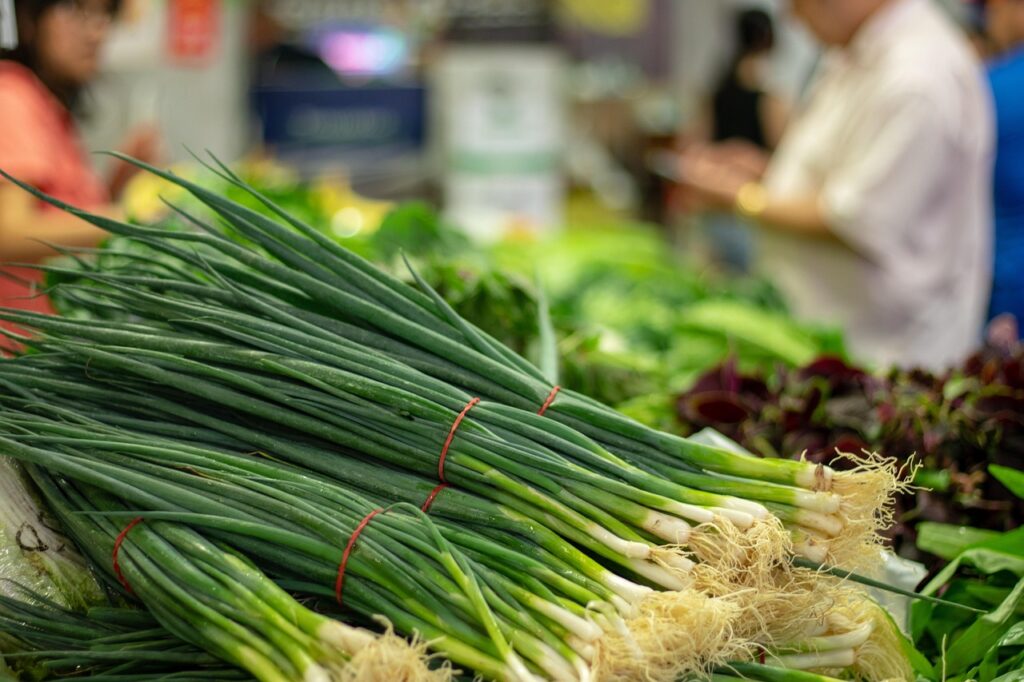
Sprouts builds its produce department around volume and turnover, especially in organic categories. High movement keeps items from sitting too long under store lighting and fluctuating temperatures. Seasonal rotation ensures shoppers are buying produce at its natural peak, which improves durability and flavor after purchase. Many shoppers notice that greens, peppers, and citrus hold firmness longer compared to slower moving departments elsewhere. Sprouts also uses open display layouts that encourage airflow, helping regulate moisture and reduce condensation that can accelerate spoilage. Staff refresh displays often and rotate inventory consistently to avoid hidden aging stock. Pricing tends to encourage faster sell through, which further supports freshness. What this really means is produce that performs well for households cooking multiple meals per week without needing midweek replacement trips. For shoppers balancing quality and value, Sprouts delivers strong longevity without premium pricing pressure.
6. Fresh Thyme Market Emphasizes Regional Partnerships and Organic Variety

Fresh Thyme has earned loyalty in many Midwestern markets by blending local partnerships with a strong organic selection. Shorter supply routes preserve freshness and reduce handling stress on delicate items. Mushrooms, greens, and specialty produce often arrive in excellent condition and maintain texture longer at home. The store layout encourages quick rotation and visibility so aging stock is identified early. Temperature controlled backrooms and careful stocking practices protect fragile produce from dehydration or bruising. Shoppers benefit from consistent quality without paying luxury pricing premiums. Another advantage is seasonal alignment, which keeps selections focused on what performs best during each part of the year. What this really means is dependable produce that behaves the way you expect it to once stored in your refrigerator. That predictability builds confidence and reduces waste across weekly grocery cycles.
7. Heinen’s Maintains High Standards Through Smaller Scale Attention
Heinen’s operates on a smaller regional scale, which allows for tighter quality control and more hands-on management of produce displays. Staff monitor freshness closely and rotate stock frequently, preventing slow-moving items from lingering too long. Produce sourcing emphasizes quality over volume, which keeps standards consistent even during seasonal shifts. Lighting, humidity control, and temperature management are tuned carefully to protect shelf life. Shoppers often notice that greens remain crisp, citrus holds juiciness, and berries resist early mold compared to larger high-traffic chains. The smaller footprint also allows quicker response to quality issues and faster adjustments when supply conditions change. What this really means is produce that feels intentionally cared for rather than mass handled. For shoppers who value consistency and lower waste, Heinen’s delivers dependable performance despite its limited geographic reach.