11 Powdery Pantry Foods That Can Secretly Make You Sick

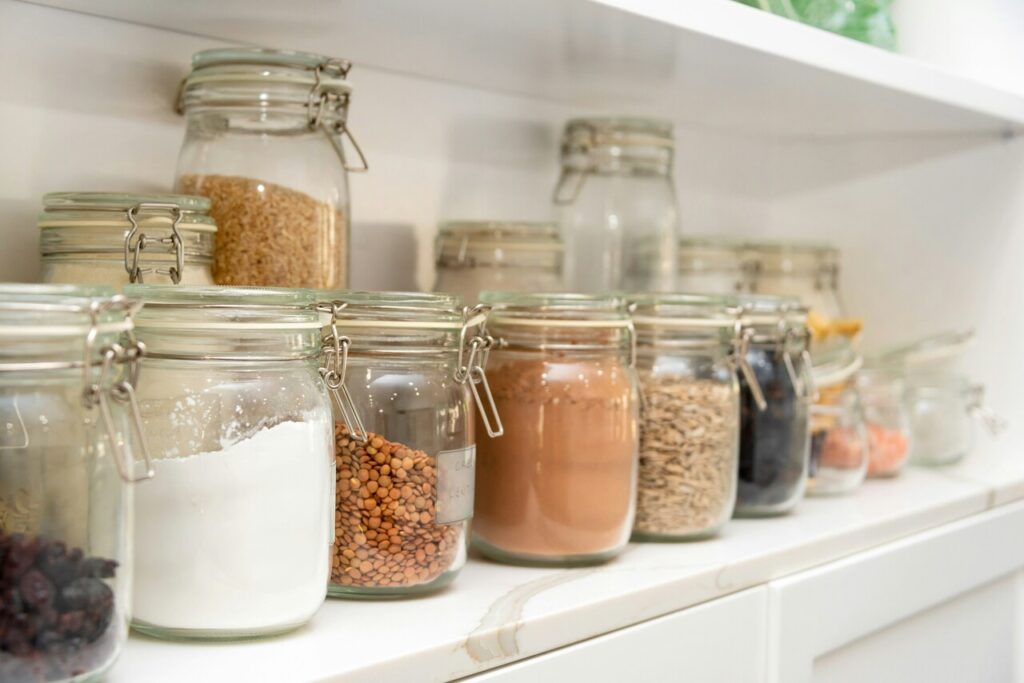
Dry and powdery foods often look harmless because spoilage is not obvious, yet several pantry staples can carry real hazards when handled the wrong way, eaten raw, or sourced from poor processing. Raw flour and baking mixes can contain bacteria until heat kills them, while some seed and root powders can involve cyanide-forming compounds if products are concentrated or poorly processed. Spices can also spread pathogens when added to ready-to-eat foods. Safety often comes down to cooking, sourcing, and clean handling.
1. Raw Flour
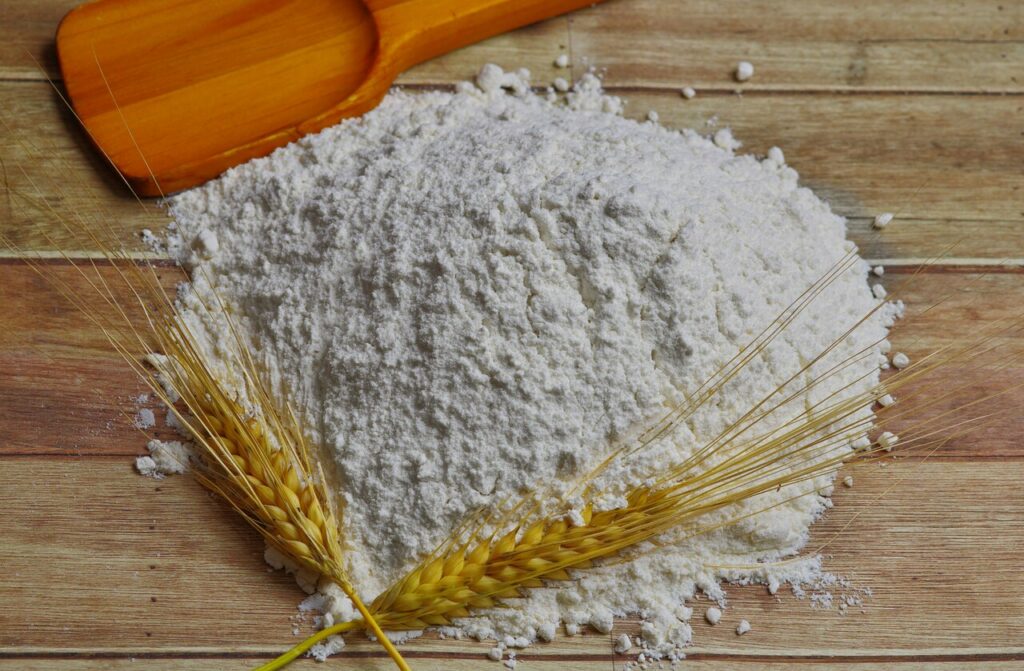
Flour looks harmless because it is dry and familiar, yet it is a raw farm product that does not undergo a kill step during milling, which means bacteria picked up from fields, animals, water, or equipment can still be present until baking or cooking finishes the job. Illness risk often shows up through the tiniest habit: tasting batter, licking a spoon, or nibbling dough, because germs do not need a large dose to cause trouble in some cases, and dry ingredients can still contaminate hands, counters, and utensils during mixing. Another quiet issue is cross-contamination, since flour dust can travel and land on nearby foods that will not be cooked.
2. Raw Cookie Dough Mixes

Cookie dough is marketed as comfort, but the risk comes from the parts that never get cooked, because many mixes still rely on raw flour and sometimes other ingredients that can carry germs, and that means a quick taste can matter even when the dough looks and smells fine. Dry mixes can also spread contamination easily, since scoops, bowls, and hands get coated, then touch fridge handles, phones, and other surfaces, and that creates a chain where germs move far beyond the mixing area. Since chilling does not kill bacteria, and freezing does not reliably kill them either, the dough can stay risky until it is fully baked.
3. Cake Mix Powder
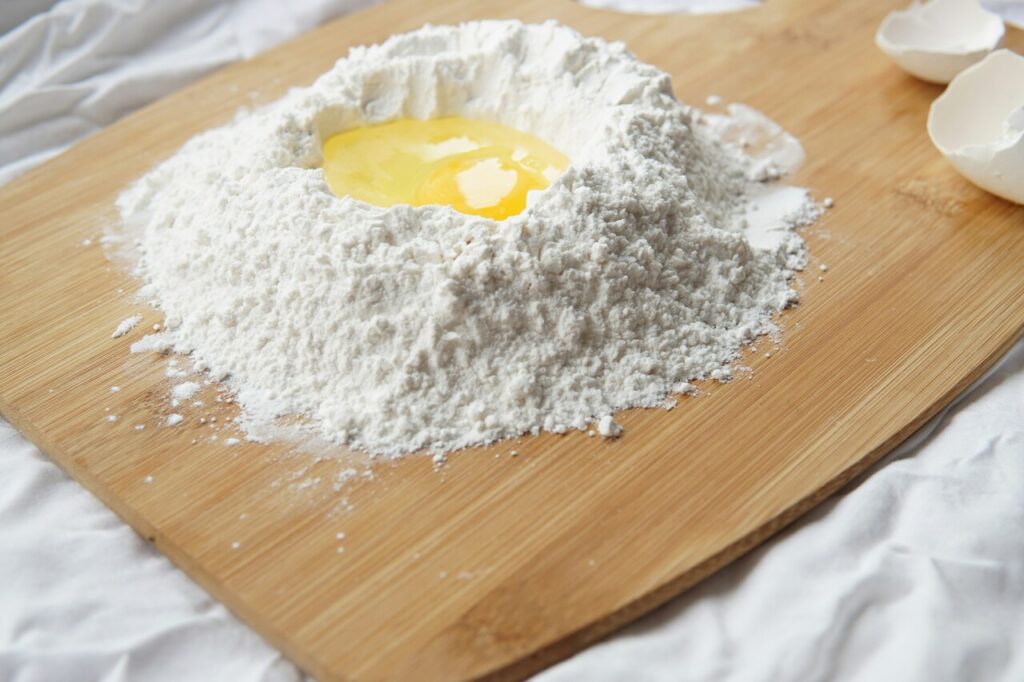
Cake mix feels processed, yet it often contains raw flour that becomes safe only after baking, which is why licking beaters or tasting the powdery batter can be a bigger deal than it seems. Dry products can still carry pathogens, and the issue is not only eating the mix raw but also what happens during preparation, because floury dust and splashes can spread onto counters, towels, and hands, then move onto ready-to-eat foods. The fix is not complicated: treat cake mix like raw ingredients, avoid tasting before baking, and clean surfaces as if raw meat had been handled, because the goal is to break the transfer route.
4. Brownie or Pancake Batter Mix

Batter mixes can look safe because they come in a box and feel shelf-stable, yet the core ingredient is often flour, and flour is raw until heat kills germs, so tasting batter is the biggest risk factor. Pancake and brownie mixes also create a perfect mess scenario, since batter drips, flour dust floats, and bowls get scraped, and those small events can contaminate sinks, sponges, and counters that later touch foods that will not be cooked. Some batters cook unevenly in thick centers, so the outside can look done while the inside stays partly raw. Do not taste batter, cook thoroughly, and wash hands and tools promptly to prevent spread.
5. Raw Batter
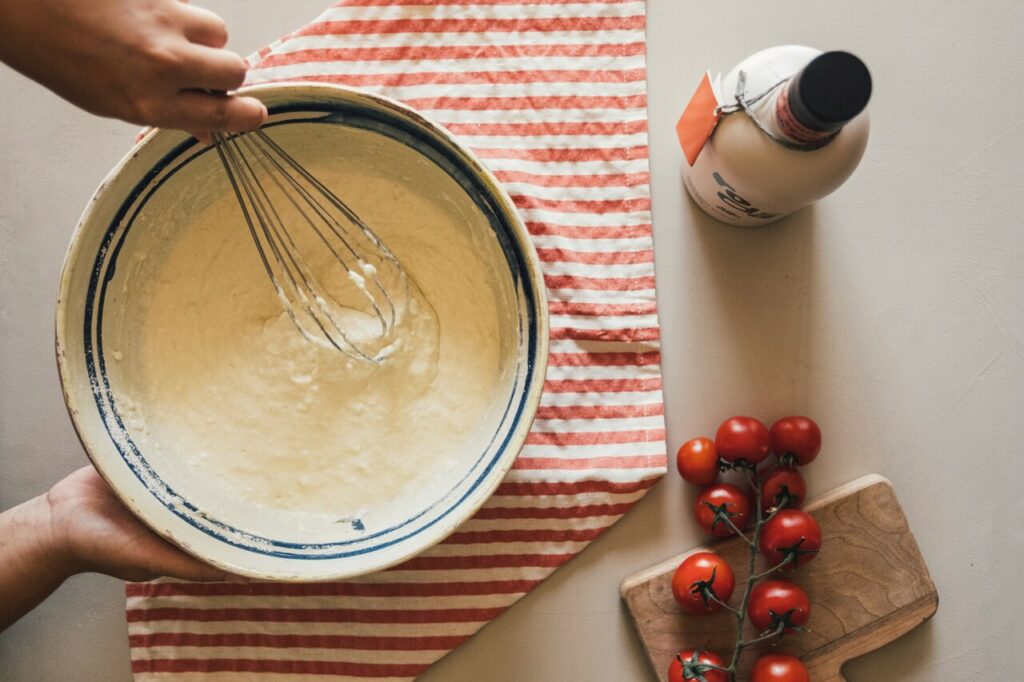
“Edible” batter only becomes truly lower risk when flour gets treated, because regular flour is not designed to be eaten raw, and without a kill step, it can still carry harmful bacteria. Many homemade versions skip that detail and rely on removing eggs or using pasteurized eggs, yet flour remains the weak link, so the label “egg-free” can create false confidence. A safer approach uses heat-treated flour, which means briefly baking flour or using flour sold as heat-treated, because heat is what reduces pathogen risk. The end result can still be a fun treat, but only when the basic food safety step is built into the recipe.
6. Ground Nutmeg
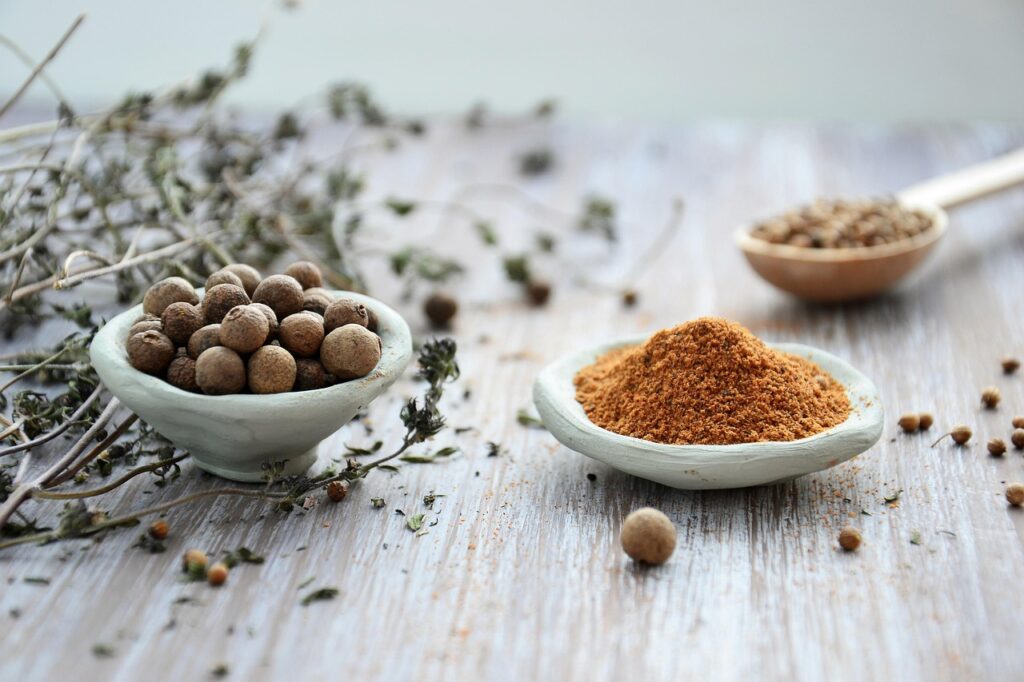
Nutmeg is a tiny spice with an oversized safety caveat, because in large amounts it can cause toxic effects linked to compounds such as myristicin, and the symptoms can be unpleasant and sometimes serious. Most everyday cooking uses very small quantities, which is why nutmeg is generally safe in typical recipes, yet problems arise when it is taken in concentrated doses, such as spoonfuls added to drinks or DIY “remedy” experiments. Effects reported in medical literature and consumer health guidance include nausea, dizziness, confusion, and a racing heart, and the timeline can be delayed, which makes it harder to connect the symptoms to the spice.
7. Cassava Flour

Cassava flour can be a useful gluten-free option, but cassava also contains naturally occurring compounds that can release cyanide if processing is poor or incomplete, which is why proper preparation and reputable sourcing matter. The risk is tied to cyanogenic glycosides, plant chemicals that can convert to hydrogen cyanide, and that conversion can be higher when cassava is not correctly processed to reduce those compounds before drying and milling. Health effects from cyanide exposure can include headache, dizziness, nausea, and, in severe cases, much more serious outcomes, so the ingredient deserves respect.
8. Tapioca Flour
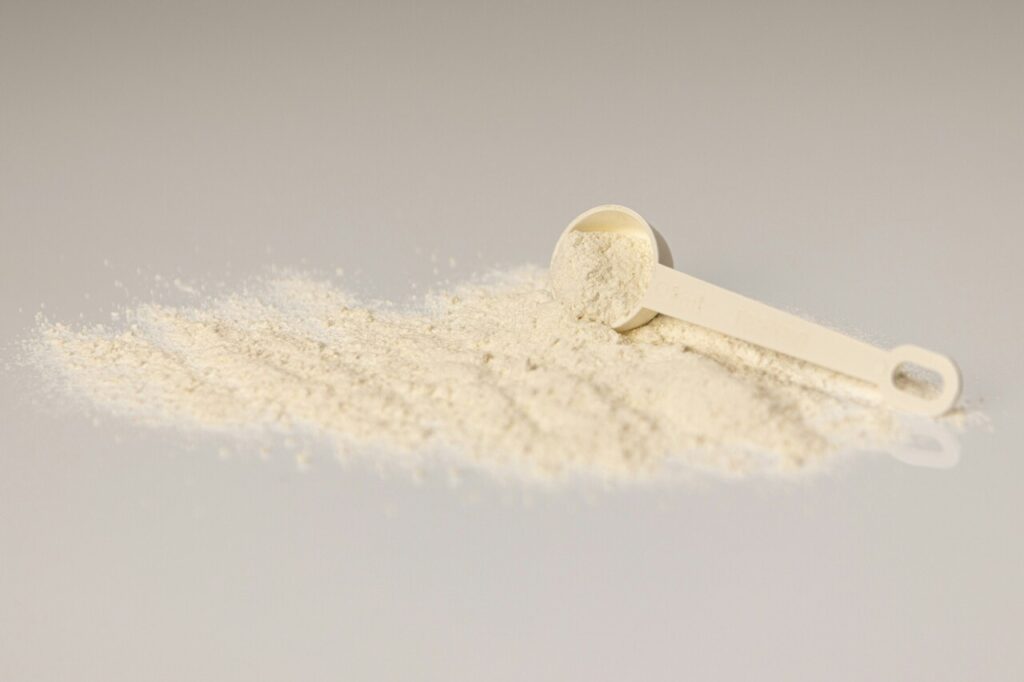
Tapioca flour is often viewed as neutral and gentle, yet it comes from cassava, so the same underlying cyanide risk can exist when processing fails, even if most mainstream products are handled safely. Cyanogenic compounds are naturally present in cassava, and proper processing is designed to reduce them, which is why quality control is the real safety factor. Problems are more likely when products are made under inconsistent conditions, where steps that remove or reduce cyanogenic glycosides are shortened, skipped, or poorly monitored. Reliable brands and regulated supply chains are the practical guardrails here.
9. Apricot Kernel Powder
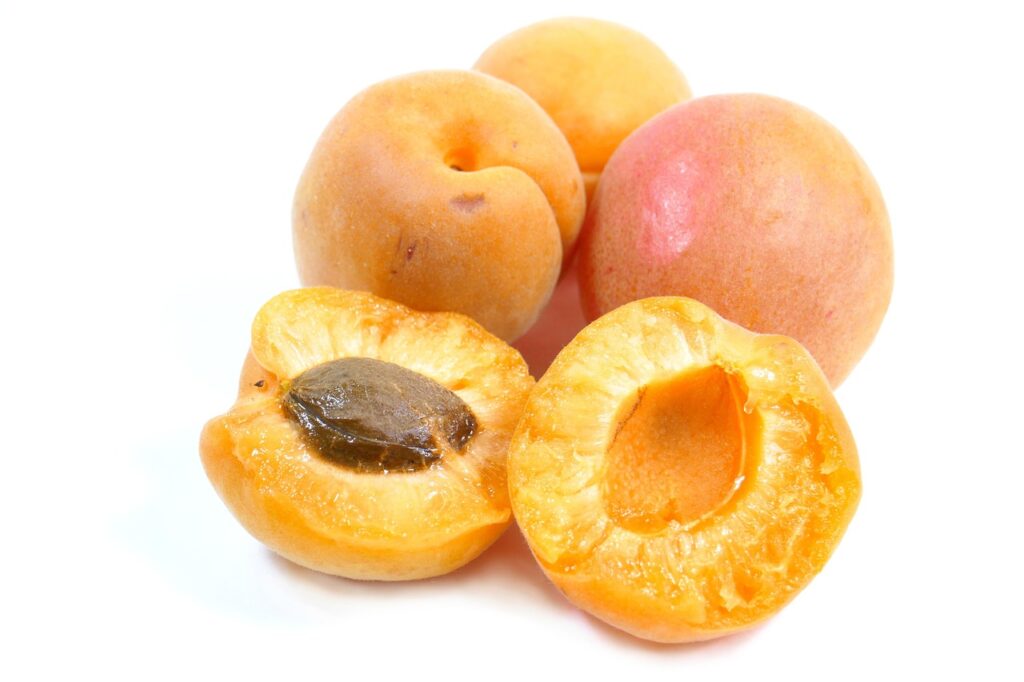
Apricot kernels are sometimes sold in powdered form with wellness claims, yet the real headline is chemistry, because the kernels can contain amygdalin, a compound that can convert to cyanide in the body. That conversion is the reason food safety authorities have warned that even relatively small amounts can exceed safe levels. Risk also rises when kernels are raw or concentrated, since processing choices affect how much amygdalin remains and how quickly cyanide can be released after ingestion. The safest path is avoiding kernel powders altogether and choosing safer seed options for nutrition.
10. Bitter Almond Powder
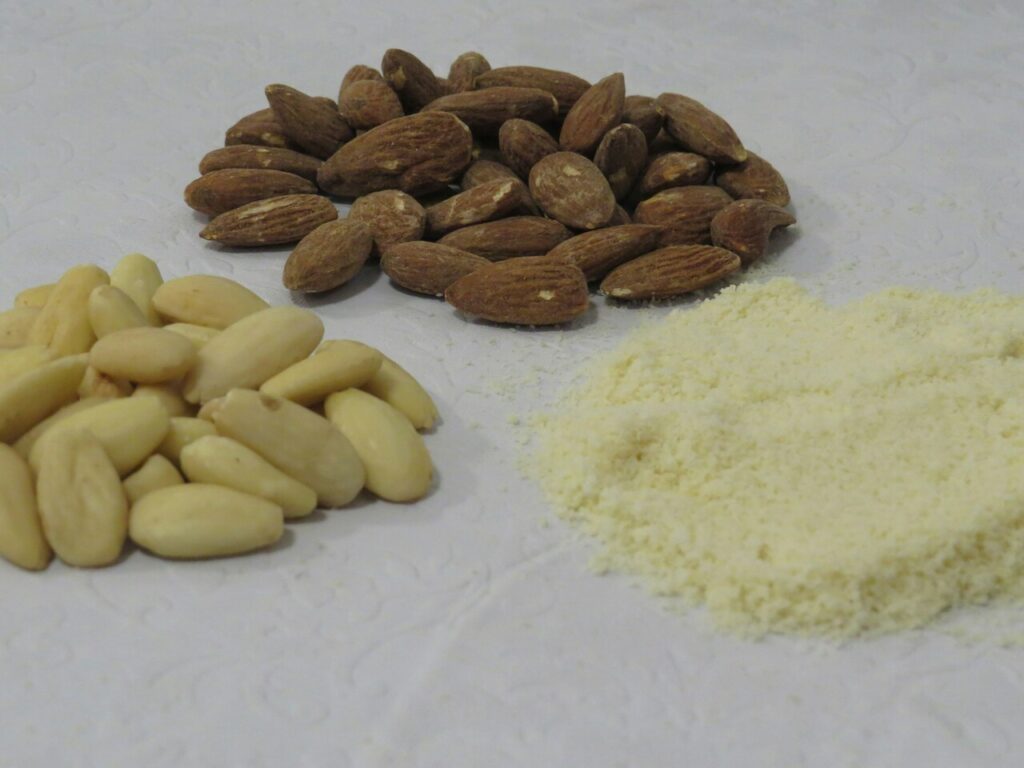
Bitter almonds are not the same as the sweet almonds used in everyday snacks, because bitter varieties can contain much higher levels of amygdalin, which can convert into cyanide after consumption. Powdered forms increase concern, since grinding increases surface area and can make the compound more accessible during digestion, which can raise the risk if consumed in meaningful amounts. Some products marketed as “natural” or “traditional” can blur the difference between bitter and sweet almond sources, so labeling and origin matter a lot. Avoiding bitter almond powders and sticking to regulated flavorings designed for safety is the smart line.
11. Ground Spice
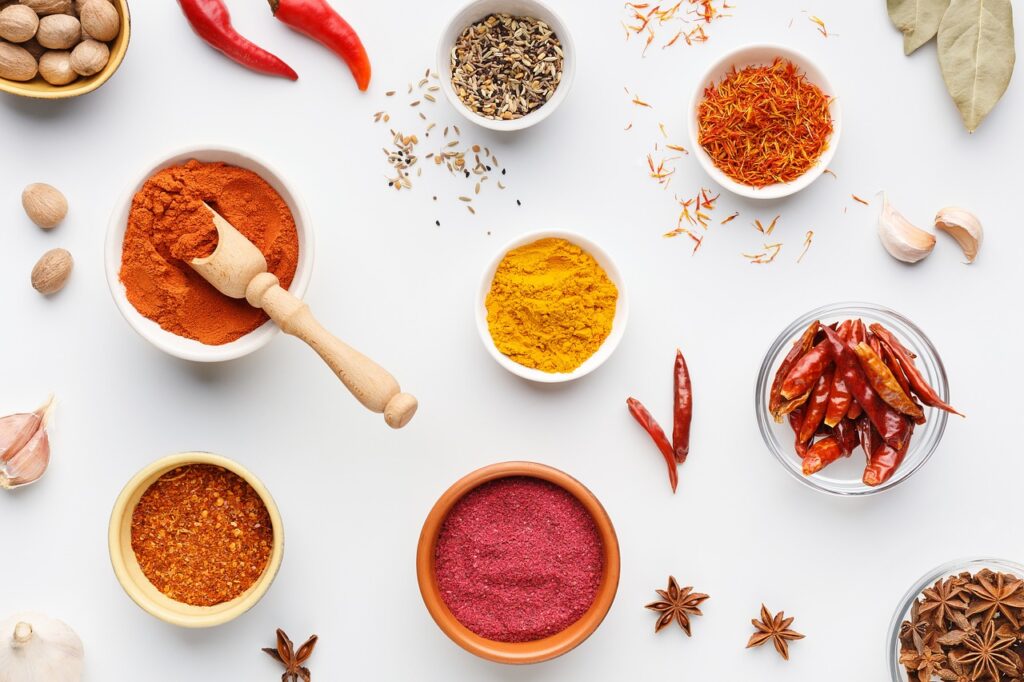
Spices feel safe because they are dry, yet dryness does not guarantee cleanliness, and food safety work has repeatedly found that pathogens like Salmonella can be associated with contaminated spices, especially when controls are inconsistent across global supply chains. Spices can become contaminated during harvesting, drying on open surfaces, processing, or storage, and once contaminated, they can spread germs into foods that are not cooked. Another factor is that spice contamination can be hard to detect, since smell and appearance often stay normal, so the first signal can be illness, not spoilage.