11 Sicilian Recipes That Often Disappoint Home Cooks

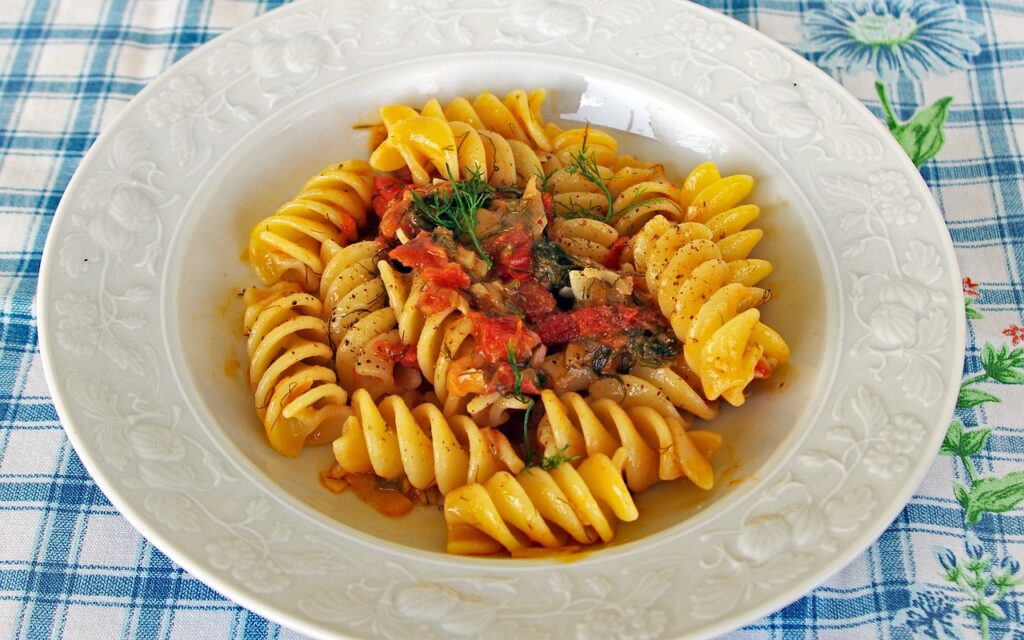
Sicilian cooking is shaped by geography, seasonality, and everyday tradition, which is why many well-known dishes prove difficult for home cooks elsewhere. Recipes often depend on ultra-fresh seafood, specific produce, precise timing, or street food methods that are hard to replicate at home. Understanding why these recipes disappoint outside Sicily helps explain what makes them truly special and why they succeed best in their native setting. Without the right ingredients or experience, flavors can feel unbalanced, textures can suffer, and the final dish may seem underwhelming.
1. Pasta con le Sarde
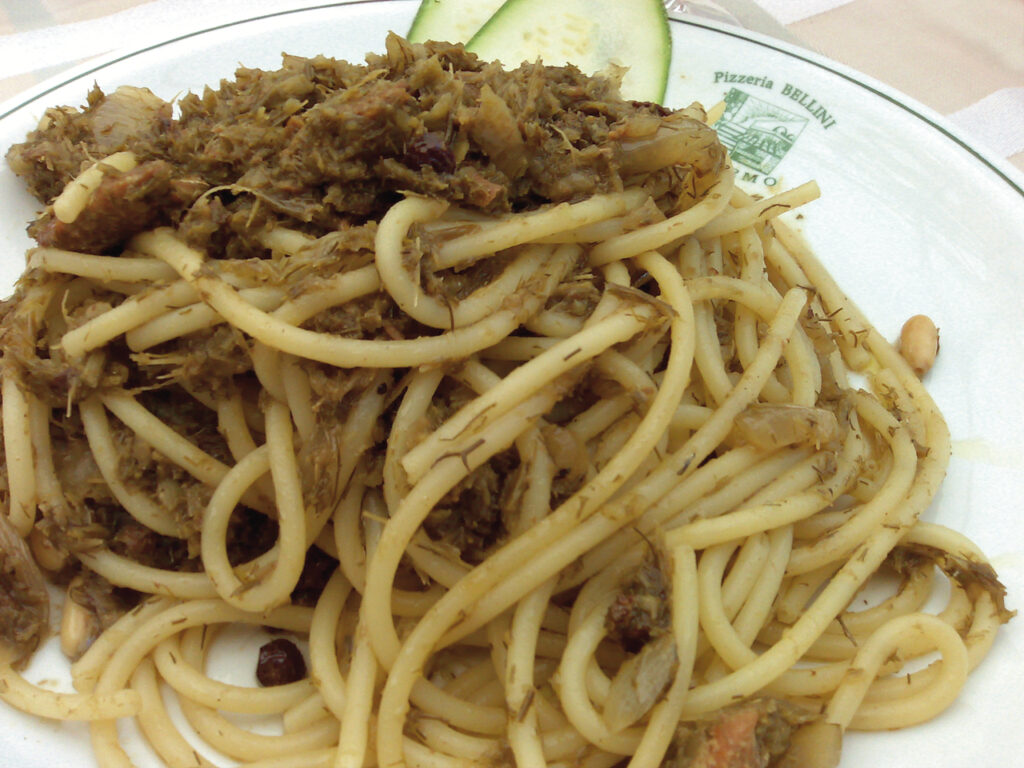
At first glance, pasta con le sarde sounds like a bold but comforting Sicilian classic, yet it is one of the dishes that most often falls flat in home kitchens. The recipe relies on a precise balance of contrasting flavors: oily sardines, sweet raisins, earthy wild fennel, crunchy breadcrumbs, and salty anchovies. When even one element is off, the dish can feel muddled or overpowering. Outside Sicily, wild fennel is difficult to source, and substitutions rarely deliver the same aromatic depth. Without careful layering and restraint, the dish loses its harmony and becomes confusing instead of cohesive.
2. Caponata
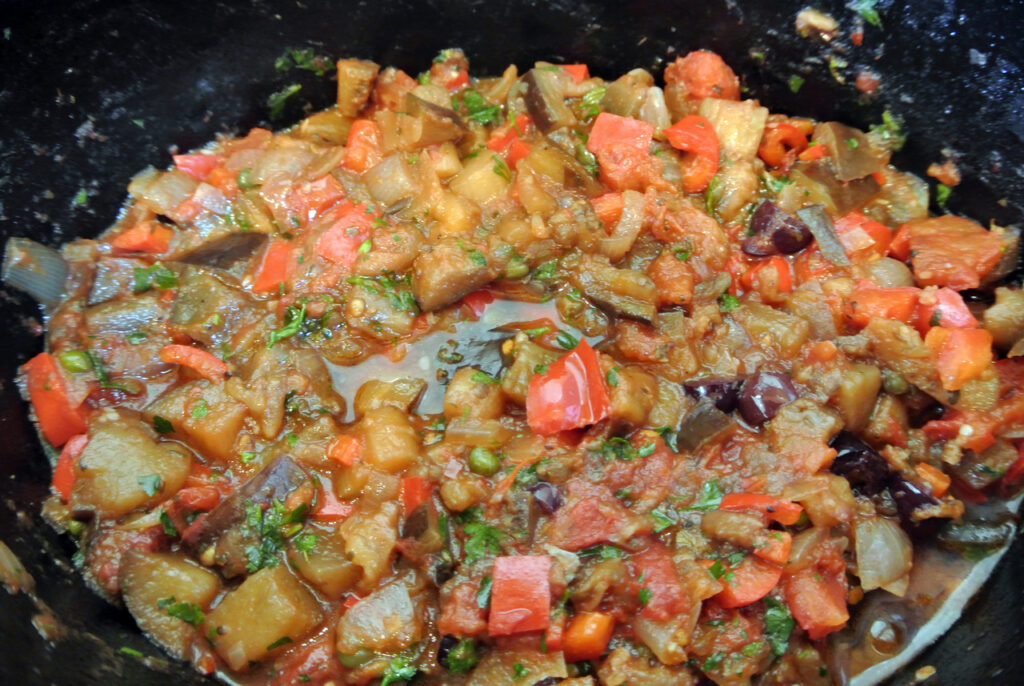
Caponata often disappoints because it is mistaken for a simple eggplant stew when it is actually a carefully controlled sweet and sour preparation. The defining agrodolce balance comes from vinegar and sugar used sparingly and at the right moment. Too much vinegar makes the dish harsh, while excess sugar turns it cloying. Eggplant must be properly fried first, not stewed, to maintain texture and flavor. Home cooks often rush this step or skip salting, leading to greasy or bitter results. Caponata also improves with rest, allowing flavors to settle, which clashes with expectations of immediate gratification.
3. Pasta alla Norma
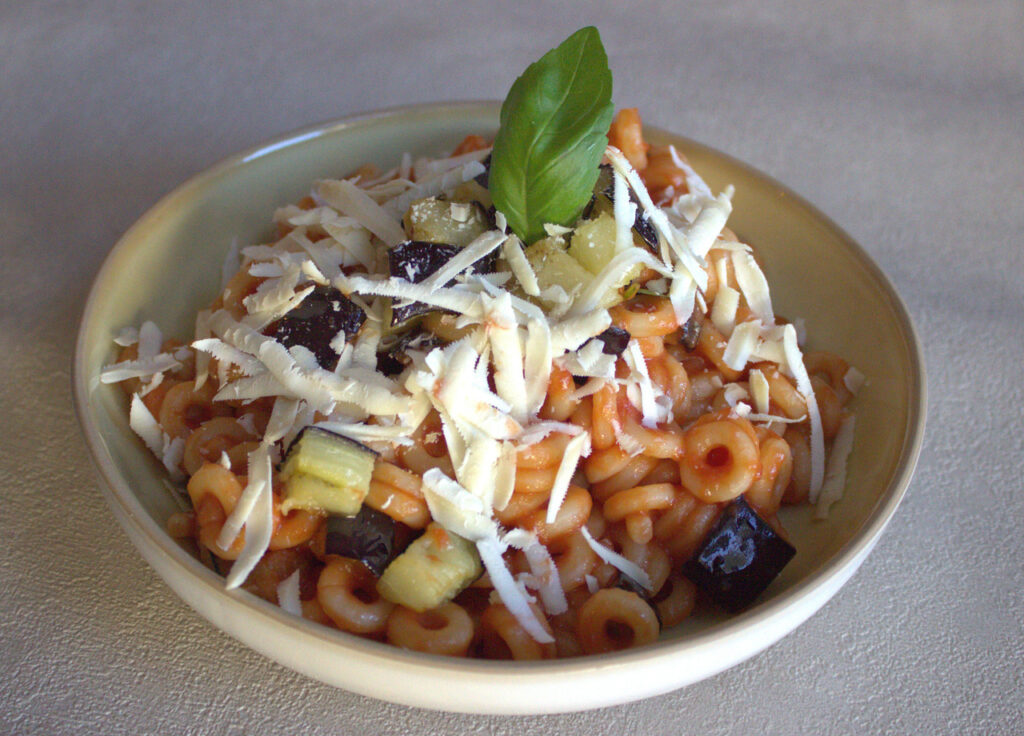
Pasta alla Norma looks deceptively simple, but its success depends almost entirely on technique and ingredient quality. Eggplant must be sliced correctly, salted thoroughly, and fried at the right temperature to avoid sogginess. The tomato sauce should be clean and lightly acidic, never thick or sweet. Ricotta salata, a key finishing element, is often substituted with the wrong cheese, which alters the dish completely. When these details are missed, the pasta becomes flat and oily rather than rich and structured. What should feel elegant and balanced instead comes across as sloppy and heavy if unnoticed.
4. Pani câ Meusa
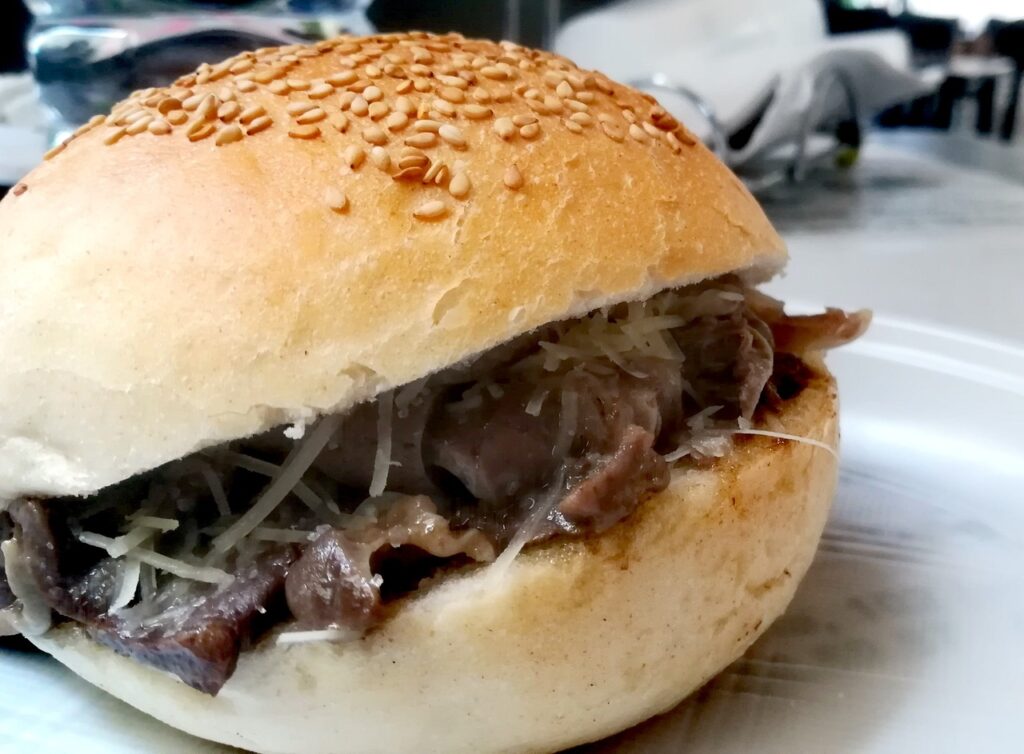
Pani câ meusa is deeply tied to Palermo street food culture, which makes it especially hard to translate to a home setting. The sandwich uses veal spleen and lung, slow-cooked in fat until tender, then stuffed into a soft roll. For many home cooks, sourcing and preparing offal is unfamiliar territory. Texture is the main hurdle, since overcooking turns the meat grainy, while undercooking leaves it chewy. Flavor also relies on contrast between rich meat and fresh bread, something difficult to recreate without traditional techniques. Without cultural context and experience, the dish often feels heavy or unbalanced rather than satisfying.
5. Sfincione
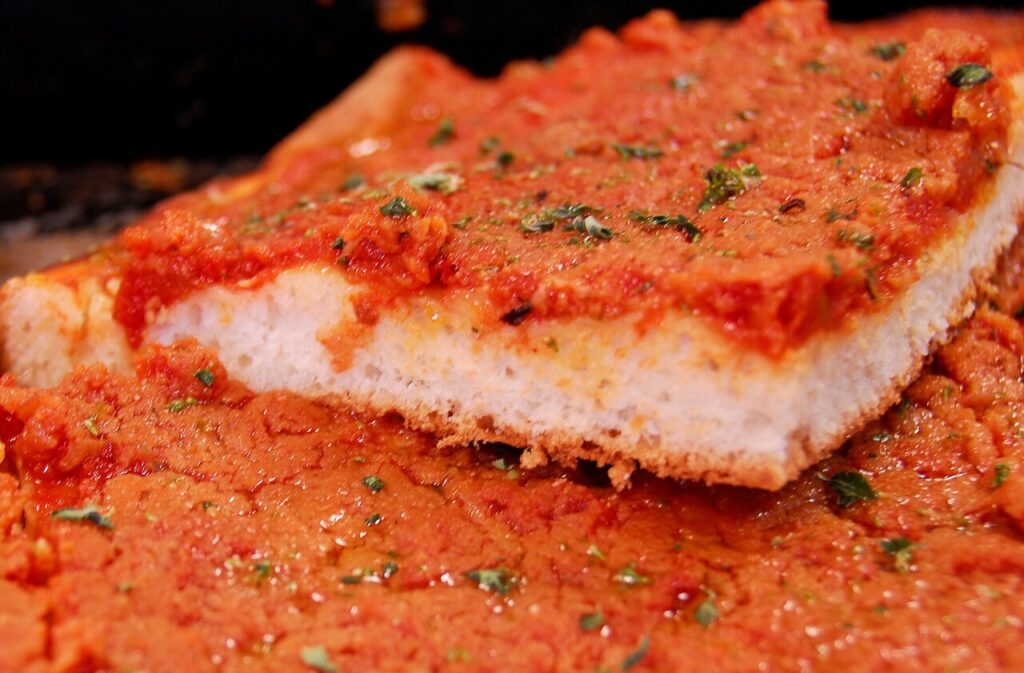
Sfincione is often misunderstood as just thick pizza, but that assumption leads to disappointment. The dough is meant to be airy and well-fermented, not dense or bready. The topping relies on slow-cooked onions, anchovies, and breadcrumbs rather than heavy cheese. Many home versions fail because the dough lacks structure or the sauce lacks depth. Baking temperatures also matter greatly, as sfincione needs strong bottom heat to rise properly. When made incorrectly, it tastes bland instead of savory and aromatic. Without understanding its purpose and proportions, sfincione can feel like an imitation rather than a distinct Sicilian specialty.
6. Busiate alla Trapanese
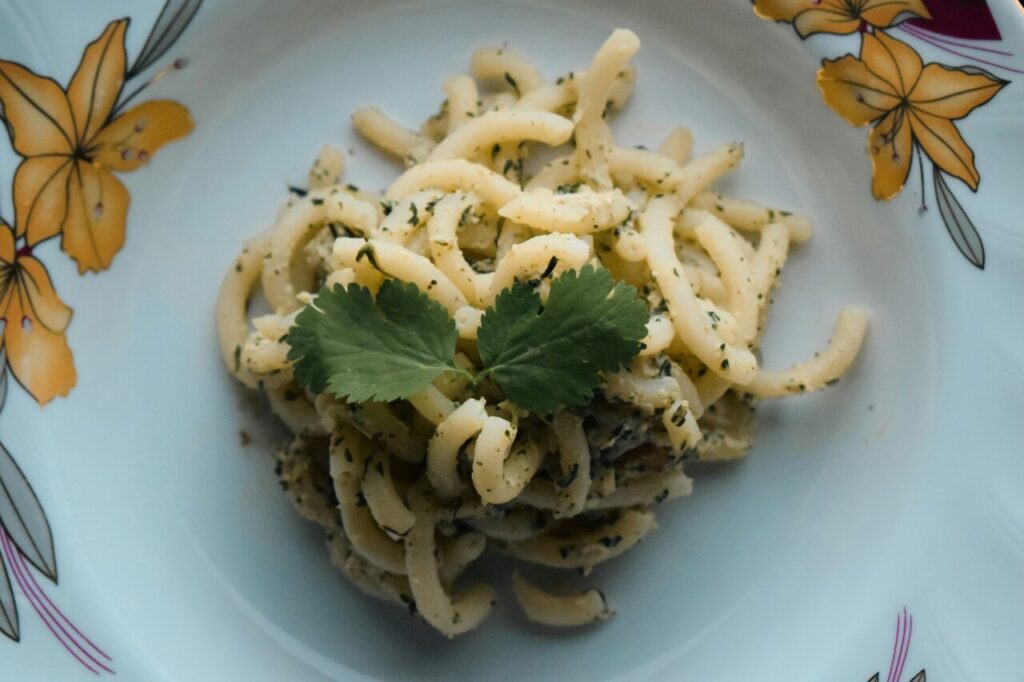
Busiate alla Trapanese depends on freshness above all else, which is where many home cooks struggle. The sauce uses raw tomatoes, almonds, garlic, basil, and olive oil, blended into a coarse pesto. If tomatoes lack sweetness or almonds are stale, the sauce tastes flat and gritty. Texture is also crucial, as it should cling lightly to the pasta rather than form a paste. Busiate pasta itself is difficult to find, and substitutions do not hold sauce the same way. Temperature also matters, since overheating dulls the raw flavors that define the sauce. Without restraint, what should taste vibrant and clean often comes across as muddled and heavy.
7. Crocchè
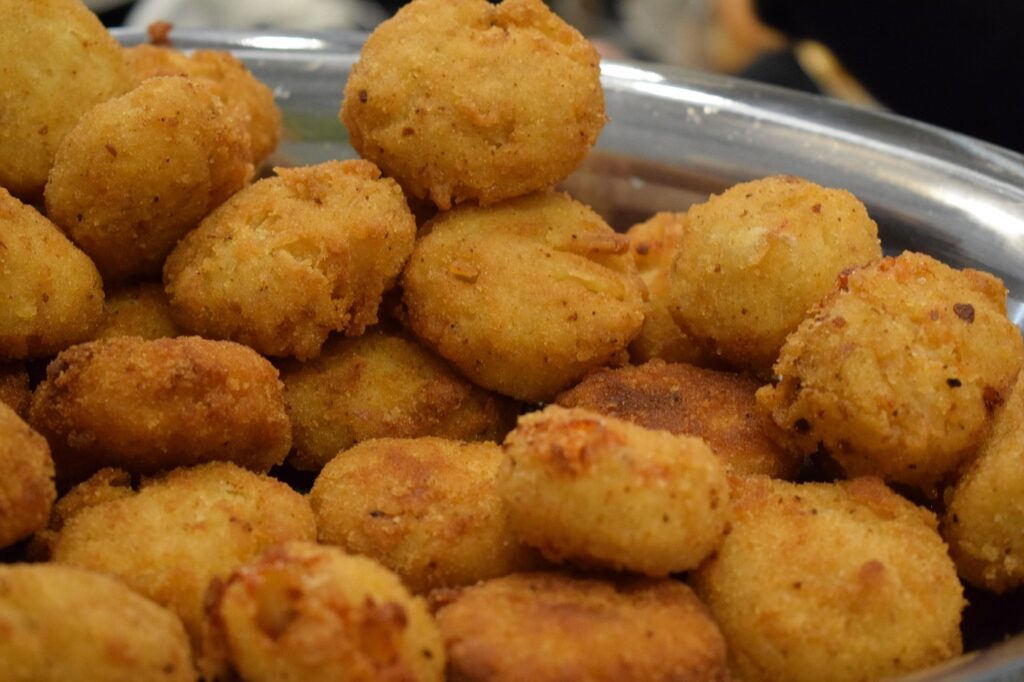
Crocchè seems simple, but frying exposes every mistake. The potatoes must be dry and well seasoned, or the interior becomes bland and loose. If the mixture is too wet, crocchè burst during frying; too dry, and they crack. Oil temperature is critical, as low heat leads to greasiness while high heat burns the exterior before the inside warms through. Many home kitchens lack the setup for consistent frying, which makes results unpredictable. When crocchè fail, they feel heavy and oily instead of crisp and comforting. Even slight inconsistencies in potato variety can change the outcome significantly.
8. Pasta chi Vrocculi Arriminati
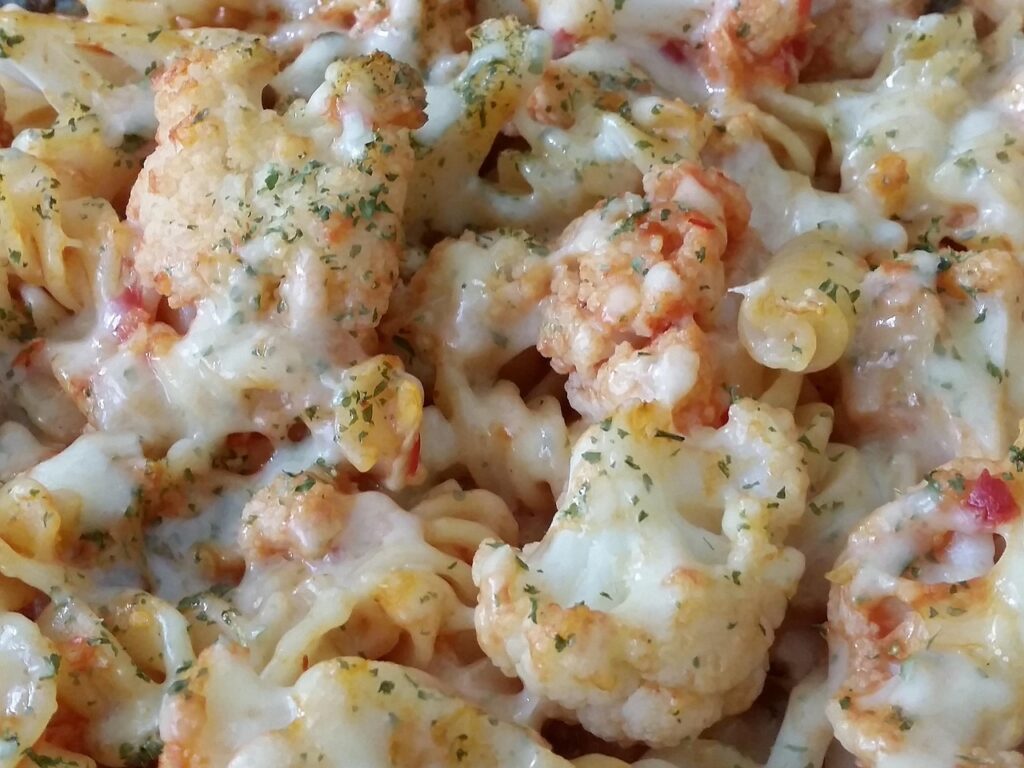
This cauliflower-based pasta relies on slow cooking and careful agitation to create its signature creamy texture. The cauliflower must break down enough to coat the pasta while still retaining structure. Breadcrumbs add body and richness, but too many make the dish dry. Anchovies provide depth, but excess turns it salty. Home cooks often rush the process or misjudge proportions, resulting in a dish that feels crumbly or bland. Without patience and experience, the sauce never quite comes together. The timing window is narrow, and missing it by even a few minutes affects the final texture. As a result, the dish often lacks the comfort it promises.
9. Granita con Brioche
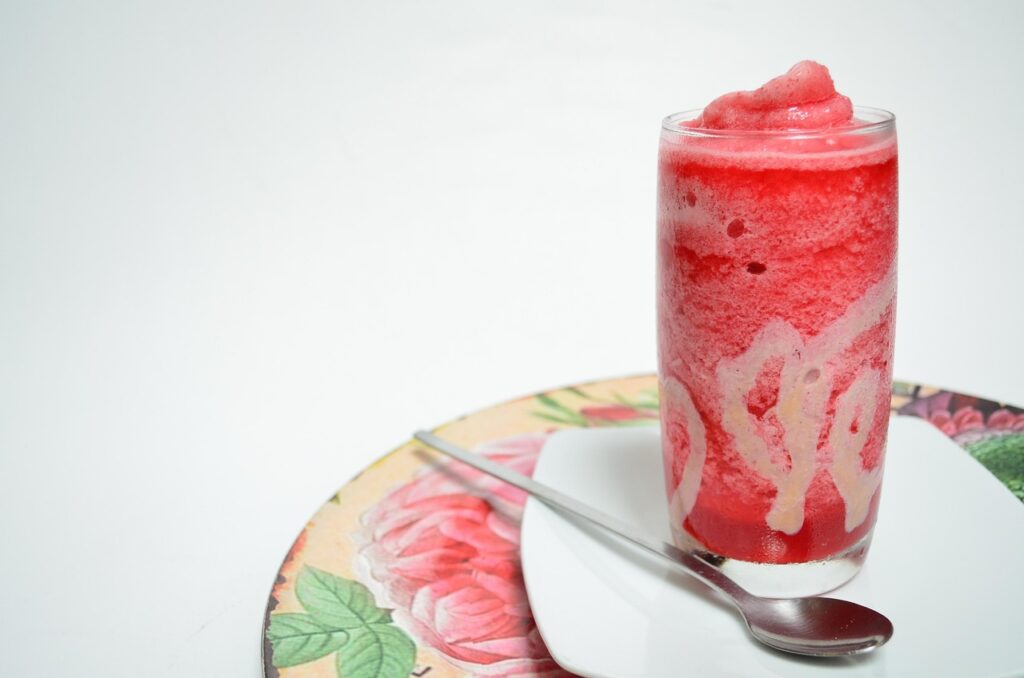
Granita con brioche is all about texture, which is precisely why it disappoints at home. Authentic granita should be smooth and spoonable, not icy or grainy. Achieving this requires constant stirring during freezing or specialized equipment. Many home versions end up closer to crushed ice than frozen cream. Flavor concentration also matters, as weak syrups produce bland results. Brioche adds contrast, but without proper granita, the pairing feels awkward. Even minor temperature fluctuations during freezing can ruin the structure. When texture fails, the dish feels like a novelty rather than a refined Sicilian classic.
10. Panzerotti
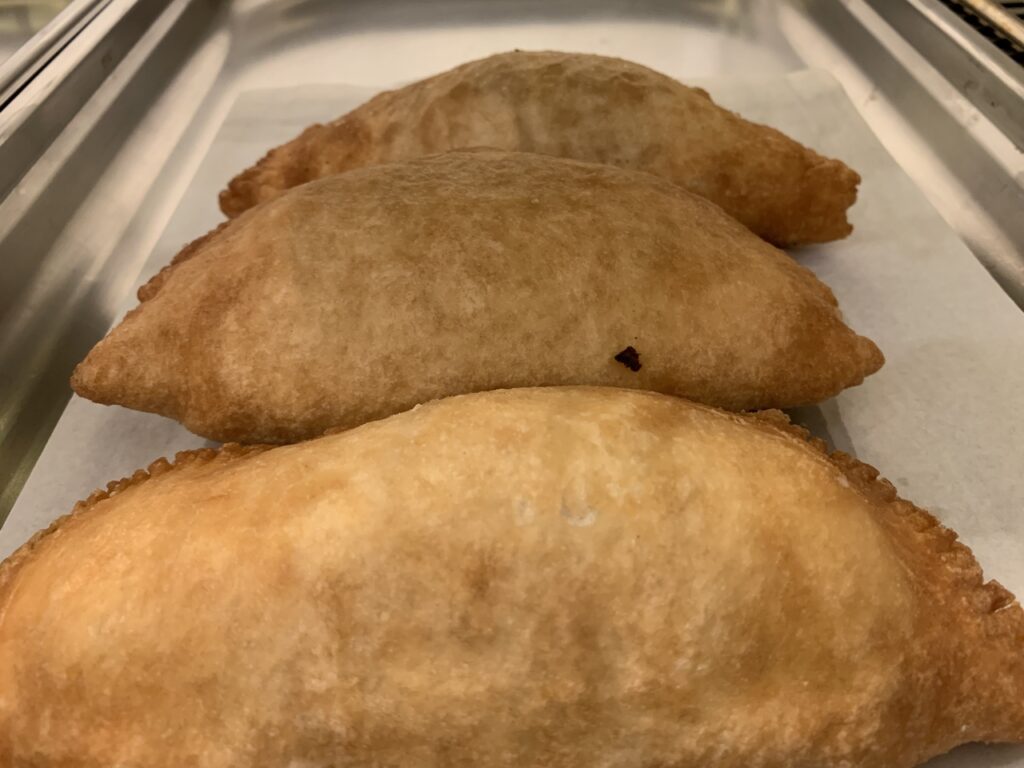
Panzerotti demand control over dough, filling moisture, and oil temperature, which makes them challenging outside professional kitchens. Dough that is too thin tears; too thick, and it remains raw inside. Fillings release steam during frying, which can cause leaks or sogginess if not balanced properly. Frying requires precise heat to seal the dough quickly without burning. Home cooks often struggle with all three factors at once. When panzerotti fail, they are greasy, collapsed, or unevenly cooked. The margin for error is small, and even experienced cooks find results inconsistent. This unpredictability often leads to frustration.
11. Pasta ca Nunnata
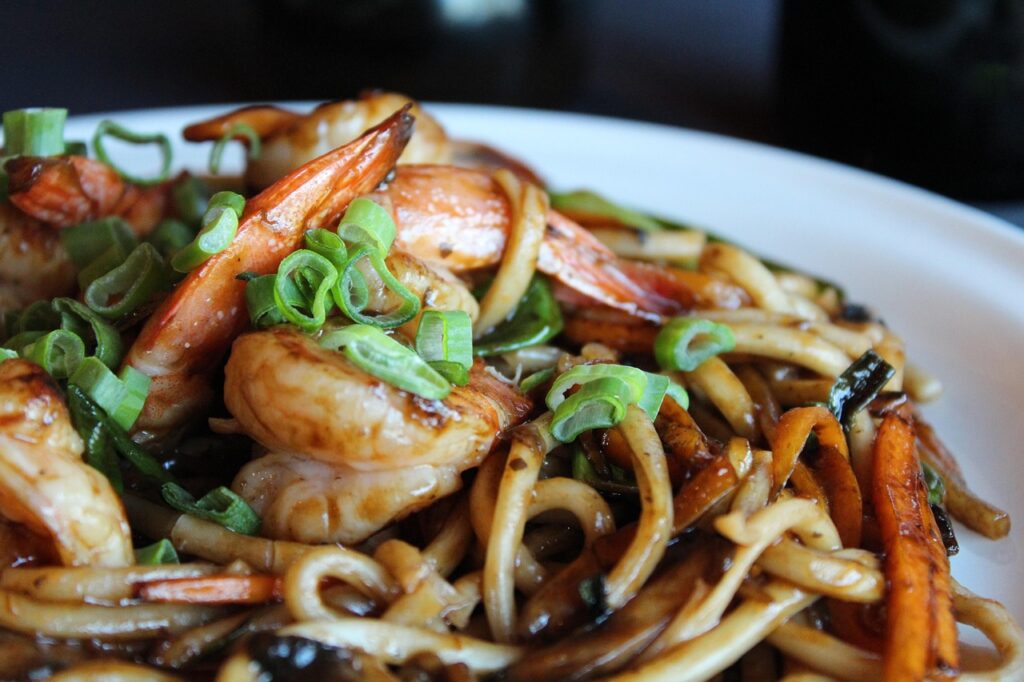
Pasta ca nunnata is one of the most delicate Sicilian dishes and one of the easiest to get wrong. It uses tiny newborn fish, which cook almost instantly and lose flavor if mishandled. Timing is everything, as even a few seconds too long turns the sauce dull and opaque. Outside Sicily, true nunnata is rare, forcing substitutions that lack the same sweetness and texture. The dish also relies on subtle seasoning, not bold flavoring. Without deep familiarity, home cooks often overpower or overcook it. The final result can feel muted instead of elegant. This makes the dish especially difficult to reproduce outside its place of origin.