10 Controversial Recipes from the 70s That Deserve a Comeback

The 1970s were a bold and experimental era in home cooking, when convenience foods, global influences, and a sense of showmanship all converged on the dinner table. Hosts were unafraid to surprise guests with unexpected combinations, dramatic presentations, and dishes designed as much for conversation as for nourishment. Some recipes were instantly embraced, while others sparked debates that lingered for decades. Yet many of these controversial classics were built on solid ideas like balance, efficiency, and shared experience. When revisited with care and understanding, they reveal comfort, creativity, and a spirit of fun that still feels refreshing today.
1. Tuna and Noodle Casserole
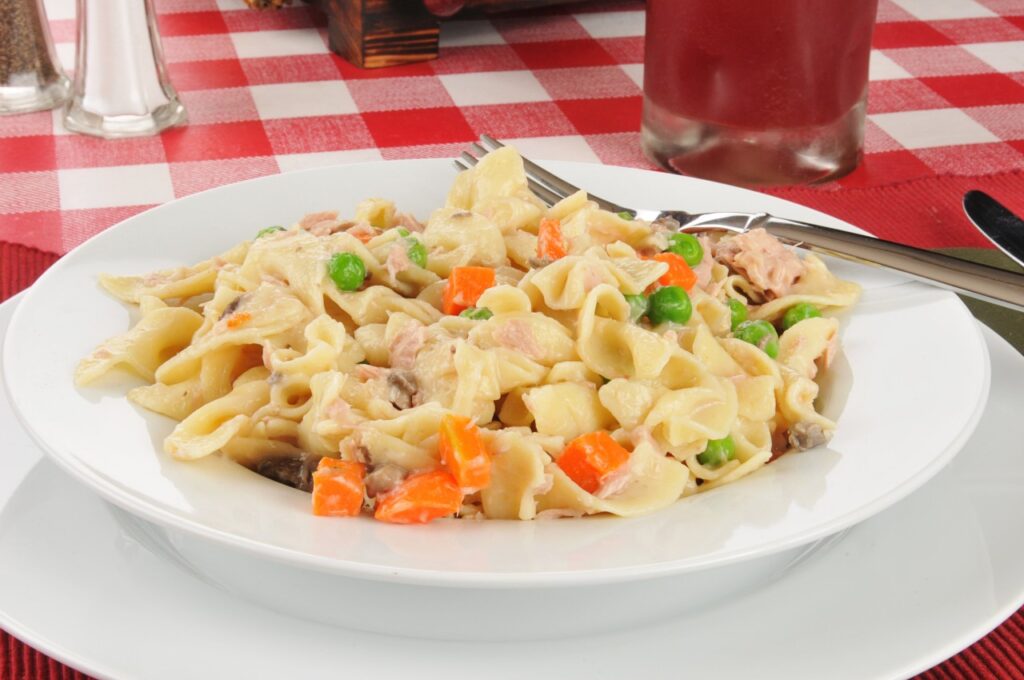
Few dishes capture 1970s home cooking like tuna and noodle casserole, a recipe born from convenience, thrift, and practicality. Built around canned tuna, egg noodles, and a creamy binder, it was designed to stretch ingredients while feeding families efficiently. The creaminess often came from condensed soup, which provided consistency and familiarity rather than nuance. What made it controversial was its reliance on shelf-stable ingredients and its soft, uniform texture. Yet when made thoughtfully, it delivers comfort that modern palates still recognize. Tuna adds protein and saltiness, noodles provide structure, and baked topping creates contrast.
2. Fondue Everything
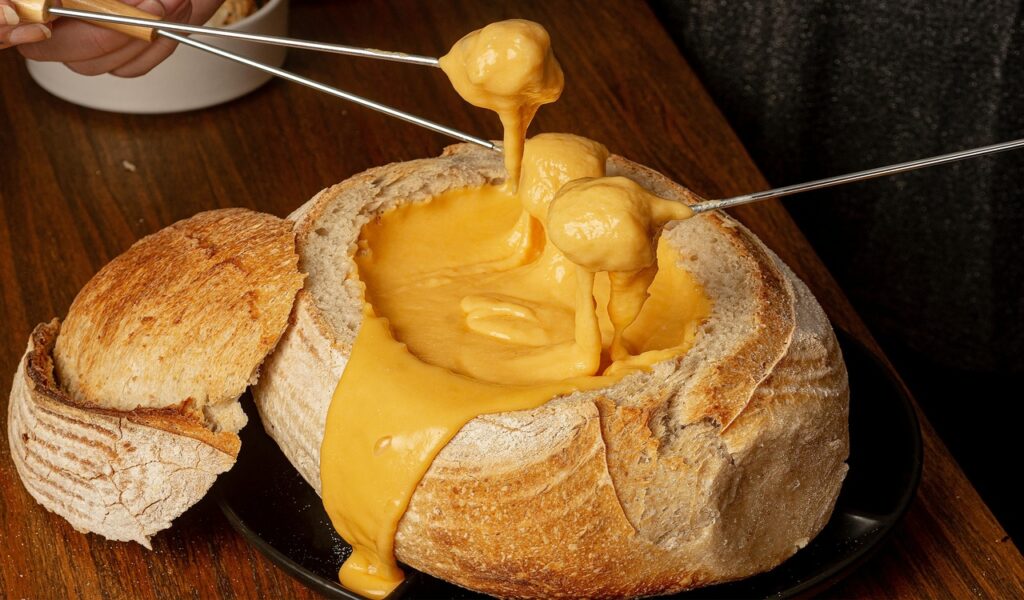
Fondue was less a recipe and more a cultural moment, turning meals into social events. Cheese, oil, or chocolate melted into a shared pot encouraged guests to gather, dip, and linger. In the 1970s, fondue symbolized sophistication and global influence while remaining approachable. Melted cheese offered richness, bread provided structure, and steady heat ensured consistency. Fondue slowed the pace of eating and encouraged conversation, which aligned with the era’s love for experiential dining. With proper temperature control and balanced seasoning, fondue remains a communal and engaging way to eat, offering warmth, indulgence, and connection rather than speed.
3. Pineapple and Ham Casserole
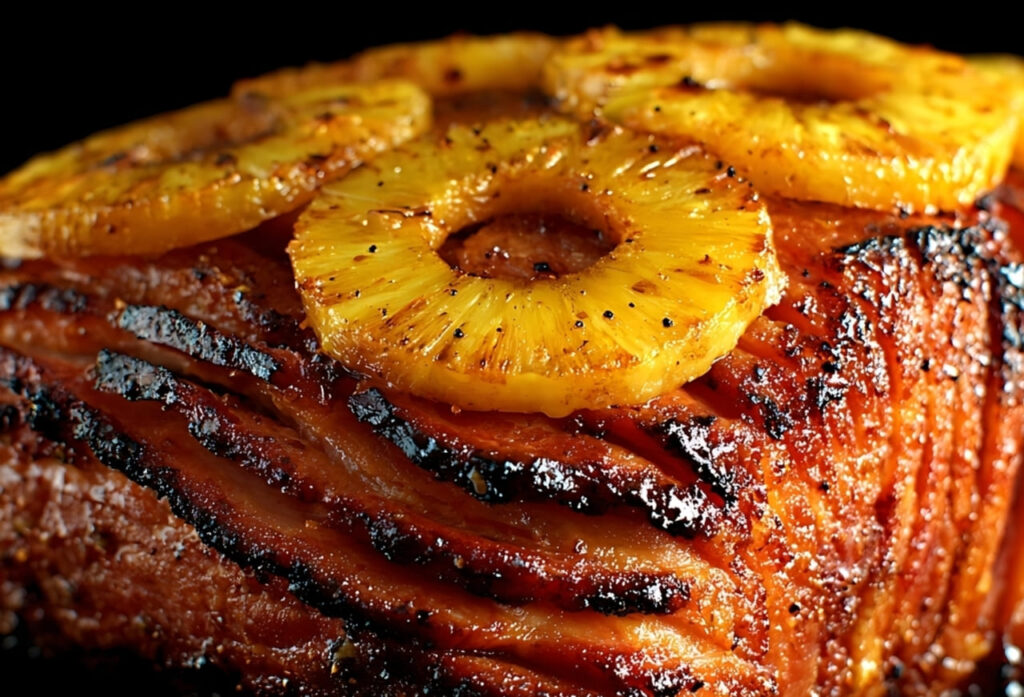
Sweet and savory combinations were a defining feature of 1970s cooking, and pineapple and ham casserole sits squarely in that tradition. Salt-cured ham provided depth and richness, while pineapple added acidity and sweetness. Baked together, the sugars caramelized, creating contrast rather than chaos. The controversy came from fruit being placed alongside meat in a baked dish, which challenged traditional expectations. However, this pairing mirrors flavor logic found in many cuisines worldwide. When prepared with restraint, the result is balanced rather than cloying. The dish works because pineapple cuts through fat, while ham anchors the sweetness.
4. Beef Stroganoff with Sour Cream
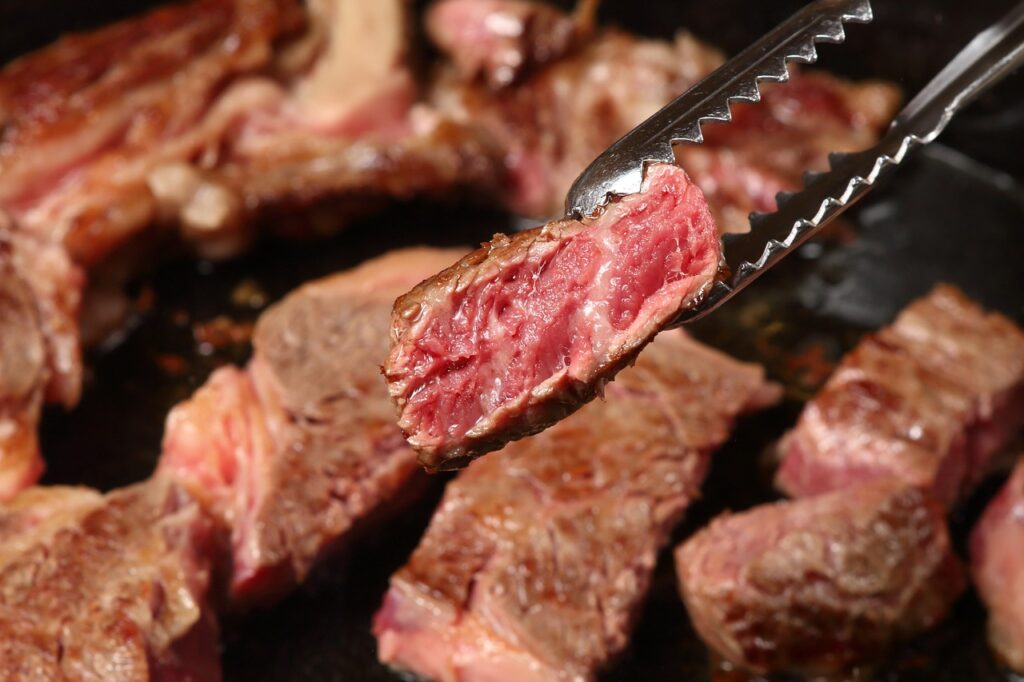
Beef stroganoff was once considered elegant home cooking, offering tenderness, richness, and warmth in one dish. Thinly sliced beef cooked quickly, preserving moisture, while mushrooms added earthiness. Sour cream provided tang that balanced the richness of the meat and sauce. Over time, the dish gained criticism for being heavy, yet its structure remains sound. The acidity of sour cream prevents the sauce from feeling flat, and the dish pairs naturally with noodles or rice that absorb flavor. Stroganoff’s strength lies in its balance of creaminess and sharpness. It remains comforting without being excessive when portions are controlled and ingredients are handled properly.
5. Ambrosia Salad
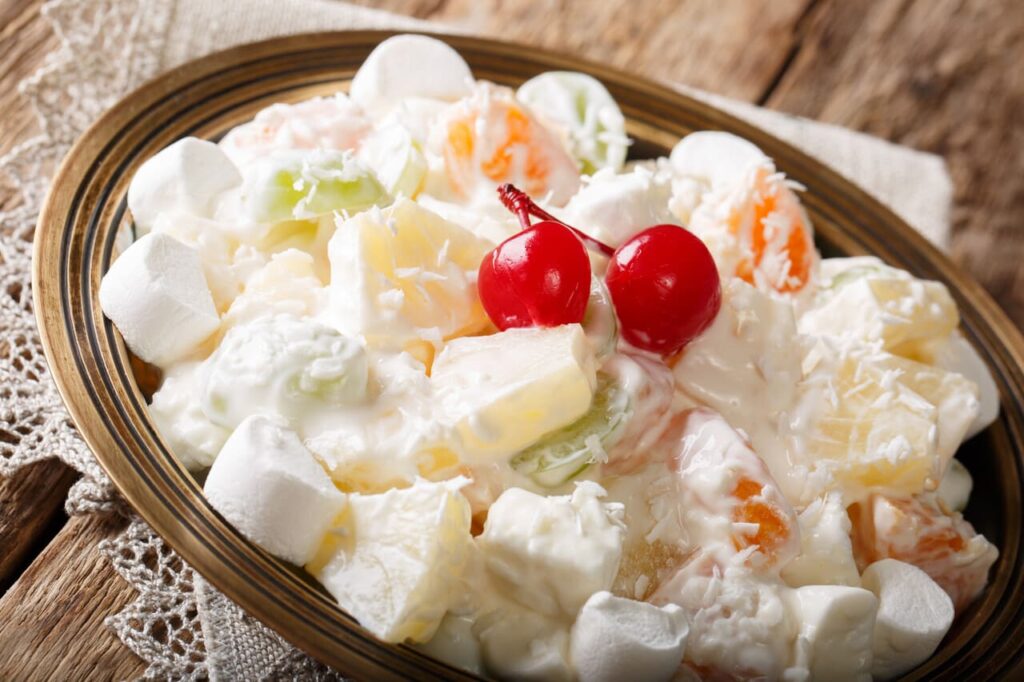
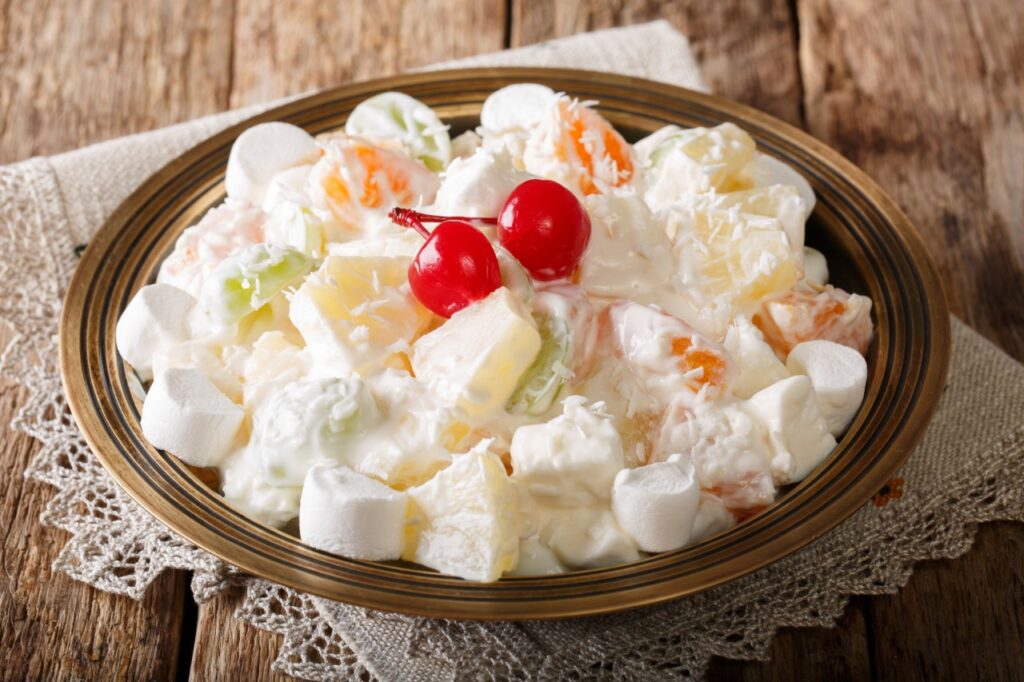
Ambrosia salad sparked debate because it blurred the line between dessert and side dish. Combining fruit, marshmallows, and dairy, it reflected mid-century fascination with sweetness and texture. What often gets overlooked is its intentional contrast. Citrus brings acidity, coconut adds chew, and dairy ties the elements together. The controversy came from its sweetness and unconventional placement on savory tables. Yet ambrosia was designed to refresh and cleanse the palate between heavier foods. When made with fresh fruit and restrained sweetness, it becomes lighter and more balanced. It represents a time when presentation and novelty were as important as tradition.
6. Chicken à la King
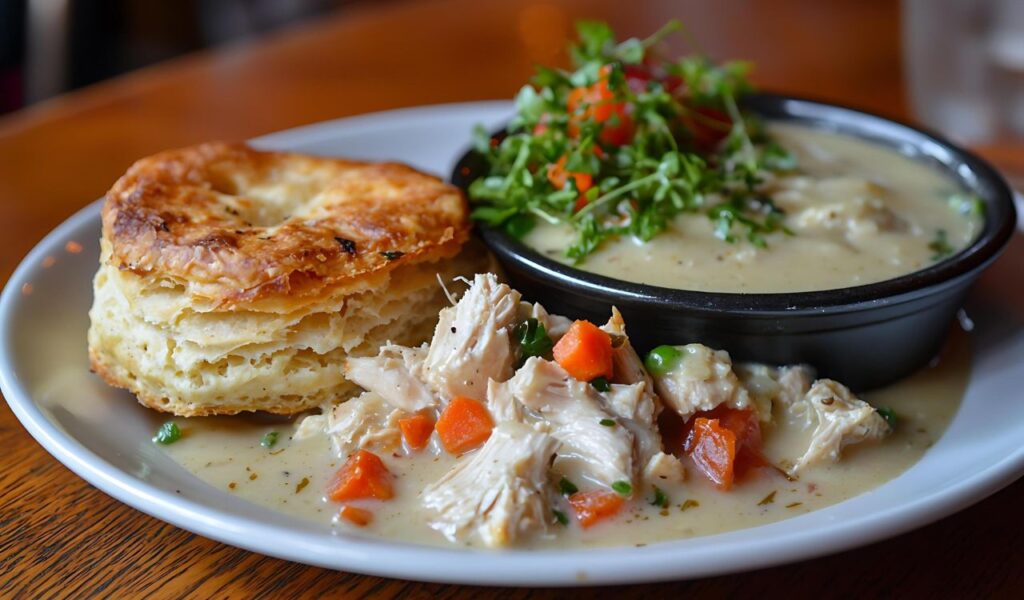
Chicken à la King once symbolized comfort with refinement. Tender chicken pieces were suspended in a creamy sauce alongside mushrooms or peppers, often served over toast or rice. Its decline came from overuse and heavy preparation, not flawed design. The dish was meant to be rich yet structured, with protein and vegetables balanced by sauce. The creamy base provided warmth and cohesion, making it ideal for feeding groups. When executed properly, it offers layered flavor rather than monotony. Chicken à la King reflects a period when sauces were used to unify dishes, not overwhelm them. Its mild elegance made it suitable for both everyday meals and special occasions.
7. Stuffed Bell Peppers with Rice and Beef
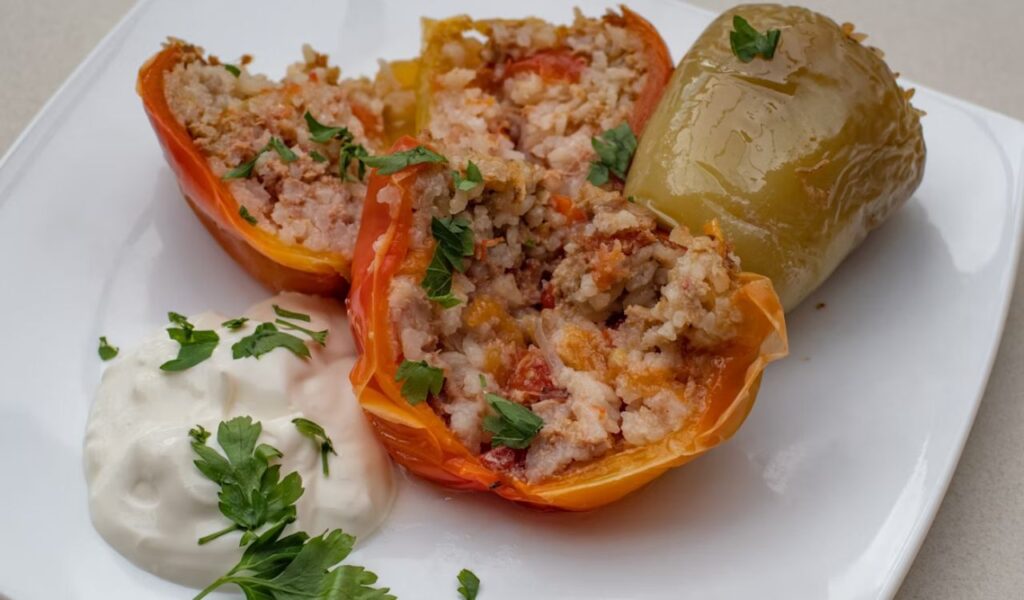
Stuffed bell peppers offered visual appeal and practicality, serving as both container and ingredient. The peppers softened during baking while holding seasoned beef and rice inside. This dish was efficient, colorful, and filling, yet often criticized for blandness. That criticism stemmed from under-seasoning rather than concept. The combination of grain, protein, and vegetables makes nutritional sense, while baking allows flavors to meld. Stuffed peppers exemplify the 1970s emphasis on complete meals in a single dish. With proper seasoning, they remain satisfying, structured, and adaptable to modern tastes.
8. Creamed Spinach Casserole
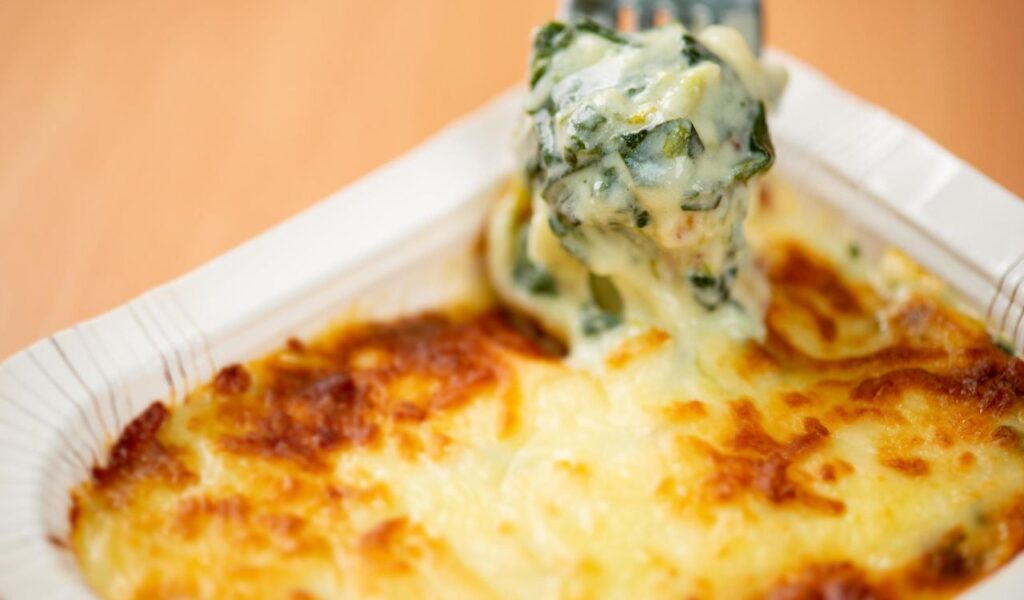
Creamed spinach casserole leaned heavily into richness, which made it divisive over time. Spinach provided bitterness and nutrients, while cream softened its edge. Baked together, the dish became cohesive and comforting. Critics often cite its heaviness, yet spinach’s flavor benefits from fat to become palatable. The casserole format allowed it to be served warm and shared easily. When portions are reasonable and seasoning is balanced, creamed spinach offers depth rather than excess. It reflects an era when vegetables were paired with dairy to encourage consumption and enjoyment. Served alongside roast meats, it acted as a creamy counterpoint that balanced stronger flavors.
9. Deviled Ham Spread

Deviled ham spread thrived in a time when sandwiches and canapés were central to entertaining. Finely ground ham mixed with seasoning created a spreadable, savory bite meant for crackers or toast. Its intensity was deliberate, offering salt and spice in small portions. Over time, it gained a reputation for being overly processed, yet its function remains relevant. As a condiment-style dish, it was never meant to be eaten in large amounts. Deviled ham reflects the 1970s approach to snacks that prioritized bold flavor and convenience, making it suitable for social settings. Its strong seasoning allowed hosts to serve simple breads and crackers without additional preparation.
10. Baked Alaska
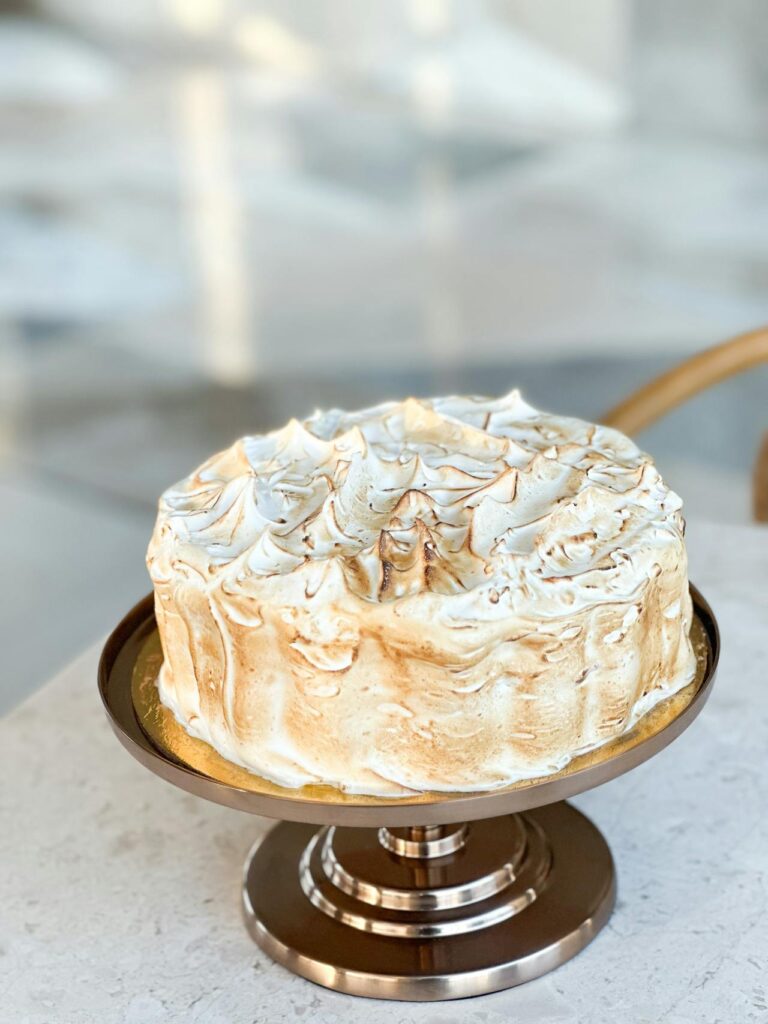
Baked Alaska stood as proof that 1970s cooking valued spectacle. Ice cream encased in cake and meringue, then briefly baked, challenged assumptions about heat and texture. The dish worked through careful insulation, allowing the meringue to brown while the ice cream stayed frozen. Its controversy came from perceived excess and showmanship. Yet Baked Alaska demonstrated technical understanding and confidence. It was designed to impress and conclude meals with drama. When executed properly, it remains a balance of cold, warm, crisp, and soft. This dessert captures the theatrical side of 1970s dining, where presentation mattered as much as flavor.