9 Recipes from the 70s That Should Never Make a Comeback

The 1970s were fearless in the kitchen, embracing shortcuts, showy presentations, and bold experiments that felt modern at the time. Convenience foods, gelatin molds, and sweet-savory mashups dominated dinner tables, often prioritizing novelty over flavor. While the decade produced a few comforting classics, it also gave rise to dishes that puzzled even loyal fans. These recipes reflect a moment when visual impact and ease mattered more than balance or texture. Looking back, they offer equal parts nostalgia and disbelief. Here are the infamous creations that remind us why some food trends are better admired from a distance rather than revived.
1. Aspic
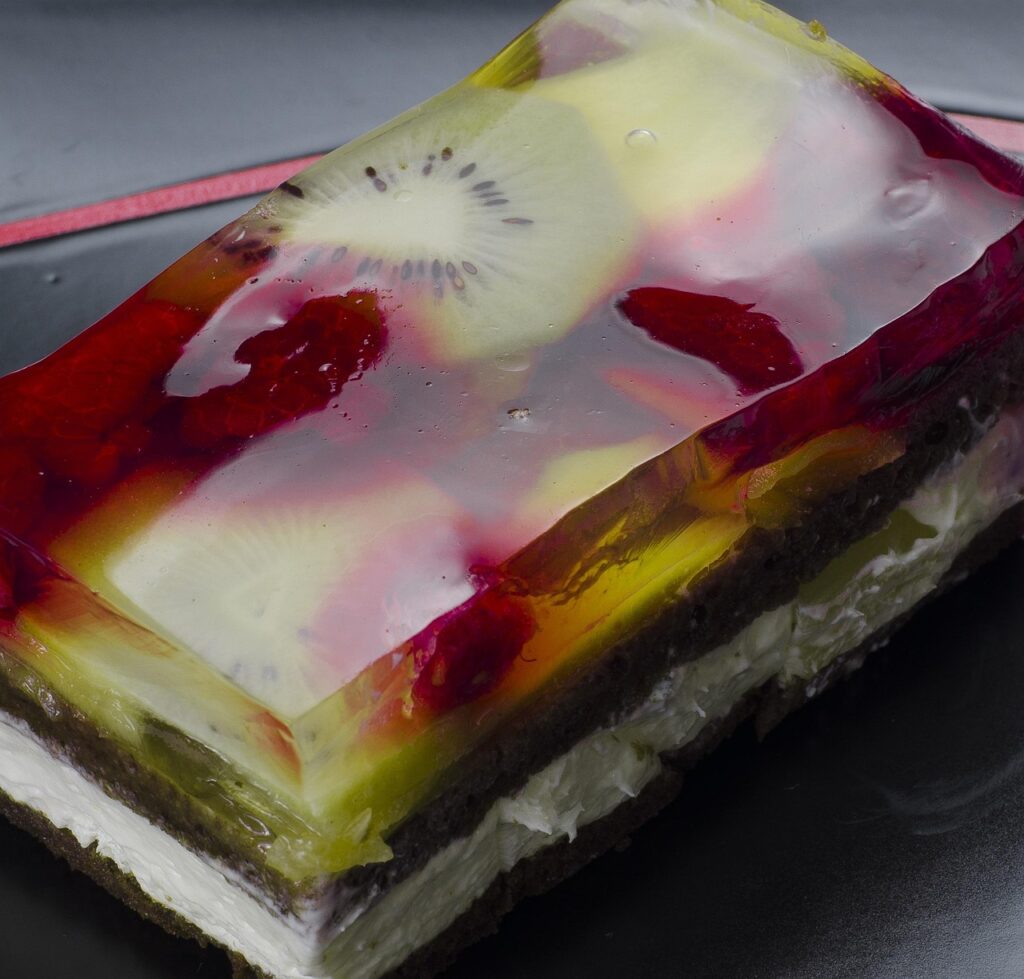
What once passed for elegance now reads more like a culinary dare. Aspic became popular in the 1960s and 70s because gelatin symbolized modern convenience and control. Home cooks could suspend vegetables, eggs, seafood, and meat in clear molds that looked impressive on the table. The problem was never just appearance. Savory gelatin dulls flavor by muting salt and aroma, especially when served cold. Ingredients lose their individuality and become texturally similar, which makes every bite feel the same. Aspic also relied heavily on boxed gelatin and bouillon, both high in sodium and lacking depth. As food culture shifted toward freshness and contrast, aspic fell apart.
2. Tuna and Jell-O Salad
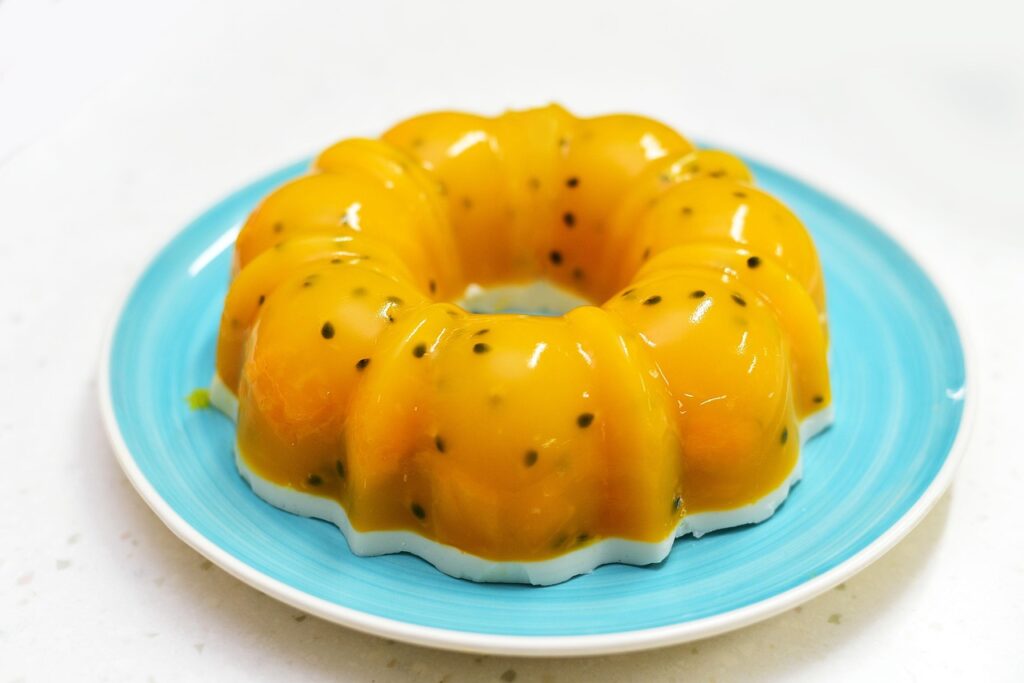
This dish perfectly captures the confusion of convenience cooking. Canned tuna was affordable and shelf-stable, while gelatin promised speed and structure. Combining the two seemed logical at the time, but flavor science was not on its side. Tuna contains strong savory compounds that clash with the sweetness and acidity found in most gelatin mixes. Even vegetable-based gelatin could not hide the metallic edge of canned fish. Texture made things worse. As the gelatin sets, it traps moisture and oil from the tuna, creating a slick, uneven mouthfeel. Served cold, the dish dulls the seasoning and exaggerates fishiness. It was often promoted as a light meal, yet it lacked freshness and balance.
3. Cocktail Sausages in Grape Jelly
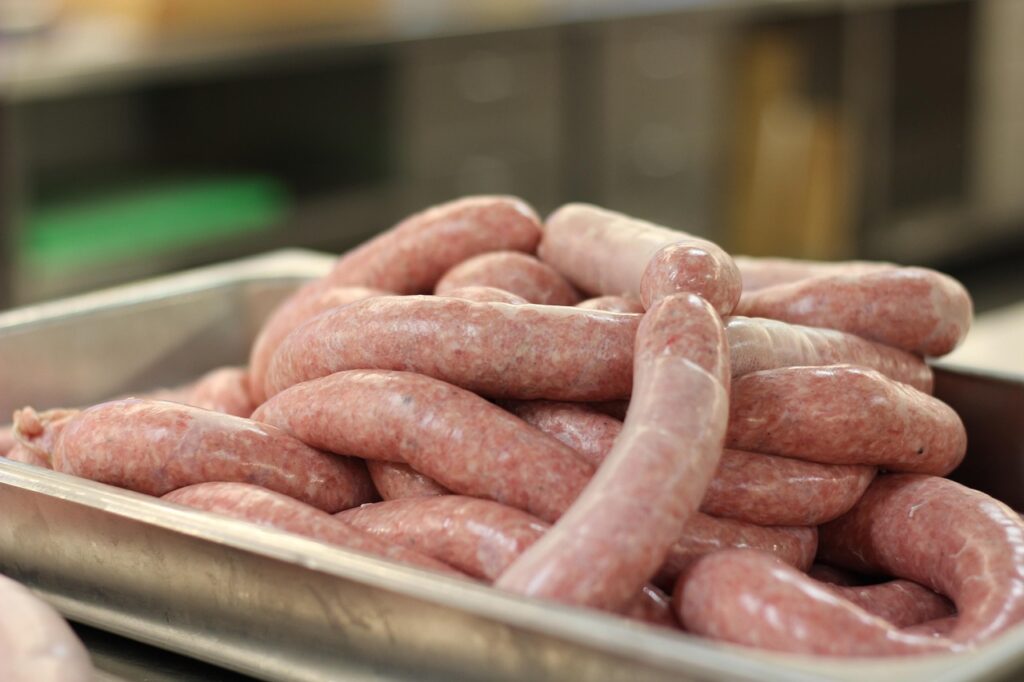
This recipe survived longer than most because it hit a comfort nerve, but it still reflects the excess of the era. Grape jelly mixed with chili sauce was meant to offer sweet heat, yet the sugar content overwhelmed the dish. Processed sausages already contain salt, fat, and preservatives. Adding melted jelly pushes the flavor profile into cloying territory. The sauce coats the sausages rather than complementing them, masking meatiness instead of enhancing it. Texture also suffers. As the sauce cools, it thickens unevenly and turns sticky. While it worked for large parties where quantity mattered more than quality, it does not hold up under modern expectations.
4. Salmon Mousse
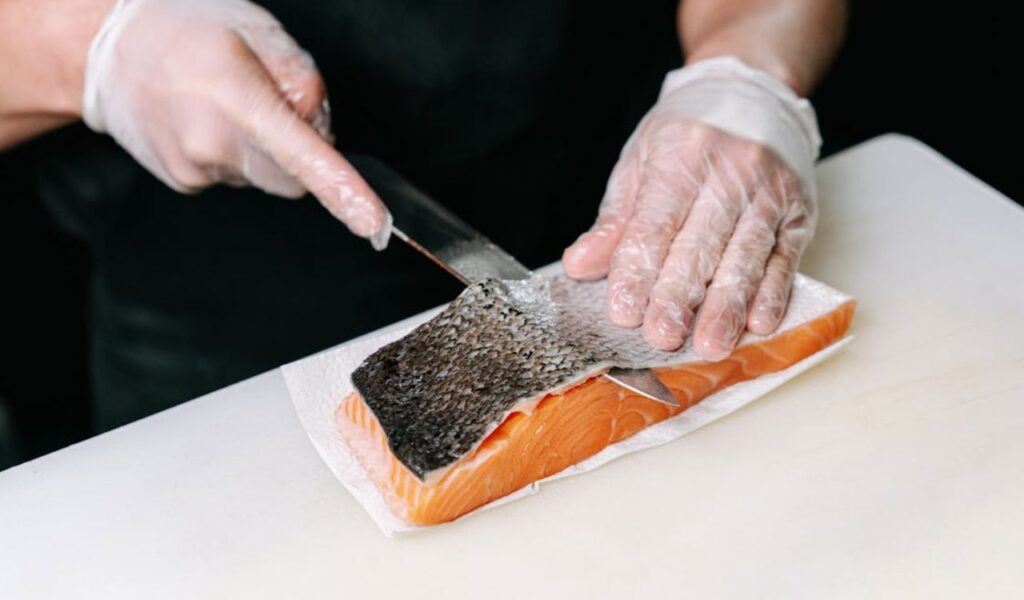
Salmon mousse was designed to impress, not satisfy. Blending cooked or canned salmon with cream cheese, gelatin, and seasoning created a dish that looked refined when unmolded. The problem lay in density and flavor dilution. Whipping salmon into a paste removes its natural flakiness and replaces it with a uniform texture that feels heavy on the palate. Gelatin further dampens taste, while cream cheese mutes the fish’s natural brightness. Served cold, the mousse lacks aroma and depth. Salmon shines when treated gently and paired with acid or herbs. Turning it into a molded spread strips away freshness and replaces it with richness that quickly becomes tiring.
5. Ambrosia Salad
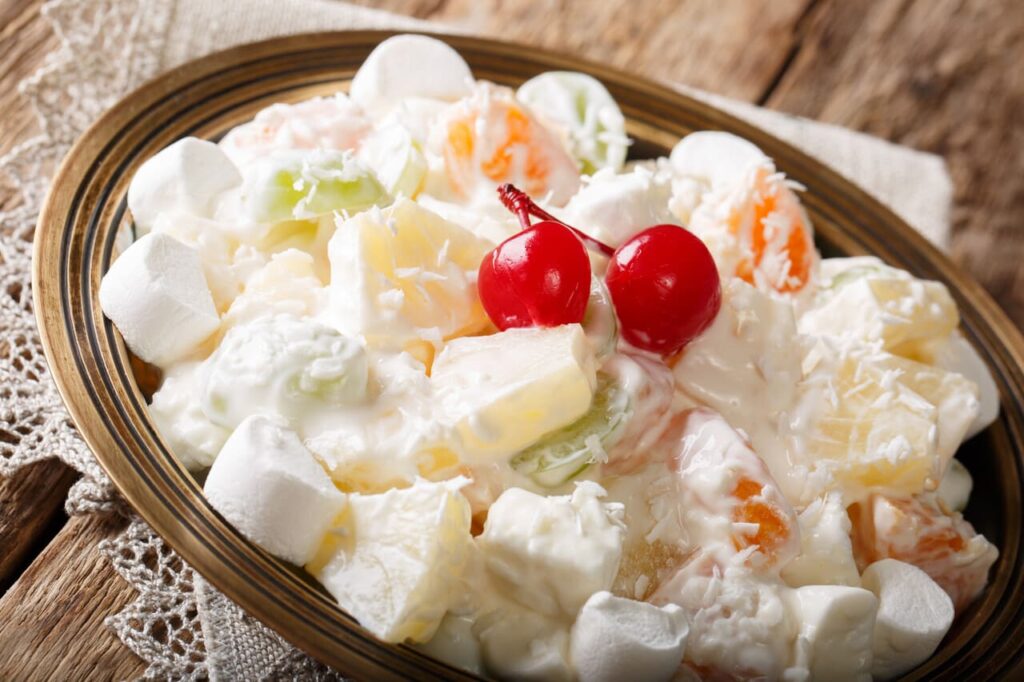
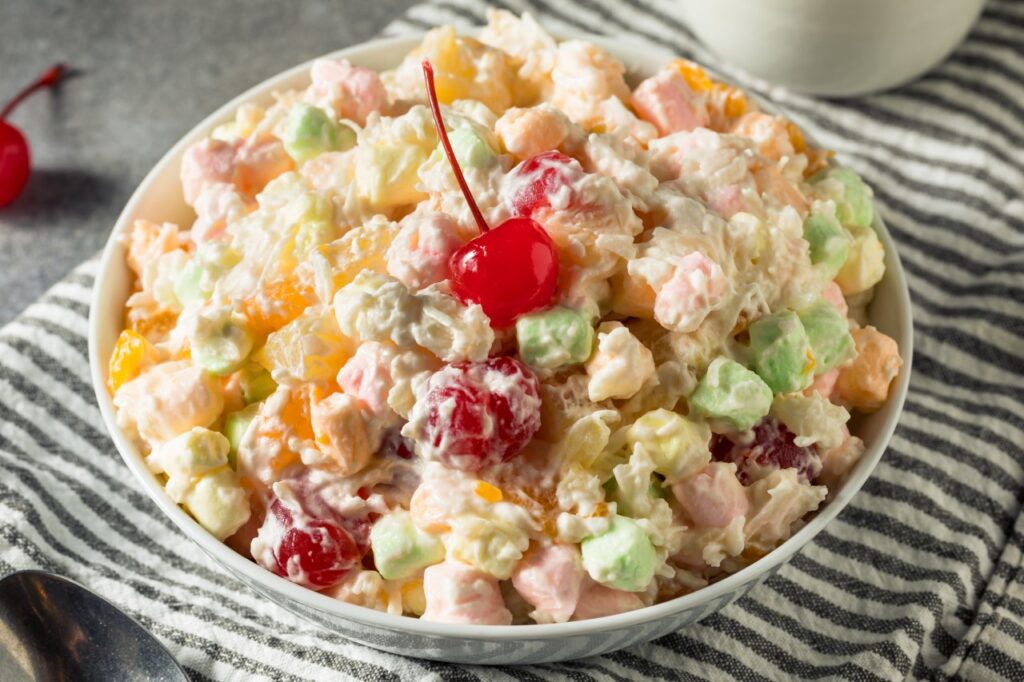
Ambrosia salad reflects a time when sweetness was mistaken for indulgence. Canned fruit, mini marshmallows, coconut, and whipped topping were easy to assemble and visually cheerful. Nutritionally and structurally, the dish struggled. Canned fruit sits in syrup, marshmallows add pure sugar, and whipped topping contributes fat without complexity. The result is a dish that spikes sweetness without offering balance or texture contrast. Everything is soft, slick, and cloying. It was often labeled a salad to justify its place on the table, but it functioned entirely as dessert. Modern tastes lean toward controlled sweetness and real ingredients. Fresh fruit, dairy, and acidity create harmony.
6. Chicken à la King
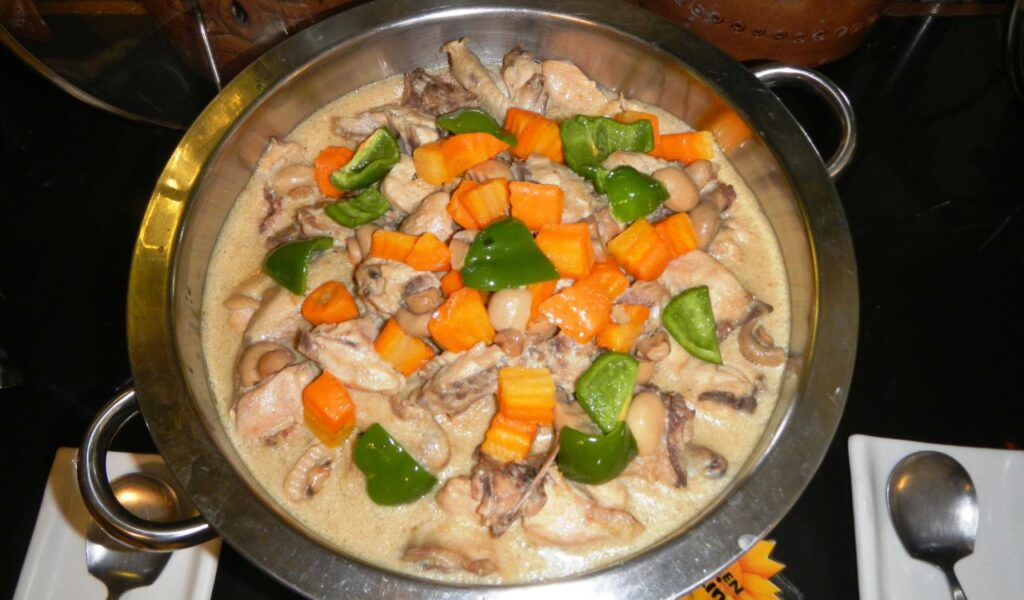
Chicken à la King began as a respectable dish, but by the 1970s it had become a casualty of convenience cooking. Canned soups, frozen vegetables, and heavy cream replaced careful sauce-making. The result was thick, salty, and monotonous. The chicken often overcooked while sitting in sauce, losing moisture and texture. Without fresh herbs or acidity, the dish leaned heavily on fat for flavor. Served over toast or rice, it filled plates but rarely excited anyone. Lighter sauces, fresh aromatics, and proper seasoning now define quality. Chicken à la King in its retro form feels weighed down by shortcuts that no longer make sense in home kitchens focused on flavor and freshness.
7. Ham and Banana Hollandaise
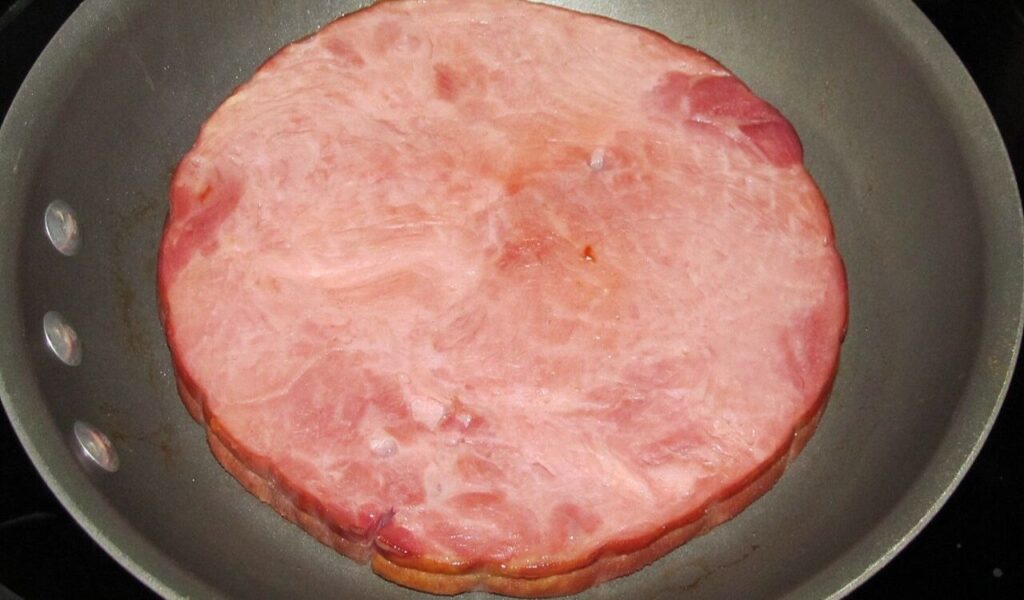
This dish represents the peak of sweet and savory confusion. Bananas wrapped in ham were already a stretch, but covering them in hollandaise pushed the combination too far. Bananas soften and sweeten when heated, while ham contributes salt and smoke. Hollandaise adds fat and richness without acidity strong enough to cut the sweetness. The textures clash as well. Soft fruit, chewy meat, and heavy sauce create a mouthfeel that feels muddled rather than harmonious. The dish was born from novelty rather than understanding flavor balance. Modern cooking emphasizes restraint and purpose. Each ingredient should earn its place. In this case, none of them truly supports each other.
8. Beef Tongue in Gelatin
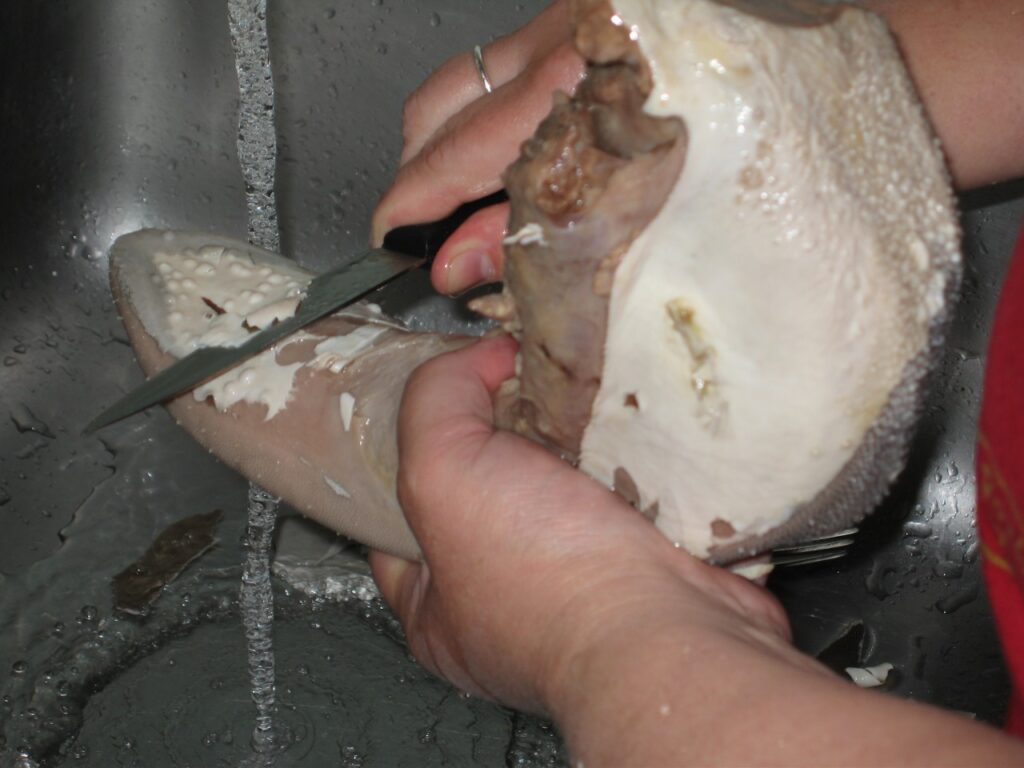
Beef tongue itself is not the problem. Prepared, it can be tender and flavorful. The issue arises when it is encased in gelatin. Gelatin highlights texture more than taste, and the tongue already has a distinct mouthfeel that many people find challenging. Serving it cold further dulls flavor and emphasizes firmness. In the 1970s, gelatin molds were used to preserve and present meats neatly. Unfortunately, they stripped away warmth, aroma, and seasoning impact. Modern approaches to tongue focus on slow cooking, slicing, and pairing with acid or spice. Gelatin does the opposite. It isolates the meat and freezes it in an uninviting form that discourages all but the most adventurous eaters.
9. Pineapple Cheese Casserole
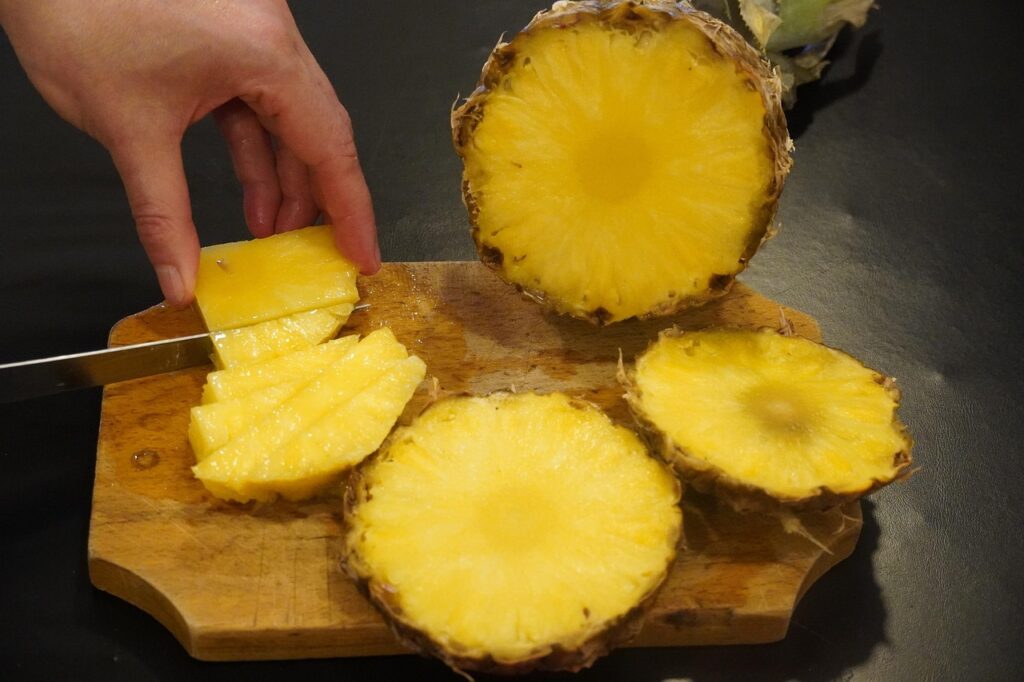
This dish aimed to walk the line between side and dessert, but never quite figured out where it belonged. Canned pineapple brings sweetness and acidity, while processed cheese adds salt and fat. Crackers or breadcrumbs attempt to unify the mixture, yet the flavors pull in opposite directions. When baked, the pineapple releases moisture, softening the structure and diluting the cheese. The sweetness dominates first, followed by an aftertaste of melted dairy that feels out of place. While sweet and savory combinations can work, they require careful balance. This casserole relied on processed ingredients that lacked the precision needed to make the pairing successful.